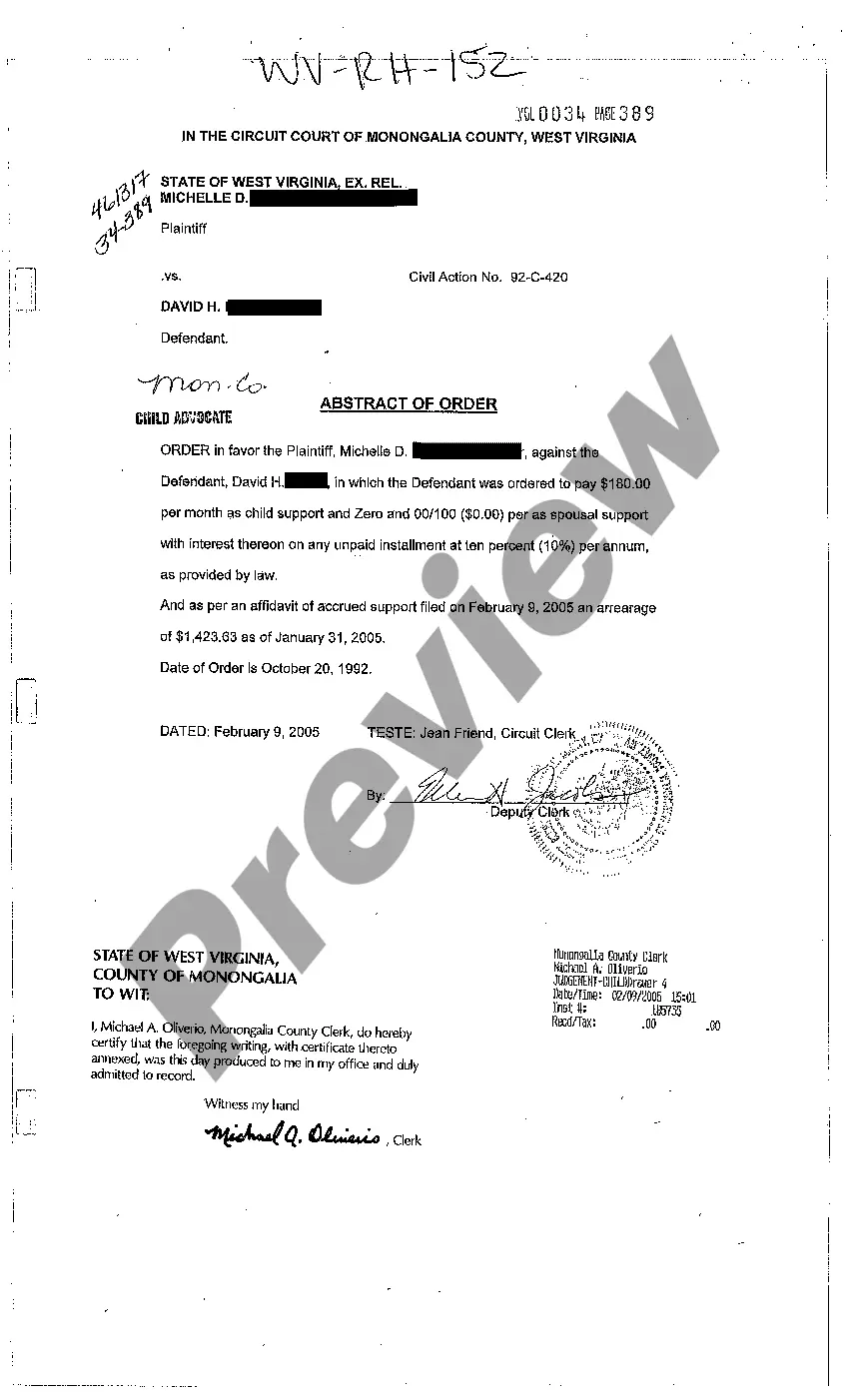
Rhode Island Letter from Tenant to Landlord containing Notice that heater is broken, unsafe or inadequate and demand for immediate remedy
What is this form?
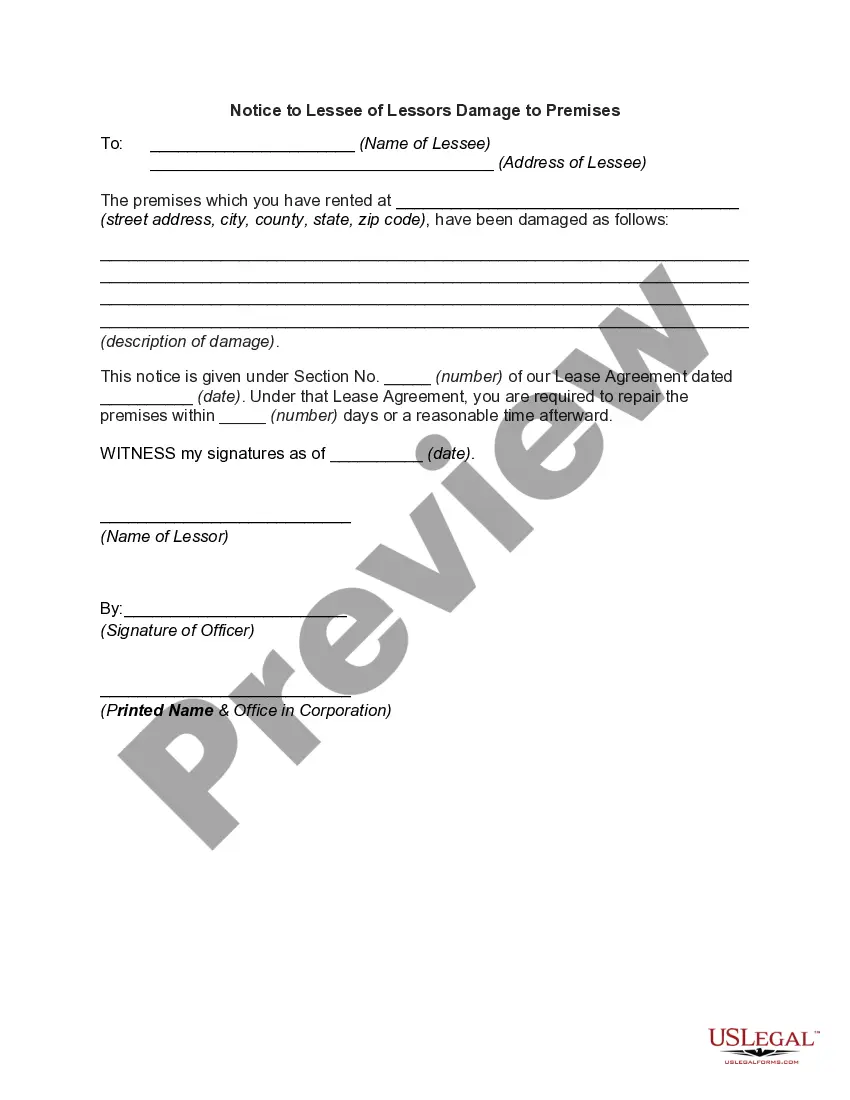
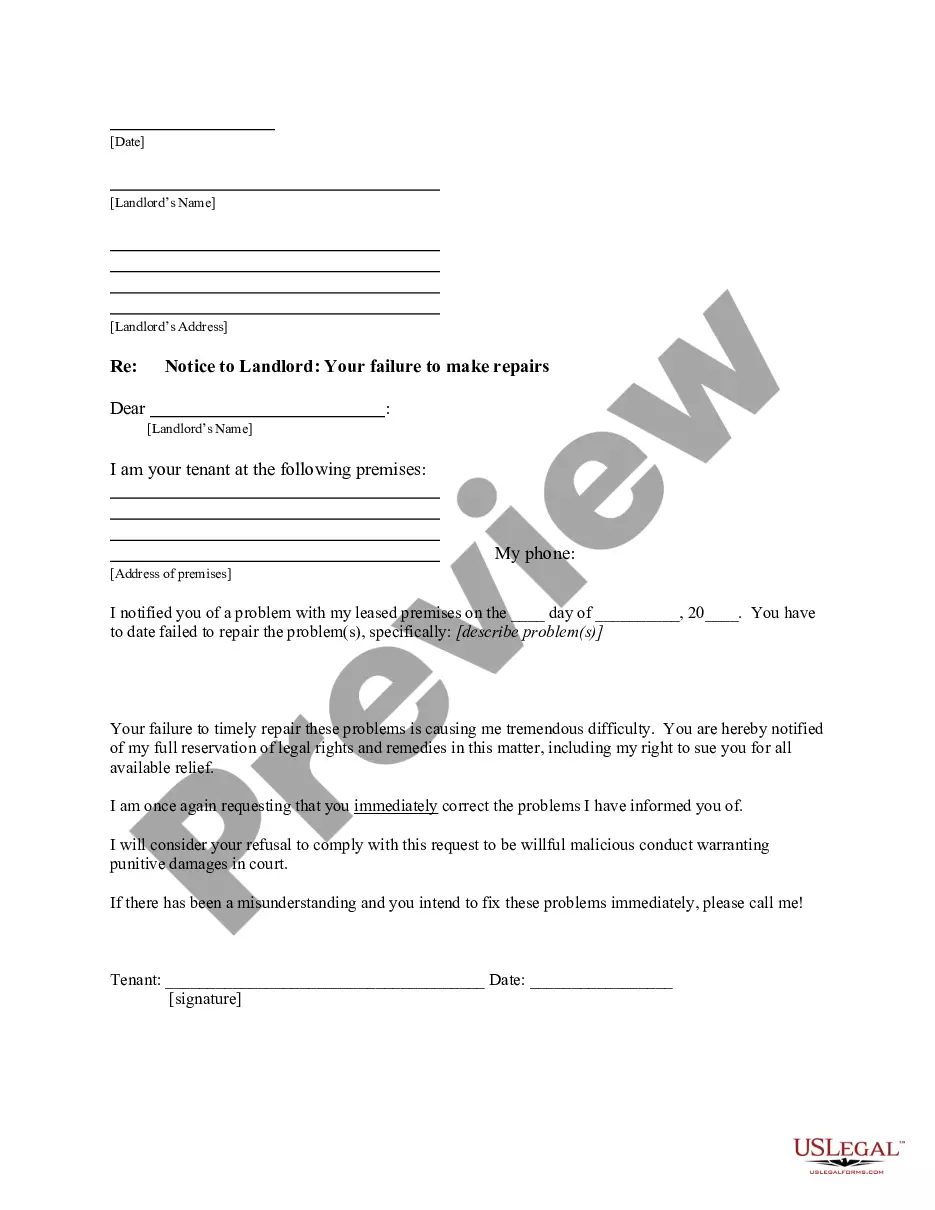
This form is used by a tenant to formally notify the landlord that the heating system in the rental property is broken, unsafe, or inadequate. It outlines the landlord's failure to maintain the property in a tenantable condition and demands immediate action for repairs. This letter serves as a crucial tool for tenants seeking resolution, differentiating it from other forms related to property maintenance issues.
Form components explained
- Tenant's contact information
- Date of the notification
- Description of the heating issue
- Statement regarding the landlord's obligation to maintain the property
- Demand for immediate repairs
- Signature of the tenant


When to use this form
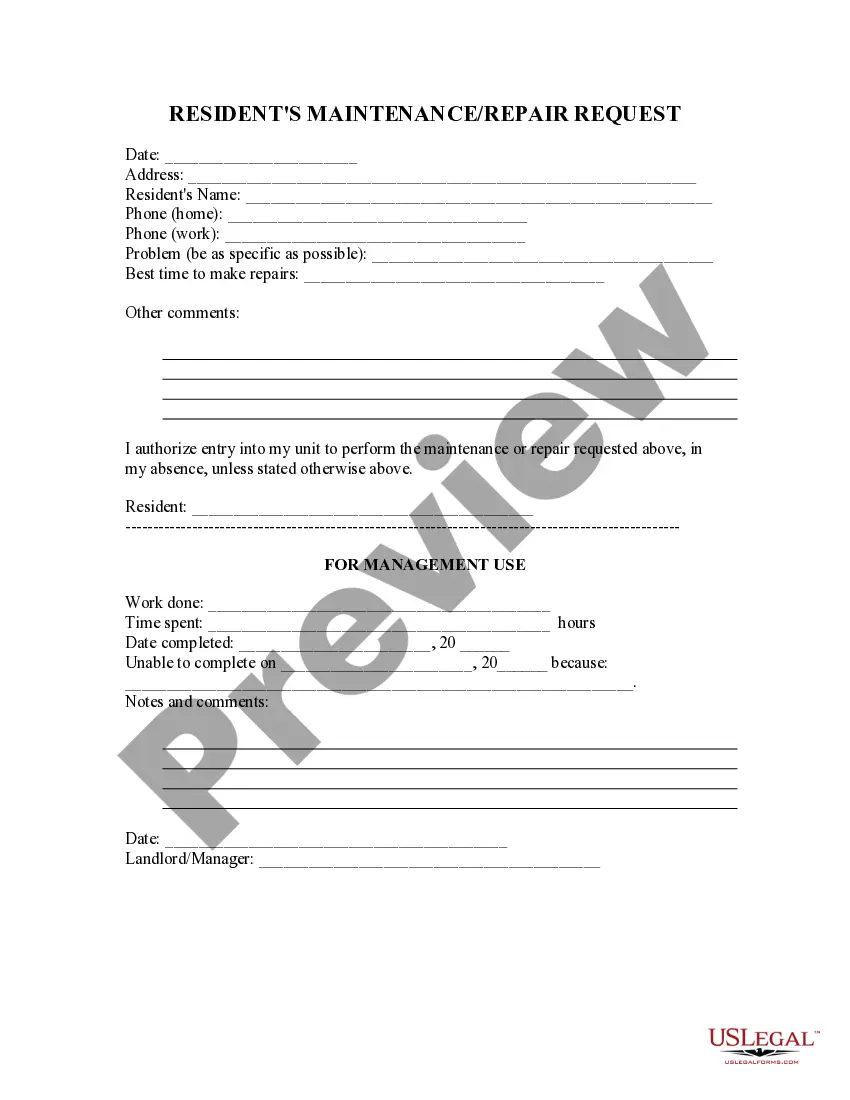
This form should be used when a tenant experiences problems with the heating system in their rental unit. Ideal scenarios include situations where the heating is completely non-functional, inadequate for maintaining a safe temperature, or poses safety risks, especially during cold weather months. It is essential to notify the landlord in writing to document the issue formally and to facilitate prompt repairs.
Who should use this form
- Renters living in residential properties
- Tenants experiencing heating issues that need addressing
- Individuals looking to officially document their communication with the landlord
How to complete this form
- Enter the tenant's contact information at the top of the form.
- Specify the date when the form is completed.
- Detail the issue with the heating system clearly in the designated section.
- State the landlord's obligation to maintain the property as per local regulations.
- Sign the letter to acknowledge your request and submit it to the landlord.
Is notarization required?
Notarization is not commonly needed for this form. However, certain documents or local rules may make it necessary. Our notarization service, powered by Notarize, allows you to finalize it securely online anytime, day or night.
Get your form ready online
Our built-in tools help you complete, sign, share, and store your documents in one place.
Make edits, fill in missing information, and update formatting in US Legal Forms—just like you would in MS Word.
Download a copy, print it, send it by email, or mail it via USPS—whatever works best for your next step.
Sign and collect signatures with our SignNow integration. Send to multiple recipients, set reminders, and more. Go Premium to unlock E-Sign.
If this form requires notarization, complete it online through a secure video call—no need to meet a notary in person or wait for an appointment.
We protect your documents and personal data by following strict security and privacy standards.

Make edits, fill in missing information, and update formatting in US Legal Forms—just like you would in MS Word.

Download a copy, print it, send it by email, or mail it via USPS—whatever works best for your next step.

Sign and collect signatures with our SignNow integration. Send to multiple recipients, set reminders, and more. Go Premium to unlock E-Sign.

If this form requires notarization, complete it online through a secure video call—no need to meet a notary in person or wait for an appointment.

We protect your documents and personal data by following strict security and privacy standards.
Avoid these common issues
- Failing to provide enough detail about the heating issue.
- Not including the date or tenant's contact information.
- Neglecting to sign the form before submission.
- Using informal language instead of a professional tone.
Benefits of using this form online
- Convenient access to a legally drafted form available for immediate download.
- Templates can be easily edited to fit individual circumstances.
- Ensures compliance with legal standards, reducing potential errors.
Legal use & context
- This form serves as a formal notification, helping protect the tenant's rights.
- Documenting communication with the landlord can be valuable in case of disputes.
- Failure to address heating issues promptly may result in legal consequences for the landlord.
Key takeaways
- Use this form to notify your landlord immediately about heating issues.
- Ensure complete details are provided to facilitate prompt resolution.
- Submit the form formally and keep a copy for your records.
Looking for another form?




Form popularity
FAQ
Keep it short and only reference information relevant for an apartment application. If you are a landlord or property manager, outline your rental history and your experience with the tenant. Know what you can or cannot say. Be honest and accountable. Never lie. Keep emotions at bay. Keep it structured.
To give you an idea, it's in good taste to start your letter "Dear Mr./Ms. Insert Name Here," as is the case with any polite letter. No matter how much you might want to give your landlord a piece of your mind, do yourself a favor and refrain from calling him a slumlord.
The landlord had a duty to reasonably maintain the property; The landlord knew or should have known of the dangerous condition; The landlord breached their duty by failing to repair/fix the dangerous condition;
Today's Date. Landlord's Name. Property Address and Unit Number. State Your Desire to Move Out of the Apartment. Include Desired Move-Out Date. That You Expect the Return of Your Security Deposit Under State Law. A Forwarding Address Where Your Security Deposit Can Be Sent.
Any time you write a letter or email to your landlord, keep your language clear and concise to eliminate any potential for confusion. Include relevant details such as the date of writing, the dates of any instances referenced within the letter, and your contact information and unit number.
Detail the issue that you're experiencing in your rental (include pictures if helpful) propose a reasonable solution. mention possible consequences, such as health problems, a fire, or a burglary or assault, of not dealing with the issue promptly, and.
Uninhabitable conditions can include dangerous ones, such as holes in the floor, unsafe or exposed wiring, or non-working air conditioning in dangerously hot summer months. Gross infestations of roaches, fleas or other pests are also uninhabitable conditions.
When a crime occurs at a rental property, the tenant is responsible for insuring his or her possessions, while the landlord is responsible for the premises and any damage incurred. The only exception would be in the highly unlikely event that the landlord could prove that you were somehow responsible for the damage.