Negligence and Personal Injury Questionnaire
About this form
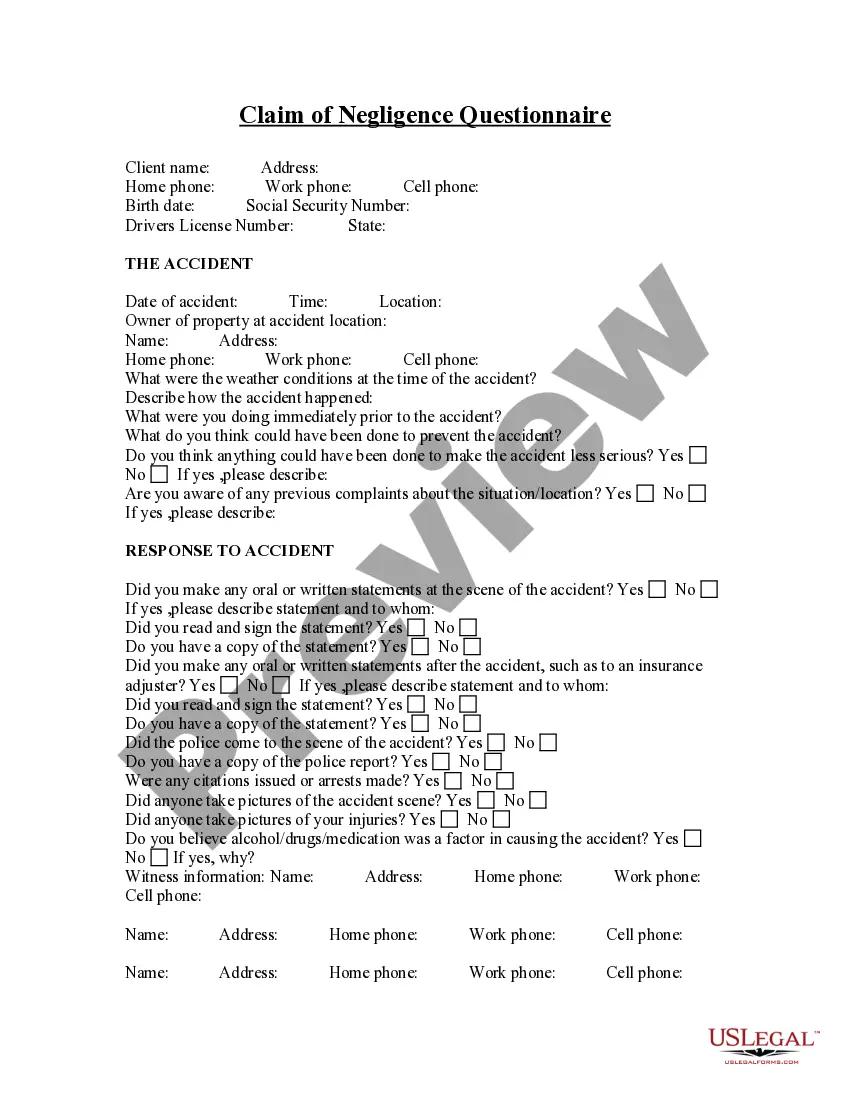
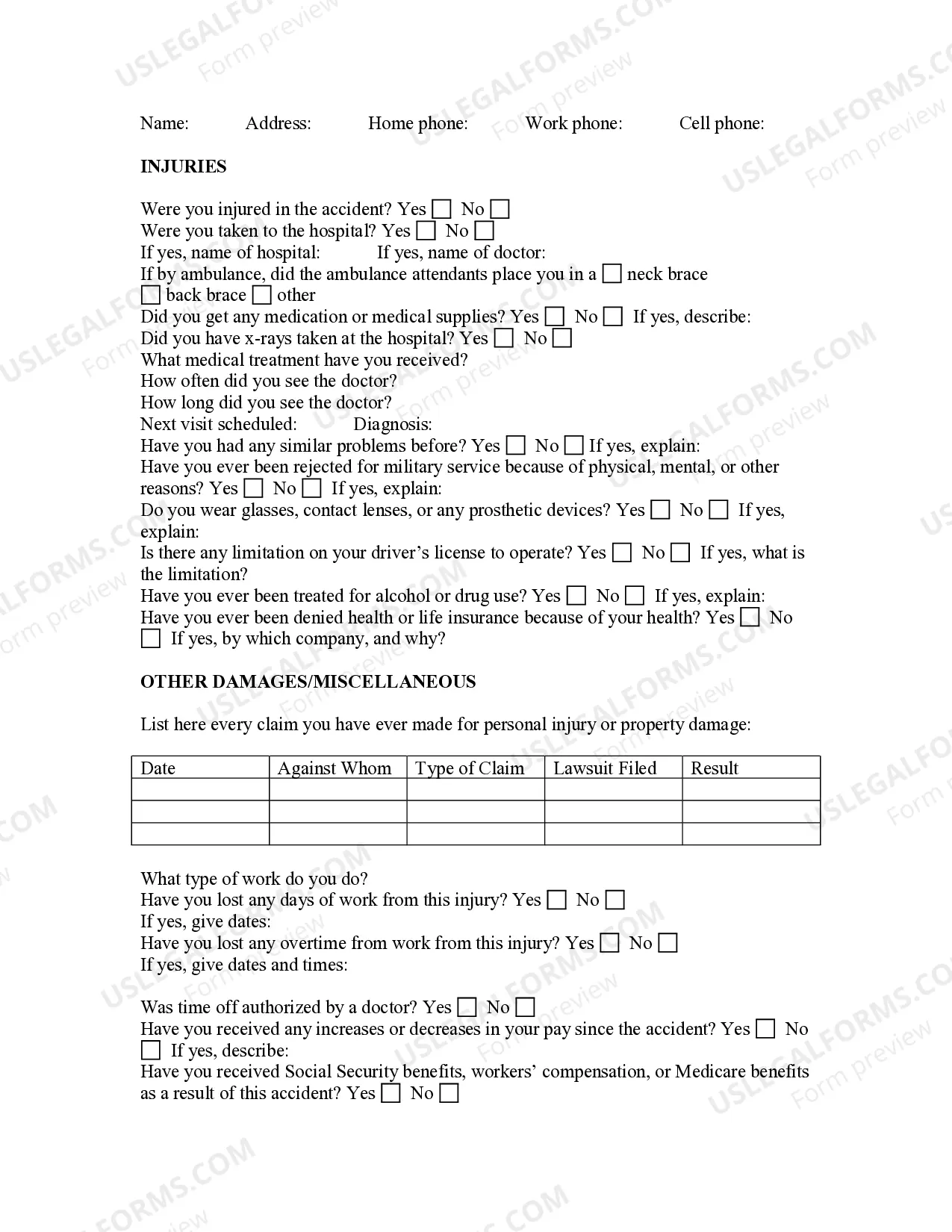
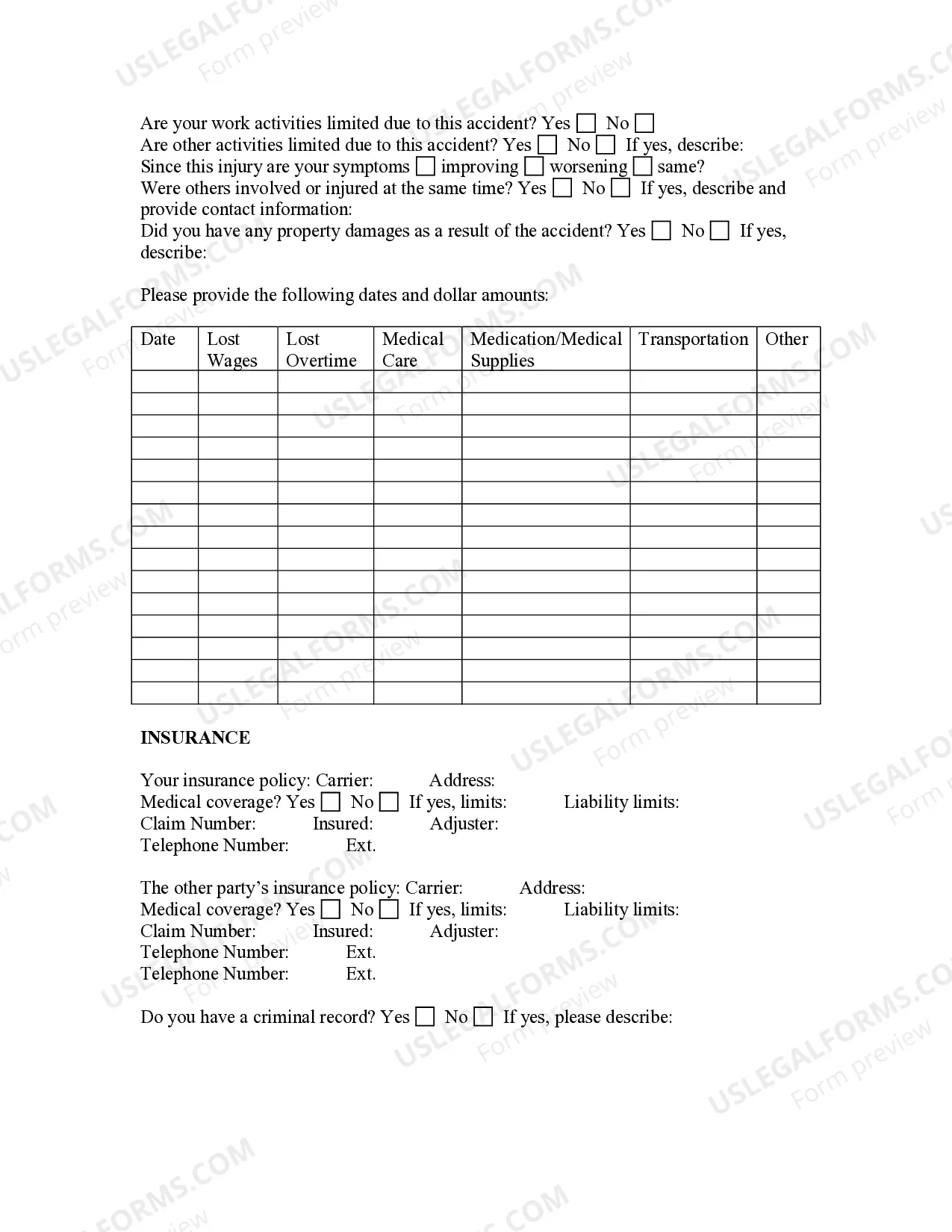
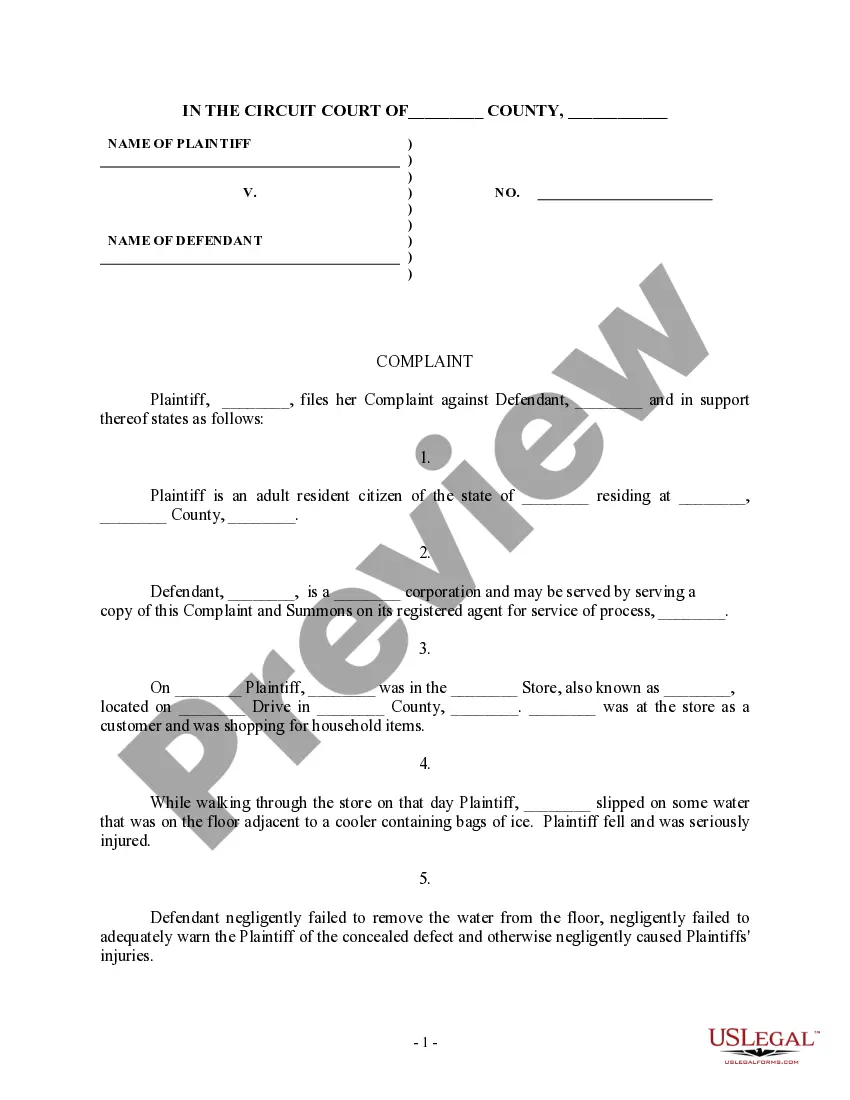
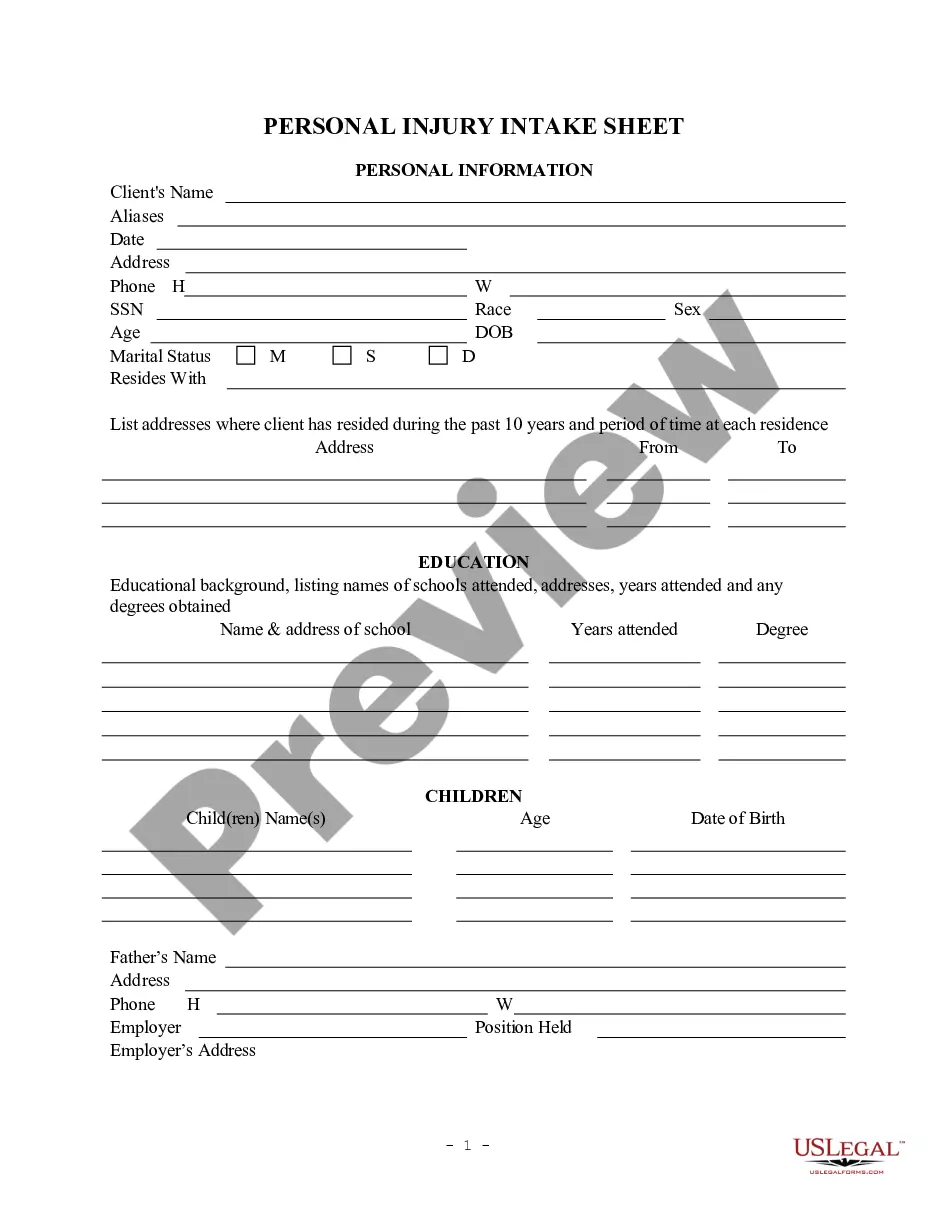
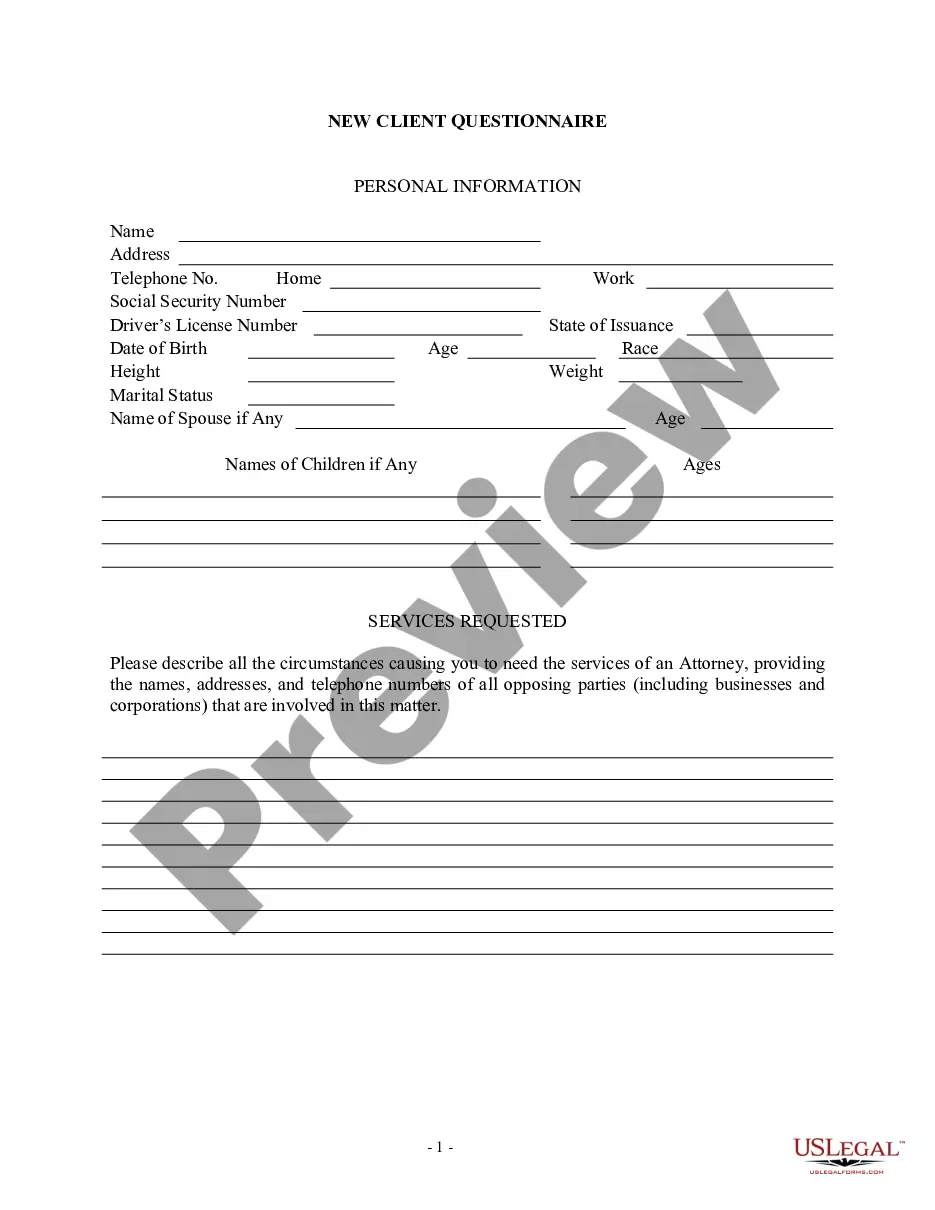
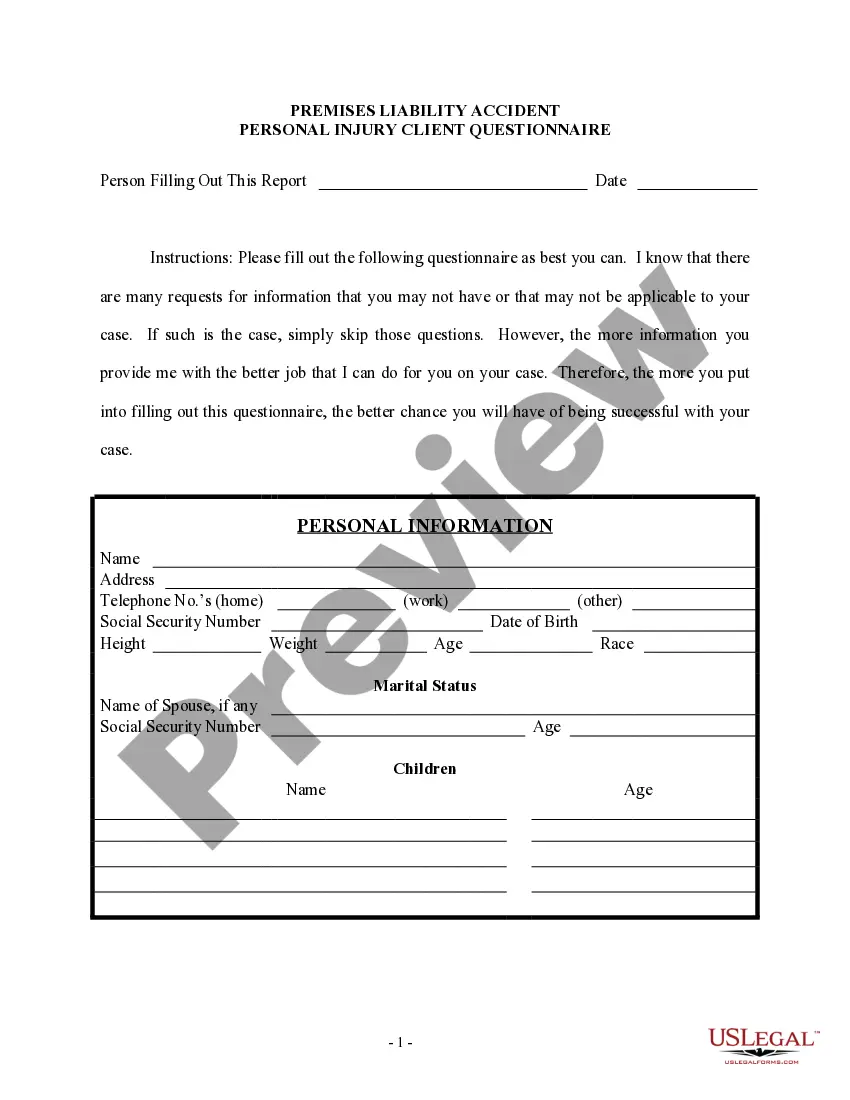
The Negligence and Personal Injury Questionnaire is a legal document designed to help individuals prepare for a personal injury or negligence case. This form assists in identifying key issues and problems that may affect legal rights and obligations, making it essential for anyone seeking legal assistance. Unlike other forms, this questionnaire serves both clients and attorneys by facilitating a comprehensive case evaluation.
Main sections of this form
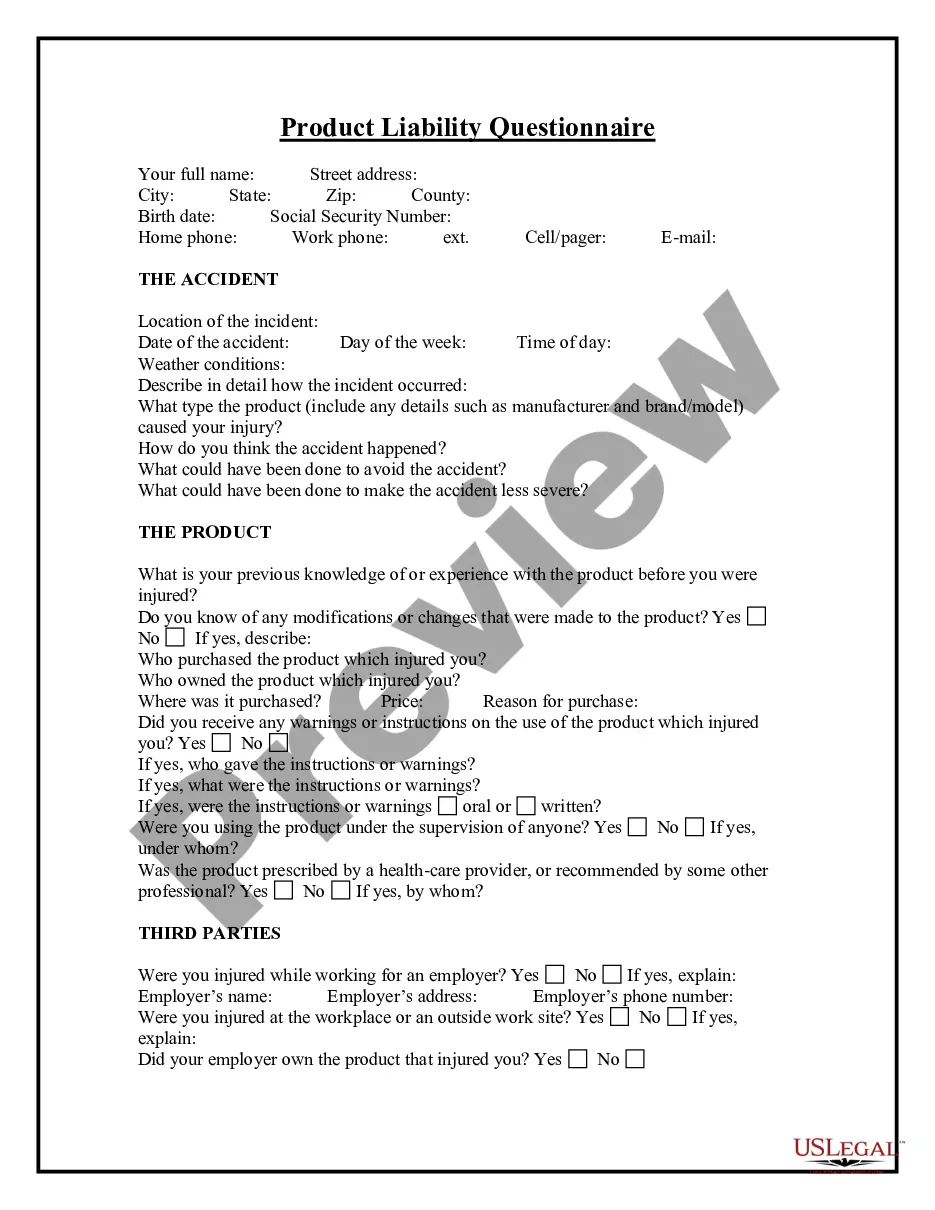
- Questions regarding the existence of police reports and statements.
- Inquiries about citations issued or arrests made related to the incident.
- Fields for documenting photographic evidence of the accident scene and injuries.
- Sections to outline the details of the incident and any witnesses present.
- Space for additional comments or concerns regarding the case.
Common use cases
This form is utilized when an individual needs to gather relevant information for a personal injury or negligence claim. It is particularly helpful for clients preparing for an initial consultation with an attorney, as it ensures that all essential details are documented. Use this questionnaire to clarify your situation and identify critical aspects of your case that need to be addressed.
Who needs this form
- Individuals who have been involved in a personal injury incident.
- Clients seeking legal representation for a negligence claim.
- Attorneys requiring a systematic way to gather initial information from clients.
- Anyone looking to prepare documentation for a potential legal case.
Steps to complete this form
- Gather all relevant documents, including police reports and witness statements.
- Answer questions concerning whether any citations were issued during the incident.
- Document the existence of photographs taken of the accident scene and your injuries.
- Provide detailed information about the accident and any individuals involved.
- Review your responses before submitting the questionnaire to ensure accuracy.
Is notarization required?
Notarization is not commonly needed for this form. However, certain documents or local rules may make it necessary. Our notarization service, powered by Notarize, allows you to finalize it securely online anytime, day or night.
Get your form ready online
Our built-in tools help you complete, sign, share, and store your documents in one place.
Make edits, fill in missing information, and update formatting in US Legal Forms—just like you would in MS Word.
Download a copy, print it, send it by email, or mail it via USPS—whatever works best for your next step.
Sign and collect signatures with our SignNow integration. Send to multiple recipients, set reminders, and more. Go Premium to unlock E-Sign.
If this form requires notarization, complete it online through a secure video call—no need to meet a notary in person or wait for an appointment.
We protect your documents and personal data by following strict security and privacy standards.

Make edits, fill in missing information, and update formatting in US Legal Forms—just like you would in MS Word.

Download a copy, print it, send it by email, or mail it via USPS—whatever works best for your next step.

Sign and collect signatures with our SignNow integration. Send to multiple recipients, set reminders, and more. Go Premium to unlock E-Sign.

If this form requires notarization, complete it online through a secure video call—no need to meet a notary in person or wait for an appointment.

We protect your documents and personal data by following strict security and privacy standards.
Avoid these common issues
- Failing to gather all necessary supporting documents before filling out the form.
- Omitting details about witnesses or additional evidence.
- Providing incomplete answers to key questions.
- Not reviewing the responses for accuracy and completeness.
Why use this form online
- Convenience of downloading and completing the form at your own pace.
- Editability allows for easy corrections before final submission.
- Reliability of attorney-drafted content to ensure legality and thoroughness.
Looking for another form?




Form popularity
FAQ
For example, if a plaintiff incurs $3,000 in medical bills related to a broken arm, he might multiply that by three, and conclude that $9,000 represents a reasonable amount for pain and suffering. The multiplier method is used in our accident settlement calculator.
That said, from my personal experience, the typical payout for pain and suffering in most claims is under $15,000. This is because most claims involve small injuries. The severity of the injury is a huge factor that affects the value of pain and suffering damages.
The defendant's conduct was outrageous, The conduct was either reckless or intended to cause emotional distress; and. As a result of the defendant's conduct the plaintiff suffered severe emotional distress.
You must prove there was a duty owed from one person to another. You must show that there was a breach of that duty or standard of care. You must show that the breach of that duty or standard of care was the actual and proximate (legal) cause of the injury. You must show the damages that resulted from the negligence.
The phrase pain and suffering refers to a legal term that describes both the physical and emotional injuries suffered by a victim following an accident. Any substantial physical pain or mental anguish you suffer following an accident may qualify as pain and suffering for settlement purposes.
To be awarded actual compensatory damages, the plaintiff must prove that the losses suffered equate to a monetary value that a judge or jury can determine. An accident victim can also be compensated for general damages.
Negligence claims must prove four things in court: duty, breach, causation, and damages/harm. Generally speaking, when someone acts in a careless way and causes an injury to another person, under the legal principle of "negligence" the careless person will be legally liable for any resulting harm.
While negligence cases can be relatively simple to prove in some instances, many will be fought in court. Securing legal representation now can put you in the best position to fight for your rights and the compensation you are entitled to.
Medical bills. Medical records. Medical prognosis. Expert testimony. Pictures of your injuries. Psychiatric records.