Hawaii Probate

Probate involves managing a deceased person's estate. Our templates are attorney-drafted, fast, and easy to complete.

intro Probate
Form preview

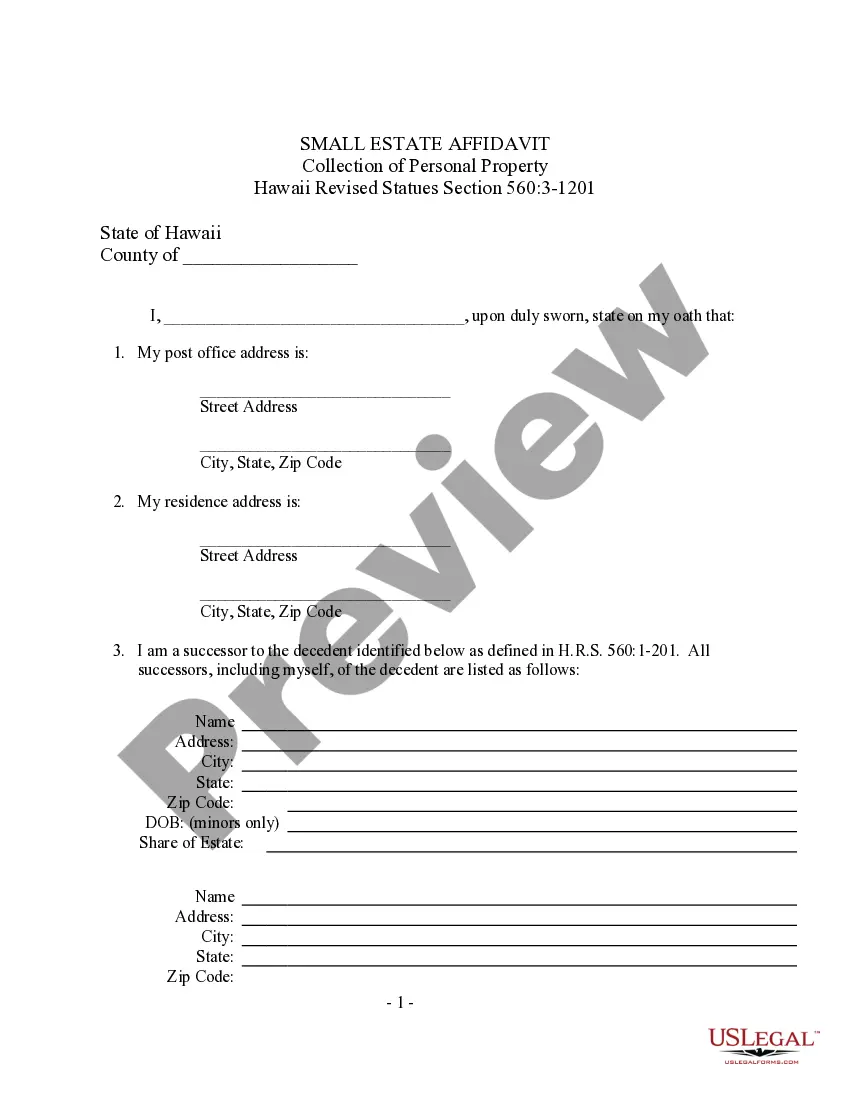
Hawaii Small Estate Affidavit for Estates under $100,000

Use this affidavit to access personal property when an estate is valued under $100,000, bypassing lengthy probate processes.

View form

Common Hawaii Probate documents

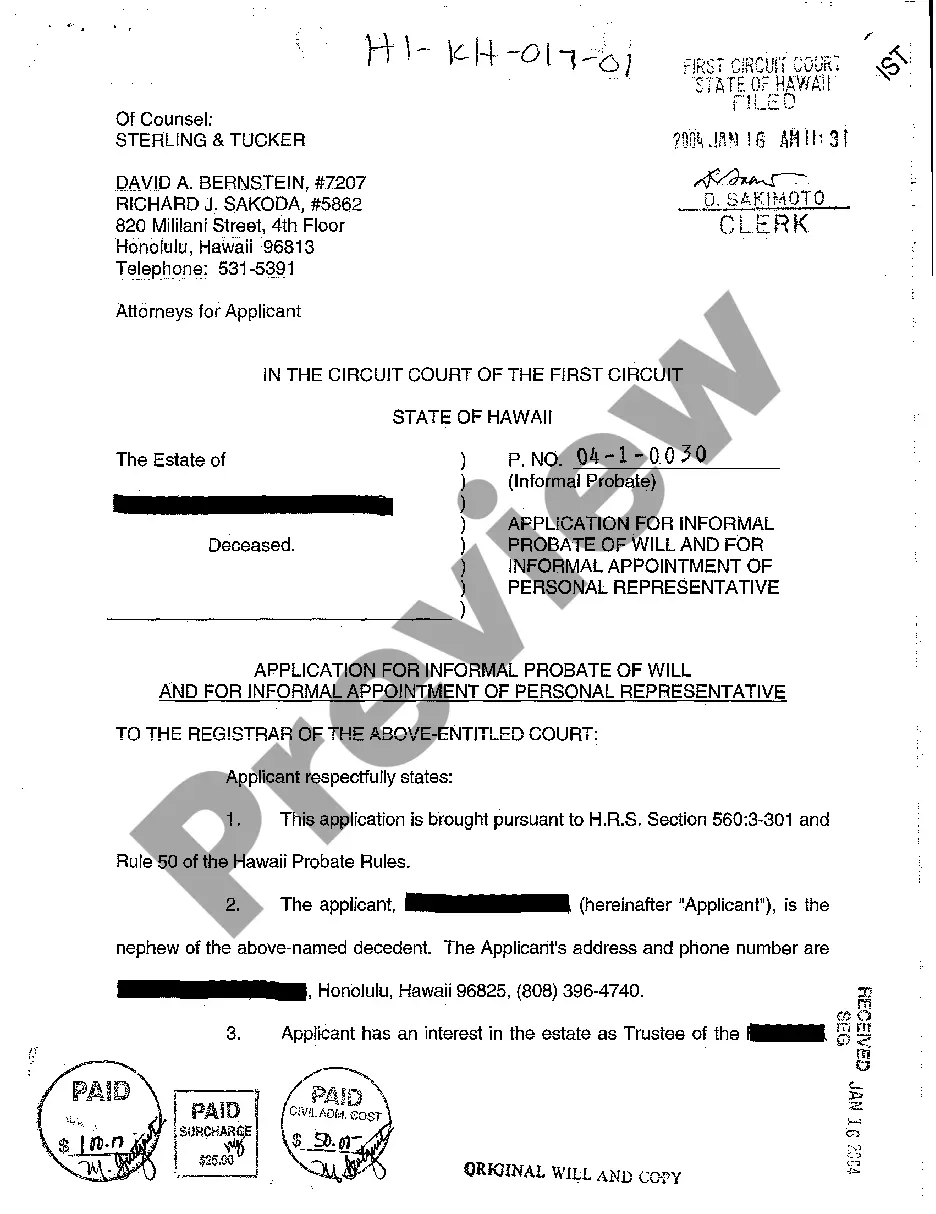
  • Petition for Probate — initiates the probate process in court.
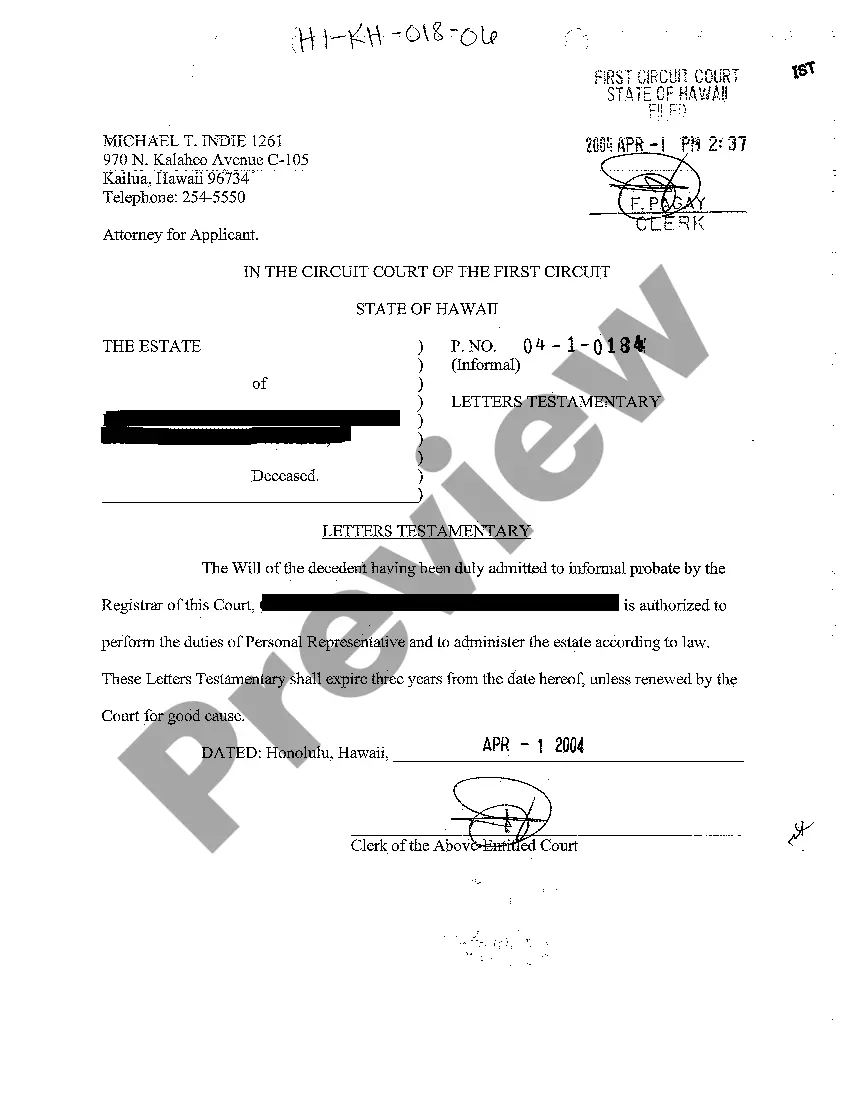
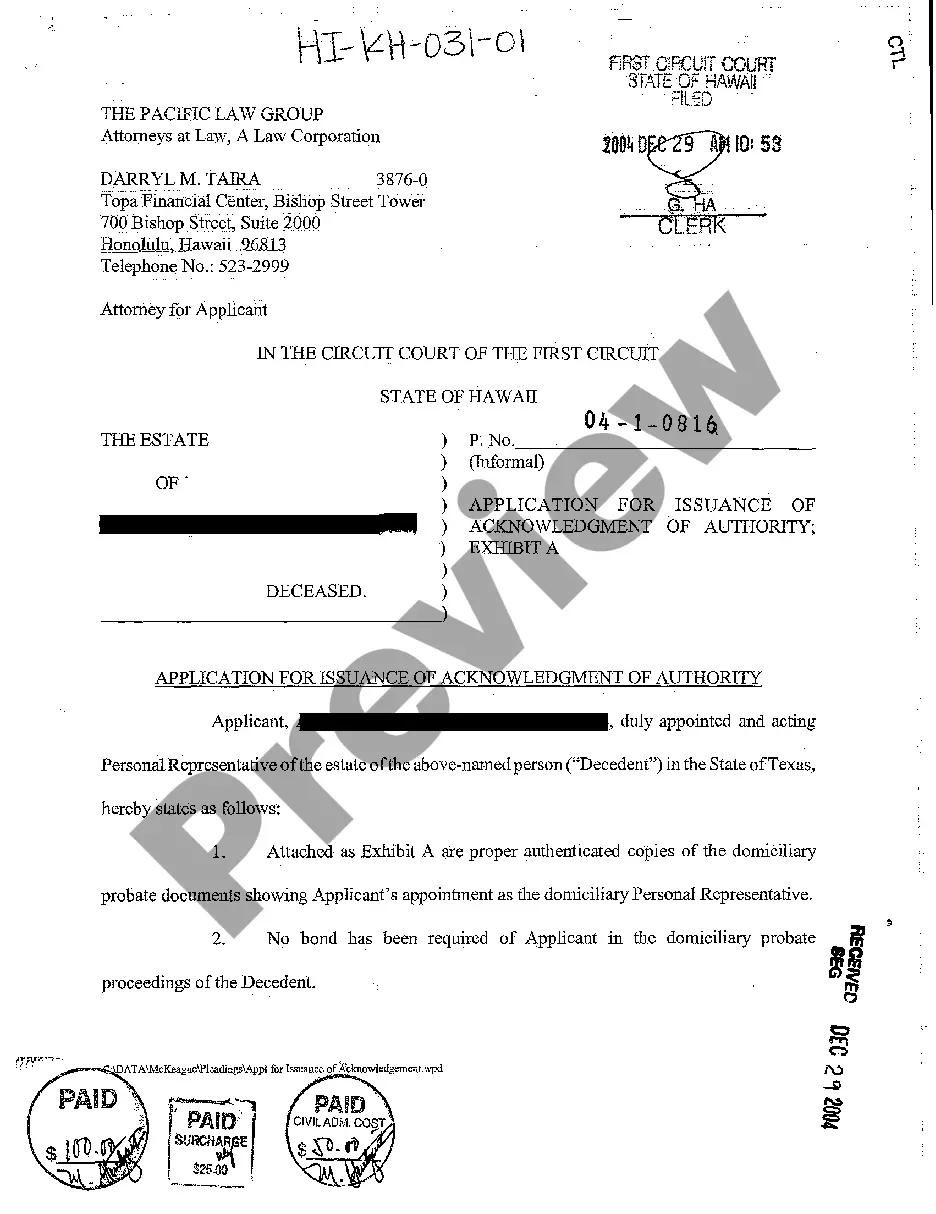
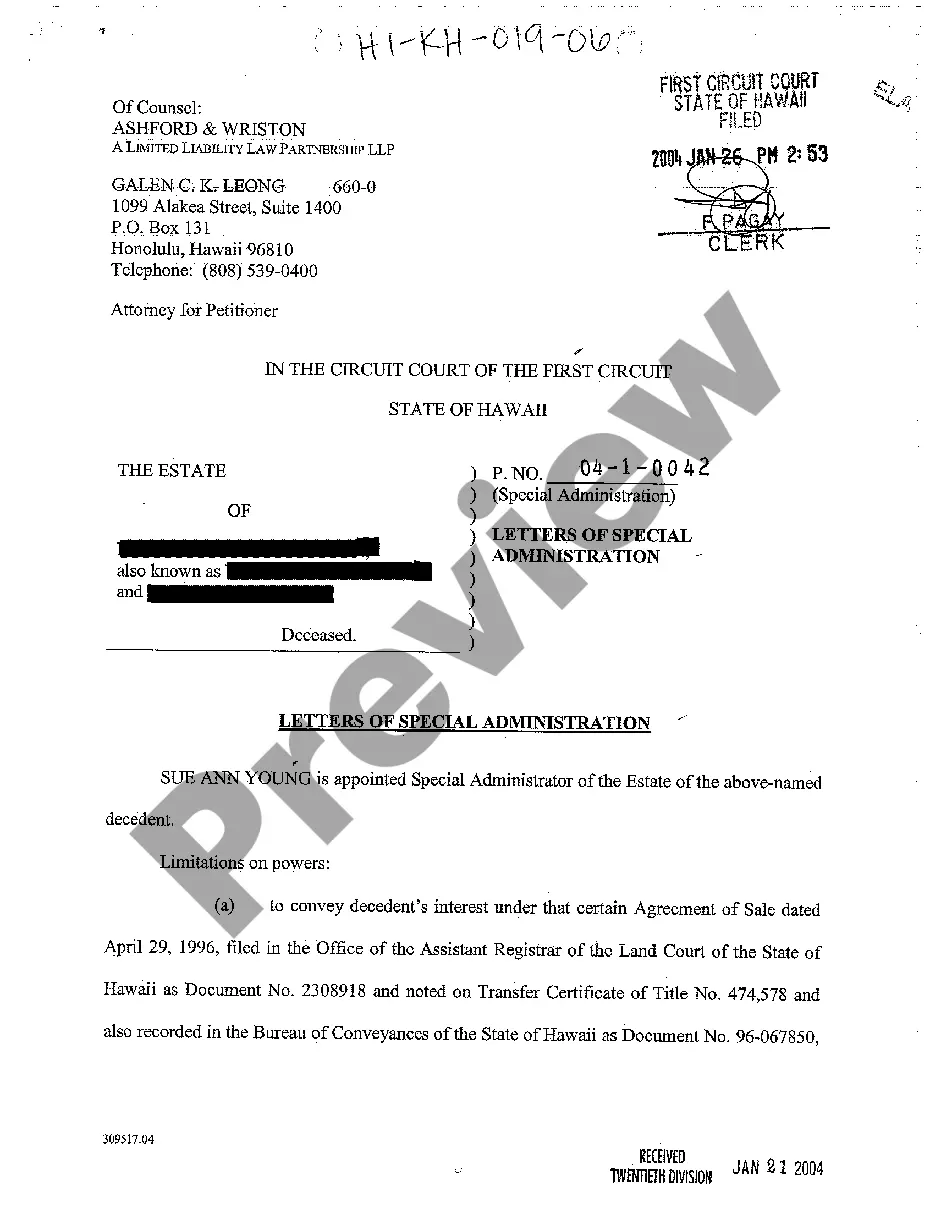
  • Letters Testamentary — authorizes the executor to act on behalf of the estate.
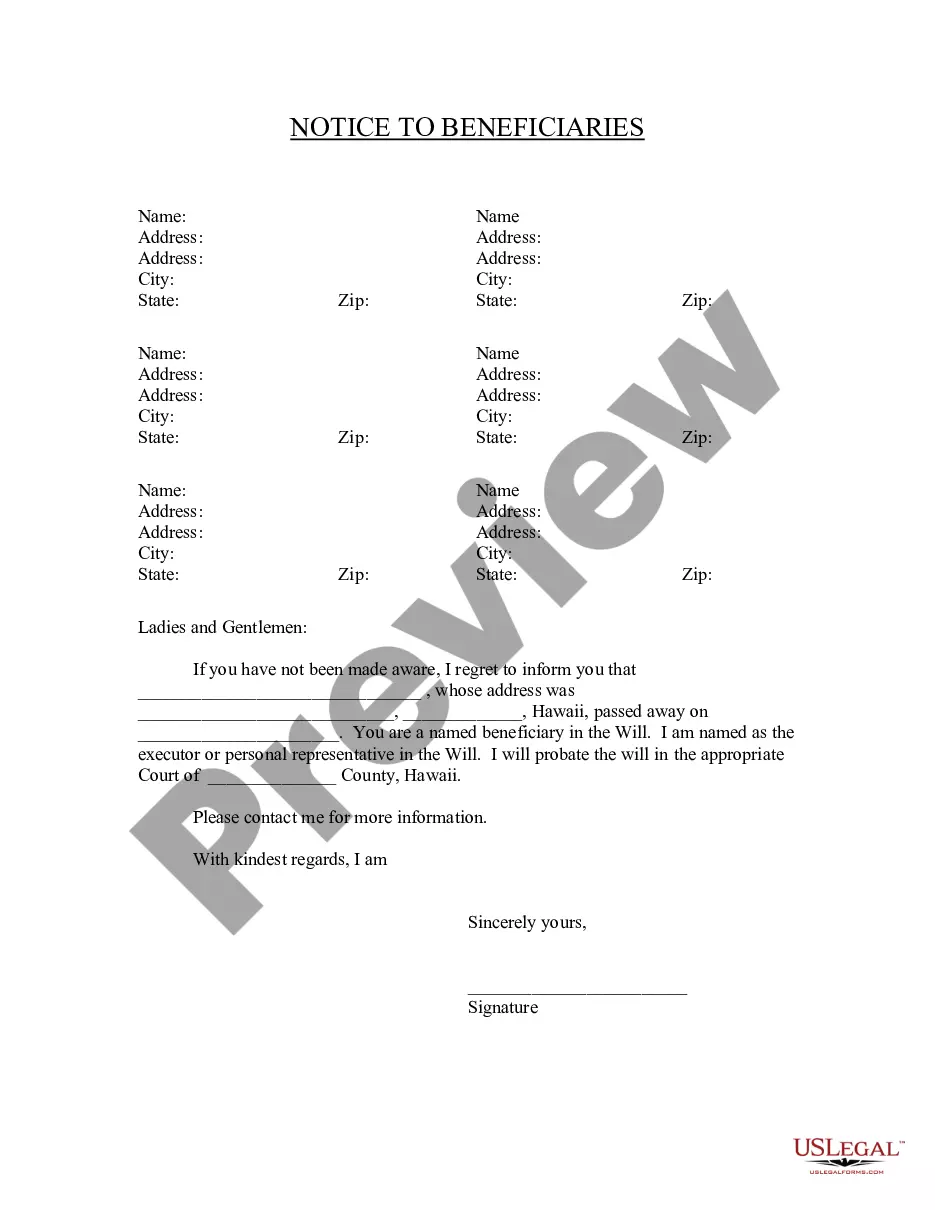
  • Notice of Probate — informs interested parties about the probate proceedings.
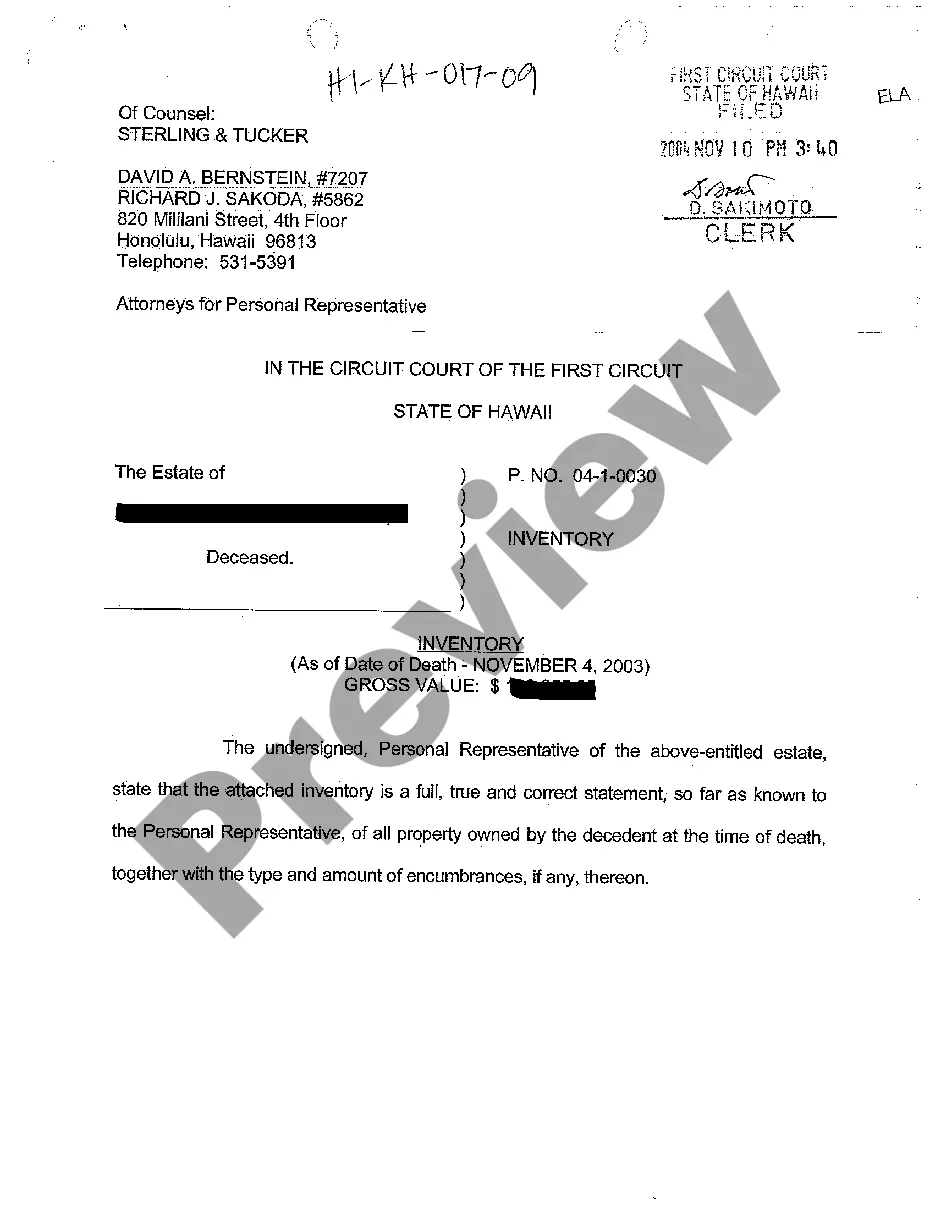
  • Inventory and Appraisement — lists and values the deceased's assets.
  • Final Accounting Forms — summarizes the financial activity of the estate.

Similar documents: key differences

  • Executor vs. Administrator — Executors are named in a will; Administrators are appointed by the court.
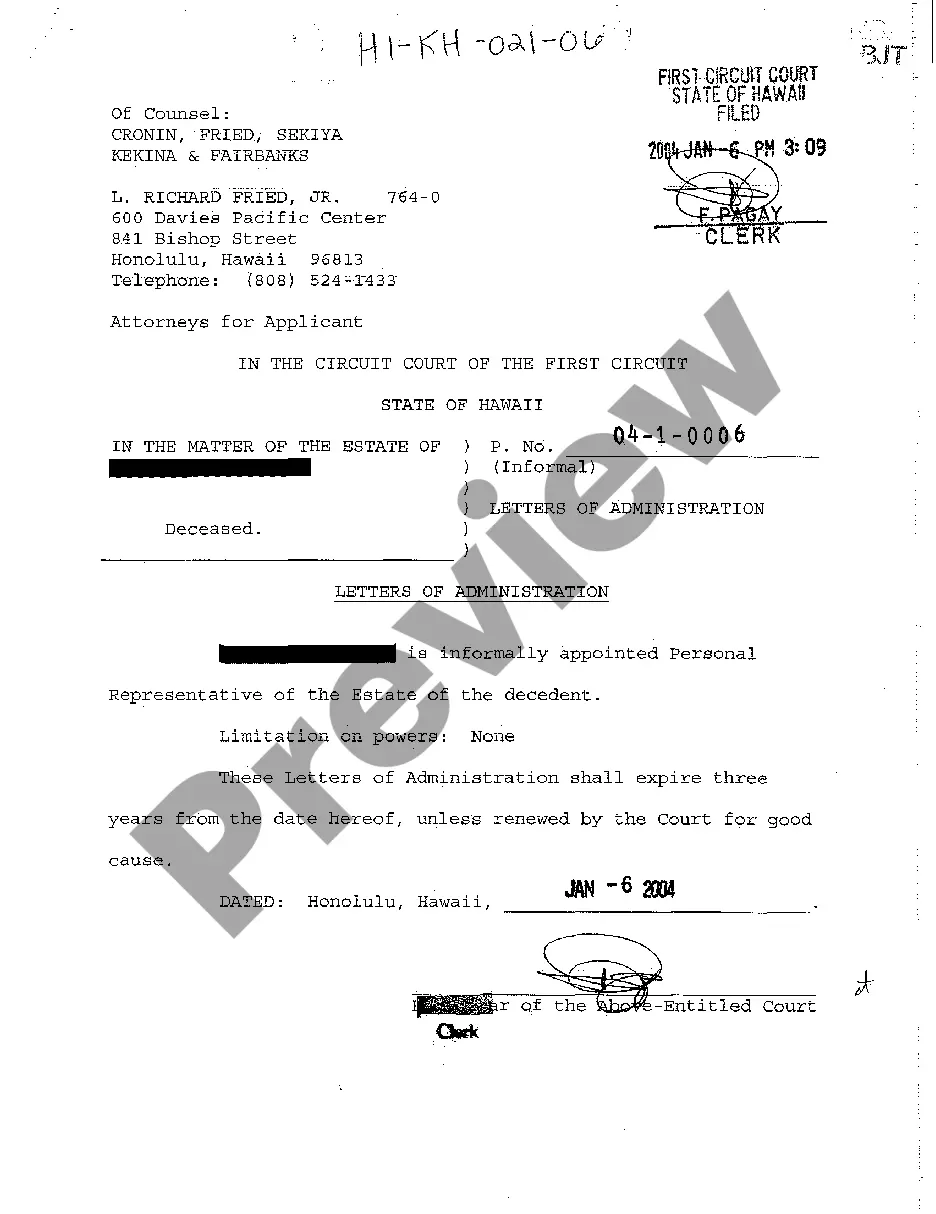
  • Letters Testamentary vs. Letters of Administration — Letters Testamentary are for estates with a will; Letters of Administration are for intestate estates.
  • Probate vs. Non-Probate — Probate involves court supervision; Non-Probate transfers assets outside of court.
  • Will vs. Trust — A will takes effect after death; a trust can be active during life.

How to get started

Begin your probate journey with these simple steps.

  • Find a template or package that fits your situation.
  • Review the description, preview, and signing requirements.
  • Get full access with a subscription.
  • Complete it in the online editor.
  • Export or send: download, email, USPS mail, notarize online, or send for e-signature.

FAQs

A trust can avoid probate, while a will requires it after death.

If no estate plan exists, state laws dictate how assets are distributed.

Review your estate plan every few years or after major life events.

Beneficiary designations usually override wills or trusts for specific assets.

Yes, you can designate separate agents for financial and healthcare decisions.
Glossary

  • Probate - The legal process of administering a deceased person's estate.
  • Executor - The person named in a will to manage the estate.
  • Administrator - A court-appointed individual overseeing an intestate estate.
  • Will - A legal document outlining asset distribution after death.
  • Trust - A legal arrangement managing assets for beneficiaries.
  • Letters Testamentary - Court documents granting authority to an executor.
  • Intestate - Dying without a valid will.
  • Beneficiary - An individual entitled to receive assets from an estate.
  • Estate - All assets owned by an individual at death.
  • Estate Plan - A strategy for managing and distributing assets upon death.

Trusted by over 3 million people of the world’s leading companies