Pennsylvania General Warranty Deed for Waiver of Dower, Curtsey, Homestead, Etc.
Overview of this form
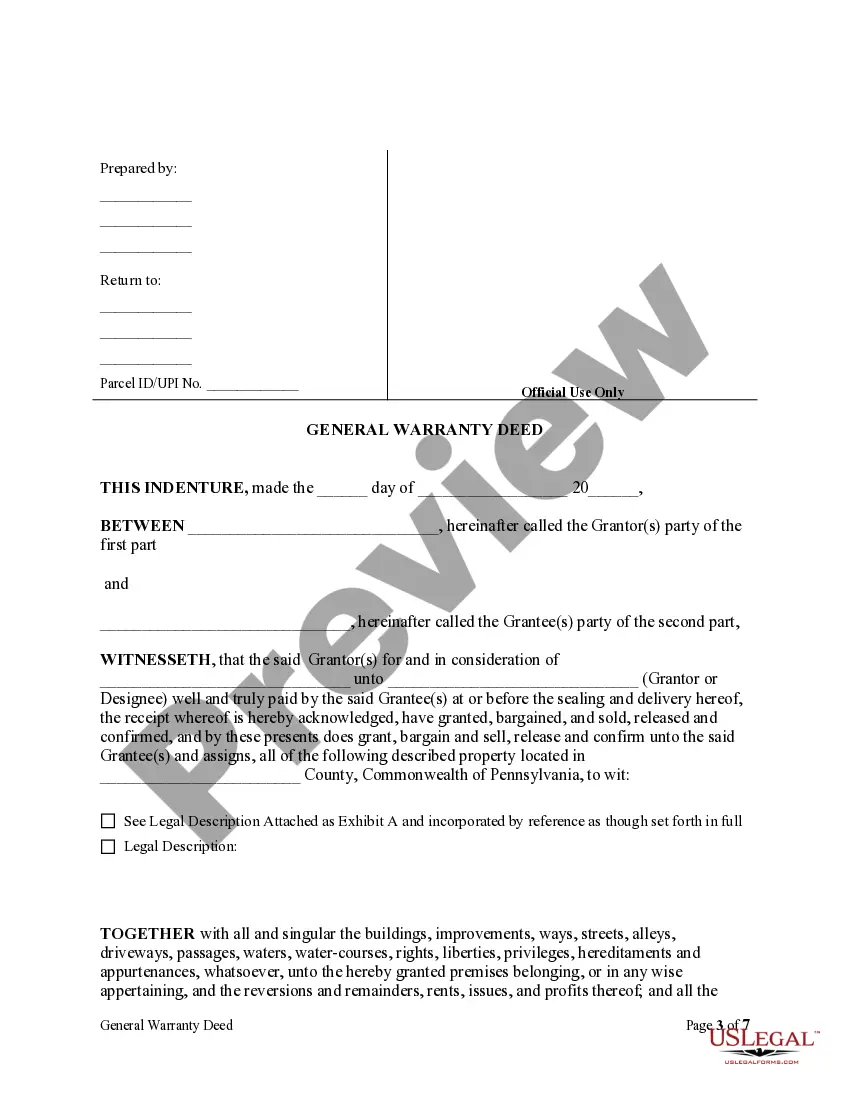
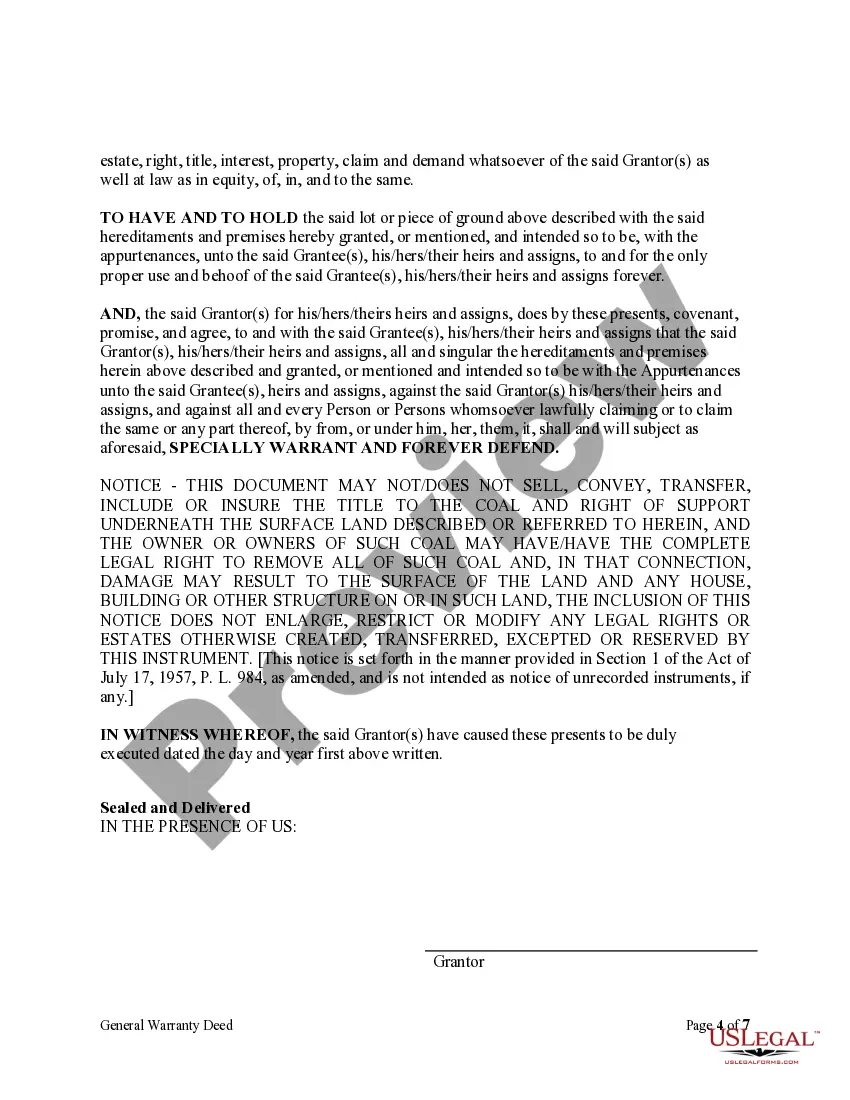
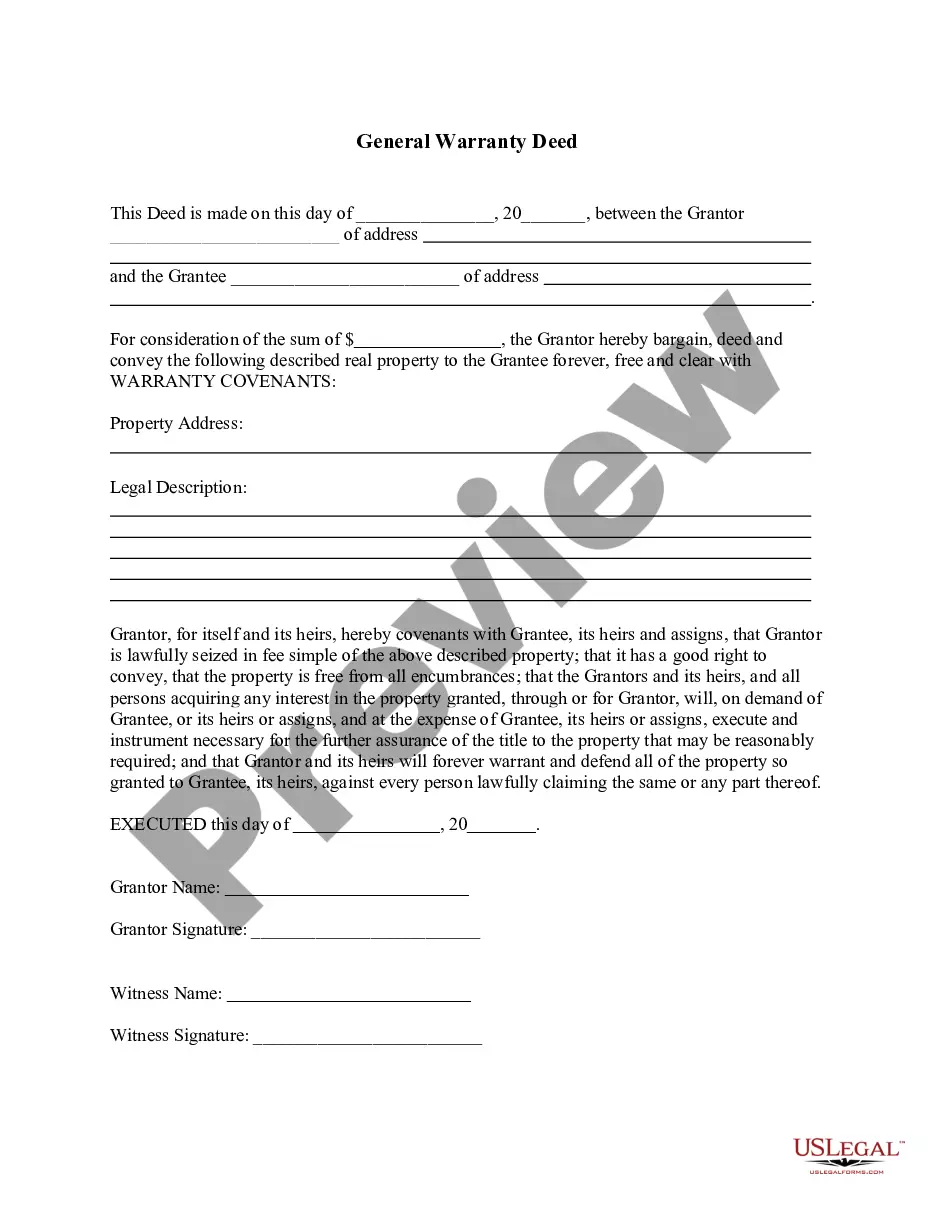
The General Warranty Deed for Waiver of Dower, Curtesy, Homestead, Etc. is a legal document used to convey property ownership. This deed includes a waiver of dower rights, curtesy rights, and homestead rights, ensuring that the new owner receives clear title to the property without any claims from the seller's spouse or previous partners. Unlike other types of deeds, this form provides robust warranties and assurances concerning the title and ownership rights, making it some of the most secure forms of property transfer available.
Main sections of this form
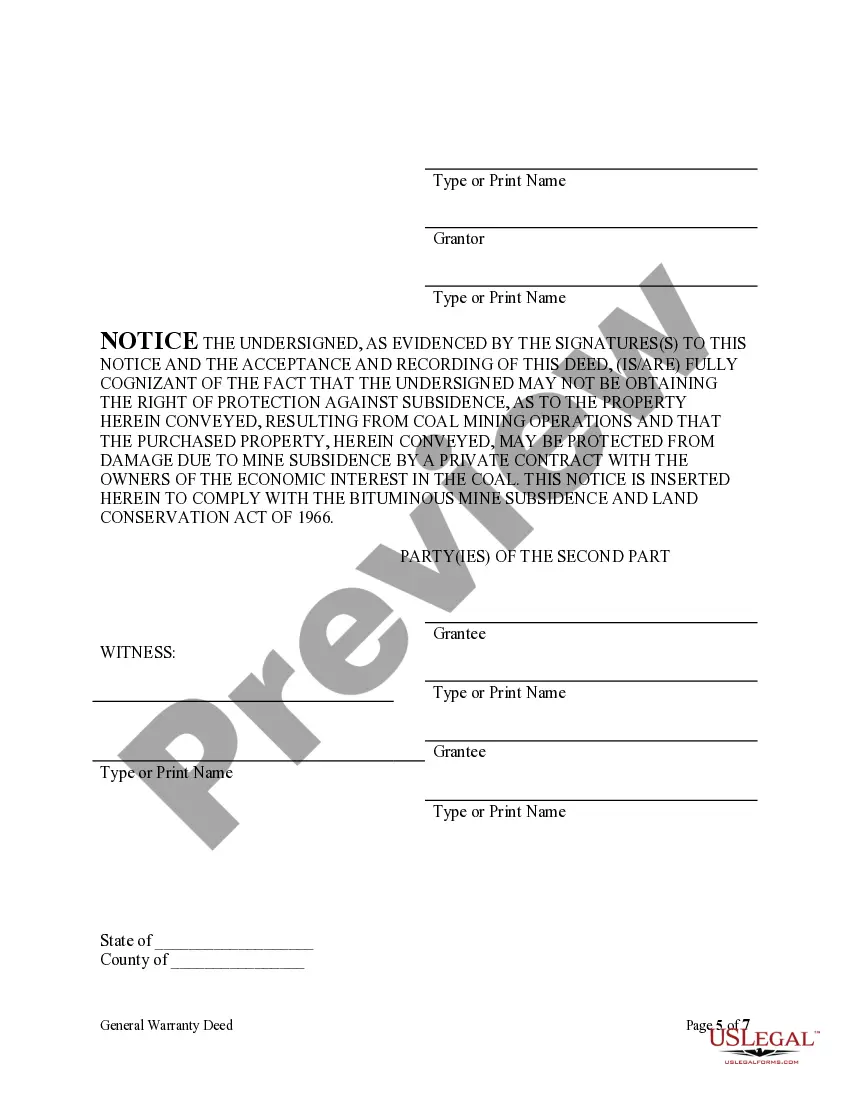
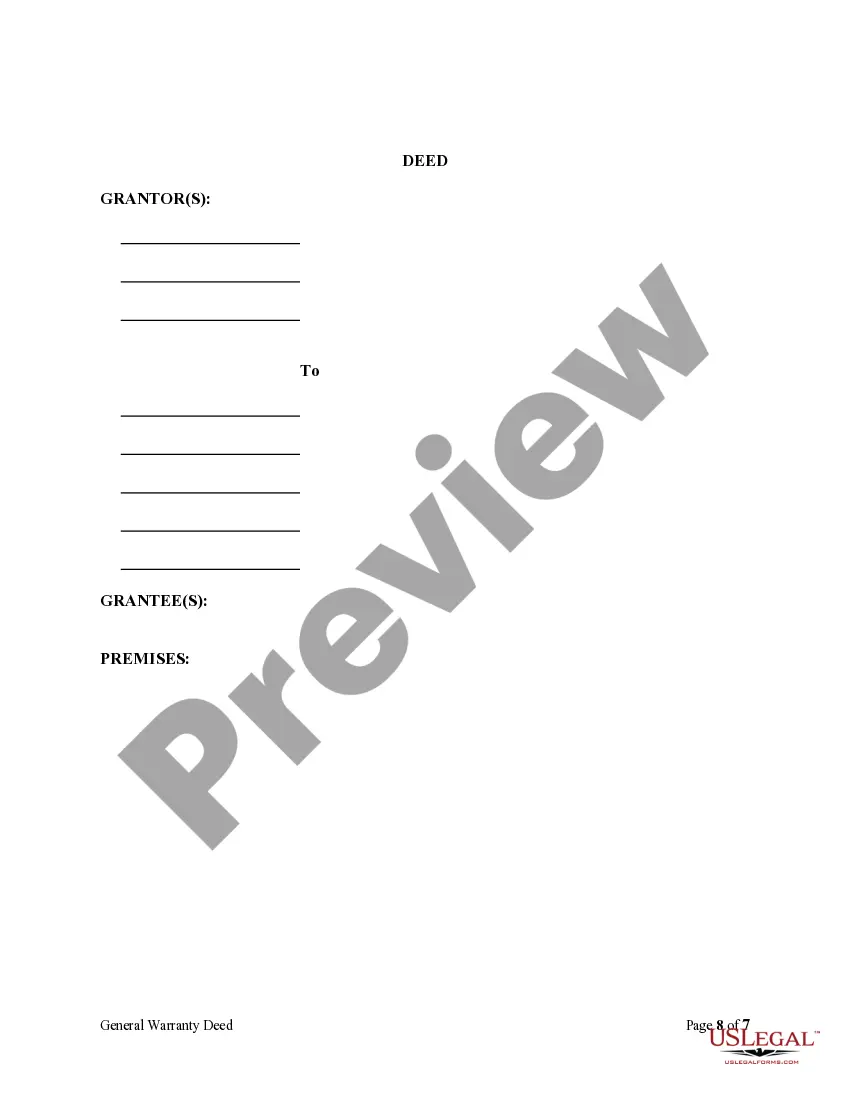
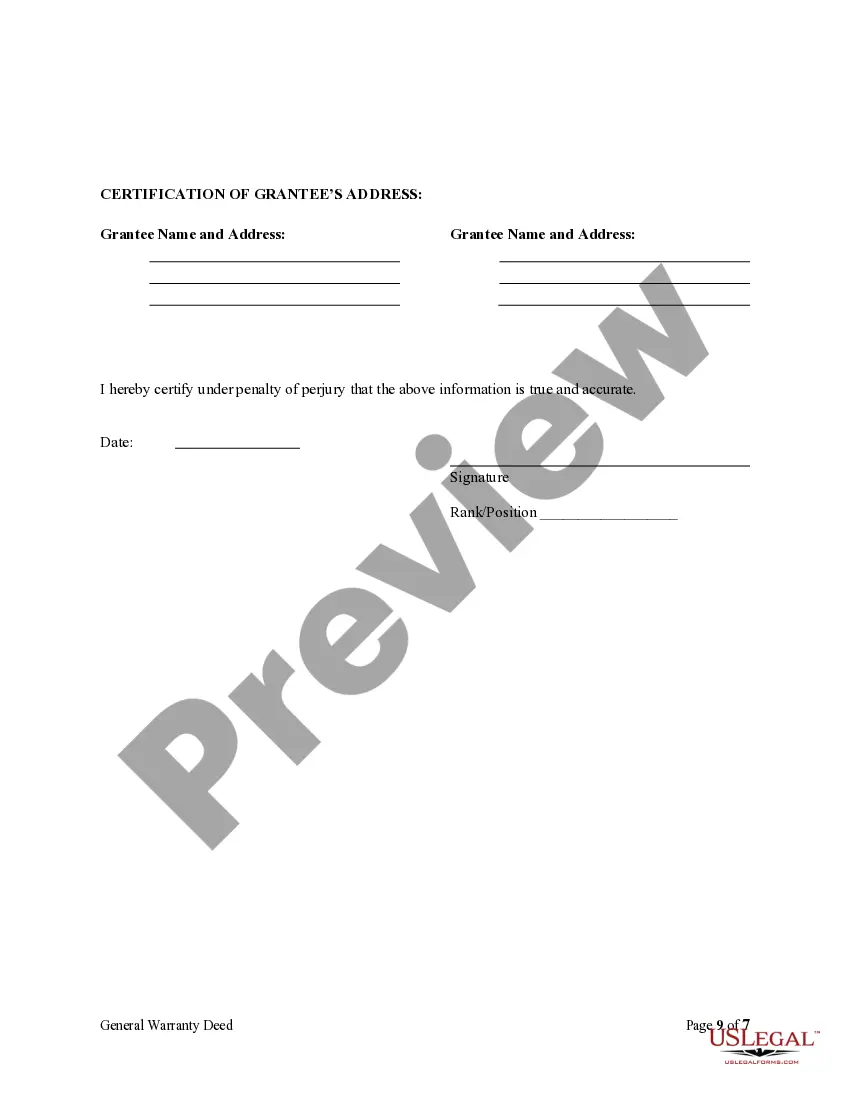
- Identification of the Grantor(s) and Grantee(s)
- Legal description of the property being transferred
- Consideration amount (the payment for the property)
- Covenant of warranty from the Grantor(s)
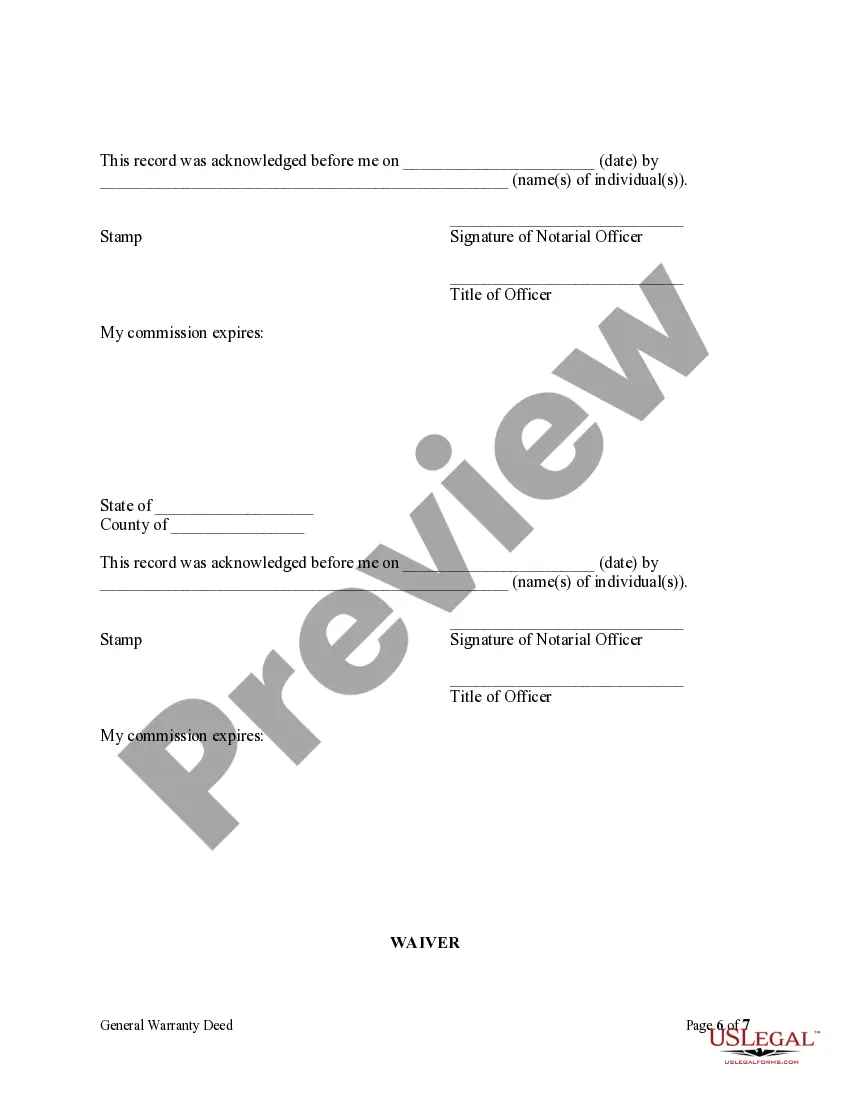
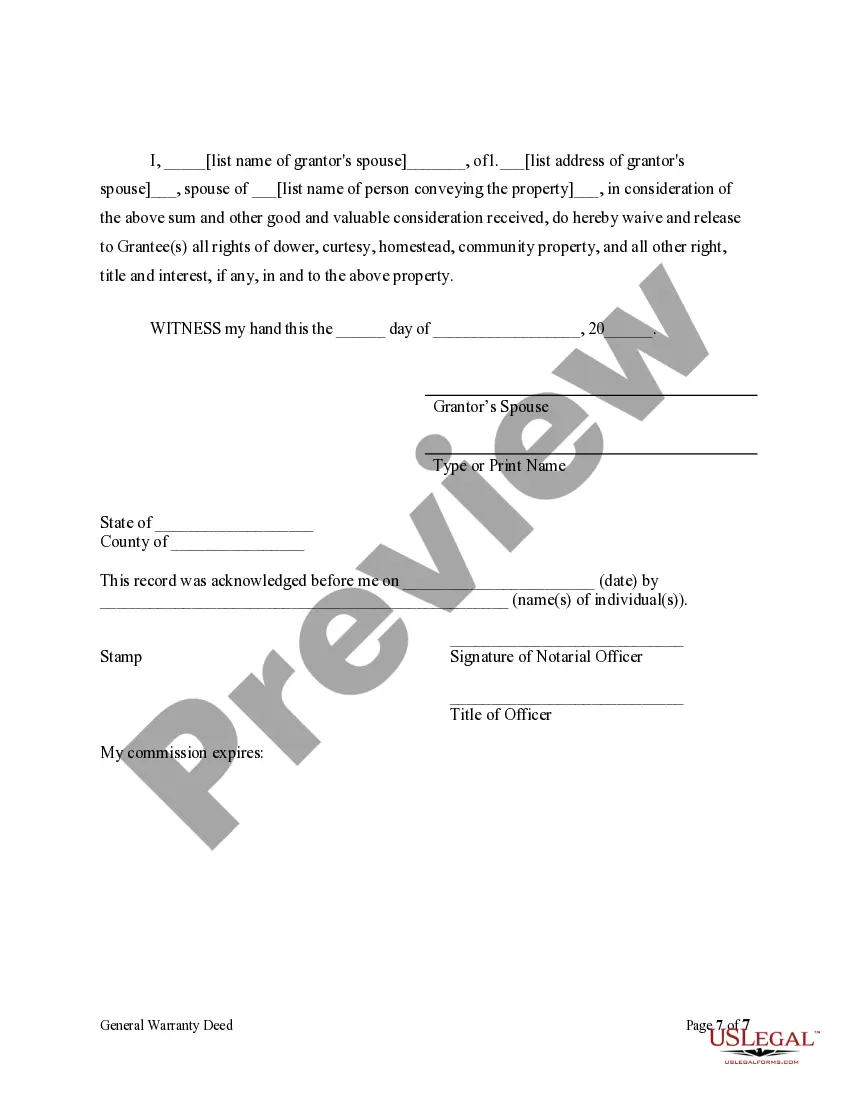
- Waiver of dower, curtesy, and homestead rights
- Signature and acknowledgment before a notary public




Situations where this form applies
This form is useful when transferring property where both parties wish to avoid any future claims related to marital rights or interest from spouses. It is often used in situations where the Grantor is selling property and wants to ensure that their spouse or partner does not have any claim to the property after the sale. This deed can be particularly relevant in Pennsylvania, where marital rights can impact real estate transactions.
Intended users of this form
- Property owners looking to sell their property while waiving any marital claims
- Individuals engaged in real estate transactions in Pennsylvania
- Attorneys or legal representatives assisting clients with property transfers
- Spouses who want to ensure clear title for the buyer without future claims
Instructions for completing this form
- Identify the Grantor(s) and Grantee(s) clearly, including their full names and addresses.
- Specify the property being transferred by including the legal description and parcel identification number.
- Enter the consideration amount to reflect the payment for the property sale.
- Have the Grantor(s) sign the document in the presence of a notary public.
- Ensure the waiver of dower, curtesy, and homestead rights is completed by the Grantor's spouse if applicable.
Notarization guidance
This form must be notarized to be legally valid. US Legal Forms provides secure online notarization powered by Notarize, allowing you to complete the process through a verified video call.
Get your form ready online
Our built-in tools help you complete, sign, share, and store your documents in one place.
Make edits, fill in missing information, and update formatting in US Legal Forms—just like you would in MS Word.
Download a copy, print it, send it by email, or mail it via USPS—whatever works best for your next step.
Sign and collect signatures with our SignNow integration. Send to multiple recipients, set reminders, and more. Go Premium to unlock E-Sign.
If this form requires notarization, complete it online through a secure video call—no need to meet a notary in person or wait for an appointment.
We protect your documents and personal data by following strict security and privacy standards.

Make edits, fill in missing information, and update formatting in US Legal Forms—just like you would in MS Word.

Download a copy, print it, send it by email, or mail it via USPS—whatever works best for your next step.

Sign and collect signatures with our SignNow integration. Send to multiple recipients, set reminders, and more. Go Premium to unlock E-Sign.

If this form requires notarization, complete it online through a secure video call—no need to meet a notary in person or wait for an appointment.

We protect your documents and personal data by following strict security and privacy standards.
Common mistakes
- Not including the legal description of the property accurately.
- Failing to have the form notarized, which is required for it to be legally valid.
- Neglecting to complete the waiver of rights section, especially if there is a spouse involved.
- Forgetting to enter the consideration amount, which is essential for the validity of the deed.
Why use this form online
- Convenience: Easily download and fill out the form from home.
- Editability: Modify the document as needed before finalizing.
- Time-saving: No need to schedule in-person appointments with attorneys.
- Access to updates: Receive the latest legal forms ensured by licensed attorneys.
What to keep in mind
- The General Warranty Deed protects the Grantee against future claims.
- Property owners should ensure complete and accurate information is included.
- A waiver of rights is crucial when spouses are involved in property transfers.
- Notarization is necessary to validate the transfer of property ownership.
Looking for another form?



Form popularity
FAQ
This means to give a right by a spouse to claim property owned by their partner.
The Uniform Probate Code (UPC) replaces the dower and curtesy rule with a system which includes the surviving spouse as an heir in the line of intestate succession and provides an elective share for the surviving spouse who does not take under the decedent's will.
A dower rights law entitles a surviving spouse to at least one-third of a deceased spouse's real property when they die.
A Dower is a common law that entitled a widow to a portion of her husband's estate in absence of a will. The provision of dower allowed the wife to provide for herself and any children born during the marriage. In most circumstances, the widow was granted up to one-third interest in her husband's assets.
Ohio is one of the few states that still recognizes dower rights. In Ohio, dower is the right of the surviving spouse to a life estate in an undivided one-third of all real property that the deceased spouse owned at any time during the marriage.
Currently, the only way to extinguish dower rights in Ohio are death, divorce and voluntary, written release of dower at each property transfer transaction.
Additionally, a spouse who does not sign the deed during a sale of their spouse's property does not grant the purchaser complete ownership. Without signing, that spouse keeps their dower interest and the property's title is no longer clear.
On June 6, the Ohio House of Representatives passed HB 407, which would abolish dower rights in Ohio. Dower rights relate to the interest that a surviving spouse holds in the estate of a deceased individual.A number of states that have abolished dower, however, retain effective spousal protections.
' Dower rights are the interest that a person has in real property owned by his or her spouse.What this means when a married individual wants to transfer real property that he or she owns in his/her own name, a release of dower rights signed by the grantor's spouse will be included in the deed.