Pennsylvania Relative Caretaker Legal Documents Package
What is this form package?
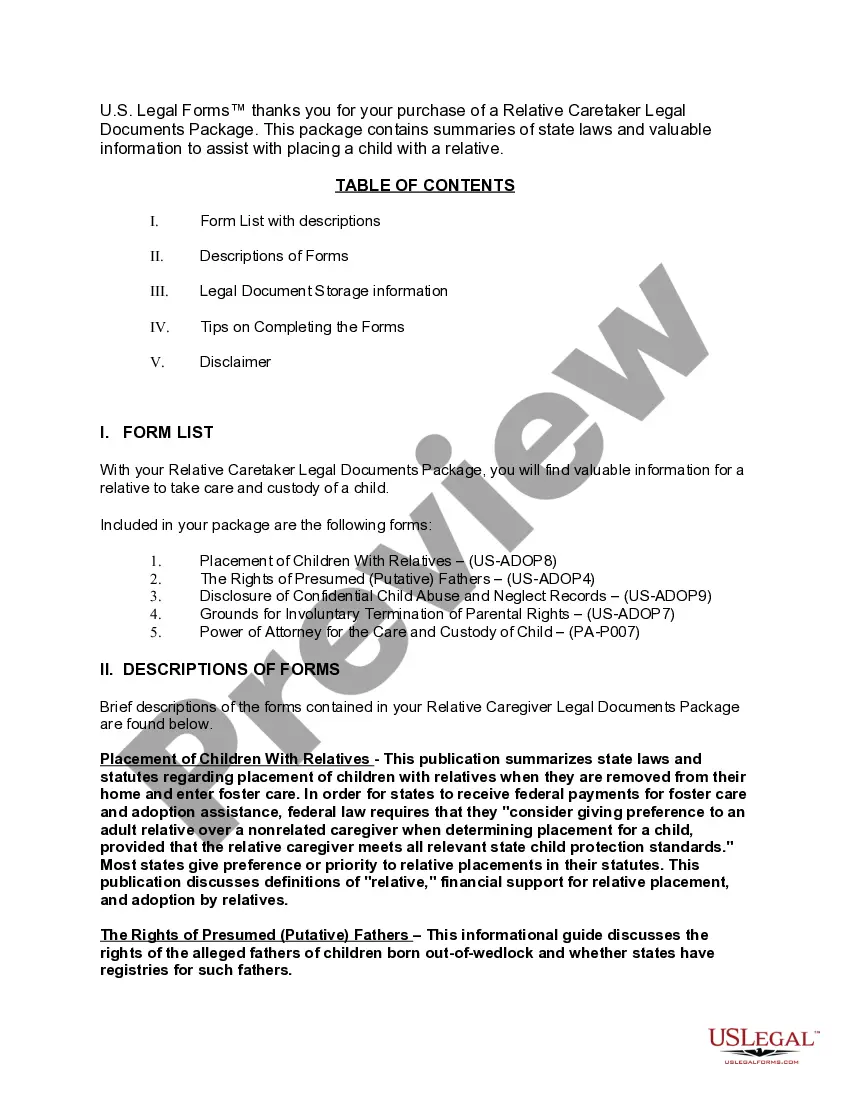
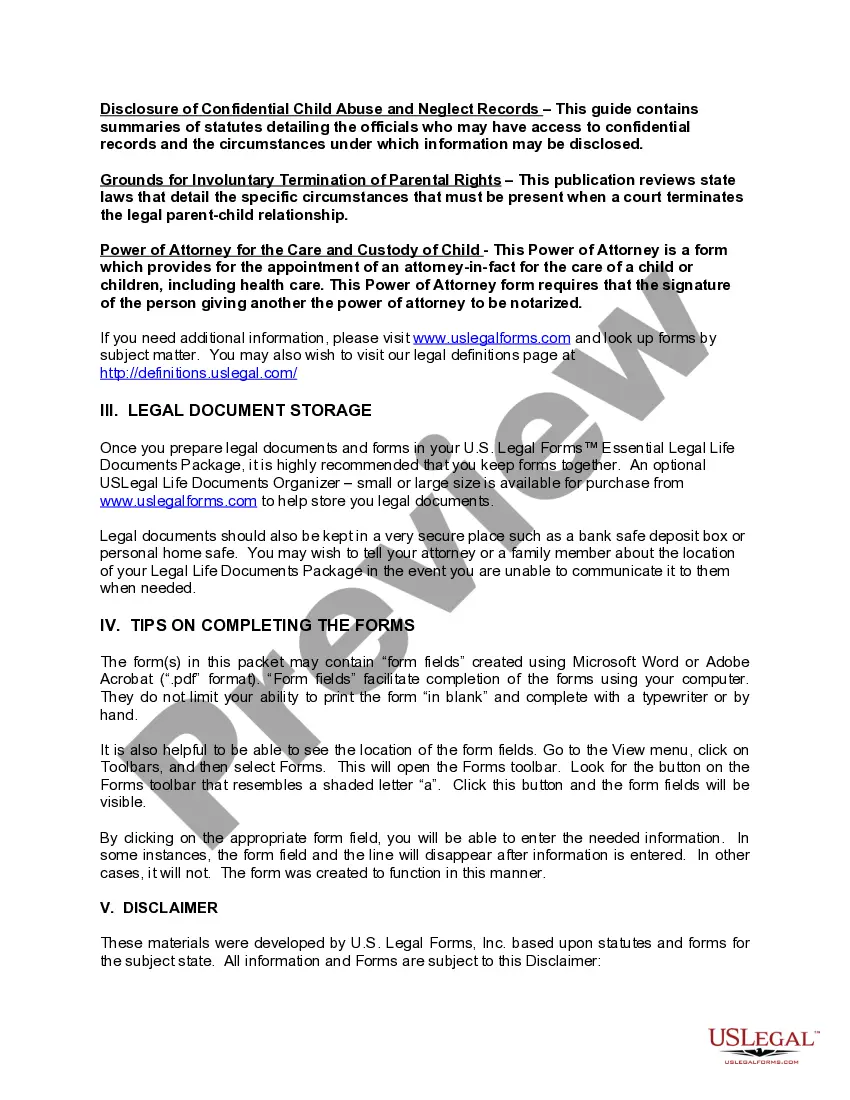
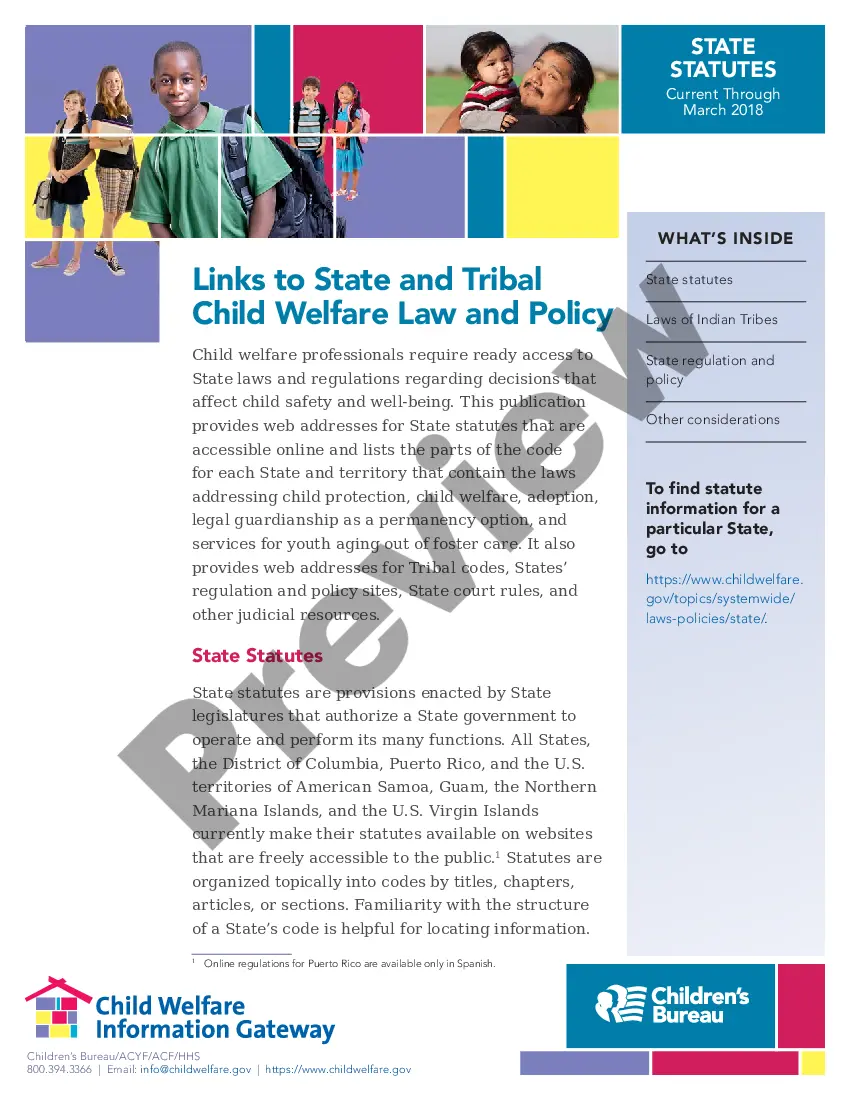
The Pennsylvania Relative Caretaker Legal Documents Package is a comprehensive collection of legal forms and guides that assists relatives in securing custody and care for children, particularly when those children are removed from their homes. This package not only provides the necessary forms but also includes summaries of relevant Pennsylvania laws, making it an essential resource for relatives navigating the foster care system. Purchasing this package saves you more than 50 percent compared to buying each guide or form individually.
Documents contained in this package


Situations where these forms applies
This form package is useful in various situations, including:
- When a relative wishes to assume custody of a child who has entered the foster care system.
- When a relative is seeking to formalize their rights regarding a child born out of wedlock.
- When requiring access to confidential child abuse and neglect records during custody proceedings.
- When considering the involuntary termination of parental rights of a child's biological parents.
- When needing to establish a power of attorney for the care and custody of a child.
Who should use this form package
- Grandparents, aunts, uncles, and other relatives seeking legal custody of a child.
- Family members needing to understand their rights regarding child custody and care.
- Relatives involved in legal proceedings related to child welfare and foster care.
- Individuals looking to formalize caregiving assistance through legal documents.
Instructions for completing these forms
- Review the included guides to understand Pennsylvania laws regarding custody and care.
- Complete the required forms by entering pertinent details for each child and caregiver.
- Ensure that all necessary signatures are obtained where required.
- If using the Power of Attorney form, arrange for notarization of the document.
- Store completed documents securely and inform a trusted individual about their location.
Notarization details for included forms
Yes, forms in this package must be notarized to be legally valid, specifically the Power of Attorney for the Care and Custody of Child. US Legal Forms offers integrated online notarization services that are available 24/7, secure, and legally equivalent to traditional methods.
Get your form ready online
Our built-in tools help you complete, sign, share, and store your documents in one place.
Make edits, fill in missing information, and update formatting in US Legal Forms—just like you would in MS Word.
Download a copy, print it, send it by email, or mail it via USPS—whatever works best for your next step.
Sign and collect signatures with our SignNow integration. Send to multiple recipients, set reminders, and more. Go Premium to unlock E-Sign.
If this form requires notarization, complete it online through a secure video call—no need to meet a notary in person or wait for an appointment.
We protect your documents and personal data by following strict security and privacy standards.

Make edits, fill in missing information, and update formatting in US Legal Forms—just like you would in MS Word.

Download a copy, print it, send it by email, or mail it via USPS—whatever works best for your next step.

Sign and collect signatures with our SignNow integration. Send to multiple recipients, set reminders, and more. Go Premium to unlock E-Sign.

If this form requires notarization, complete it online through a secure video call—no need to meet a notary in person or wait for an appointment.

We protect your documents and personal data by following strict security and privacy standards.
Mistakes to watch out for
- Failing to properly complete all required fields in the forms.
- Not notarizing the Power of Attorney form when required.
- Overlooking key details in the guides that explain legal obligations and rights.
- Neglecting to keep documents in a secure location.
Benefits of completing this package online
- Convenient access to essential legal forms and information from any location.
- Editability allows you to easily fill out forms electronically and make necessary adjustments.
- Reliability of forms drafted by licensed attorneys, ensuring compliance with Pennsylvania laws.
Looking for another form?


Form popularity
FAQ
The ICPC is a contract among member states and U.S. territories authorizing them to work together to ensure that children who are placed across state lines for foster care or adoption receive adequate protection and support services.
Kinship care is the full-time care, nurturing and protection of children by relatives or any adult who has a kinship bond with the children. These caregivers may include grandparents, aunts or uncles, siblings of the children requiring care, cousins or non-blood relatives, such as a teacher, coach or family friend.
Family and Friends Care or Kinship Care is an arrangement whereby a child who cannot be cared for by their parent(s) or other person with Parental Responsibility, goes to live with a relative, friend or other connected person.
Kinship care arrangements fall roughly into three categories: (1) informal kinship care, (2) voluntary kinship care, and (3) formal kinship care. Informal kinship care refers to arrangements made by parents and other family members without any involvement from either the child welfare agency or the juvenile court.
Under the ICPC, a child can only be placed in foster care in another state after the receiving state conducts a home study and approves the proposed placement. Despite its good intentions, the ICPC has become unworkable. It contains no specific deadlines for completing interstate home studies.
The ICPC applies to any placement with a parent if and when it is known that the child will remain a ward of the court or will remain in the custody of a public child welfare agency after going to live with the parent.
Unlike fostering, kinship is a type of out-of-home care where the child or young person is with a caregiver with whom they have had a previous relationship.informal, when the caregiver is providing home care as a private arrangement with the family, unrecognised by both the court and jurisdiction.
3-6 Months : Complete applications for licensure and/or approval that do not have complications are processed within three to six months. This process may take longer based on delays resulting from criminal background checks, exceptions and waivers, and need for corrections to foster family homes.
Kinship care refers to the care of children by relatives or, in some jurisdictions, close family friends (often referred to as fictive kin). Relatives are the preferred resource for children who must be removed from their birth parents because it maintains the children's connections with their families.