Oregon Notice of Default in Payment of Rent as Warning Prior to Demand to Pay or Terminate for Nonresidential or Commercial Property
What this document covers
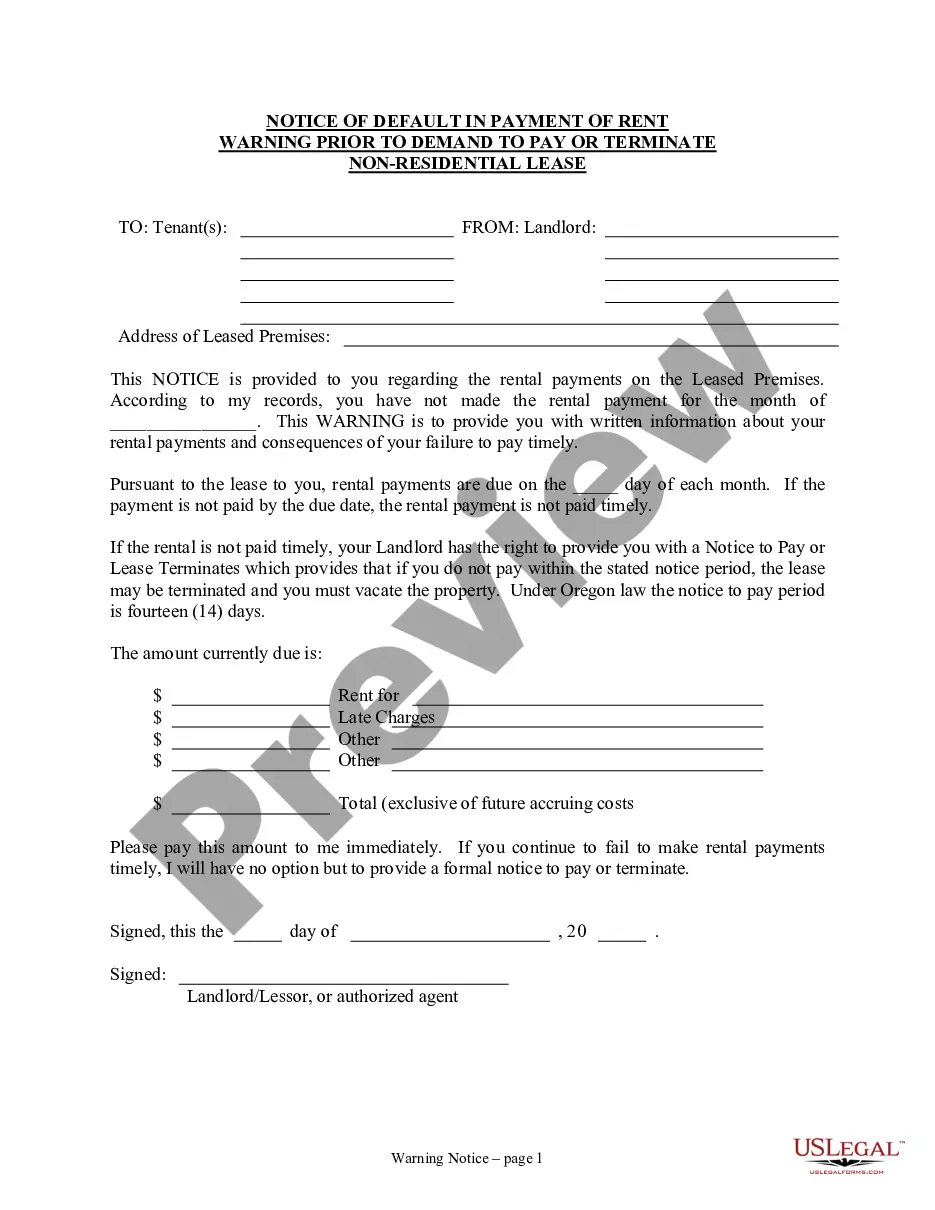
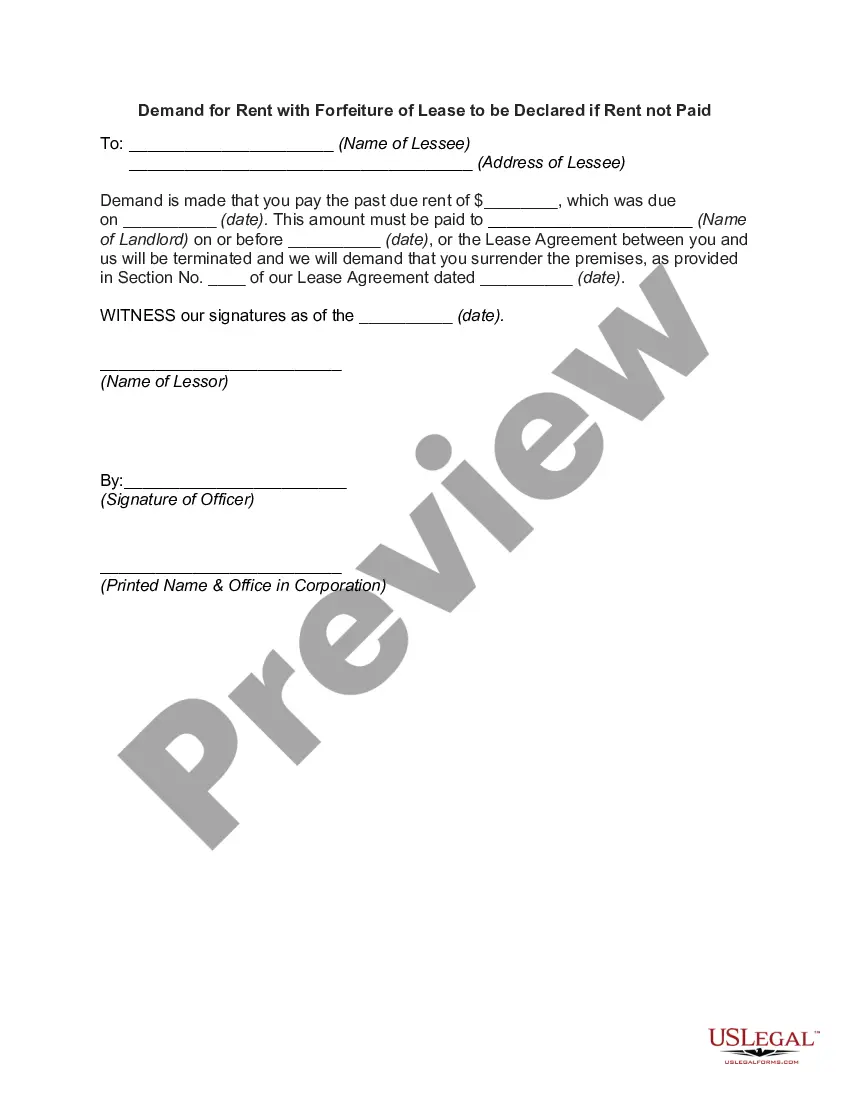
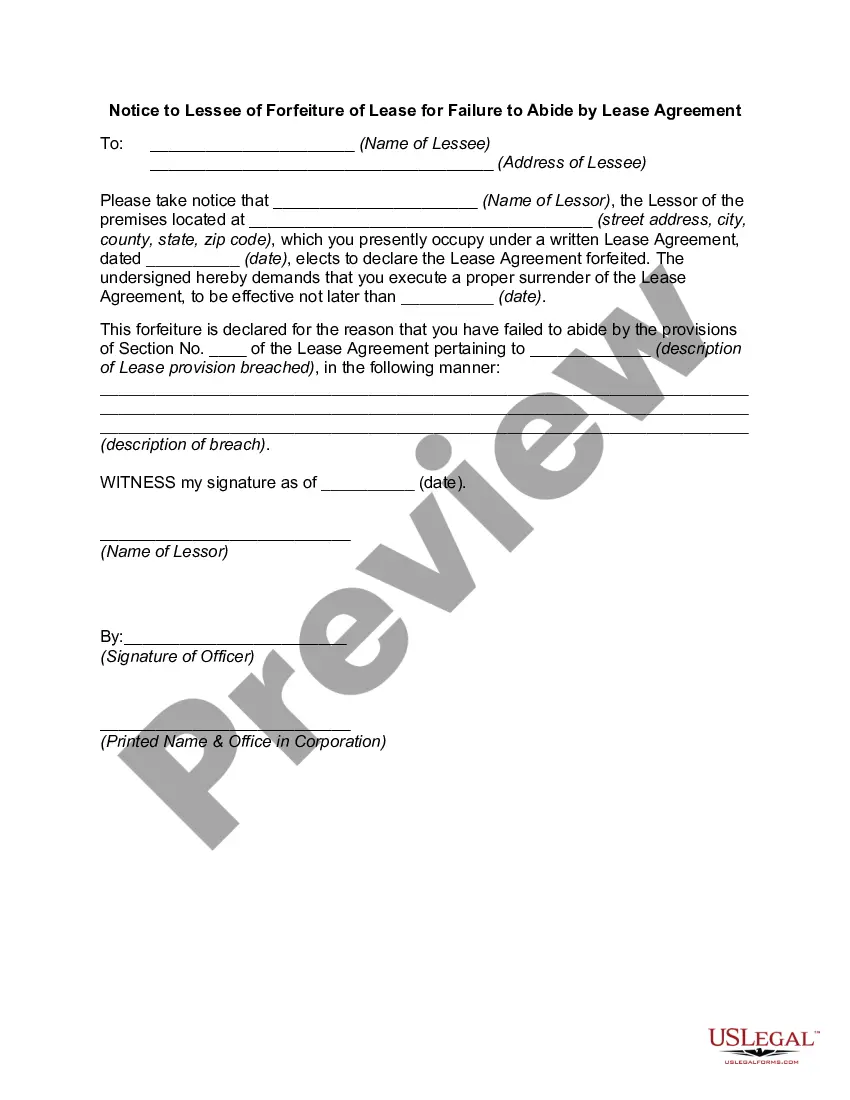
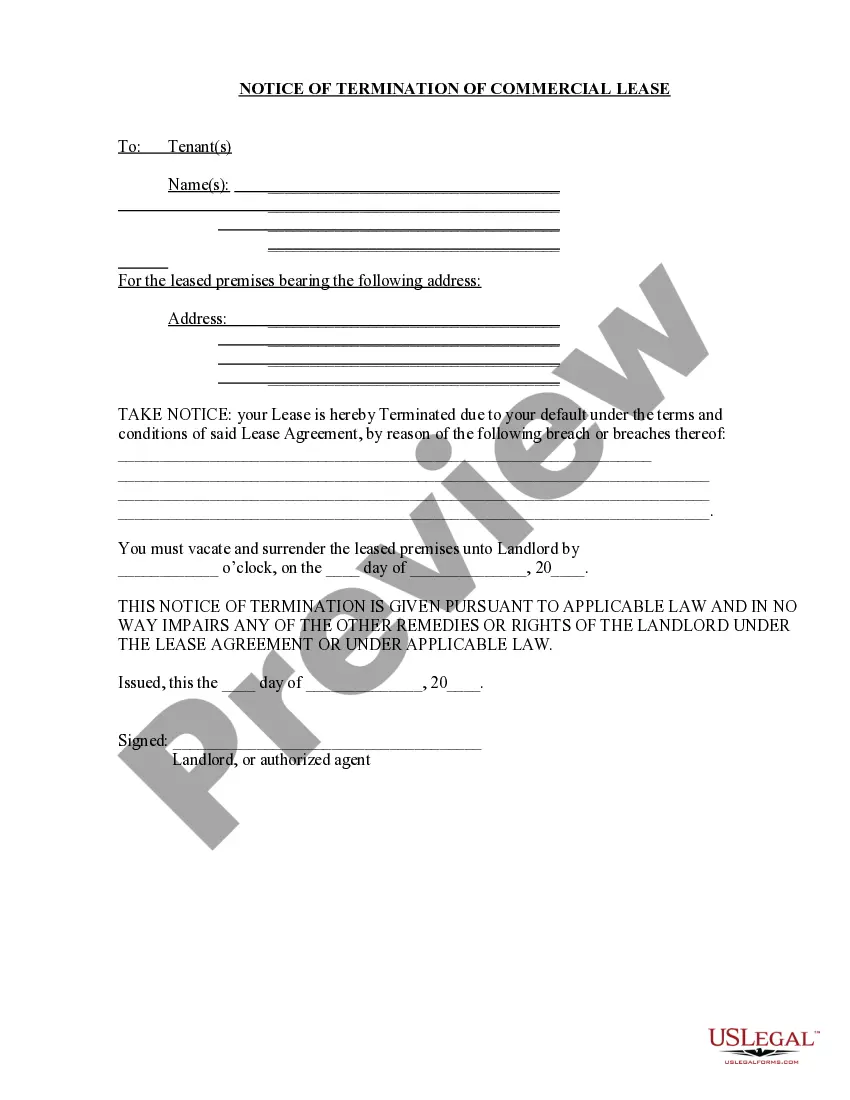
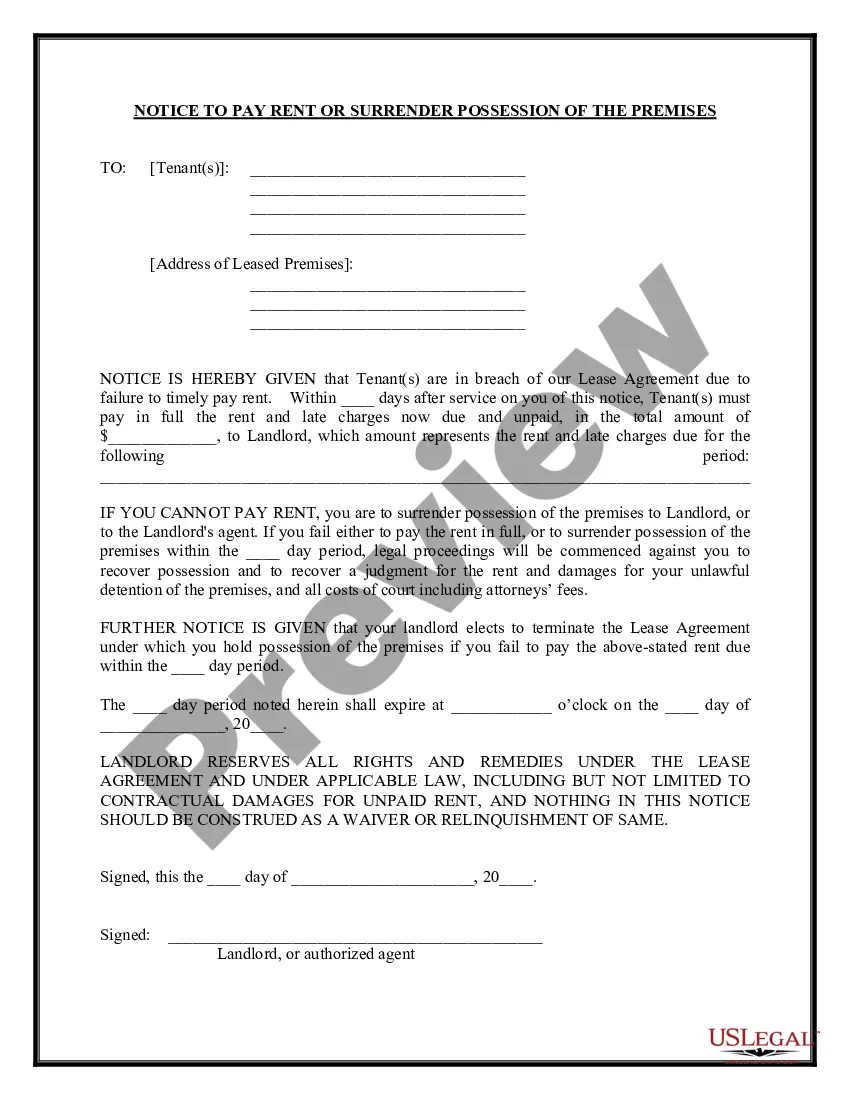
The Notice of Default in Payment of Rent acts as a formal warning issued by the landlord to the tenant regarding unpaid rent for a non-residential or commercial property. This form serves to inform the tenant of their payment default, the due date of the rent, and the potential consequences of continued non-payment. It is essential for landlords to document the warning prior to initiating further actions, such as demanding payment or terminating the lease agreement.
What’s included in this form
- Identification of landlord and tenant.
- Address of the leased premises.
- Details of the unpaid rent, including due date and total amount owed.
- Statement of consequences if the rent remains unpaid.
- Signature line for the landlord or authorized agent.
When this form is needed
Use this Notice of Default in Payment of Rent when a tenant has failed to pay rent for a specified period. It is particularly useful when landlords need to formally communicate payment expectations and the implications of non-compliance before proceeding with further legal actions to collect overdue rent or terminate a lease.
Intended users of this form
- Landlords who manage non-residential or commercial properties.
- Property managers representing landlords in rental agreements.
- Business owners who lease commercial space and need to remind tenants of overdue rent.
Steps to complete this form
- Identify the landlord and tenant by entering their full names.
- Specify the address of the leased premises clearly.
- Fill in the month for which rent is unpaid and the total amount due.
- State the due date of rent as per the lease agreement.
- Sign and date the notice to formally validate it before delivery.
Notarization requirements for this form
This form does not typically require notarization to be legally valid. However, some jurisdictions or document types may still require it. US Legal Forms provides secure online notarization powered by Notarize, available 24/7 for added convenience.
Get your form ready online
Our built-in tools help you complete, sign, share, and store your documents in one place.
Make edits, fill in missing information, and update formatting in US Legal Forms—just like you would in MS Word.
Download a copy, print it, send it by email, or mail it via USPS—whatever works best for your next step.
Sign and collect signatures with our SignNow integration. Send to multiple recipients, set reminders, and more. Go Premium to unlock E-Sign.
If this form requires notarization, complete it online through a secure video call—no need to meet a notary in person or wait for an appointment.
We protect your documents and personal data by following strict security and privacy standards.

Make edits, fill in missing information, and update formatting in US Legal Forms—just like you would in MS Word.

Download a copy, print it, send it by email, or mail it via USPS—whatever works best for your next step.

Sign and collect signatures with our SignNow integration. Send to multiple recipients, set reminders, and more. Go Premium to unlock E-Sign.

If this form requires notarization, complete it online through a secure video call—no need to meet a notary in person or wait for an appointment.

We protect your documents and personal data by following strict security and privacy standards.
Mistakes to watch out for
- Failing to specify the exact amount of rent due.
- Neglecting to include the date of the notice.
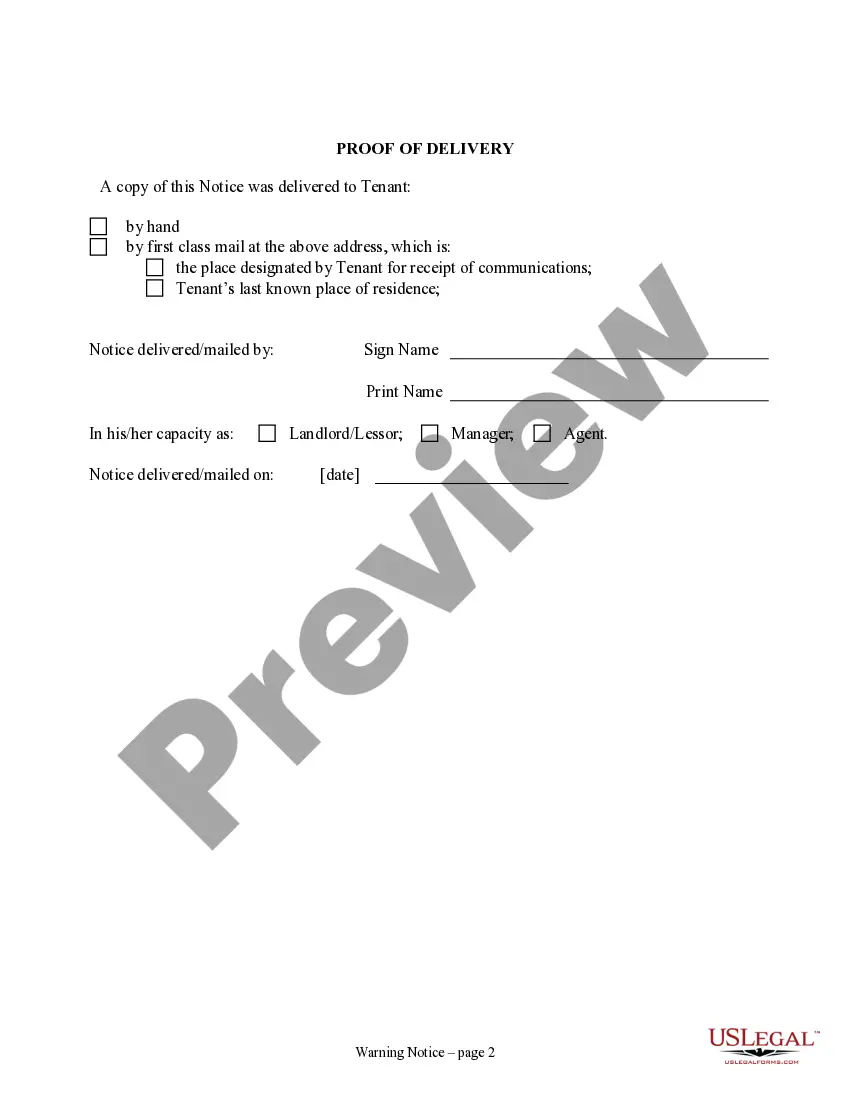
- Not delivering the notice according to the specified method (e.g., hand delivery or mail).
- Omitting signatures from the landlord or authorized agent.
Advantages of online completion
- Convenient access to legal forms at any time.
- Easy customization to meet your specific requirements.
- Reliable templates drafted by licensed attorneys.
- Immediate downloadable formats for quick use.
Legal use & context
- This form is enforceable under state landlord-tenant laws as a preliminary warning.
- It allows landlords to notify tenants and create a record of communication regarding payment defaults.
Quick recap
- Use this form to formally alert tenants of late rent payments.
- This notice serves as a crucial first step before possible lease termination.
- Ensure all fields are correctly completed to avoid disputes regarding receipt or terms.
Looking for another form?


Form popularity
FAQ
Notice Requirements for Oregon TenantsOregon tenants who want to get out of a month-to-month rental agreement must provide at least 30 days' written notice. One exception is if the landlord doesn't provide an exit from each bedroom in the unit, the tenant can give the landlord a 72-hour notice.
If you have rent arrears, your landlord may try and evict you. This is called seeking possession. To do this, in most cases they will need to follow a procedure which involves getting a court order. They can't make you leave your home without going to court first.
Pay any delinquent rent that is due to the landlord within the allotted time of the notice. Move out of the premises within the allotted time of the notice. File an answer with the judicial court. File a motion to stay with the court.
The tenant must give the landlord notice of their intention to move out within 90 days of the event causing the need to move. The notice must be given to the landlord at least 14 days before the tenant intends to move out.
The landlord must file a notice of restitution and pay a fee. Notice forms are available in the small claims office. The Sheriff or a private process server will serve the tenant with the notice to vacate. The tenant will then have four days to vacate.
Your landlord can evict you if you fall behind with your rent - you could lose your home. Coronavirus (COVID-19) has not changed this, but there are new rules that mean your landlord must give you at least 6 months' notice if they plan to evict you, unless you owe at least 6 months' rent.
For 2020, the maximum rent increase is 9.9%. Between tenants, there is no limit to how much the rent can go up (except if a short-term tenant was just evicted from the unit, a provision that discourages a revolving door of tenants for rent increases.)
Your landlord can evict you if you fall behind with your rent - you could lose your home. Coronavirus (COVID-19) has not changed this, but there are new rules that mean your landlord must give you at least 6 months' notice if they plan to evict you, unless you owe at least 6 months' rent.
Oregon Rent RulesOregon has a statewide rent control law that limits the amount of rent increases, bars landlords from raising rent more than once in any 12-month period, and requires landlords to give tenants proper notice before raising rent.