Oregon Letter from Tenant to Landlord with Demand that landlord remove garbage and vermin from premises
Understanding this form
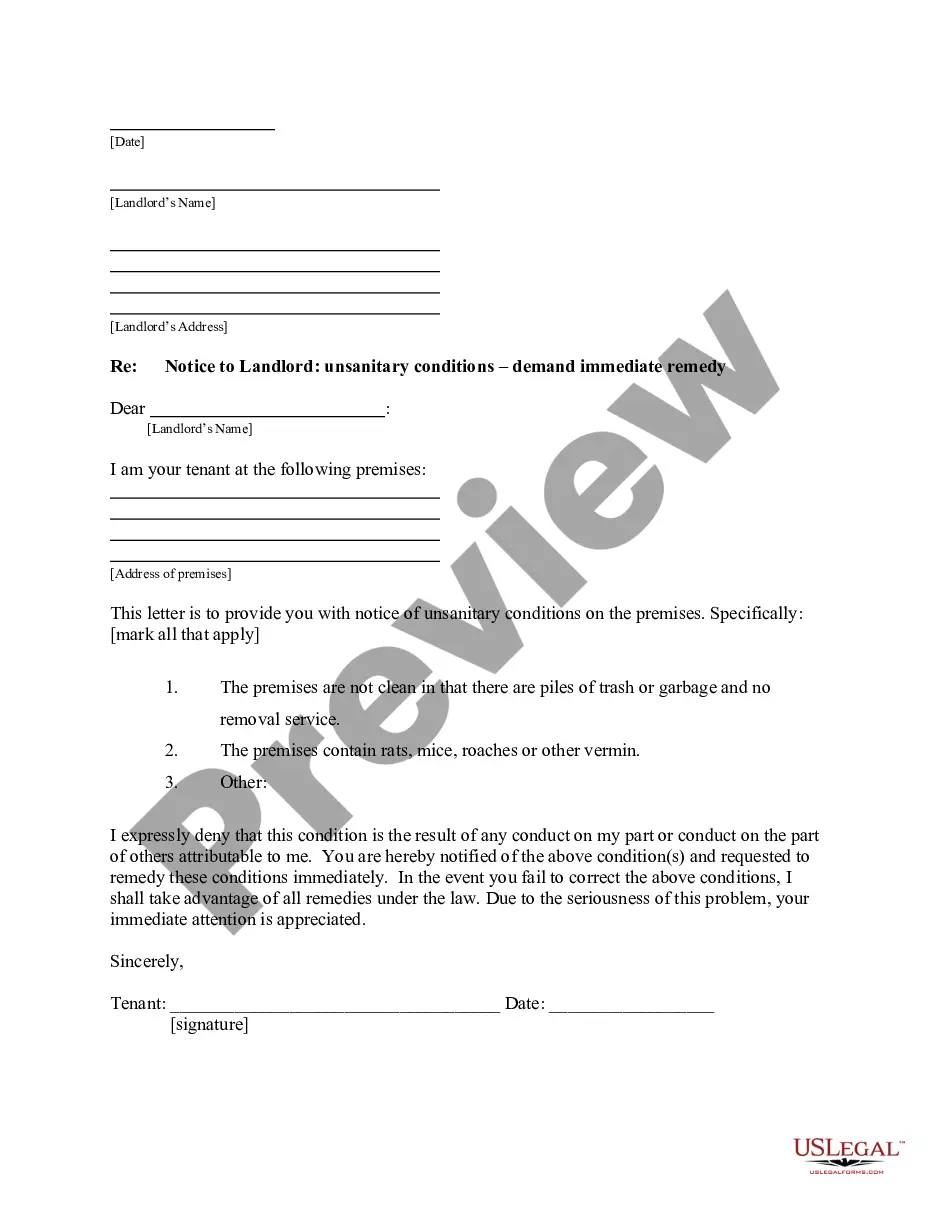
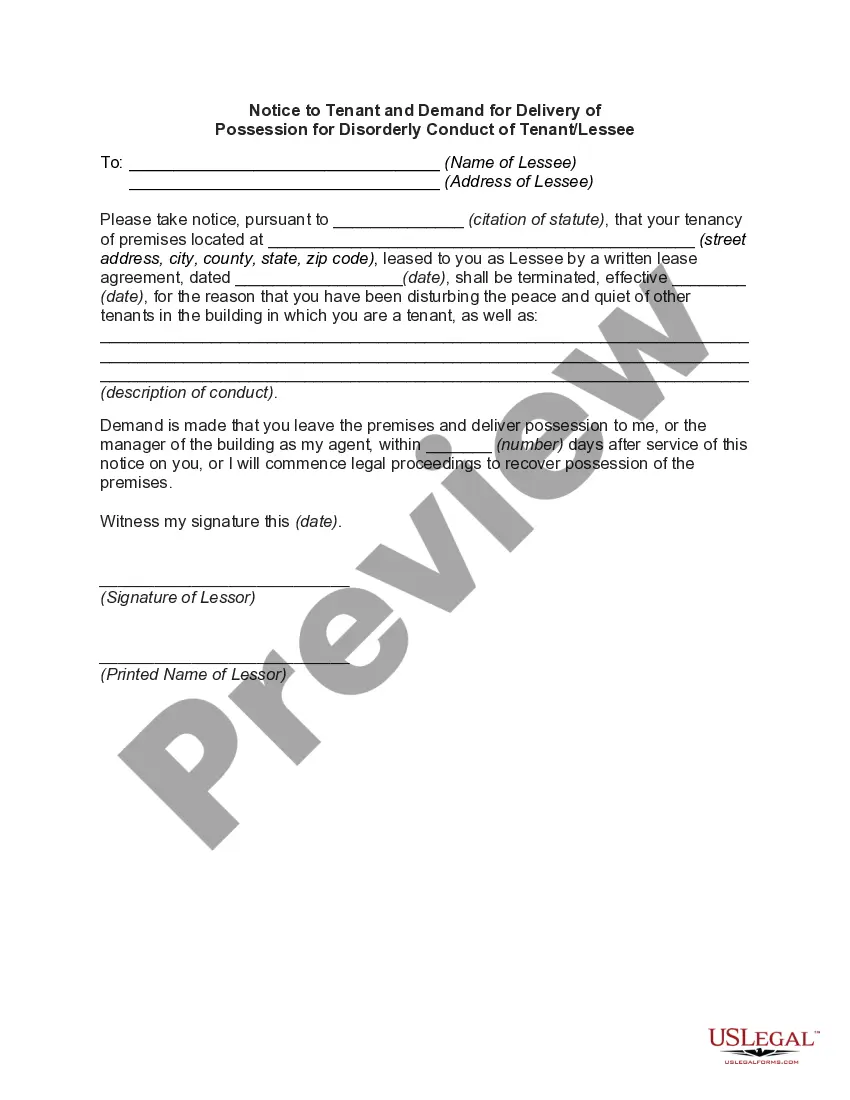
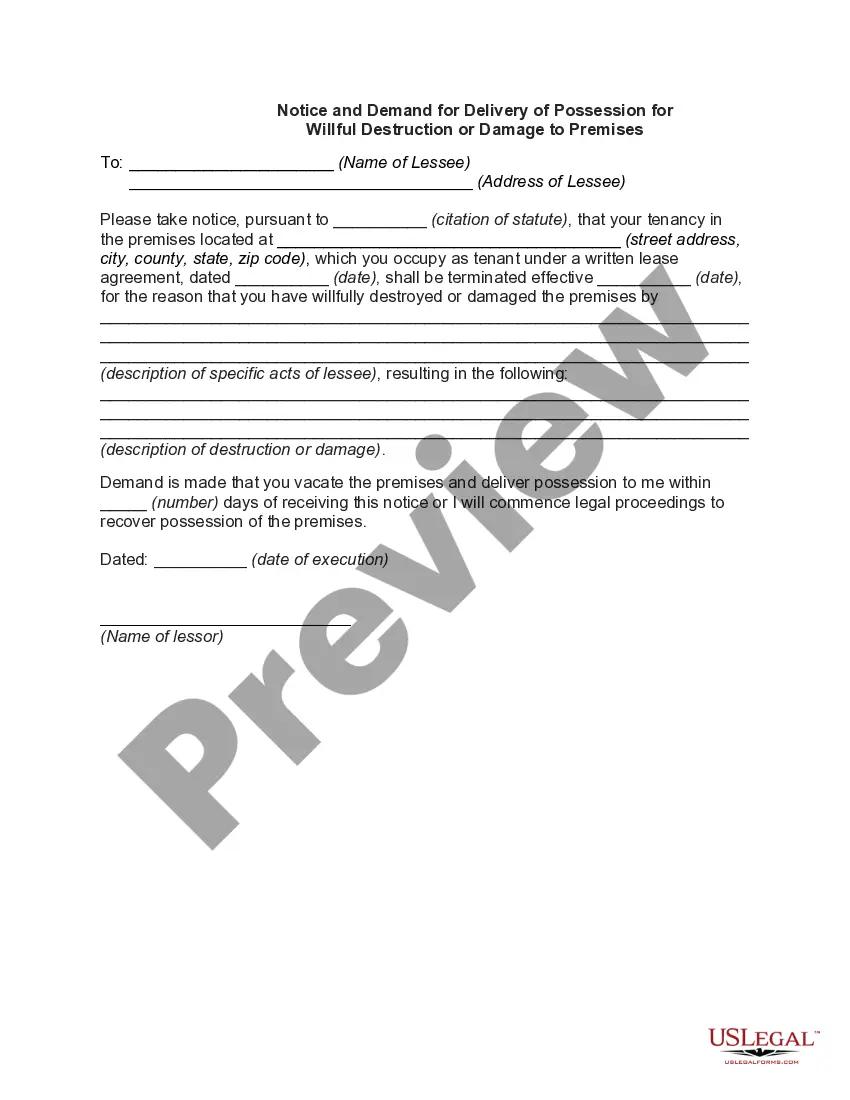
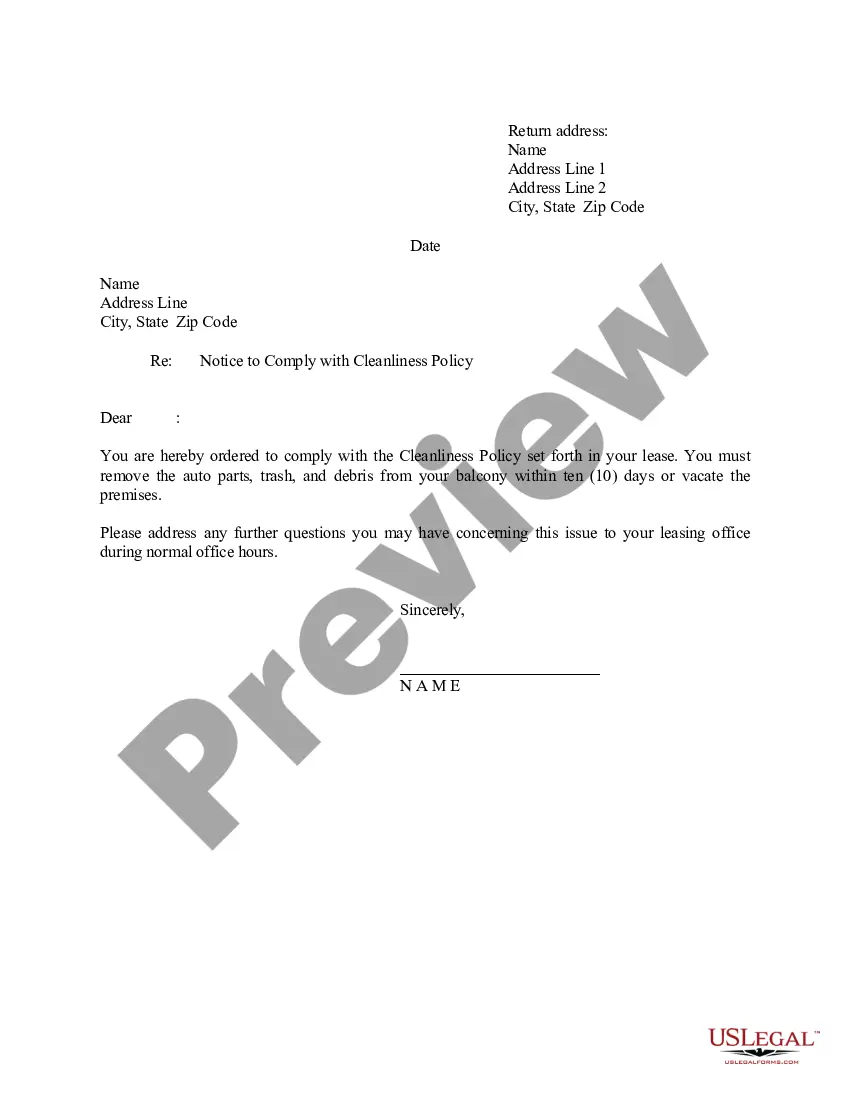
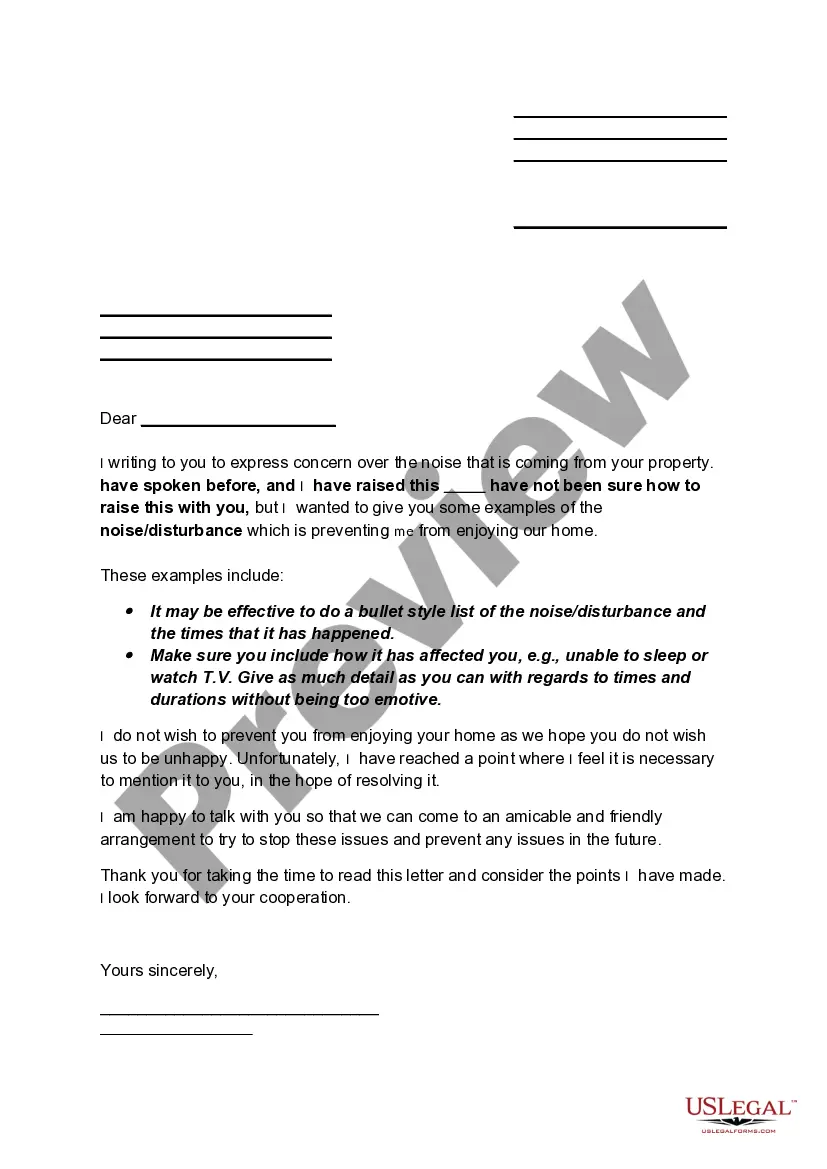
This form is a Letter from Tenant to Landlord with Demand that the landlord remove garbage and vermin from premises. It is specifically designed to inform landlords about unsanitary conditions in a rental property. By using this form, a tenant can formally notify the landlord of the lease breach and demand immediate repairs. This proactive approach helps protect the tenantâs rights and health while providing the landlord an opportunity to rectify the situation swiftly.
What’s included in this form
- Identification of the tenant and landlord parties involved.
- Description of the unsanitary conditions, such as garbage and vermin presence.
- A denial of responsibility for the conditions noted.
- A request for immediate remedy of the issues reported.
- A statement of intention to pursue legal remedies if no action is taken.
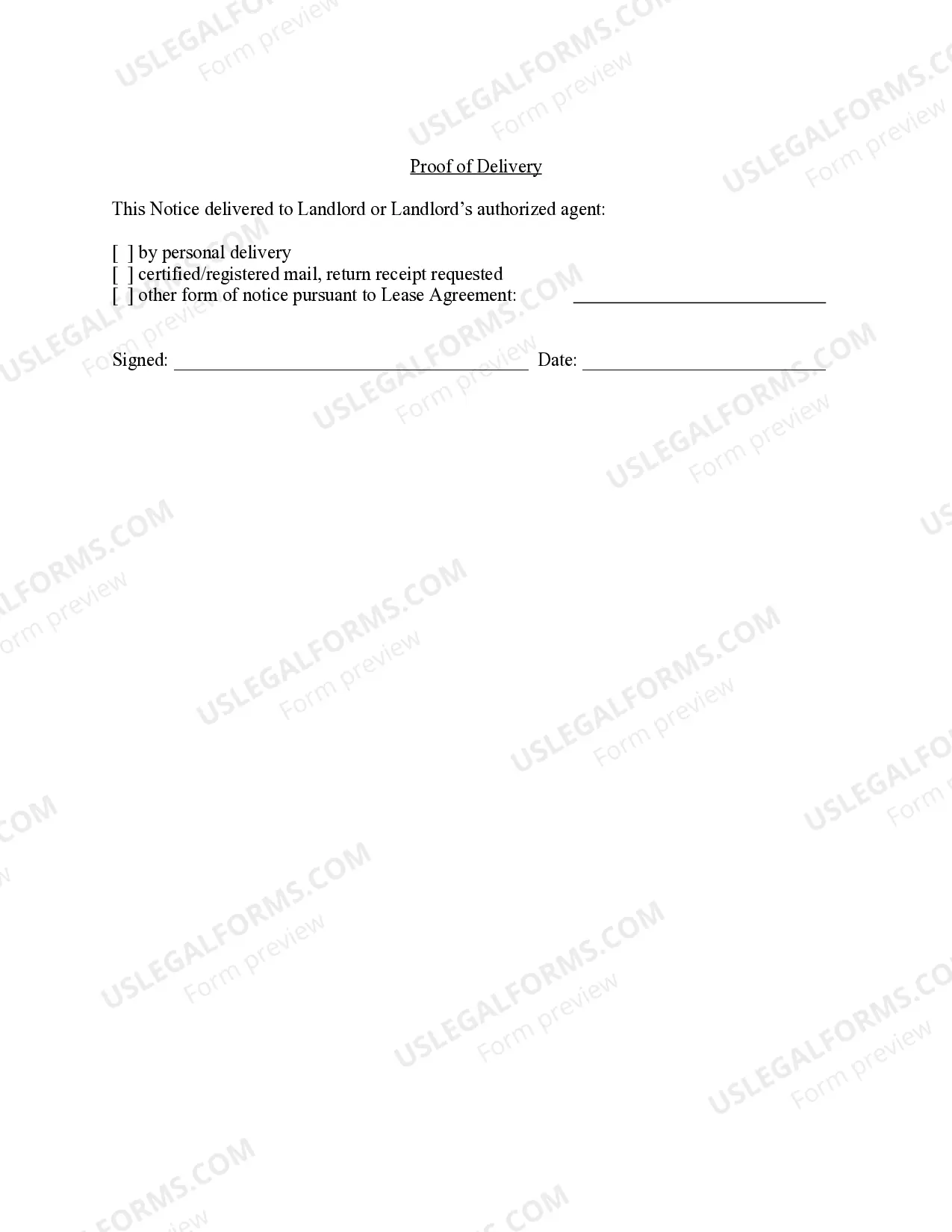
- Signature and date fields for the tenant and delivery proof options.

When this form is needed
This form should be used when a tenant discovers unsanitary conditions in their rental property, such as excessive garbage or a pest infestation. If the landlord has not addressed these issues after verbal communication, this letter serves as a formal demand for action. It's vital to document the problem and the landlordâs acknowledgment to safeguard the tenantâs rights under the lease agreement.
Who should use this form
- Tenants experiencing unsanitary conditions in their rental premises.
- Individuals who have previously notified their landlord verbally but received no response.
- Renters looking to formally document their concerns regarding lease breaches.
How to prepare this document
- Identify the names and contact information of both the tenant and landlord.
- Clearly describe the unsanitary conditions present in the rental property.
- State that the tenant denies responsibility for these conditions.
- Request immediate action from the landlord to rectify the issues.
- Sign and date the letter, and choose your preferred method of delivery.
Notarization guidance
This form does not typically require notarization unless specified by local law. Always review state regulations to ensure compliance with any additional requirements.
Get your form ready online
Our built-in tools help you complete, sign, share, and store your documents in one place.
Make edits, fill in missing information, and update formatting in US Legal Forms—just like you would in MS Word.
Download a copy, print it, send it by email, or mail it via USPS—whatever works best for your next step.
Sign and collect signatures with our SignNow integration. Send to multiple recipients, set reminders, and more. Go Premium to unlock E-Sign.
If this form requires notarization, complete it online through a secure video call—no need to meet a notary in person or wait for an appointment.
We protect your documents and personal data by following strict security and privacy standards.

Make edits, fill in missing information, and update formatting in US Legal Forms—just like you would in MS Word.

Download a copy, print it, send it by email, or mail it via USPS—whatever works best for your next step.

Sign and collect signatures with our SignNow integration. Send to multiple recipients, set reminders, and more. Go Premium to unlock E-Sign.

If this form requires notarization, complete it online through a secure video call—no need to meet a notary in person or wait for an appointment.

We protect your documents and personal data by following strict security and privacy standards.
Avoid these common issues
- Failing to provide a clear description of the conditions.
- Not signing or dating the letter, which could affect its validity.
- Sending the letter without a proof of delivery method, leaving no record of notification.
Benefits of using this form online
- Convenient access to a legally vetted document that meets your needs.
- Immediate download saves time compared to traditional methods.
- Editability allows customization to fit specific situations.
Legal use & context
- This form establishes a formal notice, which may be necessary for any legal claims regarding the landlord's failure to maintain premises.
- It serves as documented evidence of the tenant's efforts to resolve the issue amicably before pursuing further legal actions.
Main things to remember
- Use this letter to formally address health and safety concerns with your landlord.
- Documenting the problem is essential for potential legal proceedings.
- Ensure to follow local laws regarding tenant notifications to protect your rights.
Looking for another form?



Form popularity
FAQ
Although the landlord is legally responsible for ensuring that you as a tenant have enough bins to dispose of household waste properly and are informed about where to dispose of your waste, you as a tenant have a responsibility to make every effort to dispose of your own household waste.
The landlord must make sure that the building, out-buildings, and the grounds are clean and free of trash, rodents and bugs at the time the rental agreement commences.During the tenancy, the landlord has a continuing responsibility to keep all areas under his or her control clean, decent, healthy and safe.
Pest control falls under the general responsibility of both tenants and landlords to maintain the premises in a state of reasonable repair, safety and cleanliness.Generally, as a property owner, you are responsible for pest and vermin control (such as rats, mice and termites).
With only a very few exceptions, the landlord may not charge any other fees to the tenant. This prohibition includes cleaning fees, for instance; the practice of charging tenants a cleaning fee is no longer permitted.
If you think your landlord is violating the Fair Housing Act, you can get that landlord in trouble by filing a complaint at HUD.gov. Your remedy for breach of quiet enjoyment is to terminate the lease and move or sue in small claims court.
Oregon landlords can require tenants to pay a security deposit. Under Oregon law, a last month's rent deposit is considered to be a security deposit. Landlords must provide tenants with a receipt when they receive the deposit. Written rental agreements must include the amount of the security deposit.
In Oregon, the landlord is required to provide a pest-free environment at the start. From there, it's up to the tenant to keep it that way.In fact, a professional pest control company may be able to determine the cause of the infestation in the first place.
The short answer is yes, a tenant can be billed for garbage.Furthermore, the Oregon landlord/tenant law that addresses utility payments, ORS 90.315, does NOT prohibit charging tenants for garbage service.