Ohio Letter from Landlord to Tenant that Sublease granted - Rent Paid by Subtenant, Old Tenant Released from Liability for Rent
What is this form?
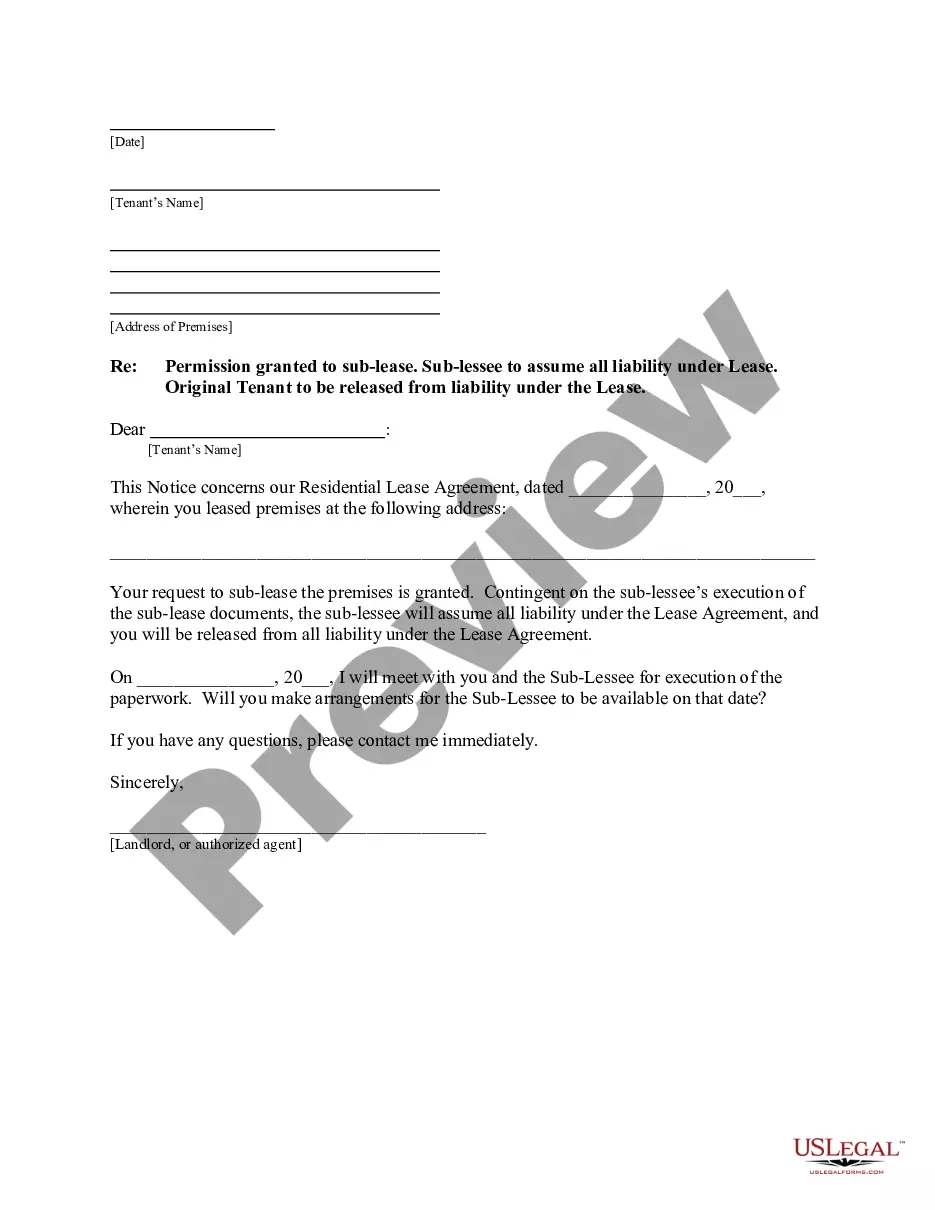
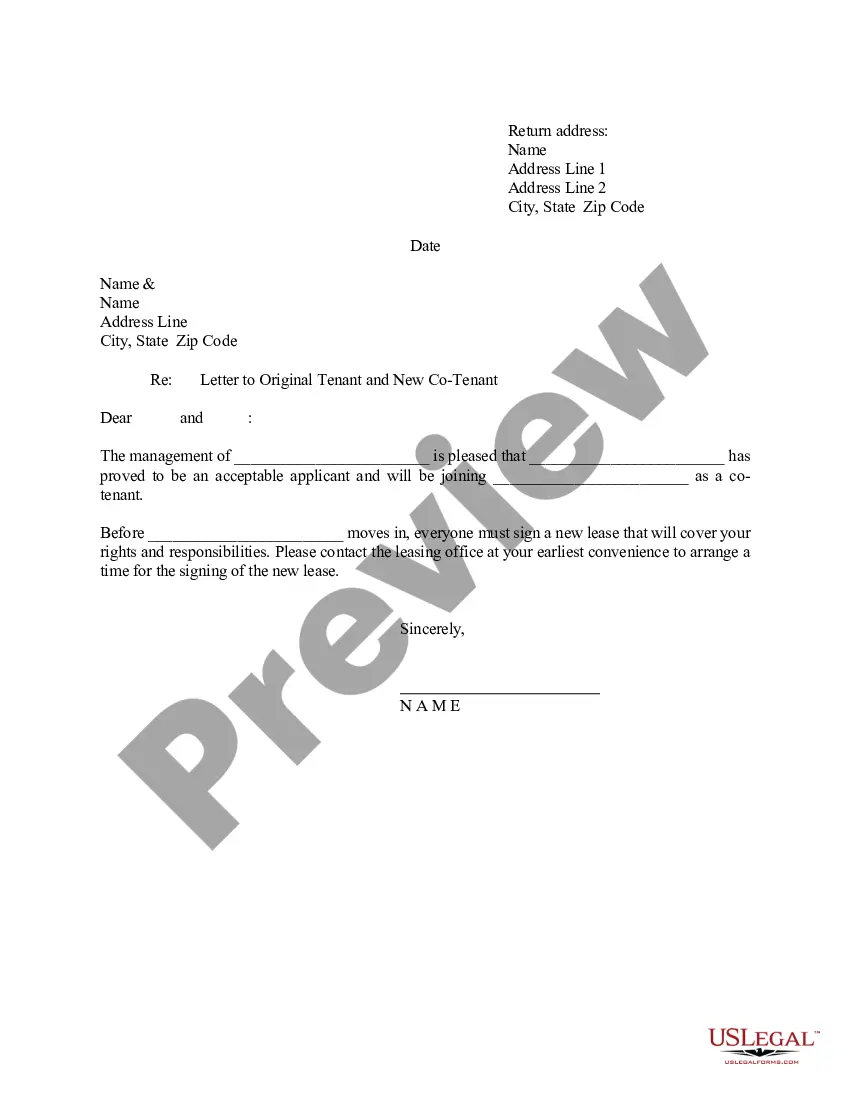
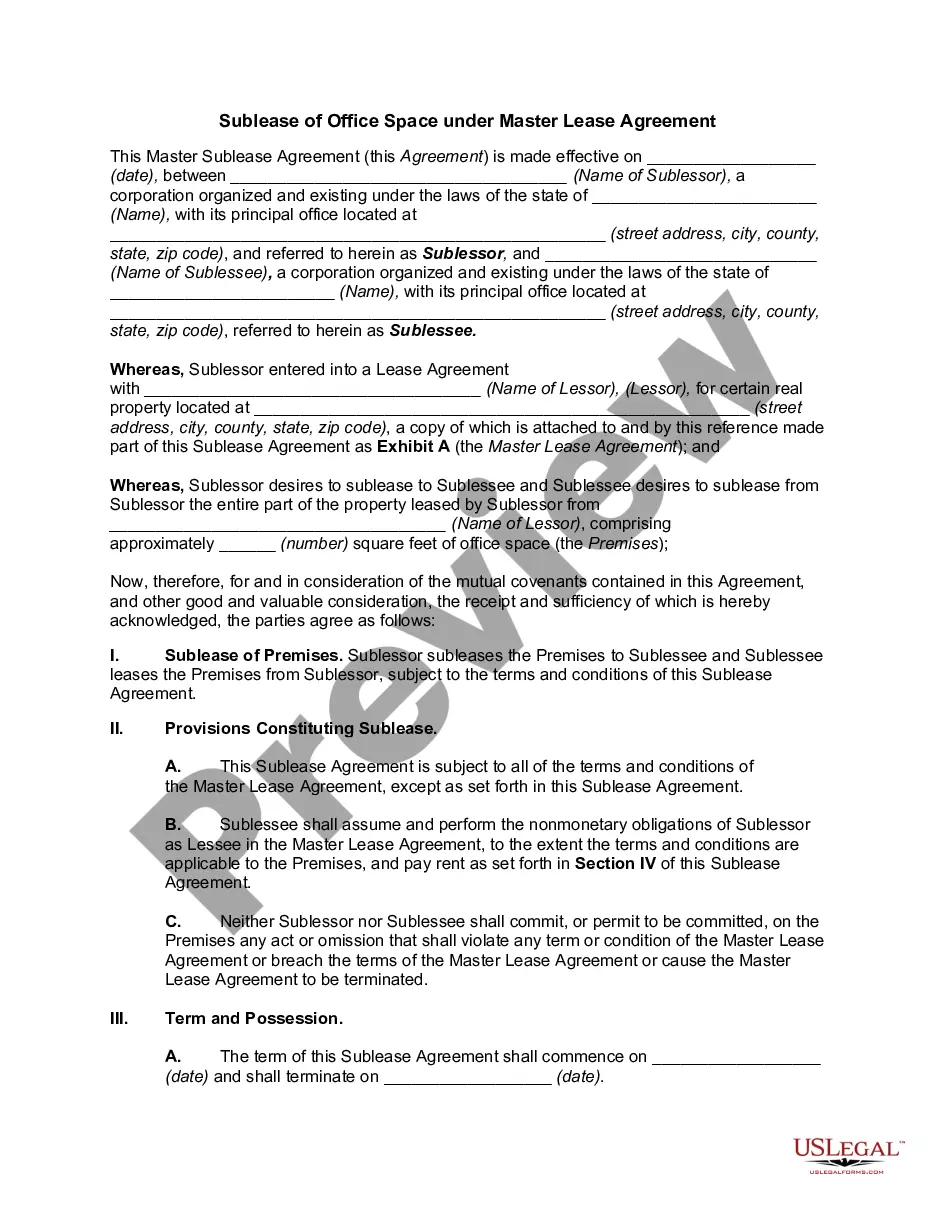
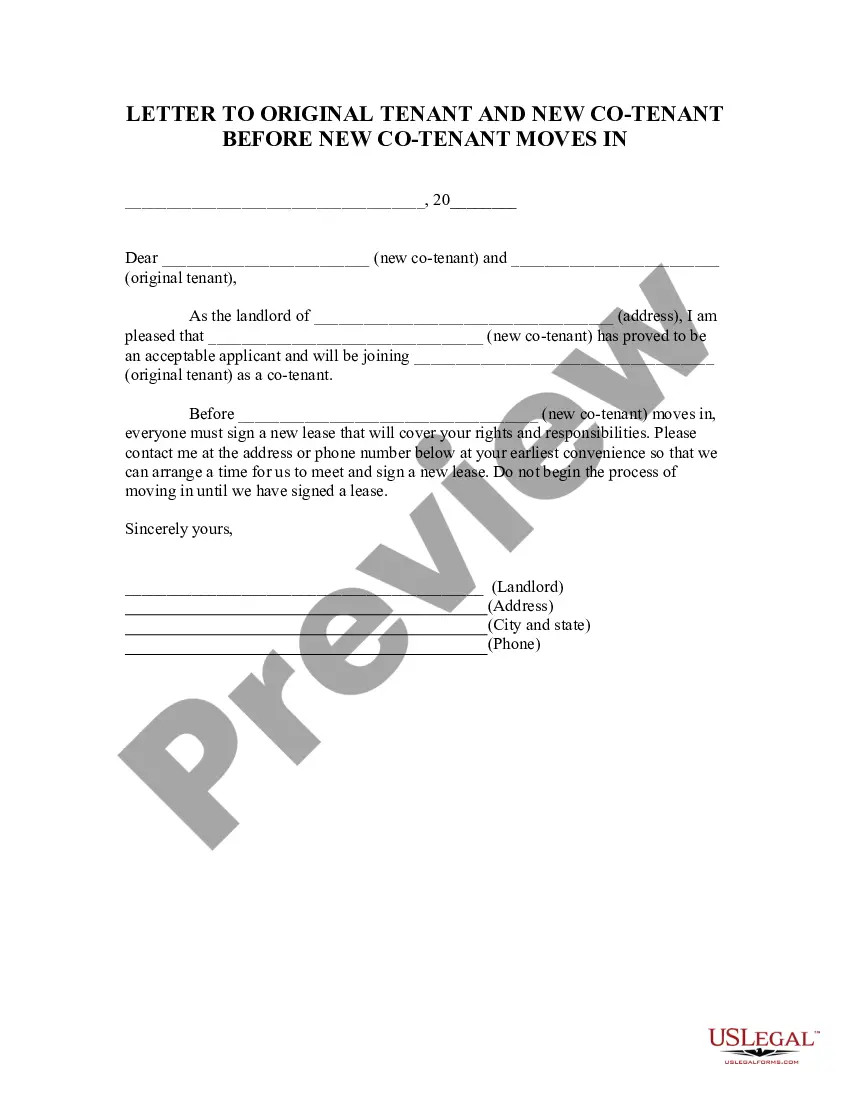
This form is a Letter from Landlord to Tenant confirming that a sublease has been granted. It specifies that the subtenant will be responsible for rent payments, and that the original tenant is released from liability for these payments. This form serves as important documentation of the subleasing arrangement, distinguishing it from standard lease agreements or notices by clearly outlining the terms of the sublease and the responsibilities of each party involved.
What’s included in this form
- Confirmation of the sublease grant.
- Assumption of liability by the subtenant.
- Release of the original tenant from rent liabilities.
- Date for the execution of the sublease paperwork.
- Contact information for questions or clarifications.

When this form is needed
This form should be used when a tenant wishes to sublease their rental property to another person. It is necessary when the original tenant is relieved of their responsibilities, including rent payments. Use this letter to formally acknowledge the arrangement and ensure all parties understand their rights and obligations.
Intended users of this form
- Landlords who are permitting a tenant to sublease their property.
- Tenants who have obtained permission from their landlord to sublease.
- Subtenants who will take over the rental responsibilities.
How to complete this form
- Identify the parties involved: landlord, tenant, and subtenant.
- Fill in the date of the meeting for executing the sublease paperwork.
- Ensure the subtenantâs name is included to specify liability assumptions.
- Sign the letter to formalize the agreement.
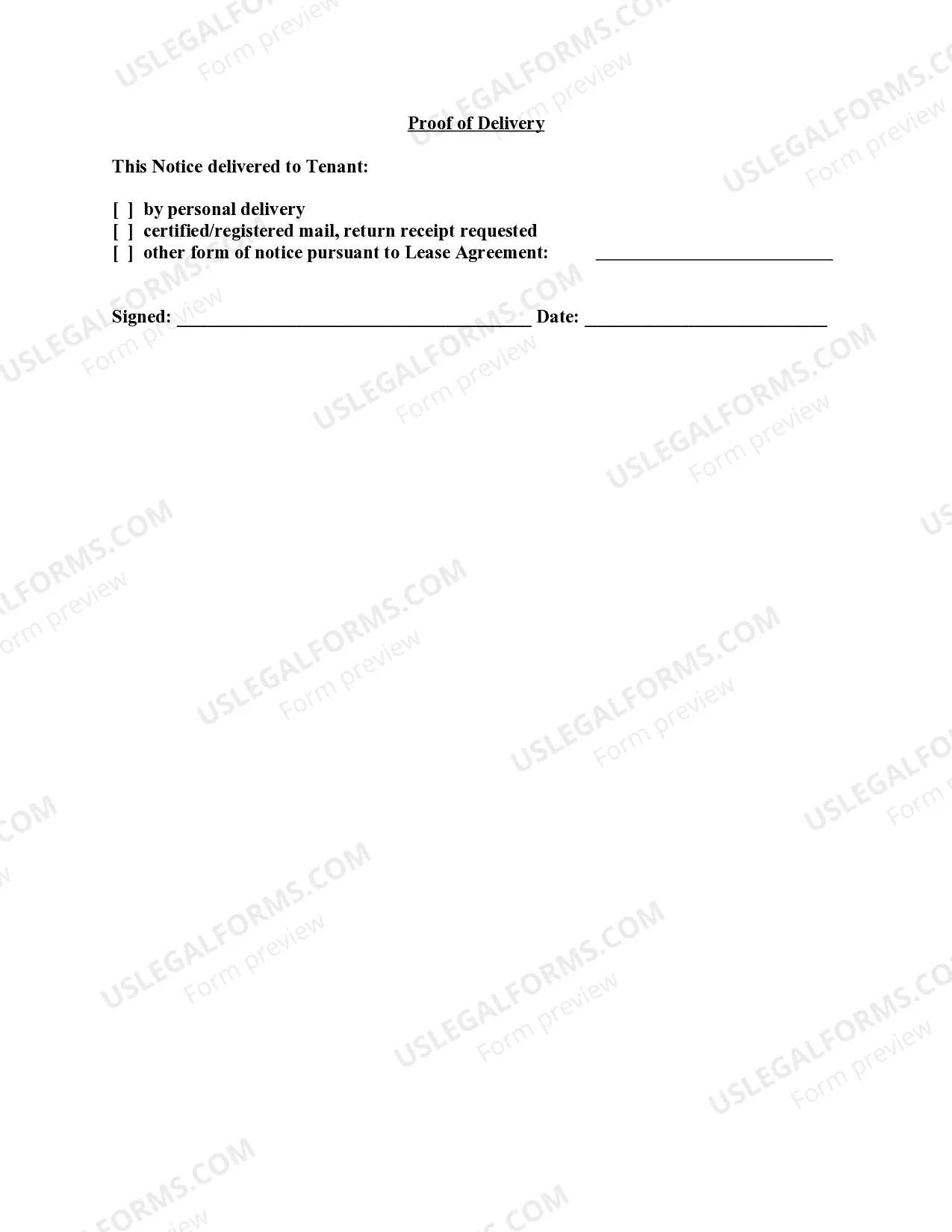
- Decide on the method of delivery for the notice (e.g., personal delivery or mail).
Notarization guidance
This form does not typically require notarization unless specified by local law. However, it is advisable to check your state's regulations regarding notarization for legal documentation related to real estate.
Get your form ready online
Our built-in tools help you complete, sign, share, and store your documents in one place.
Make edits, fill in missing information, and update formatting in US Legal Forms—just like you would in MS Word.
Download a copy, print it, send it by email, or mail it via USPS—whatever works best for your next step.
Sign and collect signatures with our SignNow integration. Send to multiple recipients, set reminders, and more. Go Premium to unlock E-Sign.
If this form requires notarization, complete it online through a secure video call—no need to meet a notary in person or wait for an appointment.
We protect your documents and personal data by following strict security and privacy standards.

Make edits, fill in missing information, and update formatting in US Legal Forms—just like you would in MS Word.

Download a copy, print it, send it by email, or mail it via USPS—whatever works best for your next step.

Sign and collect signatures with our SignNow integration. Send to multiple recipients, set reminders, and more. Go Premium to unlock E-Sign.

If this form requires notarization, complete it online through a secure video call—no need to meet a notary in person or wait for an appointment.

We protect your documents and personal data by following strict security and privacy standards.
Avoid these common issues
- Failing to communicate clearly with the subtenant about their responsibilities.
- Not keeping a copy of the signed letter for personal records.
- Overlooking local laws that may require additional disclosures.
Advantages of online completion
- Convenience of instant download allows quick access.
- Editability to customize the form to fit specific situations.
- Reliability, as forms are drafted by licensed attorneys.
Looking for another form?


Form popularity
FAQ
The subtenant must give a notice of one month in order to terminate the sublease. The subtenant is also required to give reasons for leaving the premises. A sublease can be terminated early if the subtenant is willing to pay the rent until the end of the month and an amount in addition to this.
If a tenant is subletting without consent, it's likely they will have broken terms in their tenancy agreement. This breach of contract means that the landlord can take action to evict them from their home. Possession proceedings can be started quickly, but it's important to follow the correct legal process.
Each state has different laws regarding subtenancy, with most landlords prohibiting subletting a property without prior permission. If subletting occurs without the landlord's knowledge, that landlord has the right to serve a three-day notice of eviction to both the tenant and the sublessor.
A sublease is a legally binding contract made between a tenant and a new tenant (also known as a subtenant or a sublessee).Usually, the first tenant must get consent from the landlord before he/she is allowed to sublease the premises.
A Residential Sublease is a legally binding contract made between the original tenant of a rental property (sublandlord) and a new tenant (also known as a subtenant or a sublessee). The sublease gives the subtenant the right to share or to take over the rented premises from the original tenant.
In New South Wales if your housemate is a sub-tenant on an open-ended agreement, they'll likely still have 90 days to vacate the property even after you secure an order to evict them.
If a court finds you guilty of the first offence of unlawful subletting, you can be fined in the magistrates' court.At the magistrates' court, you can get up to six months in prison or a fine, or both. At the Crown Court the maximum penalty is imprisonment for two years or a fine, or both.