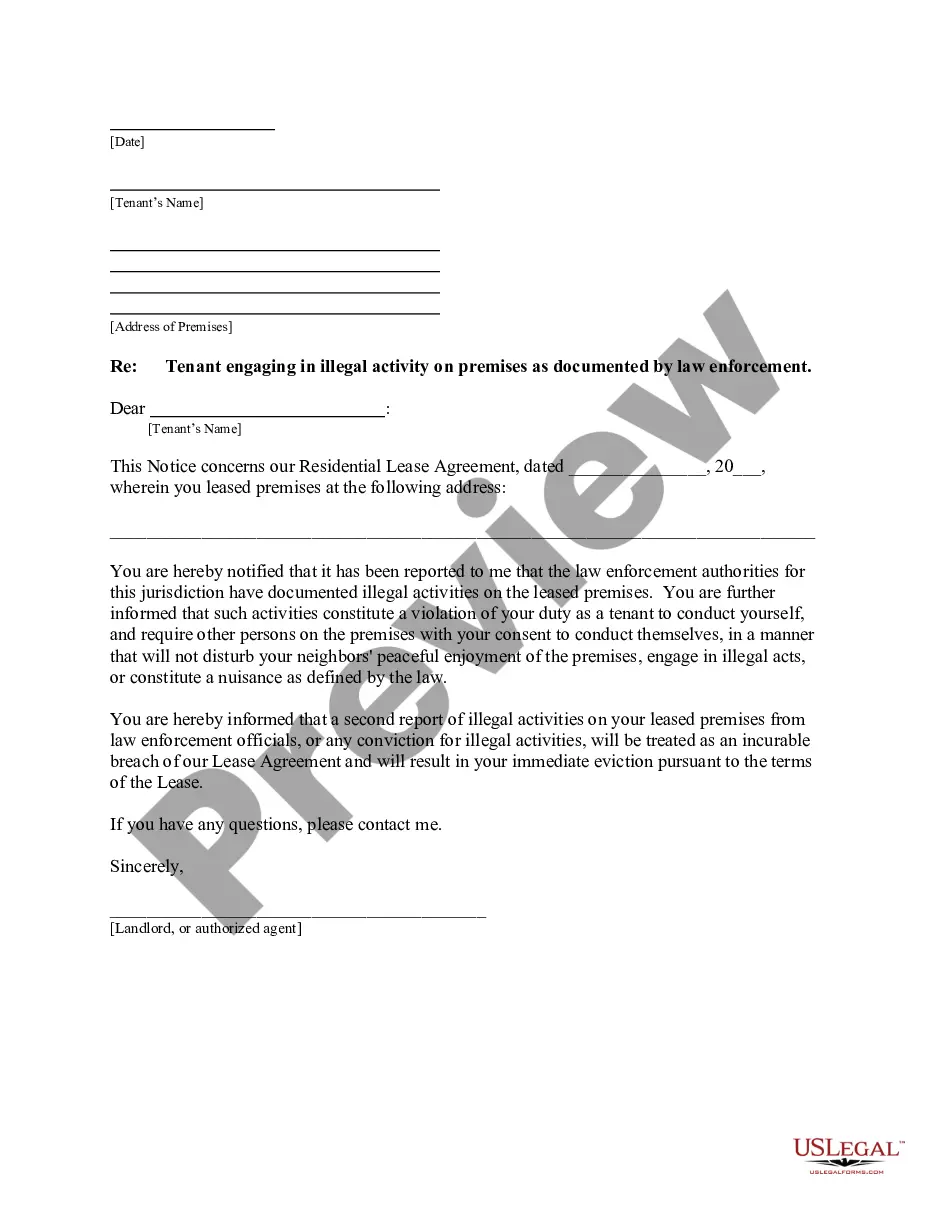
New York Letter from Landlord to Tenant about Tenant engaging in illegal activity in premises as documented by law enforcement and if repeated, lease terminates
What this document covers
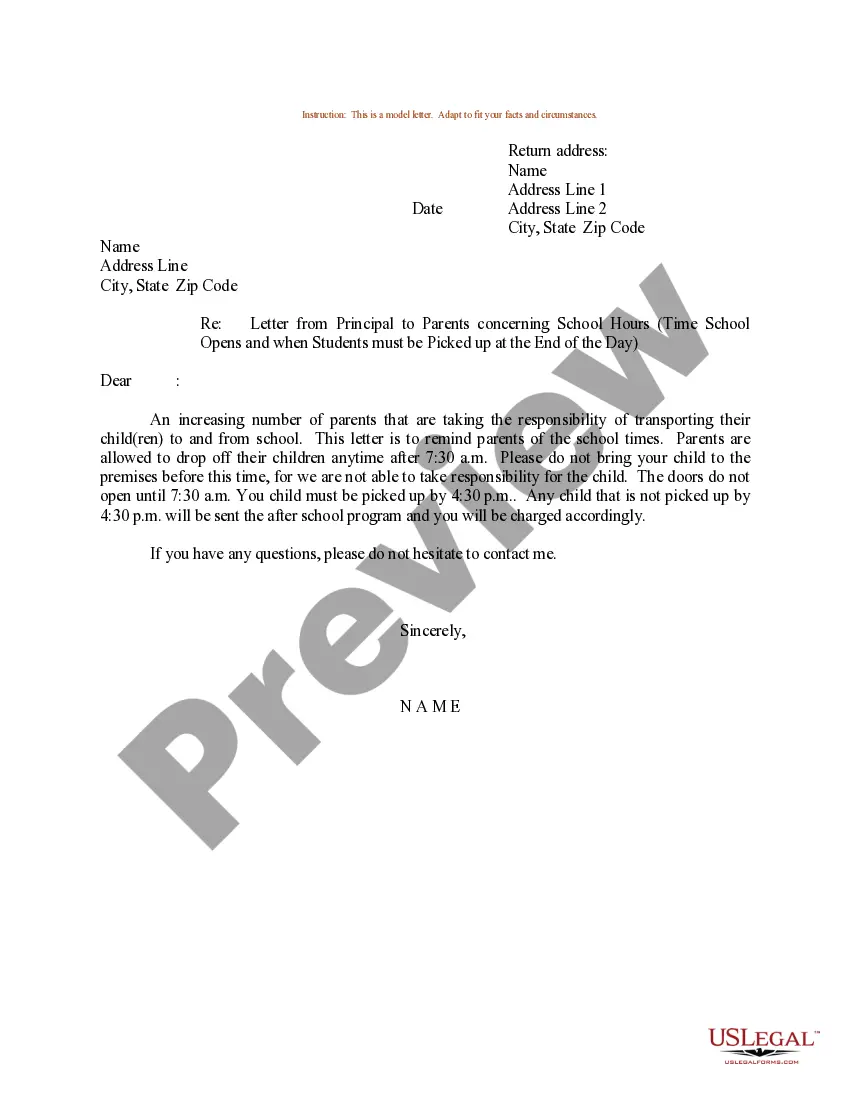
This form is a formal notice from the landlord to the tenant advising them that law enforcement has documented illegal activities occurring on the leased premises. It serves to inform the tenant that such actions violate their lease agreement and could lead to eviction if these activities continue. This letter is distinct from general eviction notices as it specifically addresses the illegal actions and offers the tenant a chance to rectify their behavior.
Key parts of this document
- Notification of reported illegal activities by law enforcement.
- Outline of tenant's responsibilities to maintain a lawful environment.
- Consequences of a second violation, including potential eviction.
- Contact information for further inquiries.

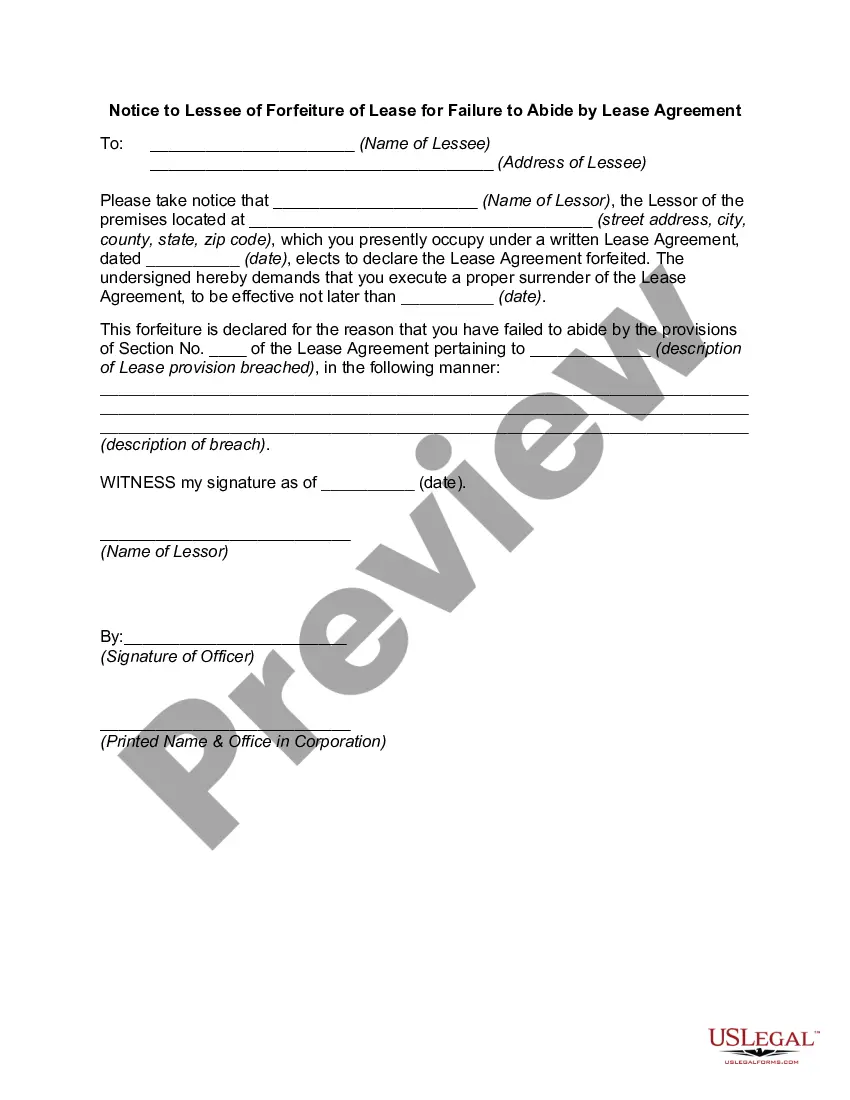
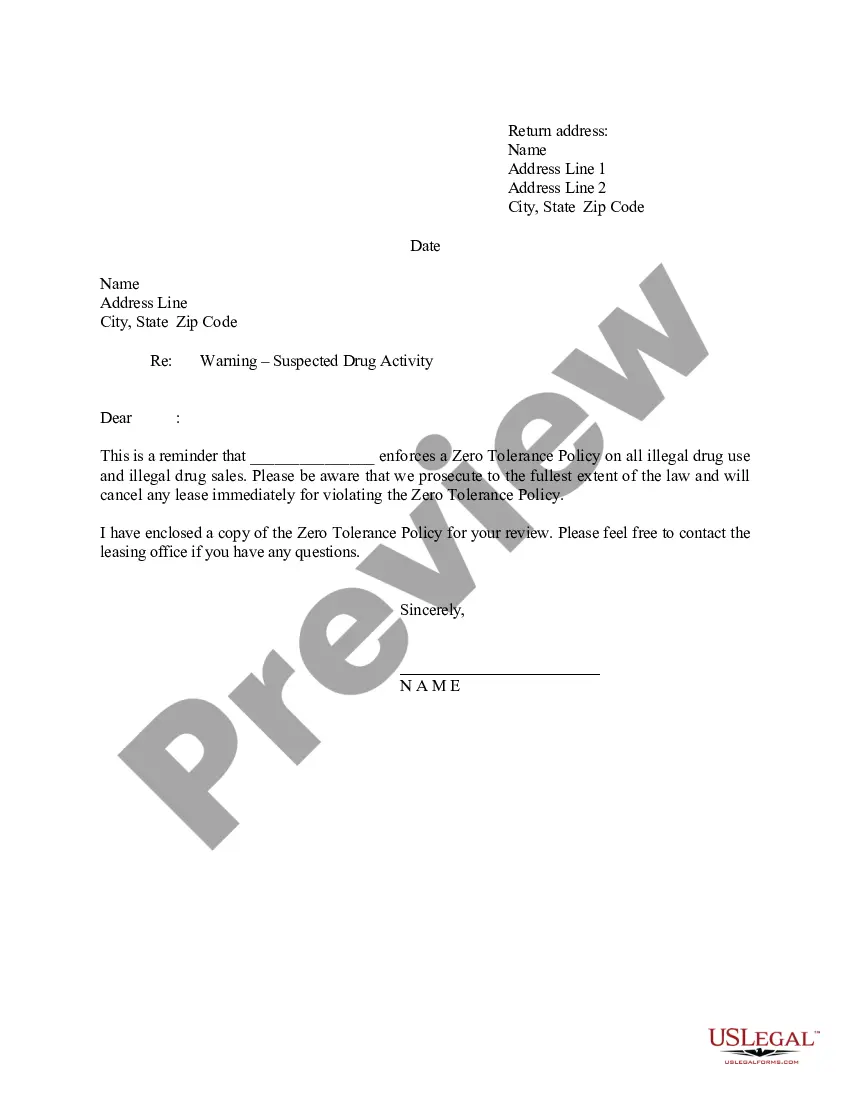
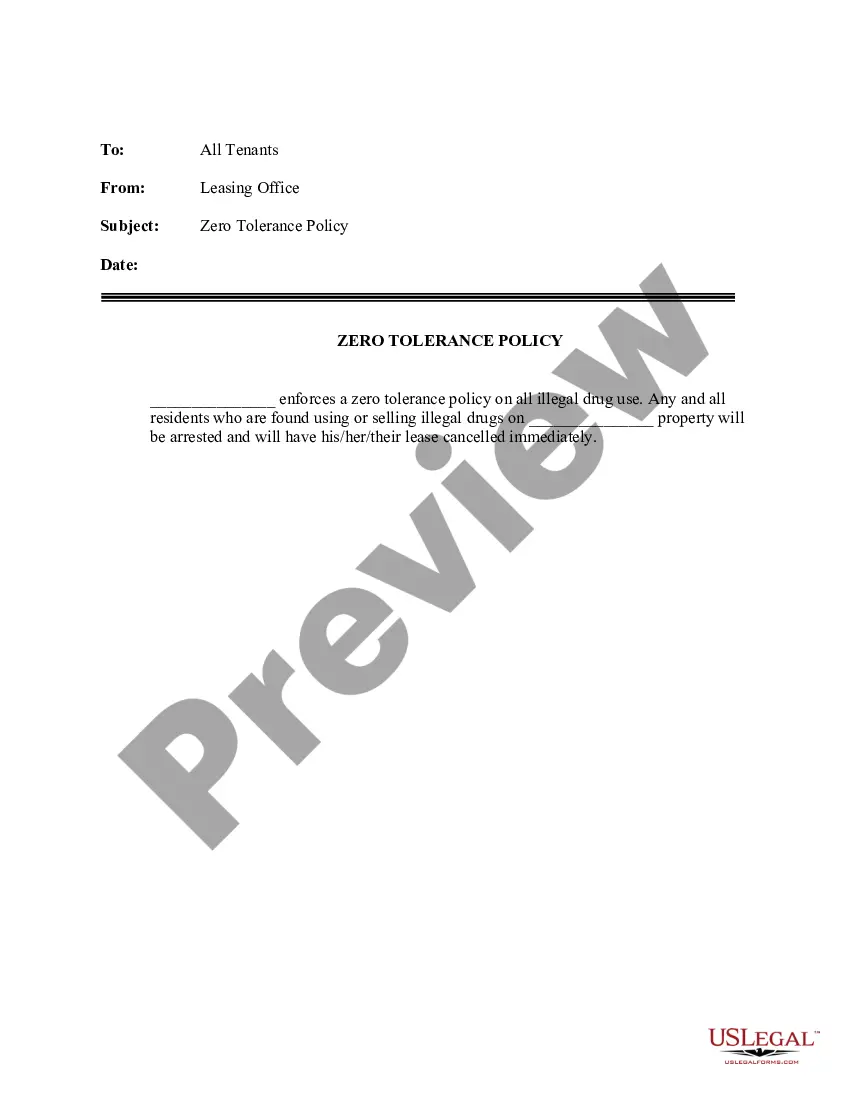
When to use this form
Use this form when you, as a landlord, have received reports from law enforcement about illegal activities in your rental property. This letter serves as an official warning to the tenant, allowing them the opportunity to cease any unlawful actions and avoid further legal action or eviction.
Who can use this document
- Landlords who suspect or have confirmed illegal activities by their tenants.
- Property managers handling lease violations related to illegal conduct.
- Landlords seeking to document communication regarding lease violations.
Instructions for completing this form
- Identify and enter your name as the landlord and the tenant's name.
- Specify the property address where the illegal activities have been reported.
- Clearly state the nature of the illegal activities documented by law enforcement.
- Include a warning about the consequences of repeated violations, specifically referencing the potential for eviction.
- Provide your contact information for any questions the tenant may have.
Notarization requirements for this form
This form does not typically require notarization unless specified by local law. It serves as an official warning but is not a legal filing that necessitates notarization.
Get your form ready online
Our built-in tools help you complete, sign, share, and store your documents in one place.
Make edits, fill in missing information, and update formatting in US Legal Forms—just like you would in MS Word.
Download a copy, print it, send it by email, or mail it via USPS—whatever works best for your next step.
Sign and collect signatures with our SignNow integration. Send to multiple recipients, set reminders, and more. Go Premium to unlock E-Sign.
If this form requires notarization, complete it online through a secure video call—no need to meet a notary in person or wait for an appointment.
We protect your documents and personal data by following strict security and privacy standards.

Make edits, fill in missing information, and update formatting in US Legal Forms—just like you would in MS Word.

Download a copy, print it, send it by email, or mail it via USPS—whatever works best for your next step.

Sign and collect signatures with our SignNow integration. Send to multiple recipients, set reminders, and more. Go Premium to unlock E-Sign.

If this form requires notarization, complete it online through a secure video call—no need to meet a notary in person or wait for an appointment.

We protect your documents and personal data by following strict security and privacy standards.
Typical mistakes to avoid
- Failing to specify the illegal activities, leading to confusion.
- Not providing complete contact information for the landlord.
- Neglecting to follow up if the illegal activities continue.
Benefits of using this form online
- Easy downloadable access to a legally sound template created by licensed attorneys.
- Immediate customization options to address your specific situation.
- Access to legal support and guidance during completion if needed.
Legal use & context
- This letter serves as documentation of the violation and may be used in court proceedings if eviction is pursued.
- For effective enforcement, it is essential to adhere to local tenant laws regarding eviction and tenant communications.
Quick recap
- A letter from landlord to tenant about illegal activities serves as an official notice.
- It is crucial for landlords to act promptly upon receiving reports of illegal conduct.
- Ensuring compliance with state laws is essential to avoid complications in the eviction process.
Looking for another form?
Form popularity
FAQ
New York has stringent laws when it pertains to tenants' privacy. Under normal circumstances, a landlord cannot enter a tenant's home unless the landlord provides reasonable notice.As a landlord, you will need to provide the tenant with reasonable notice in writing of your intent to enter.
Tell Them The Problem & Consequences. Explain the reason that you want the tenant to go. Offer Them a Way Out. Let the tenant know that you are willing to give them a lump sum of cash in agreement for leaving the property. The Release.
Sue the landlord and whoever for up to $10,000 in small claims court for trespassing, breach of contract, invasion of privacy, and breach of quiet enjoyment; if you are two or more tenants, each can separately sue them for up to $10,000, and a joint action is not required.
If the tenant refuses, you are permitted to send them a notice to agree or quit the property. The tenant refusing you access constitutes a breach in the lease agreement, so they could be evicted if they continue to deny access.
Your landlord can enter your apartment at any time and without notice in an emergency, and at a reasonable time after providing appropriate notice if the entry is either: To provide necessary or agreed upon repairs or services, or. In accordance with the lease, or.
The big take-away is that in most circumstances a landlord cannot enter a property without agreement from the tenant. And If the landlord ignores the law and enters the property without permission, the tenant may be able to claim damages or gain an injunction to prevent the landlord doing it again.
Be in writing. be signed and dated by you as the property manager, or by your client. be properly addressed to the tenant. give the day on which the residential tenancy agreement is terminated and by which the tenant is required to vacate. where appropriate, give the grounds or reason for the notice.
The rental property address, including unit number (if applicable) The names of all tenants on the lease agreement. The date the lease violation notice was written. The specific reason for the notice. The time and date the violation occurred (if applicable)
When you rent a property from a landlord it becomes your home. They should only enter the property without you being present, if you have given permission for them to do so, or in a genuine emergency.