Nevada Revocation of Statutory Equivalent of Living Will or Declaration
What this document covers
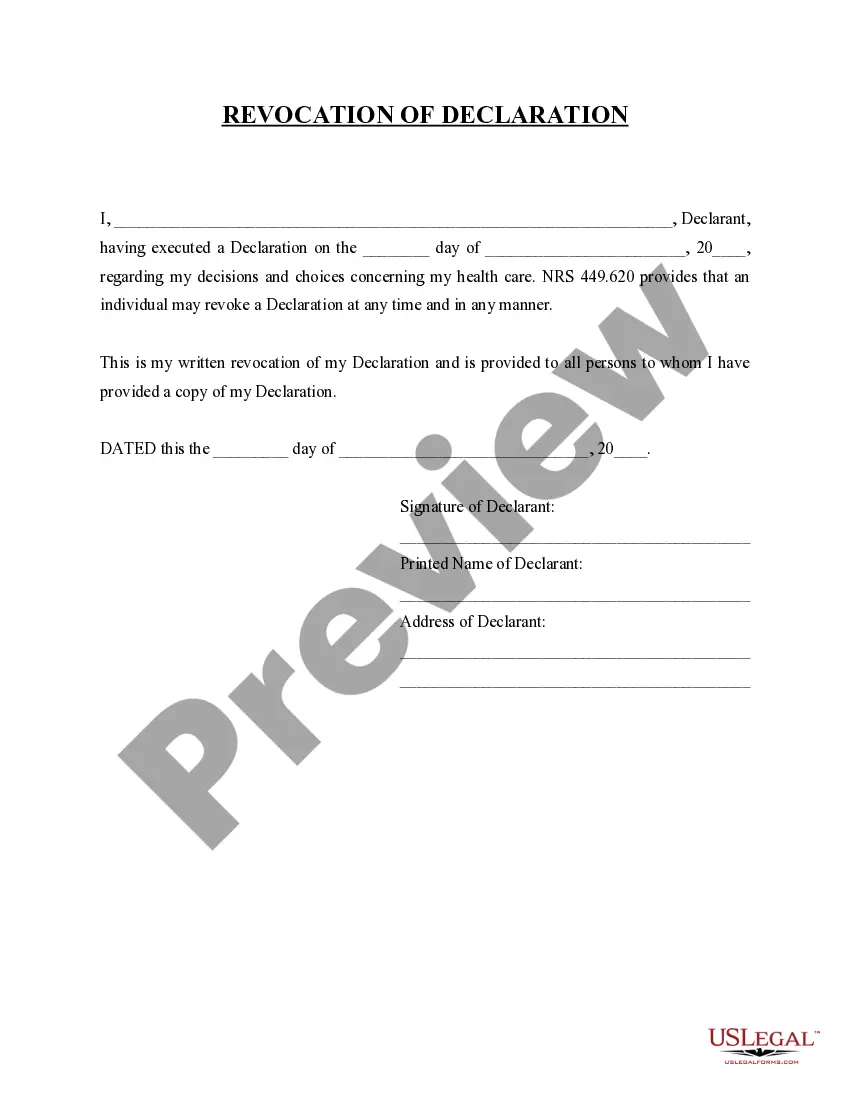
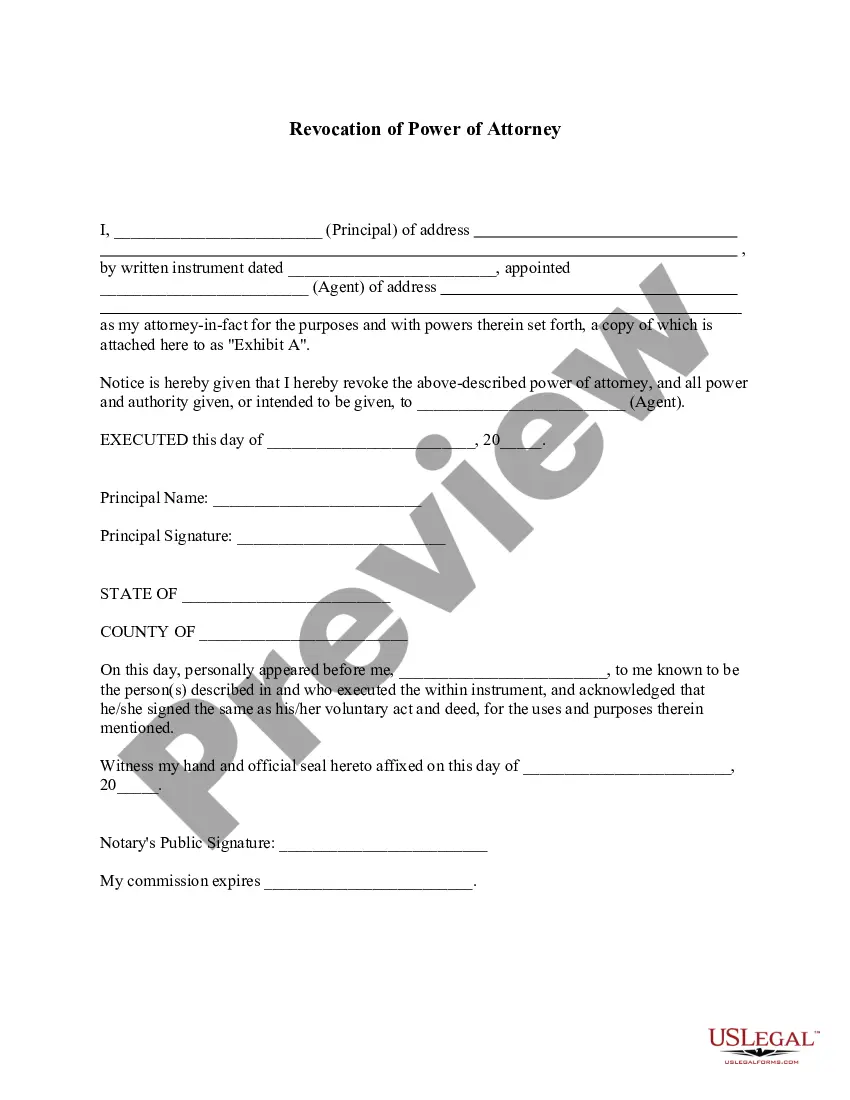
The Revocation of Statutory Equivalent of Living Will or Declaration is a legal document that allows an individual to revoke a previously signed declaration regarding their health care wishes. This form clarifies that the individual no longer wants their health care preferences, as expressed in an earlier living will, to be followed. It is crucial for maintaining control over one's healthcare decisions, especially in critical situations.
Key parts of this document
- The Declarant's name and declaration date.
- A statement affirming the intent to revoke the prior declaration.
- The date of revocation.
- Signature of the Declarant.
- Printed name and address of the Declarant.
Common use cases
You should use the Revocation of Statutory Equivalent of Living Will or Declaration if you have previously completed a living will or health care directive and wish to change your mind about your health care decisions. This may occur due to a change in personal beliefs, medical conditions, or family discussions that alter your preferences. It is essential to notify all relevant parties of this change to ensure your new wishes are honored.
Who needs this form
- Individuals who have executed a living will or health care declaration.
- Anyone who has undergone changes in their health status or personal beliefs regarding medical treatment.
- People looking to ensure that their current health care preferences are accurately represented.
Steps to complete this form
- Fill in your name as the Declarant.
- Specify the date of your original declaration.
- Clearly state your intent to revoke the prior declaration.
- Date the revocation form.
- Sign and print your name, along with your address.
Is notarization required?
This form usually doesn’t need to be notarized. However, local laws or specific transactions may require it. Our online notarization service, powered by Notarize, lets you complete it remotely through a secure video session, available 24/7.
Get your form ready online
Our built-in tools help you complete, sign, share, and store your documents in one place.
Make edits, fill in missing information, and update formatting in US Legal Forms—just like you would in MS Word.
Download a copy, print it, send it by email, or mail it via USPS—whatever works best for your next step.
Sign and collect signatures with our SignNow integration. Send to multiple recipients, set reminders, and more. Go Premium to unlock E-Sign.
If this form requires notarization, complete it online through a secure video call—no need to meet a notary in person or wait for an appointment.
We protect your documents and personal data by following strict security and privacy standards.

Make edits, fill in missing information, and update formatting in US Legal Forms—just like you would in MS Word.

Download a copy, print it, send it by email, or mail it via USPS—whatever works best for your next step.

Sign and collect signatures with our SignNow integration. Send to multiple recipients, set reminders, and more. Go Premium to unlock E-Sign.

If this form requires notarization, complete it online through a secure video call—no need to meet a notary in person or wait for an appointment.

We protect your documents and personal data by following strict security and privacy standards.
Avoid these common issues
- Failing to sign the revocation form.
- Not providing a copy to all parties who received the original declaration.
- Overlooking the need to date the revocation accurately.
Why complete this form online
- Convenient access to legal forms from anywhere.
- Editable templates to fit your specific needs.
- Reliable resources that are drafted by licensed attorneys.
Legal use & context
- It revokes previous declarations related to medical treatment and life support.
- Formally withdrawing prior instructions ensures your current wishes are respected.
- Legal validation asks for clear documentation to avoid confusion among healthcare providers.
Quick recap
- The form allows individuals to revoke old health care directives.
- It is vital for maintaining current and accurate medical preferences.
- Following the form's structure ensures its legal effectiveness in Nevada.
Looking for another form?
Form popularity
FAQ
Holographic wills are valid in Nevada and can serve an important purpose if used properly.
A 2004 survey by , which provides online legal information, found that 36 percent of Americans have a living will. Even when people have filled out living wills, doctors often ignore them. Good deaths are fewer than bad deaths, says Rev. Dr.
A living will is a vital part of the estate plan. You can alter it as your preferences and needs change over time.But your family cannot override your living will. They cannot take away your authority to make your own treatment and care plans.
Will my living will ever expire? Your living will remains effective for as long as you live, unless you intentionally revoke it or the courts get involved (e.g., someone challenges whether you had capacity to make the document, or a court questions whether your document meets the state's requirements).
Signature: The will must be signed by the testator or by an attending person at the testator's direction. Witnesses: A Nevada will must be signed by at least two witnesses who are not beneficiaries in the presence of the testator. Writing: A Nevada will must be in writing to be valid.
No, in Nevada, you do not need to notarize your will to make it legal. However, Nevada allows you to make your will "self-proving" and you'll need to go to a notary if you want to do that. A self-proving will speeds up probate because the court can accept the will without contacting the witnesses who signed it.
You can give a person complete authority to make all decisions, or limit them significantly to make only specific decisions.If you want specificity, it is better to do that in your living will, which the person with a durable power of attorney cannot override.
Keep in mind that you can always change your Living Will for any reason, at any time, by revoking it. To do so, you will have to do more than tear up your existing document. It remains a legally binding document until it is formally revoked. You are the only person who can change or revoke your Living Will.
Living Wills are Binding Legal Documents You need to legally outline your wishes in compliance with state law. Your living will needs to cover what you wish to happen if you become terminally ill, permanently unconscious, or unable to convey your own wishes.