New Jersey Complaint Auto Negligence and Property Damage
What this document covers
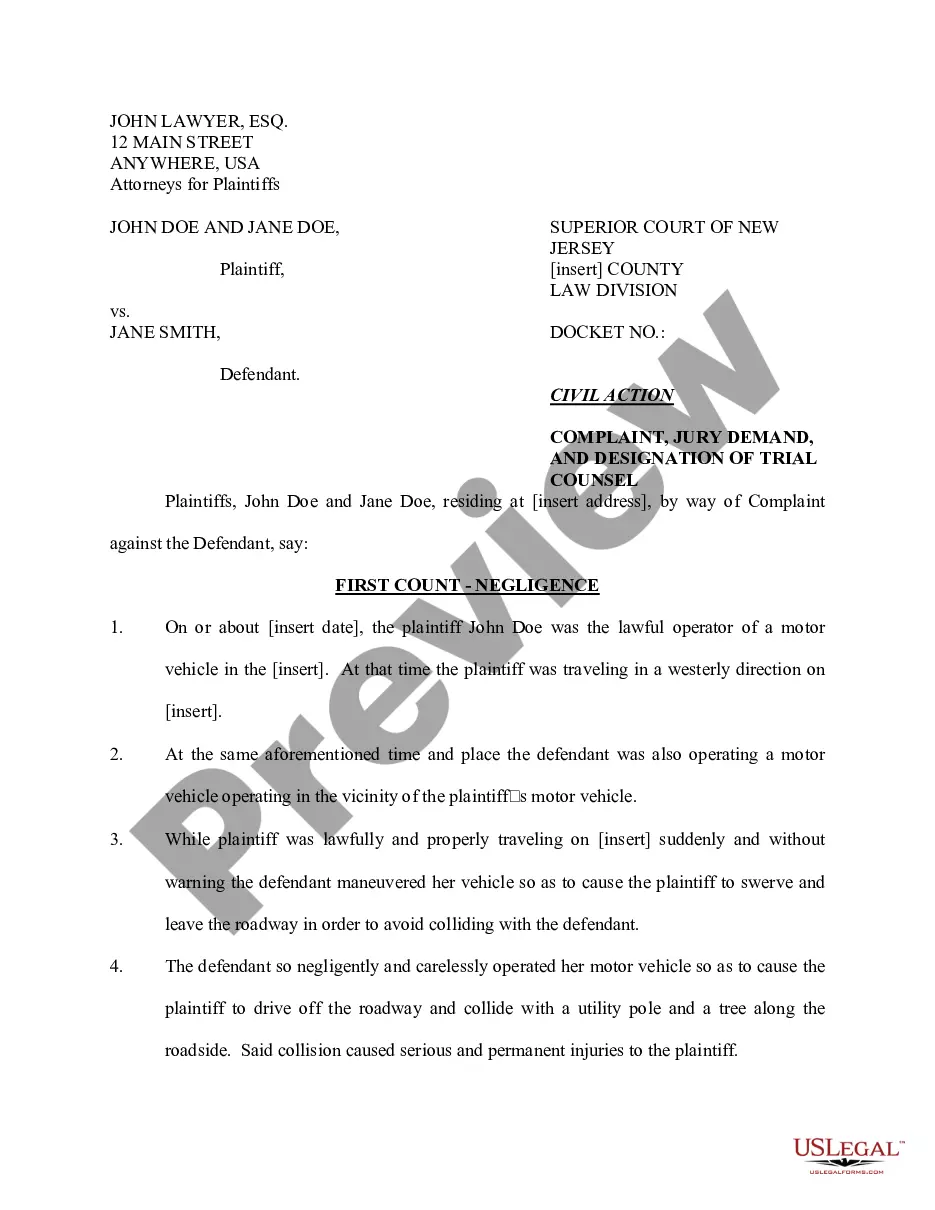
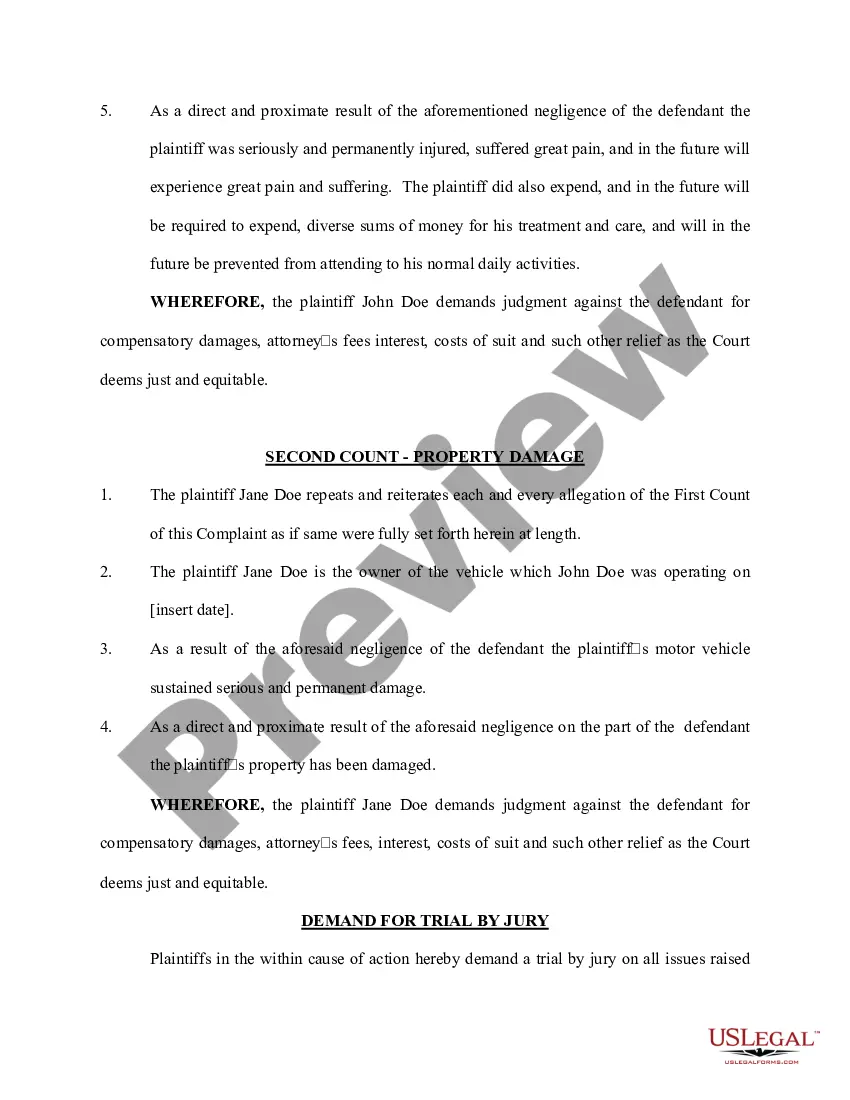
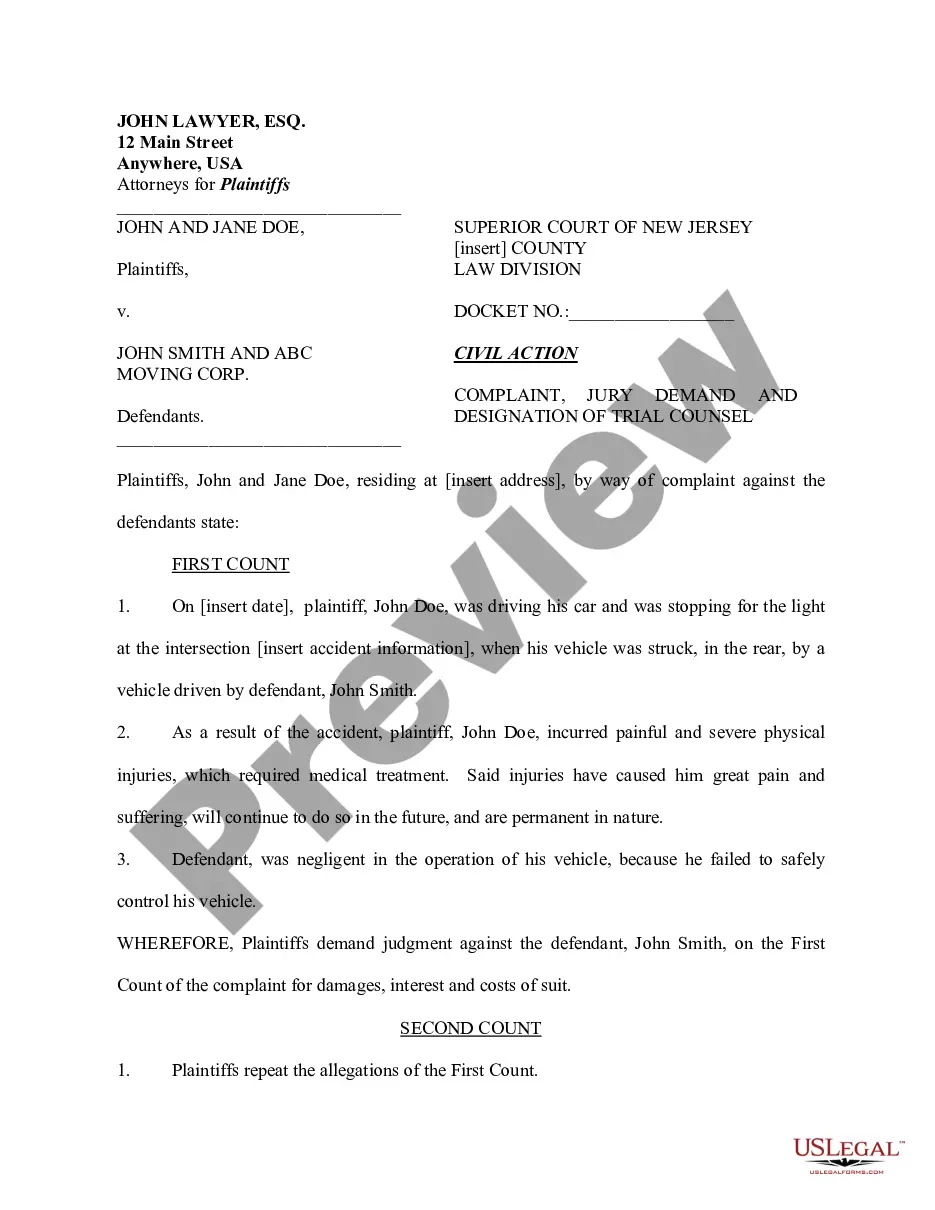
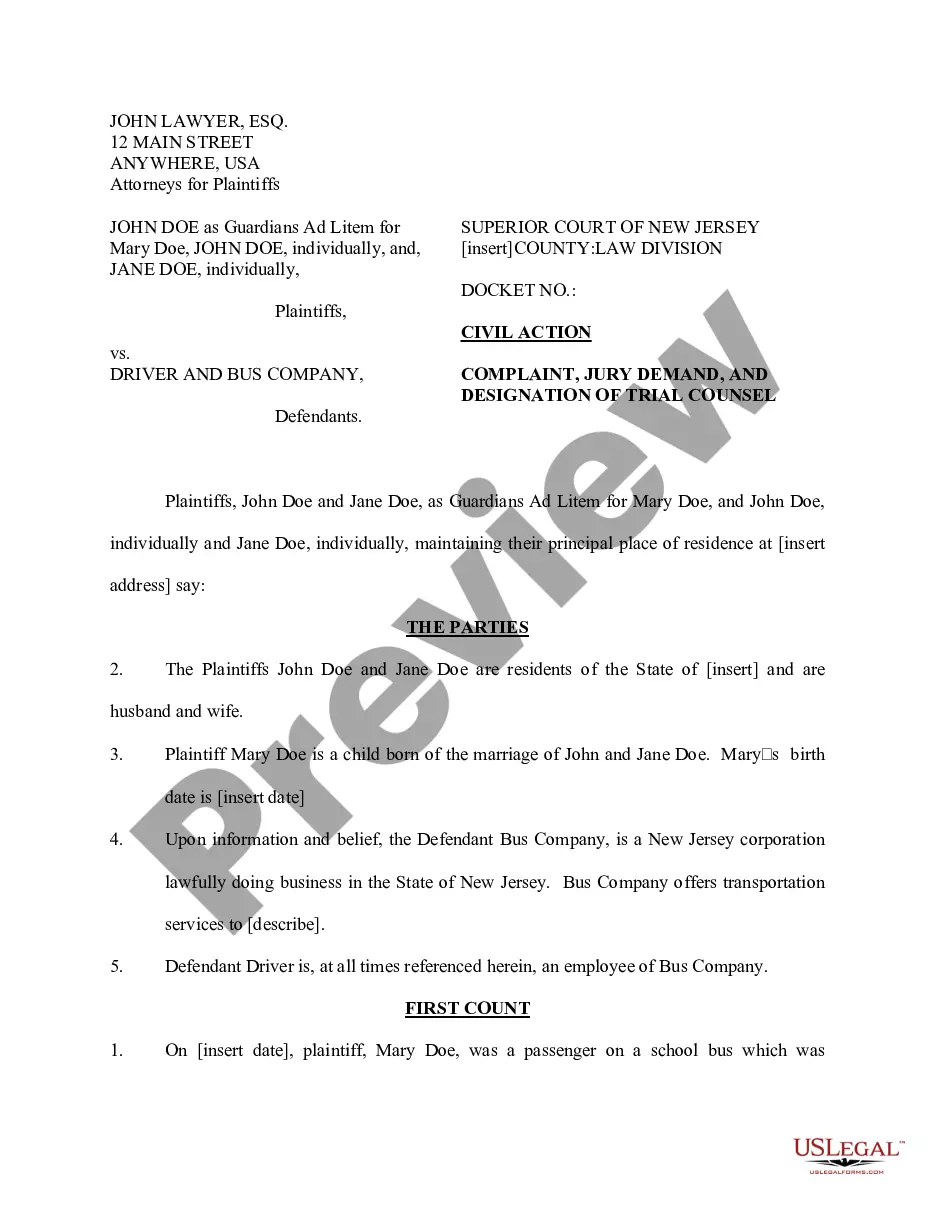
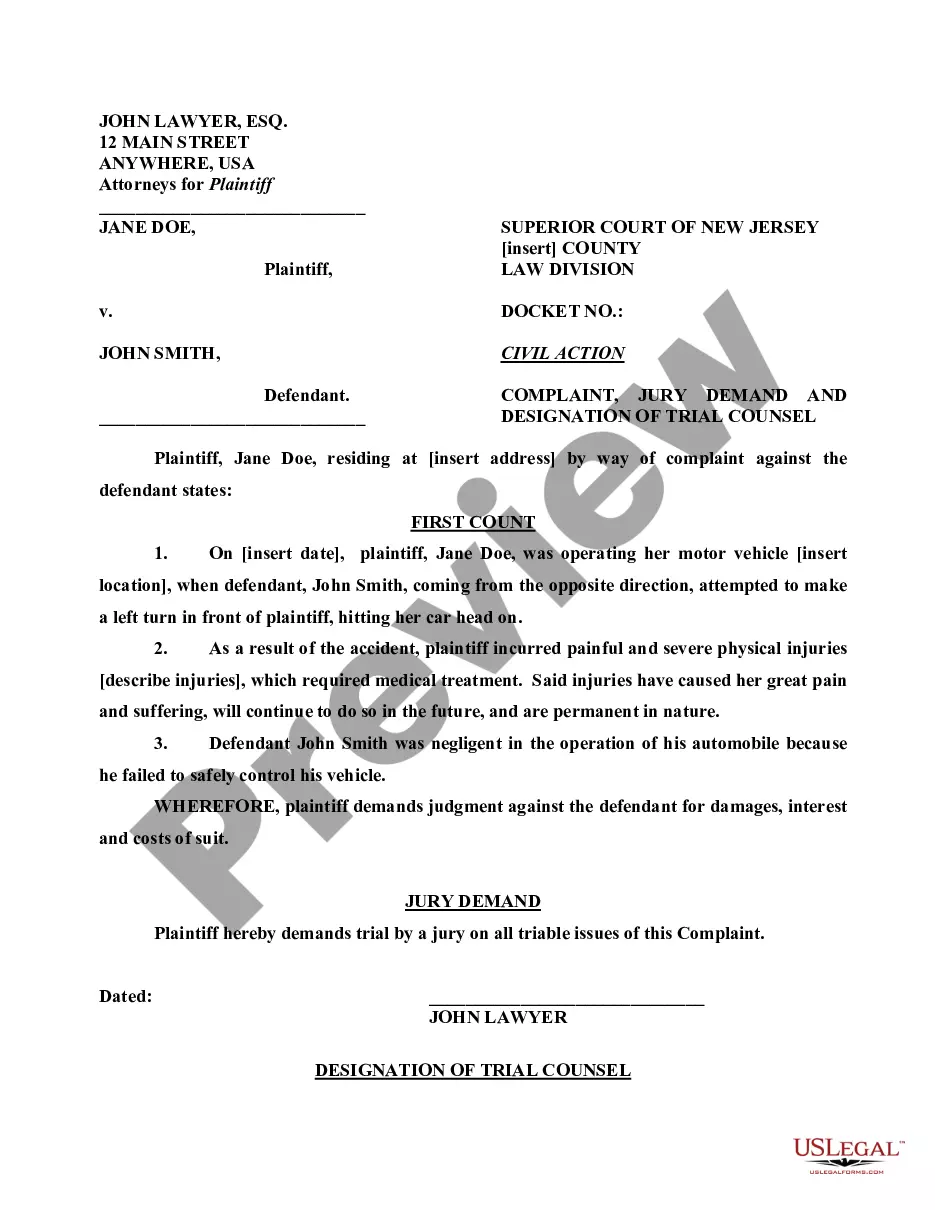
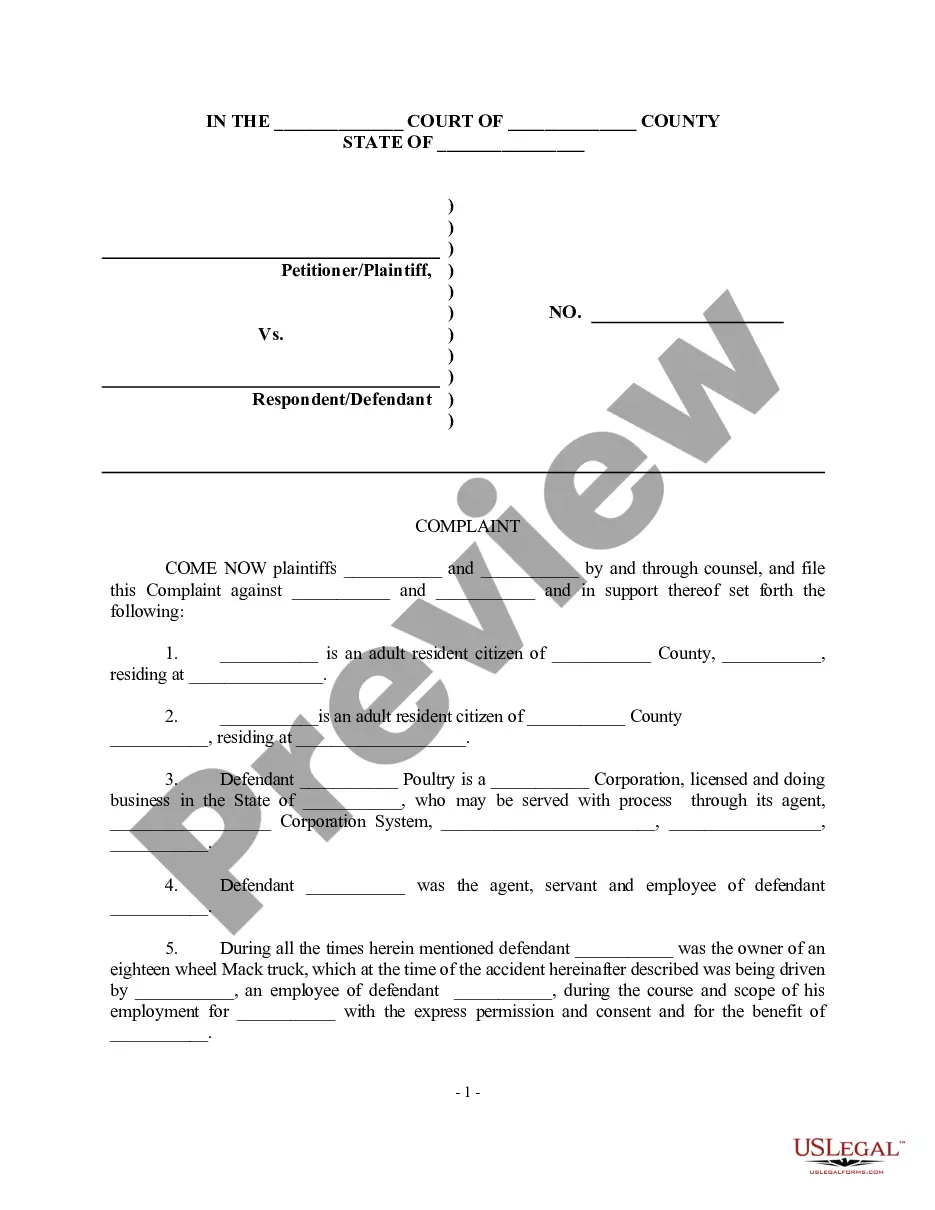
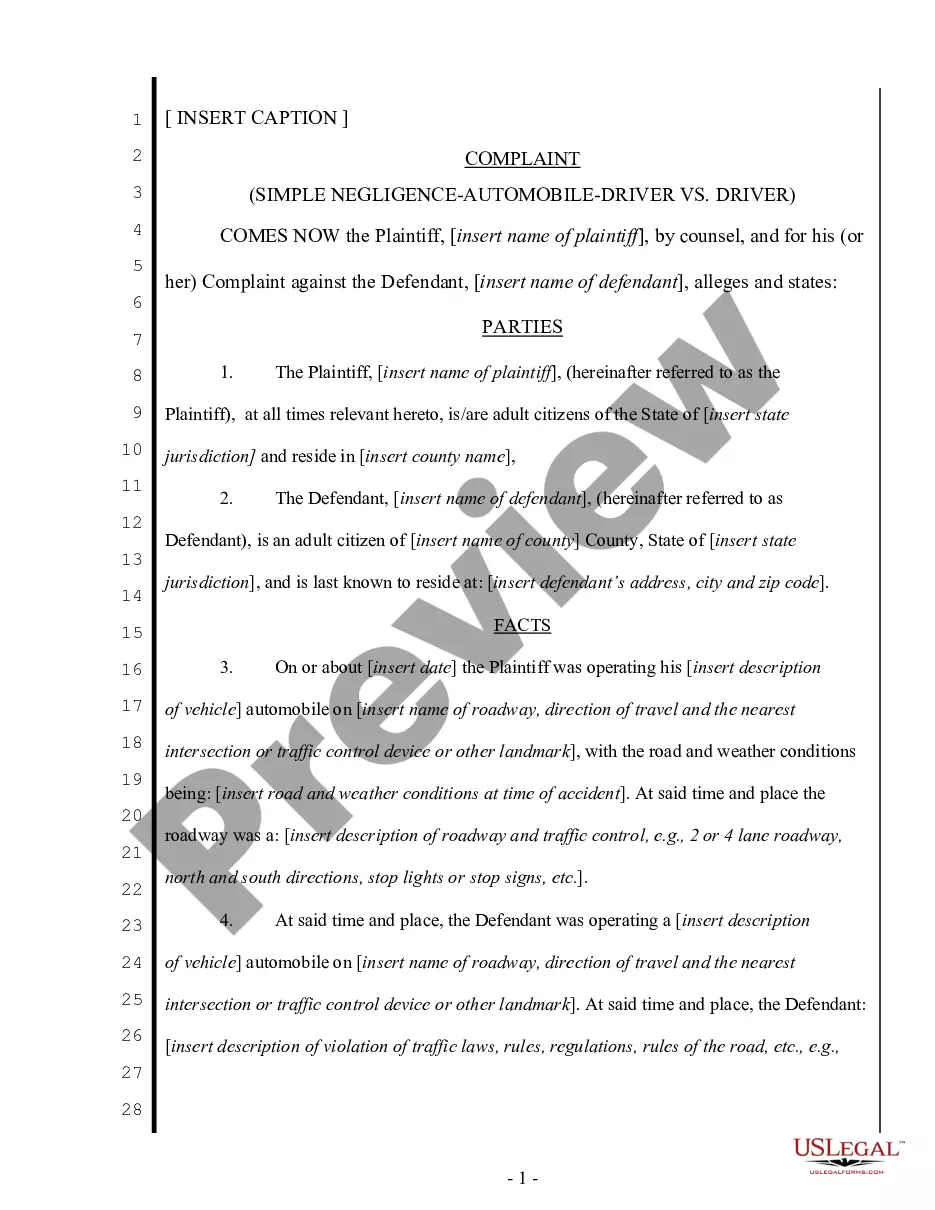
The Complaint Auto Negligence and Property Damage form is a legal document used to initiate a lawsuit against a defendant for negligence resulting in an automobile accident and related property damage. This form allows plaintiffs to claim compensatory damages, attorney's fees, interest, costs of suit, and any other relief deemed appropriate by the court. It is distinct from other complaint forms as it focuses specifically on auto incidents and the resulting damages to both person and property.
What’s included in this form
- The heading listing the court and case details.
- First Count addressing negligence and injury claims.
- Second Count addressing property damage to the vehicle.
- Demand for a jury trial.
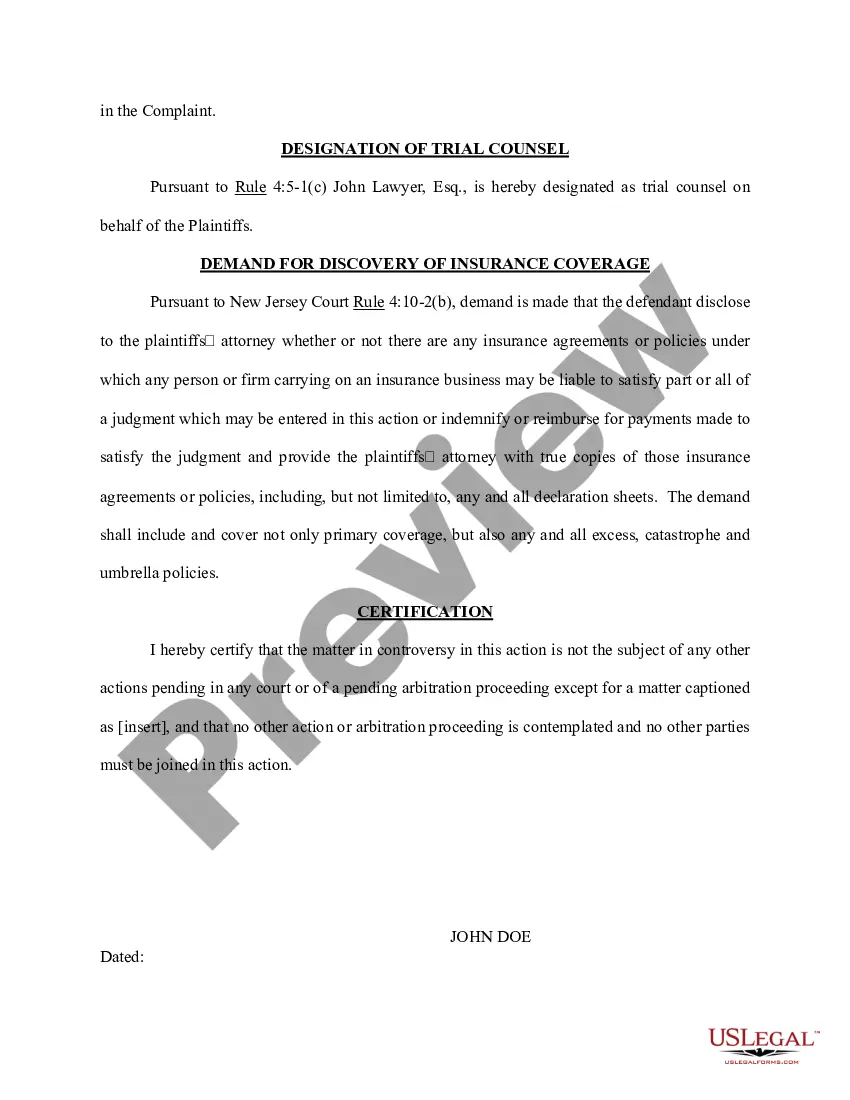
- Designation of trial counsel.
- Request for disclosure of insurance coverage information.
- Certification of no other pending actions related to the case.
When to use this form
This form is appropriate for individuals involved in a car accident where they believe another party was negligent and caused their injuries or property damage. It is essential to use this form when seeking legal remedy for medical expenses, lost wages, or damages to a vehicle, and when no settlement has been reached with the other party or their insurance provider.
Who this form is for
- Individuals who have been injured in an auto accident due to another driver's negligence.
- Vehicle owners seeking compensation for property damage resulting from an auto negligence incident.
- Individuals requiring legal recourse through the court system to recover damages.
Completing this form step by step
- Identify and enter the names and addresses of the plaintiffs and defendant.
- Specify the date and location of the incident.
- Clearly detail the facts of the accident, including the negligent actions of the defendant.
- State the damages occurred, including injuries and property damage.
- Include all requested information about insurance coverage if applicable.
- Sign and date the form, confirming the accuracy of the statements made.
Does this document require notarization?
This form does not typically require notarization unless specified by local laws. Always check with your local court or attorney for any specific requirements.
Get your form ready online
Our built-in tools help you complete, sign, share, and store your documents in one place.
Make edits, fill in missing information, and update formatting in US Legal Forms—just like you would in MS Word.
Download a copy, print it, send it by email, or mail it via USPS—whatever works best for your next step.
Sign and collect signatures with our SignNow integration. Send to multiple recipients, set reminders, and more. Go Premium to unlock E-Sign.
If this form requires notarization, complete it online through a secure video call—no need to meet a notary in person or wait for an appointment.
We protect your documents and personal data by following strict security and privacy standards.

Make edits, fill in missing information, and update formatting in US Legal Forms—just like you would in MS Word.

Download a copy, print it, send it by email, or mail it via USPS—whatever works best for your next step.

Sign and collect signatures with our SignNow integration. Send to multiple recipients, set reminders, and more. Go Premium to unlock E-Sign.

If this form requires notarization, complete it online through a secure video call—no need to meet a notary in person or wait for an appointment.

We protect your documents and personal data by following strict security and privacy standards.
Mistakes to watch out for
- Failing to include all relevant details of the negligence incident.
- Neglecting to specify damages incurred from the accident.
- Not completing the required certification section.
- Using unclear or vague language, leading to misunderstandings in court.
Why complete this form online
- Easy access to a comprehensive and legally compliant template.
- Editable sections allow users to customize the form to their specific situation.
- Convenient downloads that can be printed or filed electronically.
- Drafted by licensed attorneys to ensure legal validity.
Looking for another form?
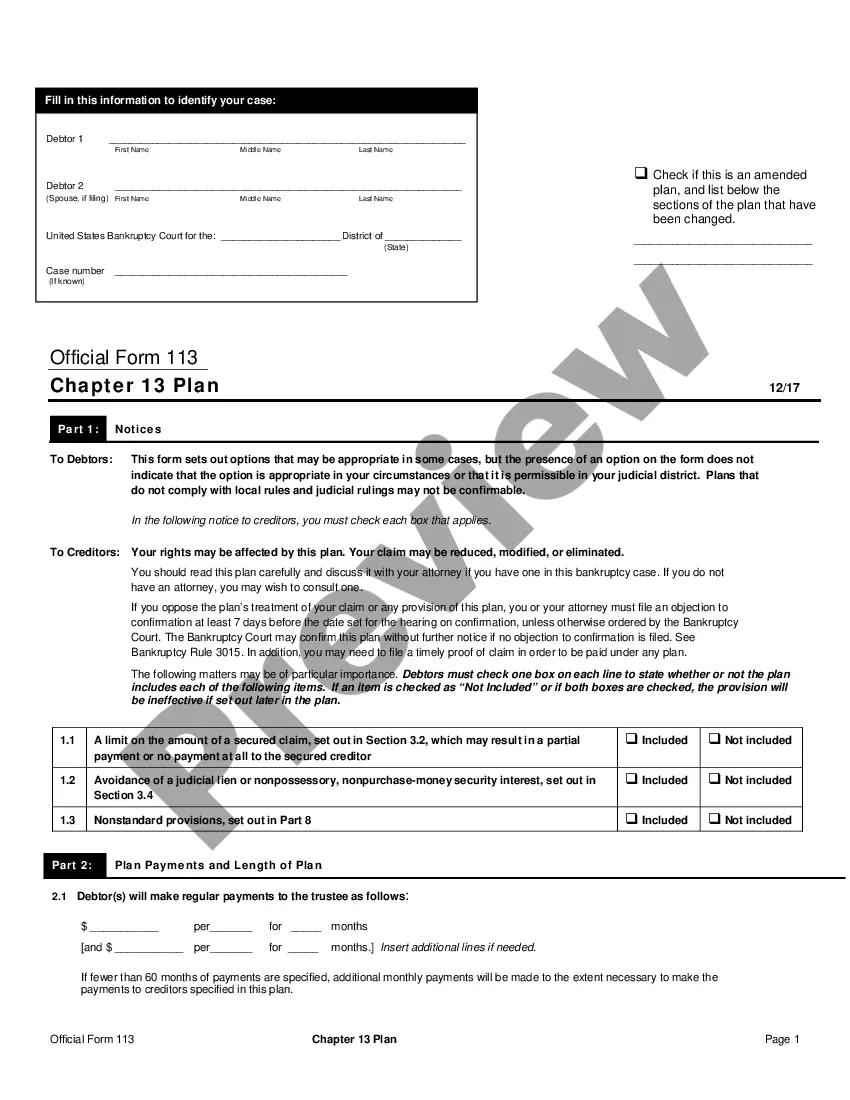

Form popularity
FAQ
What is the difference between property damage liability coverage and collision? Property damage liability coverage pays for the cost to repair damage you cause to property owned by someone else. Collision coverage pays to repair your own vehicle less your deductible.
If the property can be repaired, the amount of damages can be set at the amount it costs to repair the property, plus the loss of its use by the owner.In addition to the cost to repair or replace, plus loss of use, interest and loss of profits may also be considered when determining the total value of property damage.
You can sue for up to $10,000, if you are an individual or a sole proprietor. Corporations and other entities are limited to $5,000. In addition, a party (individuals or corporations) can file no more than two claims exceeding $2,500 in any court throughout the State of California during a calendar year.
The Filing Deadline in New Jersey So, any New Jersey property damage lawsuit must be filed within six years of the action that resulted in harm to (or destruction of) the property owner's real or personal property.
Anything that is damaged in a car wreck is considered property damage. While the damage to your vehicle is the main component of property damage, you should also look to see whether there was any personal property that was damaged in the wreck. This might include a GPS system, a phone, a GoPro camera, or even CDs.
You can sue for up to $10,000, if you are an individual or a sole proprietor. Corporations and other entities are limited to $5,000. In addition, a party (individuals or corporations) can file no more than two claims exceeding $2,500 in any court throughout the State of California during a calendar year.
Property damage cases are one of the regular types of lawsuits that come before judges in small claims courts regularlythey're a staple. In most cases, a plaintiff files an action against a defendant claiming that the defendant negligently (accidentally) or intentionally damaged the plaintiff's property.
If your vehicle is damaged in an accident, the responsible driver's insurance company should pay for the cost to repair your vehicle. However, if the responsible driver is uninsured or does not have insurance coverage for property damage, there are a couple options.
To get a reasonable starting number for negotiating general damages, many insurance companies and attorneys multiply the amount of medical special damages by a factor of 1.5 to 5, depending on the severity of the injuries. In extreme cases, a factor of more than 5 may be used.