New Jersey Letter from Tenant to Landlord about Fair Housing Reduction or Denial of services to Family with Children
What this document covers
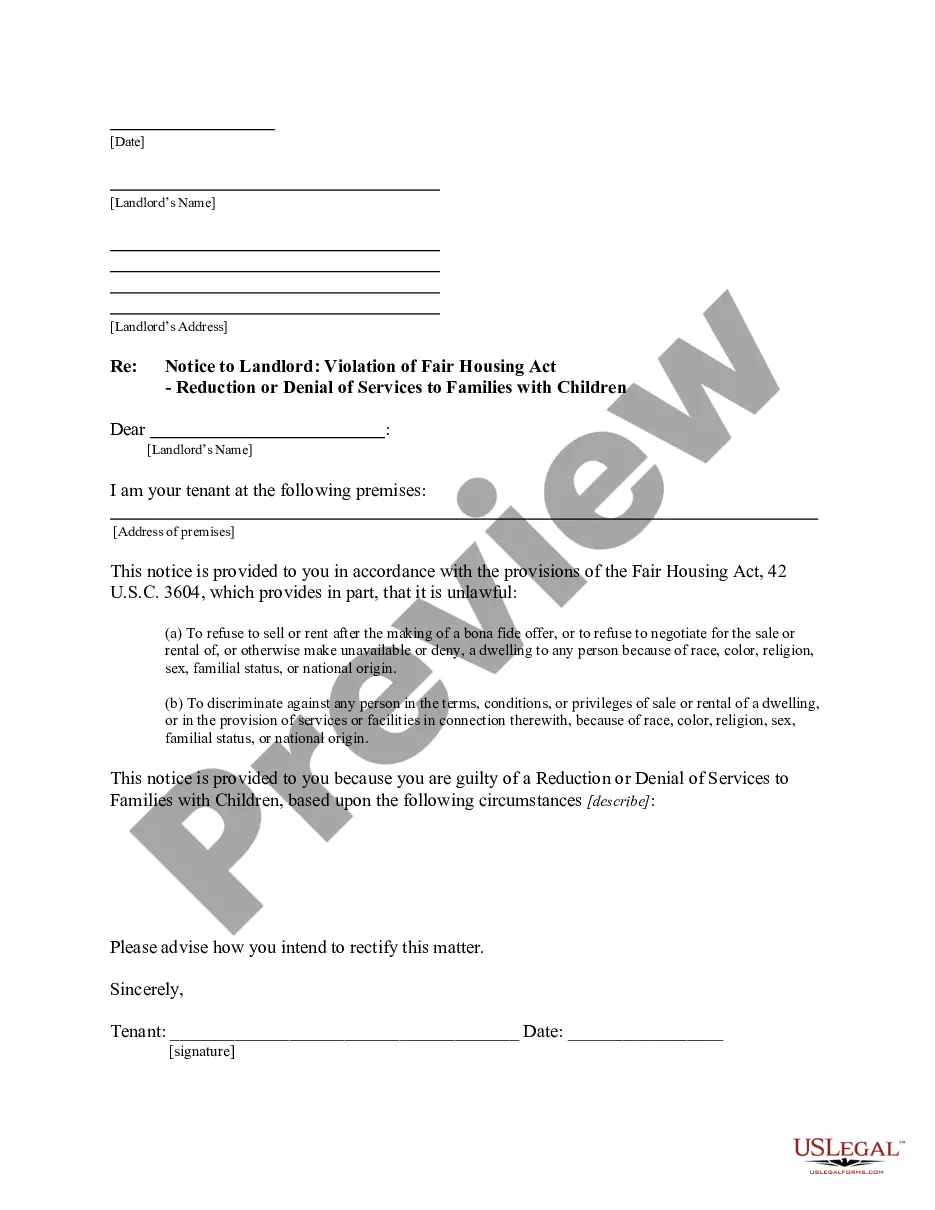
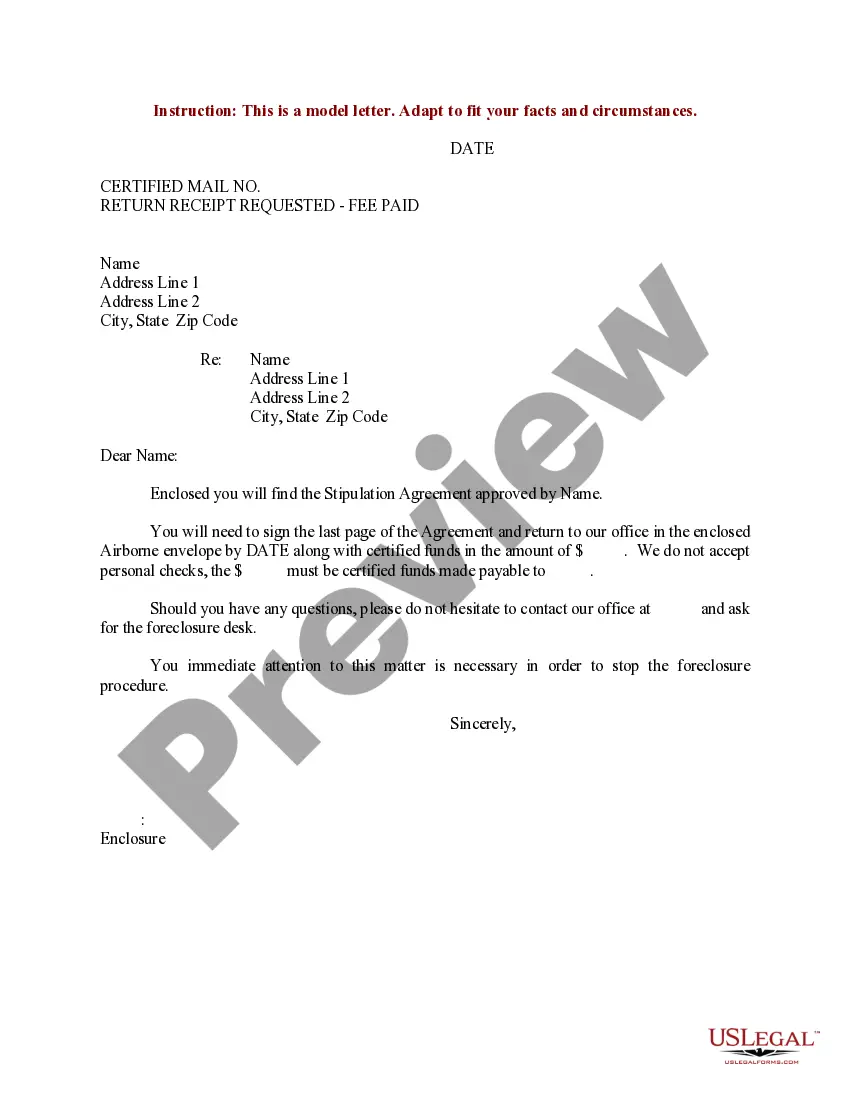
This Letter from Tenant to Landlord about Fair Housing Reduction or Denial of Services to Family with Children serves as a formal notice to your landlord regarding violations of the Fair Housing Act. This form is crucial for tenants whose landlords have denied or reduced services based on familial status, particularly concerning families with children. Utilizing this form helps protect your rights under the law and ensures appropriate actions can be taken in response to housing discrimination.
Key components of this form
- Identification of the tenant and landlord involved.
- Statement of the violation concerning the Fair Housing Act.
- Details outlining how services have been reduced or denied.
- Request for action from the landlord to rectify the situation.
- Signature of the tenant to validate the notice.

When to use this document
Use this form if you are a tenant who has experienced discrimination from your landlord based on having children. The form is necessary when you need to formally notify your landlord of their unlawful actions and request that they rectify the situation. Such situations may occur if your landlord refuses to provide essential services or applies different conditions because you have a family with children.
Who needs this form
- Tenants living in rental properties with children.
- Individuals who believe they have been discriminated against based on familial status.
- Any tenant seeking to address violations of the Fair Housing Act with their landlord.
How to complete this form
- Identify the parties by entering your name and the landlord's name.
- Describe the specific reduction or denial of services you have experienced.
- Clearly state how these actions violate the Fair Housing Act.
- Request specific actions that your landlord should take to resolve the issue.
- Sign and date the letter for authenticity.
Notarization requirements for this form
In most cases, this form does not require notarization. However, some jurisdictions or signing circumstances might. US Legal Forms offers online notarization powered by Notarize, accessible 24/7 for a quick, remote process.
Get your form ready online
Our built-in tools help you complete, sign, share, and store your documents in one place.
Make edits, fill in missing information, and update formatting in US Legal Forms—just like you would in MS Word.
Download a copy, print it, send it by email, or mail it via USPS—whatever works best for your next step.
Sign and collect signatures with our SignNow integration. Send to multiple recipients, set reminders, and more. Go Premium to unlock E-Sign.
If this form requires notarization, complete it online through a secure video call—no need to meet a notary in person or wait for an appointment.
We protect your documents and personal data by following strict security and privacy standards.

Make edits, fill in missing information, and update formatting in US Legal Forms—just like you would in MS Word.

Download a copy, print it, send it by email, or mail it via USPS—whatever works best for your next step.

Sign and collect signatures with our SignNow integration. Send to multiple recipients, set reminders, and more. Go Premium to unlock E-Sign.

If this form requires notarization, complete it online through a secure video call—no need to meet a notary in person or wait for an appointment.

We protect your documents and personal data by following strict security and privacy standards.
Typical mistakes to avoid
- Failing to include specific details about the reduction or denial of services.
- Using vague language instead of clear statements of discrimination.
- Not signing the letter, which can render it invalid.
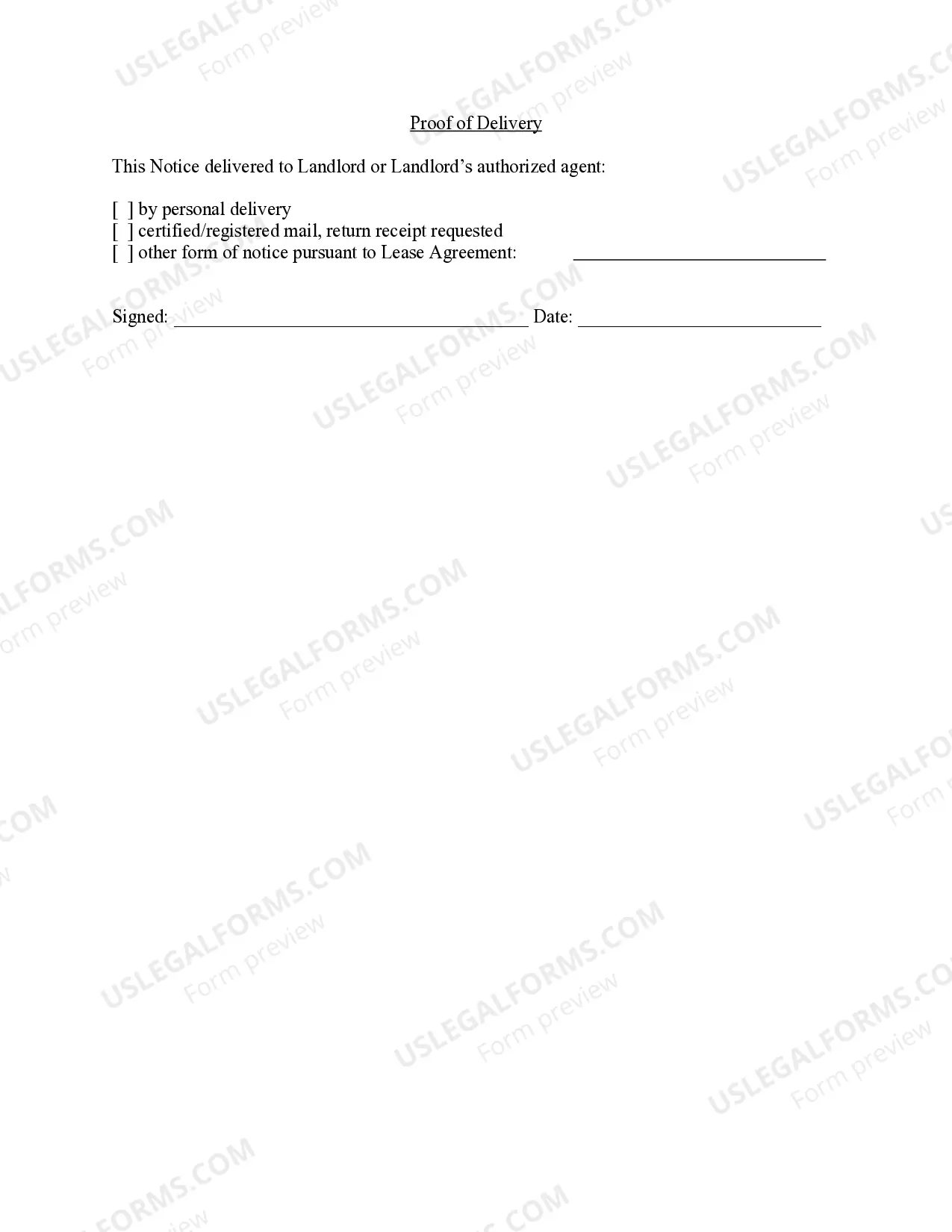
- Neglecting to send the letter via a method that provides proof of delivery.
Advantages of online completion
- Convenient access to form templates drafted by licensed attorneys.
- Easy customization to fit your specific situation and jurisdiction.
- Quick download and print options for immediate use.
- Reliable resource to ensure your legal rights are protected.
Key takeaways
- This form formally notifies your landlord of Fair Housing Act violations.
- It is essential for tenants with children who face discrimination.
- Accurate completion is crucial for the enforcement of your rights.
Looking for another form?


Form popularity
FAQ
HUD Settles Disability Discrimination Fair Housing Act Case For $80,000.
Punitive damages are appropriate in a federal civil rights action "when the defendant's conduct is shown to be motivated by evil motive or intent, or when it involves reckless or callous indifference to the federally protected rights of others." Smith v.
The person can establish a case against the landlord by proving four things: that the plaintiff is a member of a protected group; that the plaintiff applied for and was qualified to rent a certain property; that the plaintiff was rejected by the landlord; and that the property remained unrented thereafter.
Every tenant has a right to enjoy peaceful possession of the property without any disturbance or encumbrance from anyone including the owner. At no point of time under your tenancy can your landlord ask you to evict or leave the premises without assigning a valid reason.
If the tenant refuses, you are permitted to send them a notice to agree or quit the property. The tenant refusing you access constitutes a breach in the lease agreement, so they could be evicted if they continue to deny access.
Showing the premises to prospective tenants 'reasonable' notice / number of times. The law does not say what 'reasonable' means.If you refuse access, the landlord/agent can apply to the Tribunal for an order that authorises them or any other person to enter the premises.
While tenants cannot unreasonably deny access to a landlord, landlords must also follow all of the state and local rules regarding access to tenants' apartments. Roughly half of states have rules governing landlord entry into tenants' apartments.
It's fair to be angry and scaredthe direct federal fines for violations of the Fair Housing Act are usually $17,000 per violation; total settlements on race, familial status, age and sex discrimination cases often reach well into the six figuresbut those overwhelming emotions are why you should go straight to your
The legal definition of an unsanitary living condition can vary from state-to-state and even county-to-county. However, generally speaking, these definitions might include but are not limited to: excessive dirt or filth in the home. improper building construction or poor maintenance of living quarters.