New Hampshire Last Will and Testament for a Married Person with No Children
About this form
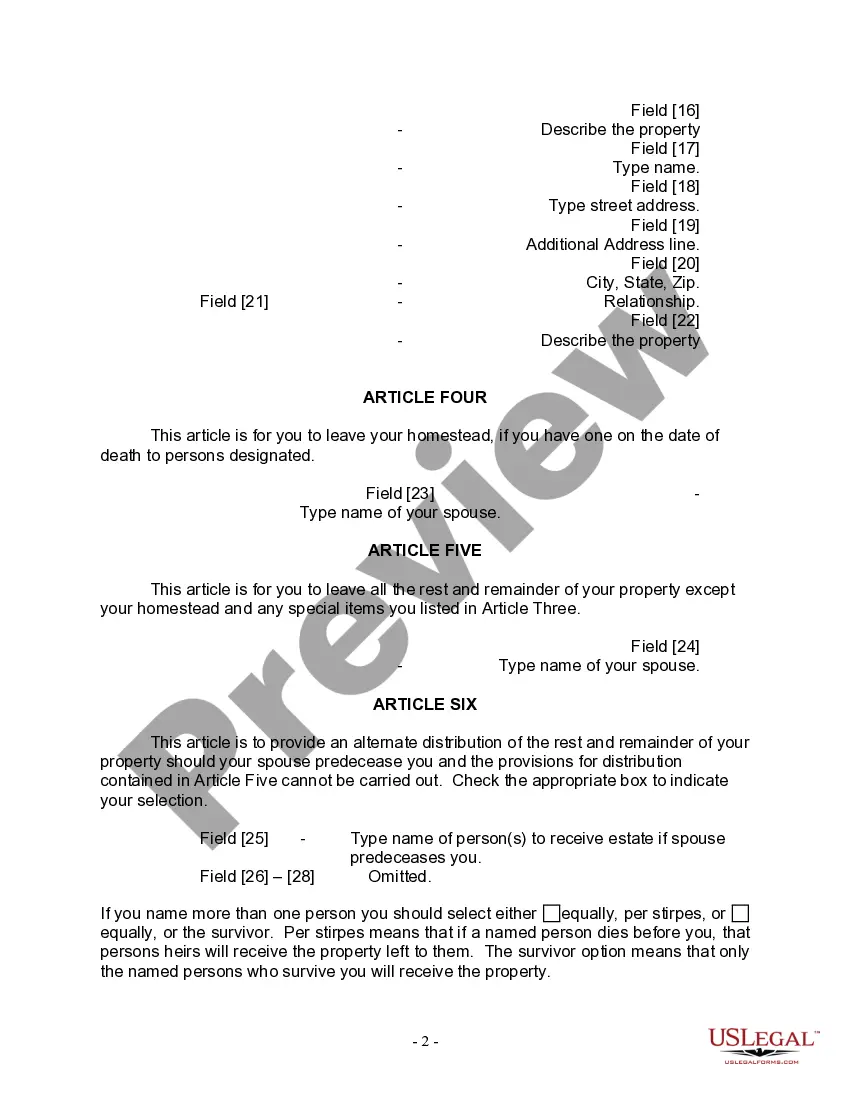
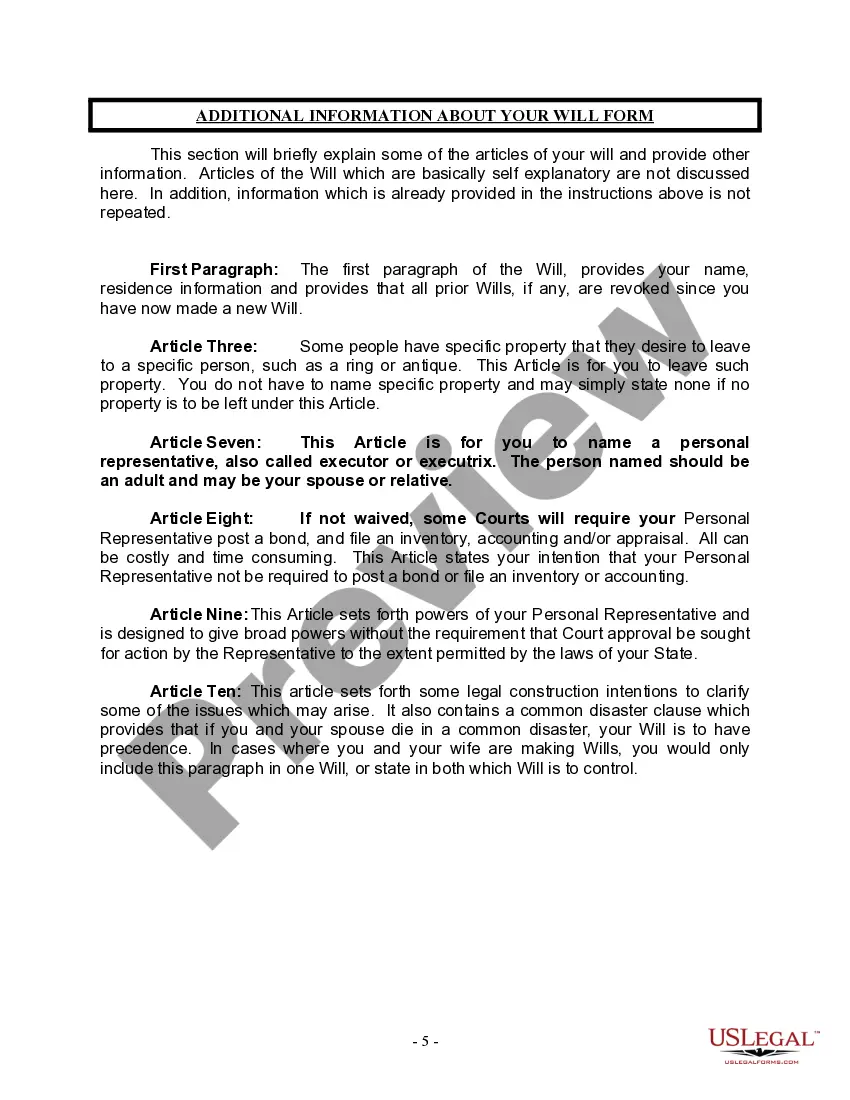
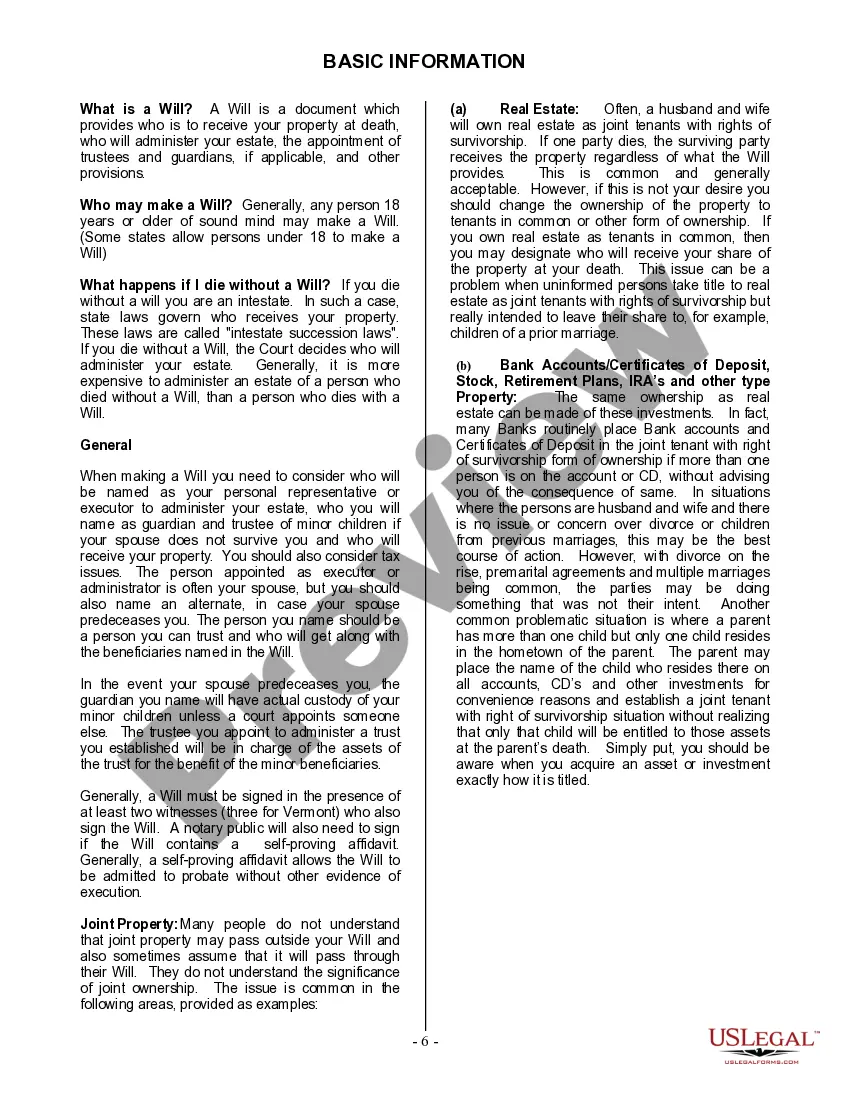
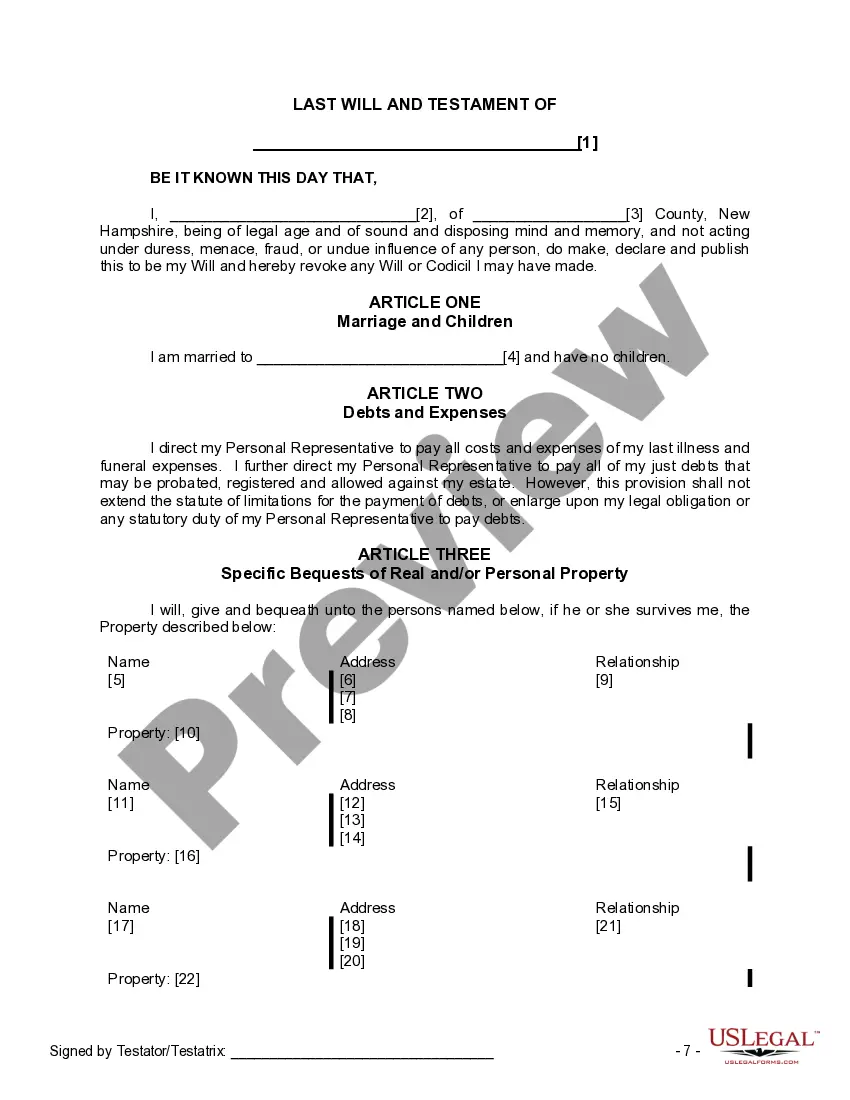
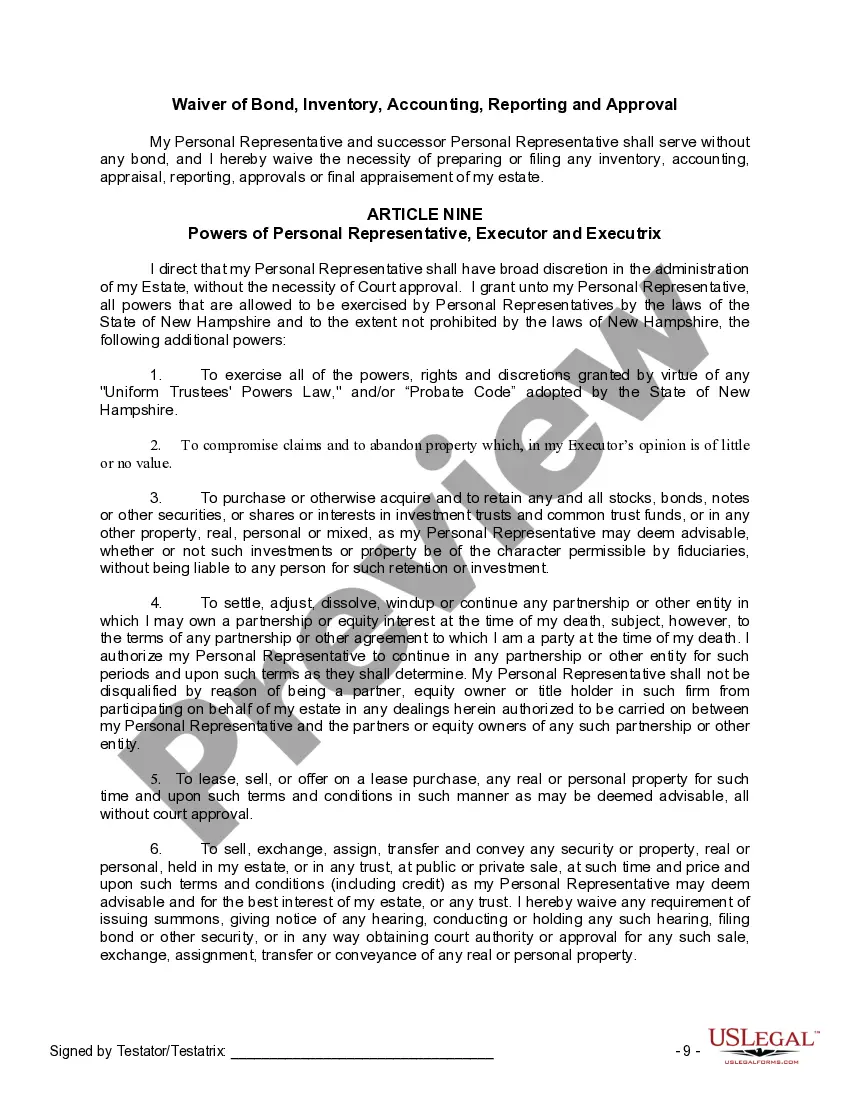
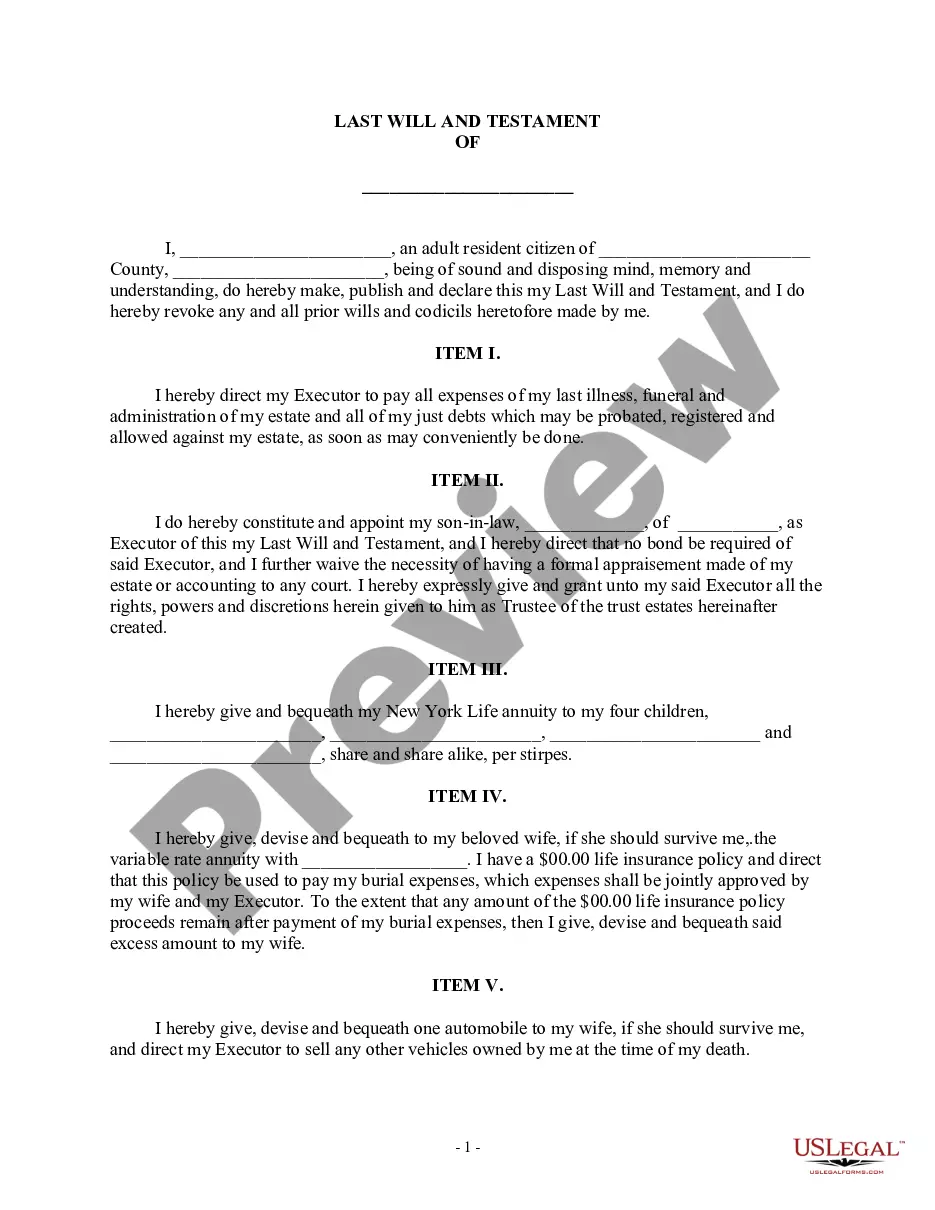
This Last Will and Testament form is specifically designed for a married individual with no children. It outlines how your assets will be distributed upon your death, includes the appointment of a personal representative, and offers provisions tailored for your spouse. This form differs from others, such as those for unmarried individuals or those with children, by removing unnecessary sections related to guardianship or child inheritance, focusing solely on spousal rights and asset distribution.
Main sections of this form
- Personal Information: Includes your name and county of residence.
- Spousal Designation: A section to specify your spouse's name.
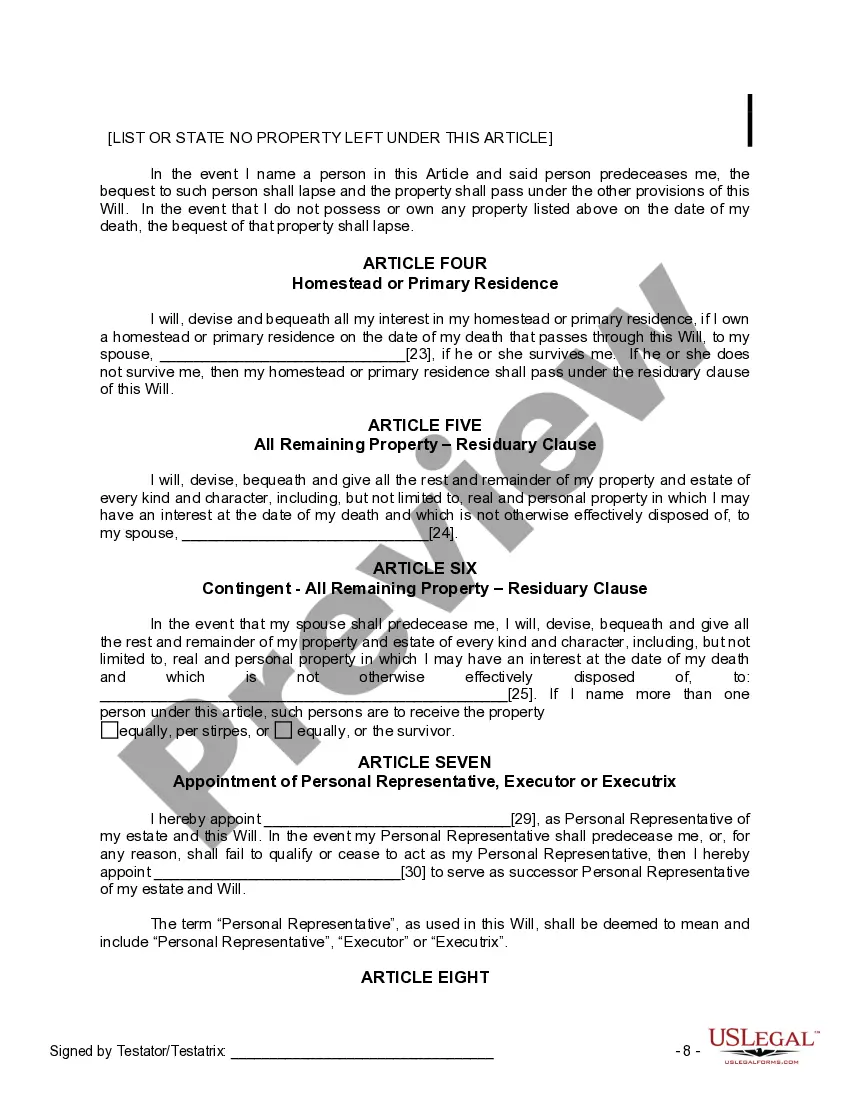
- Specific Bequests: Allows for the designation of specific properties to individuals.
- Homestead Provision: Directions for the distribution of your primary residence.
- Residuary Clause: Designates how remaining property is to be distributed.
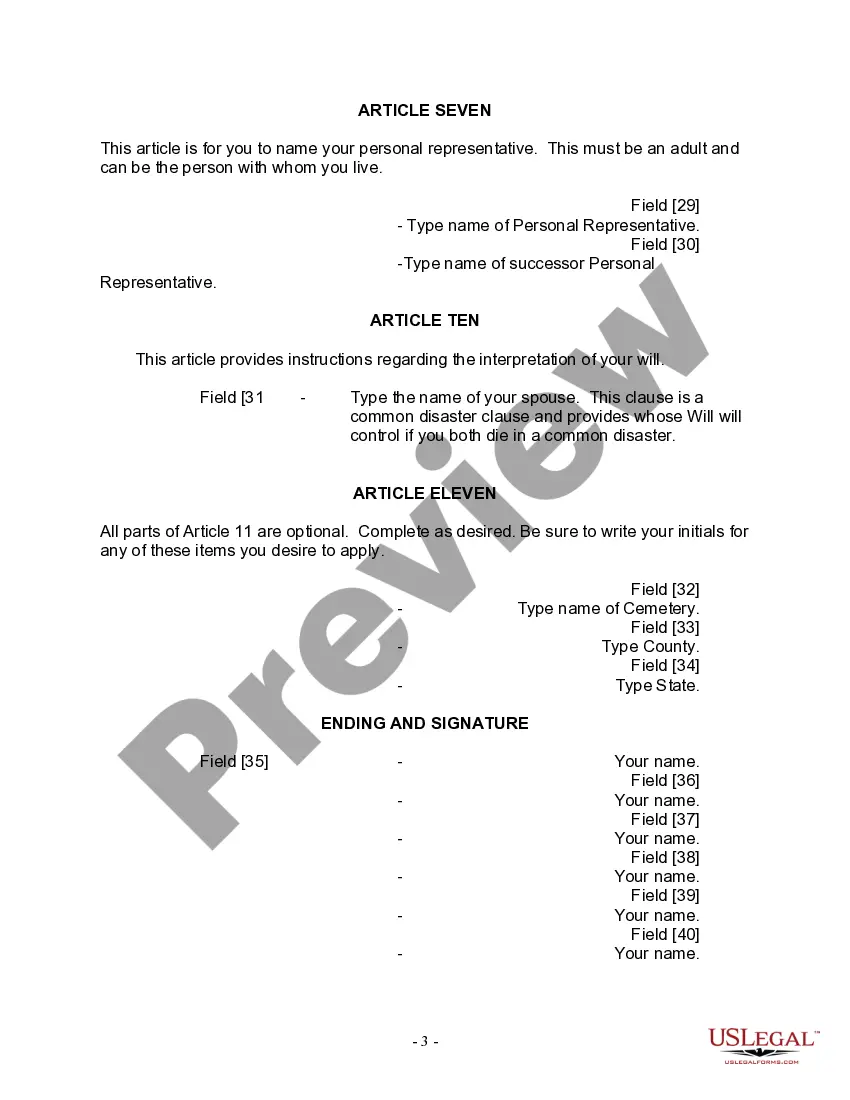
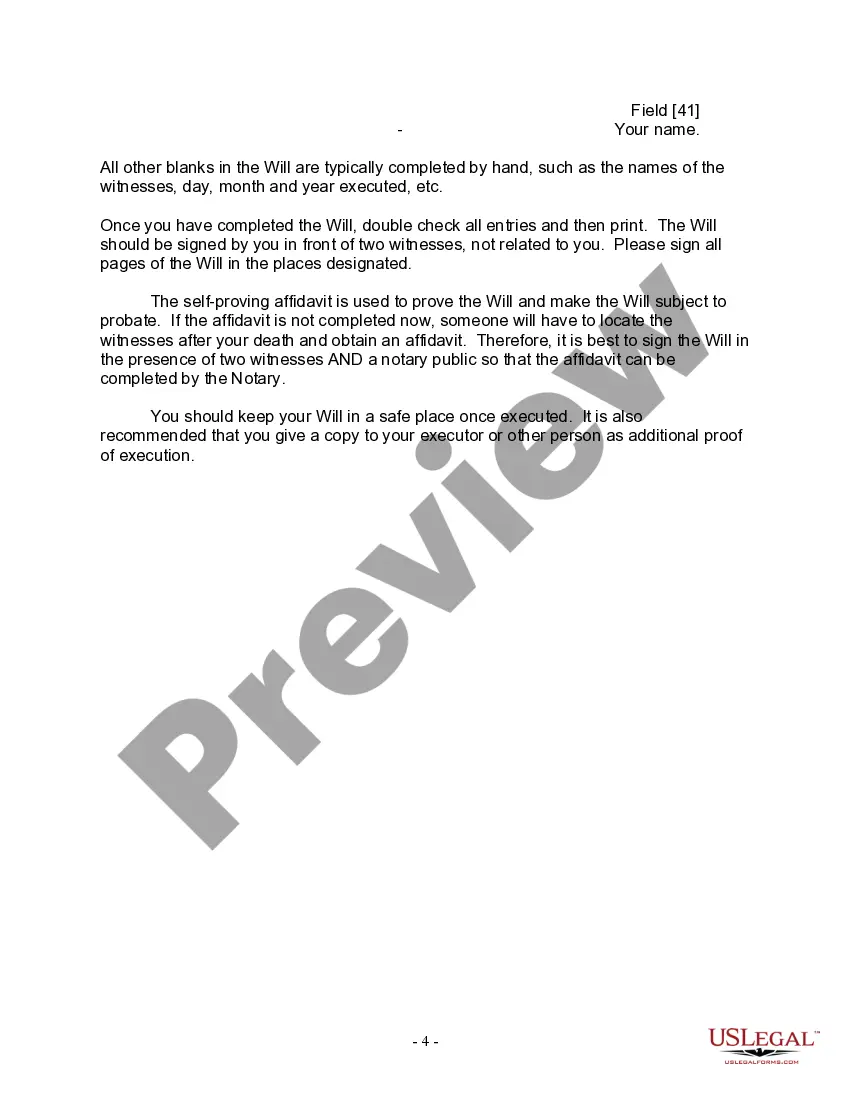
- Appointment of Personal Representative: Designates the individual responsible for executing your Will.




Common use cases
This form should be utilized when you are a married person without children and wish to establish a legally binding document that specifies how your assets will be distributed after your death. It is particularly relevant if you want to ensure that your spouse is provided for, and you wish to appoint someone to manage your estate efficiently.
Who should use this form
- Individuals who are married and do not have children.
- Those wanting to specify how their assets will be allocated upon death.
- Married individuals looking to appoint a trusted personal representative to manage their estate.
How to prepare this document
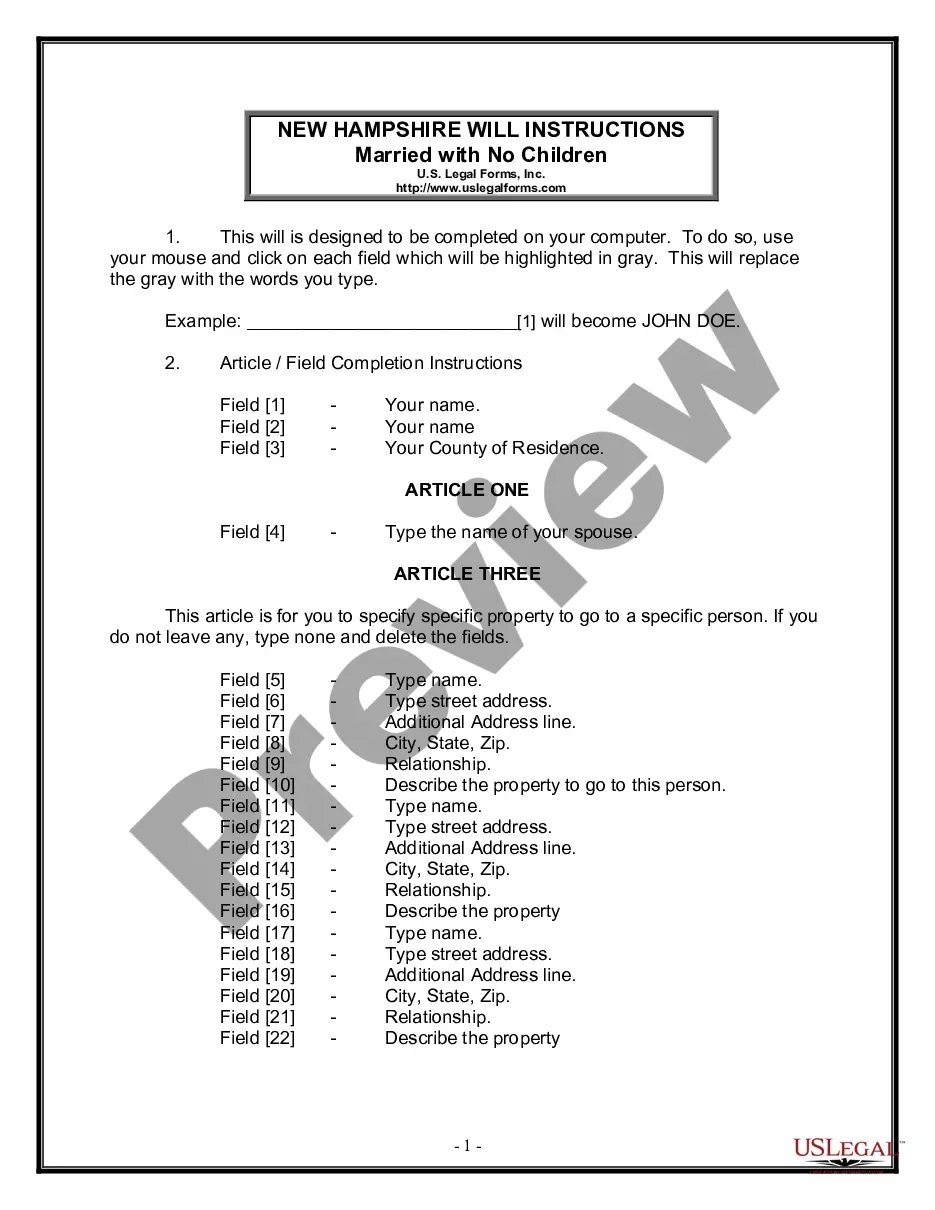
- Enter your personal details, including your name and county of residence.
- Specify your spouse's name and any specific properties you wish to bequeath.
- Detail your homestead and any remaining assets in the residuary clause.
- Designate your personal representative who will manage your estate.
- Sign the Will in front of two witnesses, ensuring that all entries are completed correctly.
Notarization guidance
This document requires notarization to meet legal standards. US Legal Forms provides secure online notarization powered by Notarize, allowing you to complete the process through a verified video call, available 24/7.
Get your form ready online
Our built-in tools help you complete, sign, share, and store your documents in one place.
Make edits, fill in missing information, and update formatting in US Legal Forms—just like you would in MS Word.
Download a copy, print it, send it by email, or mail it via USPS—whatever works best for your next step.
Sign and collect signatures with our SignNow integration. Send to multiple recipients, set reminders, and more. Go Premium to unlock E-Sign.
If this form requires notarization, complete it online through a secure video call—no need to meet a notary in person or wait for an appointment.
We protect your documents and personal data by following strict security and privacy standards.

Make edits, fill in missing information, and update formatting in US Legal Forms—just like you would in MS Word.

Download a copy, print it, send it by email, or mail it via USPS—whatever works best for your next step.

Sign and collect signatures with our SignNow integration. Send to multiple recipients, set reminders, and more. Go Premium to unlock E-Sign.

If this form requires notarization, complete it online through a secure video call—no need to meet a notary in person or wait for an appointment.

We protect your documents and personal data by following strict security and privacy standards.
Mistakes to watch out for
- Failing to have the Will signed in front of the required witnesses.
- Omitting important details such as specific bequests or spousal designation.
- Not updating the Will after significant life events such as buying new property.
Advantages of online completion
- Convenience of completing the form from your home.
- Editability to easily input your information without hassle.
- Ability to follow straightforward instructions directly provided in the form.
Looking for another form?


Form popularity
FAQ
New Hampshire 401(k)s and IRAs: With no income tax, your 401(k) and IRA distributions are tax-free, too.
New Hampshire does not tax individuals' earned income, so you are not required to file an individual New Hampshire tax return.If you have investment income from interest and dividends. (described in detail in the "NH Income Tax" section), you may have to file a New Hampshire tax return for that income.
PA-33 STATEMENT OF QUALIFICATION FOR PROPERTY TAX CREDIT, EXEMPTION OR. TAX DEFERRAL UNDER RSA , V. (to be submitted with Form PA-29 or Form PA-30) USE THIS FORM IF YOUR PROPERTY IS HELD IN A TRUST, HAS EQUITABLE TITLE OR HAS A LIFE ESTATE. TYPE OR PRINT.
It is a 5% tax on interest and dividends income. Who pays it? All New Hampshire residents and fiduciaries whose gross interest and dividends income, from all sources, exceeds $2,400 annually ($4800 for joint filers).
For individual and joint filers, the amount to be reported on Line 1(a) is from Line 2(b) of IRS Form 1040. For all other filers, the amount to be reported on Line 1(a) is the total of all interest income reported on your federal return.
The Interest and Dividends Tax Instructions, page 3, Line 2 states: These distributions are subject to tax in New Hampshire as a "dividend".Taxable annuities are those annuities not invested in a tax-deferred investment plan pursuant to RSA 77:4-b.
Delaware, Maine, Massachusetts, Missouri, New Hampshire, New York, Vermont: Internal Revenue Service, P.O. Box 37910, Hartford, CT 06176-7008.
New Hampshire uses Form DP-10 for full or part-year residents. The DP-10 only has to be filed if the taxpayer received more than $2400 (single) or $4800 (joint) of interest and/or dividends. The taxpayer can enter the date of residency during the New Hampshire Q&A.
It must be in writing. Generally, of course, wills are composed on a computer and printed out.The person who made it must have signed and dated it. A will must be signed and dated by the person who made it.Two adult witnesses must have signed it. Witnesses are crucial.