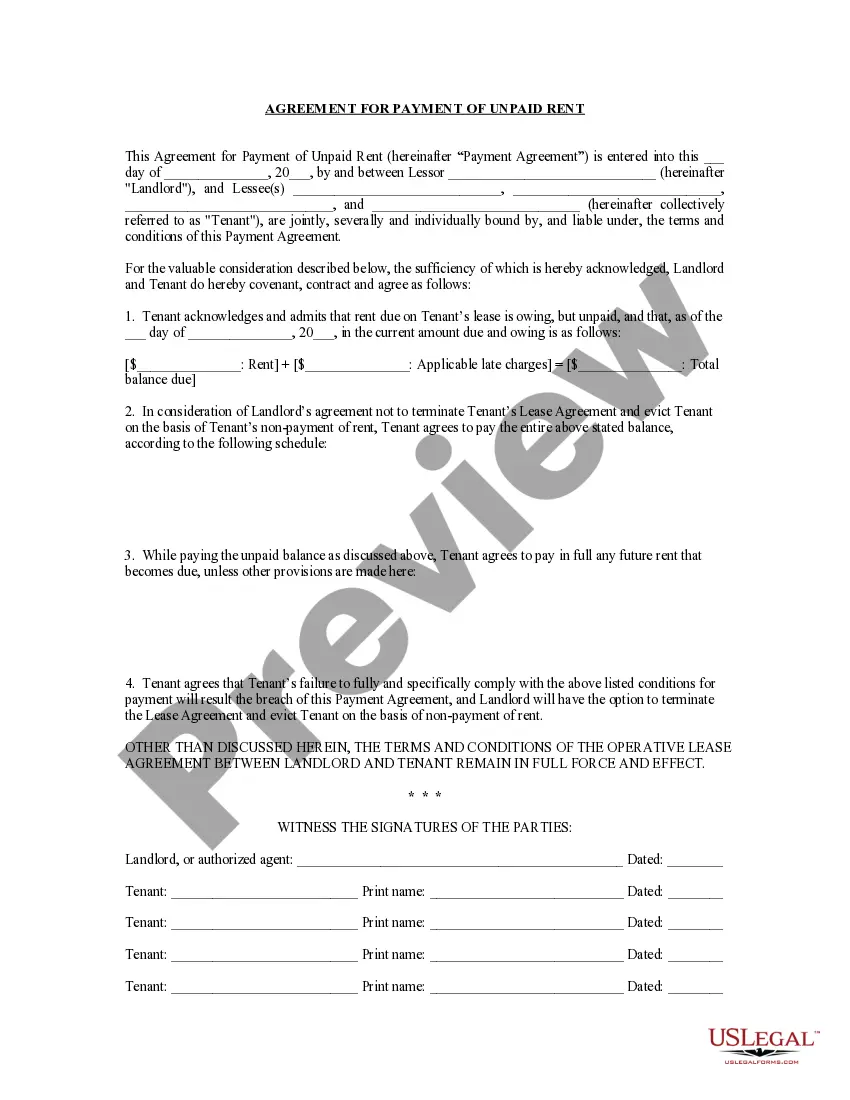
Nebraska Last Will and Testament for Divorced person not Remarried with Adult Children
Overview of this form
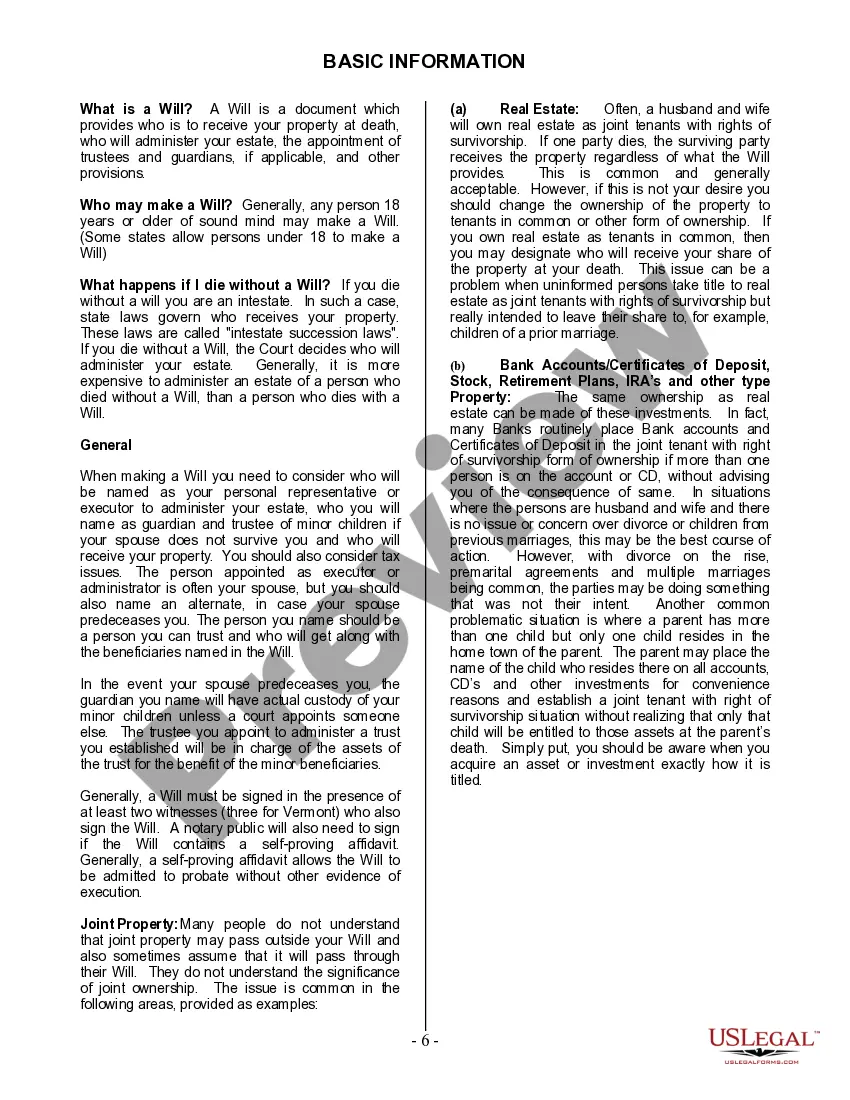
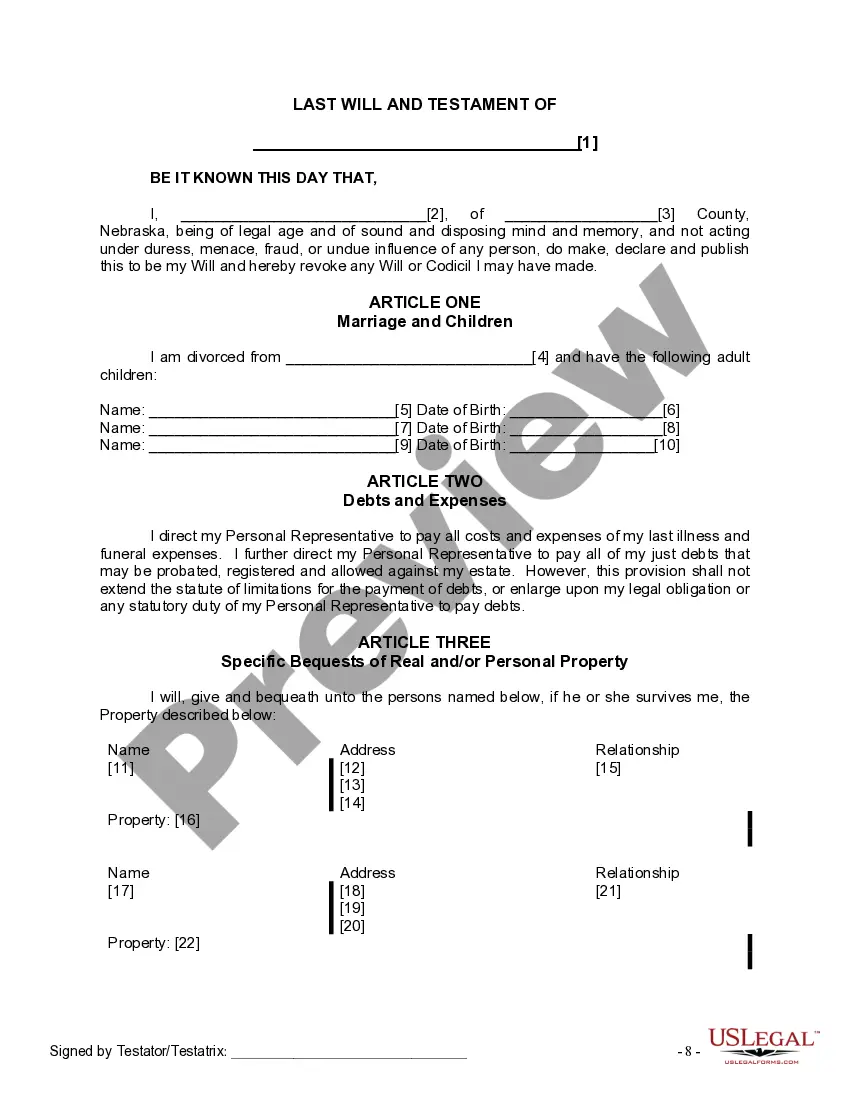
This Last Will and Testament is specifically designed for a divorced person who is not remarried and has adult children. It allows the individual to clearly state their wishes regarding the distribution of their property upon death, appoint a personal representative, and include specific bequests. This form differs from other wills primarily by taking into account the individualâs unique family structure, including the absence of a current spouse and the presence of adult children.
Form components explained
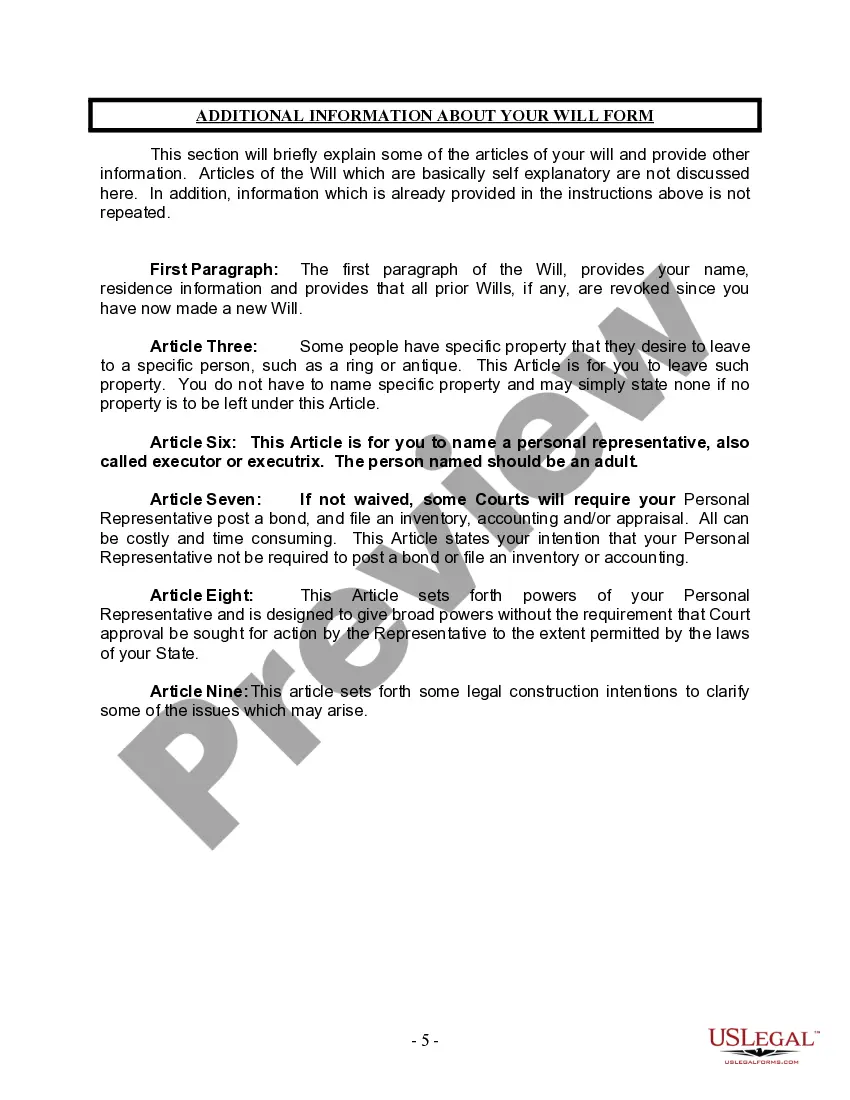
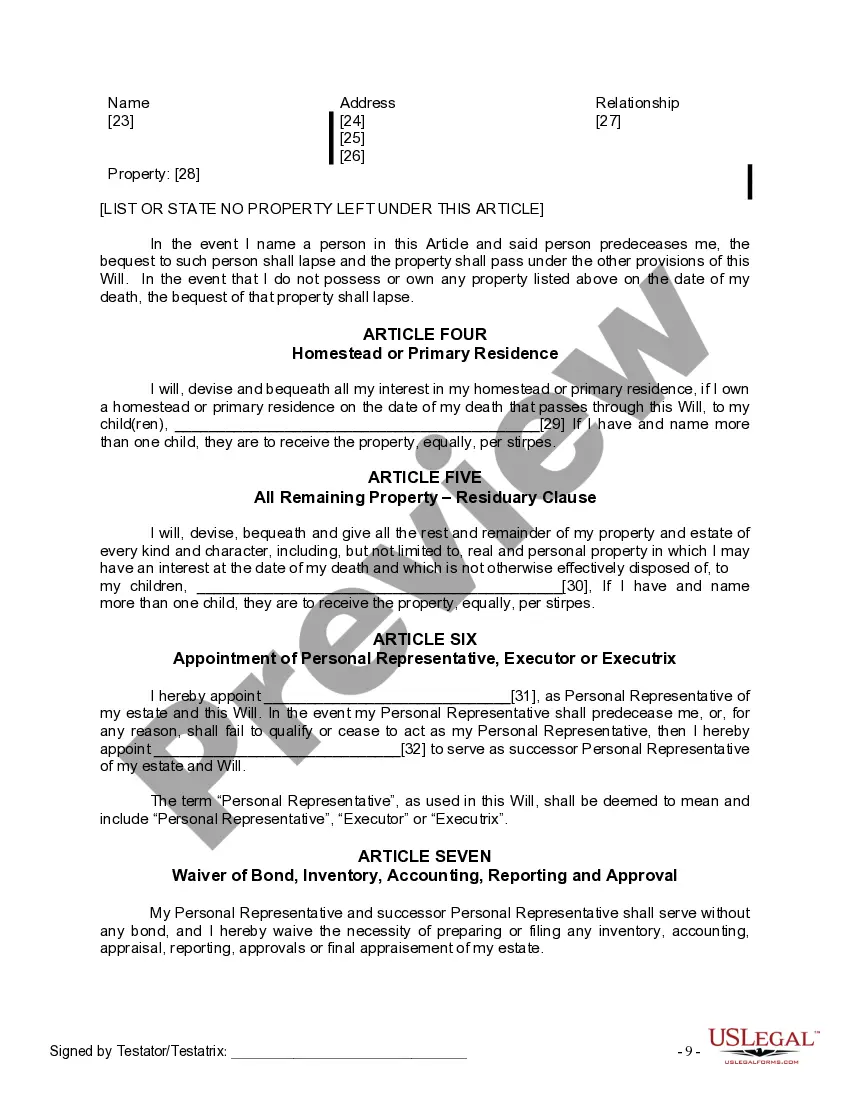
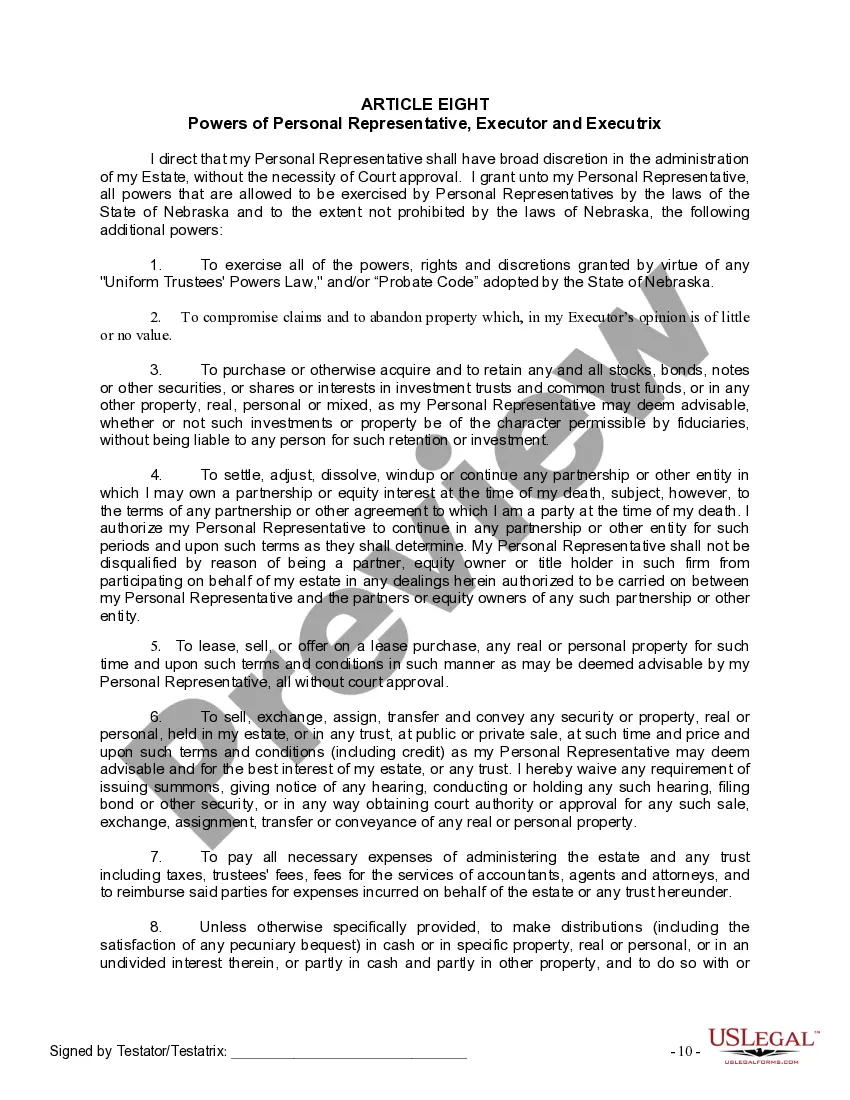
- Appointment of a personal representative to manage the estate.
- Designation of specific property to be inherited by chosen individuals.
- Clauses detailing the distribution of the homestead to children.
- Residuary clause for the remaining property after specific bequests.
- Fields for naming witnesses who will attest the signing of the will.





When this form is needed
You should use this Last Will and Testament when you are a divorced individual with adult children, looking to outline how you wish your assets to be distributed after your death. If you have not remarried and are seeking to avoid potential disputes among beneficiaries, this form is ideal for clearly expressing your wishes and ensuring that your adult children inherit according to your preferences.
Who needs this form
- Individuals aged eighteen or older who are of sound mind.
- Divorced persons who have not remarried.
- Parents with adult children who need to address asset distribution.
- Individuals seeking to appoint an executor for their estate.
How to complete this form
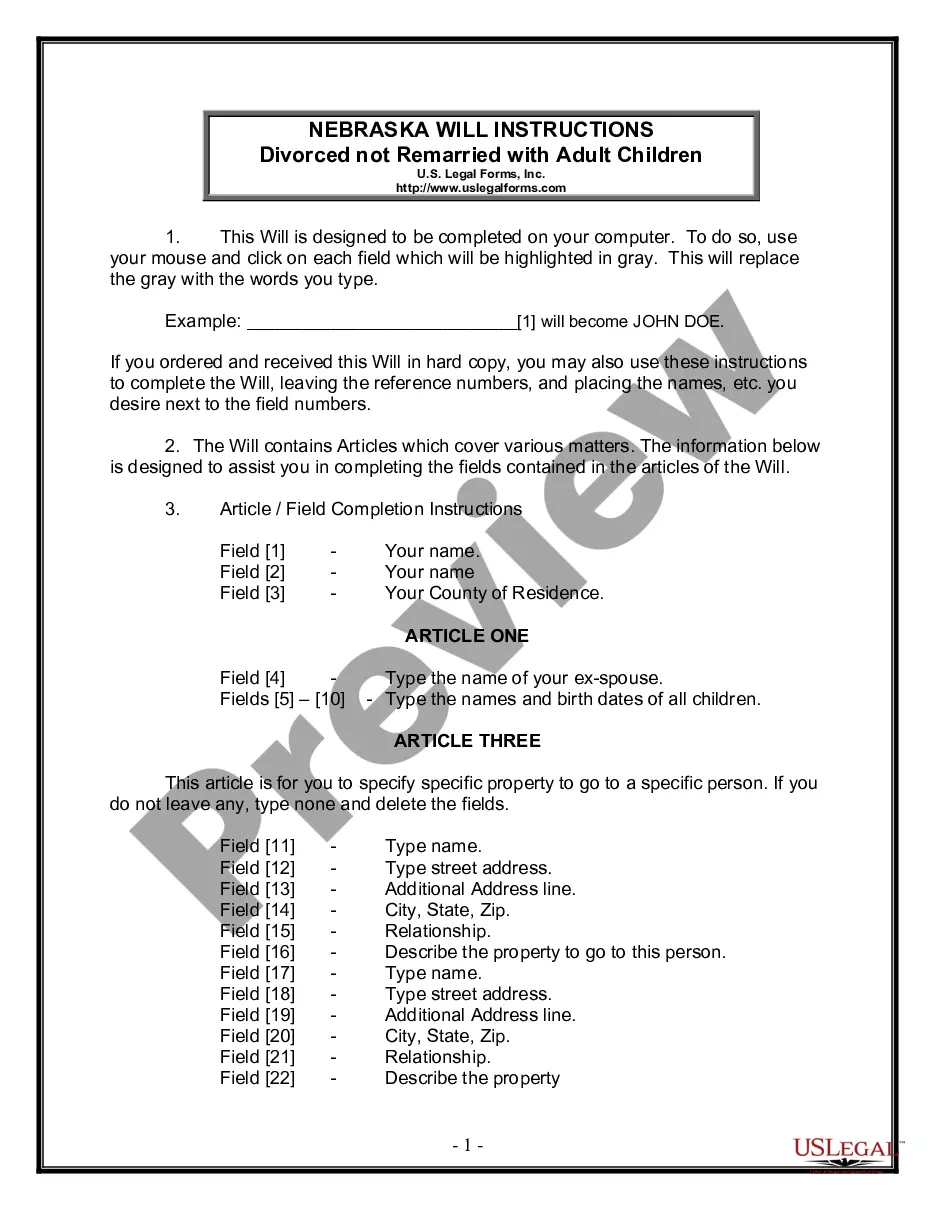
- Start by entering your full name and county of residence.
- Specify your ex-spouse's name and provide the names and birthdates of your adult children.
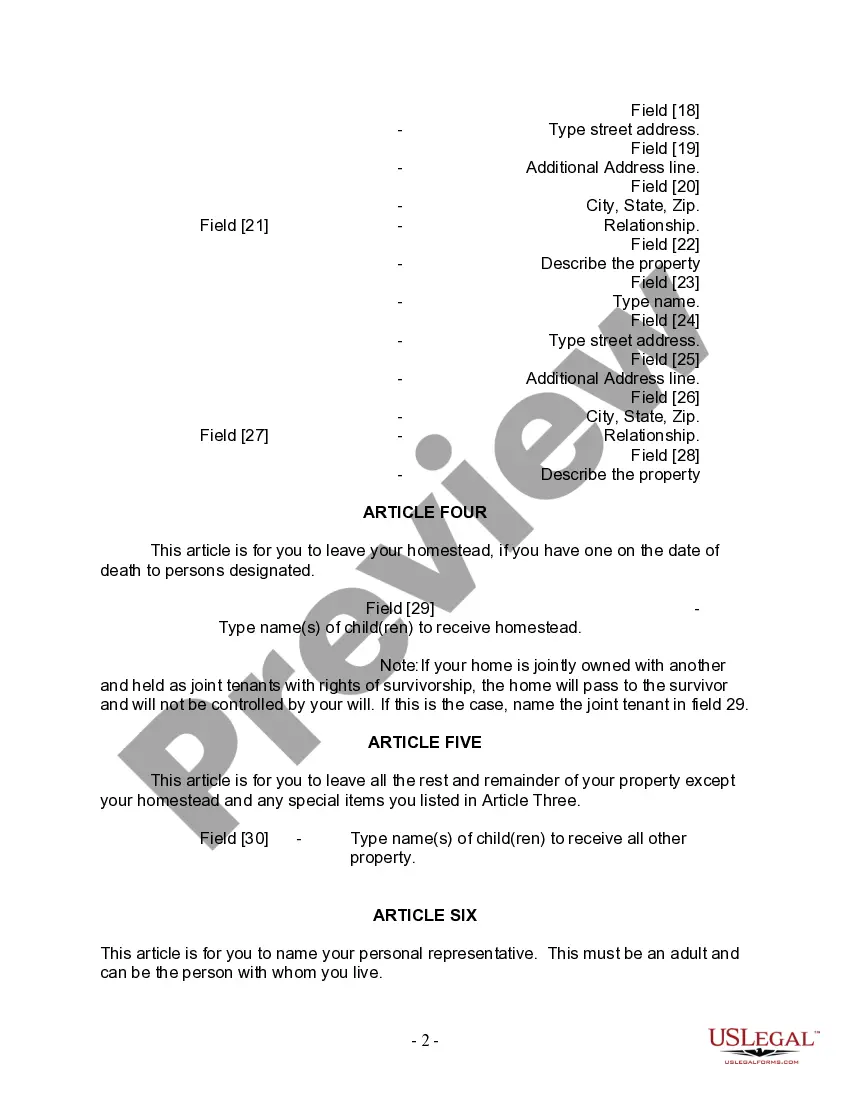
- Detail any specific property you wish to bequeath to individuals, including their names and relationships to you.
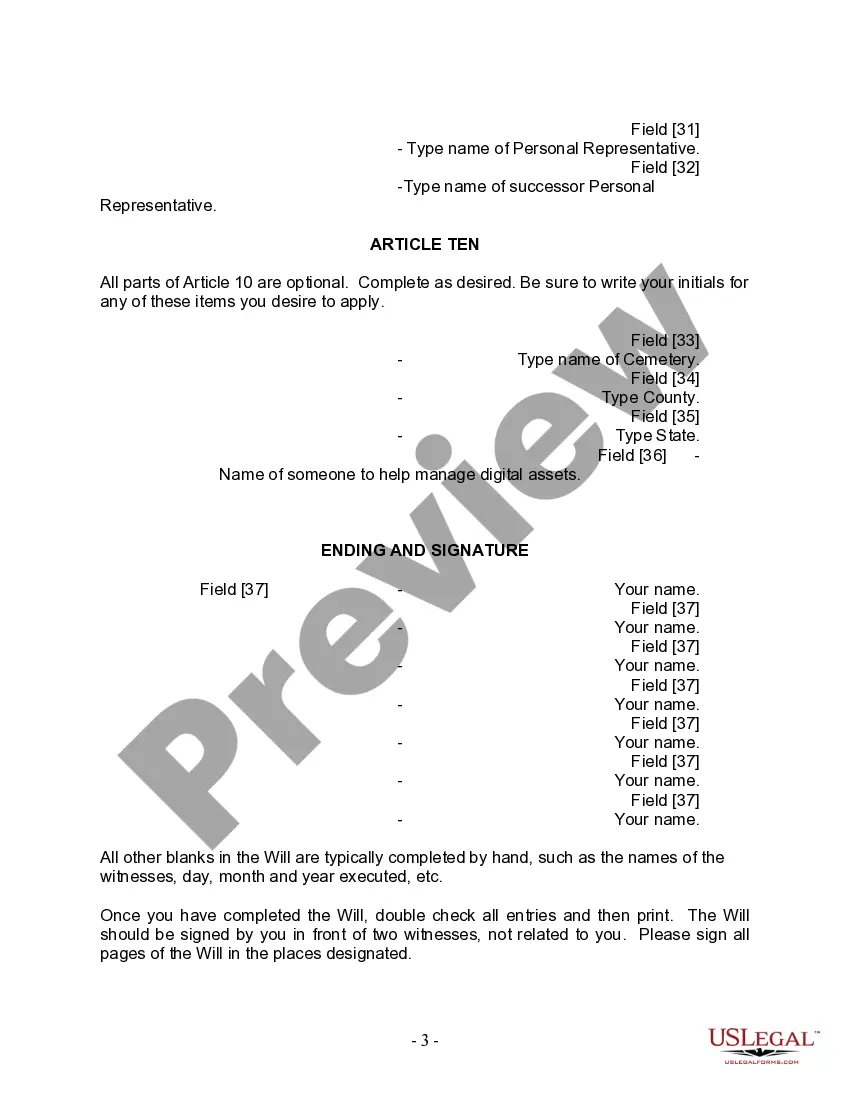
- Designate your personal representative and an alternate to manage your estate.
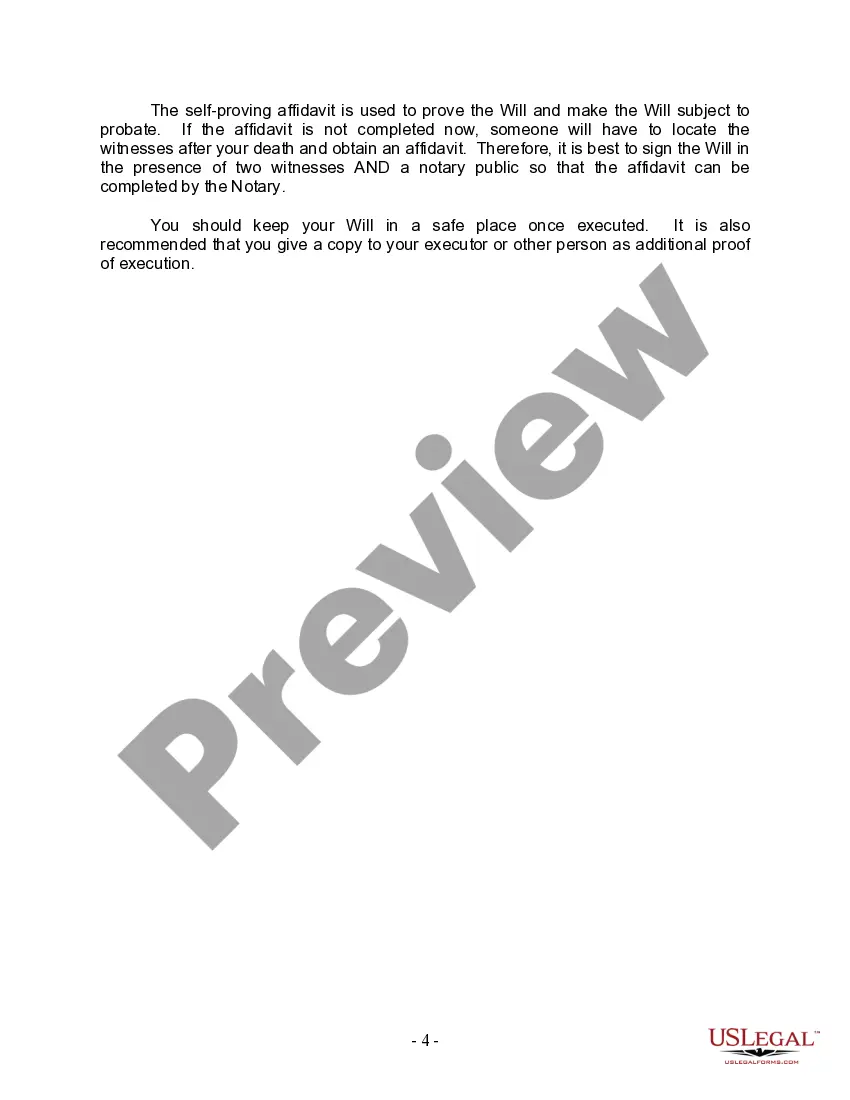
- Ensure you have two witnesses sign the document after you, and consider having it notarized for added validity.
Notarization requirements for this form
Yes, this form must be notarized to be legally valid. It is advisable to sign the will in the presence of a notary public, especially if the will includes a self-proving affidavit, as this helps facilitate its admission to probate without additional evidence of execution.
Get your form ready online
Our built-in tools help you complete, sign, share, and store your documents in one place.
Make edits, fill in missing information, and update formatting in US Legal Forms—just like you would in MS Word.
Download a copy, print it, send it by email, or mail it via USPS—whatever works best for your next step.
Sign and collect signatures with our SignNow integration. Send to multiple recipients, set reminders, and more. Go Premium to unlock E-Sign.
If this form requires notarization, complete it online through a secure video call—no need to meet a notary in person or wait for an appointment.
We protect your documents and personal data by following strict security and privacy standards.

Make edits, fill in missing information, and update formatting in US Legal Forms—just like you would in MS Word.

Download a copy, print it, send it by email, or mail it via USPS—whatever works best for your next step.

Sign and collect signatures with our SignNow integration. Send to multiple recipients, set reminders, and more. Go Premium to unlock E-Sign.

If this form requires notarization, complete it online through a secure video call—no need to meet a notary in person or wait for an appointment.

We protect your documents and personal data by following strict security and privacy standards.
Typical mistakes to avoid
- Failing to name an alternate personal representative.
- Not having the document signed in the presence of the required witnesses.
- Omitting specific bequests or failing to list all intended beneficiaries.
- Neglecting to store the completed will in a safe, accessible location.
Why complete this form online
- Convenience of completing the document at your own pace.
- Editability allows for easy adjustments before finalizing the will.
- Access to legal templates designed by attorneys to ensure compliance.
- Secure download for personal use, providing privacy and control over your legal documents.
Summary of main points
- This Last Will and Testament is tailored for divorced individuals with adult children.
- Clear instructions help ensure proper asset distribution and minimize disputes.
- Legal validity is reinforced through required witness signatures and notarization.
- Completing this form online offers flexibility and access to professional legal templates.
Looking for another form?



Form popularity
FAQ
Find an online template or service. Make a list of your assets. Be specific about who gets what. If you have minor children, choose a guardian. Give instructions for your pet. Choose an executor. Name a 'residuary beneficiary' List your funeral preferences.
The Free Last Will and Testament Template for Word is compatible with Word 2003 or later versions.
Contrary to popular belief, you do not need to have an attorney draft a will for you. Anyone can write this document on their own, and as long as it meets all of the legal requirements of the state, courts will recognize one you wrote yourself.
A handwritten or typed will can be created at no cost. Many online services set a price at less than $100 for a will. Most estate planners charge more than your average do-it-yourself service, Farrell says. For help with a will, an attorney will likely charge several hundred dollars or more.
In most situations, a will template is an easy and inexpensive way to make sure your wishes are known and carried out. Most people can get everything they need by using a will template, with little cost or hassle.
Contrary to popular belief, you do not need to have an attorney draft a will for you. Anyone can write this document on their own, and as long as it meets all of the legal requirements of the state, courts will recognize one you wrote yourself.
A. You don't have to have a lawyer to create a basic will you can prepare one yourself. It must meet your state's legal requirements and should be notarized.A do-it-yourself will that's poorly drafted can save you money but create a mess for your heirs when you're gone.
Include personal identifying information. Include a statement about your age and mental status. Designate an executor. Decide who will take care of your children. Choose your beneficiaries. List your funeral details. Sign and date your Last Will and Testament.