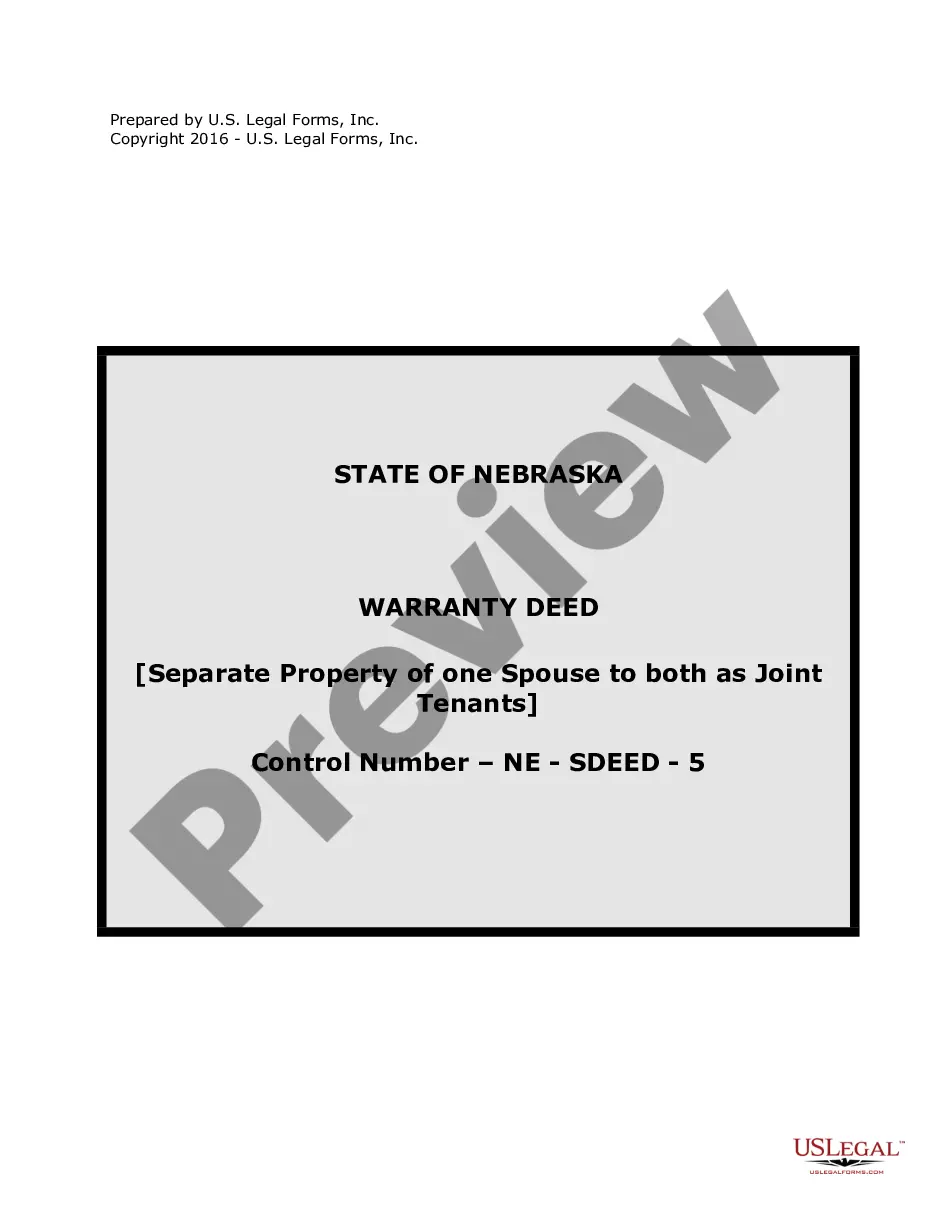
Nebraska Warranty Deed to Separate Property of One Spouse to Both Spouses as Joint Tenants
About this form
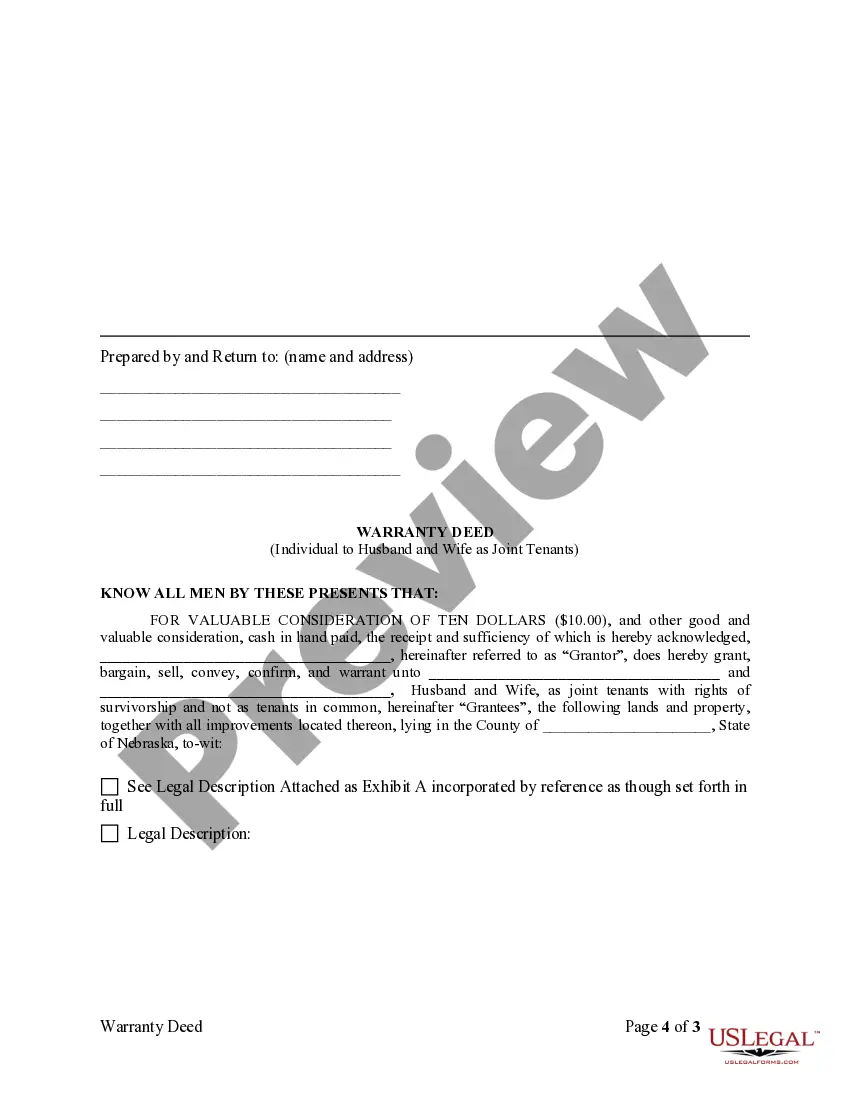
This Warranty Deed allows a spouse to transfer their individual property to themselves and their partner, establishing joint tenancy. This means that both spouses will have equal ownership of the property, allowing for a smoother transfer of ownership upon either spouse's death. Unlike a simple transfer, this form provides legal rights and protections associated with joint property ownership.
What’s included in this form
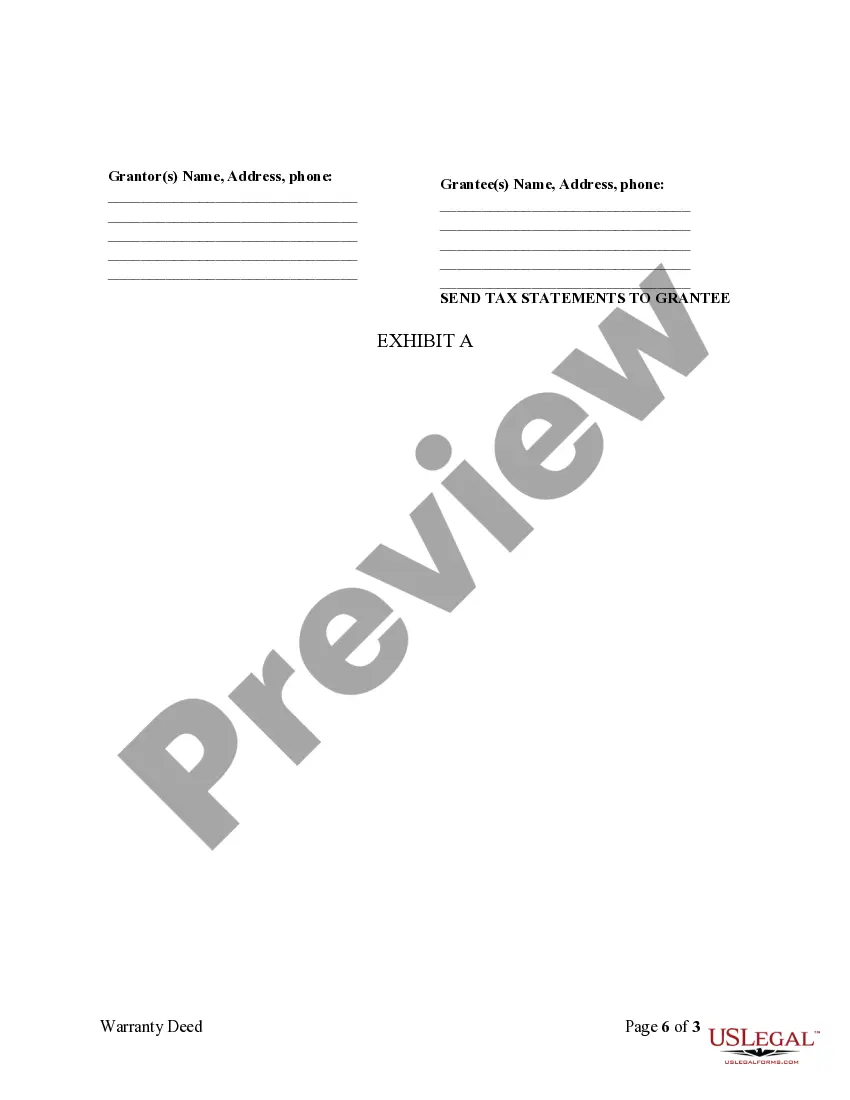
- Grantor and Grantees: Identification of the spouse transferring the property and the co-owner.
- Property Description: A detailed description of the property being transferred.
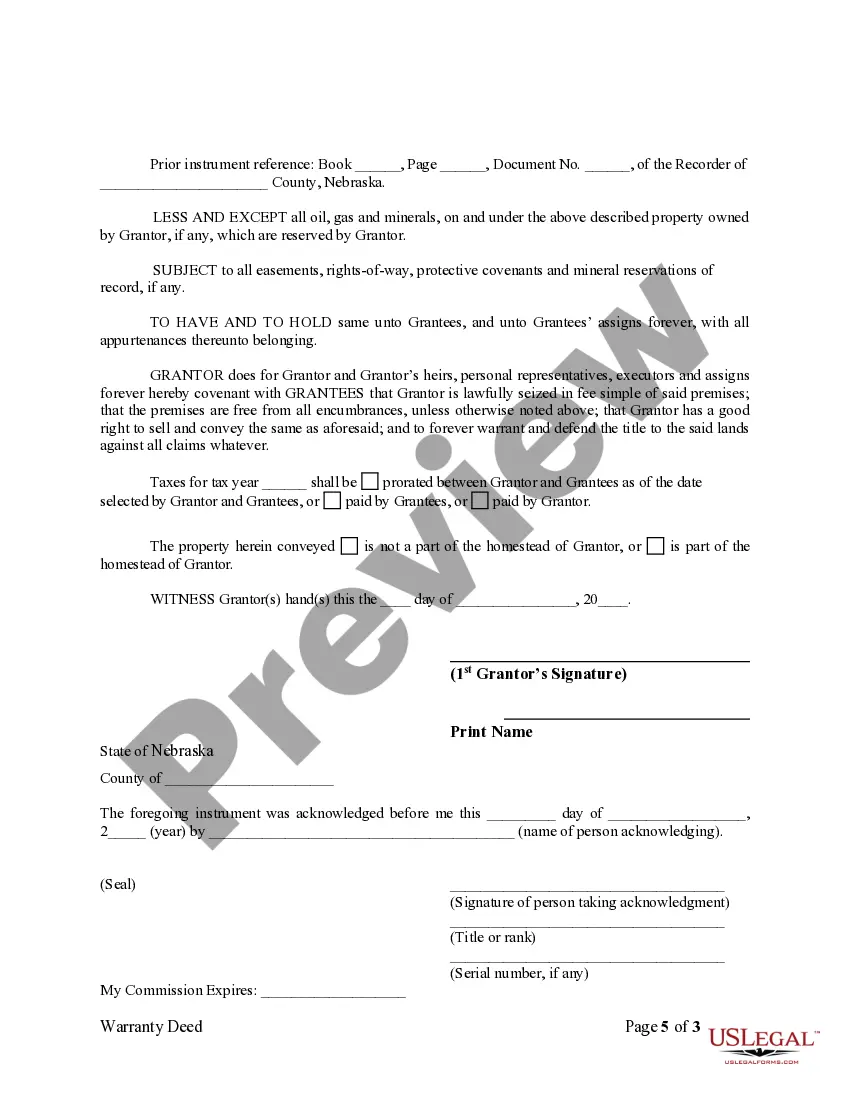
- Legal Covenants: Assurances by the grantor that they hold clear title to the property and can legally transfer it.
- Tax Obligations: Specification on how property taxes will be handled post-transfer.
- Warranties: Legal affirmations that the property is free from encumbrances unless otherwise noted.



When to use this document
This Warranty Deed should be used when a spouse wants to formally transfer their separate property into joint ownership with their partner. Common situations include marriage, estate planning, or enhancing property rights during a significant life event. It is essential for ensuring both spouses have equal rights to the property, particularly in matters of inheritance and transfer.
Who this form is for
- Married couples looking to establish joint ownership of property.
- Individuals transferring property to their spouse for estate planning.
- Spouses who want to consolidate assets into joint tenancies for legal protections.
- Couples considering significant changes in property ownership dynamics.
Steps to complete this form
- Identify the parties involved: Fill in the names of the grantor (the spouse transferring the property) and the grantees (both spouses).
- Specify the property: Provide a detailed description of the property being transferred.
- Include tax provisions: Decide if taxes will be prorated and specify how they will be managed.
- Attach signatures: Both spouses must sign the deed in the presence of a notary public.
- Complete any necessary legal language: Ensure that legal terms regarding warranties and encumbrances are correctly noted.
Is notarization required?
To make this form legally binding, it must be notarized. Our online notarization service, powered by Notarize, lets you verify and sign documents remotely through an encrypted video session.
Get your form ready online
Our built-in tools help you complete, sign, share, and store your documents in one place.
Make edits, fill in missing information, and update formatting in US Legal Forms—just like you would in MS Word.
Download a copy, print it, send it by email, or mail it via USPS—whatever works best for your next step.
Sign and collect signatures with our SignNow integration. Send to multiple recipients, set reminders, and more. Go Premium to unlock E-Sign.
If this form requires notarization, complete it online through a secure video call—no need to meet a notary in person or wait for an appointment.
We protect your documents and personal data by following strict security and privacy standards.

Make edits, fill in missing information, and update formatting in US Legal Forms—just like you would in MS Word.

Download a copy, print it, send it by email, or mail it via USPS—whatever works best for your next step.

Sign and collect signatures with our SignNow integration. Send to multiple recipients, set reminders, and more. Go Premium to unlock E-Sign.

If this form requires notarization, complete it online through a secure video call—no need to meet a notary in person or wait for an appointment.

We protect your documents and personal data by following strict security and privacy standards.
Mistakes to watch out for
- Not providing a complete property description, which can lead to validity issues.
- Failing to have the form signed and notarized, making it unenforceable.
- Incorrectly specifying tax obligations, leading to unforeseen liabilities.
- Overlooking existing liens or encumbrances that must be disclosed.
Benefits of using this form online
- Convenience: Easily download and complete the form from the comfort of your home.
- Editability: Fill in the required fields electronically for neatness and precision.
- Reliability: Forms are drafted by licensed attorneys and updated to comply with legal standards.
Legal use & context
- This form legally transfers ownership and is enforceable in Nebraska.
- Compliance with state laws is essential to ensure the deed's validity.
- Having the form notarized strengthens its legal standing in any future disputes.
Key takeaways
- The Warranty Deed solidifies joint ownership between spouses.
- Accurate completion and notarization are crucial for legality.
- Ideal for marital asset management and estate planning.
Looking for another form?

Form popularity
FAQ
Property owned by the deceased husband alone: Any asset that is owned by the husband in his name alone becomes part of his estate. Intestacy: If a deceased husband had no will, then his estate passes by intestacy.and also no living parent, does the wife receive her husband's whole estate.
Since New Mexico is a Community Property state, a Sole and Separate agreement is used when a married person wishes to acquire title as their sole and separate property.Essentially, it allows a person to purchase a property independent of their spouse.
In California, all property bought during the marriage with income that was earned during the marriage is deemed "community property." The law implies that both spouses own this property equally, regardless of which name is on the title deed.
Joint Tenancy Two or more people, including spouses, may hold title to their jointly owned real estate as joint tenants. There is a so-called right of survivorship, which means that when one dies, the property automatically transfers to the survivor without the necessity of probating the estate.
Separate property is anything you have that you owned before you were married or before you registered your domestic partnership. Inheritances and gifts to 1 spouse or domestic partner, even during the marriage or domestic partnership, are also separate property.
If a person is married without a prenuptial agreement, the person can prepare a postnuptial agreement clearly distinguishing personal property from marital property. Another way to keep personal property separate is by creating a trust or by keeping personal property solely in one spouse's name.
Most assets (and debts) acquired during the marriage are considered marital property and thus subject to division in divorce.All other property is considered separate property, which means it belongs to just one of the parties in a marriage. When a couple gets divorced, separate property is not subject to division.
A quitclaim deed will remove the out-spouse (or departing spouse) from the title to the property, effectively relinquishing their equity or ownership in the home. The execution of a quitclaim deed is typically a requirement of a divorce settlement in order to complete the division of assets.
In California, most married couples hold real property (such as land and buildings) as joint tenants with right of survivorship.For instance, many married couples share real property as joint tenants. This way, upon the death of a spouse, the surviving spouse will own 100% share of the property.