Nebraska Letter from Tenant to Landlord containing Notice of failure to return security deposit and demand for return
What this document covers
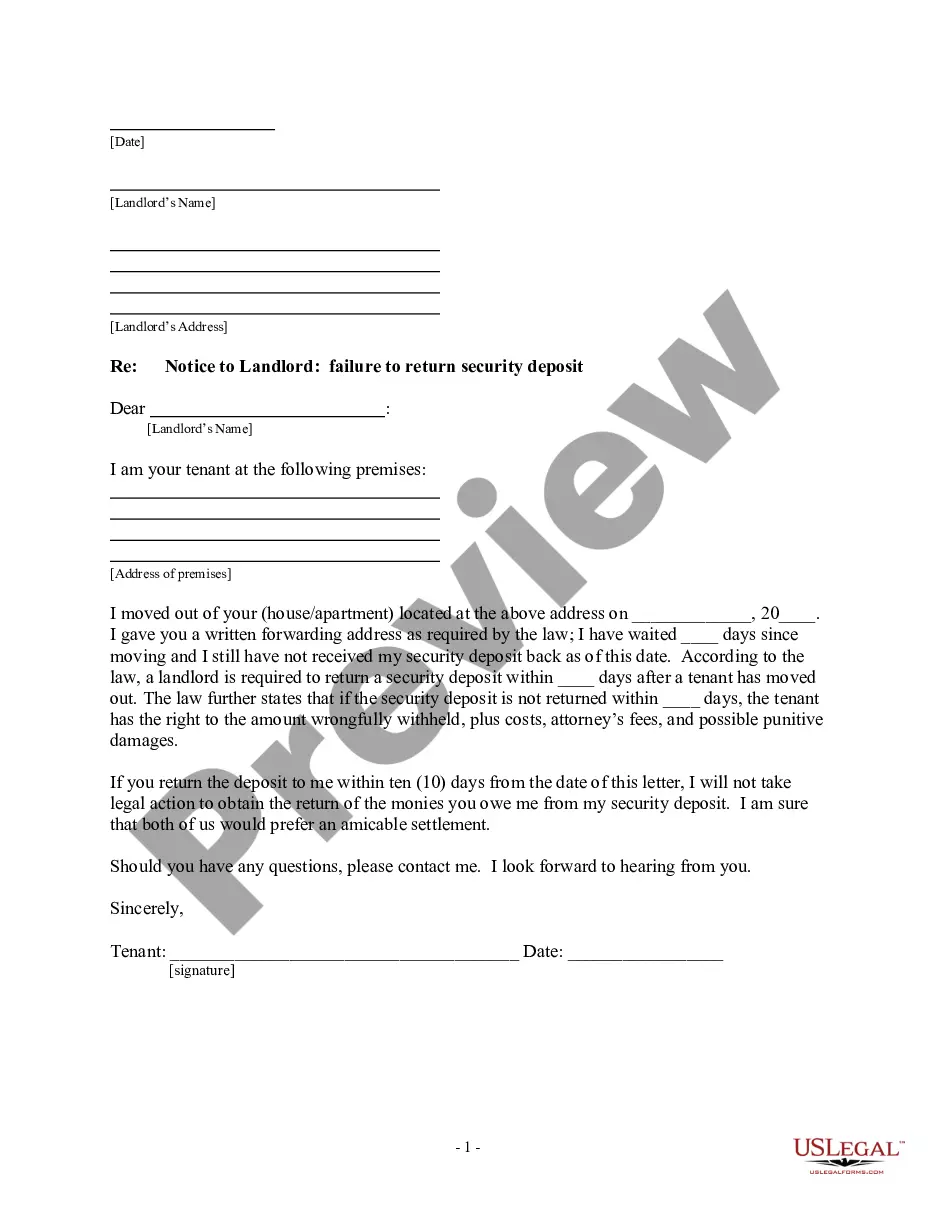
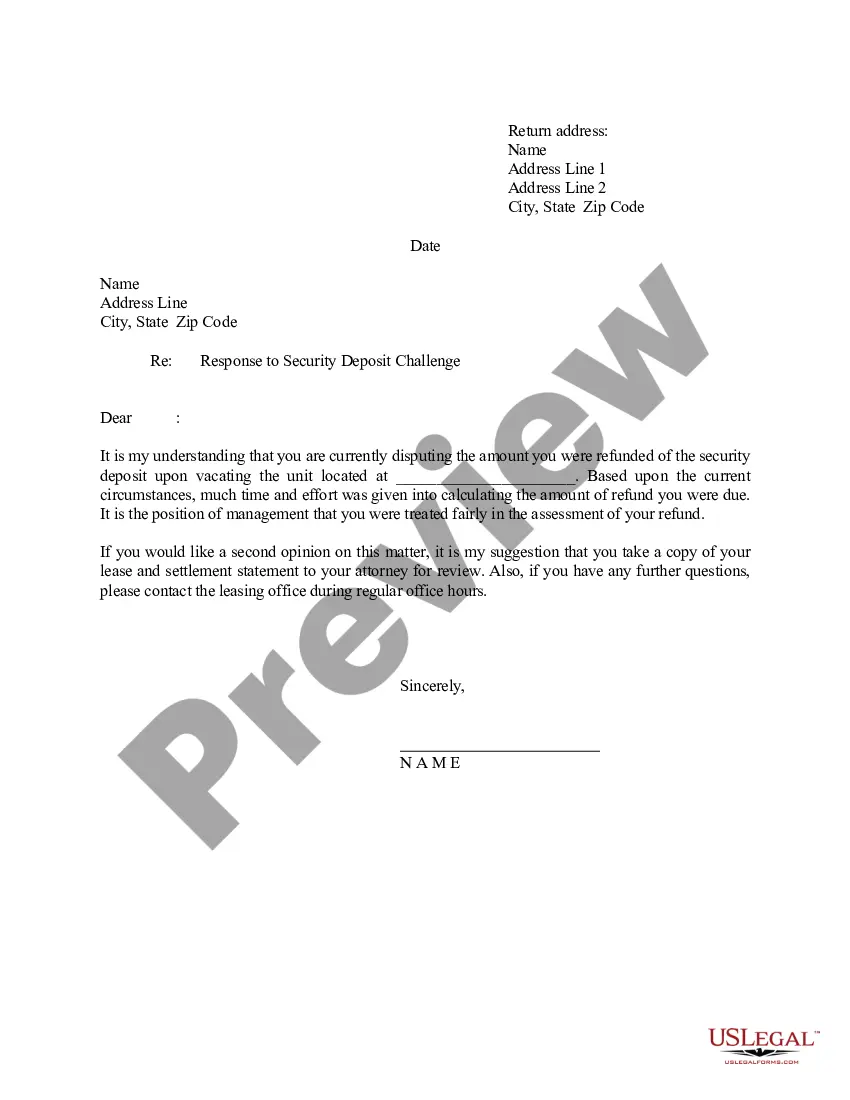
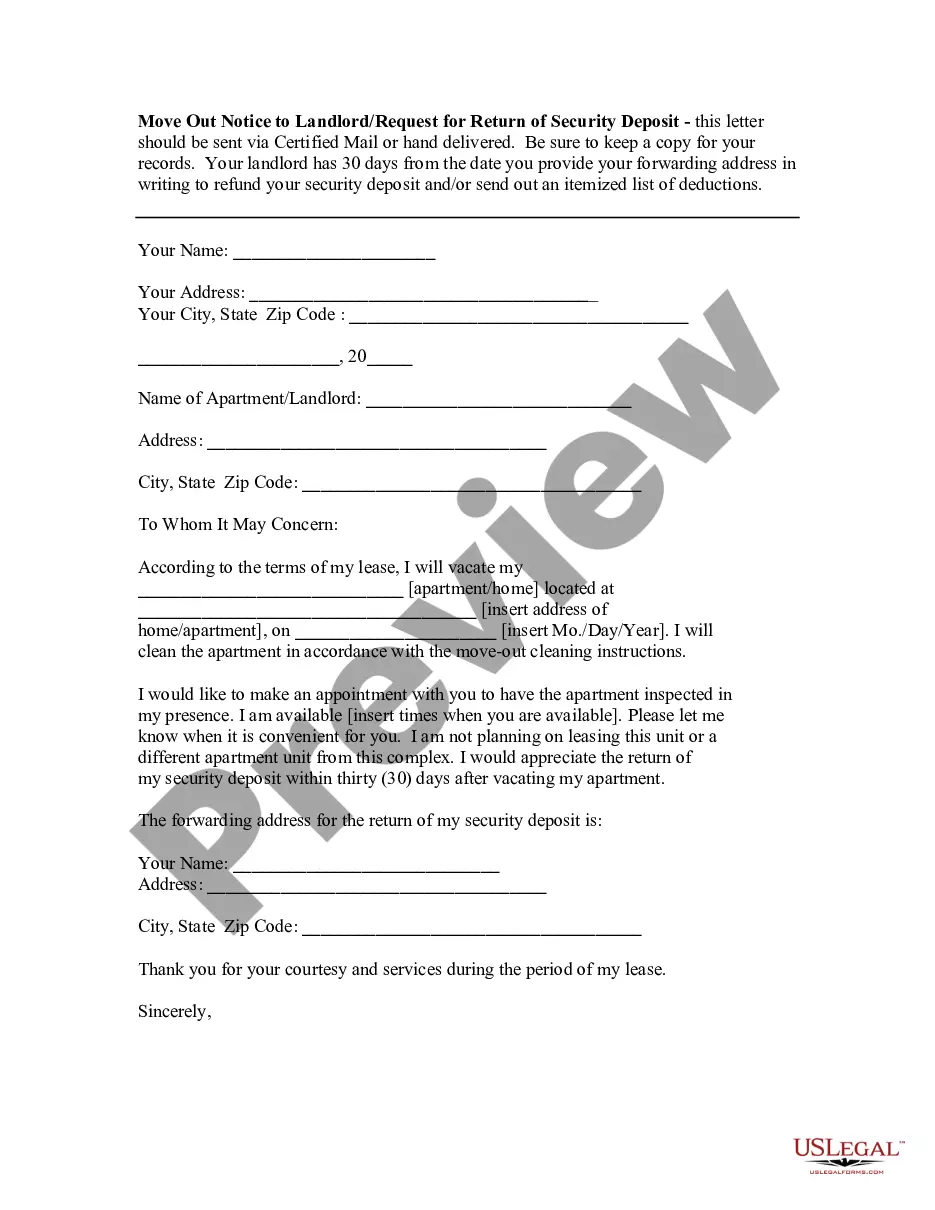
This letter from tenant to landlord serves as a formal demand for the return of a tenant's security deposit after vacating the property. It informs the landlord of their legal obligation to return the deposit within a specific timeframe, which varies by state. This form helps to initiate the process of recovering the security deposit without resorting to legal action, setting it apart from other rental correspondence.
Main sections of this form
- Tenant's contact information.
- Landlord's contact information.
- Date of the letter.
- Statement of demand for the return of the security deposit.
- Timeframe for the landlord to respond (typically ten days).
- Signature line for the tenant.

Situations where this form applies
This form should be used when a tenant has vacated a rental property and has not received their security deposit back from the landlord within the legally required time. It is a crucial step in the process of formally requesting the return of the deposit, indicating to the landlord that further legal action may be taken if necessary.
Who should use this form
- Tenants who have moved out of a rental property.
- Individuals who have not received their security deposit back from their landlord.
- People seeking a formal method to request the return of their deposit before considering legal options.
Instructions for completing this form
- Identify and enter your contact information at the top of the letter.
- Include the landlord's contact information below yours.
- Date the letter accurately to establish a timeline.
- Clearly state your demand for the return of your security deposit.
- Indicate the ten-day timeframe for the landlord to respond.
- Sign the letter to validate your request.
Does this document require notarization?
This form does not typically require notarization unless specified by local law. However, ensuring you have a signed copy can enhance its credibility during potential disputes.
Get your form ready online
Our built-in tools help you complete, sign, share, and store your documents in one place.
Make edits, fill in missing information, and update formatting in US Legal Forms—just like you would in MS Word.
Download a copy, print it, send it by email, or mail it via USPS—whatever works best for your next step.
Sign and collect signatures with our SignNow integration. Send to multiple recipients, set reminders, and more. Go Premium to unlock E-Sign.
If this form requires notarization, complete it online through a secure video call—no need to meet a notary in person or wait for an appointment.
We protect your documents and personal data by following strict security and privacy standards.

Make edits, fill in missing information, and update formatting in US Legal Forms—just like you would in MS Word.

Download a copy, print it, send it by email, or mail it via USPS—whatever works best for your next step.

Sign and collect signatures with our SignNow integration. Send to multiple recipients, set reminders, and more. Go Premium to unlock E-Sign.

If this form requires notarization, complete it online through a secure video call—no need to meet a notary in person or wait for an appointment.

We protect your documents and personal data by following strict security and privacy standards.
Common mistakes to avoid
- Failing to include the date on the letter.
- Not providing accurate contact information for both parties.
- Missing the specified deadline for the landlordâs response.
- Using vague language rather than a clear demand for the return of the deposit.
Why complete this form online
- Convenient downloadable format that saves time.
- Editable fields make it easy to personalize the letter.
- Reliably drafted by licensed attorneys to ensure it meets legal standards.
Legal use & context
- This letter serves as a formal record of your request for the security deposit.
- Failure to comply with state laws regarding security deposits can result in legal penalties for landlords.
- The letter can be a crucial piece of evidence should you need to pursue further legal action.
Main things to remember
- This form is a crucial step in reclaiming your security deposit.
- Understanding your rights as a tenant is important for successful resolution.
- Utilizing a legally crafted form can help ensure compliance with applicable laws.
Looking for another form?









Form popularity
FAQ
The date of the letter and the landlord's full name and address. The address of the residence you rented and the date you moved in. A statement that you've been paying your rent timely and that you are current with your payments.
Nebraska state law limits how much a landlord can charge for a security deposit (one month's rent), when it must be returned (within 14 days after a tenant moves), and sets other restrictions on deposits.
Before you go to court, a number of states require you to send a demand letter to your opposing party. An attorney is usually not necessary at this point and you can write a demand letter on your own. To write one, gather necessary documents, draft your letter, and send the letter to your opposing party.
Type your letter. Concisely review the main facts. Be polite. Write with your goal in mind. Ask for exactly what you want. Set a deadline. End the letter by stating you will promptly pursue legal remedies if the other party does not meet your demand. Make and keep copies.
Mail your landlord a letter requesting that she return your deposit. Be polite and simply inform the landlord that you have vacated the property and would appreciate the return of your deposit once she has had a chance to complete any checks and paperwork.
Tenant's name and new address, or address he gave for return of the security deposit. Commencement date of the lease and date it ended. Amount of the security deposit when the tenant moved in. Amount of interest accrued.
Start by simply saying the date and the tenants name and address. Make sure all the data is accurate, as this can serve as a written notice should you go to court. The letter should inform the tenant that they are late on the rent and by how many days.