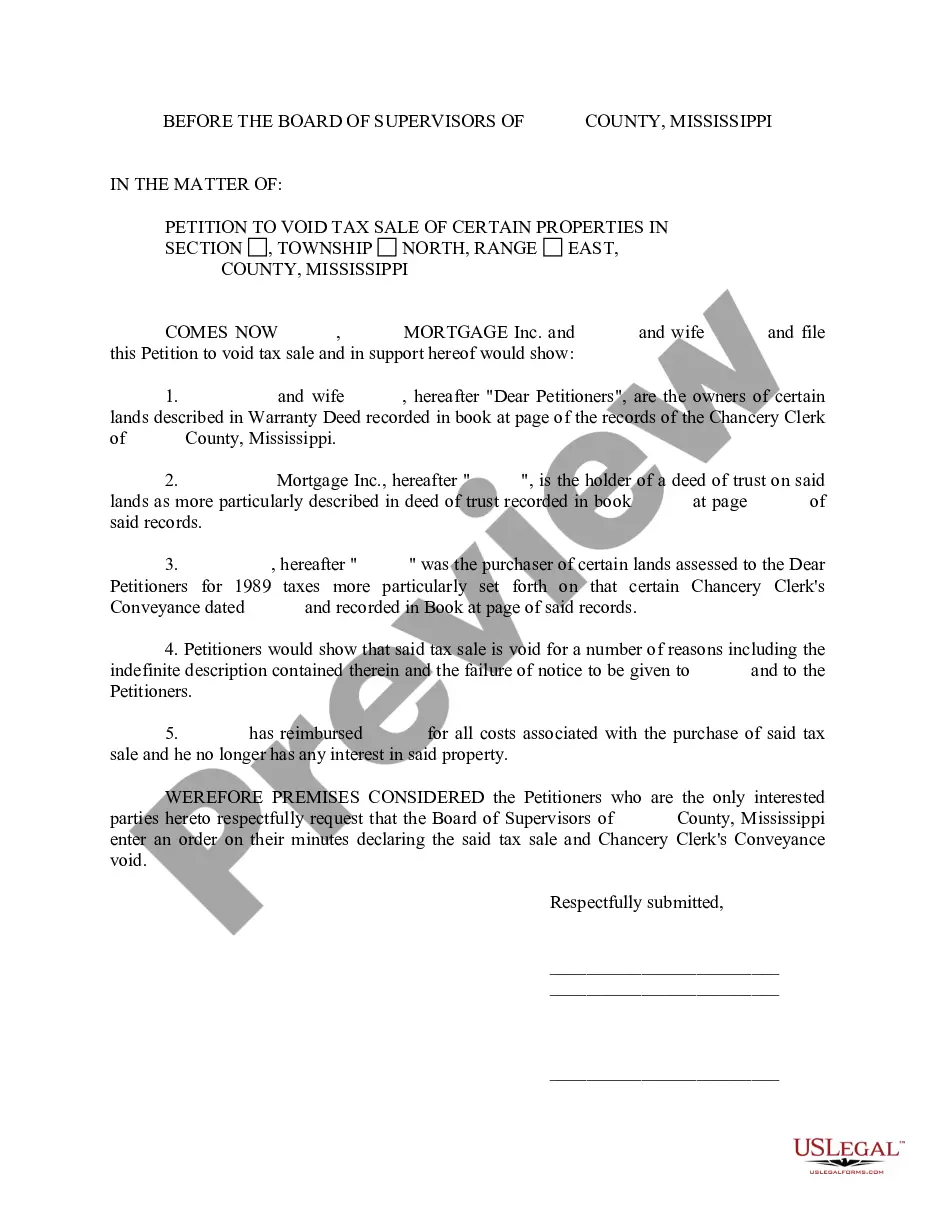
North Dakota Letter from Tenant to Landlord about Insufficient Notice of Change in Rental Agreement for other than rent increase
What this document covers
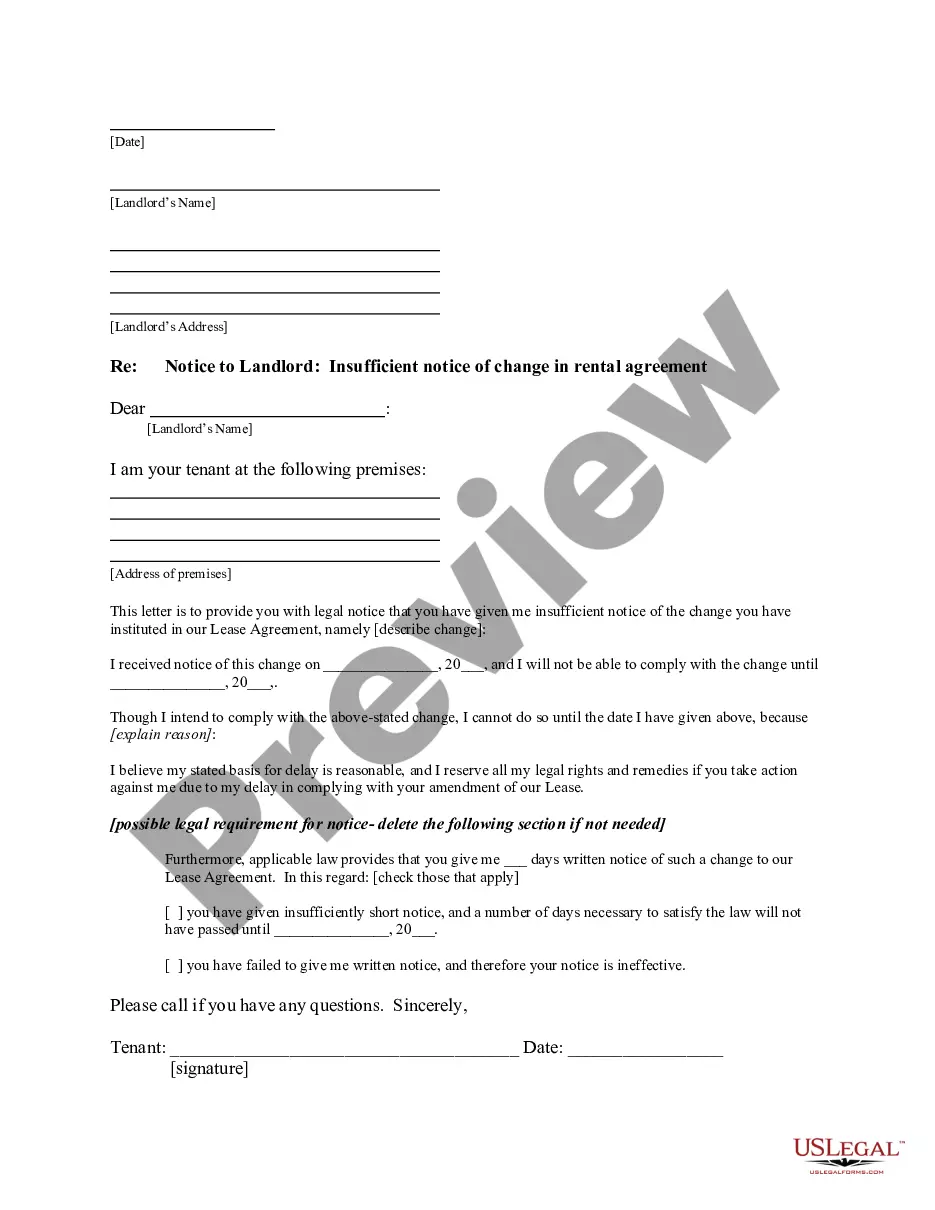
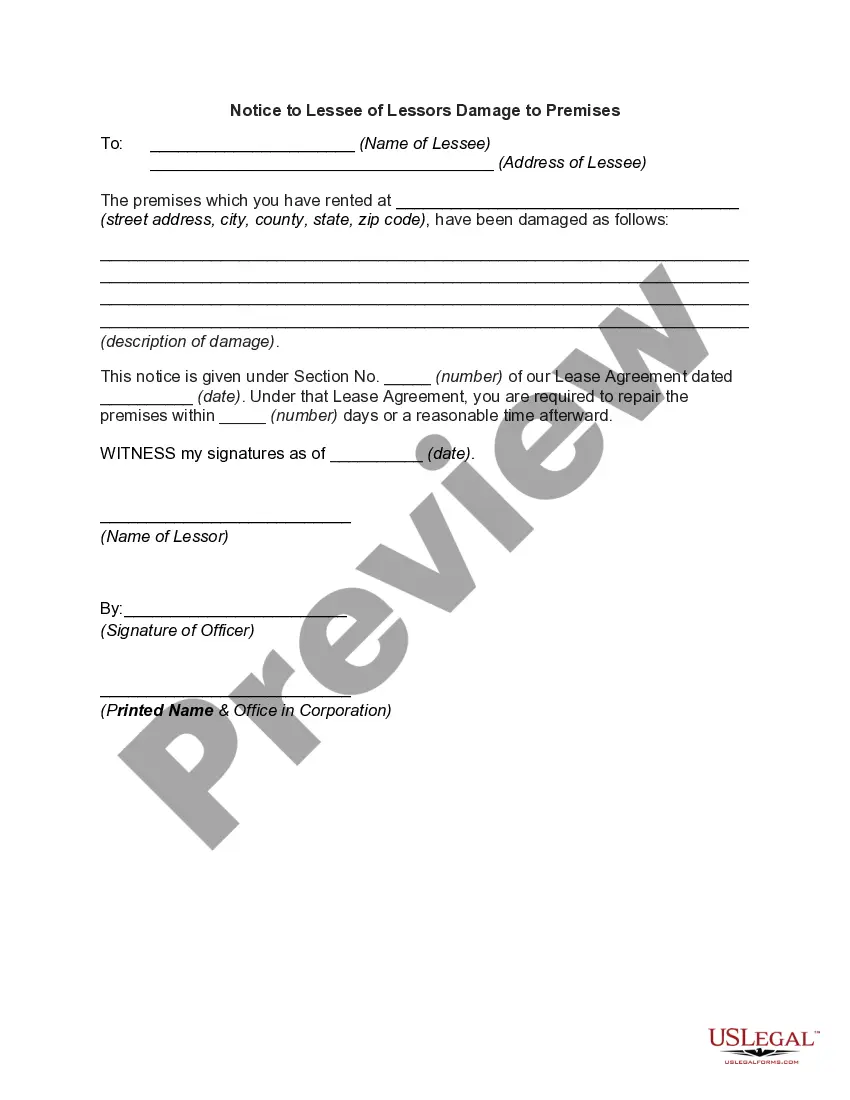
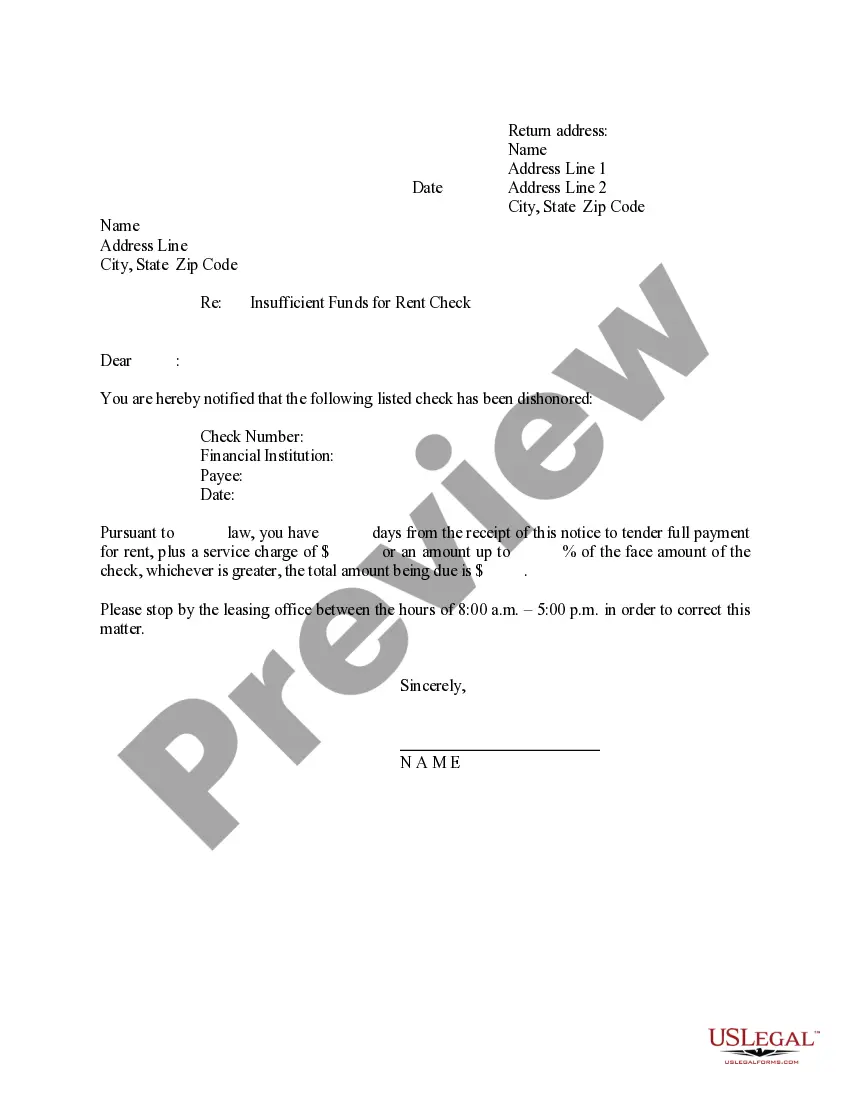
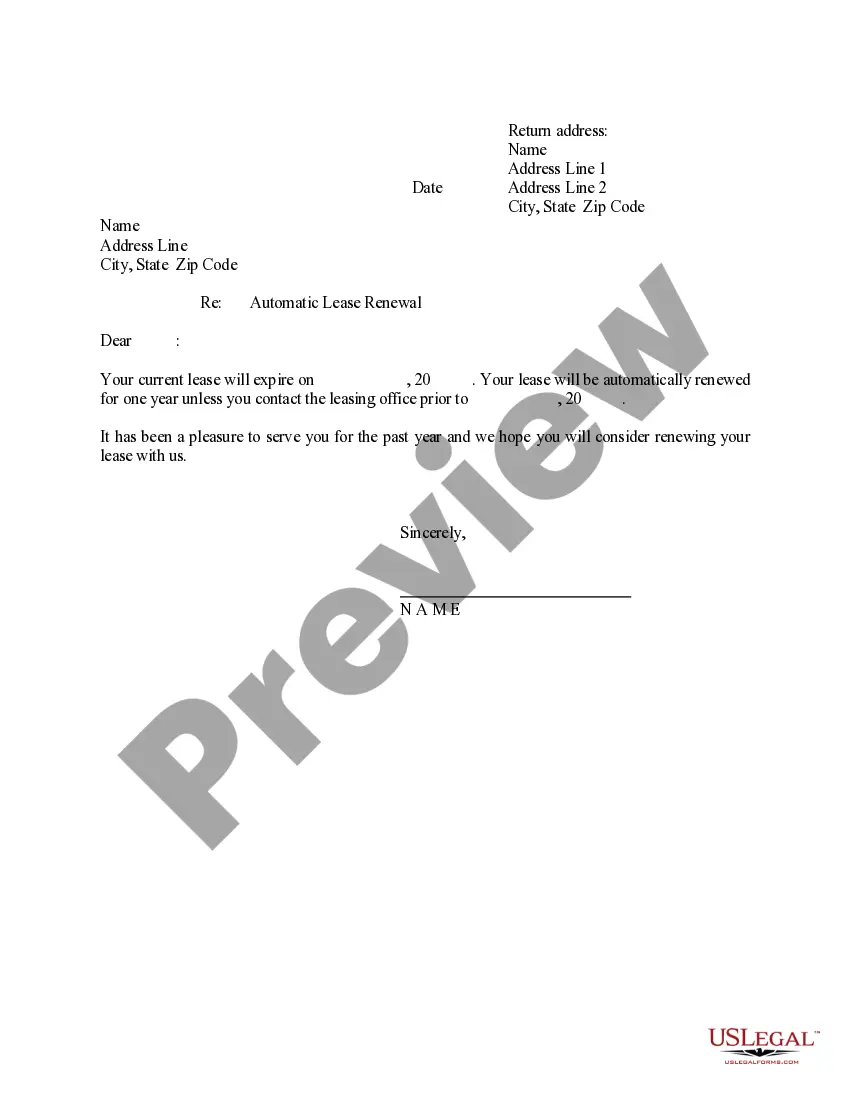
This form is a Letter from Tenant to Landlord regarding insufficient notice of a change in the rental agreement, excluding rent increases. It provides legal notice to the landlord that the tenant will not comply with any changes made to the lease until a specified date, clarifying the landlord's failure to provide proper notification. This distinct legal notification is essential to protect tenant rights in rental agreements.
Form components explained
- Identification of the tenant and landlord.
- Details regarding the insufficient notice period.
- Reference to the applicable legal requirement for notice.
- Specification of the action the tenant will take (or not take) in response to the change.
- Signature and date field for the tenant.
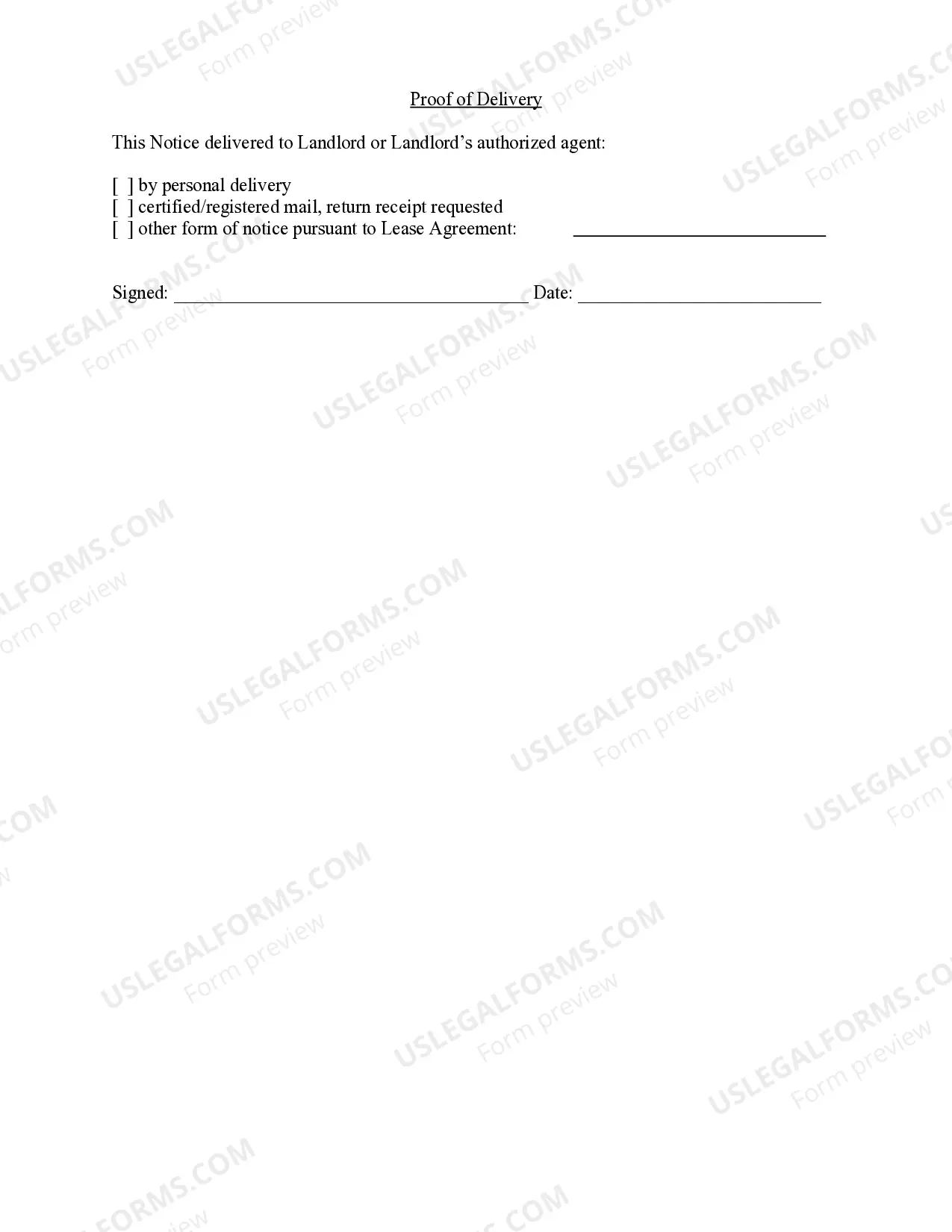
- Proof of delivery options for the notice.

When this form is needed
This form should be used when a tenant receives notice from their landlord about a change to the rental agreement, such as changes in terms, conditions, or policies, and believes that the notice period provided is insufficient. It is particularly useful in situations where the tenant does not wish to comply with the changes due to these legal concerns.
Who this form is for
- Tenants who have received insufficient notice from their landlord regarding changes to the rental agreement.
- Individuals who want to formally communicate their non-compliance to the change.
- Renters who seek to ensure their rights are protected according to local laws.
How to complete this form
- Identify the parties involved by entering the names of the tenant and landlord.
- Specify the change to the rental agreement that is in question.
- Indicate the reasons why the notice received is considered insufficient.
- Provide a clear deadline by which the tenant will not comply with the change.
- Sign and date the letter to make it official.
- Deliver the notice using the specified proof of delivery method.
Does this form need to be notarized?
This form does not typically require notarization unless specified by local law. It is wise to check your jurisdictionâs regulations regarding tenant and landlord notifications.
Get your form ready online
Our built-in tools help you complete, sign, share, and store your documents in one place.
Make edits, fill in missing information, and update formatting in US Legal Forms—just like you would in MS Word.
Download a copy, print it, send it by email, or mail it via USPS—whatever works best for your next step.
Sign and collect signatures with our SignNow integration. Send to multiple recipients, set reminders, and more. Go Premium to unlock E-Sign.
If this form requires notarization, complete it online through a secure video call—no need to meet a notary in person or wait for an appointment.
We protect your documents and personal data by following strict security and privacy standards.

Make edits, fill in missing information, and update formatting in US Legal Forms—just like you would in MS Word.

Download a copy, print it, send it by email, or mail it via USPS—whatever works best for your next step.

Sign and collect signatures with our SignNow integration. Send to multiple recipients, set reminders, and more. Go Premium to unlock E-Sign.

If this form requires notarization, complete it online through a secure video call—no need to meet a notary in person or wait for an appointment.

We protect your documents and personal data by following strict security and privacy standards.
Mistakes to watch out for
- Failing to accurately identify the date of the notice received.
- Not specifying the exact changes in the rental agreement.
- Overlooking the delivery method, which could make the notice ineffective.
- Neglecting to sign and date the letter before sending.
Benefits of completing this form online
- Convenience of completing the form from any location at your own pace.
- Editability allows you to customize the letter to your specific situation.
- Reliability of a professionally drafted legal document, ensuring it meets legal standards.
Legal use & context
- This letter provides formal notice to the landlord, which can be important in disputes.
- It serves as documentation of the tenant's communication regarding insufficient notice.
- Using this letter may help protect the tenant's rights under local landlord-tenant laws.
Key takeaways
- The form addresses insufficient notice of changes to the rental agreement.
- It is critical for tenants to communicate promptly with their landlords.
- Understanding state-specific notification laws is essential for compliance.
Looking for another form?
Form popularity
FAQ
Answer. Tenants have the right to "quiet enjoyment" of their home. Unless there is an emergency, your landlord or their agent must give you at least 24 hours' notice if they intend to visit.Apart from genuine emergencies, landlords cannot enter a tenant's home without their consent unless they have a court order.
If a tenant has a mental or physical disability or is sixty or older, and that tenant has a physical or mental disability that requires the tenant to relocate because of a need for care or treatment that cannot be provided in the rental unit, the tenant can terminate the lease.
If the landlord/agent wants to end your agreement at the end of the fixed term, they must give you at least 30 days notice that includes the last day of the term. If the landlord/agent applies for a termination order, the Tribunal must terminate the agreement.
Leaving without giving notice Your tenancy won't have ended and you'll still have to pay your rent until you end your tenancy in the right way. You might also have to pay other bills - for example, council tax. Your landlord can get a court order to make you pay the rent you owe.
If you don't move out by the day in the notice, the landlord can ask the NSW Civil and Administrative Tribunal (NCAT) for a termination order. A termination order means the rental agreement is ended. The order will state the day when you must give vacant possession that is, you move out and return the keys.
The landlord verification form is a document used by a landlord when verifying the previous rental information of an applicant for tenancy. The requesting landlord must send the form to the applicant's current or past landlord in order to obtain all details related to the tenancy of the individual.
State the purpose of the letter. In the first paragraph, explain that you are writing to verify that the tenants live on your property. Also include the address where they live. For example, you can write, I am writing to confirm that Mr.
A rental verification helps landlords and property managers to verify the rental history of their applicant. This is done through a background check combined with a phone call verification.Calling the previous and current landlord is an important step of the rental verification.
Notice to Pay or Quit. Another common landlord letter to tenants is the notice to pay or quit.Include the date by which the tenant must pay or fix the issues. Send this notice by certified mail, as this will act as a record of your attempt to correspond with your tenant.