North Dakota Letter from Tenant to Landlord about Landlord's refusal to allow sublease is unreasonable
Overview of this form
This form is a letter from a tenant to a landlord addressing the landlord's unreasonable refusal to allow the tenant to sublease the rental property. It serves to formally communicate the tenant's request while reserving legal rights and remedies if the refusal continues. The letter outlines the subleasing arrangement and emphasizes the tenant's continued responsibility for the rental agreement with the landlord.
Key components of this form
- Identification of the tenant and landlord involved in the sublease.
- Details regarding the request to sublease the rental property.
- Reference to tenant's legal rights and remedies if the sublease is denied.
- Date of the letter and space for tenant's signature.

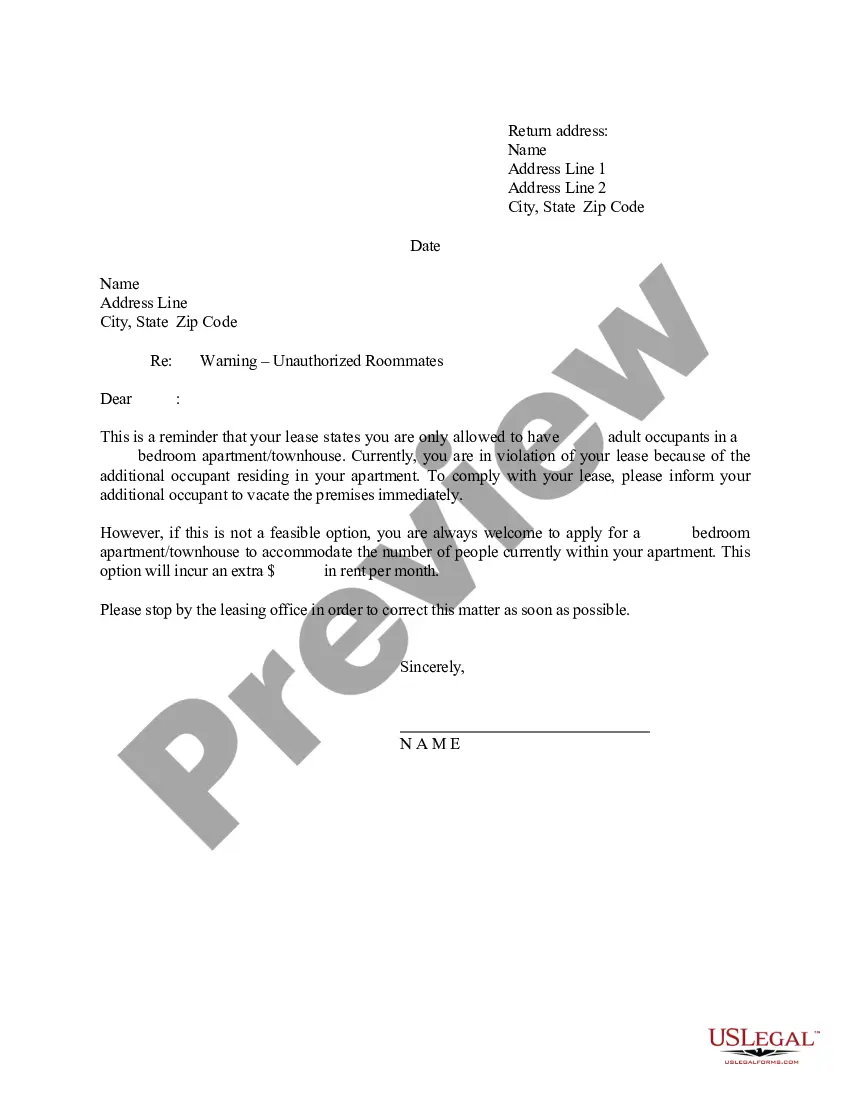
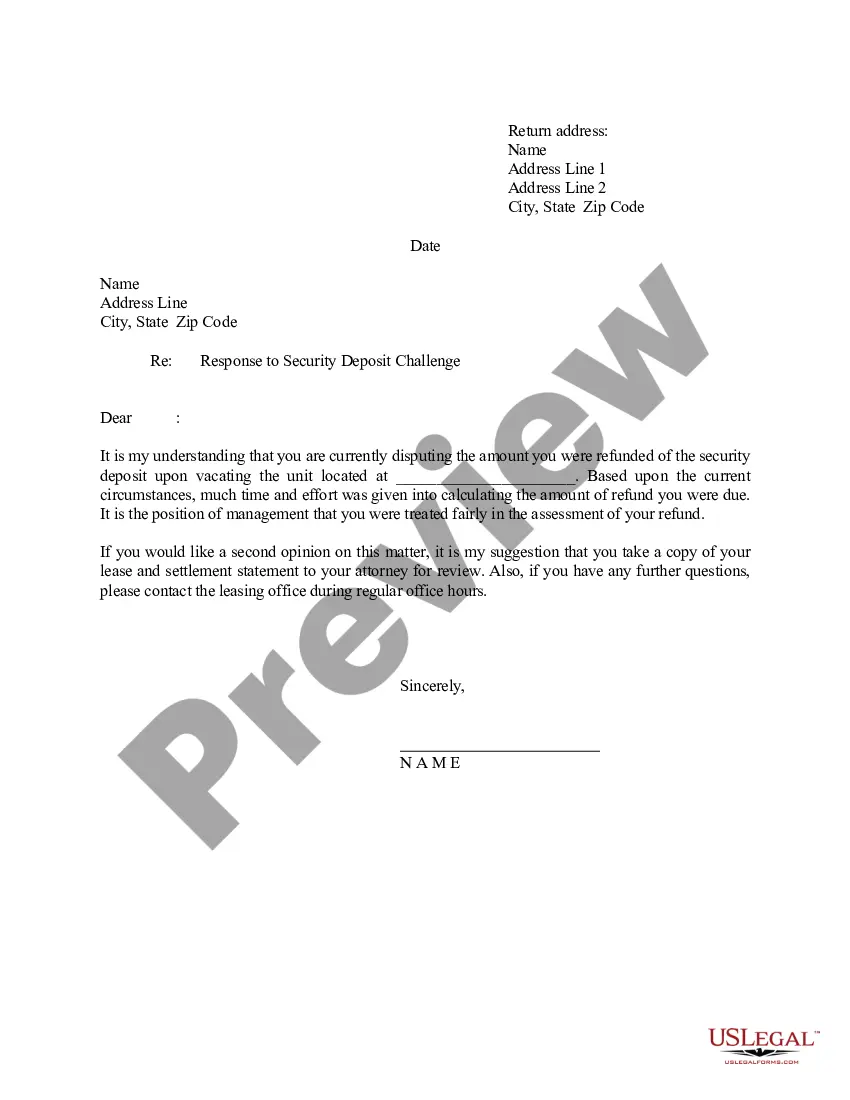
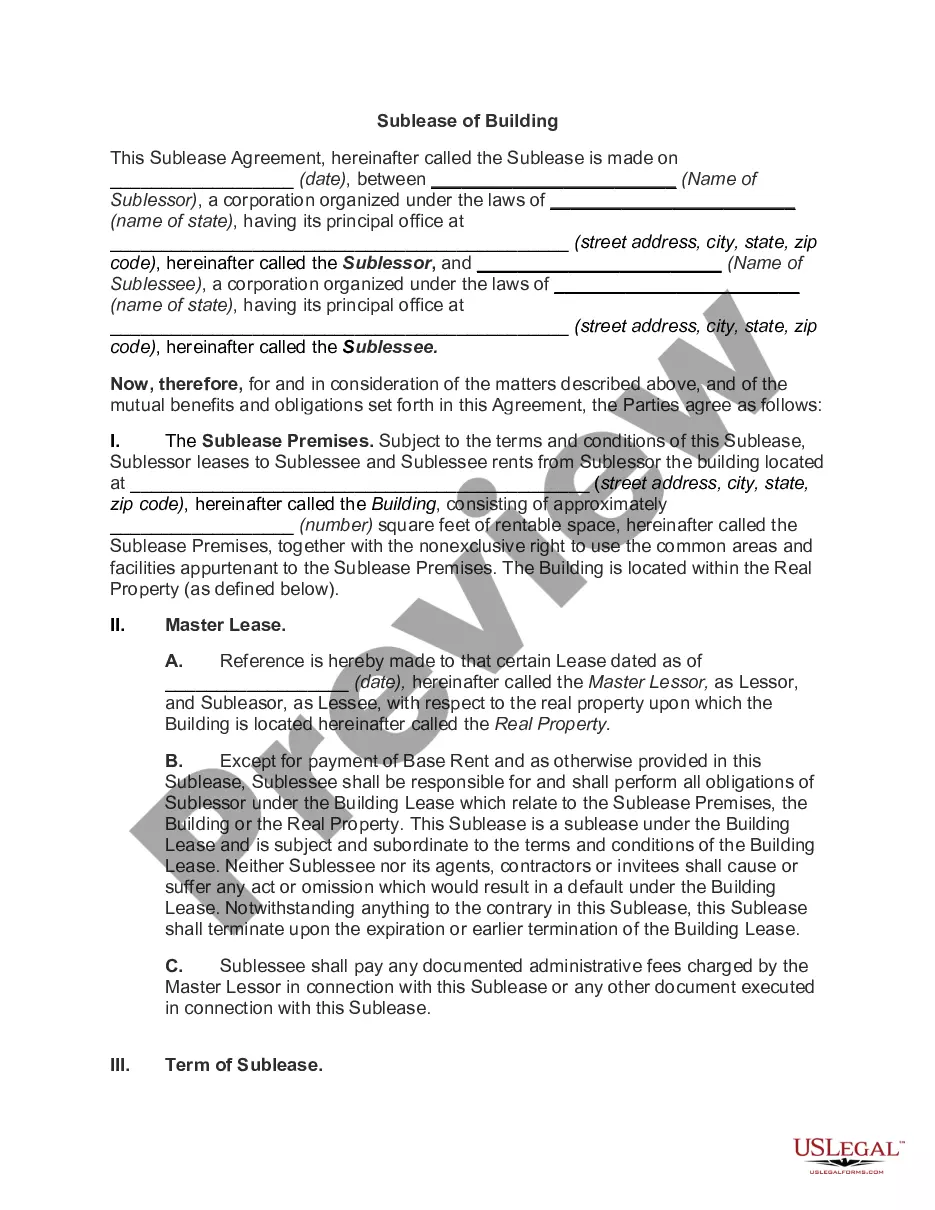
When to use this form
This letter is useful when you, as a tenant, have requested permission from your landlord to sublease your rental unit, and the landlord has denied your request without reasonable justification. It can serve as a formal record of your communication and intent to reserve your legal rights should the matter escalate.
Who this form is for
- Tenants seeking to sublease their rented property.
- Tenants whose landlords have unreasonably refused a sublease request.
- Individuals wanting to document their attempts to communicate with their landlord regarding subleasing.
Instructions for completing this form
- Begin by entering your name and the name of your landlord.
- State your intention to sublease and provide details about the subtenant.
- Cite your legal rights regarding subleasing during the tenancy.
- Include the date of the letter and sign it.
- Consider keeping a copy for your records and note how you will deliver the letter to the landlord.
Does this document require notarization?
Notarization is generally not required for this form. However, certain states or situations might demand it. You can complete notarization online through US Legal Forms, powered by Notarize, using a verified video call available anytime.
Get your form ready online
Our built-in tools help you complete, sign, share, and store your documents in one place.
Make edits, fill in missing information, and update formatting in US Legal Forms—just like you would in MS Word.
Download a copy, print it, send it by email, or mail it via USPS—whatever works best for your next step.
Sign and collect signatures with our SignNow integration. Send to multiple recipients, set reminders, and more. Go Premium to unlock E-Sign.
If this form requires notarization, complete it online through a secure video call—no need to meet a notary in person or wait for an appointment.
We protect your documents and personal data by following strict security and privacy standards.

Make edits, fill in missing information, and update formatting in US Legal Forms—just like you would in MS Word.

Download a copy, print it, send it by email, or mail it via USPS—whatever works best for your next step.

Sign and collect signatures with our SignNow integration. Send to multiple recipients, set reminders, and more. Go Premium to unlock E-Sign.

If this form requires notarization, complete it online through a secure video call—no need to meet a notary in person or wait for an appointment.

We protect your documents and personal data by following strict security and privacy standards.
Typical mistakes to avoid
- Failing to clearly state the reason for the sublease request.
- Not keeping a copy of the letter for personal records.
- Neglecting to specify the subtenant's information.
- Forgetting to sign the letter before sending it.
Benefits of completing this form online
- Convenience of downloading and completing the form at your pace.
- Editable format allows easy customization to fit your situation.
- Access to forms drafted by licensed attorneys ensures reliability and accuracy.
Legal use & context
- The letter serves as a formal notification of your intentions.
- It may help establish a record of communication related to landlord-tenant disputes.
- Understanding local tenant rights is crucial for enforceability.
Key takeaways
- Use this letter to formally request subleasing permission from your landlord.
- Ensure clarity and completeness in your communication.
- Preserve your legal rights by documenting your requests and the landlord's responses.
Looking for another form?



Form popularity
FAQ
Rights of joint tenants You are all equally responsible for paying the rent and keeping to the terms of your agreement. You are responsible for paying another joint tenant's share of the rent if they don't pay their rent. Your landlord is responsible for most repairs.
The landlord cannot unreasonably refuse to give consent. Usually, the only reason the landlord can refuse consent is if the sub-tenancy would result in overcrowding of the premises or a breach of the tenancy agreement with the head-tenant.
Step 1: make a formal complaint. You can make a formal complaint by writing a letter to your landlord. Step 2: complain to your local council. If making a formal complaint to your landlord doesn't solve your problem you might be able to complain to your local council.
In many cases, there is no time a guest can become a resident without having their name added to the lease by the landlord. Many apartment managers or landlords are hesitant to do this unless the guest is becoming a problem for the renter or for other residents.
The landlord cannot refuse the assignment or sublet unless there is a good reason, such as the proposed tenant's inability to pay the rent or problematic behavior of this tenant. This is the case no matter what your lease or the building rules say.
Landlords cannot discriminate against tenants or prospective tenants based on a protected characteristic in any of the following ways: Refusing to sell, rent, or lease. Refusing to negotiate for a sale, rental, or lease.
The court ruled that the First Amendment protected a roommate's right of intimate associationthat is, to carry on certain intimate or private relationships.Since the FHA doesn't apply to the sharing of living spaces, the court ruled that it's not unlawful for individuals to discriminate in selecting a roommate.
Know your state's landlord/tenant laws. Read and respond to the court summons. Try to work out a settlement. Consider legal counsel. Show up for court. Look sharp and provide evidence.
If you're seeking damages for emotional distress caused by a landlord's discrimination, or punitive damages for especially blatant and intentional discrimination, a lawsuit may well be your best bet. Understand what's involved in suing your landlord. You may file a lawsuit in either federal or state court.