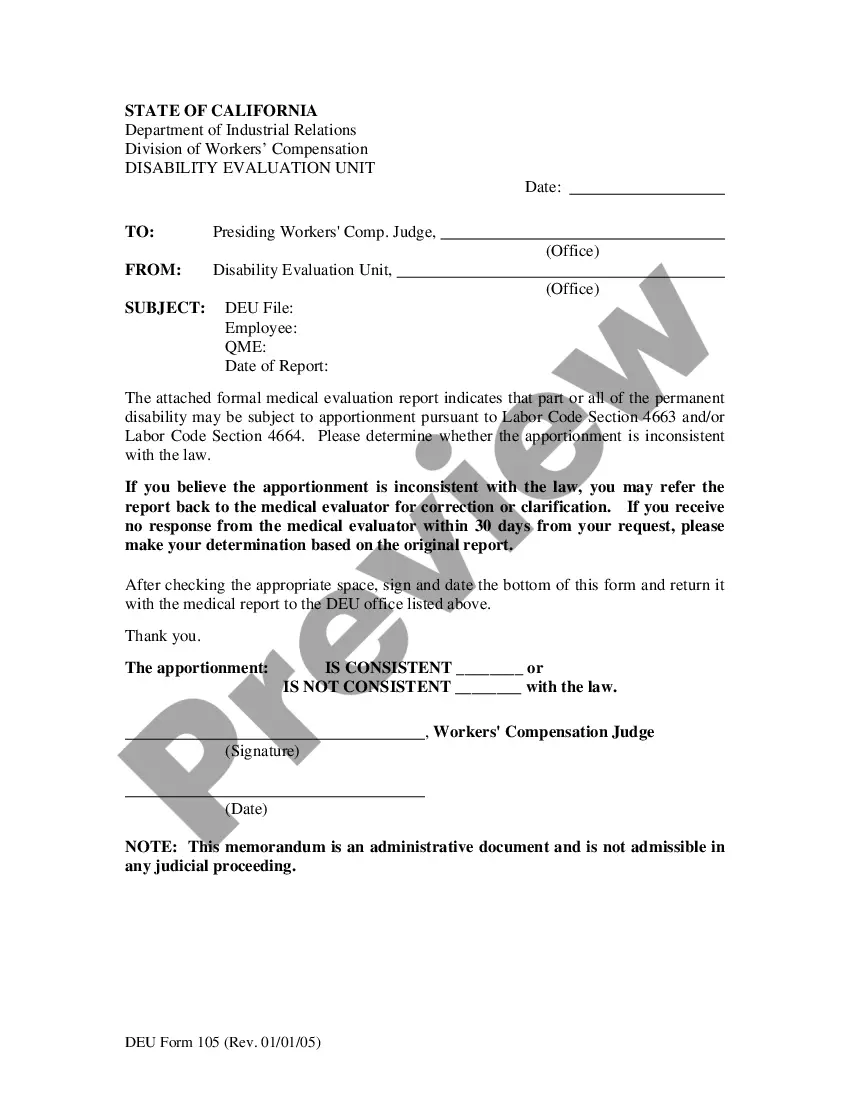
Mississippi Affidavit of Blood Testing Results
Understanding this form
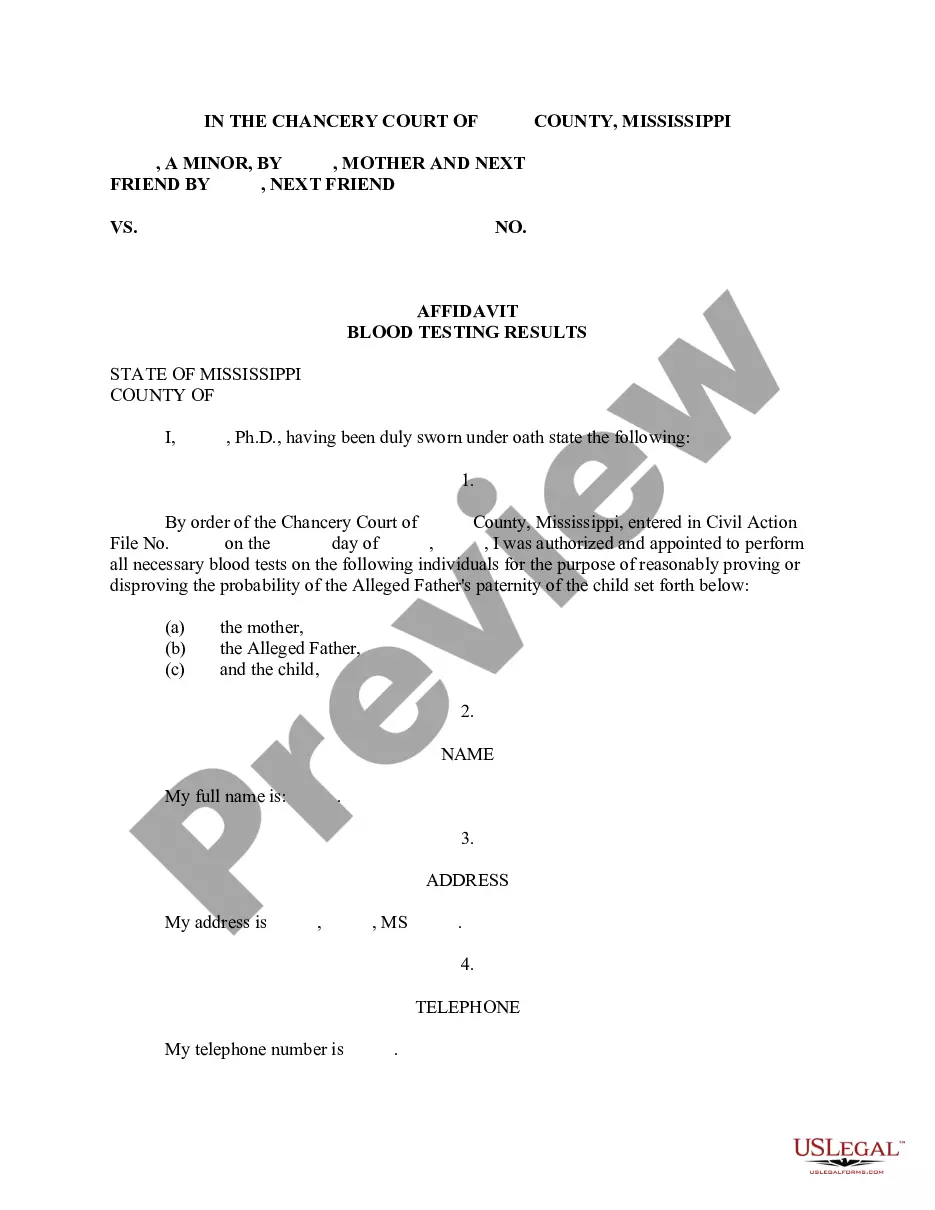
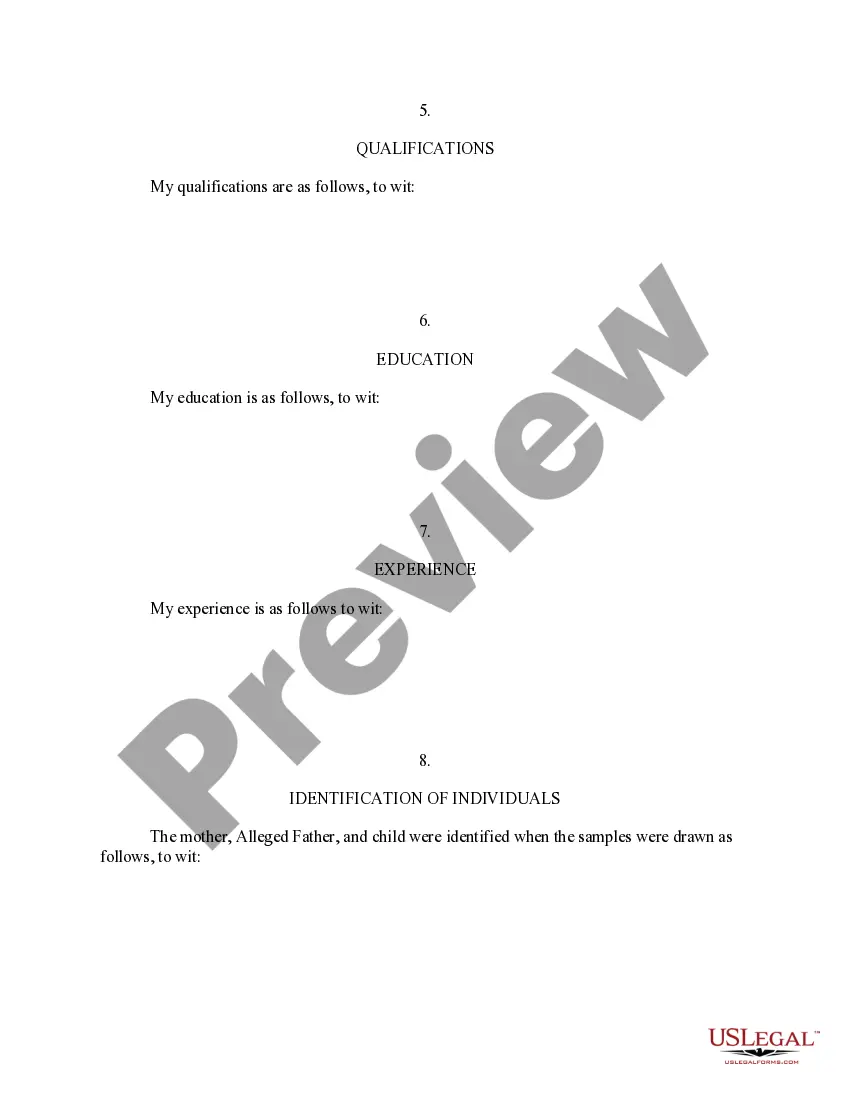
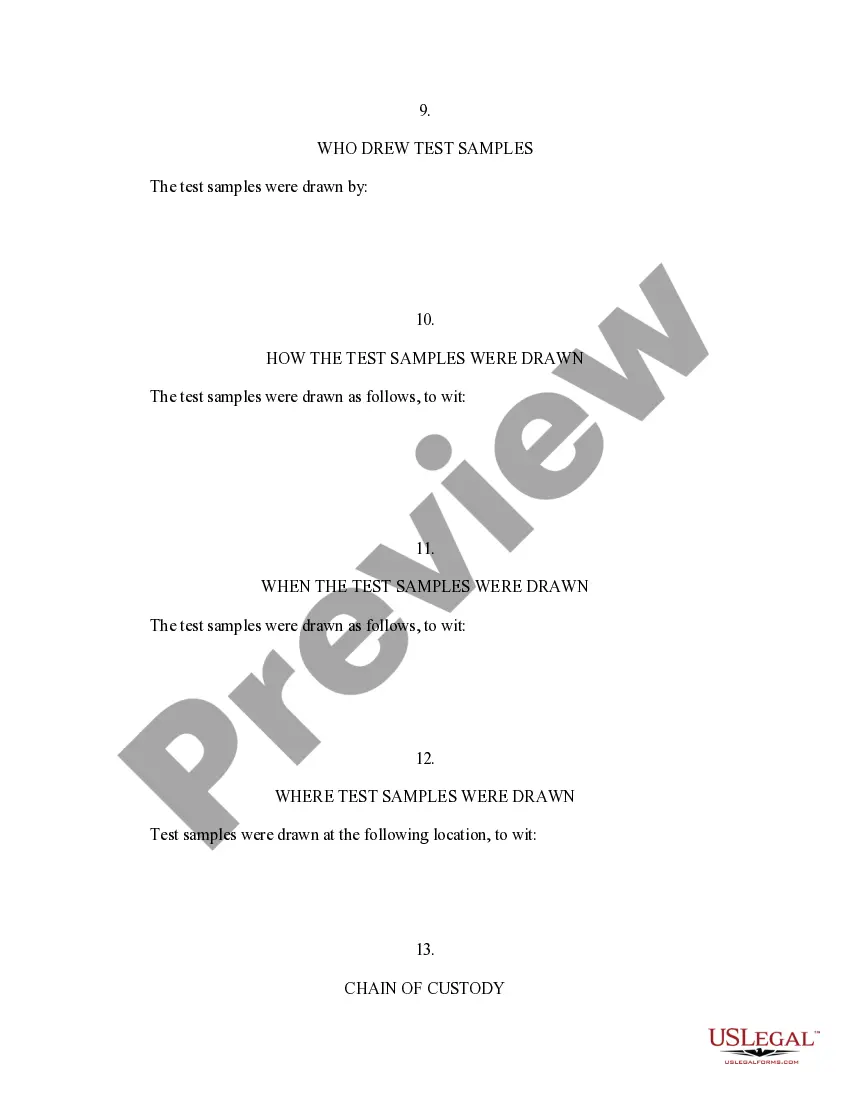
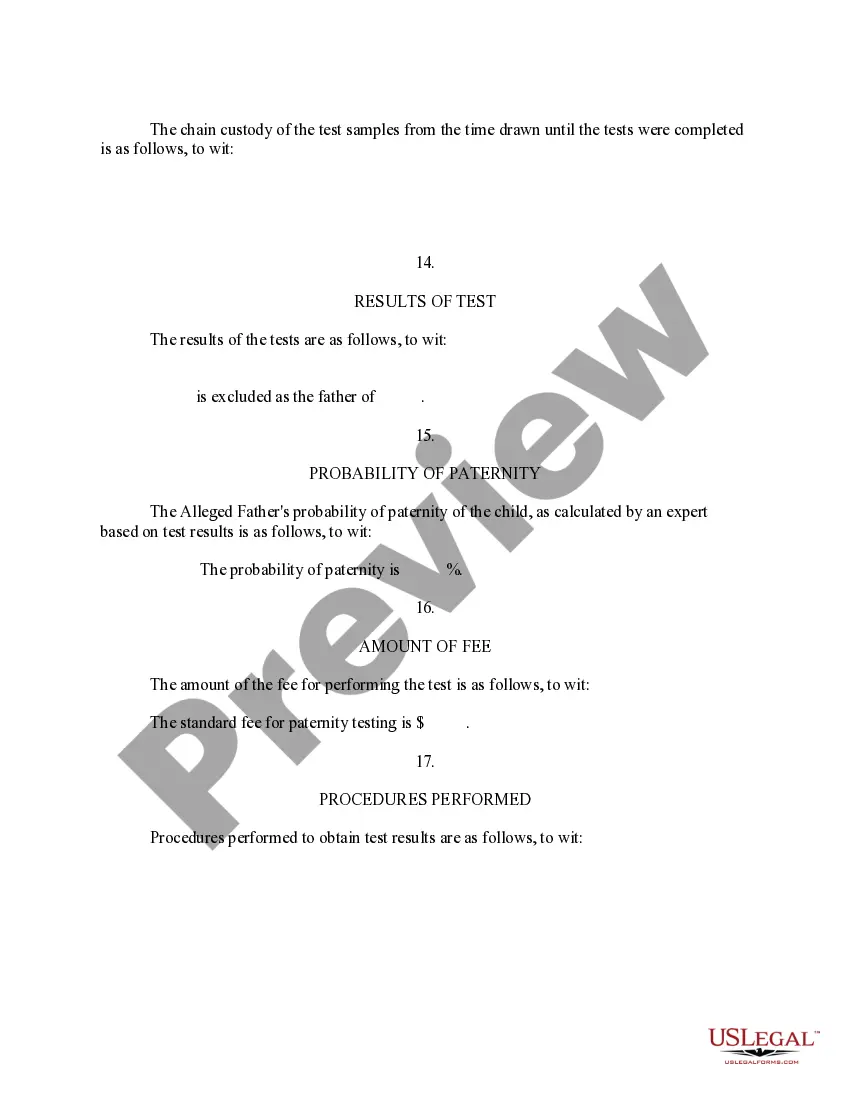
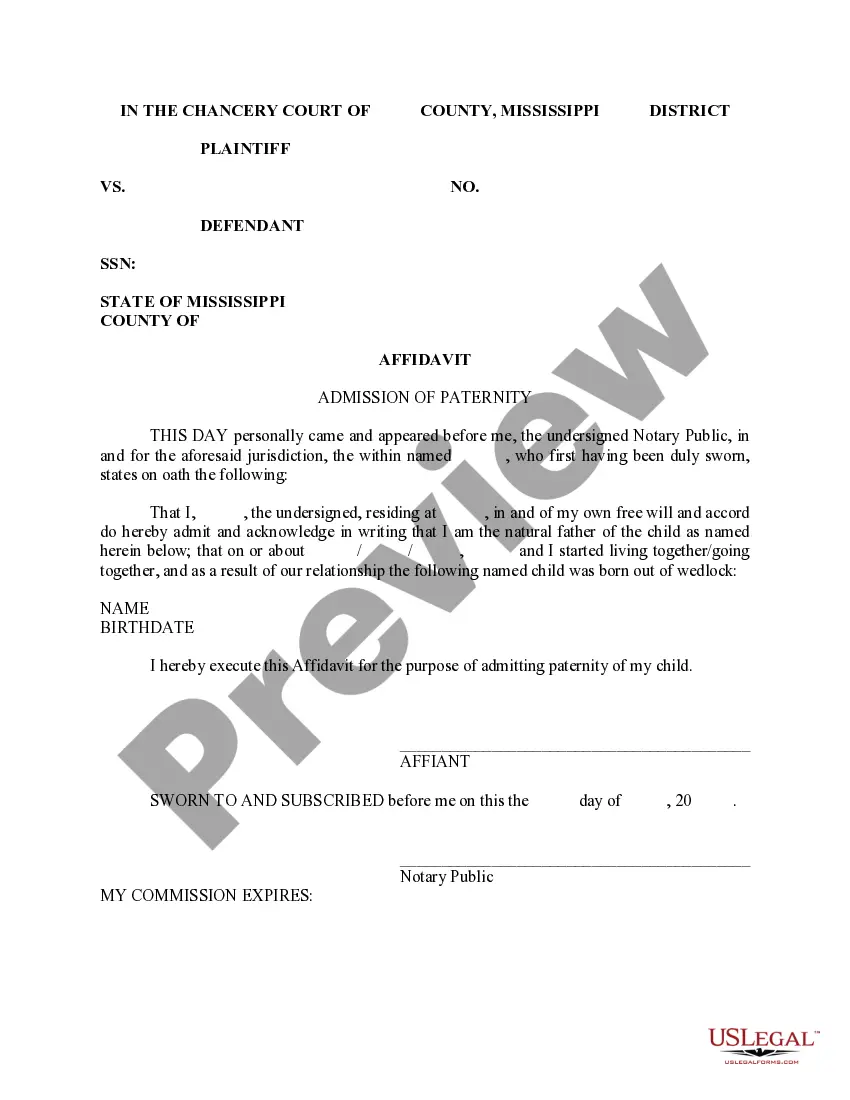
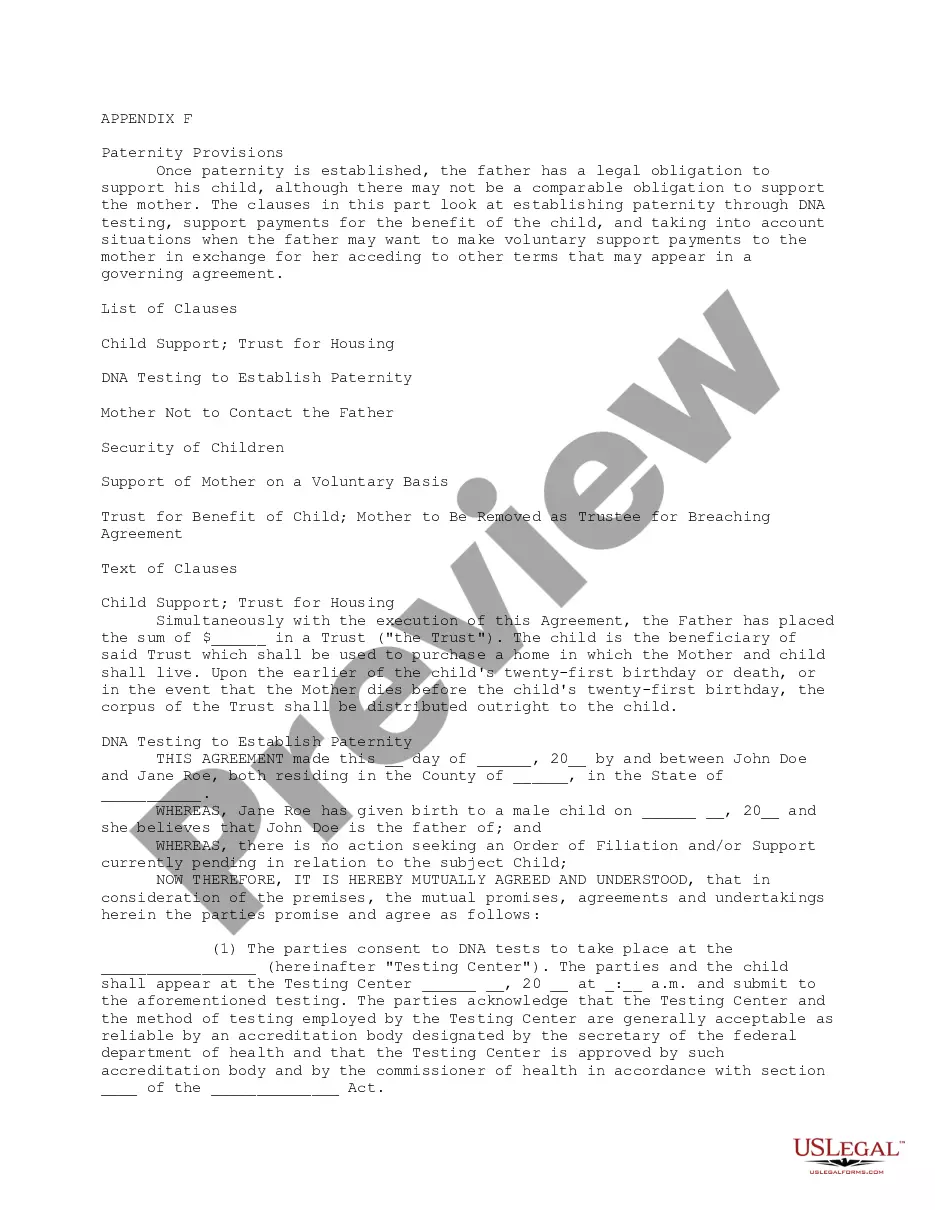
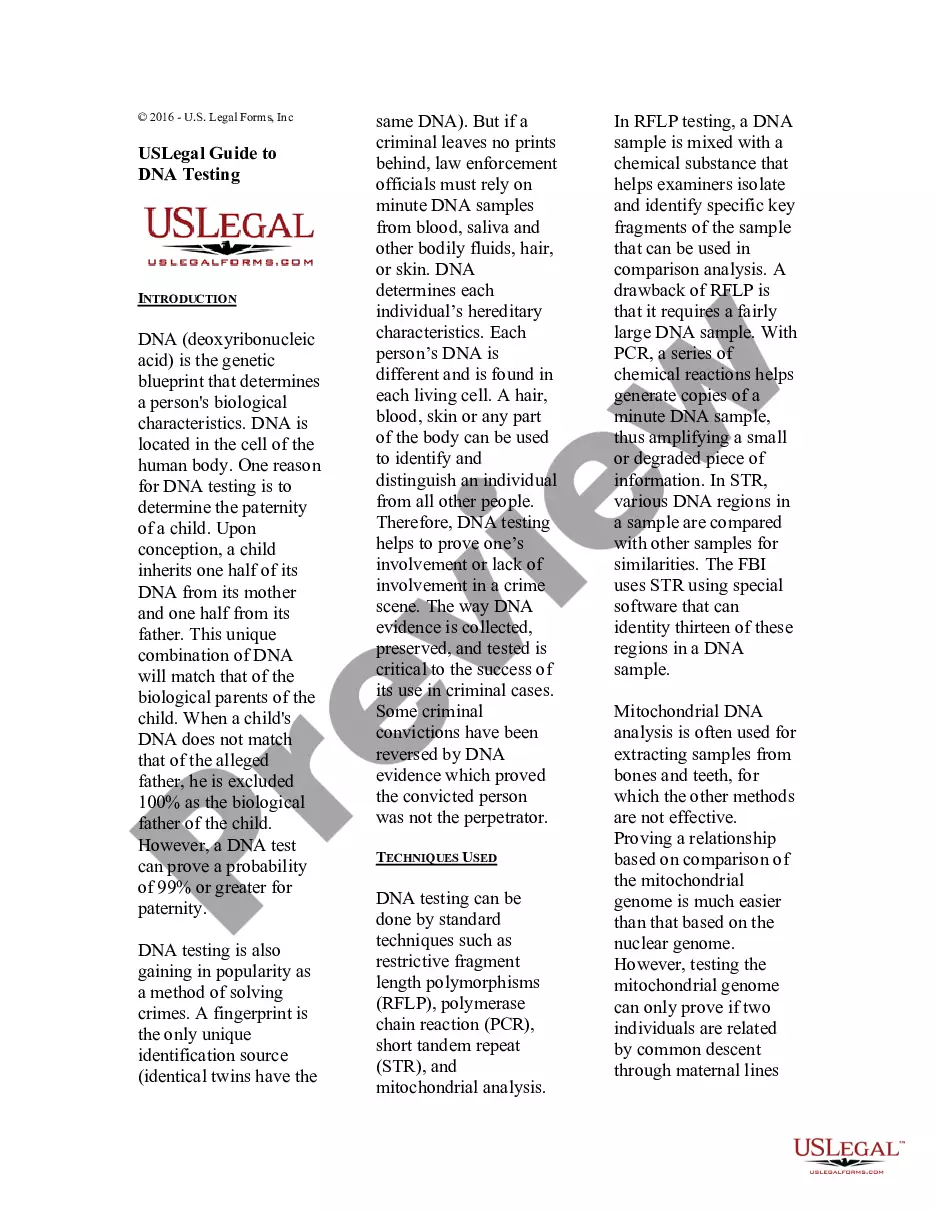
An Affidavit of Blood Testing Results is a sworn, written statement that documents the outcomes of blood tests. This legal form serves to affirm the accuracy and truthfulness of the testing results as asserted by the affiant. Unlike other affidavits, this specific template focuses solely on the verification of blood testing results, making it essential for cases where such confirmations are required. This form must be signed in the presence of a notary public to ensure its validity.
What’s included in this form
- Affiant's full name and address
- Details of the blood test conducted, including date and type
- Results of the blood test
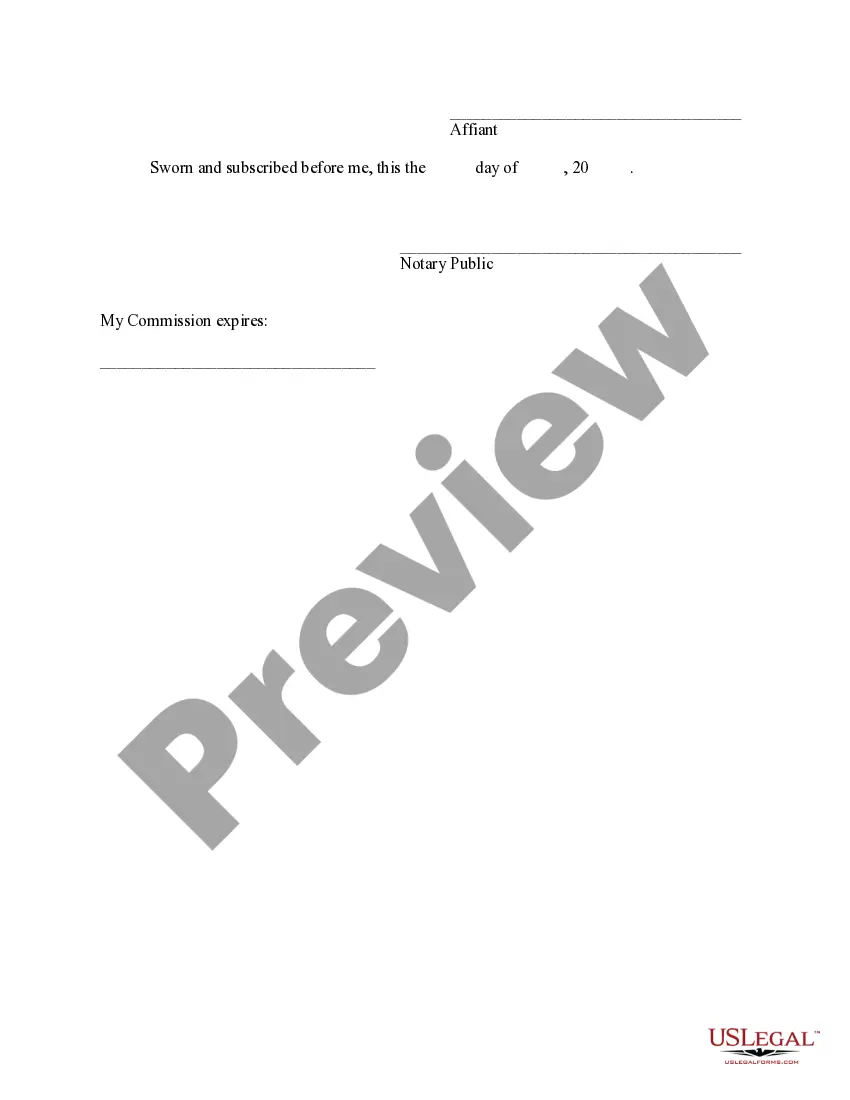
- Signature of the affiant
- Notary public's signature and stamp

Situations where this form applies
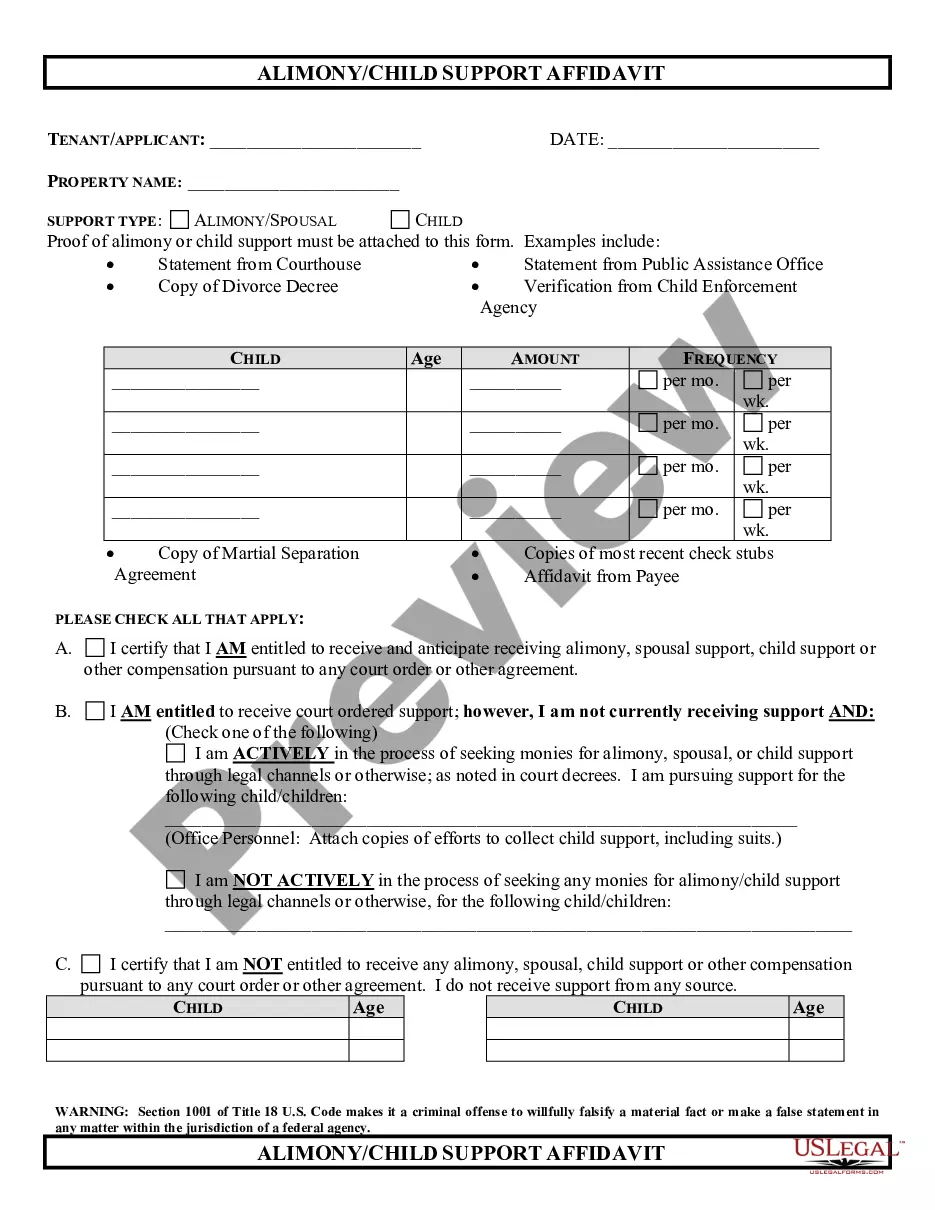
This form is necessary in various situations, such as legal proceedings where proof of blood test results is required. It is often used in paternity cases, custody disputes, or health-related legal matters. Additionally, this affidavit might be needed in employment settings where blood tests contribute to fitness evaluations for specific roles.
Who this form is for
- Individuals requiring documentation of their blood test results
- Parents involved in paternity or custody cases
- Employers needing verification of employees' medical fitness
- Legal professionals representing clients needing a formal affidavit
How to complete this form
- Identify the affiant and enter their full name and address.
- Document the type of blood test and the date it was performed.
- Clearly state the results of the blood test.
- Sign the affidavit in front of a notary public.
- Ensure the notary public signs and stamps the document to validate it.
Notarization requirements for this form
This document requires notarization to meet legal standards. US Legal Forms provides secure online notarization powered by Notarize, allowing you to complete the process through a verified video call, available 24/7.
Get your form ready online
Our built-in tools help you complete, sign, share, and store your documents in one place.
Make edits, fill in missing information, and update formatting in US Legal Forms—just like you would in MS Word.
Download a copy, print it, send it by email, or mail it via USPS—whatever works best for your next step.
Sign and collect signatures with our SignNow integration. Send to multiple recipients, set reminders, and more. Go Premium to unlock E-Sign.
If this form requires notarization, complete it online through a secure video call—no need to meet a notary in person or wait for an appointment.
We protect your documents and personal data by following strict security and privacy standards.

Make edits, fill in missing information, and update formatting in US Legal Forms—just like you would in MS Word.

Download a copy, print it, send it by email, or mail it via USPS—whatever works best for your next step.

Sign and collect signatures with our SignNow integration. Send to multiple recipients, set reminders, and more. Go Premium to unlock E-Sign.

If this form requires notarization, complete it online through a secure video call—no need to meet a notary in person or wait for an appointment.

We protect your documents and personal data by following strict security and privacy standards.
Mistakes to watch out for
- Failing to sign the affidavit in front of a notary.
- Omitting the date of the blood test.
- Not providing complete details of the blood test results.
- Using a notary who is not authorized in the relevant jurisdiction.
Why use this form online
- Convenience of downloading the form immediately.
- Editability allows for customization based on individual circumstances.
- Access to templates designed by licensed attorneys, ensuring reliability and compliance.
What to keep in mind
- The Affidavit of Blood Testing Results verifies blood test outcomes.
- This form is crucial for legal situations requiring blood test documentation.
- It must be notarized to ensure its legal standing.
- Careful completion is essential to avoid common mistakes.
Looking for another form?
Form popularity
FAQ
Yes, the FDA has issued Emergency Use Authorizations (EUAs) for different types of COVID-19 tests. Some tests are used to diagnose the virus that causes COVID-19 infection whereas other tests are used to detect a recent or prior COVID-19 infection.
The Louisiana Department of Health recommends COVID-19 testing for any patients who are experiencing symptoms such as fever, cough or shortness of breath. If you have these symptoms, contact your primary care physician for guidance.
There are two different types of tests diagnostic tests and antibody tests.
There are two different types of tests diagnostic tests and antibody tests.
Antibody or serology tests look for antibodies in your blood to determine if you had a past infection with the virus that causes COVID-19.
Antigen test results may come back in as little as 15 to 45 minutes; you may wait several days or longer for PCR test results.
COVID-19 antibody testing, also known as serology testing, is a blood test that's done to find out if you've had a past infection with SARS-CoV-2, the virus that causes coronavirus disease 2019 (COVID-19). An antibody test can't determine whether you're currently infected with the COVID-19 virus.
These tests look for the presence of antibodies, which are proteins made in response to infections. Antibodies are detected in the blood of people who are tested after infection; they show the body's efforts to fight off a specific infection.
Most tests to diagnose COVID-19 require a swab of your nose, or the part of the throat behind the nose, by a health care provider. A few tests use saliva (spit) or other types of collection methods. For most tests, the swab or sample must be sent to a lab for analysis.