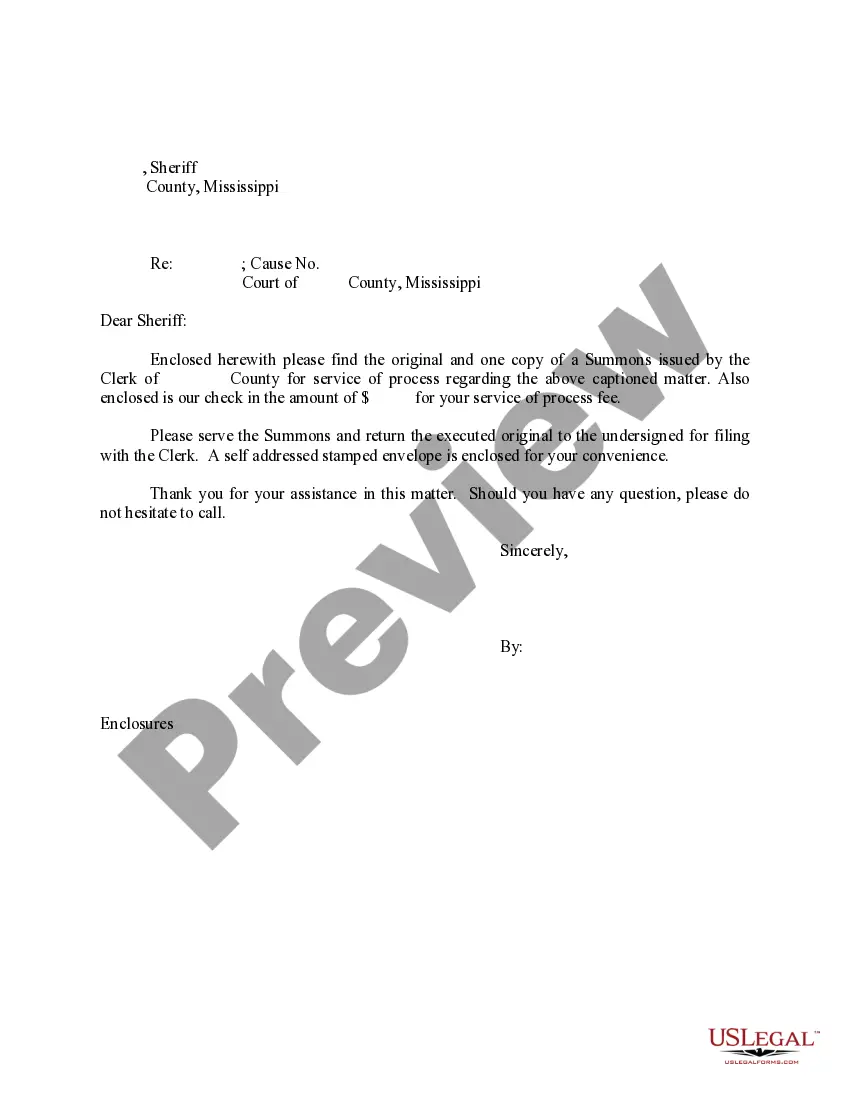
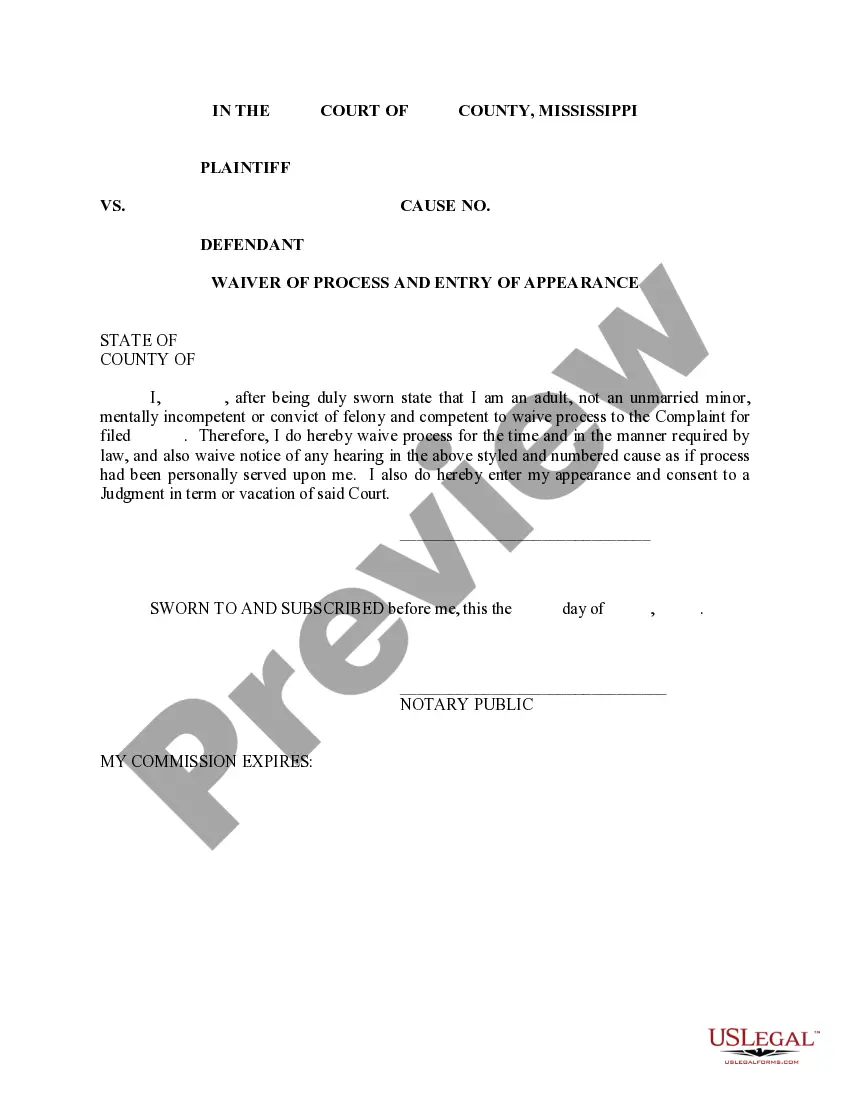
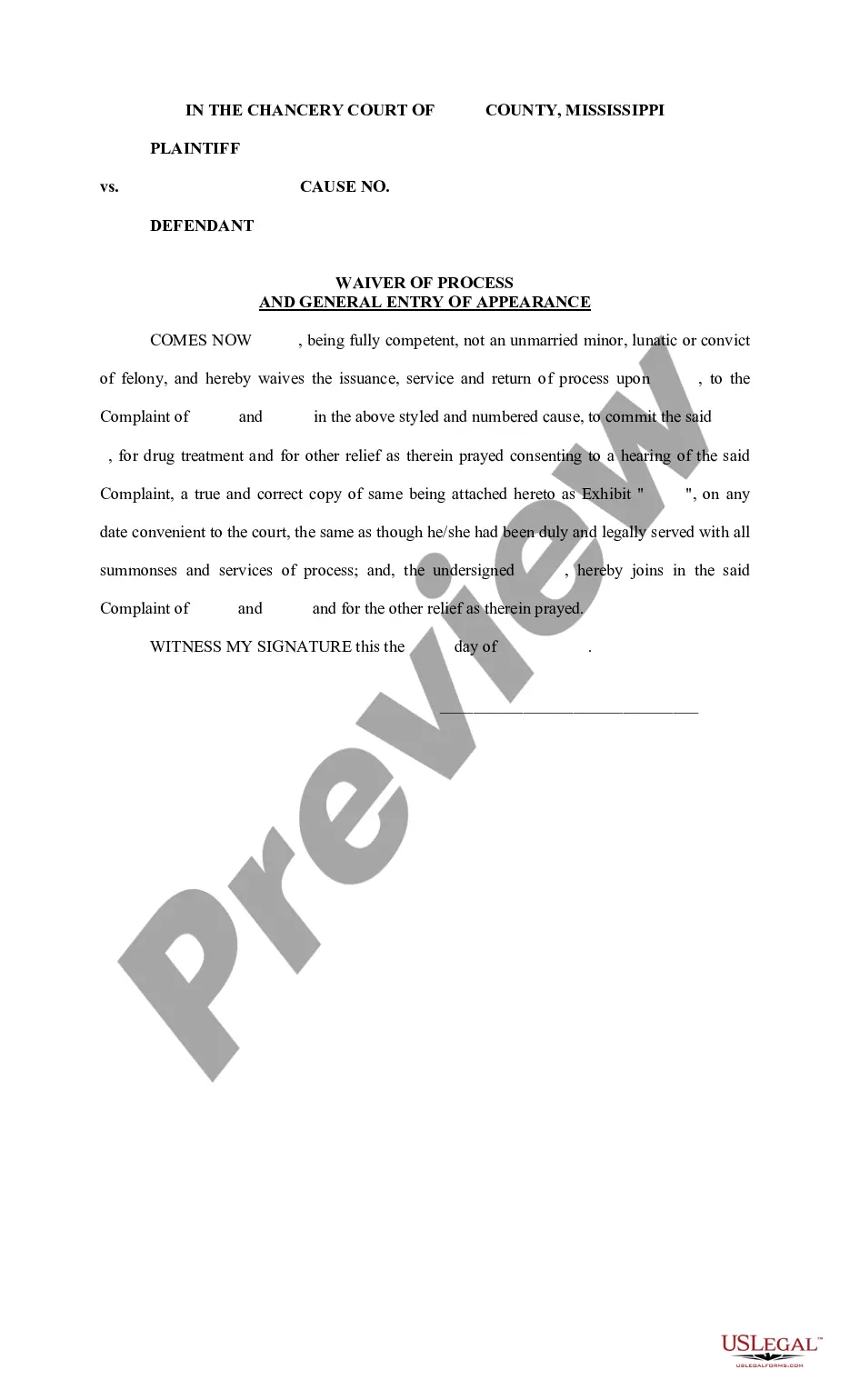
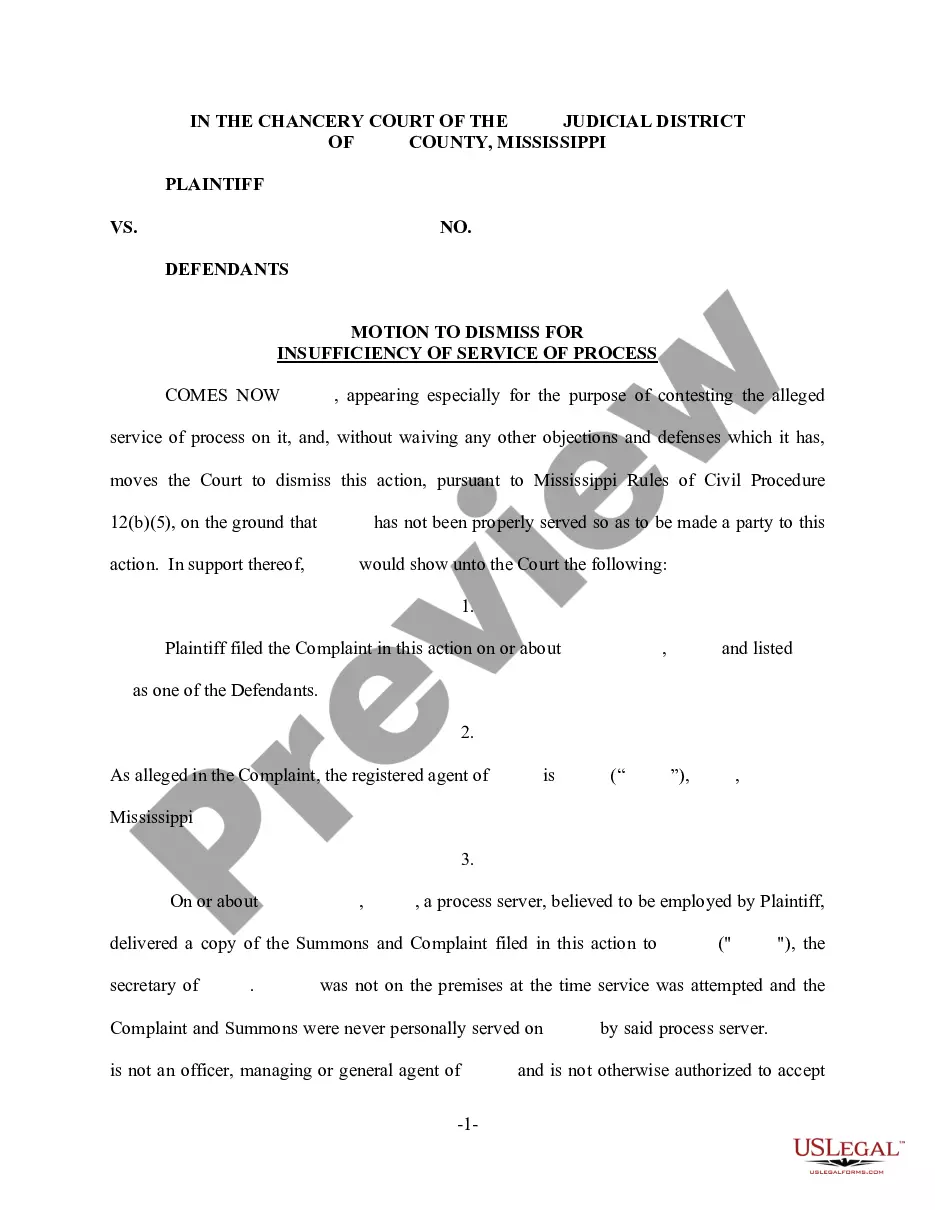
North Dakota Letter from Tenant to Landlord containing Notice to landlord to cease retaliatory threats to evict or retaliatory eviction
About this form
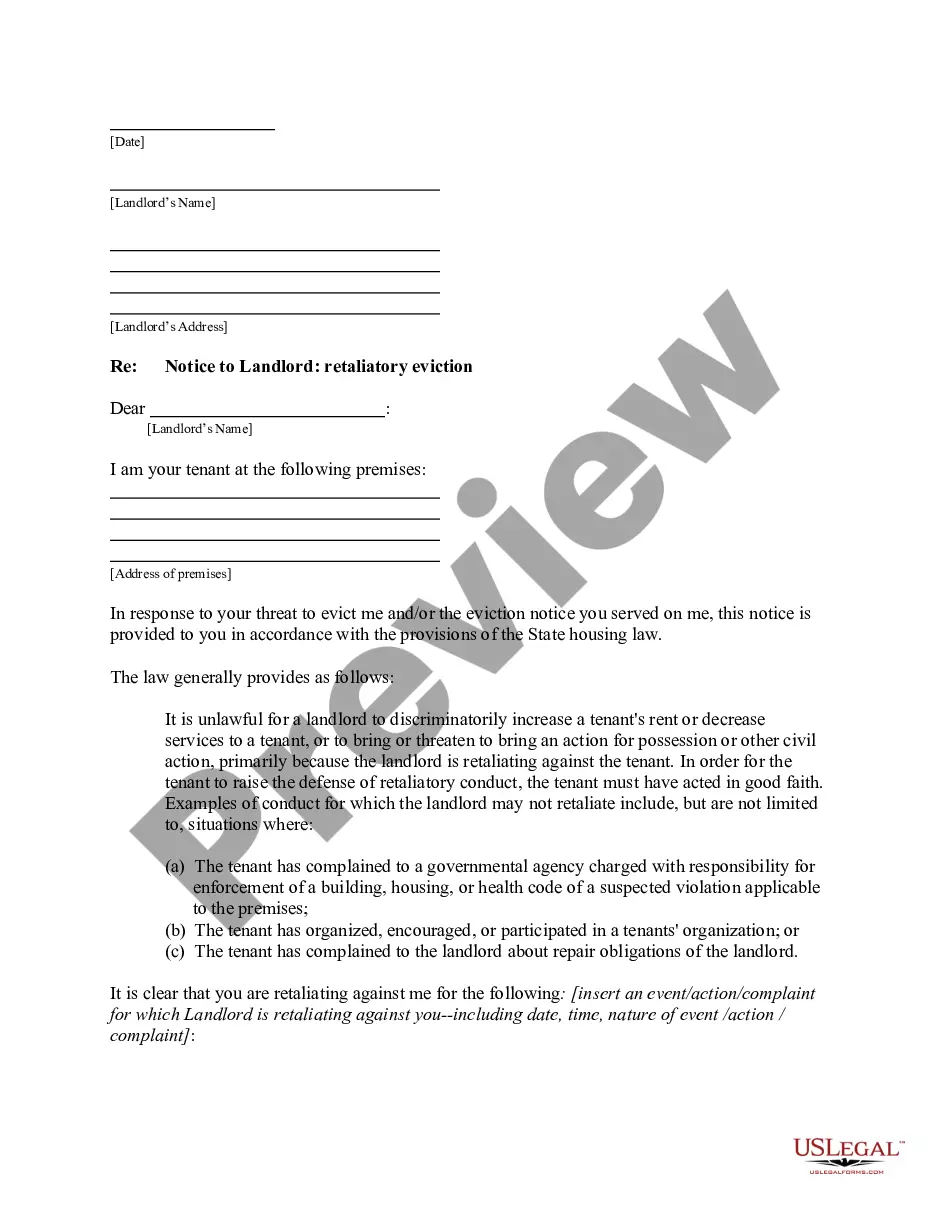
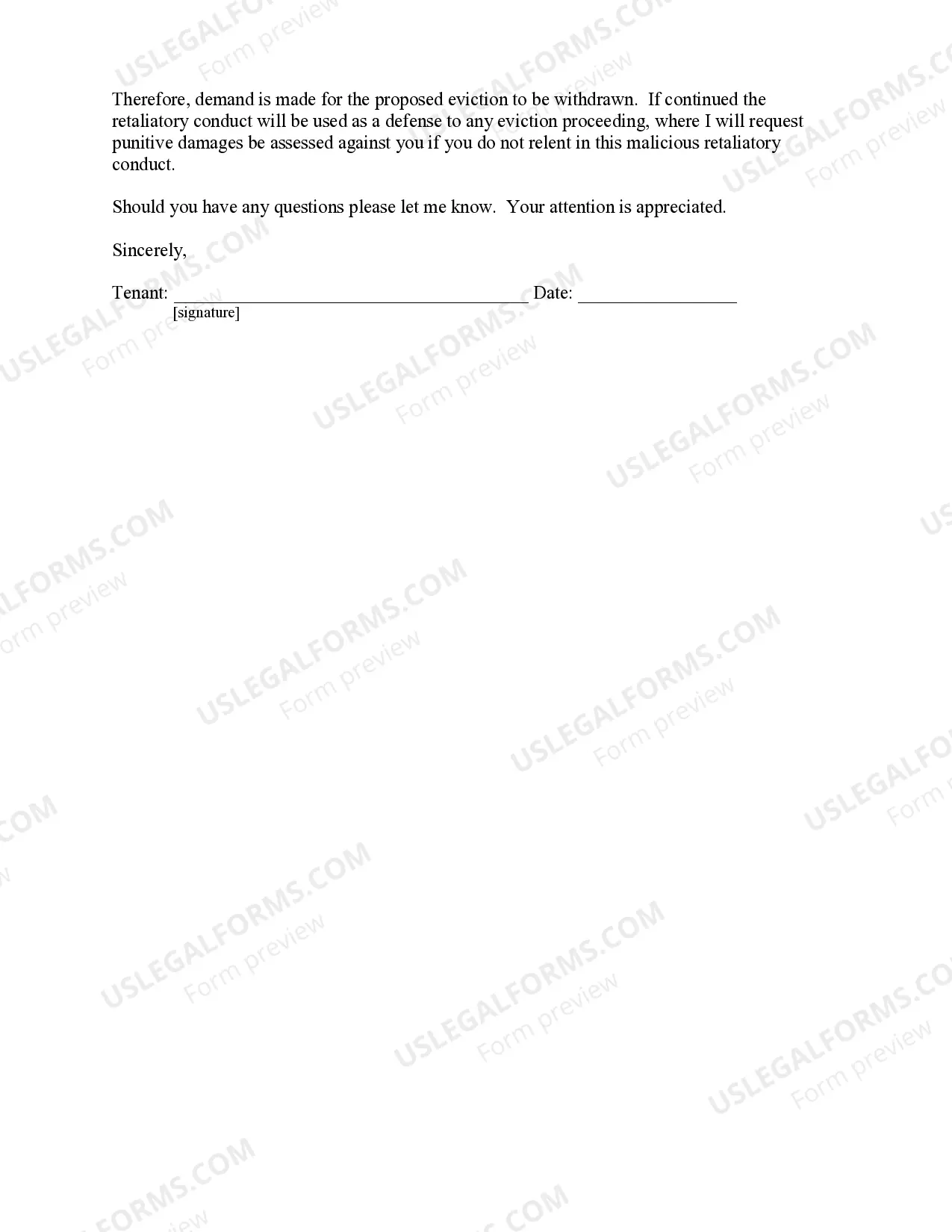
This form is a letter from a tenant to a landlord that contains a notice to cease retaliatory threats of eviction. It is specifically used when a tenant believes that the landlord's eviction threat is retaliatory due to actions taken by the tenant, such as filing complaints about unsafe living conditions. By utilizing this form, tenants can formally address the landlord's behavior while asserting their rights under housing laws that protect them from retaliatory eviction practices.
Key components of this form
- Tenant's information: Name and address of the tenant issuing the notice.
- Landlord's information: Name and address of the landlord receiving the notice.
- Date of the notice: The date when the notice is delivered to the landlord.
- Statement of retaliatory threat: Details regarding the landlord's threats or actions perceived as retaliatory.
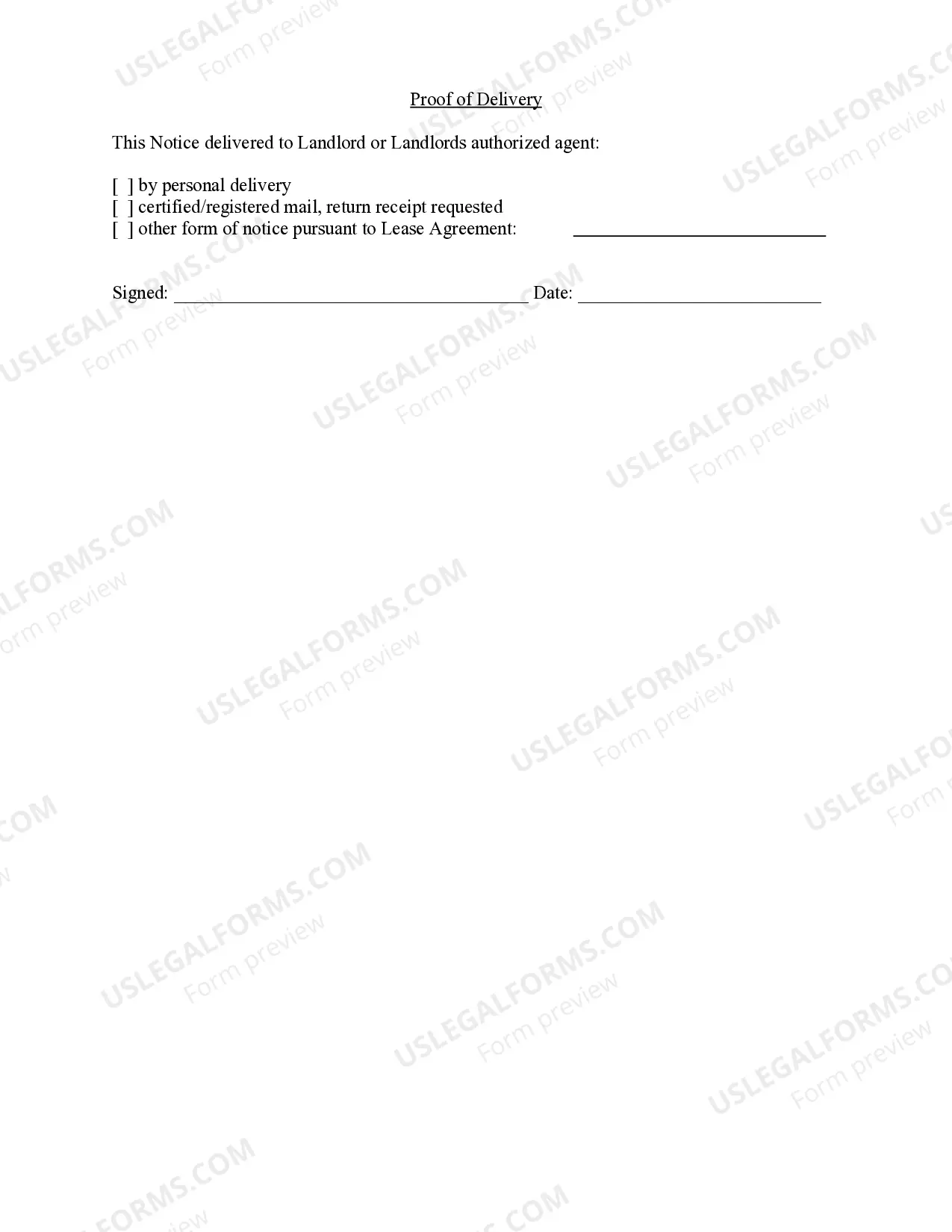
- Proof of delivery section: Method of delivery confirmation to the landlord.

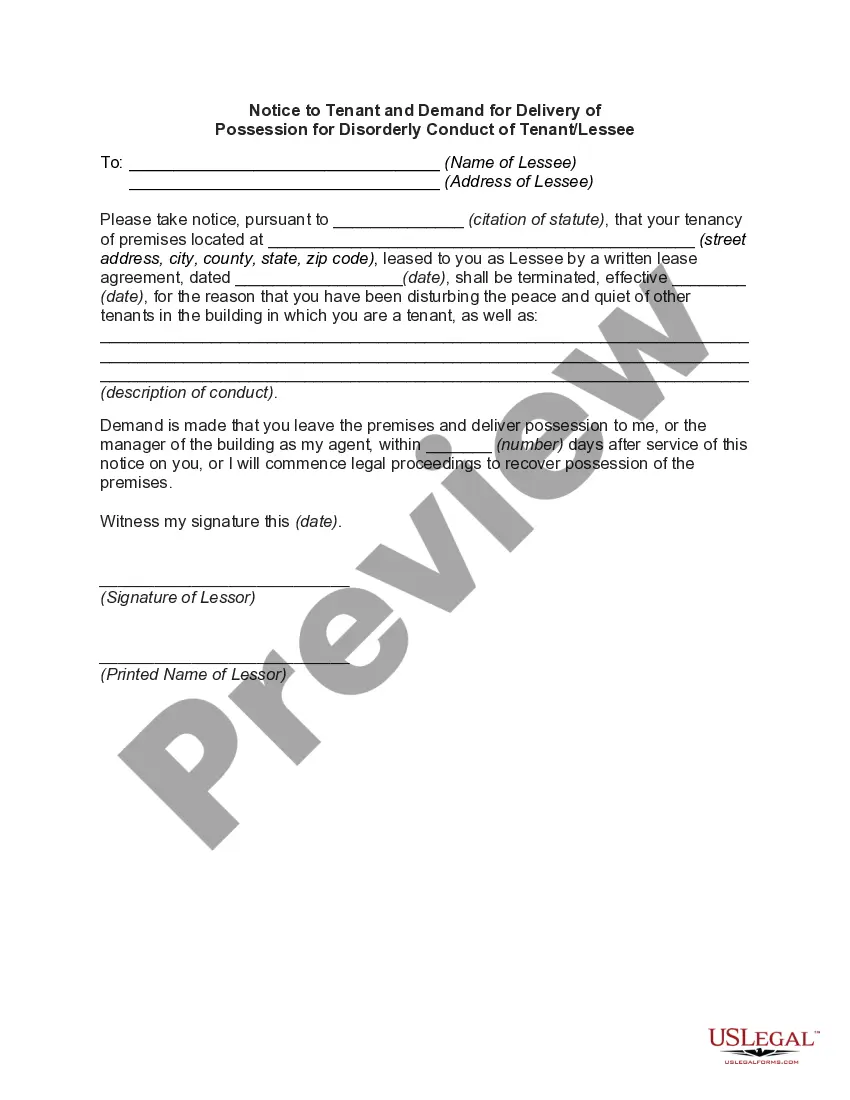
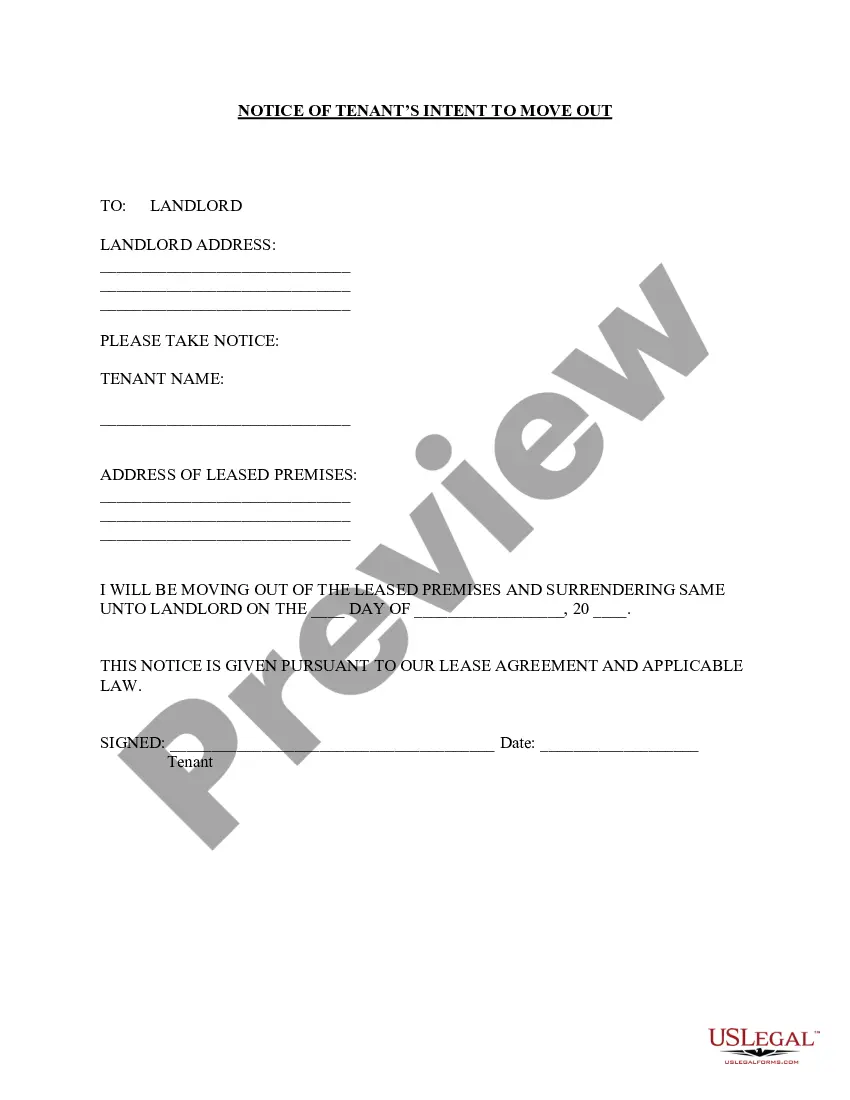


When this form is needed
This form should be used when a tenant faces threats of eviction from a landlord that the tenant believes are in retaliation for protected activities, such as requesting repairs, filing a complaint related to housing conditions, or being part of a tenant organization. It is an important step for tenants to assert their rights and communicate with their landlord formally regarding these retaliatory actions.
Who this form is for
- Tenant experiencing threats of eviction from their landlord.
- Individuals who have made complaints about housing conditions or engaged in tenant advocacy.
- Tenant organizations working on behalf of individuals facing retaliation from landlords.
Completing this form step by step
- Identify the parties: Fill in your name and contact information as the tenant, and the landlord's name and address.
- Detail the claim: Clearly describe the retaliatory threats made by the landlord.
- Include the date: Specify the date on which the notice is being delivered.
- Sign the notice: Provide your signature to formalize the document.
- Deliver the notice: Use the designated method of delivery to send this notice to the landlord, ensuring proof of delivery is kept.
Notarization guidance
This form does not typically require notarization to be legally valid. However, some jurisdictions or document types may still require it. US Legal Forms provides secure online notarization powered by Notarize, available 24/7 for added convenience.
Get your form ready online
Our built-in tools help you complete, sign, share, and store your documents in one place.
Make edits, fill in missing information, and update formatting in US Legal Forms—just like you would in MS Word.
Download a copy, print it, send it by email, or mail it via USPS—whatever works best for your next step.
Sign and collect signatures with our SignNow integration. Send to multiple recipients, set reminders, and more. Go Premium to unlock E-Sign.
If this form requires notarization, complete it online through a secure video call—no need to meet a notary in person or wait for an appointment.
We protect your documents and personal data by following strict security and privacy standards.

Make edits, fill in missing information, and update formatting in US Legal Forms—just like you would in MS Word.

Download a copy, print it, send it by email, or mail it via USPS—whatever works best for your next step.

Sign and collect signatures with our SignNow integration. Send to multiple recipients, set reminders, and more. Go Premium to unlock E-Sign.

If this form requires notarization, complete it online through a secure video call—no need to meet a notary in person or wait for an appointment.

We protect your documents and personal data by following strict security and privacy standards.
Common mistakes
- Failing to include the landlord's correct contact information.
- Not detailing the specific actions that prompted the retaliation.
- Forgetting to sign the notice before delivery.
- Using vague language that does not clearly assert the claim of retaliation.
Benefits of using this form online
- Convenience: Easily download and fill out the form at your own pace.
- Editability: Customize the document to suit your specific situation.
- Reliability: Access templates that are professionally drafted to meet legal standards.
Legal use & context
- Initiating a formal request to cease retaliatory actions legally protects tenants.
- Documentation serves as evidence if legal action becomes necessary.
- Understanding tenant rights enhances awareness about housing laws and regulations.
Main things to remember
- This form is crucial for tenants facing retaliation from landlords regarding eviction threats.
- Completing the form accurately ensures tenants assert their rights effectively.
- Using this form can help prevent unlawful eviction actions legally and professionally.
Looking for another form?
Form popularity
FAQ
For some grounds (reasons) for eviction, before the landlord can start the eviction process in North Dakota district court, the landlord is required to serve (deliver) a 3-day notice of intention to evict to you. A 3-day notice of intention to evict is a document that gives you notice the landlord intends to evict you.
Unlawful North Dakota Eviction A tenant can be evicted during the winter months for nonpayment of rent or for other material violations of the lease agreement.
Yes, the landlord can give you a hand-written notice to terminate your tenancy. There is no rule that it needs to be typed.
A landlord cannot legally evict you without a court order, whether or not you have a lease.) How long does it take for a landlord to evict a tenant? A landlord can evict a tenant only by going through a formal eviction proceeding, which can take a few weeks from start to finish.
For some grounds (reasons) for eviction, before the landlord can start the eviction process in North Dakota district court, the landlord is required to serve (deliver) a 3-day notice of intention to evict to you. A 3-day notice of intention to evict is a document that gives you notice the landlord intends to evict you.
Legally Removing People. Send a certified letter asking them to leave in 30 days or less. While a house guest is not technically a tenant, certain tenant-landlord laws still apply to the relationship if they've been with your for more than 30 days. Talk to an attorney who will help you draft and send an eviction notice
Yes. A tenant can be evicted at any time of year as long as the landlord has grounds to evict under the Residential Tenancies Act.
If tenants are refusing to vacate, you must apply to the NSW Civil and Administrative Tribunal for a possession order within 30 days of the 'date to vacate' specified in your termination notice. The Tribunal will then make a decision, based on the evidence you and the tenant present at the hearing.