North Dakota Pre-Incorporation Agreement, Shareholders Agreement and Confidentiality Agreement
What is this form?
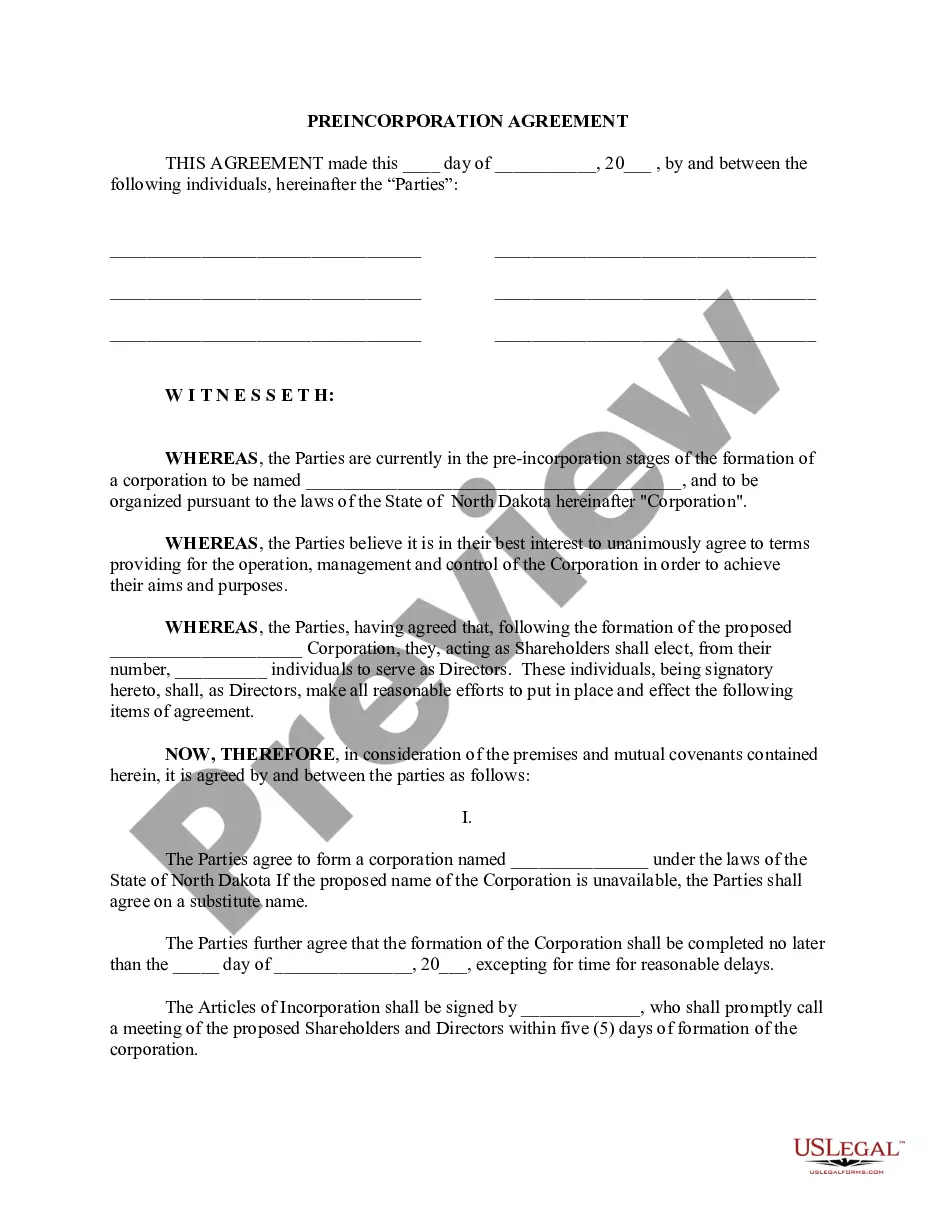
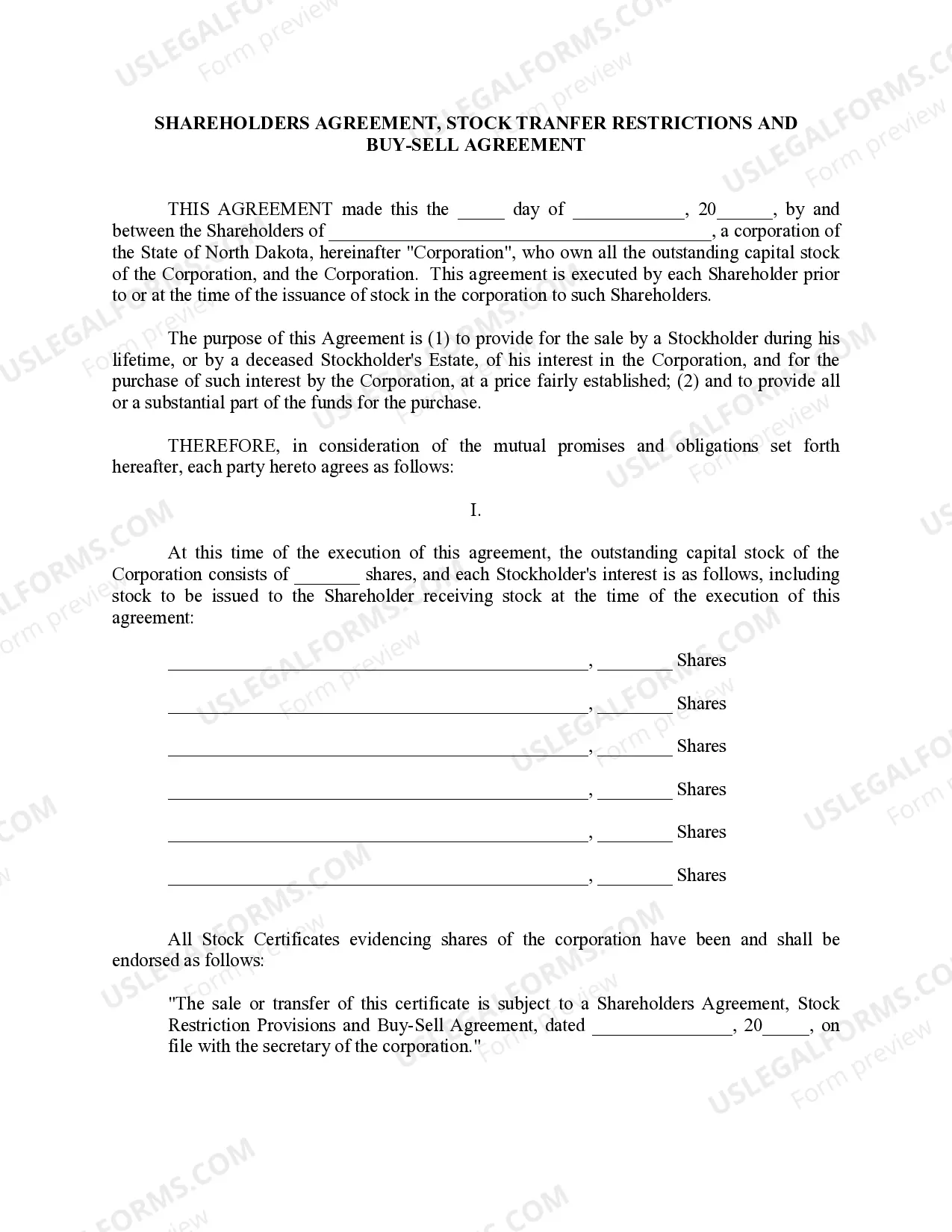
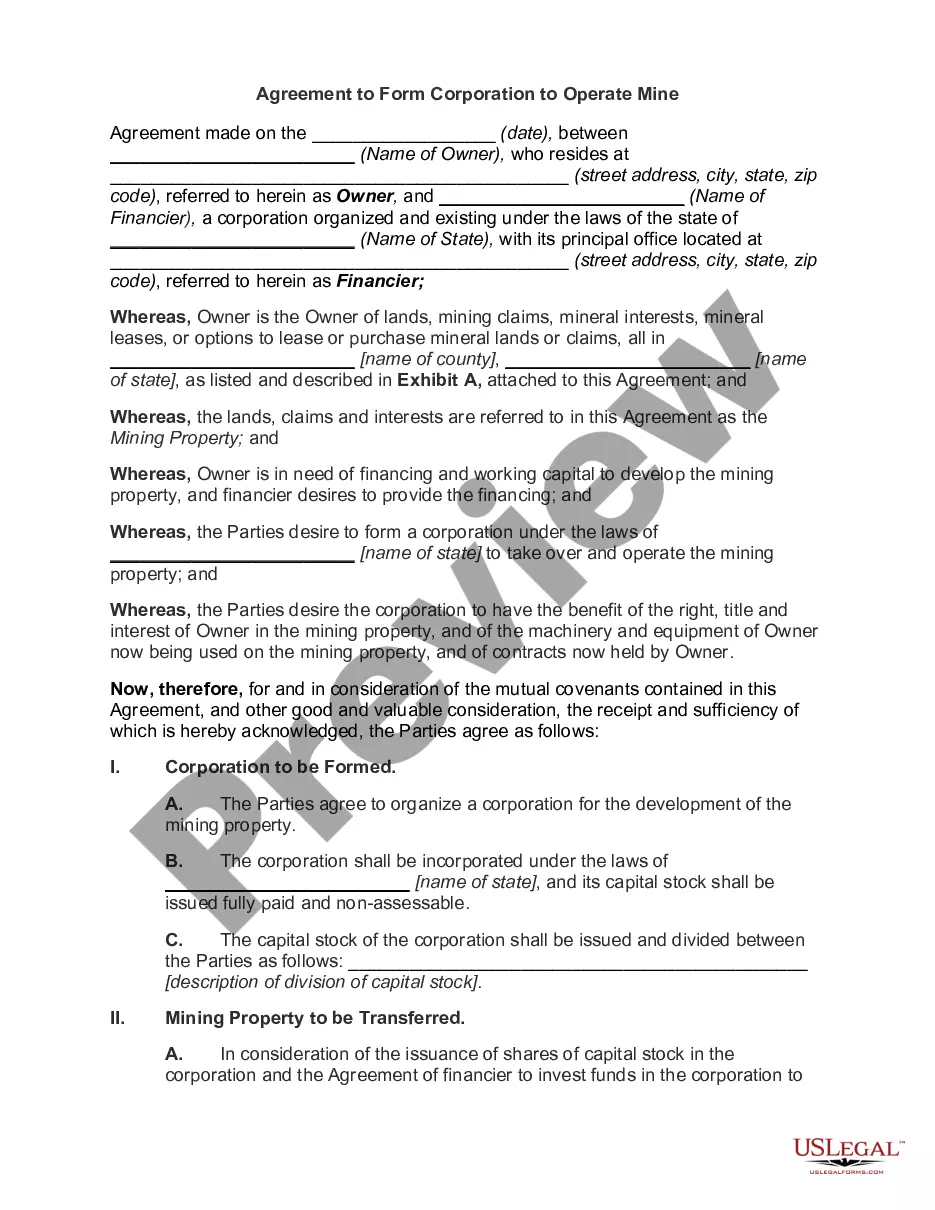
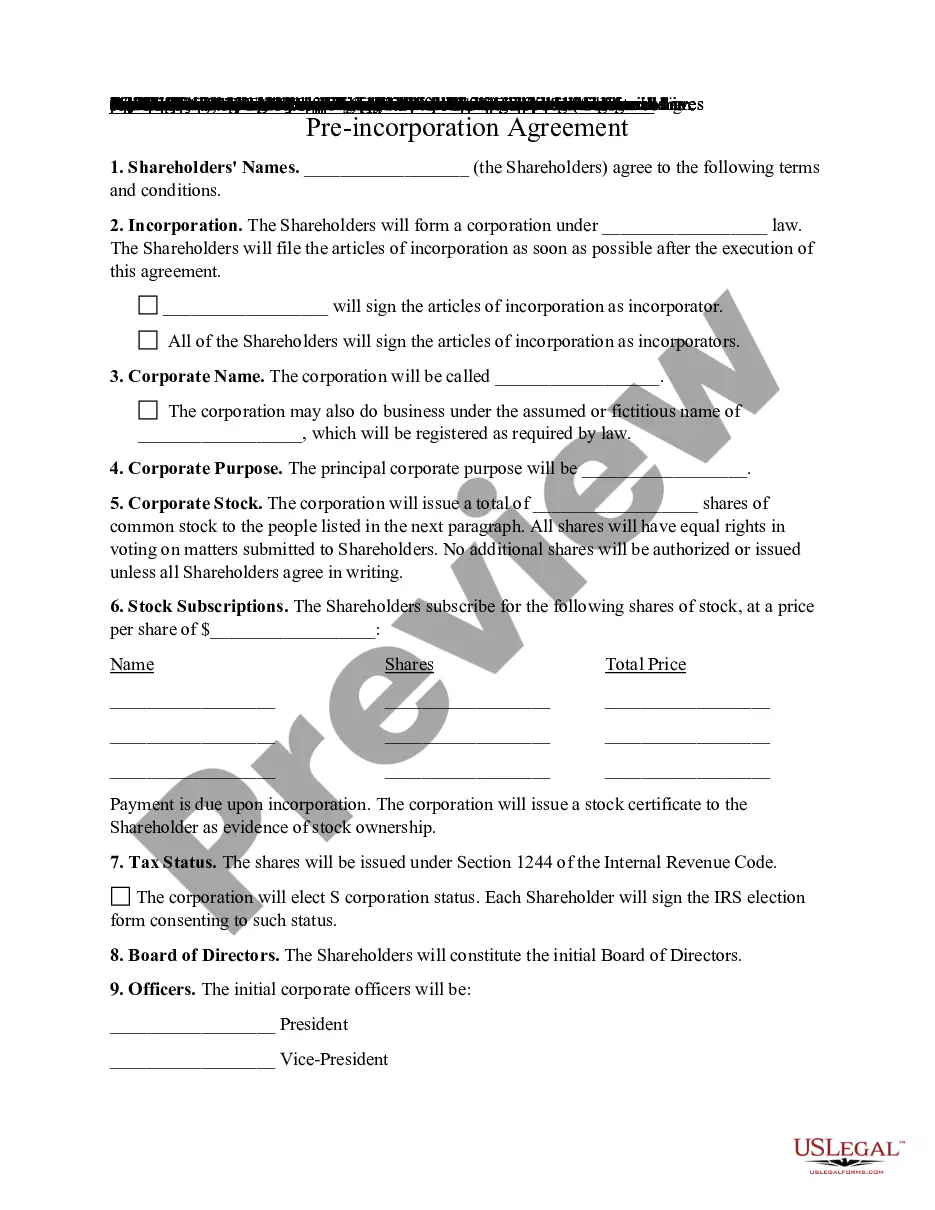
The North Dakota Pre-Incorporation Agreement, Shareholders Agreement, and Confidentiality Agreement is a comprehensive package of legal documents designed specifically for individuals forming a corporation in North Dakota. This set of agreements outlines the operational structure of the corporation, the roles and responsibilities of its shareholders, and protocols for maintaining confidentiality. Unlike other corporate formation documents, this package not only establishes the corporate entity but also details how shares are managed and how private information should be handled, ensuring clear guidelines for all parties involved.
Form components explained
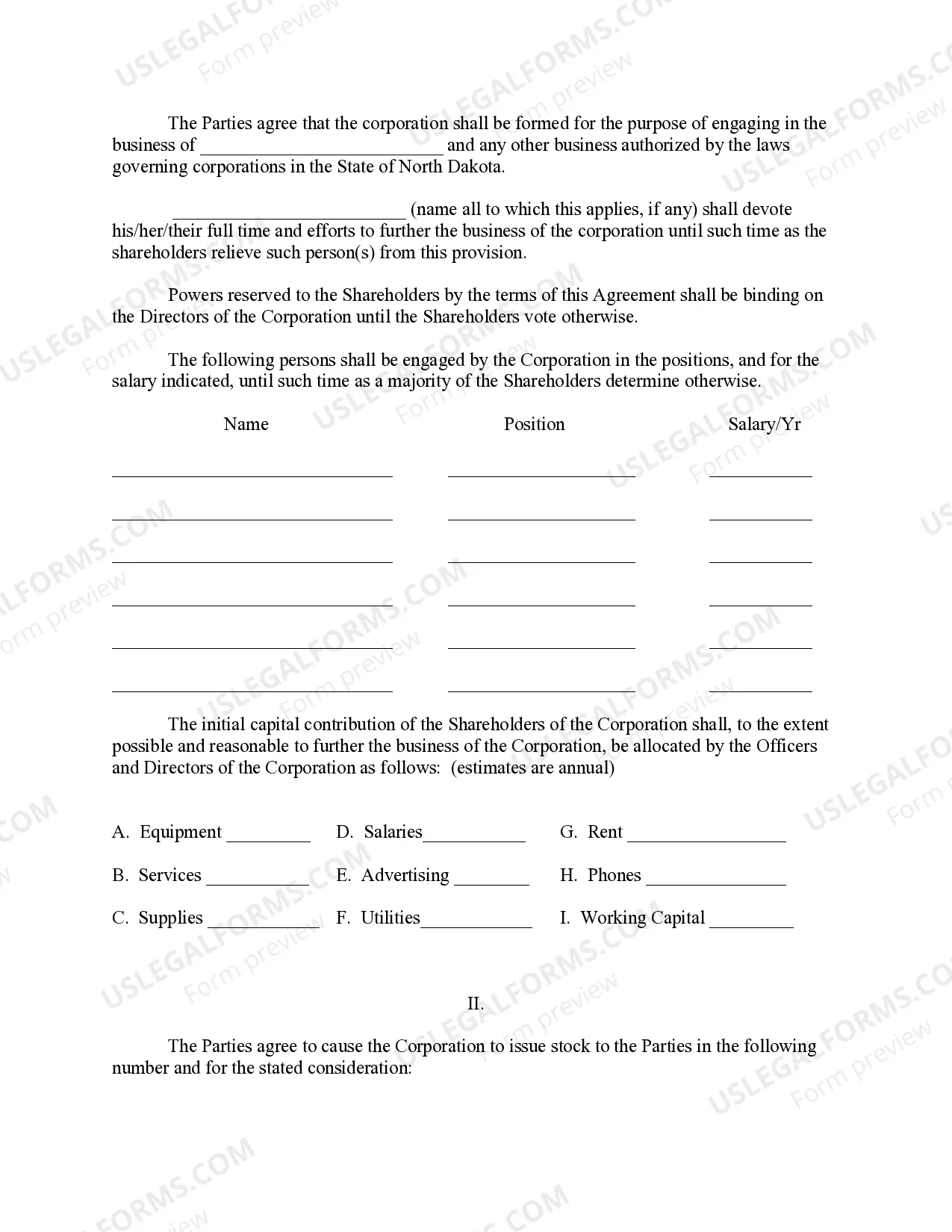
- Pre-incorporation agreement outlining the management and operational structure of the corporation.
- Shareholders Agreement detailing the procedures for buying shares from a deceased shareholder or those wishing to sell.
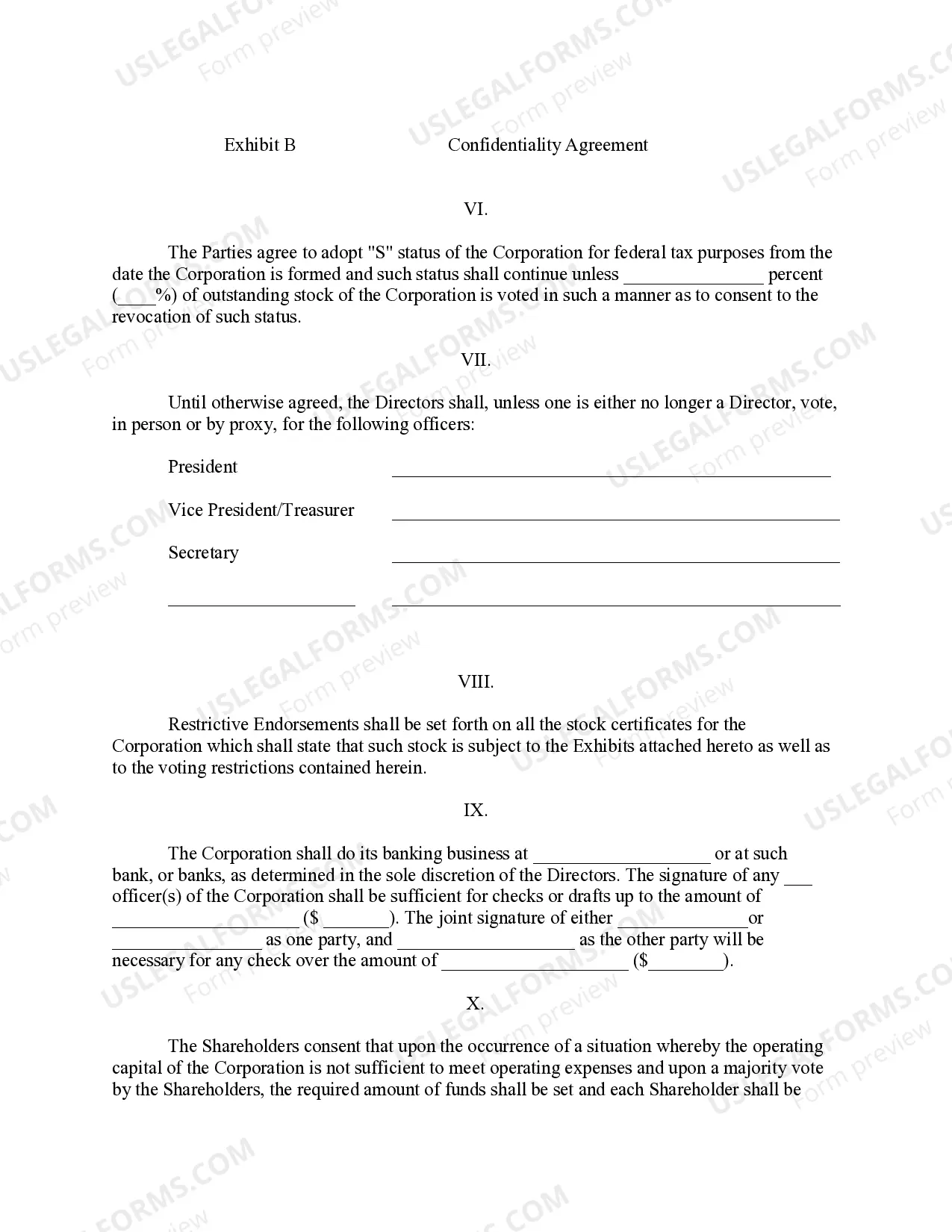
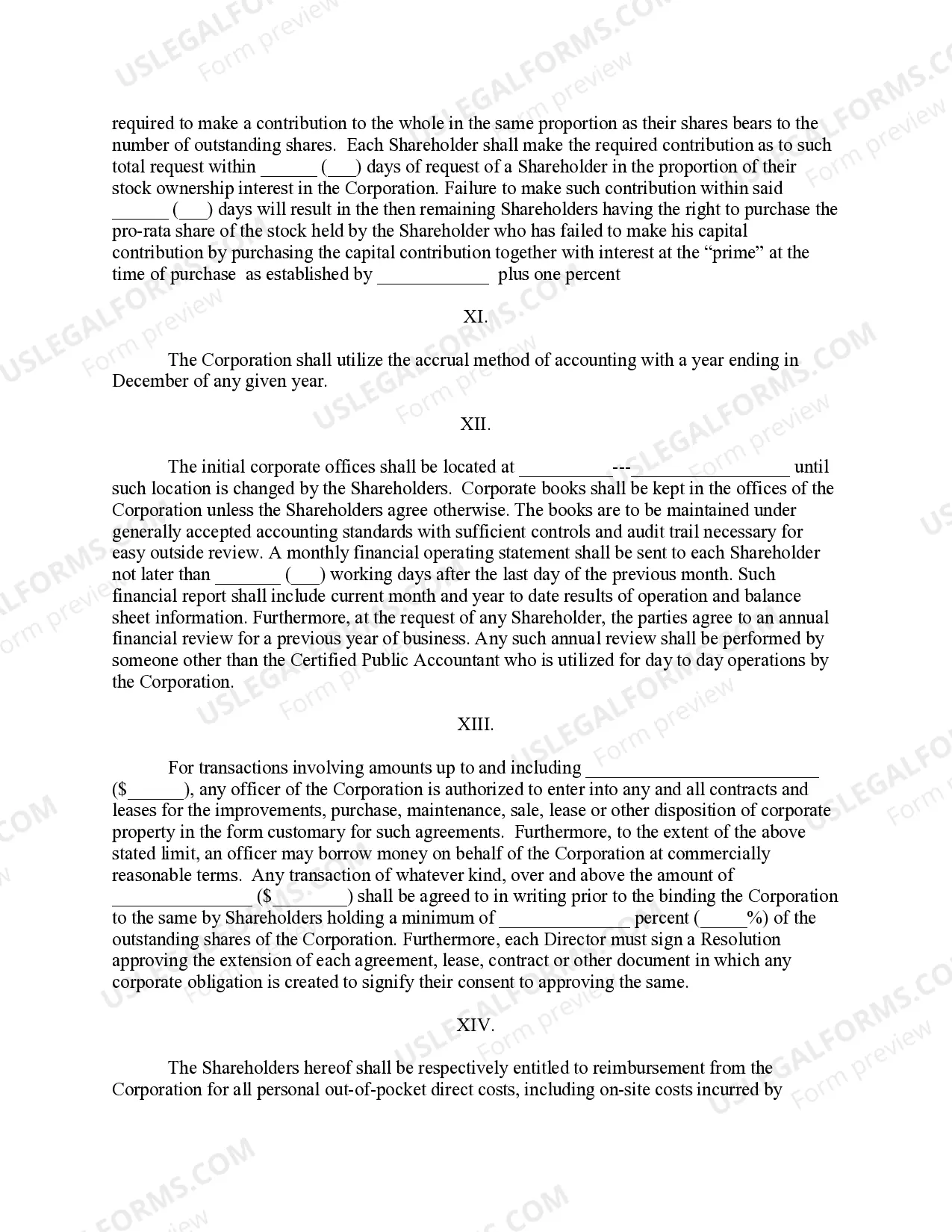
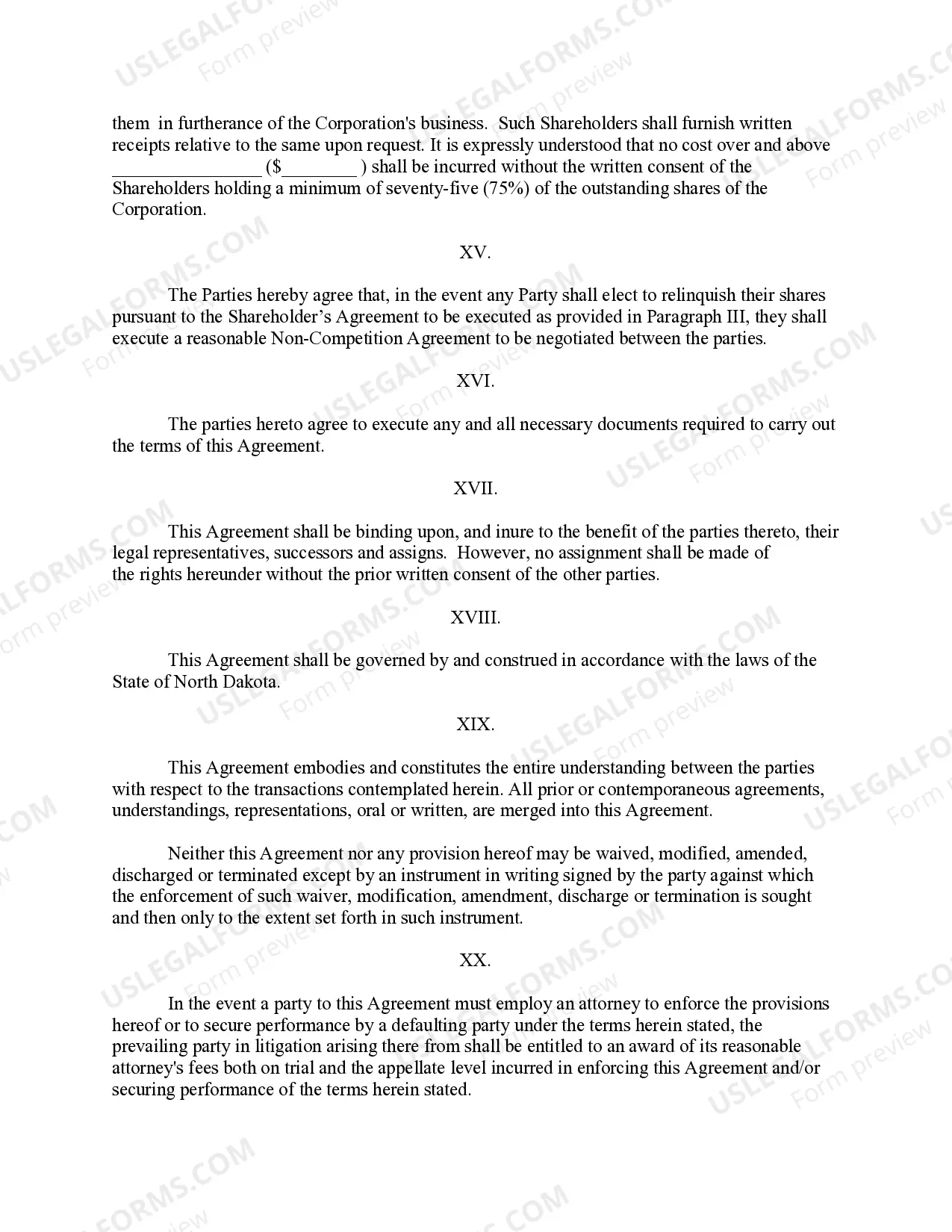
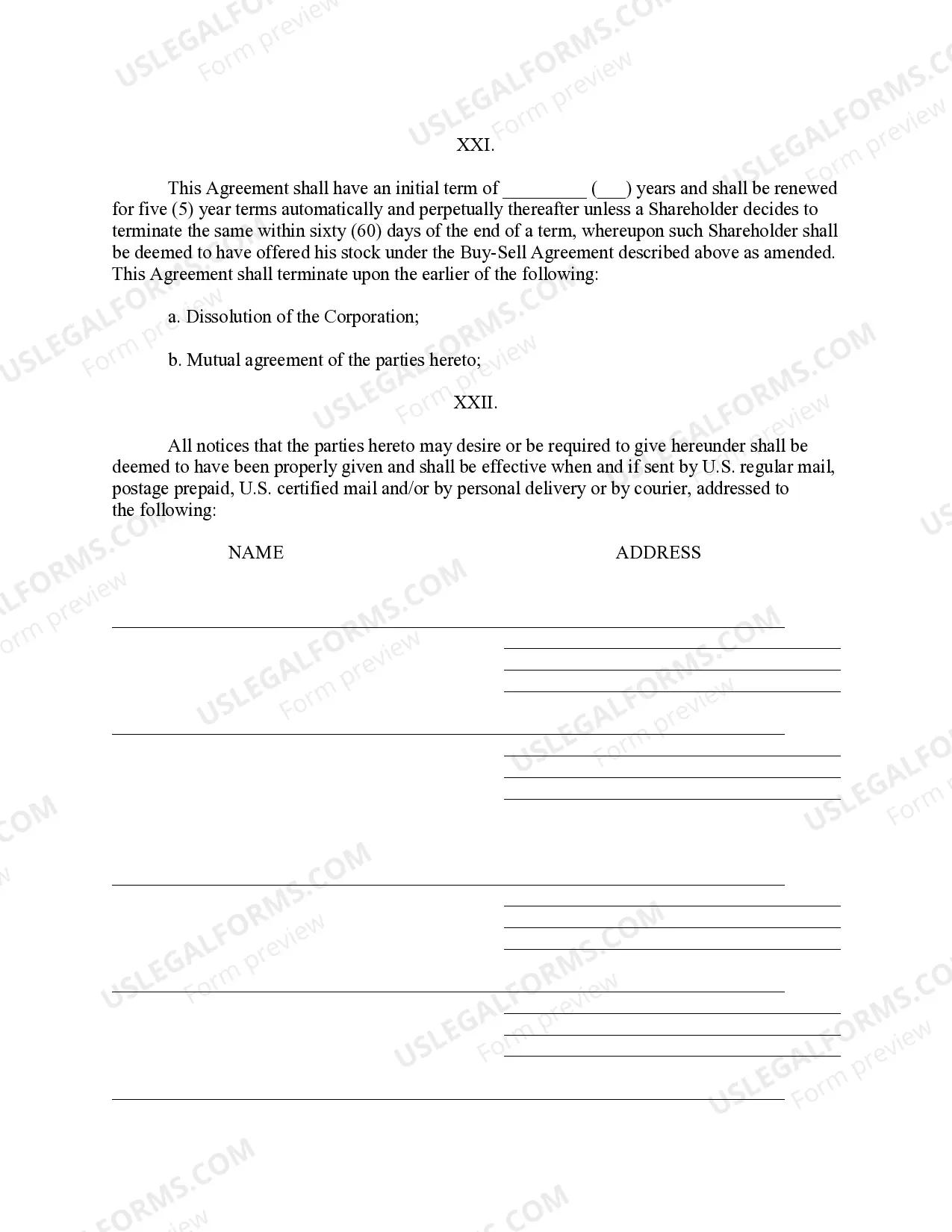
- Confidentiality Agreement ensuring that corporate sensitive information is kept secure among shareholders.
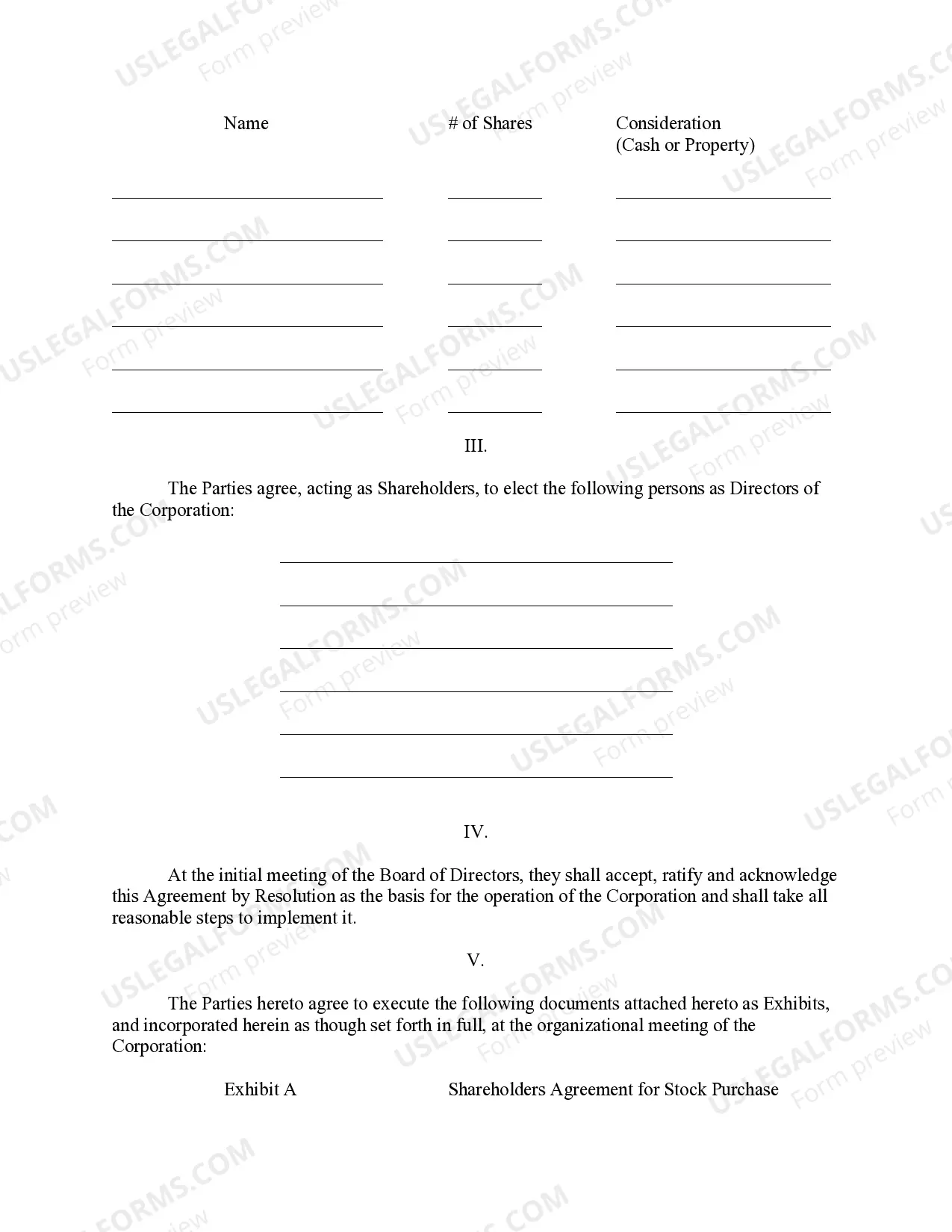
- Clauses for capital contributions, stock issuance, and management roles.
- Provisions for addressing conflicts and defining terms for shareholder contributions during financial shortfalls.


When this form is needed
This form is used in the pre-incorporation phase when multiple individuals plan to establish a corporation. It is beneficial when the founding members wish to outline the framework for how the corporation will operate, specify management roles, manage shareholder interests, and protect sensitive corporate information from unauthorized disclosure. Additionally, this form is crucial when there are concerns about the transfer of shares due to death or voluntary sale, ensuring a transparent process for all shareholders.
Who can use this document
This legal package is suitable for:
- Individuals who are starting a corporation in North Dakota.
- Founders who want to clarify roles and responsibilities among shareholders before formal incorporation.
- Shareholders seeking to establish agreements regarding the purchase and transfer of shares.
- Business partners wishing to ensure confidentiality regarding corporate matters.
How to prepare this document
To complete this form package, follow these steps:
- Identify the parties involved in the agreement and include their names and contact information.
- Decide on the proposed name of the corporation and verify its availability in North Dakota.
- Clearly define the roles of officers and directors, as well as their respective salaries.
- Outline the procedures for the issuance of stock and specify capital contributions to the corporation.
- Agree on the confidentiality terms and ensure all shareholders sign the agreements for validity.
Is notarization required?
This form does not typically require notarization unless specified by local law. However, it is advisable to consult legal counsel to determine if any specific requirements apply in your situation.
Get your form ready online
Our built-in tools help you complete, sign, share, and store your documents in one place.
Make edits, fill in missing information, and update formatting in US Legal Forms—just like you would in MS Word.
Download a copy, print it, send it by email, or mail it via USPS—whatever works best for your next step.
Sign and collect signatures with our SignNow integration. Send to multiple recipients, set reminders, and more. Go Premium to unlock E-Sign.
If this form requires notarization, complete it online through a secure video call—no need to meet a notary in person or wait for an appointment.
We protect your documents and personal data by following strict security and privacy standards.

Make edits, fill in missing information, and update formatting in US Legal Forms—just like you would in MS Word.

Download a copy, print it, send it by email, or mail it via USPS—whatever works best for your next step.

Sign and collect signatures with our SignNow integration. Send to multiple recipients, set reminders, and more. Go Premium to unlock E-Sign.

If this form requires notarization, complete it online through a secure video call—no need to meet a notary in person or wait for an appointment.

We protect your documents and personal data by following strict security and privacy standards.
Avoid these common issues
- Failing to verify the availability of the corporation's name before the agreement is finalized.
- Not including all parties involved in the agreement, which can lead to disputes.
- Overlooking the need for signatures from all shareholders on the confidentiality agreement.
- Neglecting to specify the procedures for dealing with the shares of deceased shareholders.
Benefits of completing this form online
- Convenience of having all essential documents bundled together for easier management.
- The ability to edit and customize each document to suit specific business needs.
- Reliability through templates created by licensed attorneys to ensure compliance with legal standards.
Quick recap
- The North Dakota Pre-Incorporation Agreement, Shareholders Agreement and Confidentiality Agreement is essential for forming a corporation in compliance with state laws.
- The package clearly delineates roles, responsibilities, and ownership rights among shareholders, essential for good governance.
- Using a legally approved template can streamline the incorporation process and ensure that all legal bases are covered.
Looking for another form?







Form popularity
FAQ
When you form a corporation or LLC, you need to pay a one-time filing fee to the state's secretary of state office. Arkansas, Colorado, Hawaii, Iowa, Oklahoma and Mississippi all boast the lowest corporation formation fee at $50. It costs $310 to incorporate in Texas.
Choose a Name for Your LLC. Under North Dakota law, an LLC name must contain the words "Limited Liability Company" or one the abbreviations: "L.L.C." or "LLC." Appoint a Registered Agent. File Articles of Organization. Prepare an Operating Agreement. Obtain an EIN. File Annual Reports.
STEP 1: Name your North Dakota LLC. STEP 2: Choose a Registered Agent in North Dakota. STEP 3: File the North Dakota LLC Articles of Organization. STEP 4: Create a North Dakota LLC Operating Agreement. STEP 5: Obtain an EIN.
What Is the Cheapest State to Incorporate? Delaware remains one of the more affordable states in which to form an LLC (14th lowest filing fee of 50 states). Delaware also ranks well for incorporation fees (17th lowest filing fee of 50 states).
Can you incorporate in multiple states? Technically, you incorporate a business in a single state, but can register to operate your business in additional states by filing a foreign qualification. This basically allows you to register your business in any other state you plan on conducting business.
One of the main reasons to form a corporation or LLC for a small business is to avoid personal liability for the business' debts. As we mentioned earlier, corporations and LLCs have their own legal existence. It's the corporation or LLC that owns the business, its assets, debts, and liabilities.
Both types of entities have the significant legal advantage of helping to protect assets from creditors and providing an extra layer of protection against legal liability. In general, the creation and management of an LLC are much easier and more flexible than that of a corporation.
LLCs aren't required to have income or post profits, but if a business owner is claiming tax deductions through an LCC without reporting income, the IRS is likely to conduct an audit to determine if the LLC is an actual for-profit business.
No, you do not need an attorney to form an LLC. You can prepare the legal paperwork and file it yourself, or use a professional business formation service, such as .In all states, only one person is needed to form an LLC.