Mississippi Order
About this form
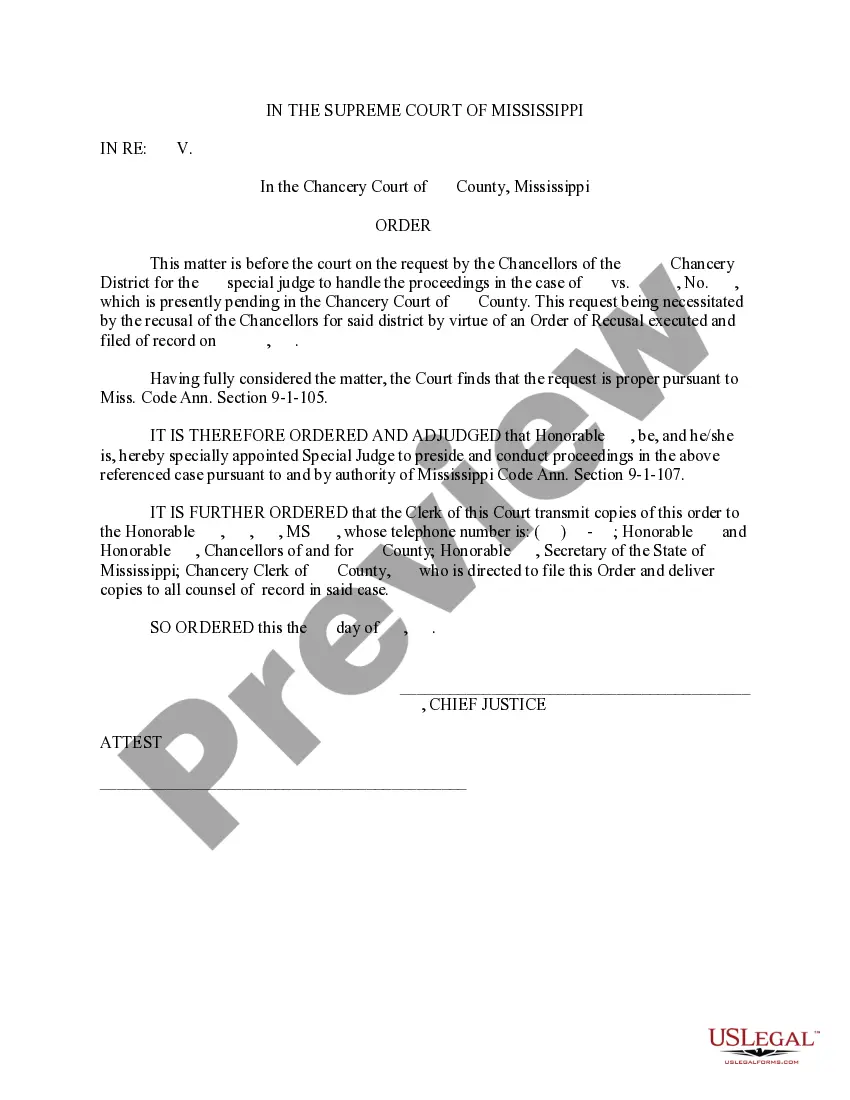
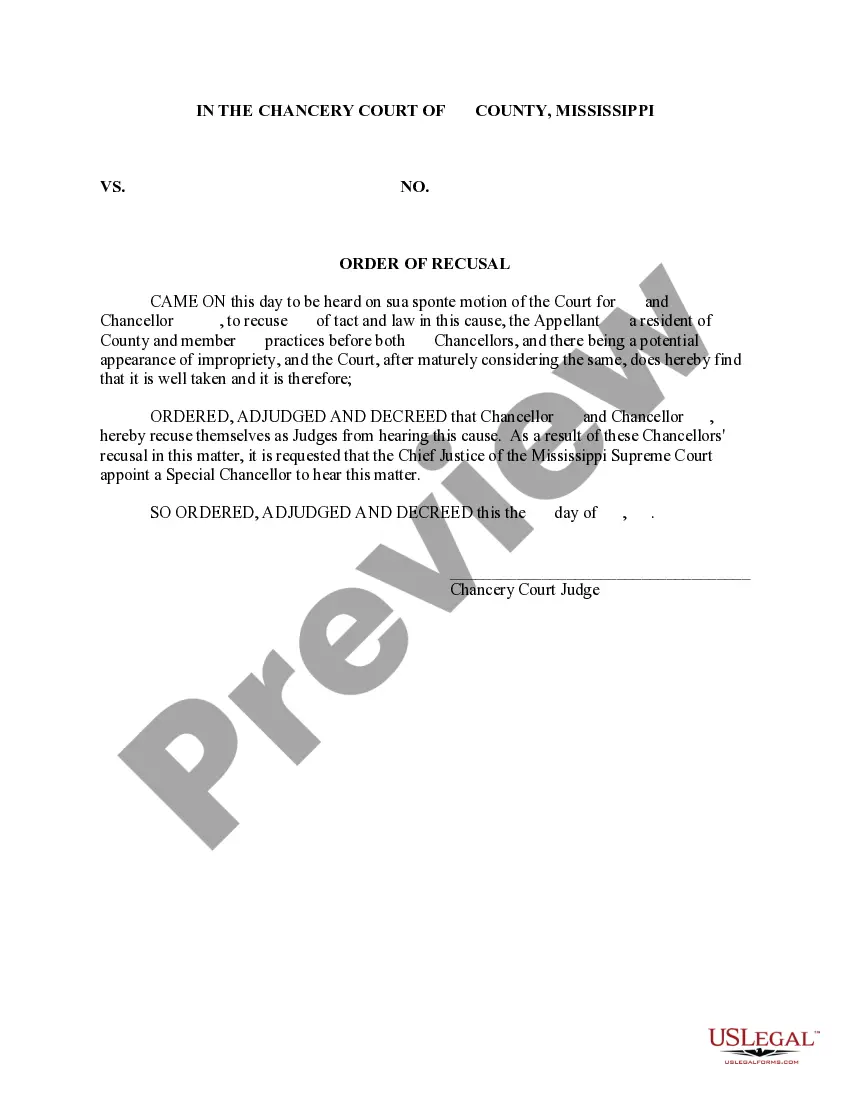
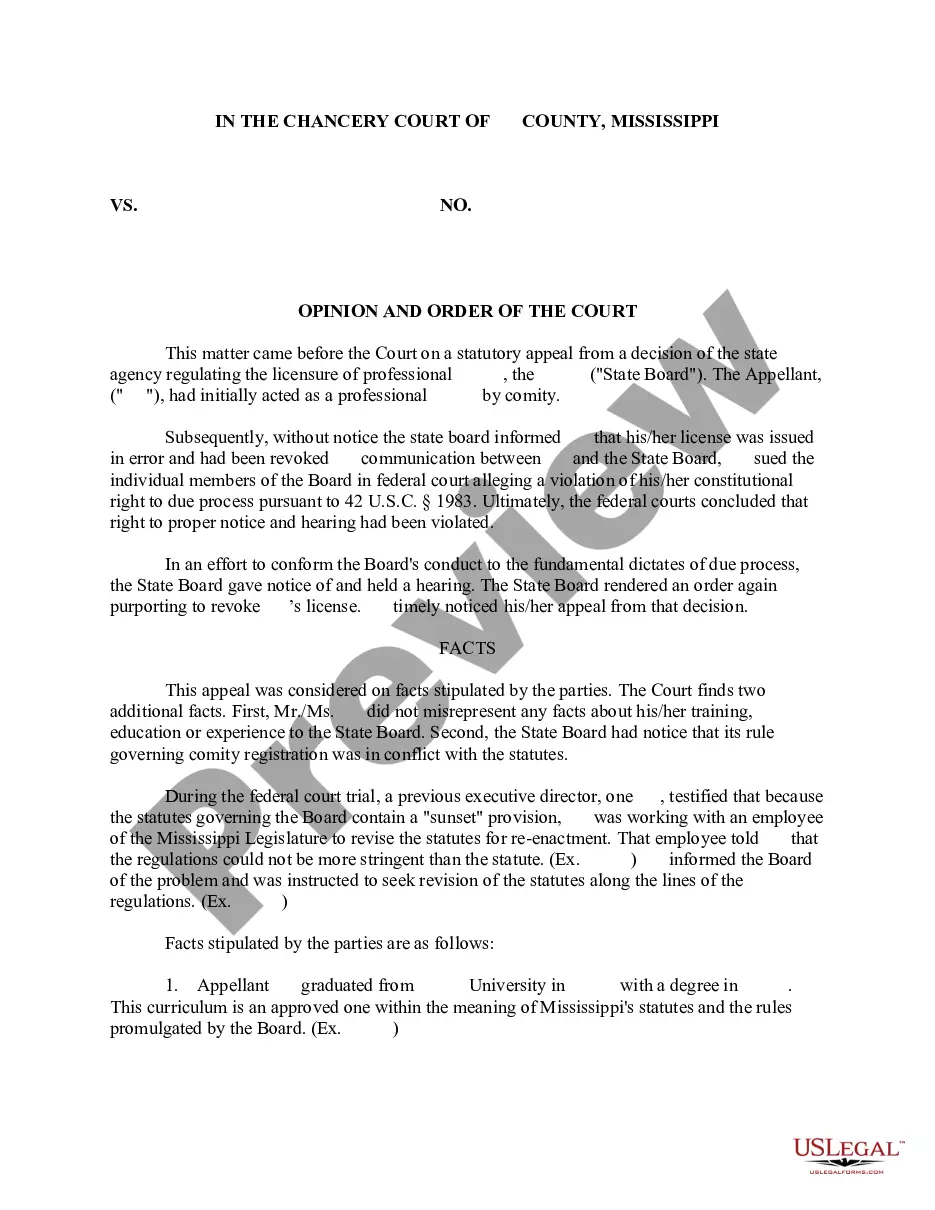
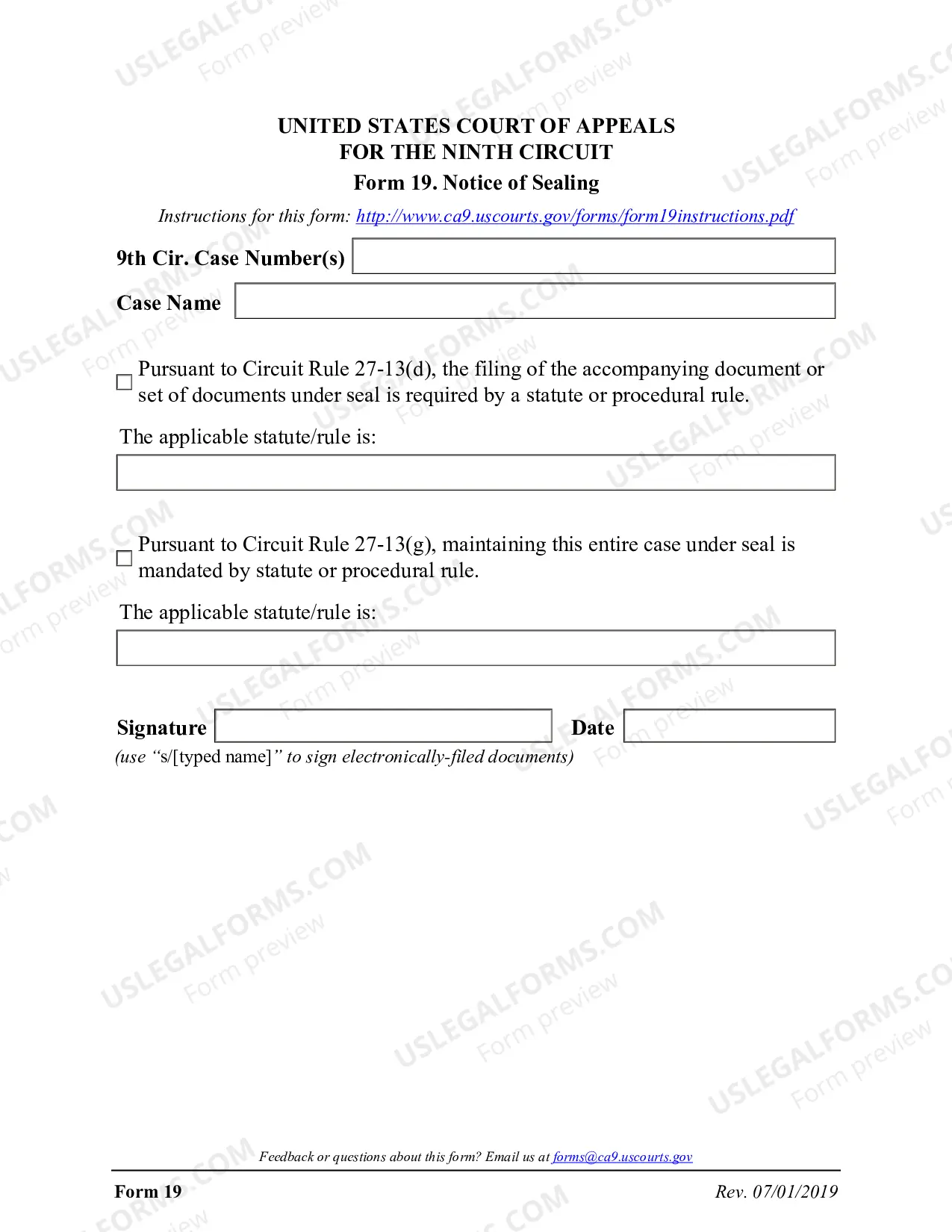
An Order is an official legal document issued by a court that commands a specific action to be taken. It is signed by a judge, making it a binding directive. This Order serves as a template to help you draft a request that aligns with the court's submission requirements. Unlike other legal forms, such as motions or petitions, the Order is a conclusive decree from the judiciary, and noncompliance may lead to contempt of court charges. Download the sample Order today to guide your legal proceedings.
Form components explained
- Title and introduction stating the authority of the court.
- Specific order directed by the court outlining actions to be taken.
- Designation of parties involved, including judges and chancellors.
- Instructions for the Clerk of the Court regarding the distribution of the Order.
- Signature lines for the Chief Justice and other relevant officials.
When to use this form
This Order is used in various legal situations where a court needs to direct specific actions by individuals or entities. It is commonly used during hearings, cases involving disputes, or when a judge needs to appoint special judges. If a court has asked you to prepare an order for submission, this template will help ensure that all necessary components are included and comply with legal standards.
Who should use this form
- Attorneys preparing legal documents for court proceedings.
- Individuals representing themselves in court who have received a directive from the judge.
- Legal professionals involved in updating or modifying existing court orders.
Completing this form step by step
- Identify the court and case details, ensuring accuracy in all references.
- Clearly state the specific action that the order commands.
- Include names and titles of judges or officials involved in the case.
- Specify instructions for the Clerk of the Court to distribute the Order correctly.
- Sign the document in the designated areas to validate it.
Is notarization required?
This form does not typically require notarization unless specified by local law. Nonetheless, it is always advisable to check with court rules or an attorney regarding any specific requirements that may apply to your case.
Get your form ready online
Our built-in tools help you complete, sign, share, and store your documents in one place.
Make edits, fill in missing information, and update formatting in US Legal Forms—just like you would in MS Word.
Download a copy, print it, send it by email, or mail it via USPS—whatever works best for your next step.
Sign and collect signatures with our SignNow integration. Send to multiple recipients, set reminders, and more. Go Premium to unlock E-Sign.
If this form requires notarization, complete it online through a secure video call—no need to meet a notary in person or wait for an appointment.
We protect your documents and personal data by following strict security and privacy standards.

Make edits, fill in missing information, and update formatting in US Legal Forms—just like you would in MS Word.

Download a copy, print it, send it by email, or mail it via USPS—whatever works best for your next step.

Sign and collect signatures with our SignNow integration. Send to multiple recipients, set reminders, and more. Go Premium to unlock E-Sign.

If this form requires notarization, complete it online through a secure video call—no need to meet a notary in person or wait for an appointment.

We protect your documents and personal data by following strict security and privacy standards.
Common mistakes
- Failing to include the correct case number or court title.
- Inaccurate naming of parties involved may lead to confusion.
- Not signing the Order where required, which invalidates it.
- Neglecting to follow the court's specific instructions regarding format or content.
Why use this form online
- Instant access to a legally vetted template designed by licensed attorneys.
- Convenience of downloading in standard formats for easy customization.
- Time-saving as you can complete it at your own pace, ensuring no points are missed.
- Reliable resource that can help streamline your court proceedings.
Legal use & context
An Order is enforceable once signed by a judge. It directs parties to take specific actions or to refrain from doing certain acts. Understanding the context in which this document is used is critical for its proper application and compliance with court directions.
Quick recap
- An Order is a legally binding directive from the court.
- It is crucial to use the correct format and language as outlined in state-specific guidelines.
- Failure to comply with an Order can result in legal penalties.
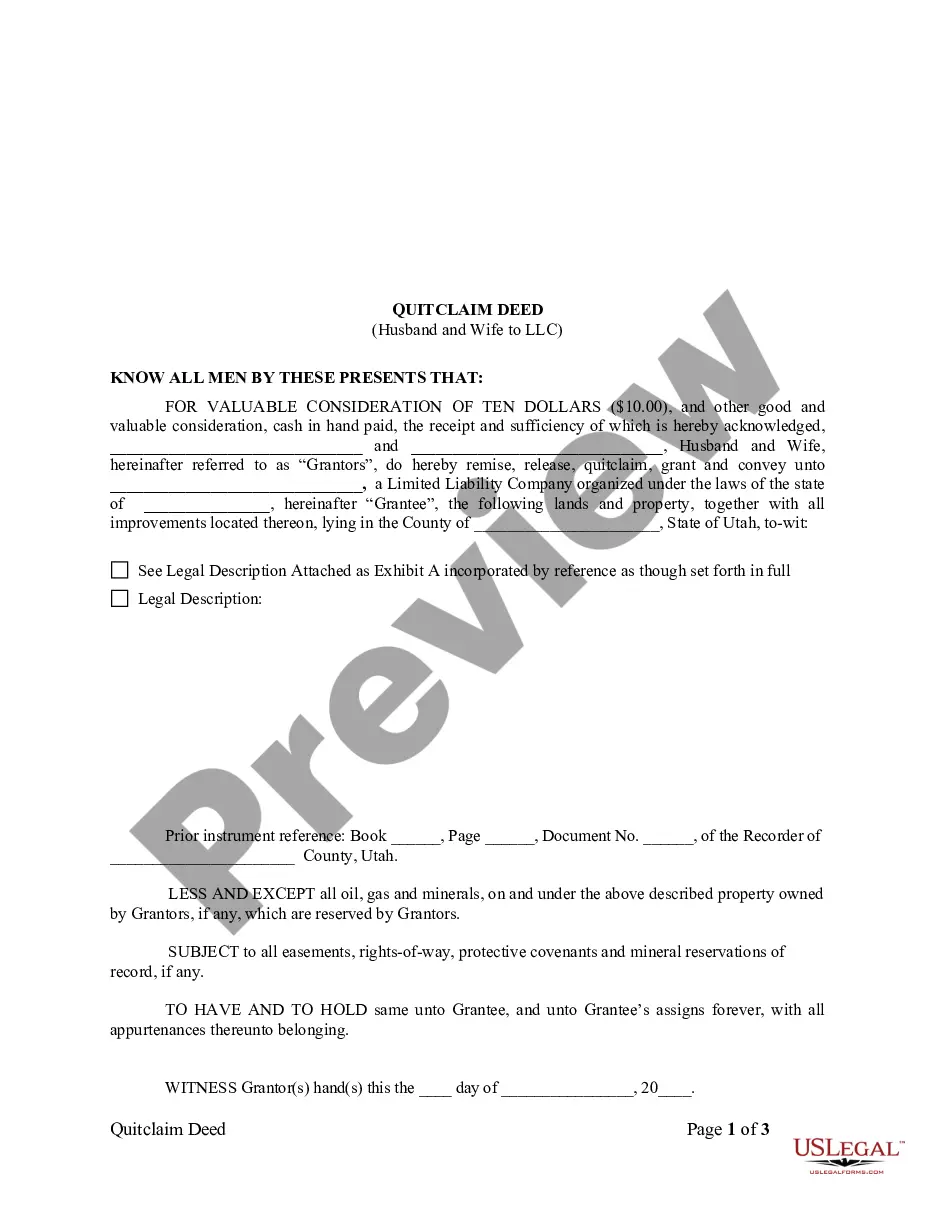
Looking for another form?

Form popularity
FAQ
Usually yes, but sometimes no. Temporary restraining orders will appear so law enforcement officers can see it.But if the hearing results in a permanent restraining order, it goes on your record. But even restraining orders that should be expunged sometimes stay in the system longer.
It does not cost anything to file for an order of protection. Many orders of protection cases are handled without a lawyer however it can often be helpful to have one represent you in court.If you are going to be in court without a lawyer, our Preparing for Court By Yourself section may be useful to you.
Stay Away Provision: Ordering the abuser to stay at least a certain number of yards or feet away from the victim, his or her home, job, school, and car. The stay-away distance can vary by state, judge or the lethality of the situation, but is often at least 100 yards or 300 feet.
Even when it is against the law many people do it anyway at their peril. Restraining orders only go one way, against you. If the victim is calling you keep track of the calls and save the messages, tell them you are under the restraining order and hang up the phone.
Under section 93-21-7(2) of the Mississippi Code, there is no cost to file for a protection order. . temporary restraining order. the clerk will fill out the information for you.
If the judge is satisfied, he or she will issue a temporary protective order that will last ten days, but which can be extended upon request, up to the maximum length of one year, but can only last 30 days where the victim has minor children with the abuser.