Montana Special or Limited Power of Attorney for Real Estate Purchase Transaction by Purchaser
About this form
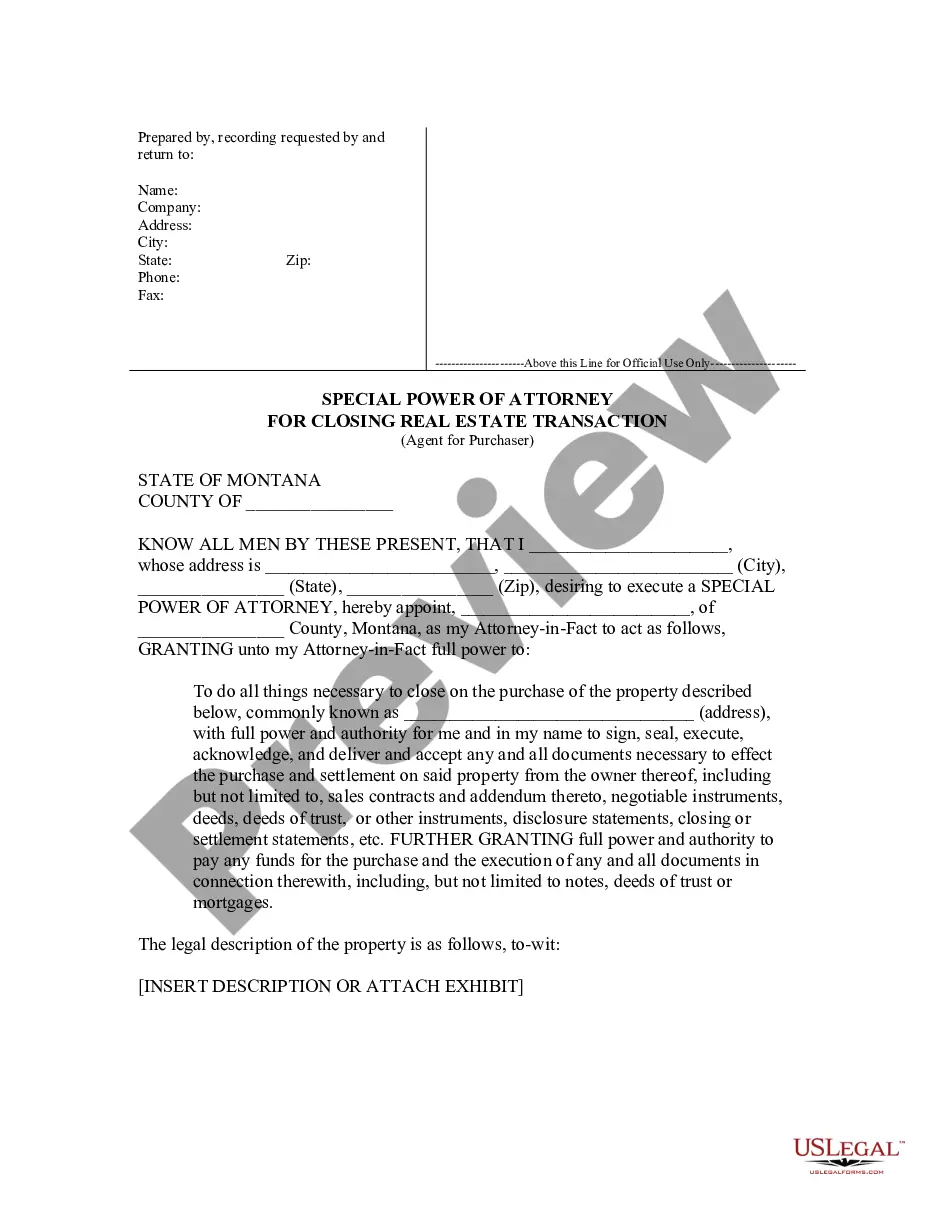
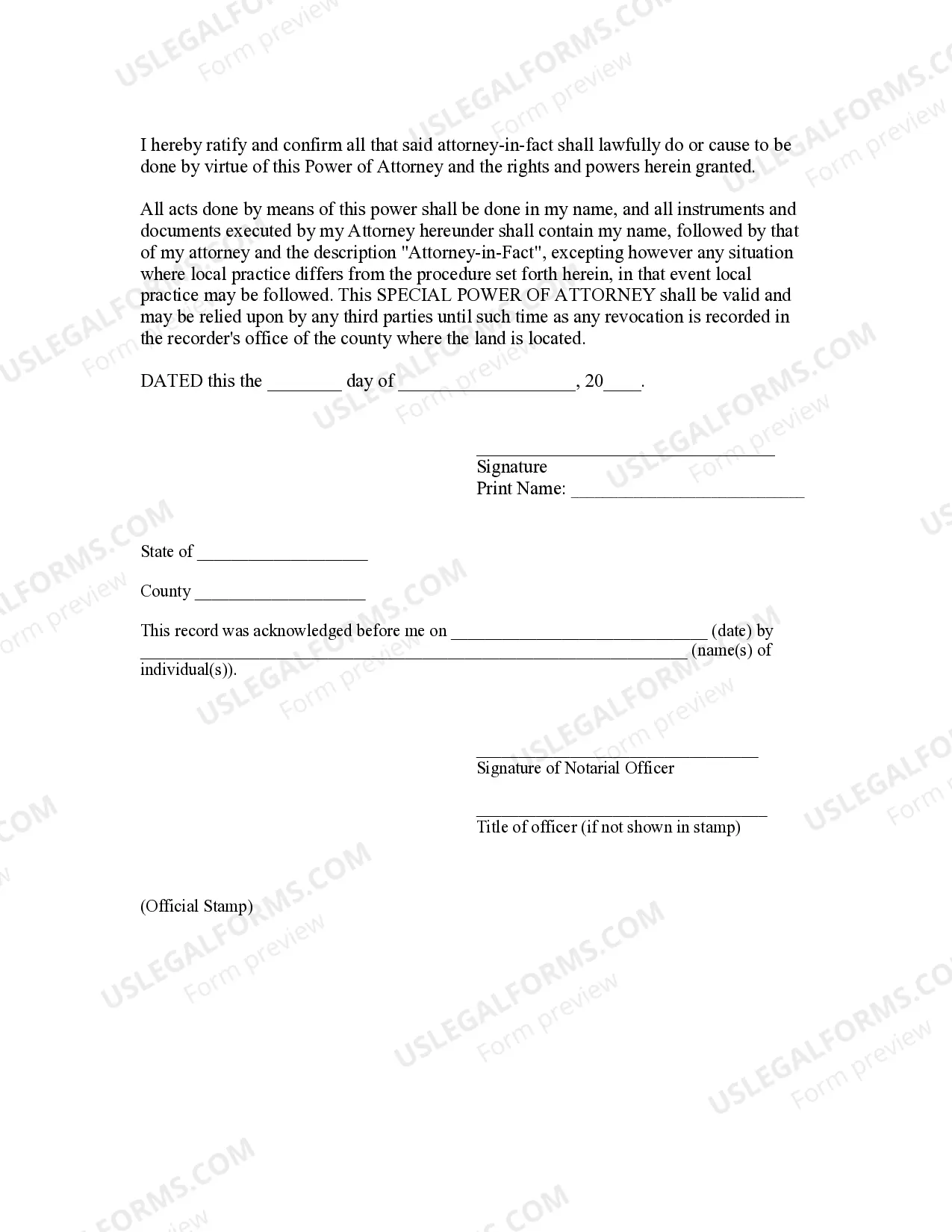
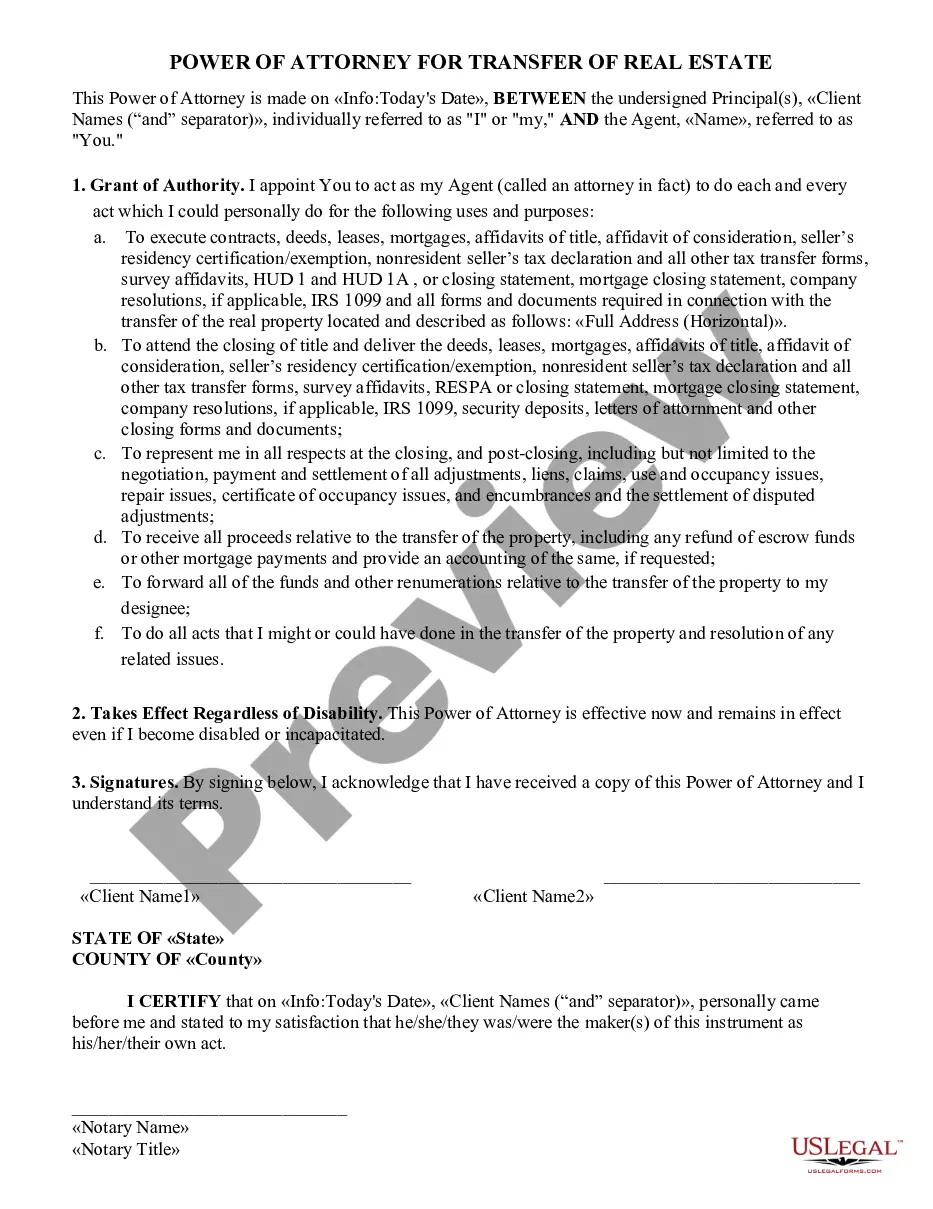
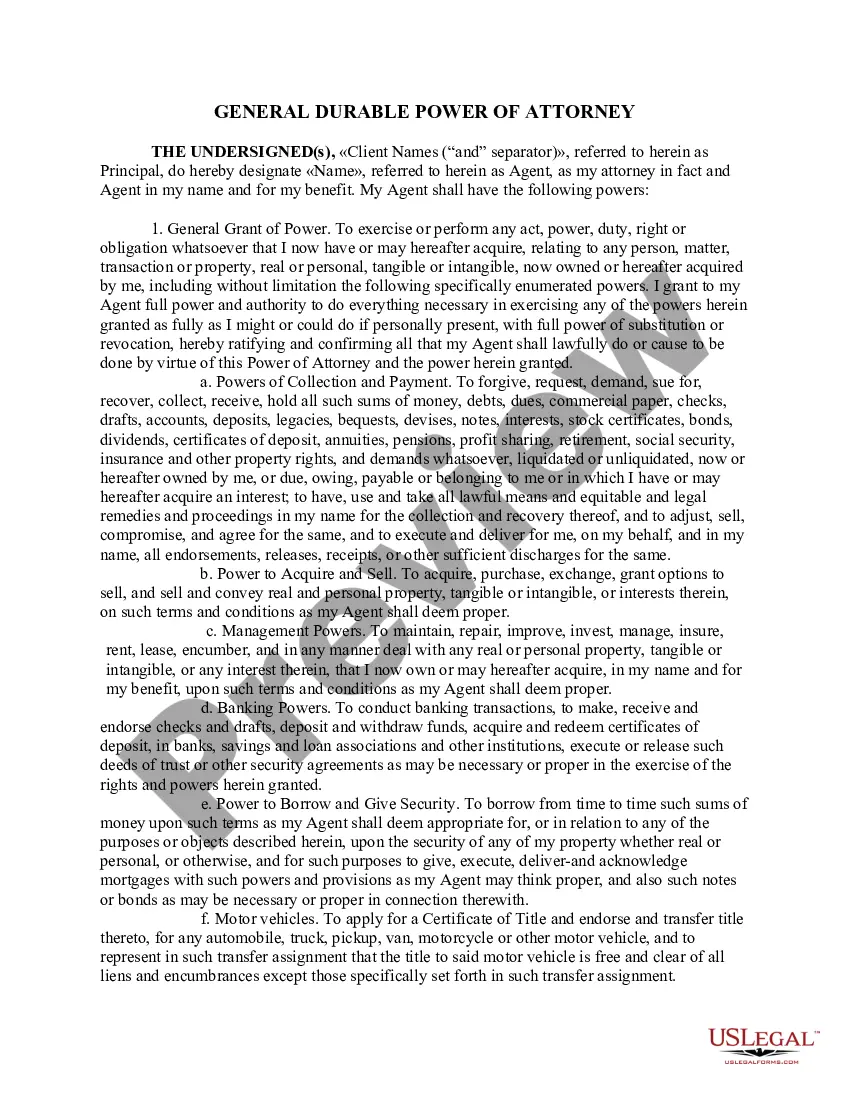
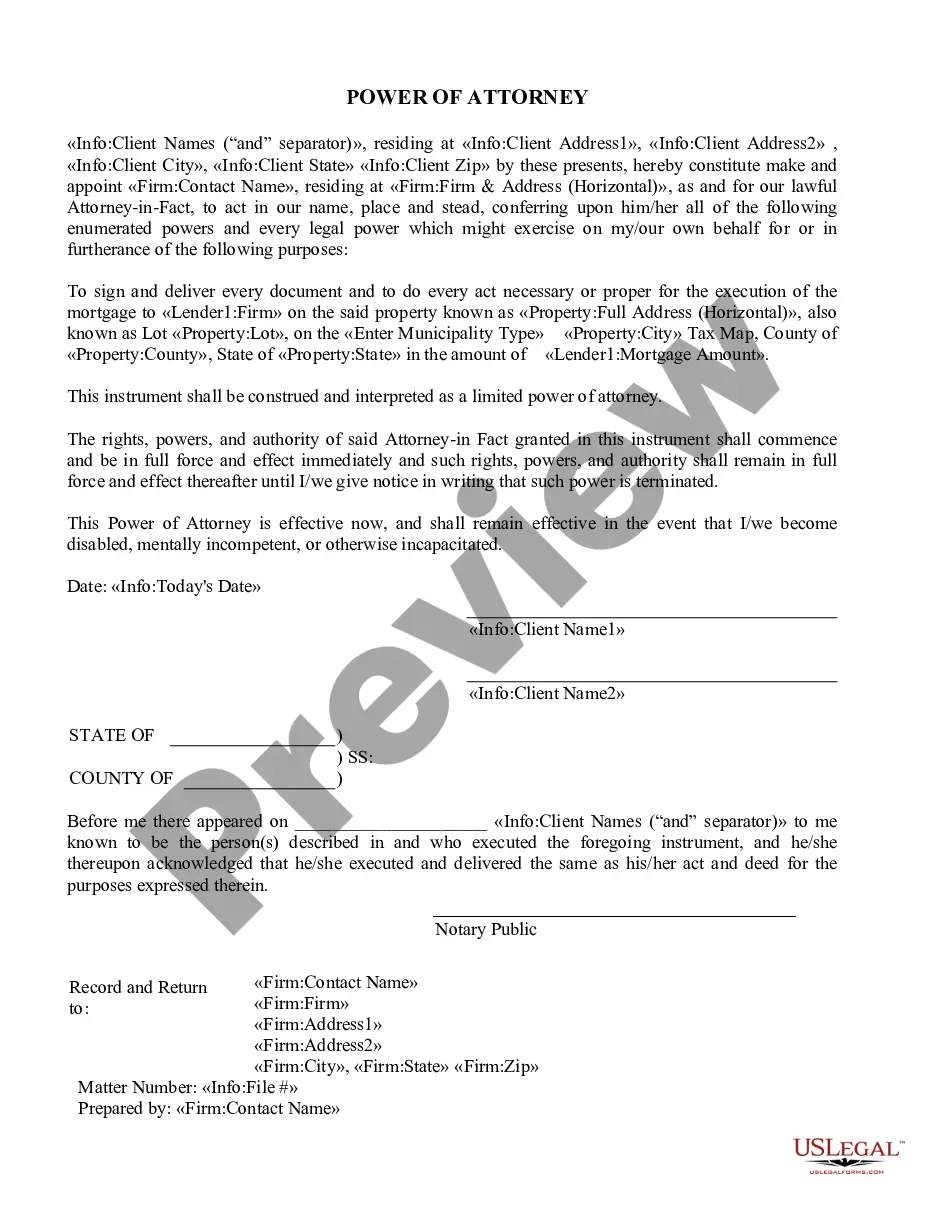
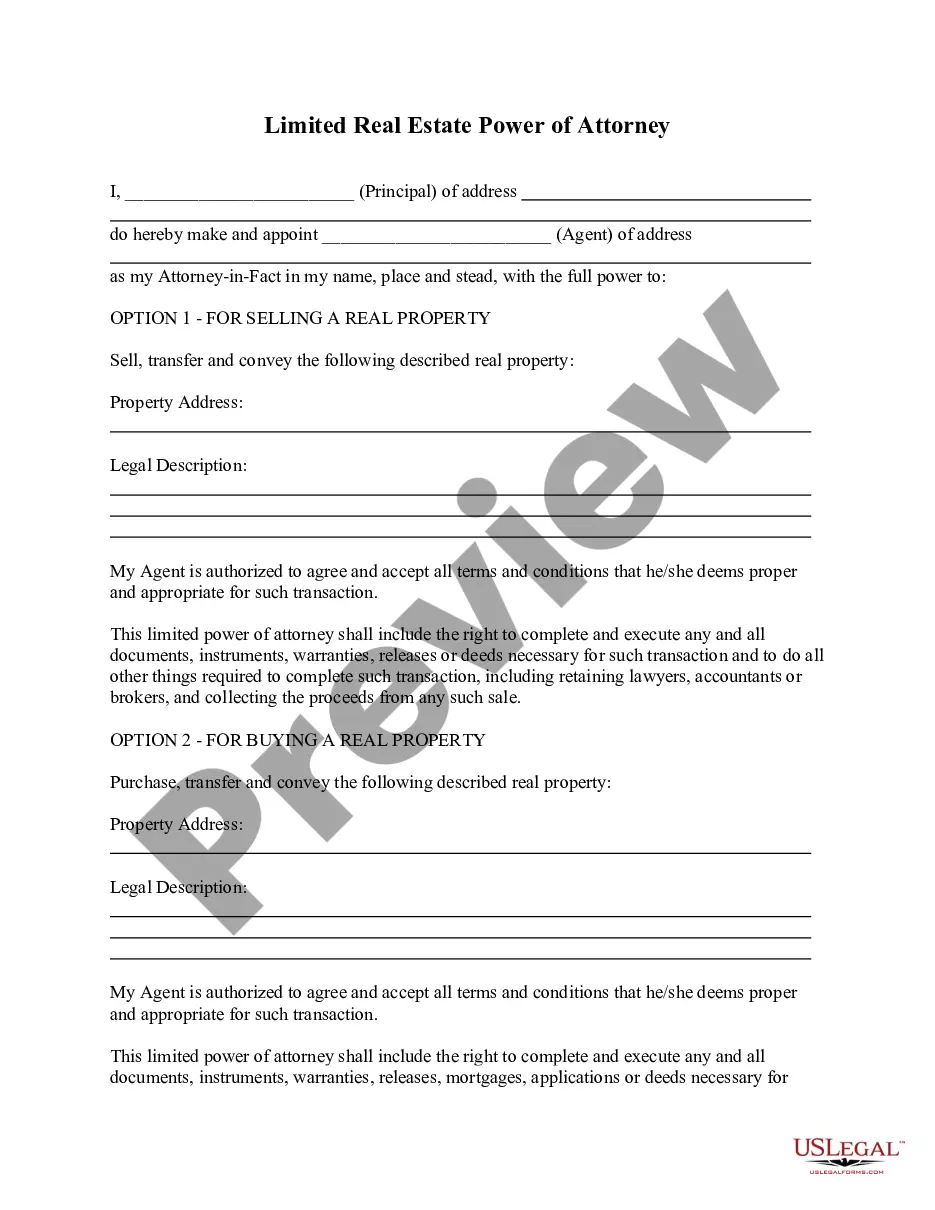
The Special Power of Attorney for Real Estate Purchase Transaction by Purchaser is a legal document that allows a purchaser to designate an attorney-in-fact to handle the purchase of a specific parcel of real estate. This form is crucial for those who cannot personally attend to the transaction, enabling their representative to execute essential documents, including loan agreements and sales contracts. Unlike other powers of attorney, this form focuses specifically on real estate transactions, ensuring that all necessary actions are taken to finalize the purchase effectively.
Key components of this form
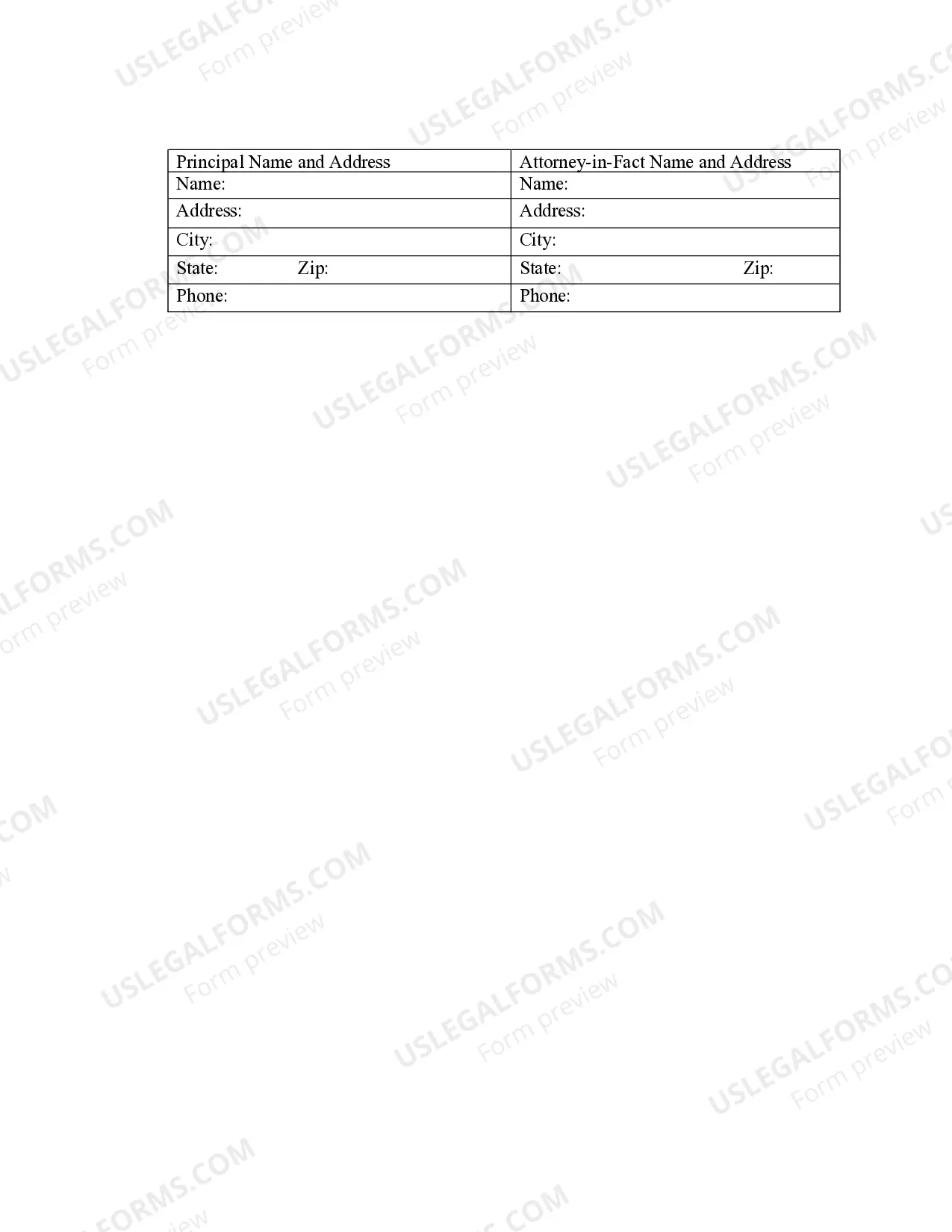
- Principal's details: Identification of the person granting the power.
- Attorney-in-fact: The individual authorized to act on behalf of the purchaser.
- Description of the property: Specific address and legal description of the real estate involved.
- Powers granted: Authority to sign documents, pay funds, and execute required agreements.
- Notary acknowledgment: Certification by a notary public to validate the document.
When this form is needed
This form is useful when a purchaser is unable to personally attend to a real estate transaction due to various reasons such as being out of state, health issues, or time constraints. It can be used to ensure that all necessary documents are signed and submitted properly to close on the property. By granting someone the authority to act on your behalf, you can facilitate a smoother transaction process without having to be physically present.
Who should use this form
- Individuals purchasing real estate who cannot attend the closing in person.
- Buyers who wish to authorize someone to act on their behalf.
- Those engaging in complex transactions requiring representation.
Completing this form step by step
- Identify the parties involved: Enter the name of the purchaser and the attorney-in-fact.
- Specify the property: Provide the address and legal description of the real estate.
- Outline the powers granted: Clearly state what actions the attorney-in-fact is allowed to perform.
- Include the date and signatures: Ensure that the principal signs the document in front of a notary public.
- Verify the notary section is completed: The notary must acknowledge the principal's signature for the form to be legally recognized.
Notarization requirements for this form
To make this form legally binding, it must be notarized. Our online notarization service, powered by Notarize, lets you verify and sign documents remotely through an encrypted video session.
Get your form ready online
Our built-in tools help you complete, sign, share, and store your documents in one place.
Make edits, fill in missing information, and update formatting in US Legal Forms—just like you would in MS Word.
Download a copy, print it, send it by email, or mail it via USPS—whatever works best for your next step.
Sign and collect signatures with our SignNow integration. Send to multiple recipients, set reminders, and more. Go Premium to unlock E-Sign.
If this form requires notarization, complete it online through a secure video call—no need to meet a notary in person or wait for an appointment.
We protect your documents and personal data by following strict security and privacy standards.

Make edits, fill in missing information, and update formatting in US Legal Forms—just like you would in MS Word.

Download a copy, print it, send it by email, or mail it via USPS—whatever works best for your next step.

Sign and collect signatures with our SignNow integration. Send to multiple recipients, set reminders, and more. Go Premium to unlock E-Sign.

If this form requires notarization, complete it online through a secure video call—no need to meet a notary in person or wait for an appointment.

We protect your documents and personal data by following strict security and privacy standards.
Mistakes to watch out for
- Failing to specify the property address or legal description clearly.
- Not signing the form in front of a notary public.
- Overlooking the inclusion of necessary powers for the attorney-in-fact.
Why use this form online
- Convenience: Download and complete your form from home anytime.
- Editability: Customize the form to fit your specific needs before signing.
- Reliability: Access professionally drafted legal forms that comply with state regulations.
What to keep in mind
- The Special Power of Attorney for Real Estate Purchase Transaction allows you to appoint a representative for property purchases.
- Ensure the document is completed accurately and notarized for legal use.
- This form is essential for buyers unable to attend a real estate closing in person.
Looking for another form?


Form popularity
FAQ
Draft a list of special powers. Decide what powers are springing. Pick an agent and a successor agent. Note the expiration date. Compile the information into one document. Execute the power of attorney letter.
A power of attorney (POA) for a real estate closing is permissible if not all parties can make it to the settlement table, but is not to be used as a matter of convenience. A POA is written authorization to act in a legal capacity on another's behalf, in certain circumstances, which are laid out in the document.
By giving someone the power to sign on their behalf, the Principal is giving the attorney-in-fact power to make decisions for them. When signing a POA, the Principal's signature must be notarized at the time and place it is signed. A local notary in any state of the U.S. is acceptable.
You can draft a durable power of attorney by writing out or typing the document, which should include the date, your full name, and speech that clearly identifies the document as a durable power of attorney that applies even in the case of your incapacitation.
Name, signature, and address of the principal. Name, signature, and address of the agent. Properties and activities under the authority of the agent. Date of effect and termination of authority. Compensation to services of the agent.
A power of attorney letter bestows the Agent with powers to act over various transactions. Generally, the main elements in an example of power of attorney letter include: Your name, address, and signature as the principal.The name, address, and signature of the person who witnesses the signing.
Your name, address, and signature as the principal. The name, address, and signature of your Agent. The activities and properties under the Agent's authority. The start and termination dates of the Agent's powers. Any compensation you will give to the Agent.
There's a compulsory cost of £82 to register a Power of Attorney (in England and Wales it's A£81 in Scotland, A£151 in Northern Ireland). If you earn less than A£12,000/year though, you can provide evidence to have a reduced fee of A£41. Those on certain benefits are exempt from fees.