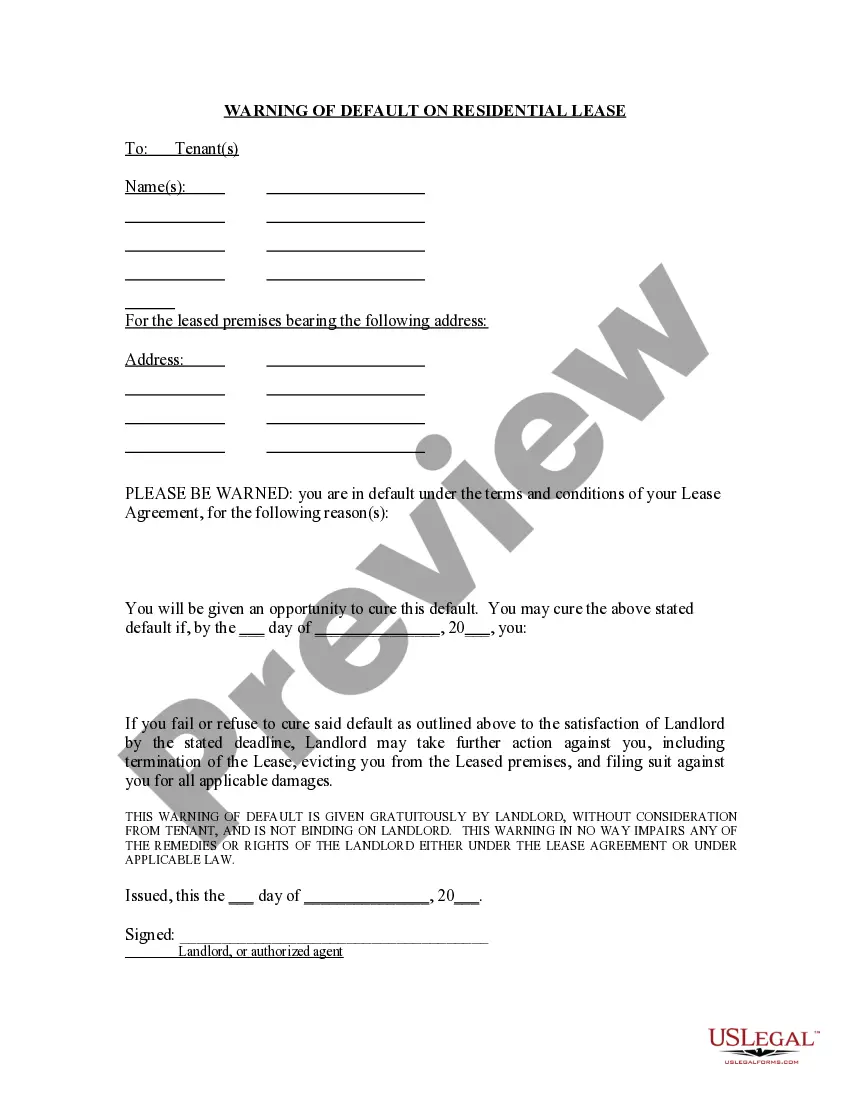
Montana Warning of Default on Residential Lease
About this form
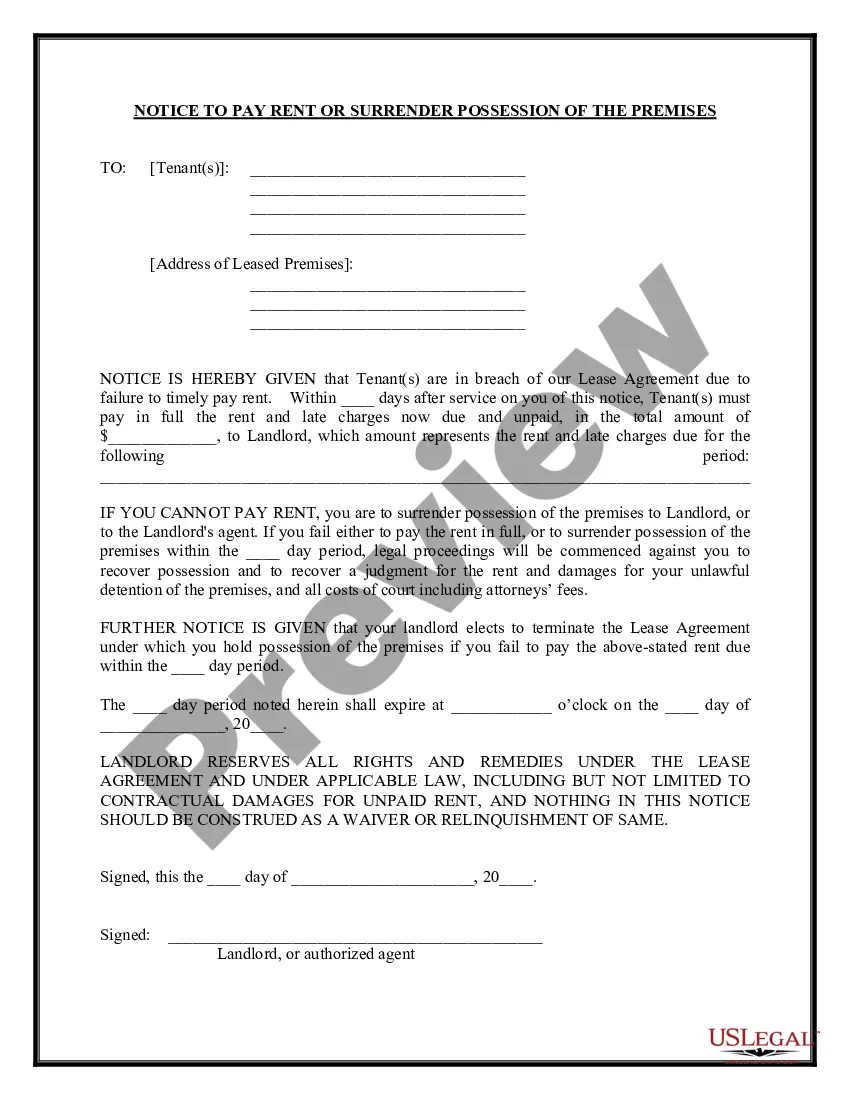
The Warning of Default on Residential Lease is a document used by landlords to formally notify tenants of a potential default under the lease agreement. This notice is important for maintaining clear communication and compliance with lease terms. Unlike other notices, this form specifically addresses concerns about violations that could lead to legal consequences, encouraging tenants to rectify issues before further action is taken.
Main sections of this form
- Date of issuance: This section allows the landlord to specify when the warning is issued.
- Landlord's signature: The landlord or authorized agent must sign the document to validate it.
- Details of the default: This consists of specific conditions under which the tenant is being warned.

When this form is needed
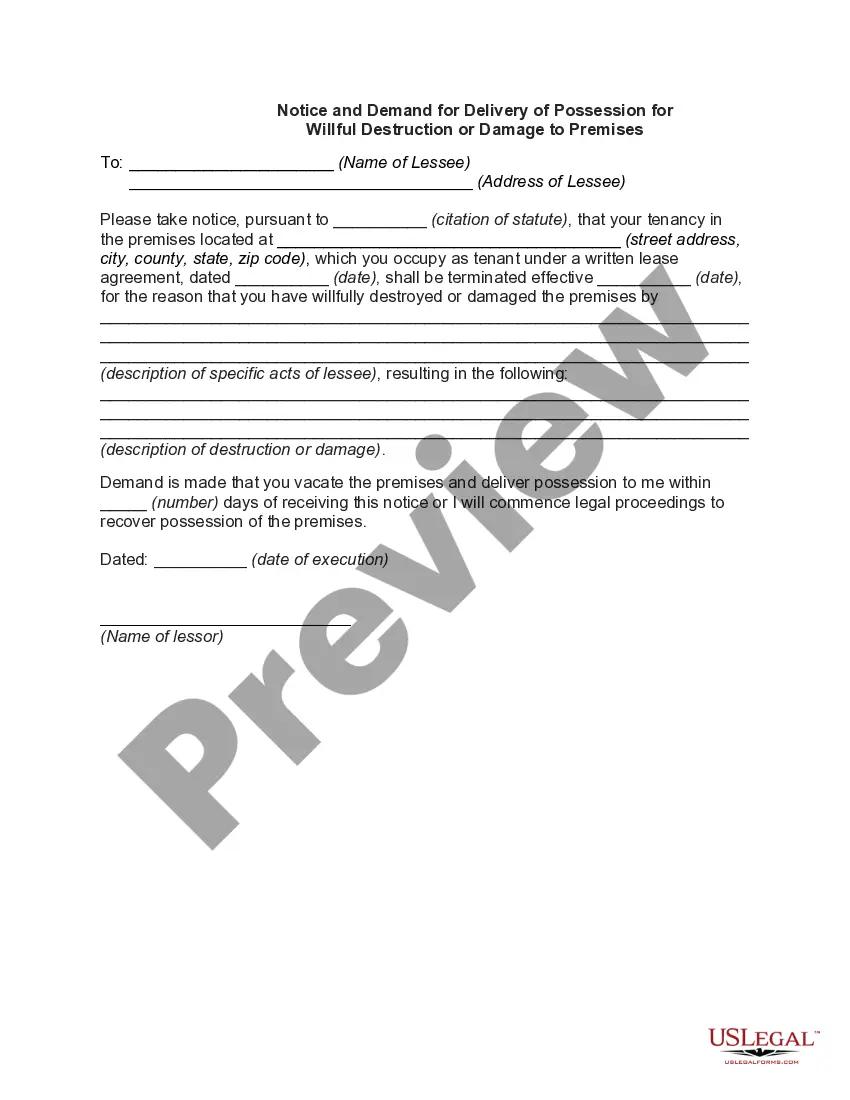
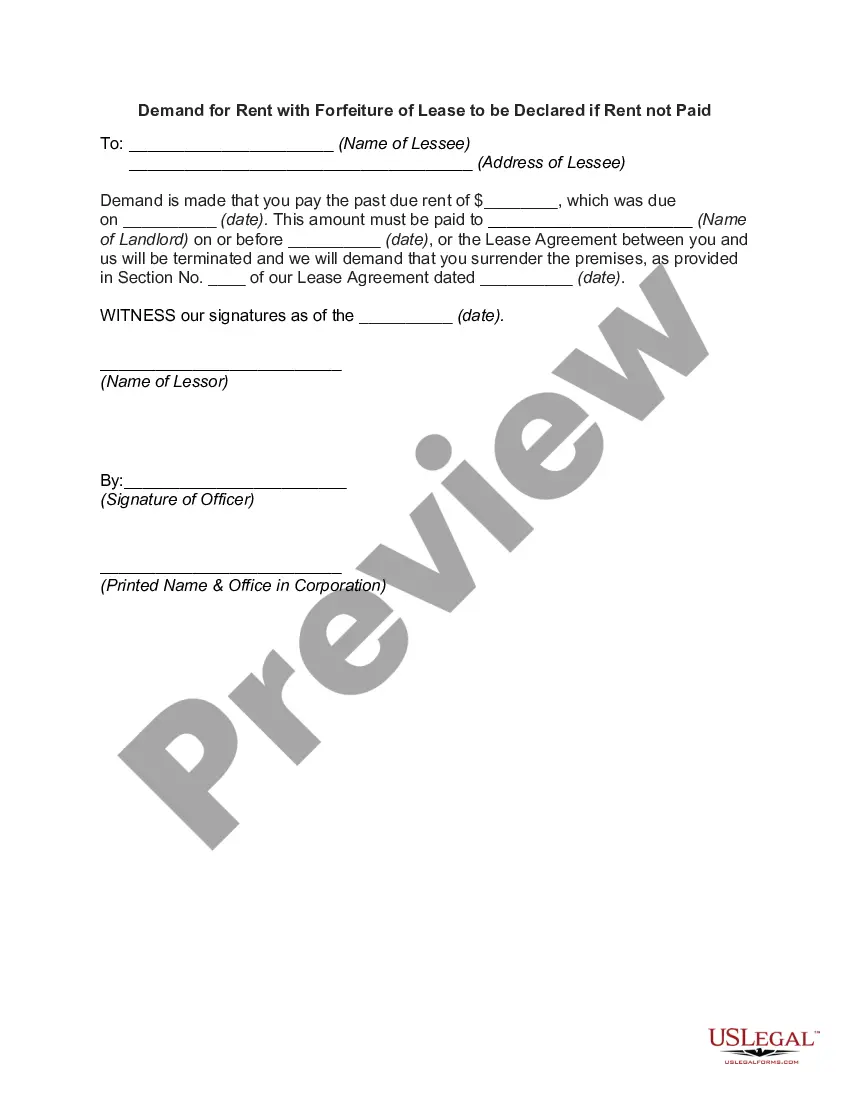
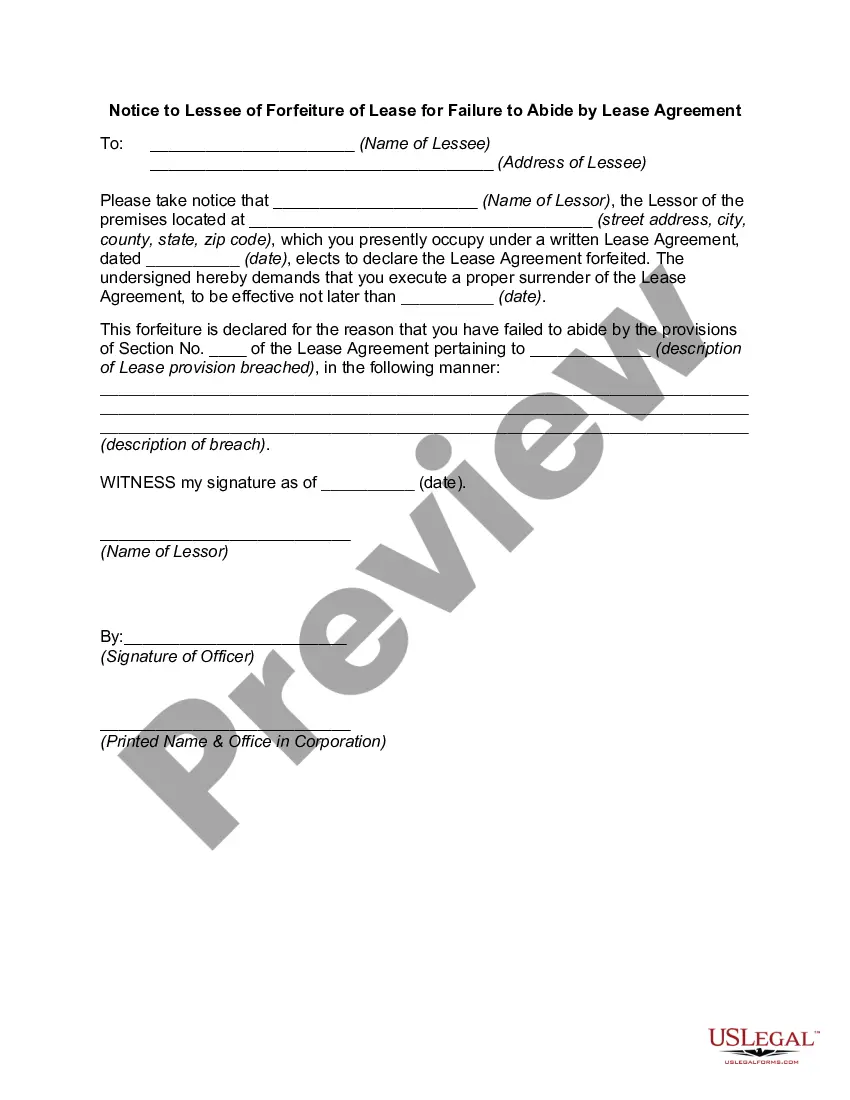
This form should be used whenever a landlord suspects that a tenant is failing to meet their obligations under a residential lease. Scenarios may include non-payment of rent, breach of lease terms, or other defaults. It serves as a first step in the legal process, aimed at resolving issues amicably before escalating to formal eviction proceedings.
Who should use this form
- Landlords managing residential properties who need to inform tenants of potential defaults.
- Property managers acting on behalf of property owners to ensure compliance with lease agreements.
- Tenants who wish to understand the implications of a default notice they may receive.
Completing this form step by step
- Identify the parties: Fill in the names and addresses of both the landlord and tenant.
- Specify the property: Include the address of the rental property affected by the lease agreement.
- Enter the date: Clearly state the date when the warning is being issued.
- List the default conditions: Briefly describe the specific breaches or issues prompting the warning.
- Sign the form: The landlord or their authorized agent should sign and date the document.
Does this form need to be notarized?
Notarization is not commonly needed for this form. However, certain documents or local rules may make it necessary. Our notarization service, powered by Notarize, allows you to finalize it securely online anytime, day or night.
Get your form ready online
Our built-in tools help you complete, sign, share, and store your documents in one place.
Make edits, fill in missing information, and update formatting in US Legal Forms—just like you would in MS Word.
Download a copy, print it, send it by email, or mail it via USPS—whatever works best for your next step.
Sign and collect signatures with our SignNow integration. Send to multiple recipients, set reminders, and more. Go Premium to unlock E-Sign.
If this form requires notarization, complete it online through a secure video call—no need to meet a notary in person or wait for an appointment.
We protect your documents and personal data by following strict security and privacy standards.

Make edits, fill in missing information, and update formatting in US Legal Forms—just like you would in MS Word.

Download a copy, print it, send it by email, or mail it via USPS—whatever works best for your next step.

Sign and collect signatures with our SignNow integration. Send to multiple recipients, set reminders, and more. Go Premium to unlock E-Sign.

If this form requires notarization, complete it online through a secure video call—no need to meet a notary in person or wait for an appointment.

We protect your documents and personal data by following strict security and privacy standards.
Typical mistakes to avoid
- Failing to include the date of issuance, which can lead to confusion regarding the timeline.
- Not providing specific details about the conditions leading to the warning, making it less effective.
- Omitting the landlord's signature, which renders the notice invalid.
Advantages of online completion
- Convenience: Access and download the form anytime, from anywhere.
- Editability: Easily customize the form to meet specific needs and circumstances.
- Reliability: Ensure that the form is drafted by licensed attorneys, providing peace of mind in legal compliance.
Legal use & context
- This form serves as a formal step in the legal process of addressing lease violations.
- It is advisable to keep a copy for the landlord's records along with any related correspondence.
- Issuing this warning may be necessary before pursuing further legal actions, such as eviction proceedings.
Summary of main points
- The Warning of Default on Residential Lease informs the tenant of potential lease violations.
- This form is essential for landlords to document issues before initiating legal actions.
- Review local laws to ensure proper use of the warning and compliance requirements.
Looking for another form?

Form popularity
FAQ
While some jurisdictions may have provisions that allow consumers to change their minds with no consequences, generally there is no cooling-off period for leasing real property. Once the landlord and tenant sign a lease and a copy is delivered to the both parties, it becomes a valid contract.
Injury at Rental Property: You could have a case for a lawsuit against your landlord if you are injured at the rental property due to a landlord's neglect. Filing an Illegal Eviction: You can countersue your landlord if you feel your landlord is trying to evict you illegally.
If you think your landlord is violating the Fair Housing Act, you can get that landlord in trouble by filing a complaint at HUD.gov. Your remedy for breach of quiet enjoyment is to terminate the lease and move or sue in small claims court.
Your landlord discriminates against you. Your landlord takes your security deposit illegally. Your rental unit is inhabitable. The property owner interferes with your right to quiet enjoyment. Your landlord fails to make the necessary repairs.
In landlord-tenant law, default refers to the failure of a tenant to timely pay rent due.In general, the landlord is required to give the tenant notice of the default before bringing eviction proceedings or applying security deposit proceeds to the payment in default.
Paying the rent - One way or another, if you walk away from your lease and no one else rents the apartment then you will owe the landlord this money.Your landlord will typically collect this rent at the expiration of your lease.
If a tenant fails to pay rent, breaks a rule, or significantly damages the property, then it is considered breach of contract and you have grounds for eviction. If there are people living in the unit that are not on the lease, then that is also breach of contract and you have grounds to evict them.
If you find out that your tenant lied to you after the lease has been signed, it can be grounds for an eviction. The best way to determine whether or not your applicant is lying to you is to cross check the rental application with their background report.
Review Your Lease Before You Sign. Research Local Laws. Keep Records. Pay Your Rent. Maintain Respectful Communication. Seek an Agreeable Solution. Request Repairs in Writing. What Do You Think?