Montana Letter from Tenant to Landlord containing Notice to landlord to cease retaliatory decrease in services
Understanding this form
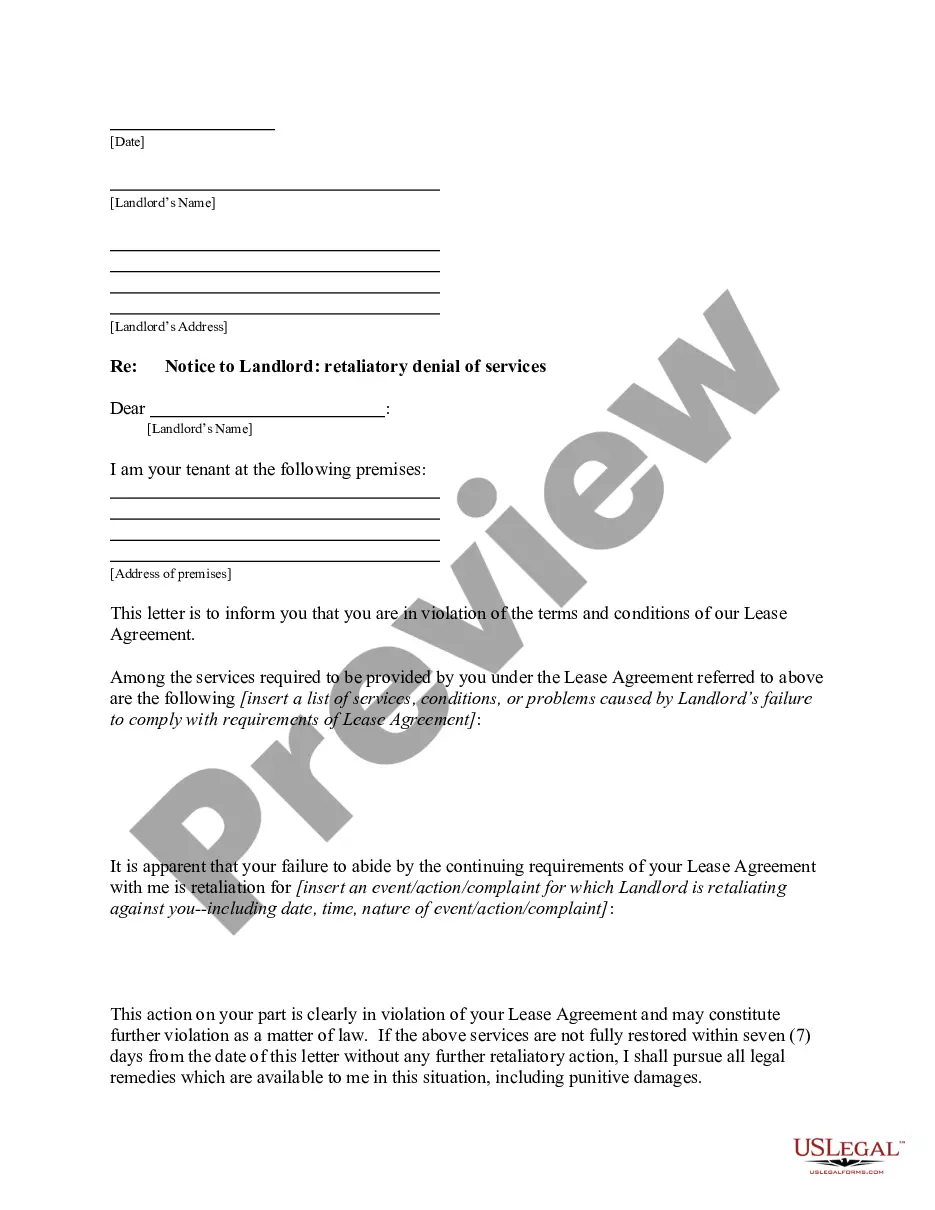
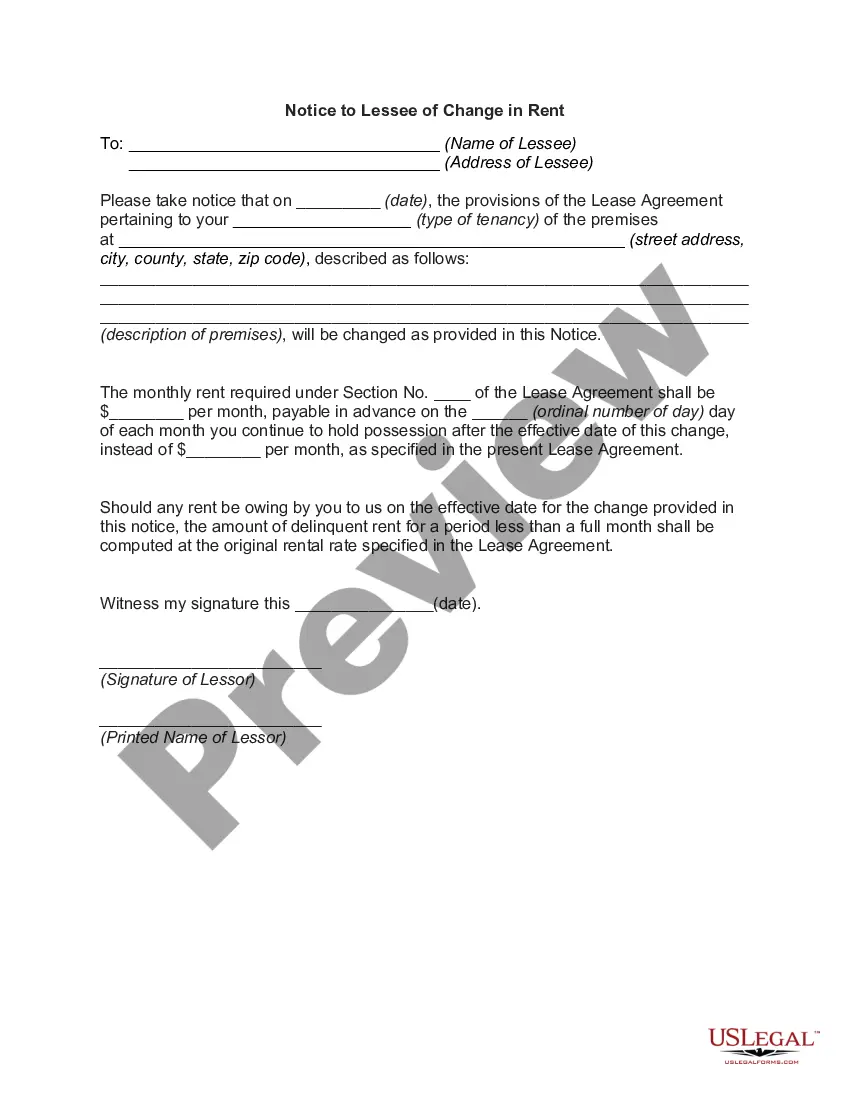
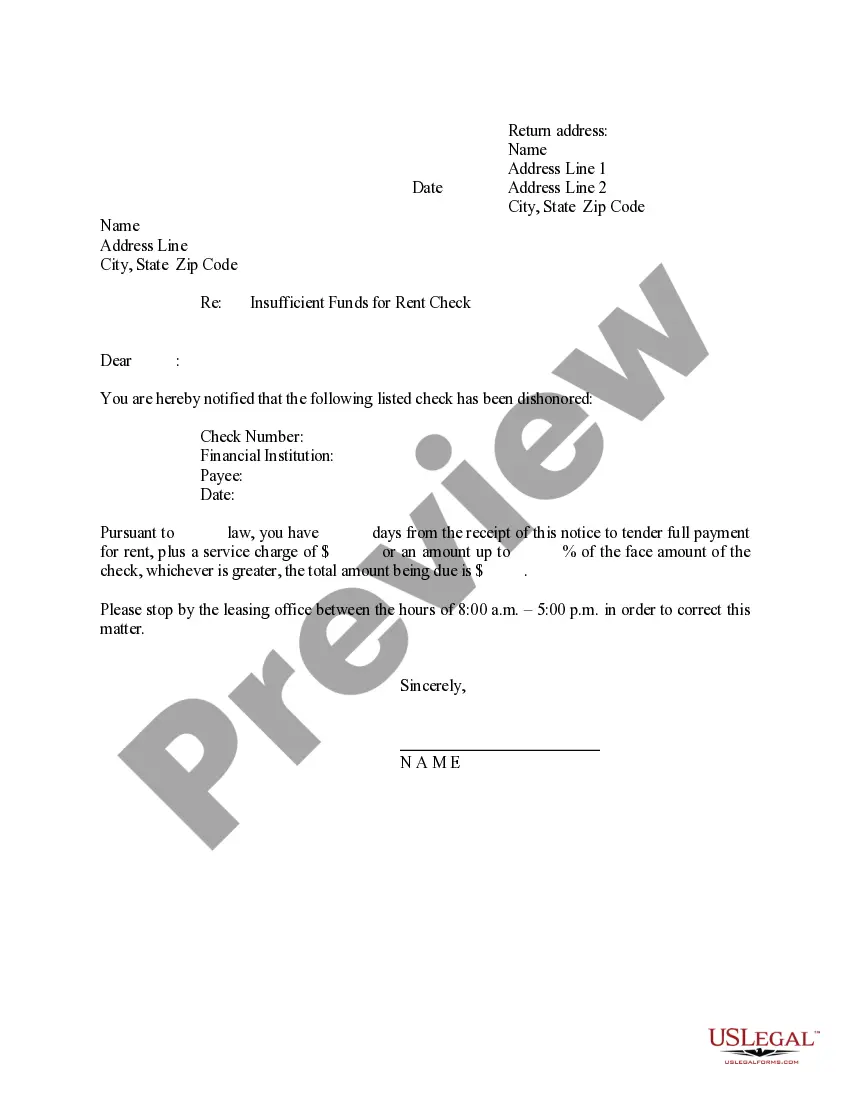
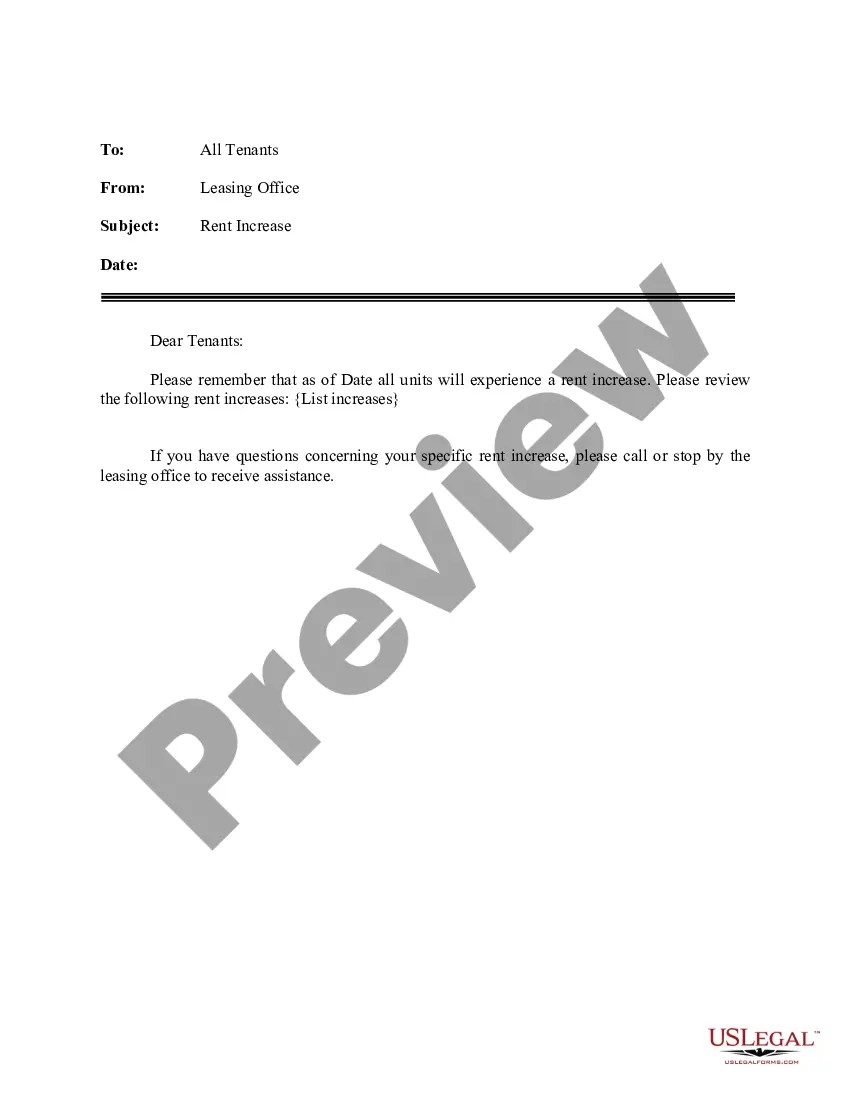
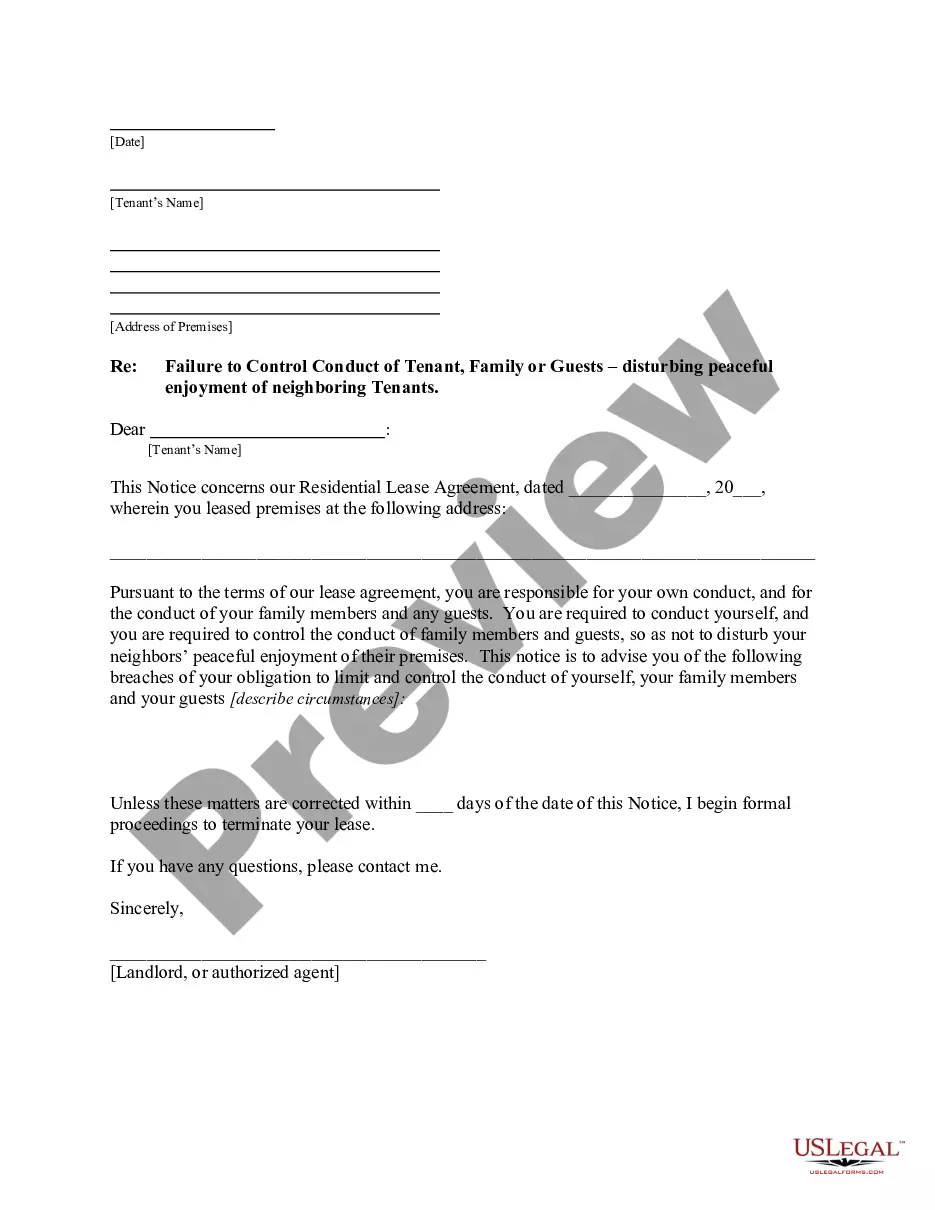
This form is a Letter from Tenant to Landlord containing Notice to landlord to cease retaliatory decrease in services. It serves as a formal way for tenants to notify landlords of retaliation that may violate lease agreements. This form is distinct from other tenant-landlord communication templates as it specifically addresses issues relating to a decrease in services due to alleged retaliatory actions taken by the landlord.
Form components explained
- Identification of parties: Specifies the tenant and landlord involved.
- Details of services: Lists the services that the landlord is obligated to provide under the lease agreement.
- Notification of breach: Acknowledges the landlord's failure to comply with lease terms and requests cessation of retaliatory actions.
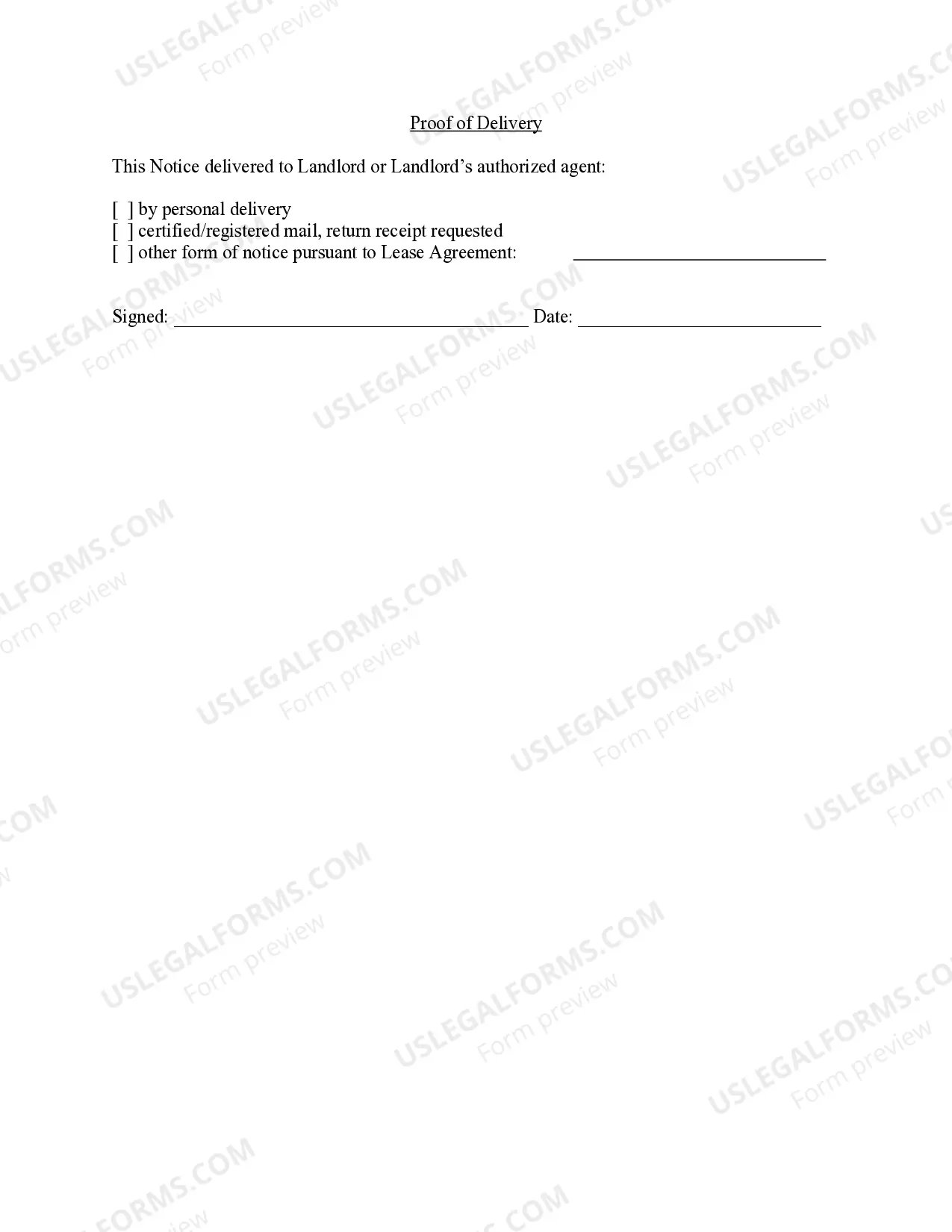
- Proof of delivery: Confirms how the letter was delivered to the landlord or their agent.


When to use this form
This form should be used when a tenant believes that a landlord is deliberately reducing services as a form of retaliation. Common scenarios include instances where a tenant has filed a complaint regarding maintenance issues, reported safety violations, or requested habitability improvements, and subsequently experiences reduced services or amenities as a response.
Intended users of this form
This form is suitable for:
- Tenants who suspect they are facing retaliation from their landlord.
- Individuals seeking to formally document their grievances regarding service reductions.
- Anyone looking to assert their rights under a lease agreement regarding service provisions.
Steps to complete this form
Follow these steps to complete the form:
- Identify the parties: Fill in the names and addresses of both the tenant and landlord.
- List the services: Specify the services or amenities that the landlord is required to provide under the lease.
- Describe the issues: Detail the conditions or problems caused by the landlord's failure to comply.
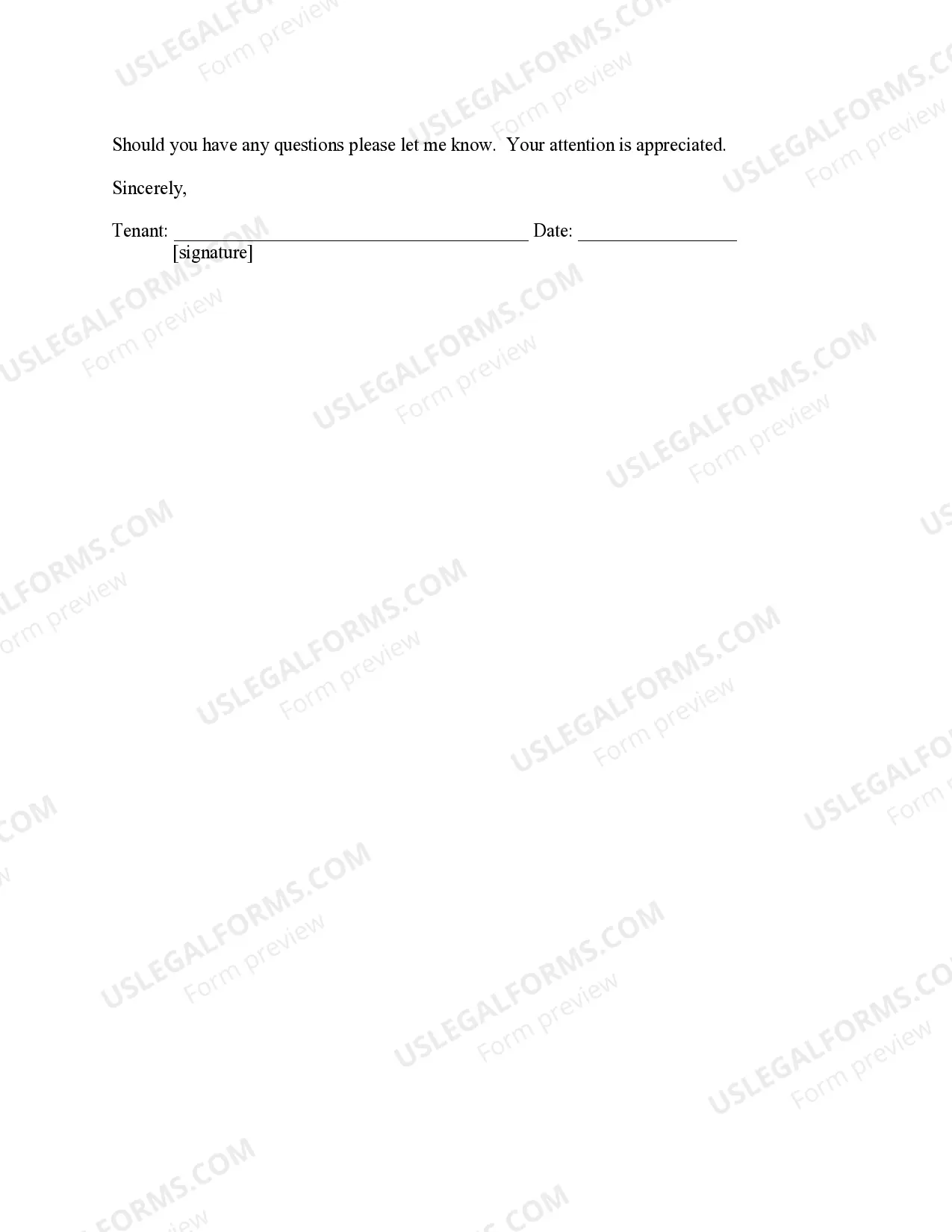
- Sign and date the letter: Ensure the tenant's signature and the date are included to authenticate the notice.
- Deliver the notice: Choose an appropriate delivery method such as personal delivery or certified mail.
Does this document require notarization?
This form does not typically require notarization unless specified by local law. Tenants can submit the completed letter without the need for a notary, making the process more accessible.
Get your form ready online
Our built-in tools help you complete, sign, share, and store your documents in one place.
Make edits, fill in missing information, and update formatting in US Legal Forms—just like you would in MS Word.
Download a copy, print it, send it by email, or mail it via USPS—whatever works best for your next step.
Sign and collect signatures with our SignNow integration. Send to multiple recipients, set reminders, and more. Go Premium to unlock E-Sign.
If this form requires notarization, complete it online through a secure video call—no need to meet a notary in person or wait for an appointment.
We protect your documents and personal data by following strict security and privacy standards.

Make edits, fill in missing information, and update formatting in US Legal Forms—just like you would in MS Word.

Download a copy, print it, send it by email, or mail it via USPS—whatever works best for your next step.

Sign and collect signatures with our SignNow integration. Send to multiple recipients, set reminders, and more. Go Premium to unlock E-Sign.

If this form requires notarization, complete it online through a secure video call—no need to meet a notary in person or wait for an appointment.

We protect your documents and personal data by following strict security and privacy standards.
Common mistakes
- Failing to provide specific details about the services that are supposed to be provided.
- Not including the correct names and addresses of the tenant and landlord.
- Omitting to sign and date the letter, which could invalidate the notice.
- Using improper delivery methods that do not provide proof of receipt.
Why use this form online
- Convenience of downloading the form instantly from the US Legal Forms website.
- Ability to customize the form to fit specific situations and needs.
- Access to professionally drafted templates created by licensed attorneys.
- This letter serves as a crucial document for any legal challenges regarding the retaliatory actions of the landlord.
- It's important that the Tenant maintains a copy of the letter for their records.
- Legal protections against landlord retaliation vary by jurisdiction, so it's important to be familiar with local tenant laws.
What to keep in mind
- The form is essential for tenants who are facing retaliatory actions from their landlords.
- Proper completion and delivery of this letter is key to asserting tenant rights.
- Understanding local laws is crucial when addressing landlord-tenant disputes.
Looking for another form?
Form popularity
FAQ
If you're seeking damages for emotional distress caused by a landlord's discrimination, or punitive damages for especially blatant and intentional discrimination, a lawsuit may well be your best bet. Understand what's involved in suing your landlord. You may file a lawsuit in either federal or state court.
Benefits of Suing Your Landlord Filing a lawsuit does have some potential advantages for tenants. Could Motivate a Landlord to Settle Outside of Court: Notifying your landlord of your intention to sue him or her could motivate your landlord to do everything in their power to avoid actually going to court.
If your landlord breaches the warranty of habitability or the warranty of quiet enjoyment, you may be able to sue her to recover monetary damages.In some states, such as California and Arizona, you may be able to seek emotional distress damages if the landlord's actions were particularly egregious.
Invest in the right properties. There's a saying in real estate that you make your money when you buy. Purchase good insurance. Meticulously screen tenants. Streamline rent collection. Partner with the right professionals. Keep good records. Supercharge your ROI.
A landlord cannot evict a tenant without an adequately obtained eviction notice and sufficient time. A landlord cannot retaliate against a tenant for a complaint. A landlord cannot forego completing necessary repairs or force a tenant to do their own repairs.A landlord cannot remove a tenant's personal belongings.
The landlord had a duty to reasonably maintain the property; The landlord knew or should have known of the dangerous condition; The landlord breached their duty by failing to repair/fix the dangerous condition;
Know your state's landlord/tenant laws. Read and respond to the court summons. Try to work out a settlement. Consider legal counsel. Show up for court. Look sharp and provide evidence.
While tenants cannot unreasonably deny access to a landlord, landlords must also follow all of the state and local rules regarding access to tenants' apartments. Roughly half of states have rules governing landlord entry into tenants' apartments.
Do Your Due Diligence. It makes sense to do some preliminary checks on a potential tenant before actually signing the agreement. Request a Reasonable Deposit. Word the Tenancy Agreement Carefully. Carry Out Routine Checks. Get to Know a Good Solicitor. Buy Specialist Landlord Insurance. Use Professional Debt Collectors.