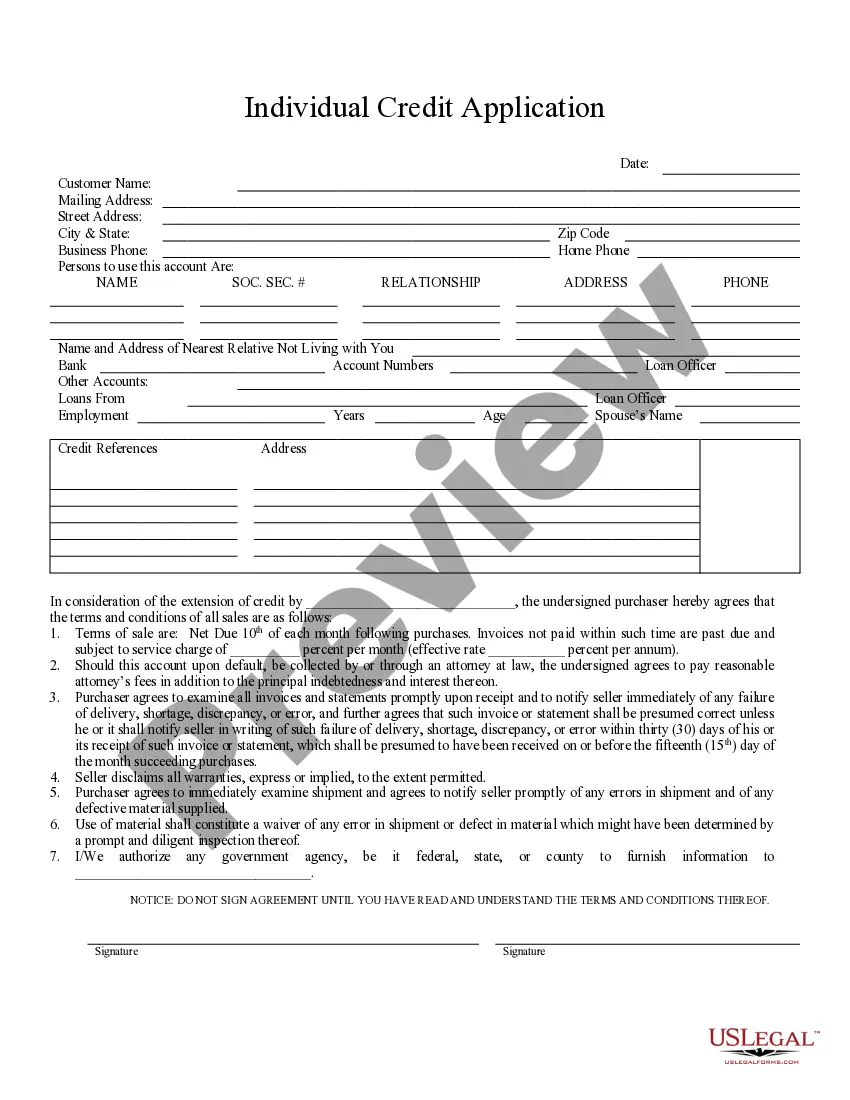
Montana Warranty Deed from Corporation to Corporation
What is this form?
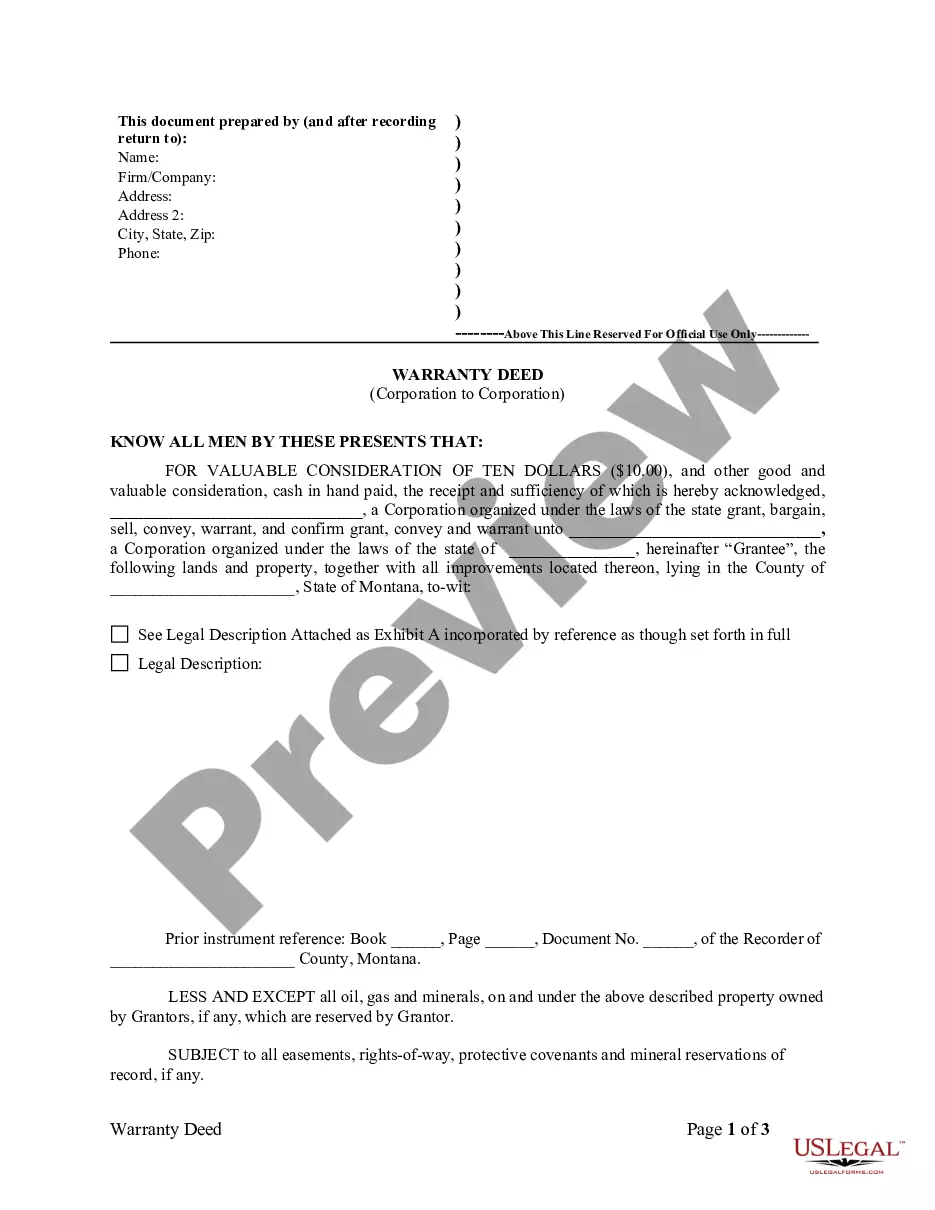
The Warranty Deed from Corporation to Corporation is a legal document used when one corporation transfers property ownership to another corporation. It ensures that the granting corporation conveys the property, while also including reservations such as mineral rights. This form is distinct from other types of deeds, such as general or special warranty deeds, because both the grantor and grantee are corporations, reflecting specific legal requirements for corporate transactions.
Form components explained
- Identification of the grantor and grantee, including corporate names.
- Legal description of the property being transferred.
- Reservation of rights, such as oil, gas, and mineral rights.
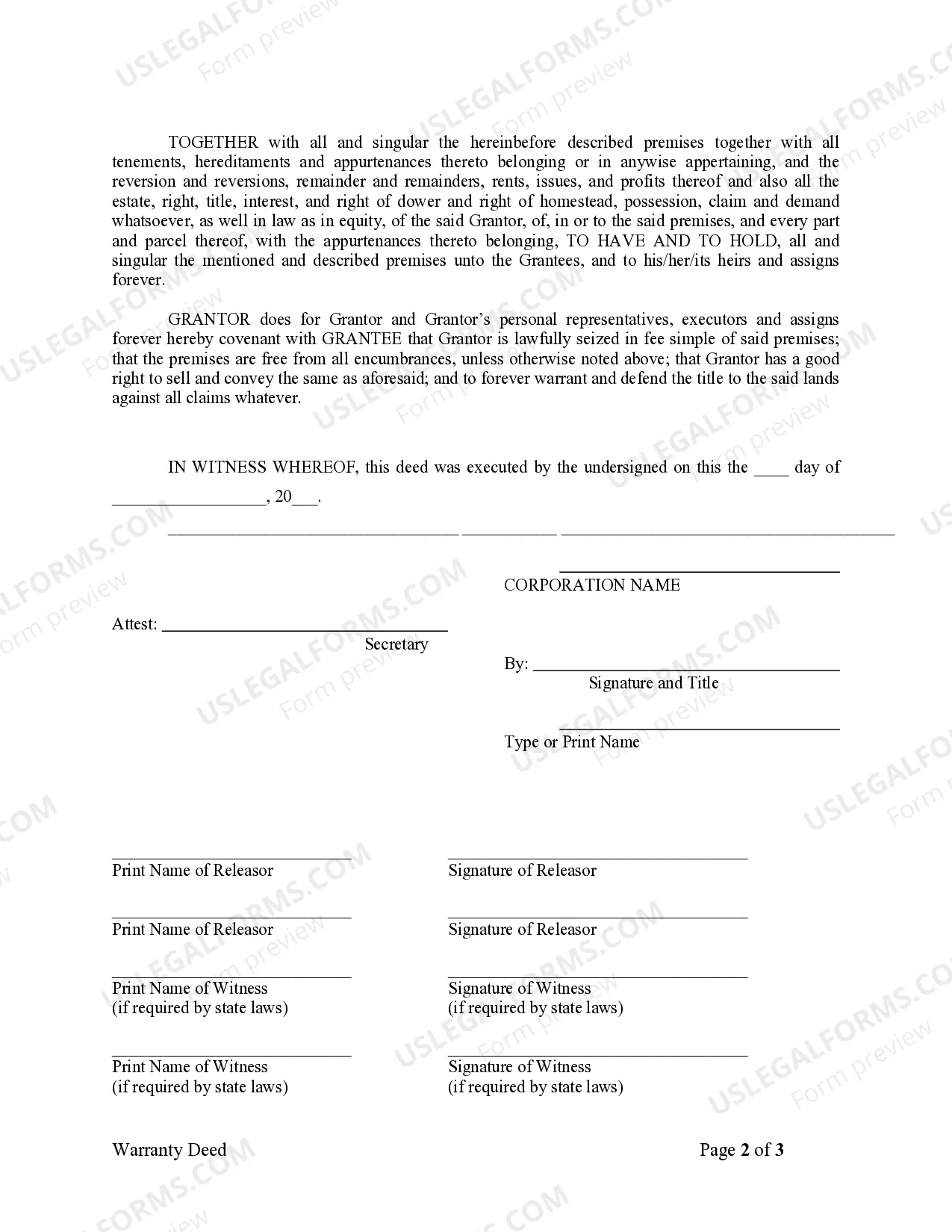
- Covenant of seisin, certifying that the grantor owns the property outright.
- Execution section for signatures of authorized representatives and witnesses.
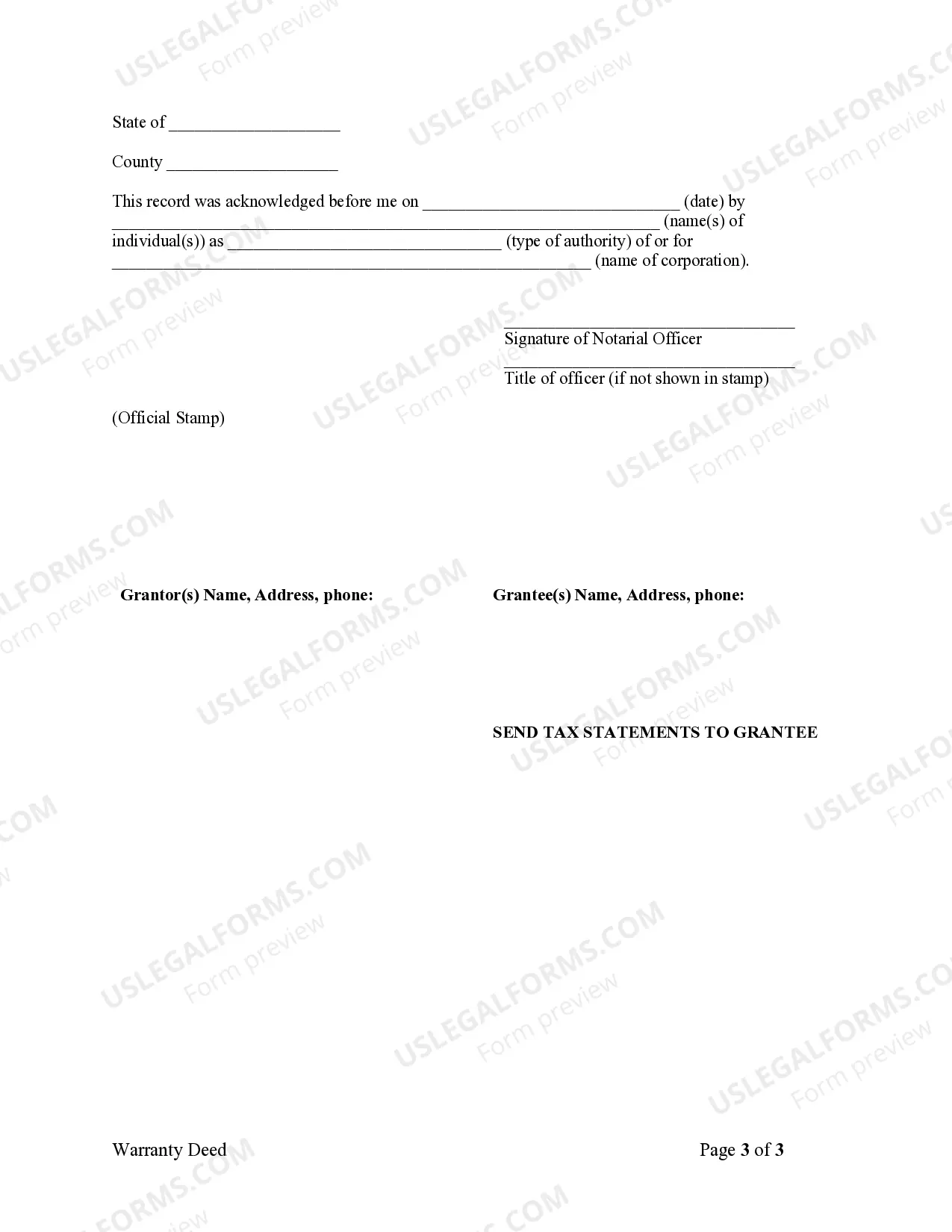
- Notary acknowledgment to validate the transfer.



When this form is needed
This form should be used when a corporation is selling or transferring property to another corporation. It may be necessary in various real estate transactions, such as mergers and acquisitions, corporate restructuring, or sale of corporate assets. Utilizing this form helps ensure a clear transfer of ownership and protects against future disputes over the title.
Who should use this form
- Corporations engaging in property transfers.
- Corporate legal representatives handling real estate transactions.
- Corporate officers authorized to execute deeds on behalf of the company.
- Lawyers involved in corporate or real estate law.
Completing this form step by step
- Identify the parties involved, making sure to include the full legal names of both the grantor and grantee corporations.
- Specify the property being transferred by including a detailed legal description.
- Note any reservations regarding oil, gas, or mineral rights that will remain with the grantor.
- Include the signatures of authorized representatives from both corporations in the execution section.
- Have the document notarized if required by state laws.
Does this form need to be notarized?
This form needs to be notarized to ensure legal validity. US Legal Forms provides secure online notarization powered by Notarize, allowing you to complete the process through a verified video call, available anytime.
Get your form ready online
Our built-in tools help you complete, sign, share, and store your documents in one place.
Make edits, fill in missing information, and update formatting in US Legal Forms—just like you would in MS Word.
Download a copy, print it, send it by email, or mail it via USPS—whatever works best for your next step.
Sign and collect signatures with our SignNow integration. Send to multiple recipients, set reminders, and more. Go Premium to unlock E-Sign.
If this form requires notarization, complete it online through a secure video call—no need to meet a notary in person or wait for an appointment.
We protect your documents and personal data by following strict security and privacy standards.

Make edits, fill in missing information, and update formatting in US Legal Forms—just like you would in MS Word.

Download a copy, print it, send it by email, or mail it via USPS—whatever works best for your next step.

Sign and collect signatures with our SignNow integration. Send to multiple recipients, set reminders, and more. Go Premium to unlock E-Sign.

If this form requires notarization, complete it online through a secure video call—no need to meet a notary in person or wait for an appointment.

We protect your documents and personal data by following strict security and privacy standards.
Typical mistakes to avoid
- Failing to include the full legal names of both corporations.
- Omitting the detailed legal description of the property.
- Not properly reserving mineral rights if applicable.
- Not having the document signed by the correct corporate officers.
- Neglecting the notary acknowledgment, if required.
Why use this form online
- Convenience: Easily download and complete the form from anywhere.
- Editability: Fill in the necessary details and customize as needed.
- Reliability: Forms are drafted by licensed attorneys to comply with legal standards.
Looking for another form?




Form popularity
FAQ
The deed did not meet the written requirements (such as if it failed to accurately describe the property); The deed was forged; The deed was induced by fraud, misrepresentation, coercion, duress, or undue influence; The deed was not delivered, or not delivered properly, and there was no acceptance by the grantee.
Corporate warranty deeds offer the seller's guarantee to the buyer in regards to the validity of the chain of title. Generally, special warranty deeds only protect against problems occurring since the seller purchased the property.
It's important to note that a warranty deed does not actually prove the grantor has ownership (a title search is the best way to prove that), but it is a promise by the grantor that they are transferring ownership and if it turns out they don't actually own the property, the grantor will be responsible for compensating
A warranty deed is a higher level of protection produced by the seller upon the real estate closing. It includes a full legal description of the property, and confirms the title is clear and free from all liens, encumbrances, or title defects. Most property sales make use of a warranty deed.
A special warranty deed is a deed to real estate where the seller of the propertyknown as the grantorwarrants only against anything that occurred during their physical ownership. In other words, the grantor doesn't guarantee against any defects in clear title that existed before they took possession of the property.
A statutory warranty deed is different from a warranty deed because it is a shorter form made available through your state's statutes and it may not outright list the promise that the title is guaranteed to be clear. Instead, because it is a statutory form, this guarantee is implied and is still legally enforceable.
Special warranties allow the transfer of property title between seller and buyer. The purchase of title insurance can mitigate the risk of prior claims to the special warranty deed.
A warranty deed, also known as a general warranty deed, is a legal real estate document between the seller (grantor) and the buyer (grantee). The deed protects the buyer by pledging that the seller holds clear title to the property and there are no encumbrances, outstanding liens, or mortgages against it.
Contrary to normal expectations, the Deed DOES NOT have to be recorded to be effective or to show delivery, and because of that, the Deed DOES NOT have to be signed in front of a Notary Public. However, if you plan to record it, then it does have to be notarized as that is a County Recorder requirement.