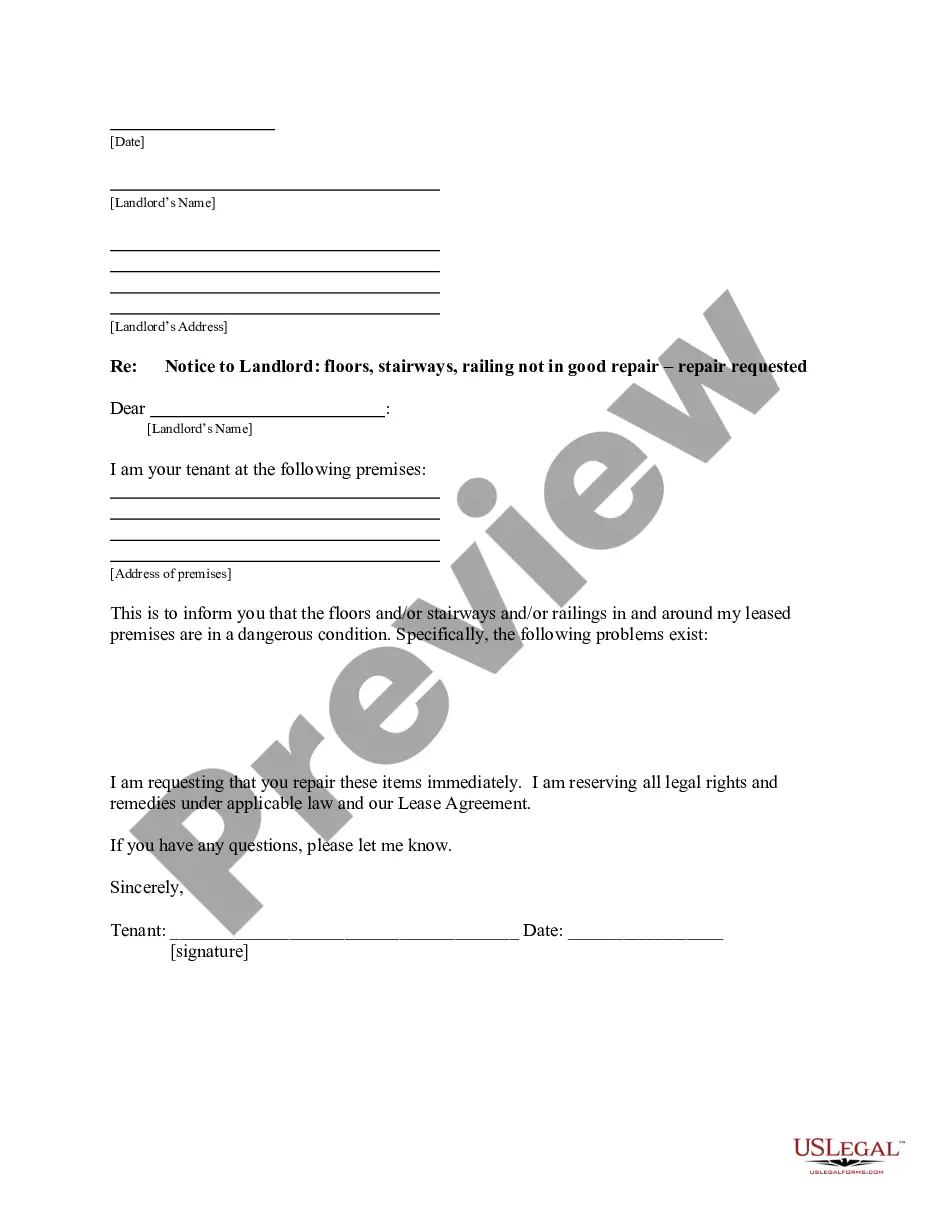
Mississippi Sale of a Business Package
What this form package covers
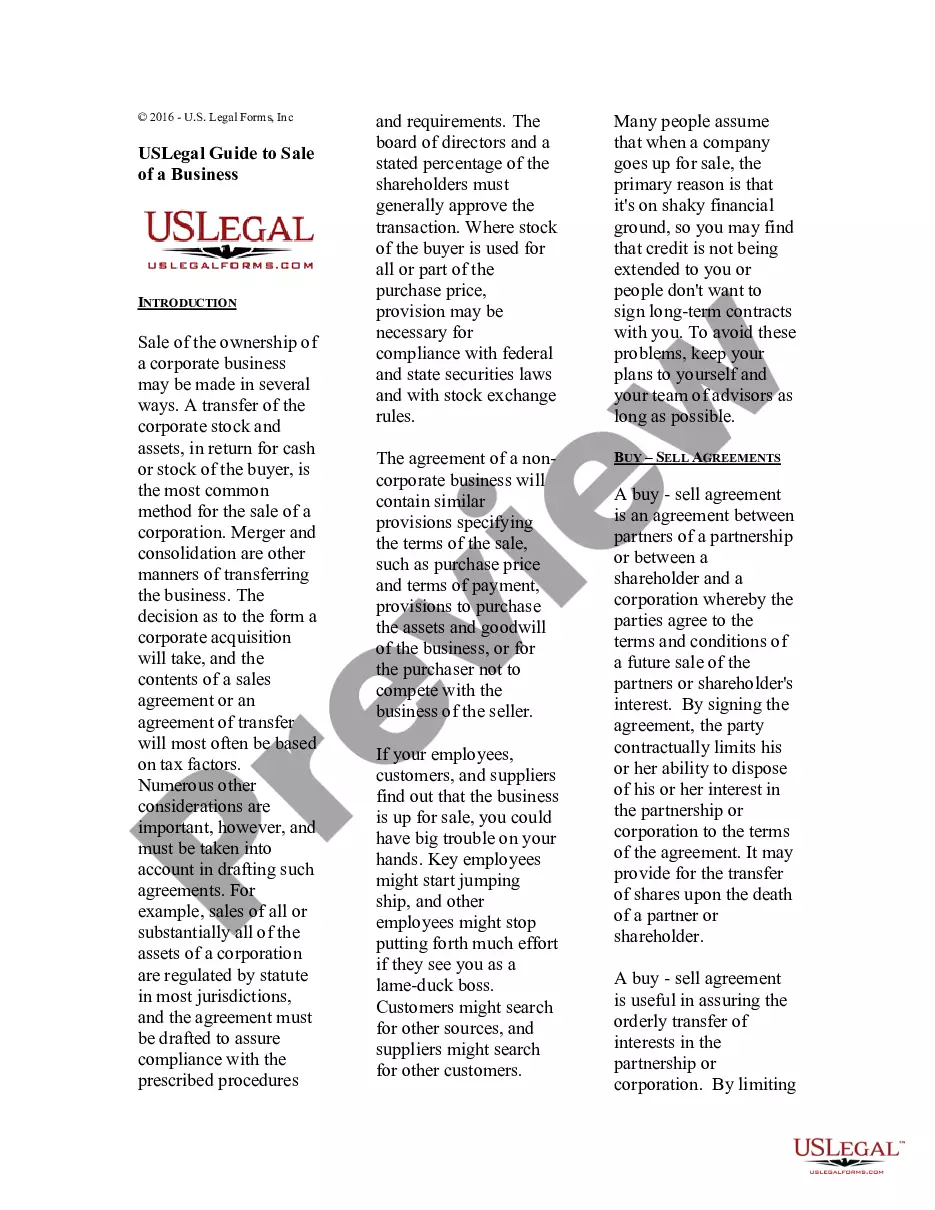
The Mississippi Sale of a Business Package provides essential legal documents designed to facilitate the sale of a business, whether it's a sole proprietorship or a corporate entity. This package stands out as it contains state-specific forms drafted by licensed attorneys, ensuring legal compliance and protection during the transaction. It equips both buyers and sellers with the necessary tools to navigate the complexities of a business sale, making it easier to customize the documents according to individual circumstances.
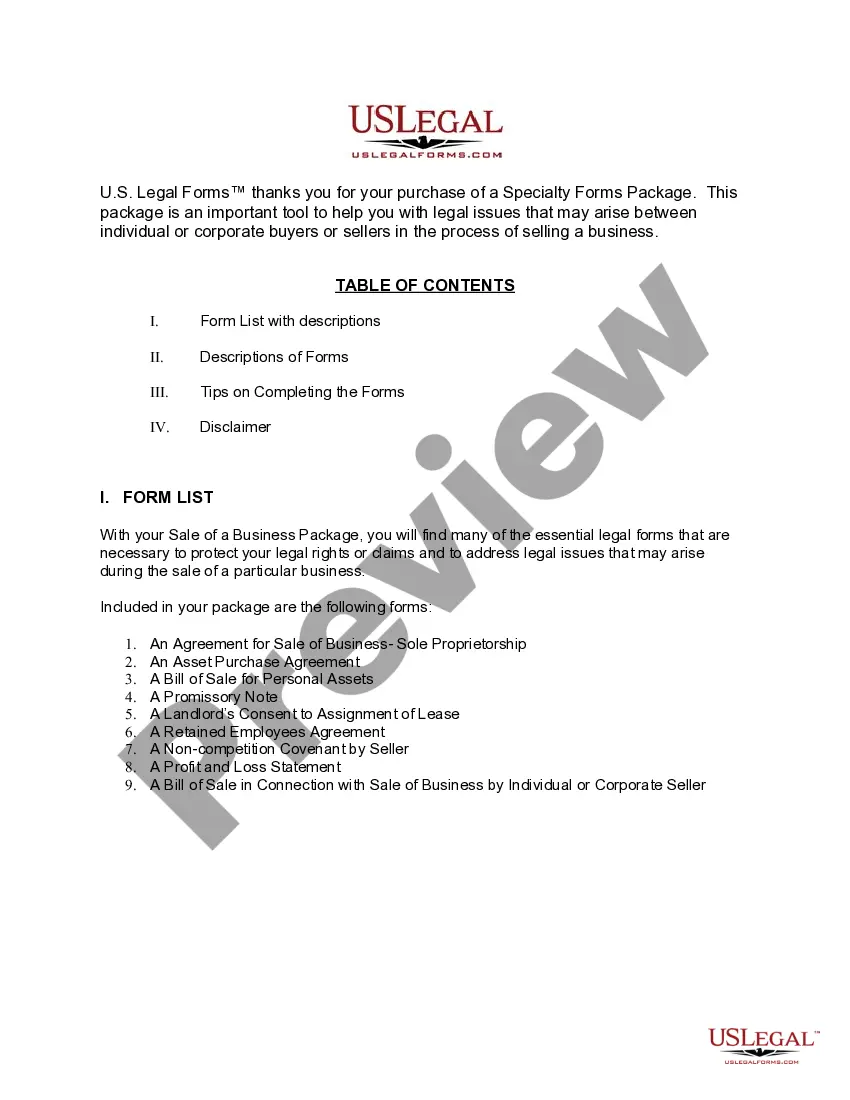
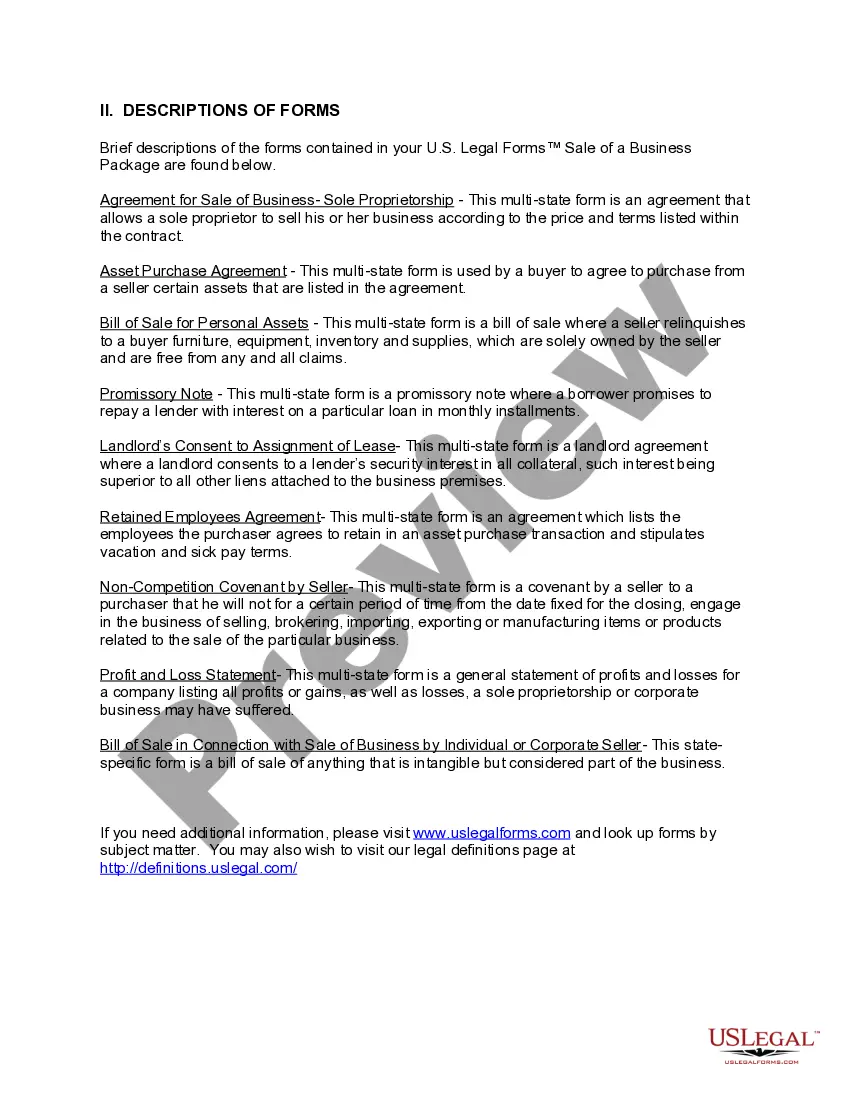
Forms provided in this package
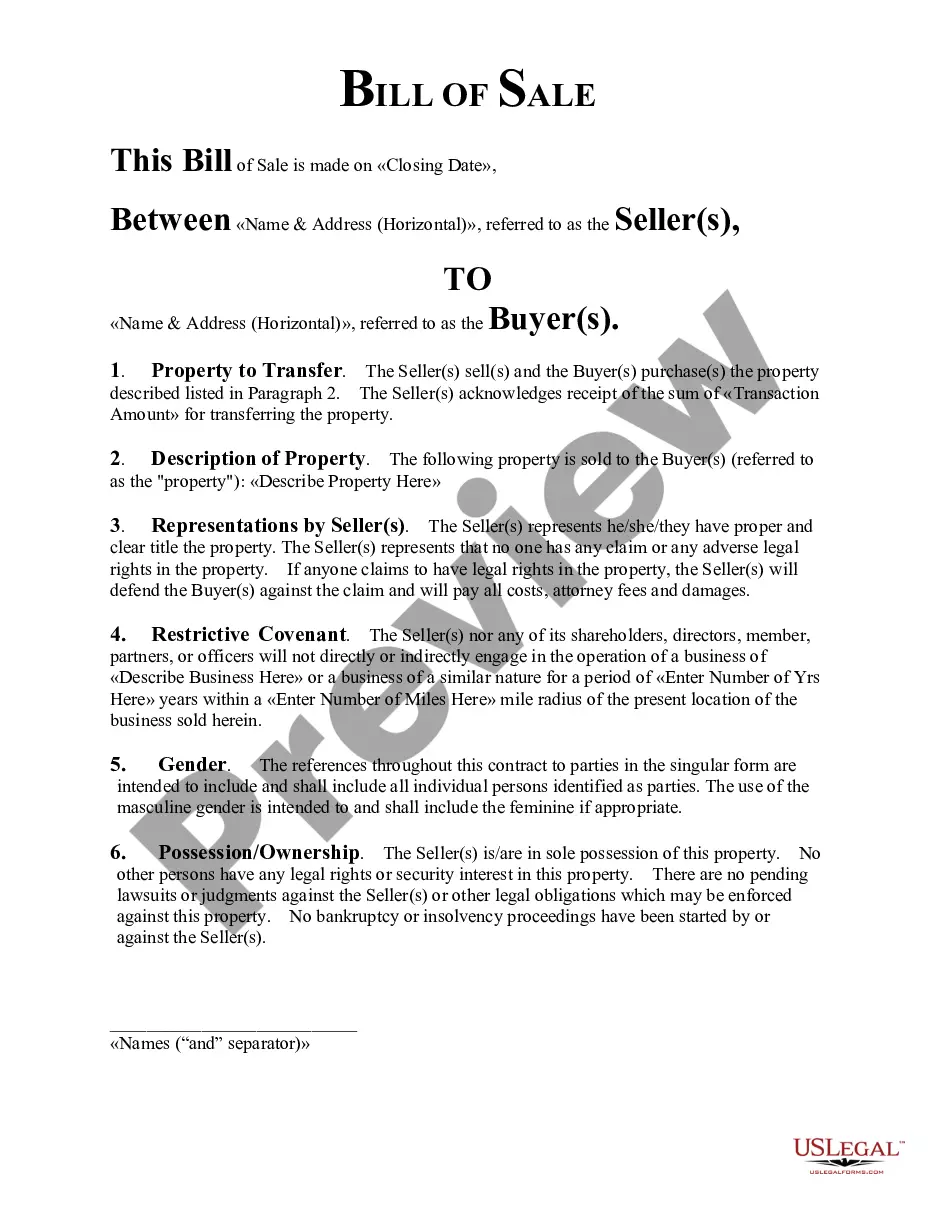
- Bill of Sale in Connection with Sale of Business by Individual or Corporate Seller
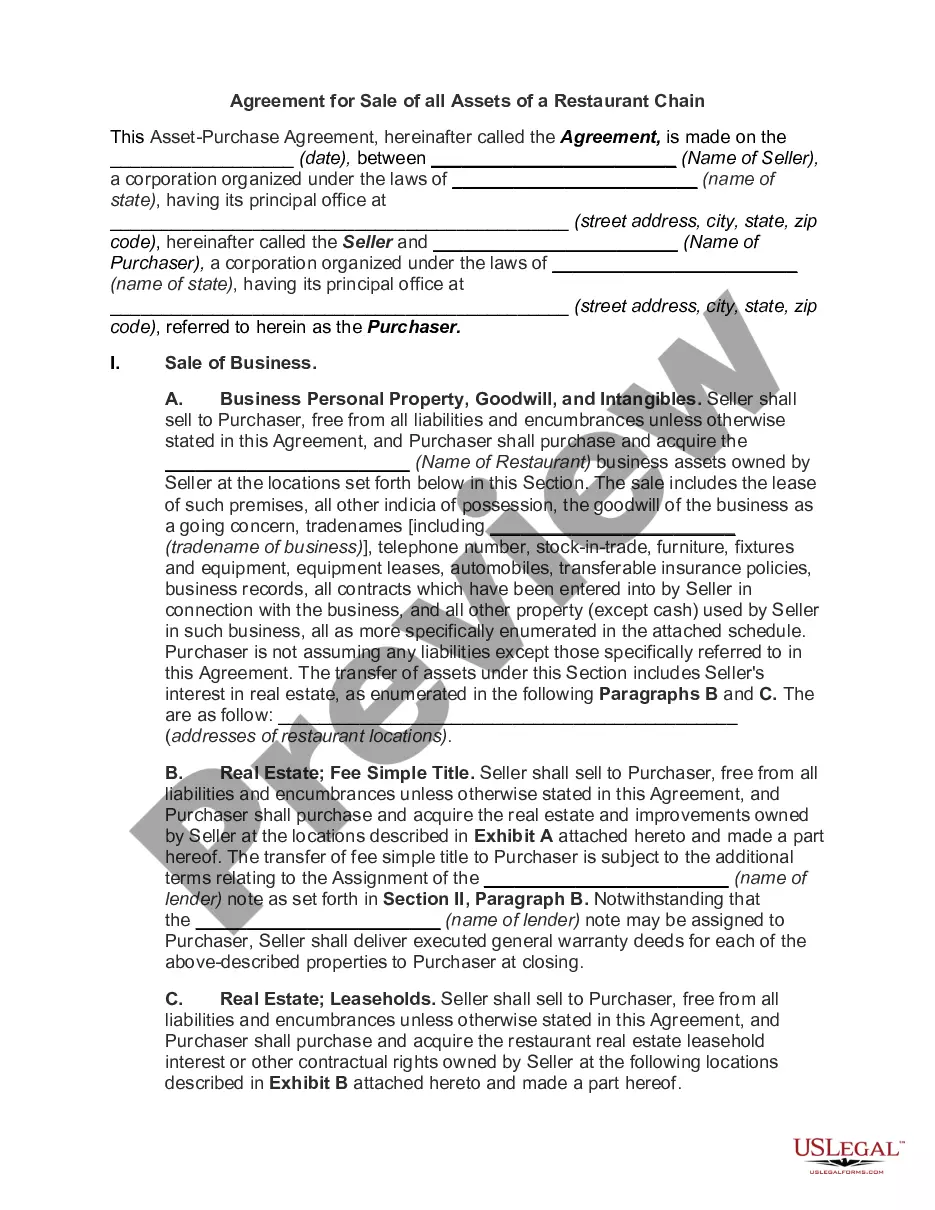
- Asset Purchase Agreement - Business Sale
- Sale of Business - Bill of Sale for Personal Assets - Asset Purchase Transaction
- Sale of Business - Landlord's Consent to Assignment of Lease - Asset Purchase Transaction
- Sale of Business - Promissory Note - Asset Purchase Transaction
- Sale of Business - Retained Employees Agreement - Asset Purchase Transaction
- Noncompetition Covenant by Seller in Sale of Business
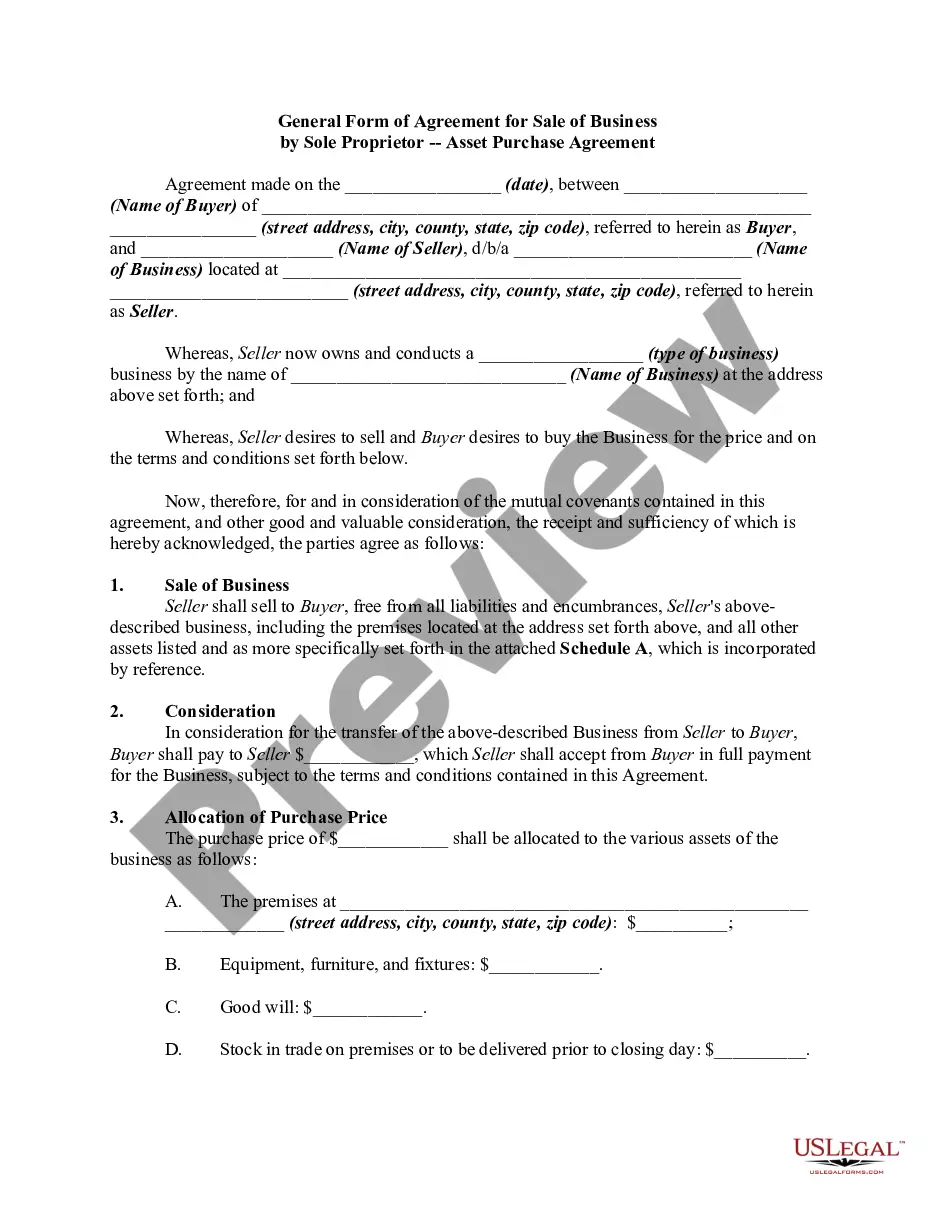
- Agreement for Sale of Business - Sole Proprietorship - Asset Purchase
- Profit and Loss Statement
Common use cases
This package is ideal for use when you are entering into negotiations for the sale or purchase of a business in Mississippi. It is particularly useful in situations such as:
- Transferring ownership of an existing business to a new owner.
- Buying specific assets of a business rather than the entire business entity.
- Formalizing agreements between buyers and sellers to ensure clarity on terms and conditions.
- Documenting financial agreements related to the sale, including any promissory notes.
Who should use this form package
- Business owners looking to sell their business or specific assets.
- Individuals or corporate buyers wanting to acquire a business.
- Real estate investors or entrepreneurs entering into business agreements.
- Attorneys and legal advisors assisting clients with business sales.
Instructions for completing these forms
- Review all included forms to understand their purpose and requirements.
- Identify all parties involved in the sale, including buyers, sellers, and any relevant associates.
- Fill in the necessary information, such as dates, property descriptions, and payment terms.
- Ensure all parties sign the agreements where required, following the specified procedures.
- Store the completed documents in a secure location and provide copies to all involved parties.
Notarization guidance for this package
Notarization is not commonly needed for forms in this package. However, if your state’s laws require it, our notarization service, powered by Notarize, allows you to finalize documents online 24/7 without in-person visits.
Get your form ready online
Our built-in tools help you complete, sign, share, and store your documents in one place.
Make edits, fill in missing information, and update formatting in US Legal Forms—just like you would in MS Word.
Download a copy, print it, send it by email, or mail it via USPS—whatever works best for your next step.
Sign and collect signatures with our SignNow integration. Send to multiple recipients, set reminders, and more. Go Premium to unlock E-Sign.
If this form requires notarization, complete it online through a secure video call—no need to meet a notary in person or wait for an appointment.
We protect your documents and personal data by following strict security and privacy standards.

Make edits, fill in missing information, and update formatting in US Legal Forms—just like you would in MS Word.

Download a copy, print it, send it by email, or mail it via USPS—whatever works best for your next step.

Sign and collect signatures with our SignNow integration. Send to multiple recipients, set reminders, and more. Go Premium to unlock E-Sign.

If this form requires notarization, complete it online through a secure video call—no need to meet a notary in person or wait for an appointment.

We protect your documents and personal data by following strict security and privacy standards.
Common mistakes
- Failing to review all forms thoroughly before completing them.
- Not including all necessary details, such as asset descriptions or buyer qualifications.
- Overlooking required signatures or dates on documents.
- Assuming that one-size-fits-all templates are sufficient without customization.
Benefits of completing this package online
- Convenience of downloading the forms immediately, without the need for in-person visits.
- Editability allows users to tailor documents according to specific needs and circumstances.
- Reliability of documents reviewed by licensed attorneys to ensure compliance with legal standards.
- Access to additional resources and legal definitions to support form completion.
Legal use & context
- The forms in this package are designed to be legally binding agreements once filled and signed by the parties involved.
- Failing to comply with state-specific requirements could affect the enforceability of the agreements.
- This package can help protect the rights of both buyers and sellers during the sale process.
What to keep in mind
- The Mississippi Sale of a Business Package provides essential legal documents for business sales.
- It is suitable for both buyers and sellers looking to ensure a smooth transaction.
- State-specific requirements must be adhered to for legal compliance.
- This package is cost-effective, offering savings compared to purchasing forms separately.
Looking for another form?
Form popularity
FAQ
Since the Mississippi Department of Revenue doesn't provide resale certificates, a vendor who regularly works with resellers might put together a form that serves the same purposes. Essentially, you'll have a form to collect the buyer's name, address, and permit number.
Sales of property, labor or services sold to, billed directly to, and payment is made directly by the United States Government, the state of Mississippi and its departments, institutions, counties and municipalities or departments or school districts of its counties and municipalities are exempt from sales tax.
Five U.S. states (New Hampshire, Oregon, Montana, Alaska and Delaware) do not impose any general, statewide sales tax on goods or services. Of the 45 states remaining, four (Hawaii, South Dakota, New Mexico and West Virginia) tax services by default, with exceptions only for services specifically exempted in the law.
Sellers who sell tangible personal property in Mississippi and have sales tax nexus in the state are required to register for a Mississippi sales tax permit. 2.Business owners can register online at Mississippi's TAP website. Mississippi encourages online sellers to register and file sales tax online.
Sales of grocery food are subject to sales tax in Mississippi.
Services in Mississippi are generally not taxable.
Are services subject to sales tax in Mississippi? "Goods" refers to the sale of tangible personal property, which are generally taxable. "Services" refers to the sale of labor or a non-tangible benefit. In Mississippi, specified services are taxable.
The Mississippi (MS) state sales tax rate is currently 7%. Depending on local municipalities, the total tax rate can be as high as 8%. Mississippi was listed in Kiplinger's 2011 10 tax-friendly states for retirees.
The statewide tax rate is 7.25%. In most areas of California, local jurisdictions have added district taxes that increase the tax owed by a seller. Those district tax rates range from 0.10% to 1.00%. Some areas may have more than one district tax in effect.