Mississippi Letter from Tenant to Landlord containing Notice that doors are broken and demand repair
What this document covers
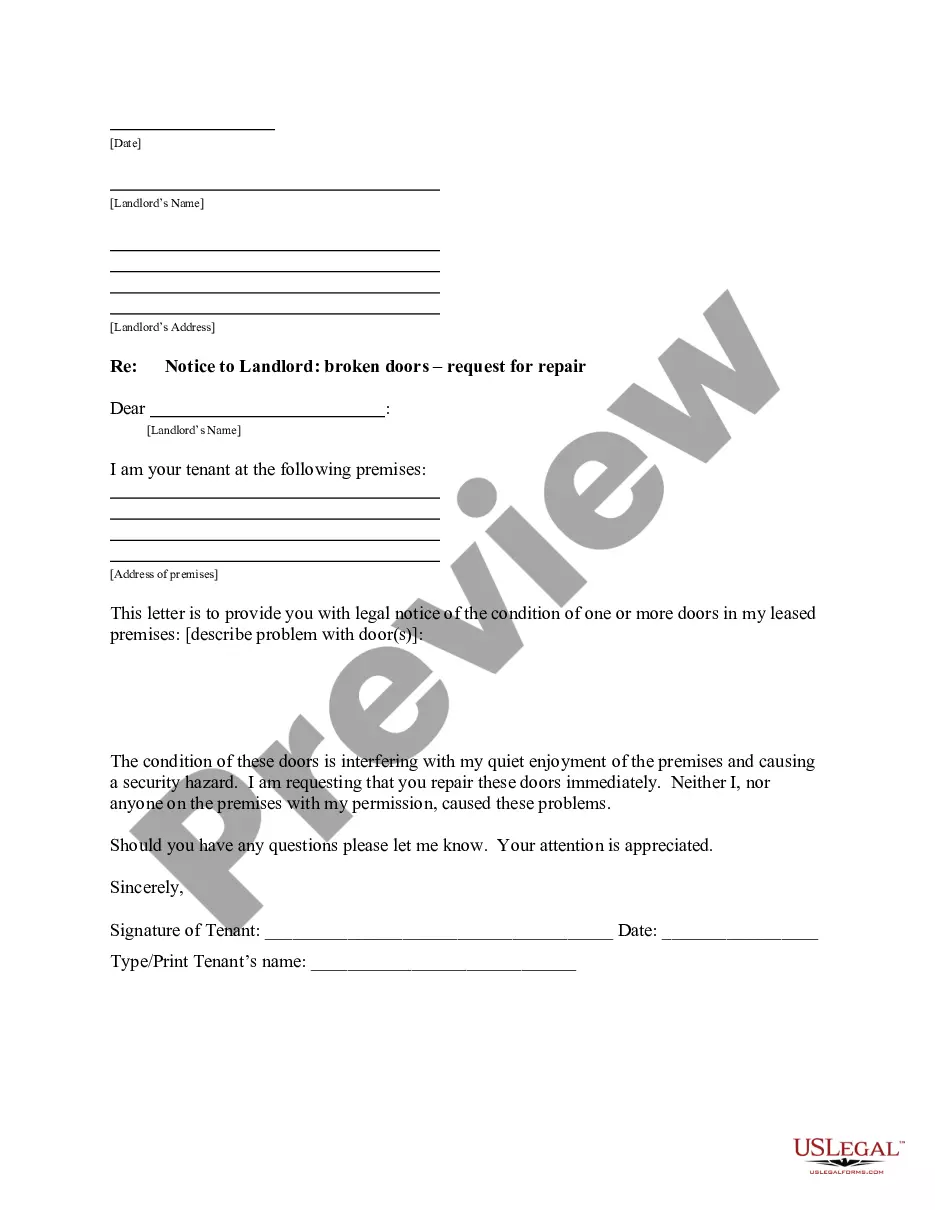
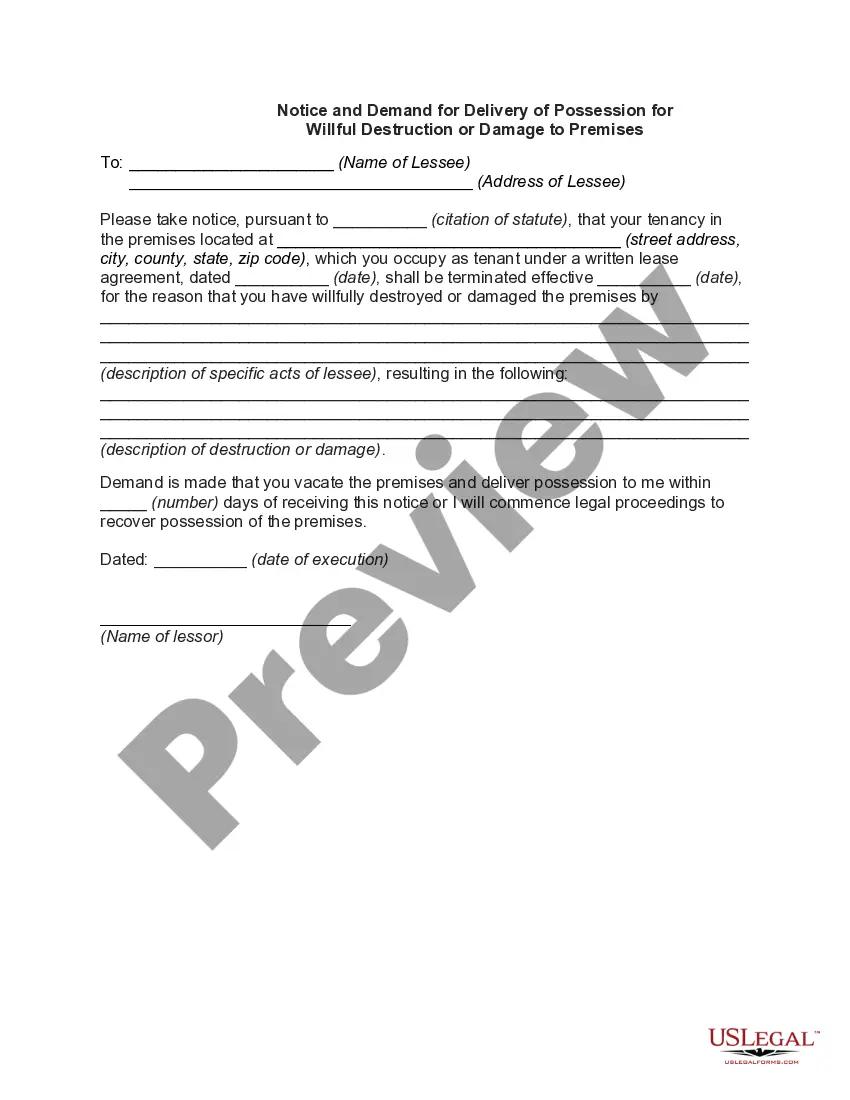
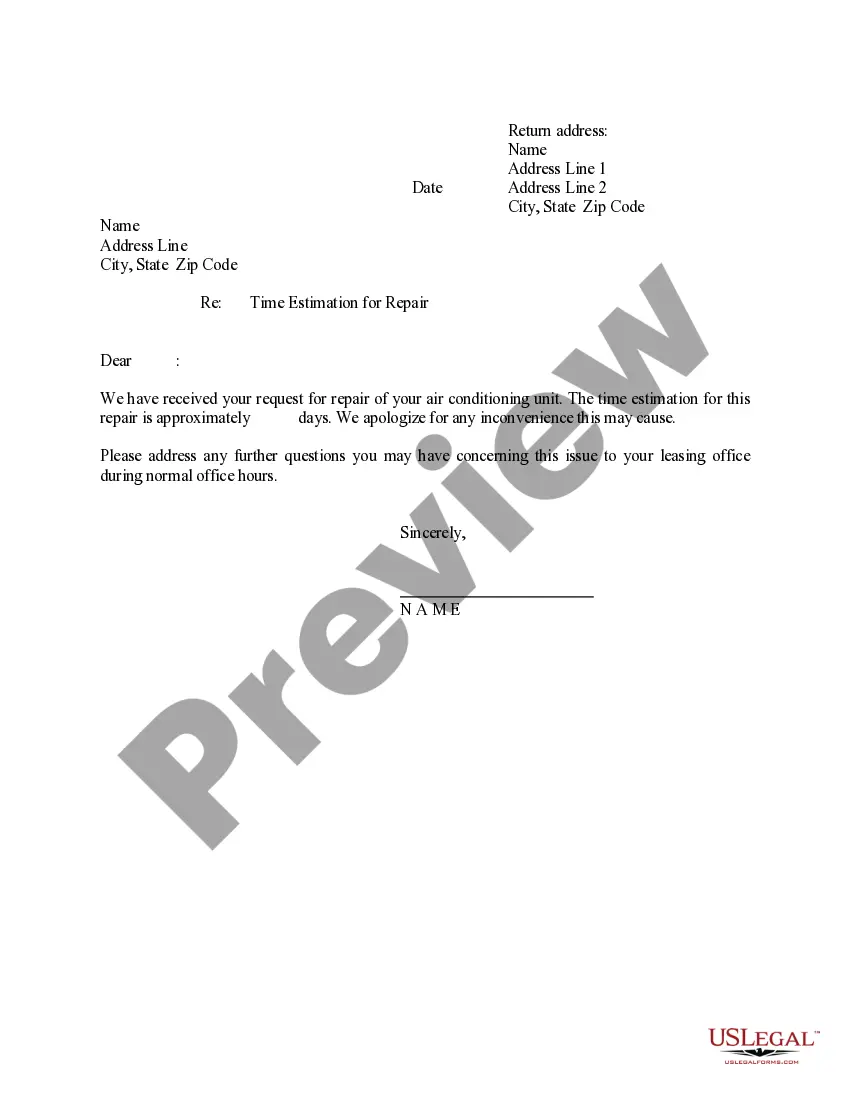
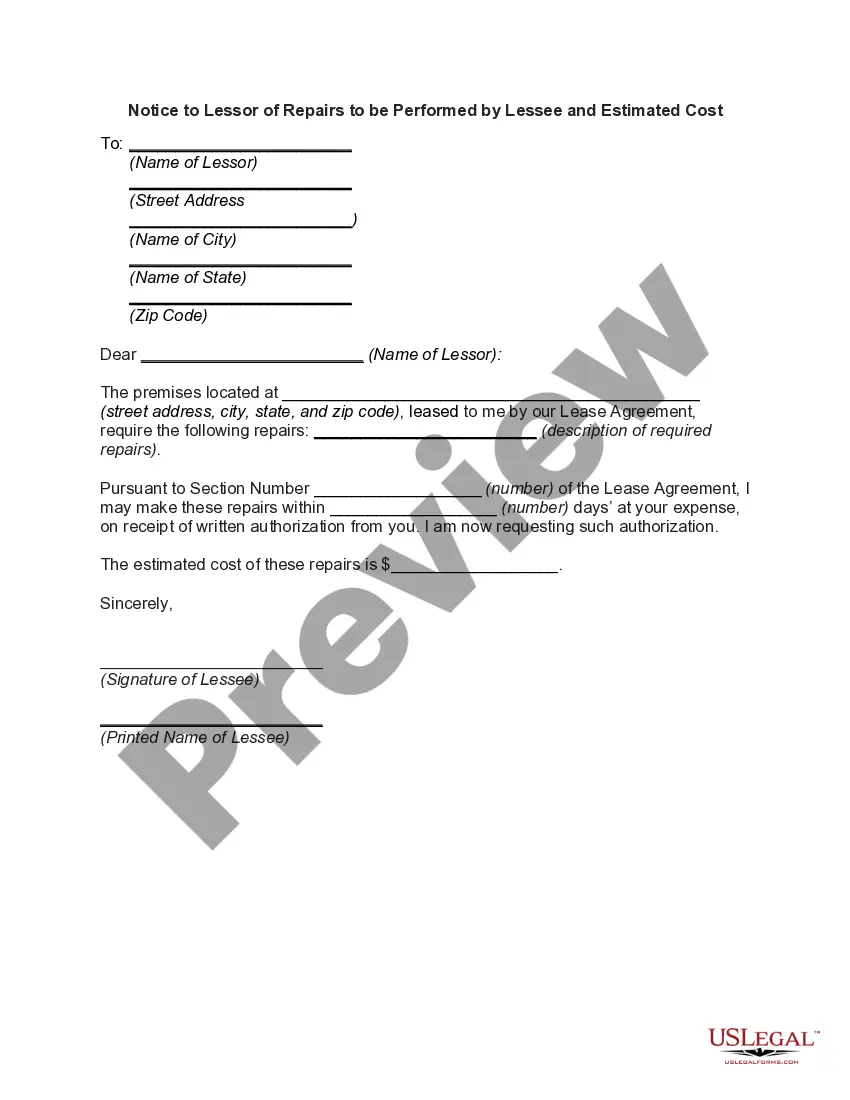
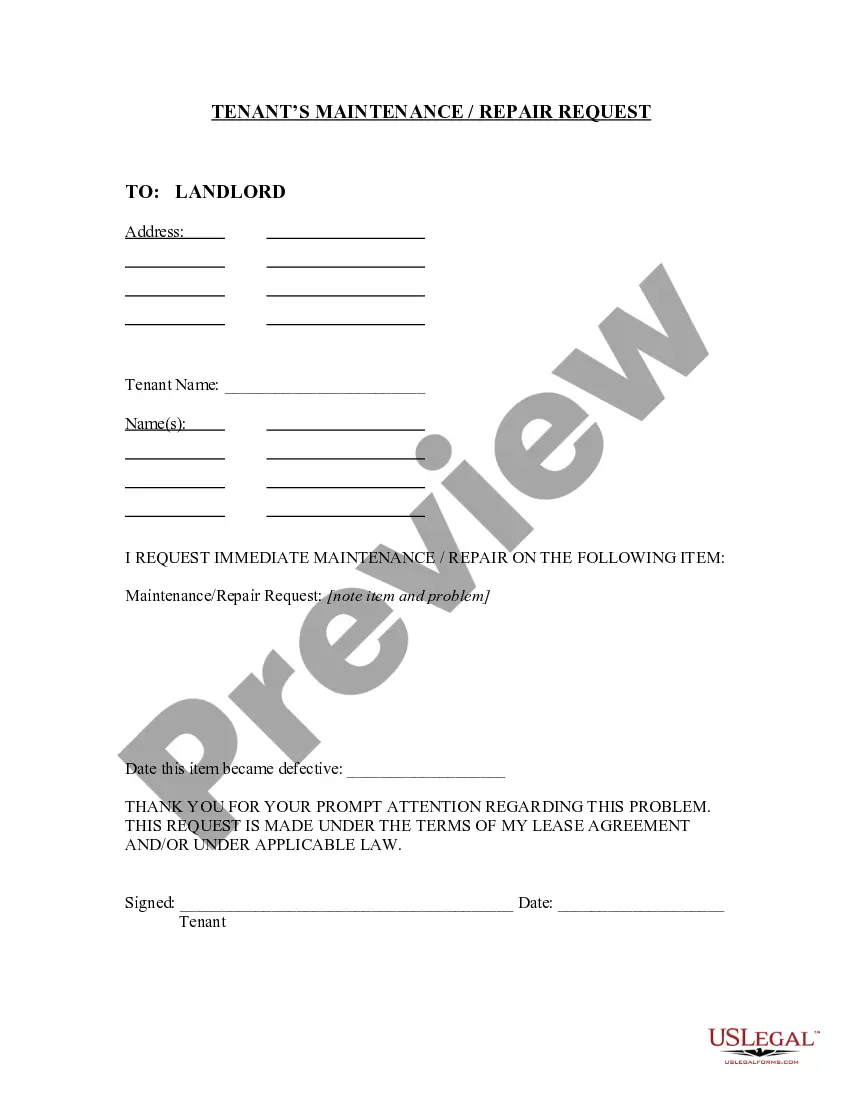
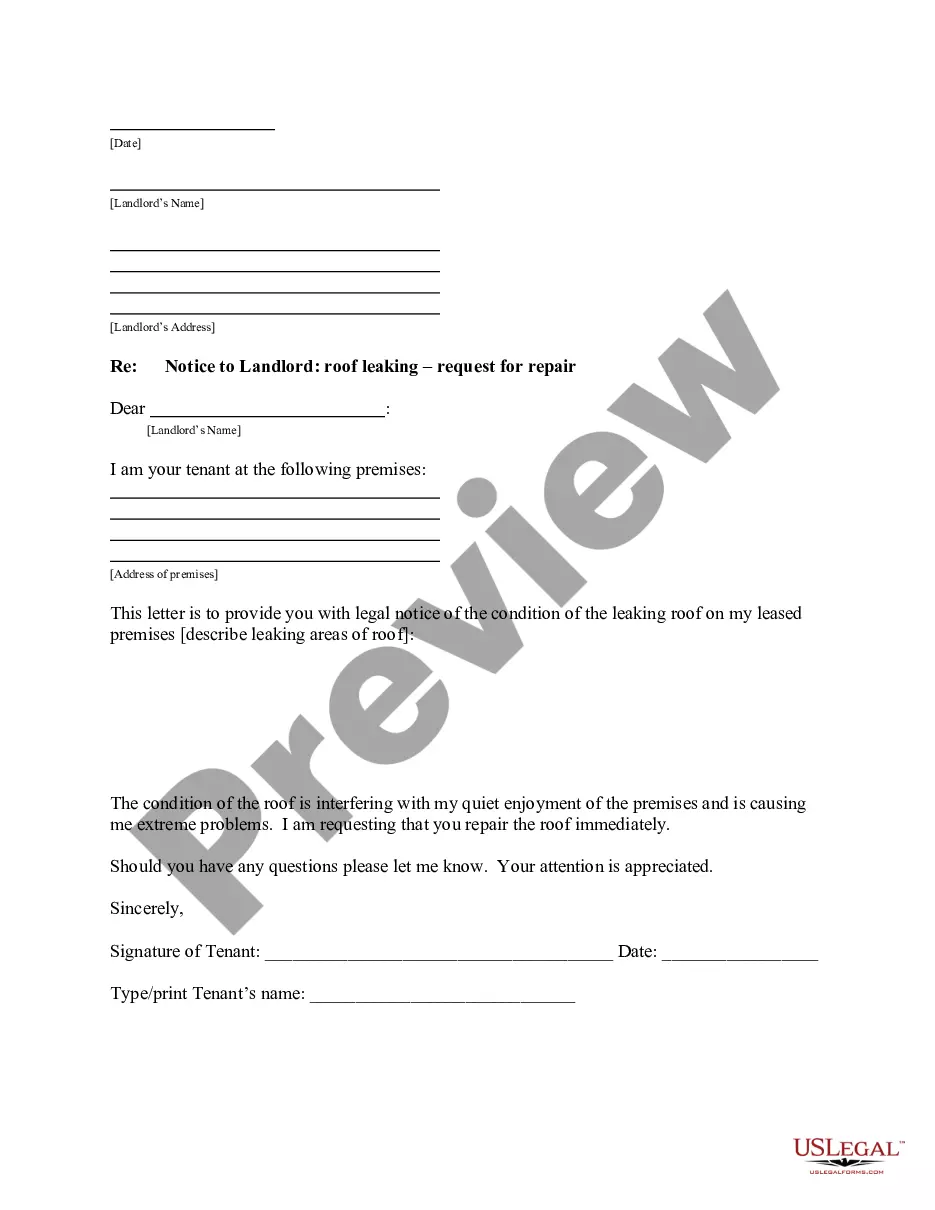
This form is a Letter from Tenant to Landlord containing Notice that doors are broken and demand repair. It allows tenants to formally notify their landlord about issues with broken doors in the rental property and request repairs as stipulated in the lease agreement. This letter is essential for ensuring communication is clear and documented, differentiating it from informal requests or complaints.
Key parts of this document
- Tenantâs signature to authenticate the notice.
- Date of the notice to establish a timeline for requests.
- Tenantâs name for identification purposes.
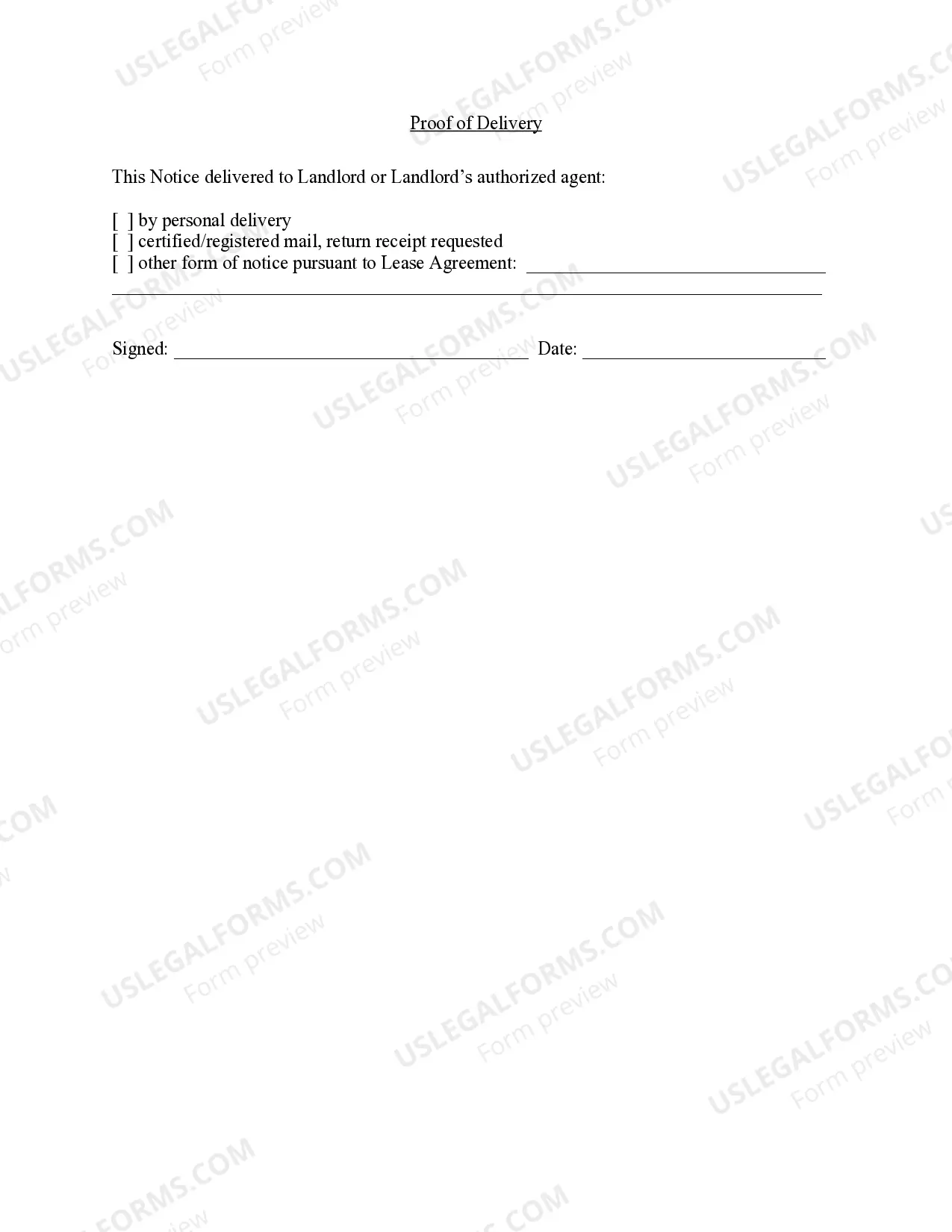
- Proof of delivery options to ensure the notice is properly communicated to the landlord.

Common use cases
This form should be used when a tenant encounters broken doors within their rental unit and needs to inform the landlord about the necessary repairs. It is especially important if the tenant requires prompt repairs to maintain comfort or security in their living environment. Using this official letter helps to ensure the landlord is legally informed of the repair needs.
Who should use this form
This form is intended for:
- Tenants who are facing issues with broken doors in their rental properties.
- Individuals seeking to document their repair requests to maintain clear communication with their landlord.
- Renters who want to ensure their rights are preserved under their lease agreement.
How to complete this form
To complete this form, follow these steps:
- Identify and enter the name and address of the tenant.
- Clearly indicate the date of the notice.
- Provide details about the issue with the doors to specify the repair needed.
- Choose a method of delivery to inform the landlord, ensuring proof is documented.
- Sign and date the notice to validate it.
Is notarization required?
This form does not typically require notarization unless specified by local law. It is sufficient to deliver the notice according to the chosen method outlined in the form.
Get your form ready online
Our built-in tools help you complete, sign, share, and store your documents in one place.
Make edits, fill in missing information, and update formatting in US Legal Forms—just like you would in MS Word.
Download a copy, print it, send it by email, or mail it via USPS—whatever works best for your next step.
Sign and collect signatures with our SignNow integration. Send to multiple recipients, set reminders, and more. Go Premium to unlock E-Sign.
If this form requires notarization, complete it online through a secure video call—no need to meet a notary in person or wait for an appointment.
We protect your documents and personal data by following strict security and privacy standards.

Make edits, fill in missing information, and update formatting in US Legal Forms—just like you would in MS Word.

Download a copy, print it, send it by email, or mail it via USPS—whatever works best for your next step.

Sign and collect signatures with our SignNow integration. Send to multiple recipients, set reminders, and more. Go Premium to unlock E-Sign.

If this form requires notarization, complete it online through a secure video call—no need to meet a notary in person or wait for an appointment.

We protect your documents and personal data by following strict security and privacy standards.
Common mistakes
- Failing to provide enough detail about the repair needed.
- Not including proof of delivery options or failing to follow through with them.
- Neglecting to sign and date the notice, making it less formal.
Why complete this form online
- Convenience of downloading the form and completing it online.
- Editability to customize the notice to your specific situation.
- Reliability of using a form prepared by licensed attorneys, ensuring legal accuracy.
Legal use & context
- This form provides a documented request that can be used as evidence if disputes arise later.
- It may help tenants demonstrate adherence to lease obligations regarding repairs.
Quick recap
- A Letter from Tenant to Landlord is essential for reporting broken doors and requesting repairs.
- Ensure the form is filled out completely and accurately to maintain its effectiveness.
- Documenting your request protects your rights as a tenant.
Looking for another form?

Form popularity
FAQ
Vermont ranked first among the renter-friendly states, followed closely by Delaware and Hawaii who were tied for second place. Rhode Island, Arizona, D.C., Maine and Alaska Statutes also seem to take good care of their renters according to our analysis.
You need to charge high enough rent to cover your expenses and take home a profit. With mortgage payments to contend with and a tough competition, you may only be able to profit $200 to $400 per month on a property. That's $4,800 a year, a far cry from the $50,000 we're talking about for earning a living.
Notice to terminate a week-to-week lease. A one-week written notice is required. Notice to terminate a month-to-month lease. 30-day written notice is required. Notice to terminate a yearly lease with no end date.
In some circumstances, a tenant can break a fixed-term agreement early without penalty. A tenant can give 14 days' written notice to end an agreement early without penalty if: they have accepted an offer of social housing (e.g. from DCJ Housing)
Only in an emergency can a landlord enter the residence without consent. Consent to enter may be granted within the terms of the lease.The landlord has 45 days to return the deposit but may deduct rent owed or reasonable costs for cleaning the unit or repairing damage caused by the tenant.
Mississippi is another landlord-friendly state, there's no limit for how much a landlord can charge for a security deposit, and landlords have 45 days to return the security deposit at the end of a tenancy.
Indiana. Indiana laws allow landlords to hold on to security deposits for 45 days to give them time to determine any damages caused by tenants. Colorado. Colorado is one of few states that allow landlords to access the rental property without an advance notice requirement. Georgia.
A landlord cannot evict a tenant without an adequately obtained eviction notice and sufficient time. A landlord cannot retaliate against a tenant for a complaint. A landlord cannot forego completing necessary repairs or force a tenant to do their own repairs.A landlord cannot remove a tenant's personal belongings.