Mississippi Warranty Deed from two Individuals to Corporation
Overview of this form
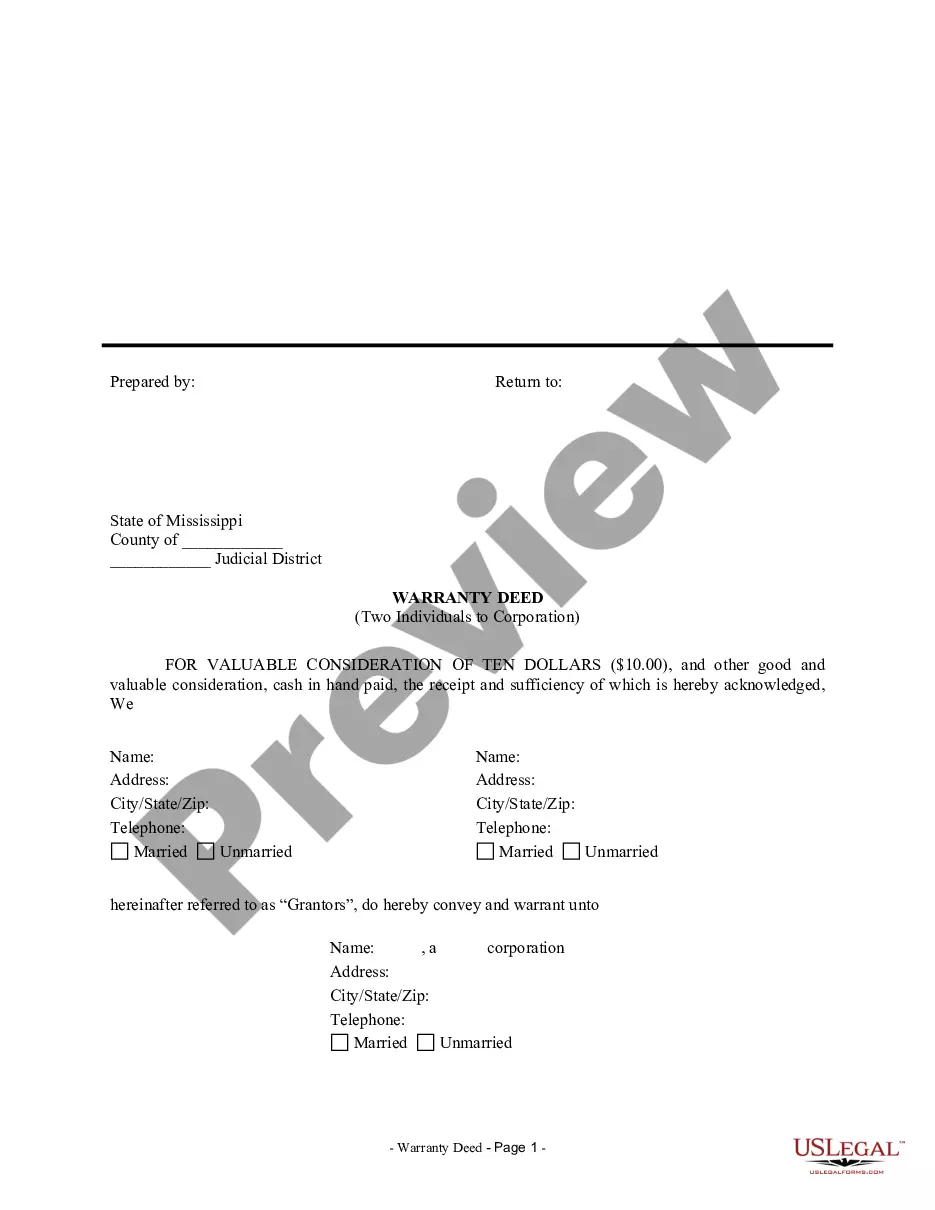
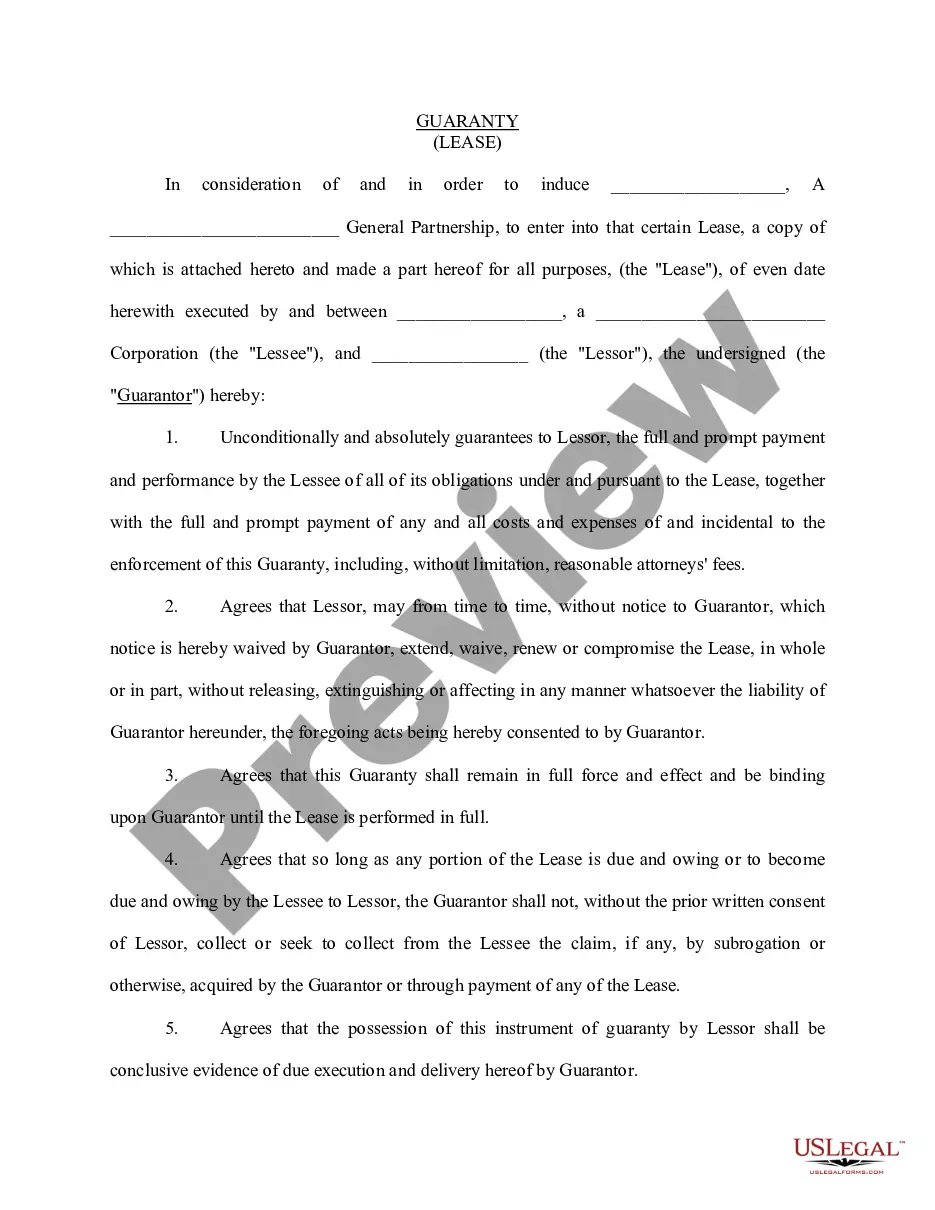
The Warranty Deed from two Individuals to Corporation is a legal document that facilitates the transfer of property ownership from two individual grantors to a corporation. This form provides a warranty that ensures the grantors have the right to transfer the property, excluding any oil, gas, and minerals. It is essential for formalizing property transactions and establishing ownership rights, distinguishing it from other types of deeds that may not offer the same level of guarantee.
Main sections of this form
- Identification of grantors and grantee
- Description of the property being transferred
- Statement of consideration received
- Warranty of title by the grantors
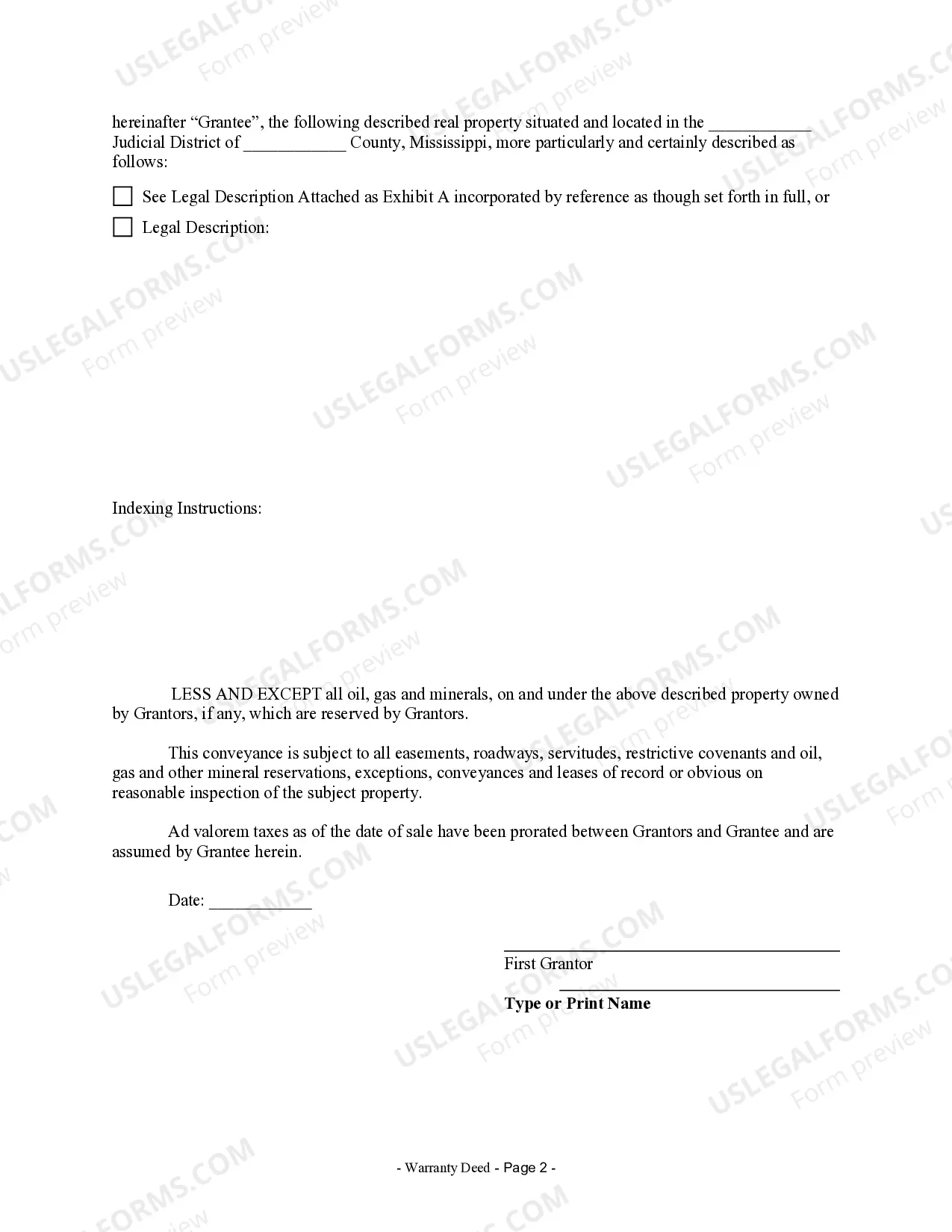
- Reservation of oil, gas, and mineral rights by grantors
- Date of the transfer



Situations where this form applies
This form is needed when two individuals wish to transfer property ownership to a corporation. It is commonly used in real estate transactions where the grantors want to ensure that the corporation receives full ownership rights, while also retaining specific mineral rights. This deed is crucial in business and commercial real estate dealings.
Who this form is for
- Individuals transferring property to a corporation
- Business owners looking to formalize property ownership
- Real estate professionals handling corporate property transactions
Steps to complete this form
- Identify the full names of the grantors and the corporation as the grantee.
- Provide a detailed legal description of the property being conveyed.
- Input the date of the transaction.
- Include the consideration amount, which is typically ten dollars.
- Ensure both grantors sign the document to validate the transfer.
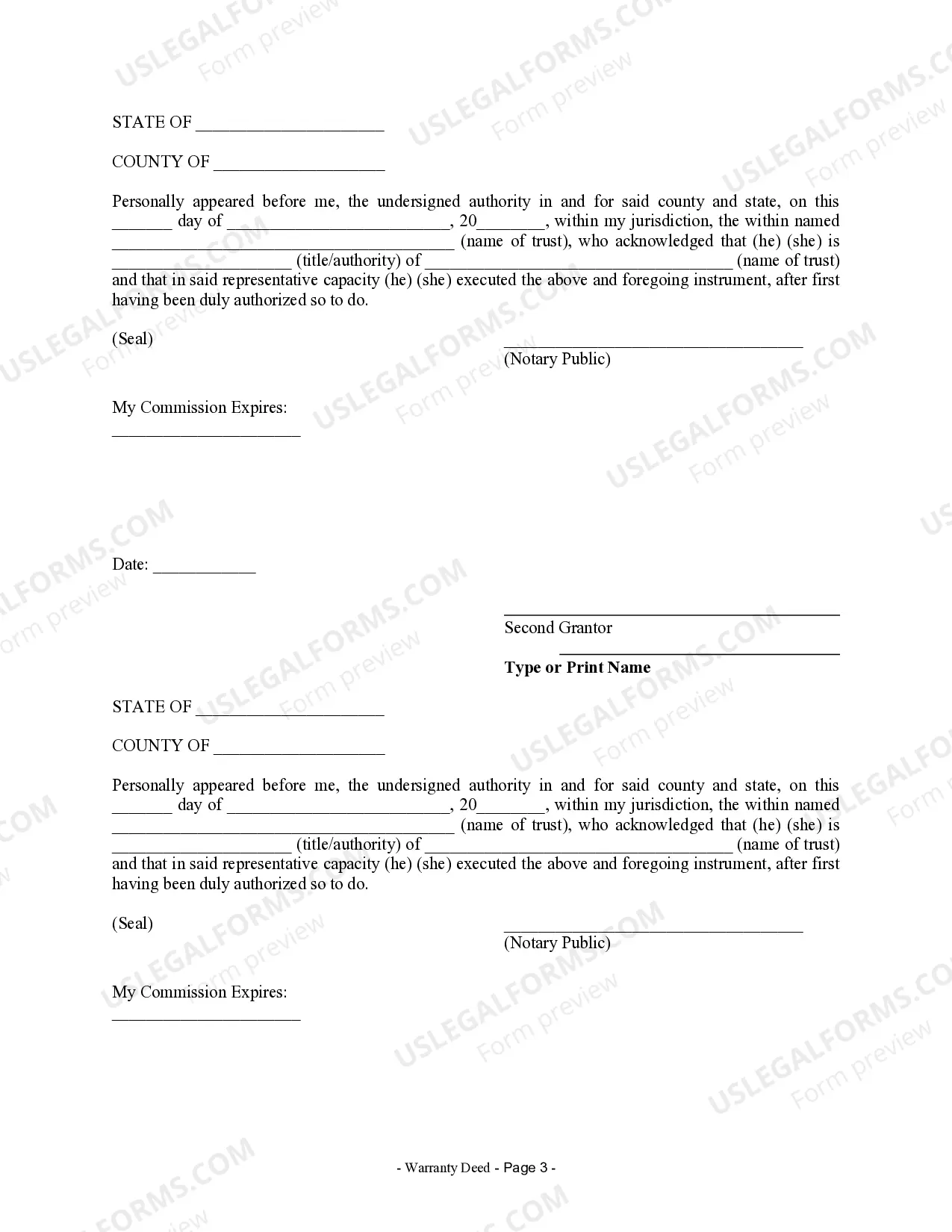
Notarization guidance
To make this form legally binding, it must be notarized. Our online notarization service, powered by Notarize, lets you verify and sign documents remotely through an encrypted video session.
Get your form ready online
Our built-in tools help you complete, sign, share, and store your documents in one place.
Make edits, fill in missing information, and update formatting in US Legal Forms—just like you would in MS Word.
Download a copy, print it, send it by email, or mail it via USPS—whatever works best for your next step.
Sign and collect signatures with our SignNow integration. Send to multiple recipients, set reminders, and more. Go Premium to unlock E-Sign.
If this form requires notarization, complete it online through a secure video call—no need to meet a notary in person or wait for an appointment.
We protect your documents and personal data by following strict security and privacy standards.

Make edits, fill in missing information, and update formatting in US Legal Forms—just like you would in MS Word.

Download a copy, print it, send it by email, or mail it via USPS—whatever works best for your next step.

Sign and collect signatures with our SignNow integration. Send to multiple recipients, set reminders, and more. Go Premium to unlock E-Sign.

If this form requires notarization, complete it online through a secure video call—no need to meet a notary in person or wait for an appointment.

We protect your documents and personal data by following strict security and privacy standards.
Avoid these common issues
- Failing to accurately describe the property.
- Not including the necessary signatures from both grantors.
- Omitting the reservation of mineral rights when applicable.
- Forgetting to provide a date, which can affect the validity of the deed.
Benefits of completing this form online
- Convenient download options that allow for easy access and use.
- Editable templates that ensure you can customize for specific needs.
- Reliable, attorney-drafted forms that adhere to legal standards.
Summary of main points
- This Warranty Deed is essential for transferring property from individuals to a corporation.
- Ensure all parts of the form are completed accurately to avoid legal issues.
- Consult local laws to verify any specific requirements, including notarization.
Looking for another form?





Form popularity
FAQ
Corporate warranty deeds offer the seller's guarantee to the buyer in regards to the validity of the chain of title. Generally, special warranty deeds only protect against problems occurring since the seller purchased the property.
Retrieve your original deed. Get the appropriate deed form. Draft the deed. Sign the deed before a notary. Record the deed with the county recorder. Obtain the new original deed.
Generally, someone else cannot remove you from title without your consent and/or knowledge. You should speak to a local real estate attorney to see how to return your name to title and how it was removed in the first place.
Before a quitclaim deed can be recorded with a county recorder in Mississippi, the grantor must sign and acknowledge it. The names, addresses, and telephone numbers of the grantors and grantees to the quit claim deed, along with a legal description of the real property should be provided on the first page (89-5-24).
Once signed and notarized, a Mississippi deed must be recorded. The deed must be presented to the Recorder of Deeds in the county where the property is located. The transfer takes effect when signed and accepted by the grantee. However, recording provides notice to the public that the property was transferred.
A quit claim deed in the state of Mississippi is a legal document that transfers property from one person to the next. It's important to note that the transfer if a property via this document comes with no guarantees as to whether or not the property has a clear title.
A warranty deed, also known as a general warranty deed, is a legal real estate document between the seller (grantor) and the buyer (grantee). The deed protects the buyer by pledging that the seller holds clear title to the property and there are no encumbrances, outstanding liens, or mortgages against it.
Once signed and notarized, a Mississippi deed must be recorded. The deed must be presented to the Recorder of Deeds in the county where the property is located. The transfer takes effect when signed and accepted by the grantee. However, recording provides notice to the public that the property was transferred.
The Mississippi general warranty deed is used to transfer real property in Mississippi with a guarantee from the seller or grantor that the property is free from hidden claims against the title and that the grantor has the legal authority to sell the property.