Missouri Letter from Tenant to Landlord containing Notice of wrongful deductions from security deposit and demand for return
Overview of this form
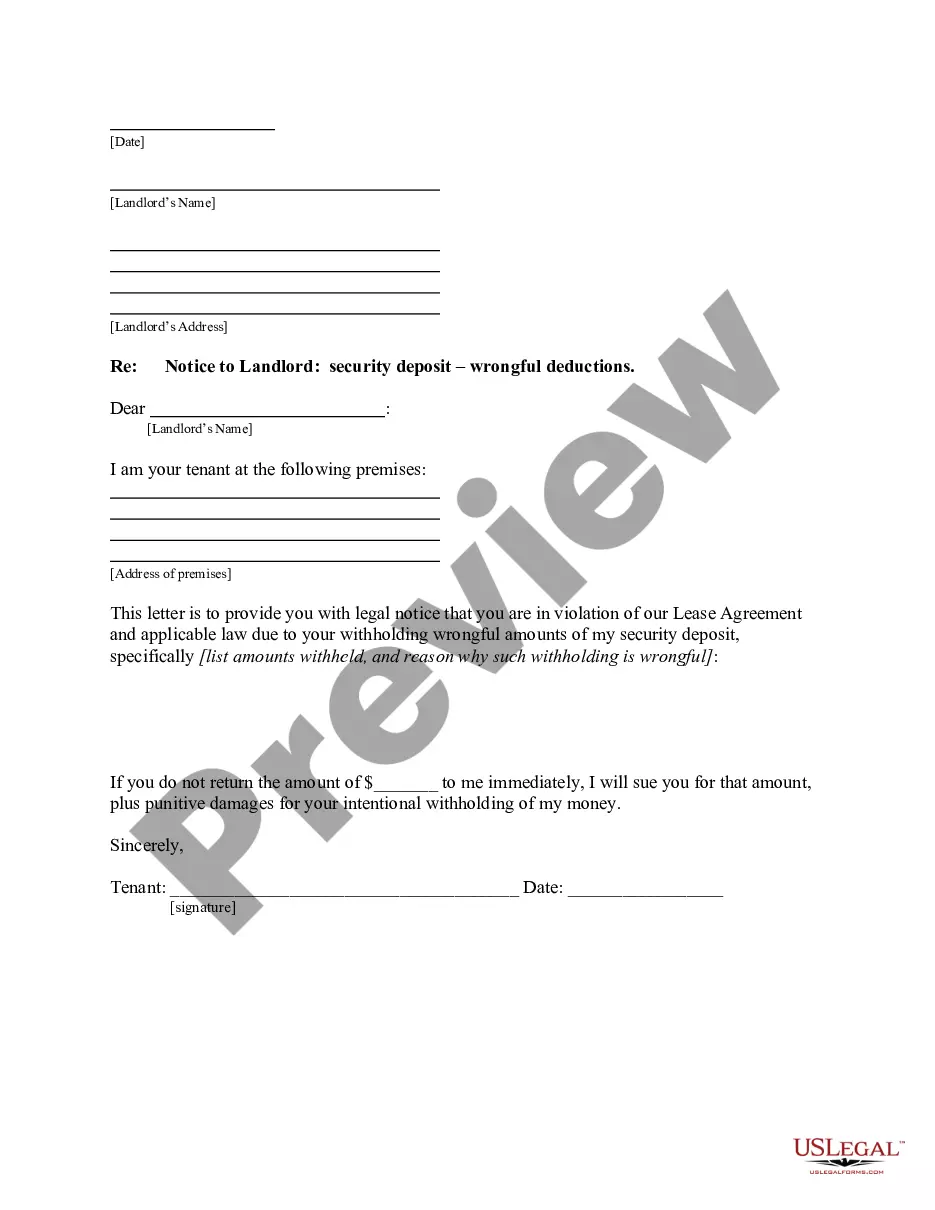
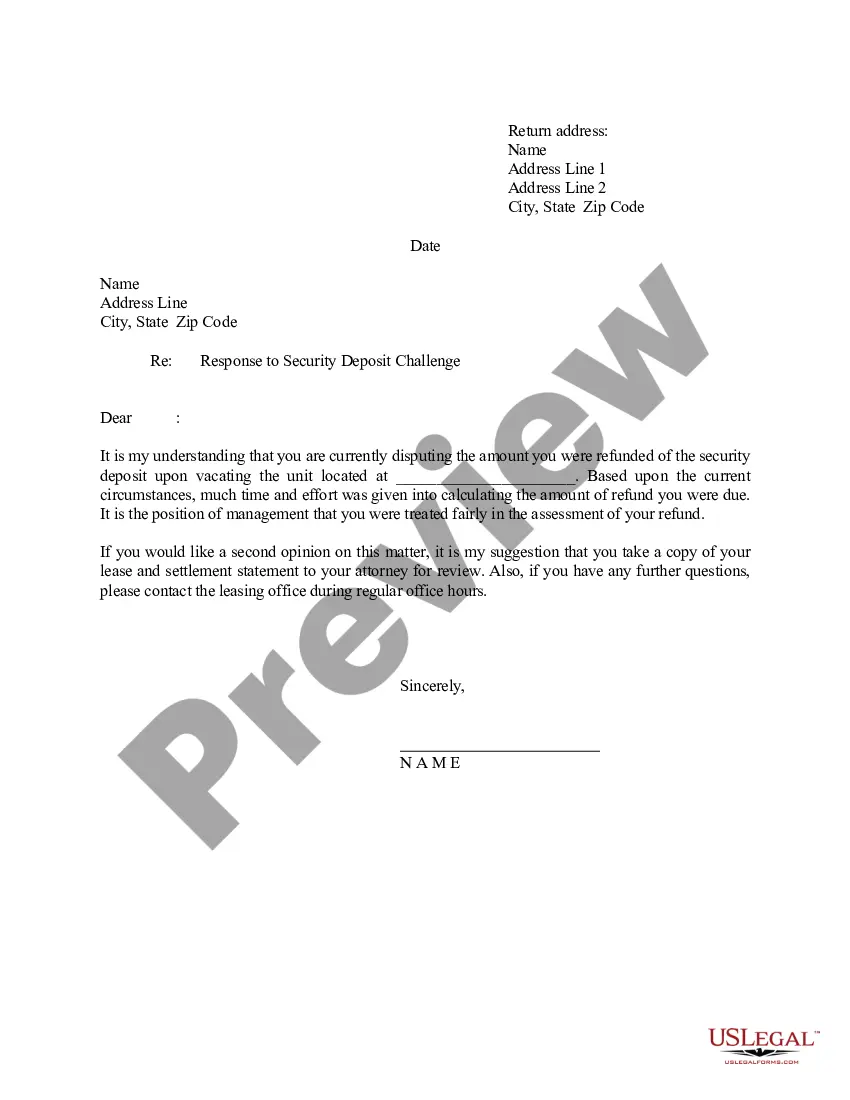
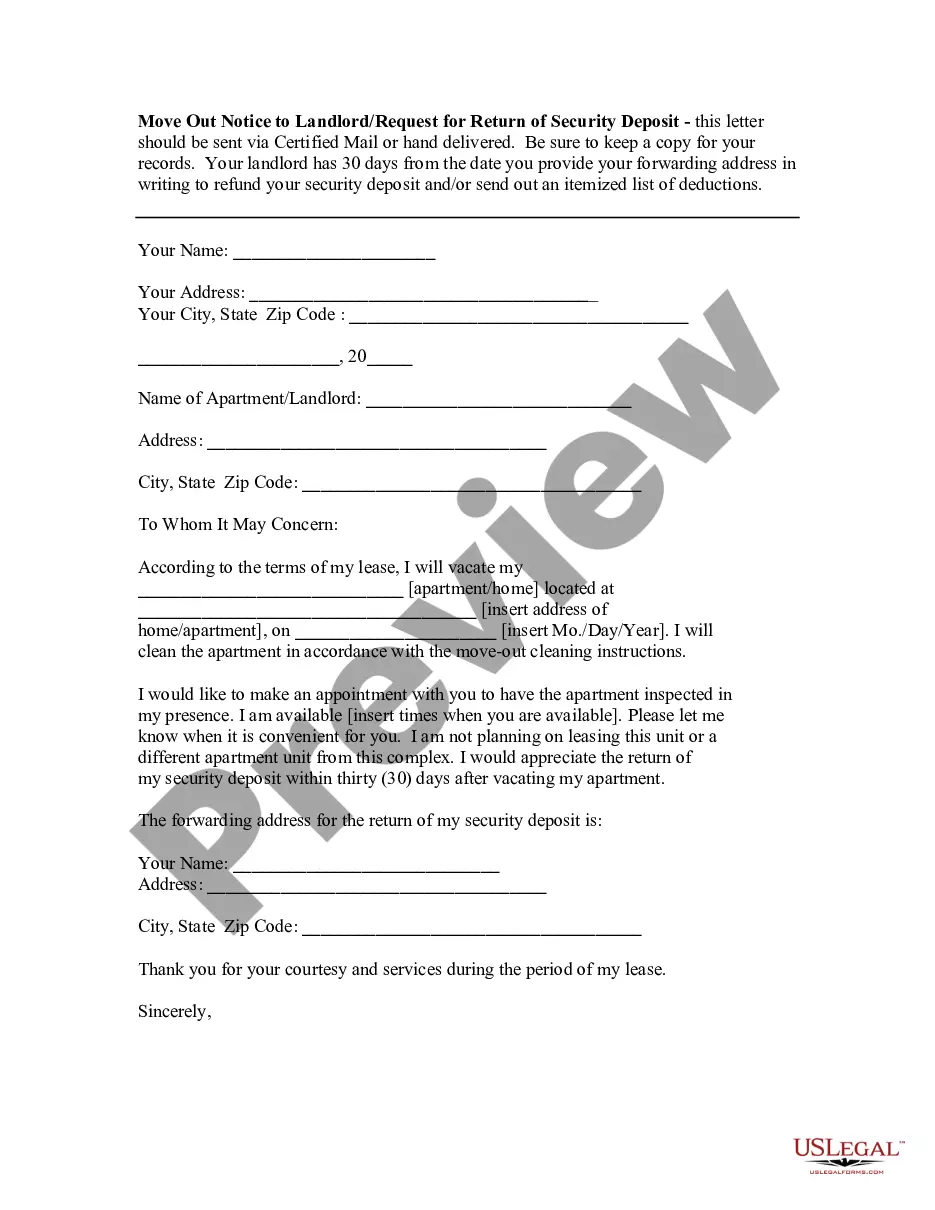
This form is a Letter from Tenant to Landlord containing notice of wrongful deductions from the security deposit and a demand for return. It is designed to help tenants address disputes regarding their security deposits while ensuring compliance with state statutory law. This form specifically addresses wrongful deductions and facilitates communication between landlords and tenants, setting it apart from general complaint letters or other rental forms.
Main sections of this form
- Identification of the tenant and landlord.
- Statement outlining the nature of the wrongful deductions.
- Demand for the return of the disputed amount from the security deposit.
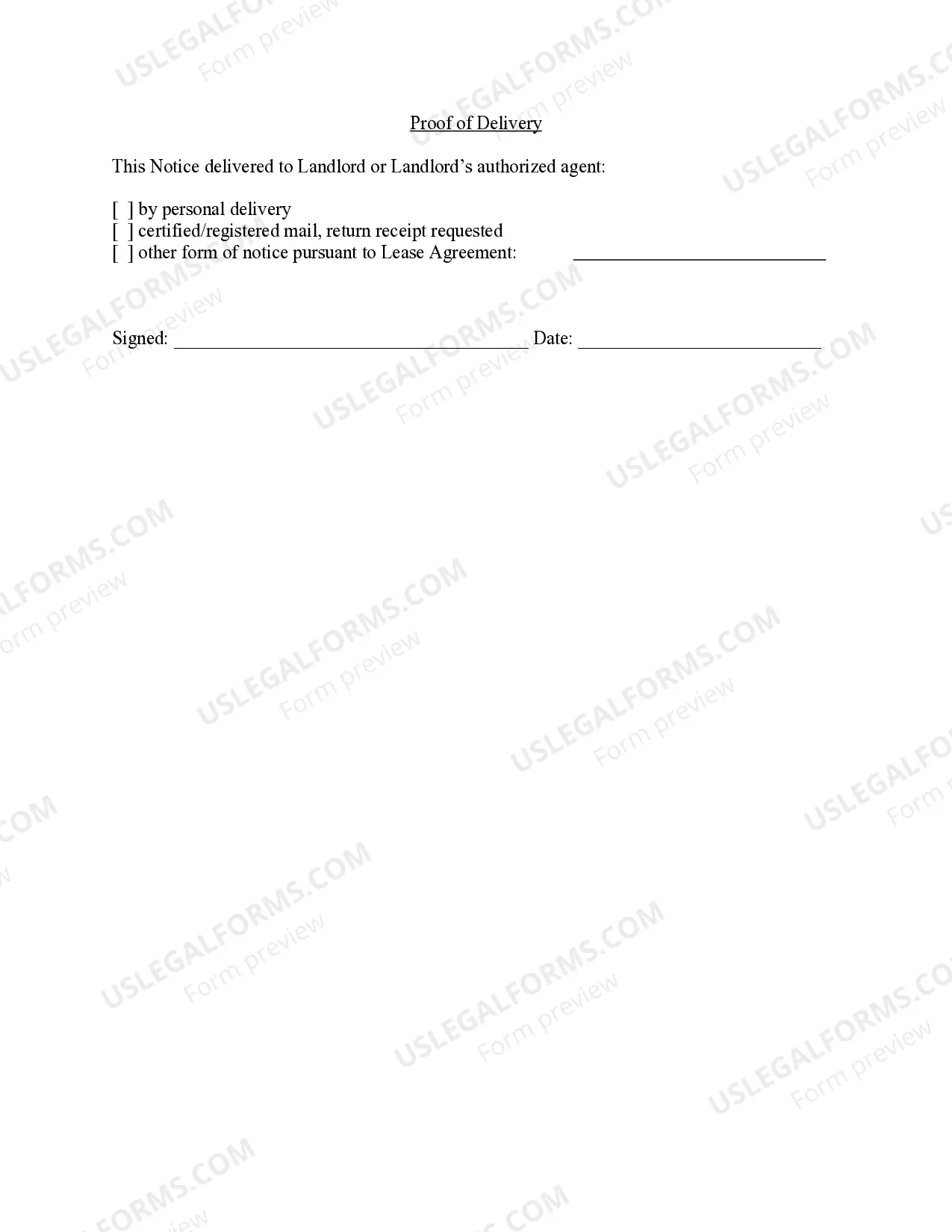
- Proof of delivery method for sending the notice.
- Signature of the tenant with the date.


Situations where this form applies
This form should be used when a tenant believes their landlord has made unjustified deductions from their security deposit after moving out. The letter serves as a formal notice to the landlord, providing documentation of the dispute and demanding the return of the withheld funds. Such a situation might arise when the tenant disagrees with charges related to repairs, cleaning, or other damages they believe are unfounded.
Who should use this form
- Tenants who have moved out of a rental property.
- Individuals who have received a security deposit return that includes wrongful deductions.
- Renters who wish to formally document their request for the return of their full security deposit.
- Anyone seeking to dispute charges levied by their landlord upon moving out.
How to prepare this document
- Identify yourself as the tenant and include your contact information.
- Clearly state the landlord's name and address.
- Detail the specific wrongful deductions and provide any supporting evidence if available.
- Clearly articulate your demand for the return of the disputed amount.
- Complete the signature section, including the date of the notice.
- Ensure you choose the method of delivery for the notice, such as personal delivery or certified mail.
Is notarization required?
This form does not typically require notarization unless specified by local law.
Get your form ready online
Our built-in tools help you complete, sign, share, and store your documents in one place.
Make edits, fill in missing information, and update formatting in US Legal Forms—just like you would in MS Word.
Download a copy, print it, send it by email, or mail it via USPS—whatever works best for your next step.
Sign and collect signatures with our SignNow integration. Send to multiple recipients, set reminders, and more. Go Premium to unlock E-Sign.
If this form requires notarization, complete it online through a secure video call—no need to meet a notary in person or wait for an appointment.
We protect your documents and personal data by following strict security and privacy standards.

Make edits, fill in missing information, and update formatting in US Legal Forms—just like you would in MS Word.

Download a copy, print it, send it by email, or mail it via USPS—whatever works best for your next step.

Sign and collect signatures with our SignNow integration. Send to multiple recipients, set reminders, and more. Go Premium to unlock E-Sign.

If this form requires notarization, complete it online through a secure video call—no need to meet a notary in person or wait for an appointment.

We protect your documents and personal data by following strict security and privacy standards.
Mistakes to watch out for
- Failing to include all necessary identification information for both tenant and landlord.
- Neglecting to specify the exact amount being disputed.
- Not providing sufficient details about the grounds for the deductions.
- Forgetting to check the delivery method or incorrectly delivering the notice.
Benefits of using this form online
- Convenience of accessing the form anytime without needing to visit a lawyer.
- Editability allows users to customize the letter to fit their specific situation.
- Peace of mind knowing the form adheres to state law standards.
- Quick download and printing options for immediate use.
Legal use & context
- This letter serves as formal evidence of the tenant's position regarding security deposit disputes.
- Using this form may strengthen the tenant's case if the dispute escalates to legal action.
- It is advisable for tenants to keep copies for their records and any future correspondence.
Looking for another form?






Form popularity
FAQ
A 14/30 notice in Missouri refers to a legal notification concerning the return of security deposits. Under Missouri law, landlords must provide a written explanation of any deductions from the deposit within 30 days after the tenant moves out. If a tenant believes the deductions are unjust, they can respond with a Missouri Letter from Tenant to Landlord containing Notice of wrongful deductions from security deposit and demand for return. This proactive step can help clarify the situation and facilitate the return of your funds.
A demand letter for a security deposit in Missouri is a formal request you send to your landlord, asking for the return of your deposit. This letter should clearly state the reasons for your demand, including any wrongful deductions taken by the landlord. It is essential to provide supporting evidence to strengthen your case. Using a Missouri Letter from Tenant to Landlord containing Notice of wrongful deductions from security deposit and demand for return can help you structure your demand effectively.
If your landlord refuses to return your security deposit, consider sending a Missouri Letter from Tenant to Landlord containing Notice of wrongful deductions from security deposit and demand for return. This letter should outline your reasons for requesting the deposit back and any supporting documentation. If the situation does not resolve, you may need to explore legal options, such as small claims court, where you can present your case. Additionally, platforms like US Legal Forms can help you draft the necessary documents.
To write an effective Missouri Letter from Tenant to Landlord containing Notice of wrongful deductions from security deposit and demand for return, start by clearly stating your intent to request the return of your security deposit. Include your rental address, the dates of your tenancy, and any deductions you believe are unwarranted. Be sure to attach evidence, such as photos or receipts, that supports your claim. Finally, set a reasonable deadline for your landlord to respond to your request.
Your home or apartment name and address. The date for when you established your account. The amount of security deposit you paid. A statement indicating your payment record for the last year.
Mail your landlord a letter requesting that she return your deposit. Be polite and simply inform the landlord that you have vacated the property and would appreciate the return of your deposit once she has had a chance to complete any checks and paperwork.
Date. Date format is month/day/year. Payee. Write the name of the person or company to whom you are paying money with the check. Amount in numbers. Write the amount in numbers e.g. $375.00. Amount in words. This will be the same amount that you wrote in the numbers area. Memo. Signature.
Before you go to court, a number of states require you to send a demand letter to your opposing party. An attorney is usually not necessary at this point and you can write a demand letter on your own. To write one, gather necessary documents, draft your letter, and send the letter to your opposing party.
Type your letter. Concisely review the main facts. Be polite. Write with your goal in mind. Ask for exactly what you want. Set a deadline. End the letter by stating you will promptly pursue legal remedies if the other party does not meet your demand. Make and keep copies.
Tenant's name and new address, or address he gave for return of the security deposit. Commencement date of the lease and date it ended. Amount of the security deposit when the tenant moved in. Amount of interest accrued.