Minnesota Document of Anatomical Gift
About this form
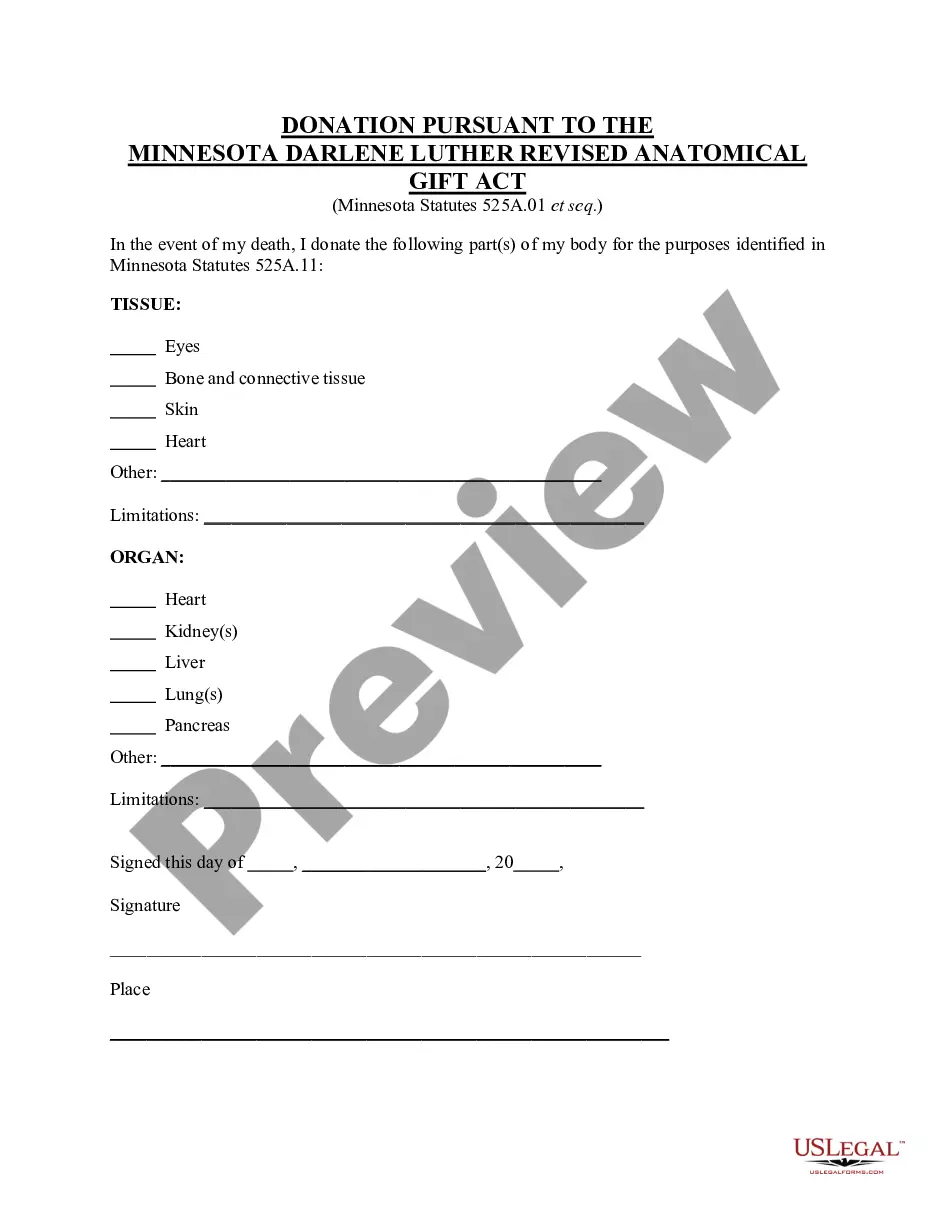
The Document of Anatomical Gift is a legal form that allows individuals to specify their wishes regarding the donation of body parts and organs upon death. This form is based on state statutes and differs from other types of wills or estate documents, as it specifically addresses anatomical gifts. It ensures that a donor's intentions are honored and legally recognized, providing a meaningful way to contribute to medical science or help others in need.
Main sections of this form
- Donor identification: Details about the individual making the anatomical gift.
- Specific gifts: Clear designation of the body parts or organs to be donated.
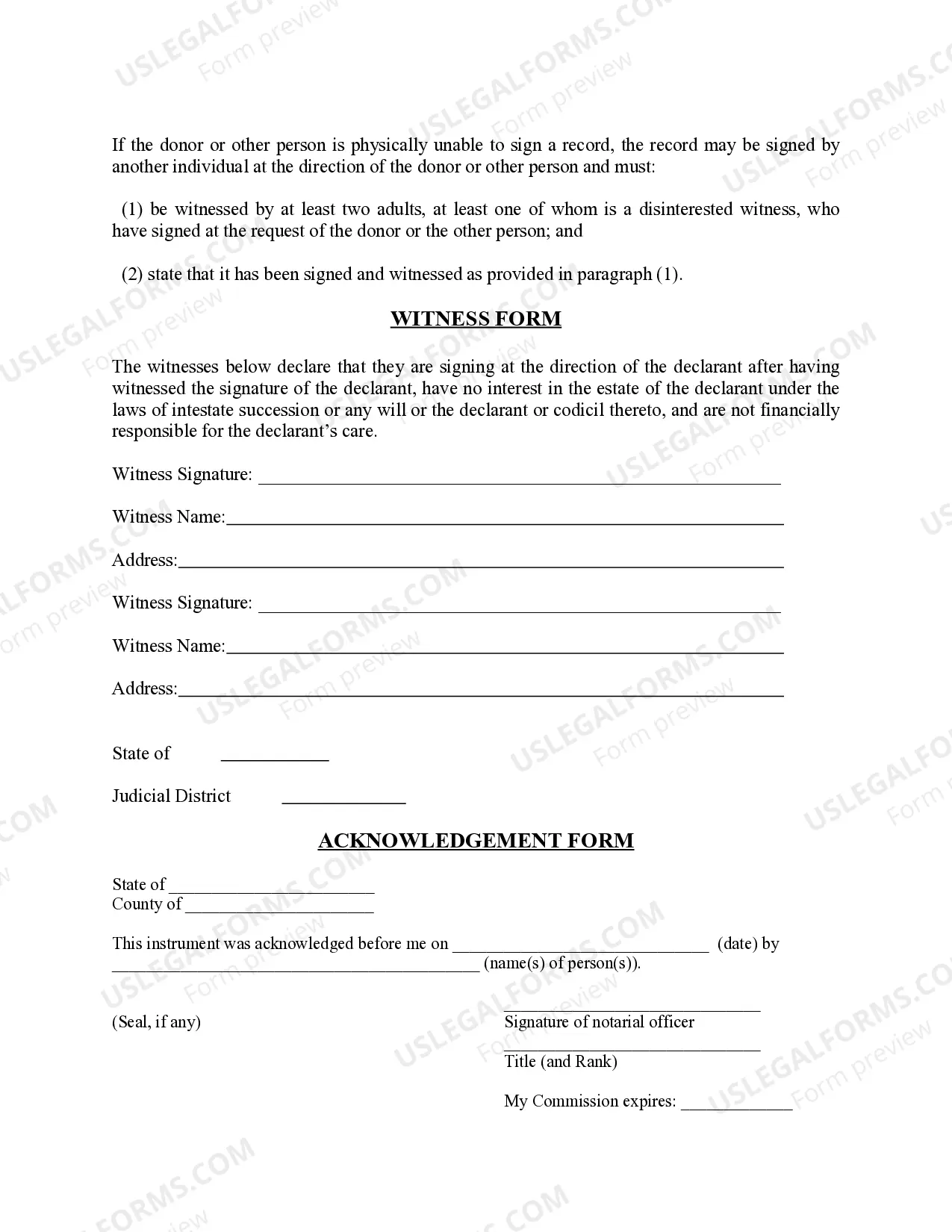
- Witness requirements: Must have signatures from at least two adults, including a disinterested witness.
- Signature notarization: The donor's signature must be notarized to ensure validity.
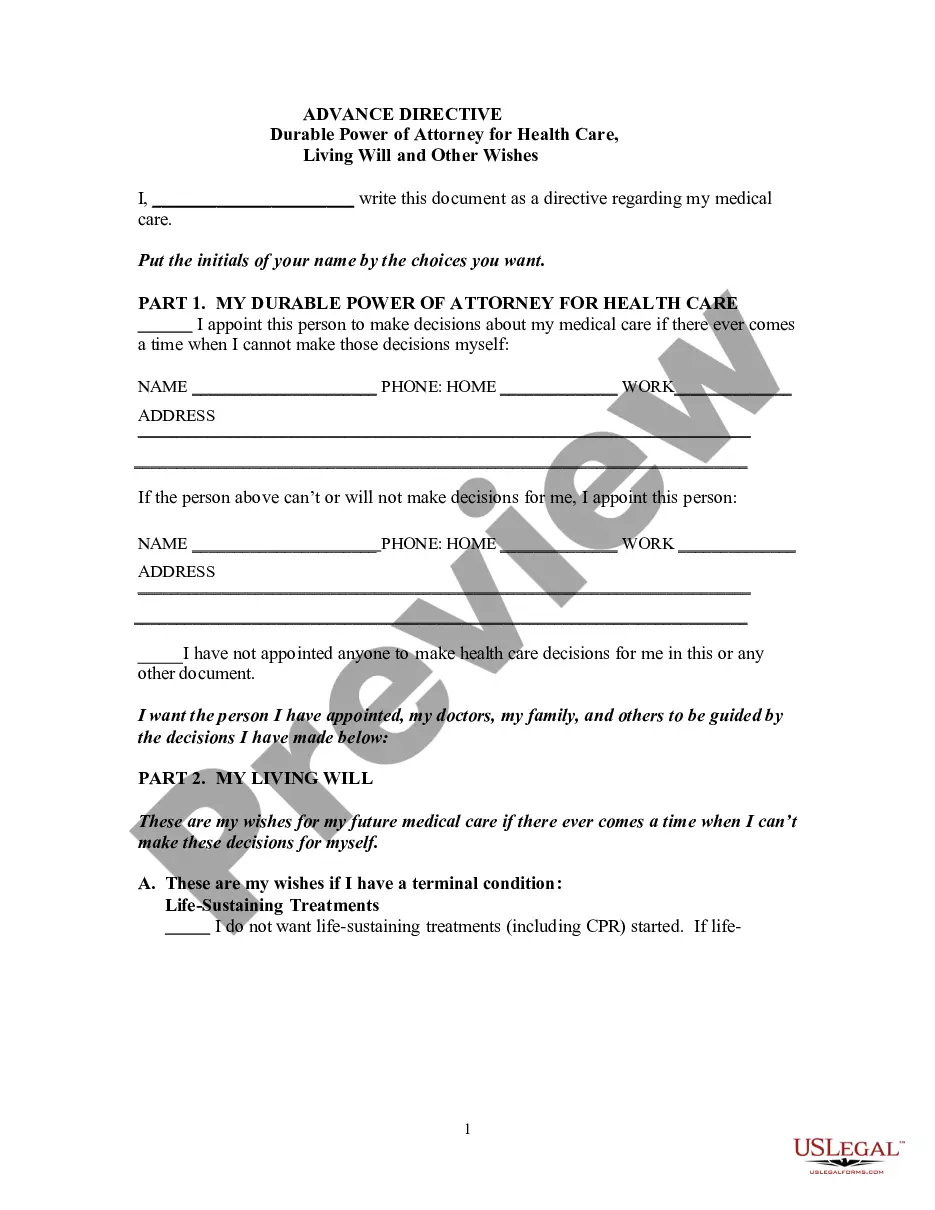
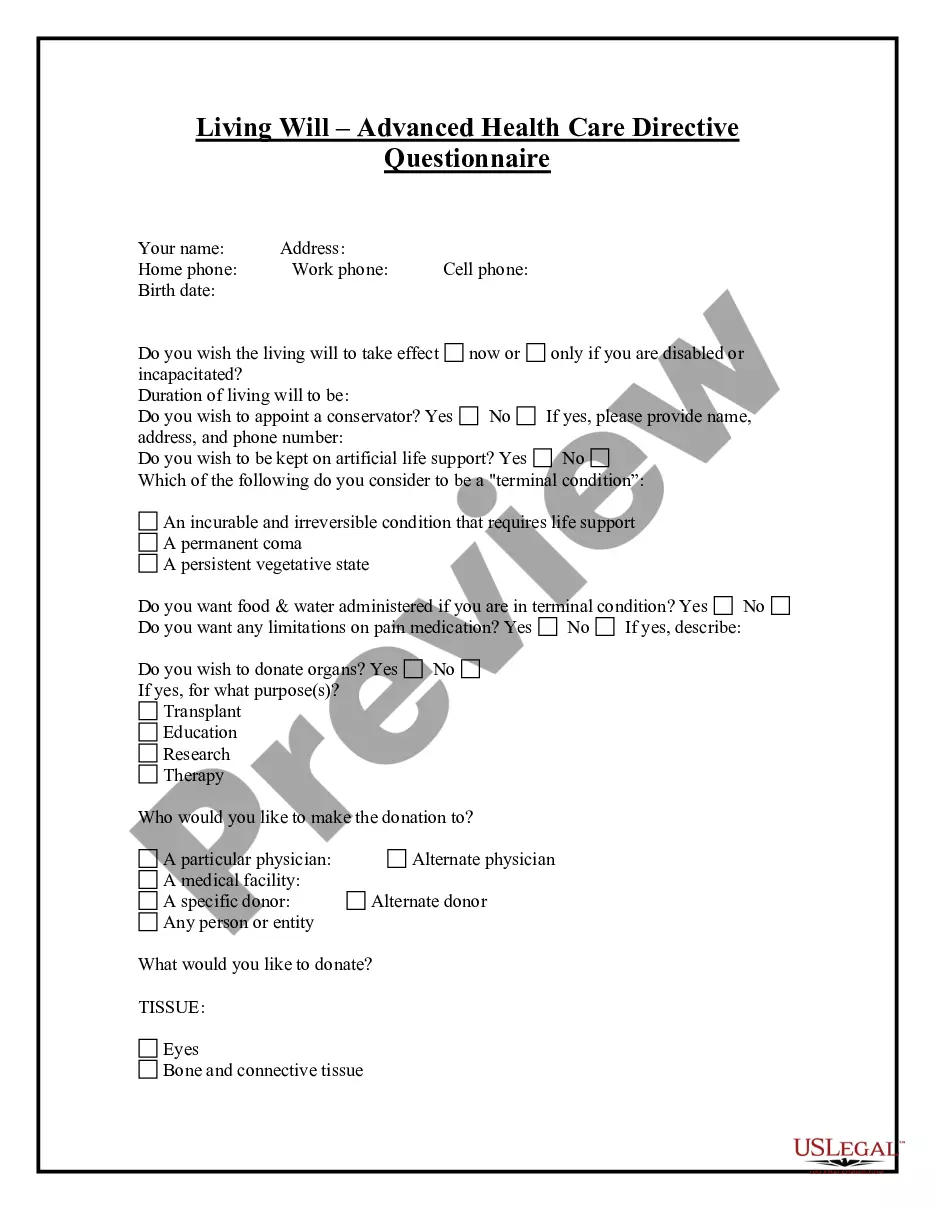
Situations where this form applies
This form should be used when an individual decides to donate their body parts or organs at the time of death. It is particularly important for those who wish to leave behind a legacy through altruistic contributions to medical research or the enhancement of transplant options for others. If you are considering organ donation, this form helps to clearly communicate your wishes to your family and medical providers.
Intended users of this form
- Individuals aged 18 years or older.
- Minors, with written consent from a parent or legal guardian.
- Anyone who wishes to clearly outline their wishes regarding anatomical gifts.
How to prepare this document
- Identify yourself as the donor at the top of the document.
- Clearly specify which body parts or organs you wish to donate.
- Gather witnesses to your signature; ensure they understand their roles.
- Sign the document in front of witnesses and have it notarized.
- Provide copies to your family and healthcare providers for their records.
Notarization guidance
In most cases, this form does not require notarization. However, some jurisdictions or signing circumstances might. US Legal Forms offers online notarization powered by Notarize, accessible 24/7 for a quick, remote process.
Get your form ready online
Our built-in tools help you complete, sign, share, and store your documents in one place.
Make edits, fill in missing information, and update formatting in US Legal Forms—just like you would in MS Word.
Download a copy, print it, send it by email, or mail it via USPS—whatever works best for your next step.
Sign and collect signatures with our SignNow integration. Send to multiple recipients, set reminders, and more. Go Premium to unlock E-Sign.
If this form requires notarization, complete it online through a secure video call—no need to meet a notary in person or wait for an appointment.
We protect your documents and personal data by following strict security and privacy standards.

Make edits, fill in missing information, and update formatting in US Legal Forms—just like you would in MS Word.

Download a copy, print it, send it by email, or mail it via USPS—whatever works best for your next step.

Sign and collect signatures with our SignNow integration. Send to multiple recipients, set reminders, and more. Go Premium to unlock E-Sign.

If this form requires notarization, complete it online through a secure video call—no need to meet a notary in person or wait for an appointment.

We protect your documents and personal data by following strict security and privacy standards.
Mistakes to watch out for
- Not having the form signed in front of the required number of witnesses.
- Failing to specify the exact body parts or organs to be donated.
- Neglecting to notarize the document, which may lead to challenges in enforceability.
Why use this form online
- Convenient access to legal templates that you can complete at your own pace.
- Edit and customize the document easily to meet your specific wishes.
- Reliable templates drafted by licensed attorneys, ensuring legal compliance.
Legal use & context
- This document serves as a legally binding declaration of an individual's wishes regarding anatomical gifts.
- It is essential to comply with state-specific laws to ensure enforceability.
- Proper execution, including witnessing and notarization, strengthens the validity of the document.
Main things to remember
- The Document of Anatomical Gift allows individuals to donate body parts or organs upon death.
- It must be signed by the donor in the presence of witnesses and notarized.
- This form is crucial for clear communication of one's wishes regarding organ donation.
Looking for another form?
Form popularity
FAQ
The Minnesota Document of Anatomical Gift is the primary legal document that governs anatomical donations in Minnesota. This document outlines the donor's wishes regarding the use of their body after death for medical education or research. It is essential to have this document completed and properly recorded to ensure that your intentions are honored. If you need assistance with this process, the US Legal Forms platform offers resources to help you prepare the necessary documentation.
Bodies donated to science through the Minnesota Document of Anatomical Gift are typically kept for a period of one to three years. This duration allows medical schools and research institutions to utilize the body for educational purposes and training. After this time, the remains are usually cremated, and families may receive the ashes if they desire. Understanding this process can help you make informed decisions when considering an anatomical gift.