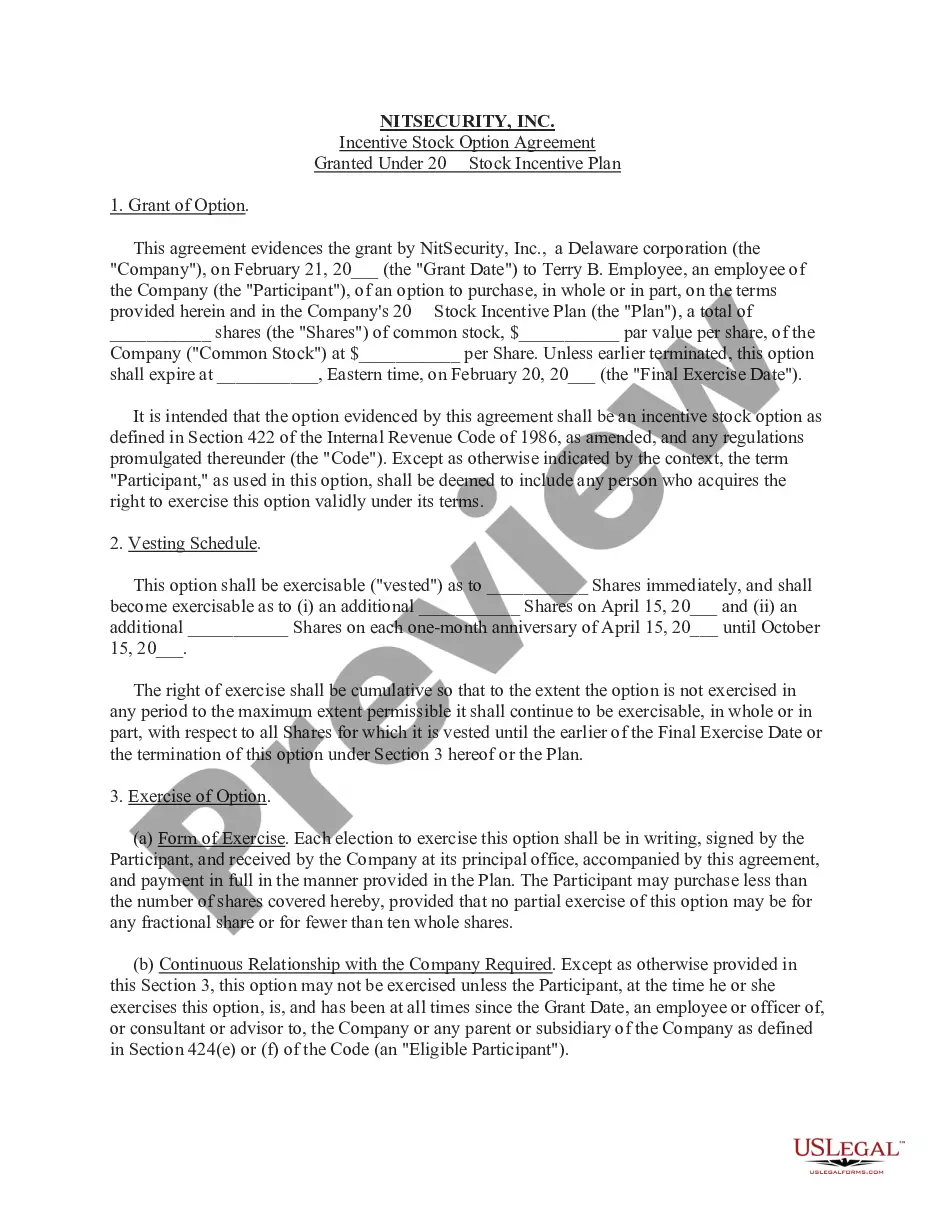
Minnesota Letter from Tenant to Landlord containing Notice of termination for landlord's noncompliance with possibility to cure
What this document covers
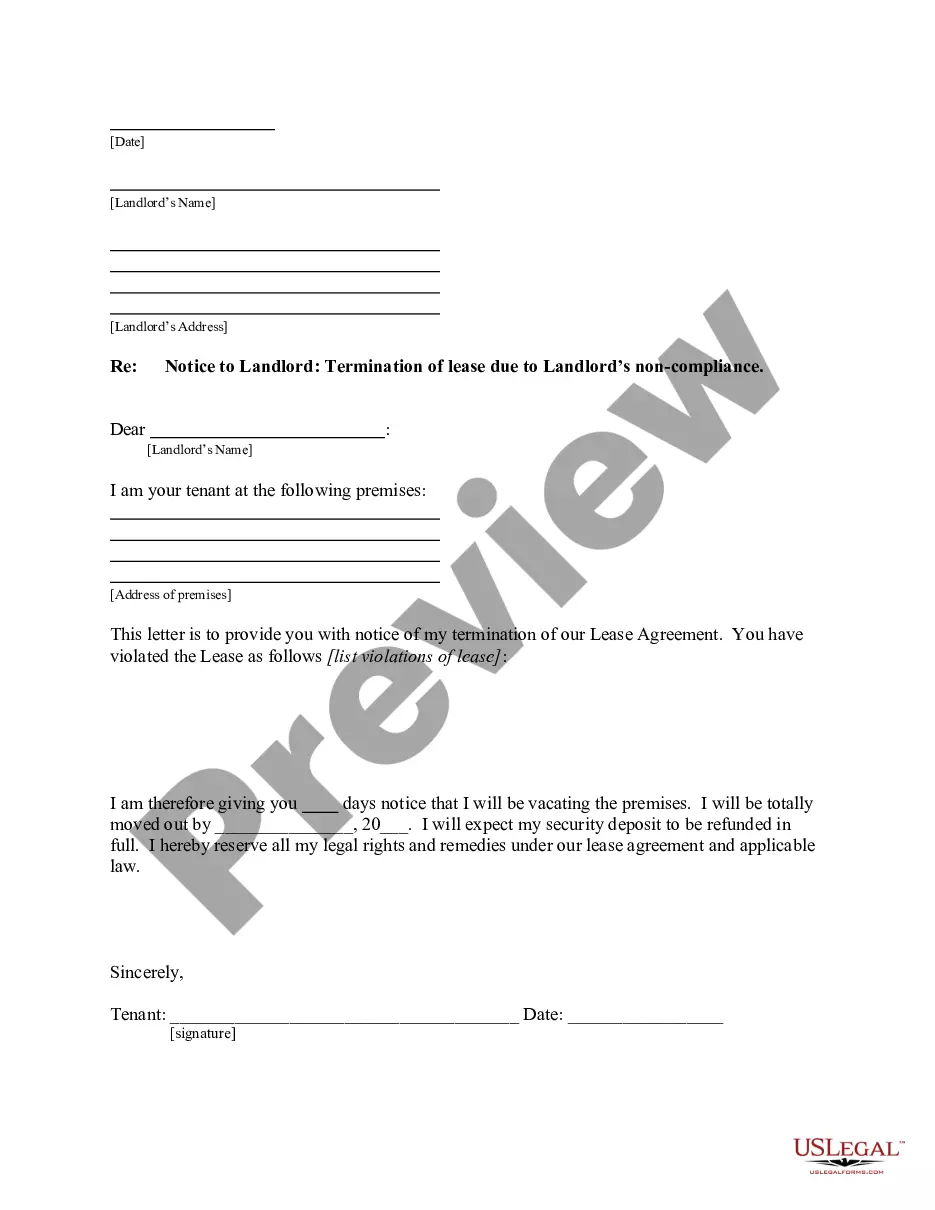
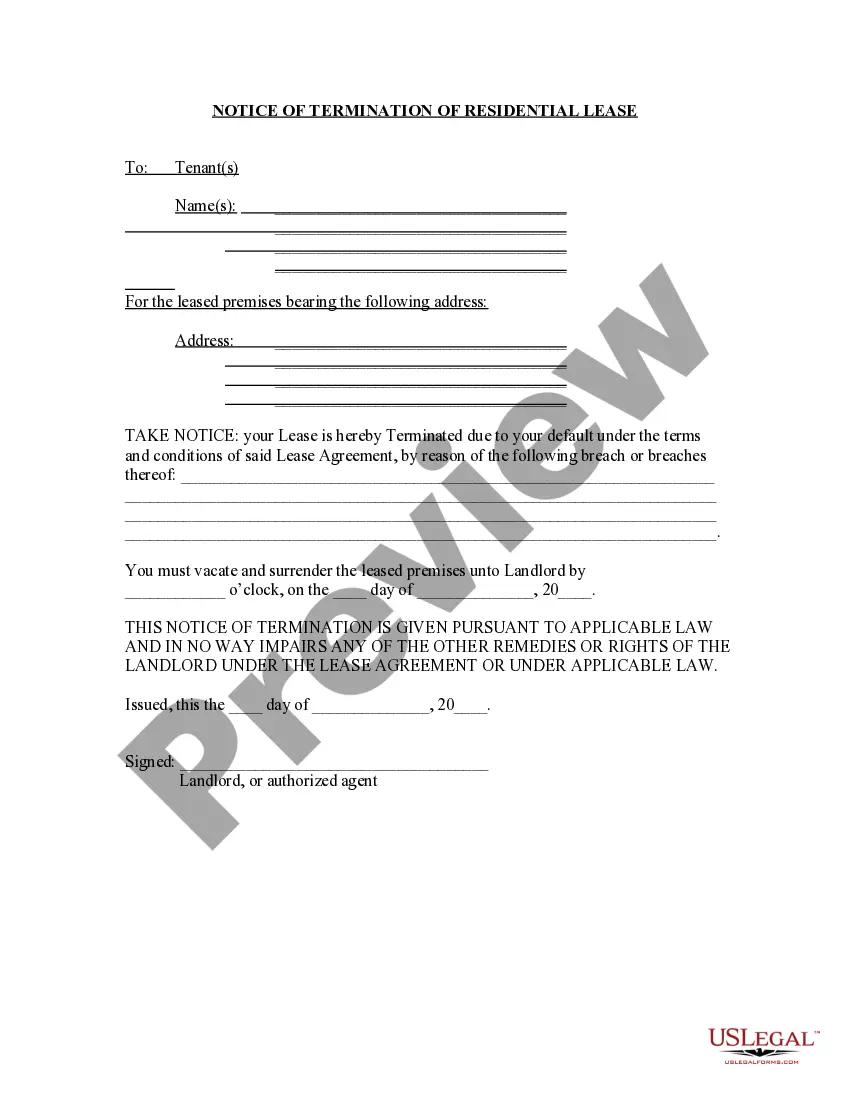
This document is a Letter from Tenant to Landlord containing Notice of termination for landlord's noncompliance with possibility to cure. It formally notifies the landlord that the tenant intends to vacate the premises due to the landlord's failure to adhere to the lease agreement. This notice provides the landlord an opportunity to rectify the noncompliance before the tenant proceeds with termination, distinguishing it from other termination notices that might not involve a cure period.
Key parts of this document
- Tenant's signature: Authenticates the notice.
- Date of notice: Indicates when the notice is delivered.
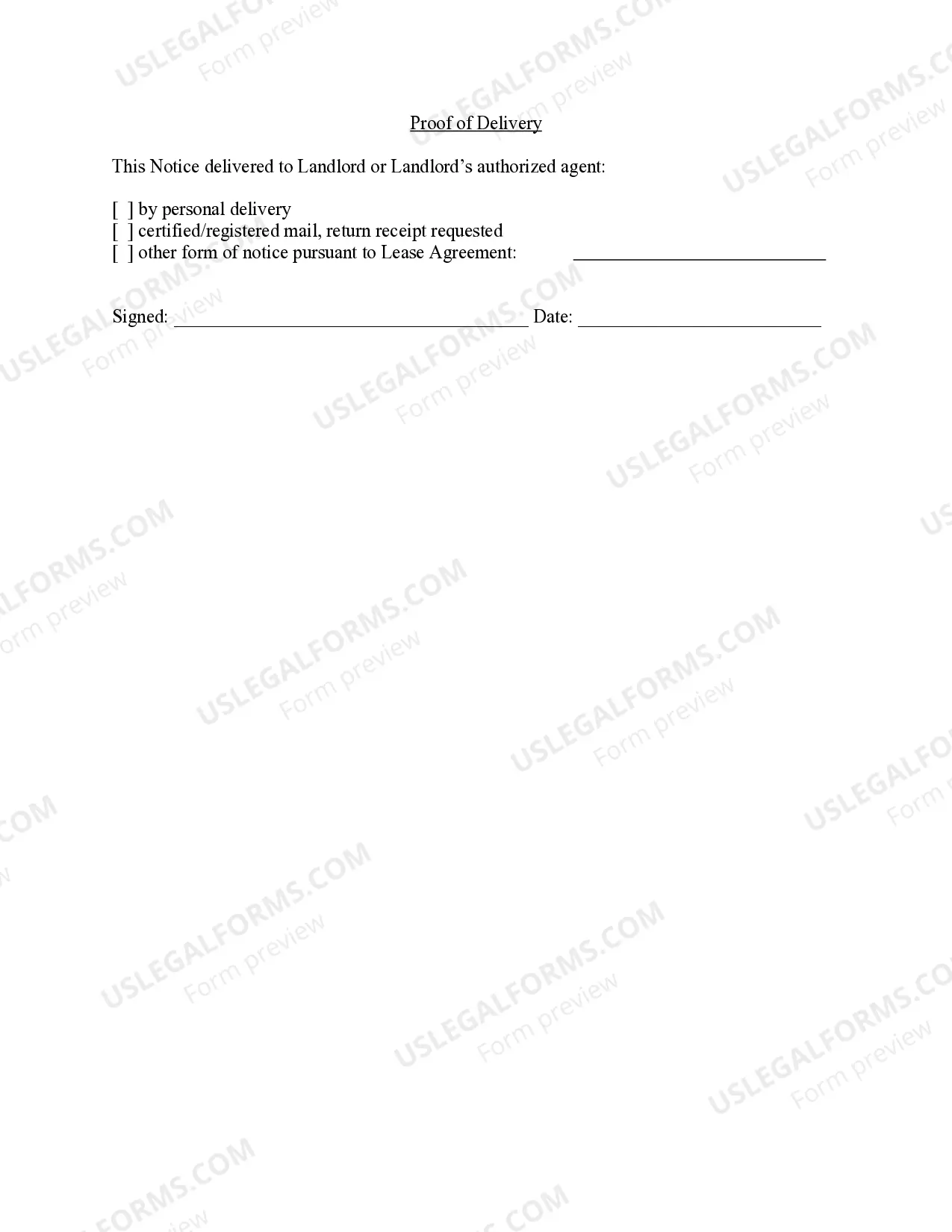
- Proof of delivery: Documents how the notice was delivered to the landlord or their agent.
- Details of noncompliance: Specifies the reasons for the termination.
- Opportunity to cure: Provides the landlord with a chance to correct the issues.



Common use cases
This form should be used when a tenant has experienced a significant breach of lease terms by the landlord, such as failure to provide essential repairs or not fulfilling other responsibilities outlined in the lease. It is particularly useful when the tenant wishes to vacate the rental property but must first notify the landlord and allow them time to remedy the breach before finalizing the termination.
Intended users of this form
- Tenants facing issues with their landlord regarding lease violations.
- Individuals who wish to formally notify their landlord of lease termination due to noncompliance.
- Renters who want to ensure they follow legal protocols before vacating the premises.
Instructions for completing this form
- Identify the parties: Fill in the names of the tenant and landlord.
- Specify the property: Clearly state the address of the rental property.
- Enter the date: Include the date you are sending the notice.
- Sign the notice: The tenant must sign and date the document.
- Deliver the notice: Choose a method of delivery, such as personal delivery or certified mail, and ensure you have proof of delivery.
Does this form need to be notarized?
This form does not typically require notarization to be legally valid. However, some jurisdictions or document types may still require it. US Legal Forms provides secure online notarization powered by Notarize, available 24/7 for added convenience.
Get your form ready online
Our built-in tools help you complete, sign, share, and store your documents in one place.
Make edits, fill in missing information, and update formatting in US Legal Forms—just like you would in MS Word.
Download a copy, print it, send it by email, or mail it via USPS—whatever works best for your next step.
Sign and collect signatures with our SignNow integration. Send to multiple recipients, set reminders, and more. Go Premium to unlock E-Sign.
If this form requires notarization, complete it online through a secure video call—no need to meet a notary in person or wait for an appointment.
We protect your documents and personal data by following strict security and privacy standards.

Make edits, fill in missing information, and update formatting in US Legal Forms—just like you would in MS Word.

Download a copy, print it, send it by email, or mail it via USPS—whatever works best for your next step.

Sign and collect signatures with our SignNow integration. Send to multiple recipients, set reminders, and more. Go Premium to unlock E-Sign.

If this form requires notarization, complete it online through a secure video call—no need to meet a notary in person or wait for an appointment.

We protect your documents and personal data by following strict security and privacy standards.
Avoid these common issues
- Failing to provide specific details about the noncompliance.
- Not allowing the landlord sufficient time to cure the violation.
- Omitting to keep a copy of the notice for personal records.
- Using unclear language that may confuse the landlord about the issues.
Advantages of online completion
- Convenience: Download and complete the form quickly from anywhere.
- Editability: Customize the form to fit specific circumstances, ensuring all relevant details are included.
- Reliability: Forms are drafted by licensed attorneys, ensuring legal compliance and accuracy.
Summary of main points
- This form provides a formal notice to the landlord regarding their noncompliance with lease terms.
- It allows the landlord an opportunity to remedy the situation before the tenant vacates the premises.
- Always ensure that you follow the proper procedures outlined in this form to protect your rights as a tenant.
Looking for another form?






Form popularity
FAQ
Pay any delinquent rent that is due to the landlord within the allotted time of the notice. Move out of the premises within the allotted time of the notice. File an answer with the judicial court. File a motion to stay with the court.
If you think your landlord is violating the Fair Housing Act, you can get that landlord in trouble by filing a complaint at HUD.gov. Your remedy for breach of quiet enjoyment is to terminate the lease and move or sue in small claims court.
Approach The Court Of Law You will have to send a legal notice to your tenant asking him/her to pay the arrears of rent or else to vacate within a month. The tenant has to pay rent in the court once it is assessed by the court and in case he/she fails, it invites immediate eviction.
No, a landlord cannot just kick you out. They need to follow the formal eviction process provided in your state. If a landlord uses illegal self-help measures, such as changing the locks or throwing out your belongings, you should be able to hold the landlord accountable and remain on the property.
Using County Court bailiffs (or sometimes High Court Sheriffs) acting under a court order for possession is the ONLY legal way you can physically evict tenants from a property if they refuse to go voluntarily.Sometimes tenants will try to get you to delay and they can be very persuasive.
If you don't move out by the day in the notice, the landlord can ask the NSW Civil and Administrative Tribunal (NCAT) for a termination order. A termination order means the rental agreement is ended. The order will state the day when you must give vacant possession that is, you move out and return the keys.
Tell Them The Problem & Consequences. Explain the reason that you want the tenant to go. Offer Them a Way Out. Let the tenant know that you are willing to give them a lump sum of cash in agreement for leaving the property. The Release.
File for eviction with your local courthouse. Gather evidence. Come to the court hearing to prove your case. Win a writ of possession and have the tenant removed by the sheriff.
Review Your Lease Before You Sign. Research Local Laws. Keep Records. Pay Your Rent. Maintain Respectful Communication. Seek an Agreeable Solution. Request Repairs in Writing. What Do You Think?