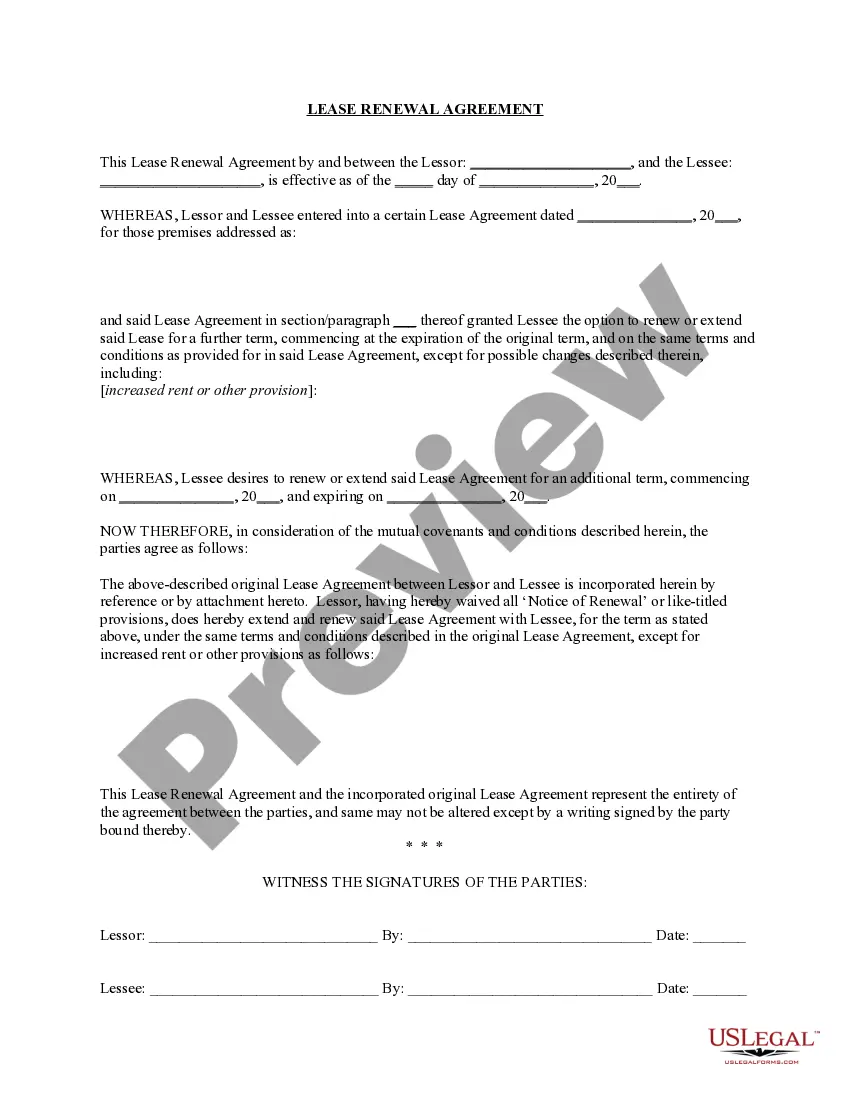
Certificate of Occupancy Clauses: Contract for Real Property
About this form
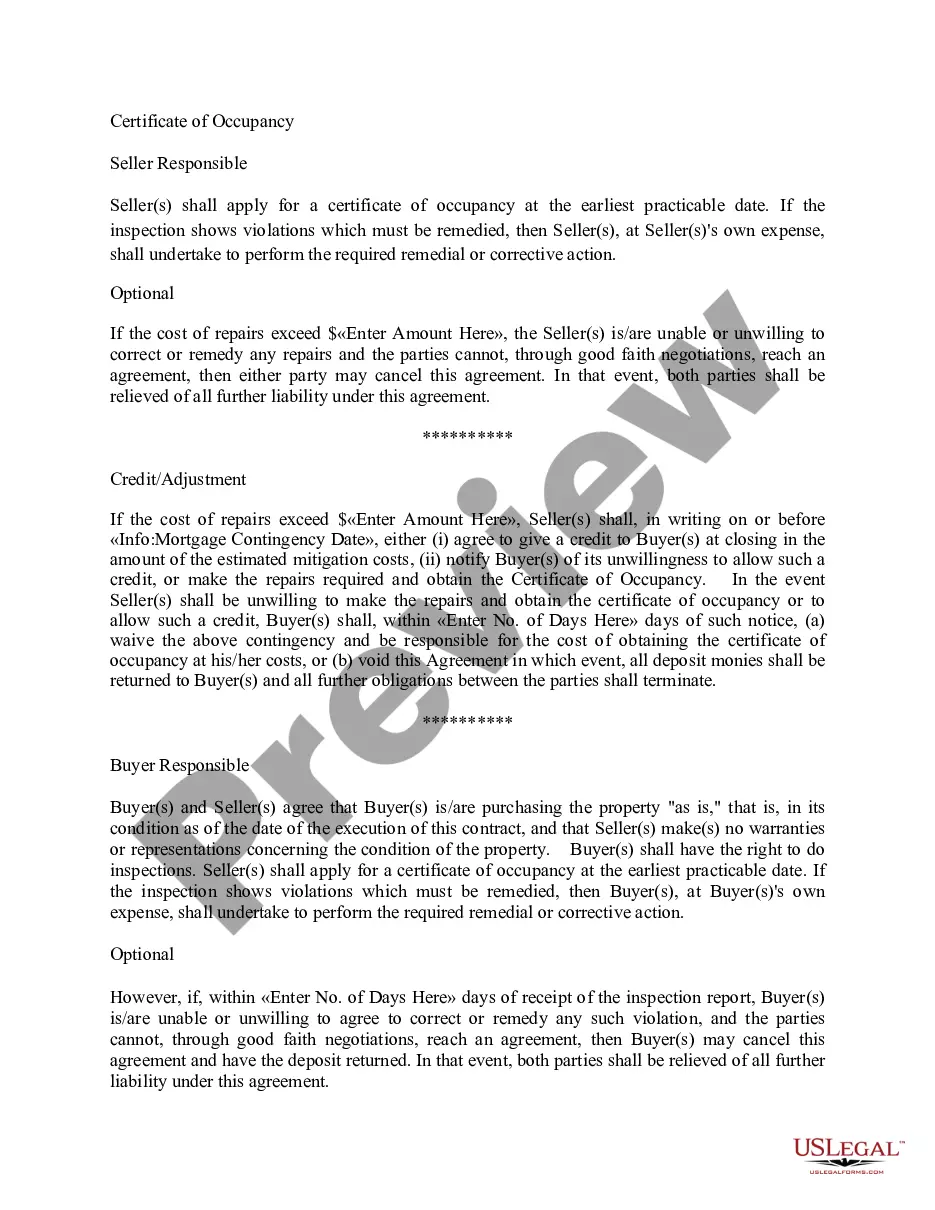
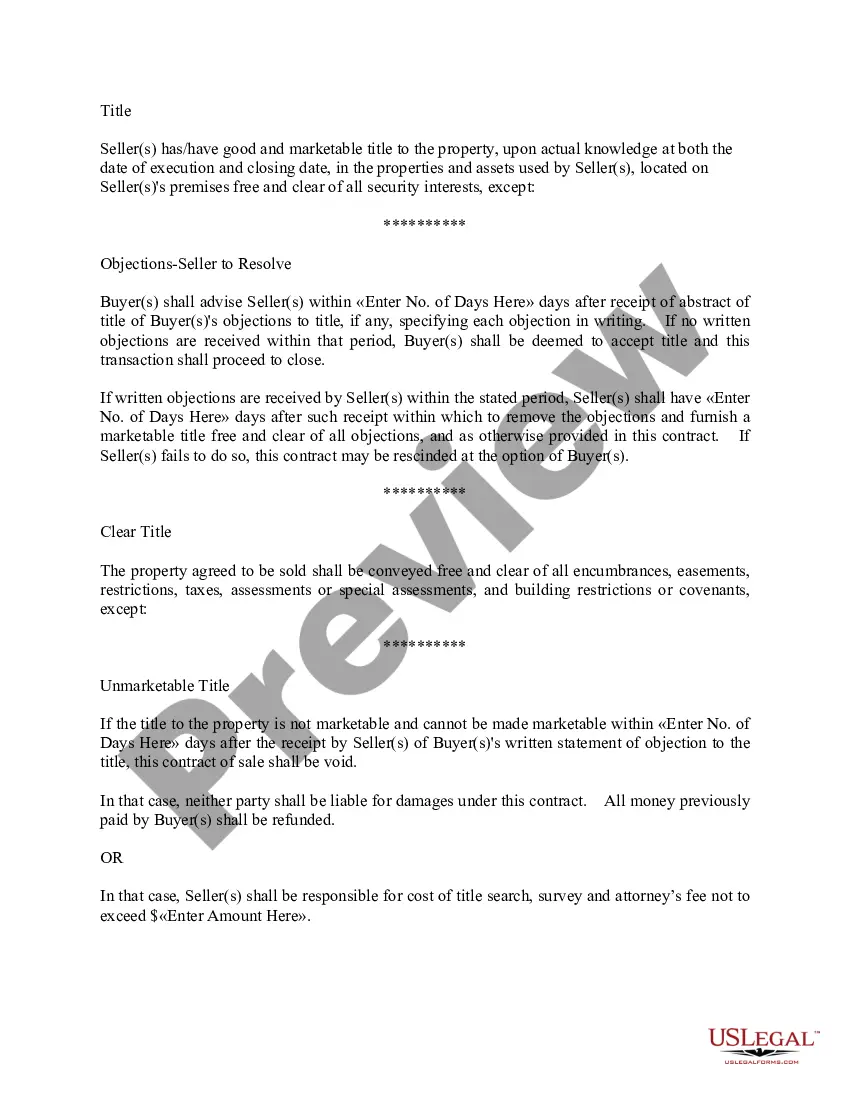
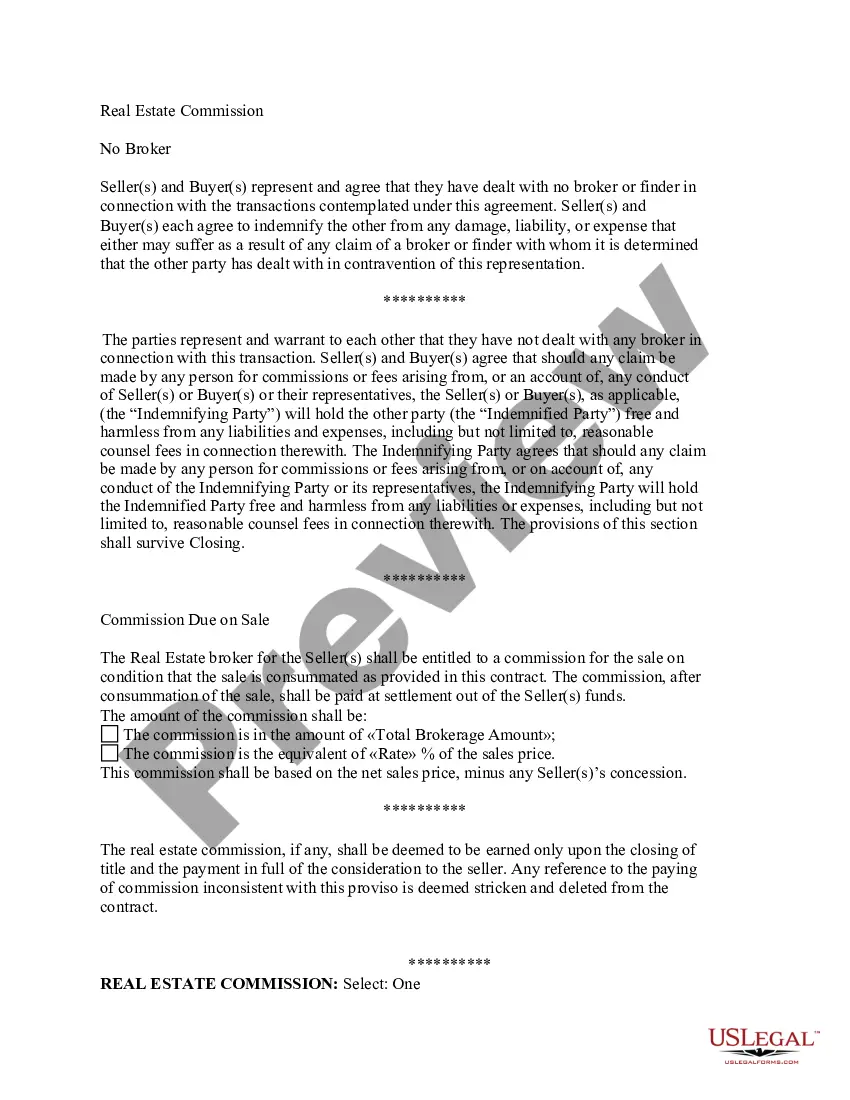
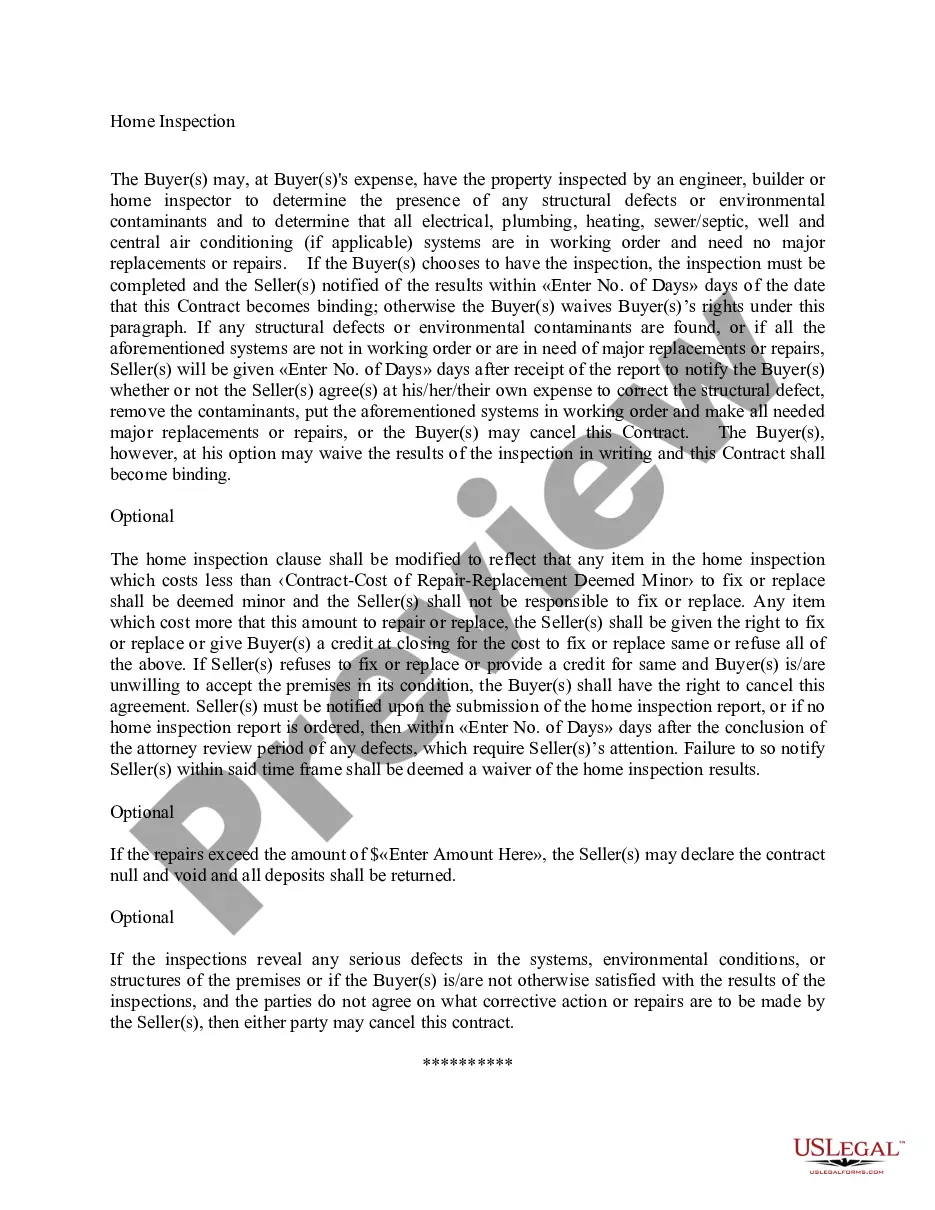
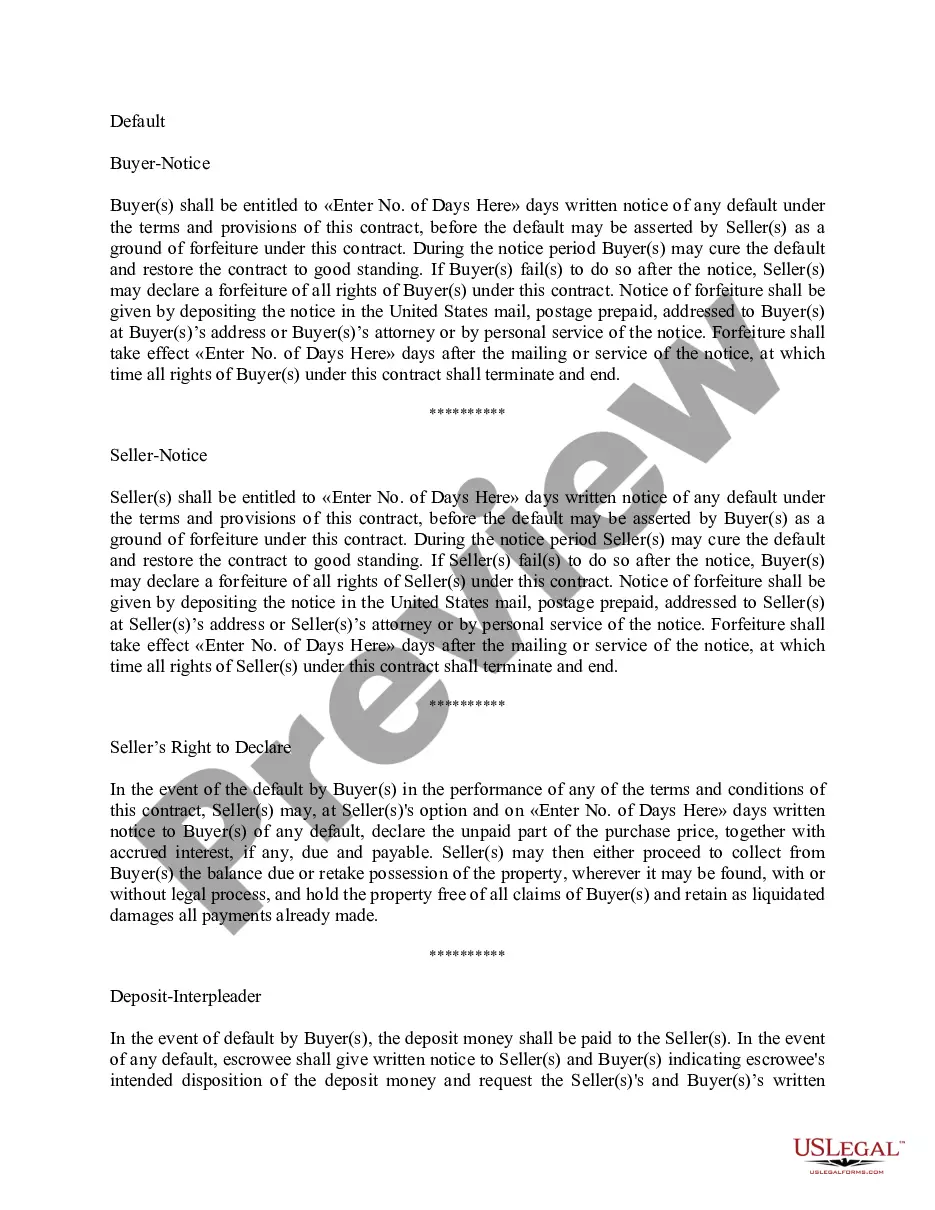
The Certificate of Occupancy Clauses: Contract for Real Property is a legal document that establishes the responsibilities related to obtaining a certificate of occupancy for a property being sold. This form outlines the conditions under which the contract is enforceable, focusing on compliance with housing and building codes. It serves to protect both buyers and sellers by clarifying who is responsible for any necessary repairs and ensuring the property meets legal standards for occupancy.
Form components explained
- Seller Responsibilities: Specifies that the seller must apply for the certificate of occupancy and handle necessary repairs.
- Buyer Responsibilities: Outlines that the buyer may accept the property "as is" and can perform inspections.
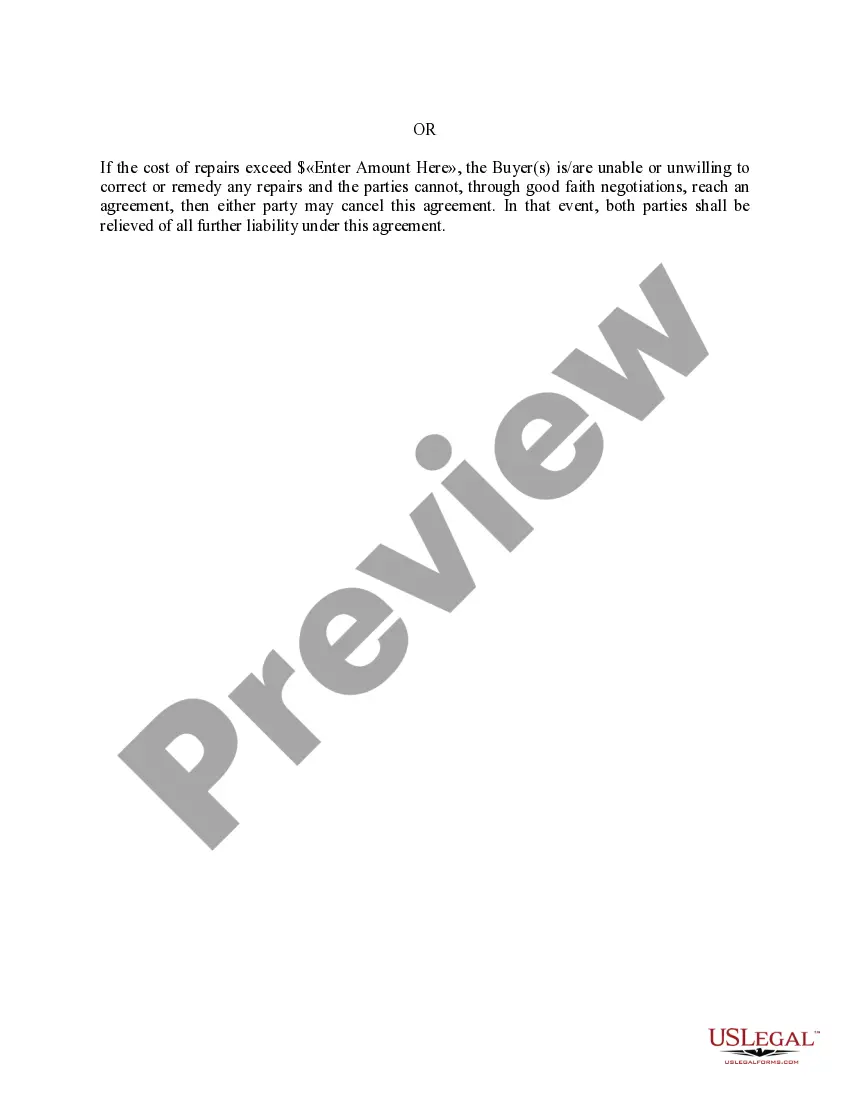
- Repair Costs: Highlights what happens if repair costs exceed a specified amount and the options available to both parties.
- Cancellation Clauses: Details the conditions under which either party may cancel the agreement without further obligation.
- Inspection Rights: Grants buyers the right to inspect the property before finalizing the purchase.
When to use this document
This form is typically used during real estate transactions when a property sale is contingent on securing a valid certificate of occupancy. It is essential when buyers or sellers need to clarify responsibilities for repairs and compliance with local building codes. This form is particularly relevant when the property has undergone recent renovations or changes that may affect its legality for occupancy.
Intended users of this form
- Real estate sellers who need to clarify their responsibilities regarding occupancy requirements.
- Buyers purchasing real estate that requires compliance with building codes.
- Real estate agents who facilitate property transactions requiring a certificate of occupancy.
- Investors looking to ensure that properties meet legal standards before completing a sale.
Steps to complete this form
- Identify the parties involved in the real estate transaction.
- Specify the property details, including the address and legal description.
- Enter the agreed amount for potential repair costs and the timeline for the seller's responsibilities.
- Include any specific terms regarding cancellations and buyer inspections.
- Review the clauses for completeness and mutual agreement before signing.
Is notarization required?
This form does not typically require notarization unless specified by local law. It is advisable to check with local regulations to ensure compliance.
Get your form ready online
Our built-in tools help you complete, sign, share, and store your documents in one place.
Make edits, fill in missing information, and update formatting in US Legal Forms—just like you would in MS Word.
Download a copy, print it, send it by email, or mail it via USPS—whatever works best for your next step.
Sign and collect signatures with our SignNow integration. Send to multiple recipients, set reminders, and more. Go Premium to unlock E-Sign.
If this form requires notarization, complete it online through a secure video call—no need to meet a notary in person or wait for an appointment.
We protect your documents and personal data by following strict security and privacy standards.

Make edits, fill in missing information, and update formatting in US Legal Forms—just like you would in MS Word.

Download a copy, print it, send it by email, or mail it via USPS—whatever works best for your next step.

Sign and collect signatures with our SignNow integration. Send to multiple recipients, set reminders, and more. Go Premium to unlock E-Sign.

If this form requires notarization, complete it online through a secure video call—no need to meet a notary in person or wait for an appointment.

We protect your documents and personal data by following strict security and privacy standards.
Avoid these common issues
- Failing to define who is responsible for repairs.
- Not specifying timelines for inspections or repairs.
- Overlooking local code requirements related to certificates of occupancy.
- Not including cancellation clauses, which could lead to disputes.
Benefits of using this form online
- Convenient access to legally vetted forms that can be downloaded and completed from anywhere.
- Editing capabilities allow users to customize the form to fit their specific transaction needs.
- Reliable legal language prepared by licensed attorneys, reducing the risk of errors.
Looking for another form?
Form popularity
FAQ
Buyer and Seller shall each pay fifty percent (50%) of all closing costs associated with the sale, transfer and conveyance of the Owned Real Property to Buyer hereunder, including all transfer taxes, escrow fees, costs of title insurance and endorsements, surveys undertaken by Buyer, and any other incidental fees or
The foregoing date is the date on which the Sellers deeds to Buyer are to be recorded immediately prior to the delivery of the Purchase Price to Seller and is referred to in this Agreement as the "Closing" or "Closing Date". Seller shall deliver possession of the Assets to Buyer on the Closing Date.
The mortgage occupancy clause requires you to make your home your primary residence. Occupancy statements are there to protect the value of the home and the lender from losing money. If you lie about your property being owner-occupied, you'll be committing mortgage fraud.
A Certificate of Occupancy (CO) is issued for new construction or change of use (i.e. from a school to a restaurant), while a Certificate of Completion (CC) is needed for remodels, renovations and shell buildings. NOTE: When you are in iBuild, your permit application will indicate whether a CO or CC is required.
The Closing Deliverables clause lays out what the parties to an exchange must deliver to one another at the closing of the agreement. The exact deliverables will vary depending on the types of consideration changing hands under the agreement.
In real estate contracts, there are contract clauses that outline the terms of the agreement and responsibilities of each party. The contract clauses address all aspects of the sale terms and are legally binding once both parties sign the document.
Closing is the final step of the homebuying transaction. All outstanding fees listed in the closing disclosure are paid, the escrow funds are cleared to be delivered to the seller, and the buyer and seller sign documents to transfer ownership of the property.
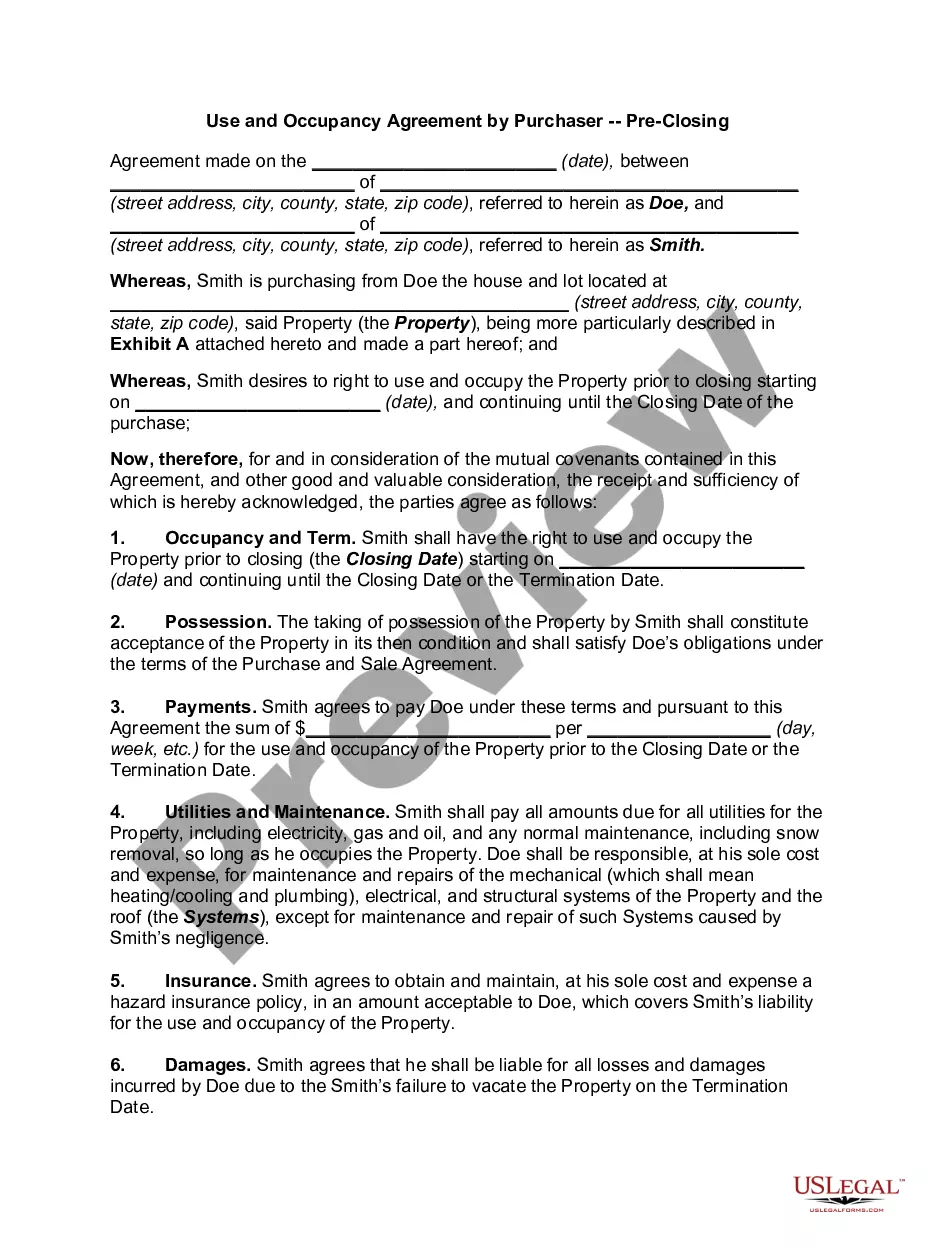
Use and occupancy clauses can be used by either the buyer or the seller in a real estate transaction. The use and occupancy clause gives the intended party the right to move into or remain on the property. As a seller, you may wish to stay on the property past the closing date.