Michigan Letter from Tenant to Landlord about Sexual Harassment
About this form
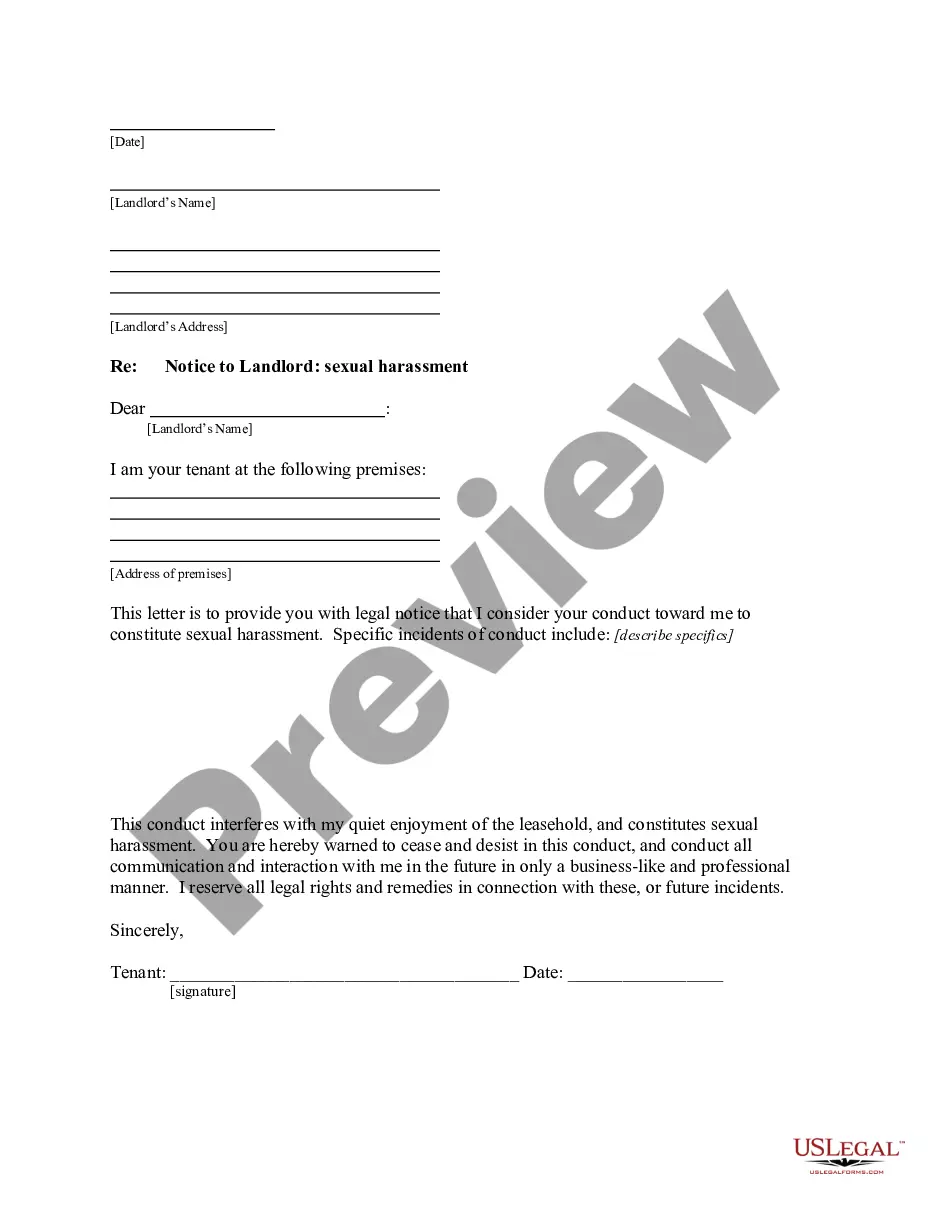
This form is a Letter from Tenant to Landlord about Sexual Harassment. It serves to inform the landlord that their behavior towards the tenant is considered sexually harassing, which is illegal. This communication aims to assert the tenant's right to quiet enjoyment of the property and demands that the landlord cease such conduct, maintaining only professional interactions moving forward.
Form components explained
- Identification of the tenant and landlord.
- Description of the landlord's conduct deemed inappropriate and harassing.
- Assertion of the tenant's right to a peaceful living environment.
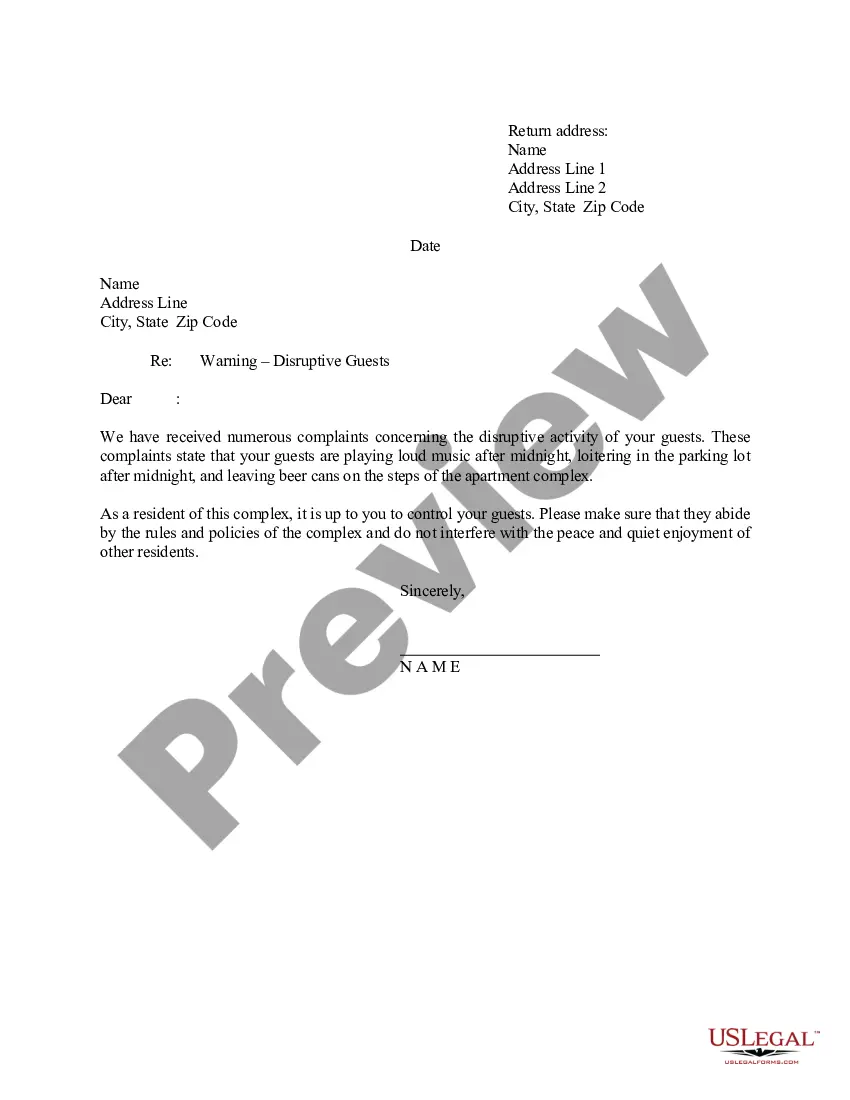
- A warning for the landlord to cease harassing behavior.
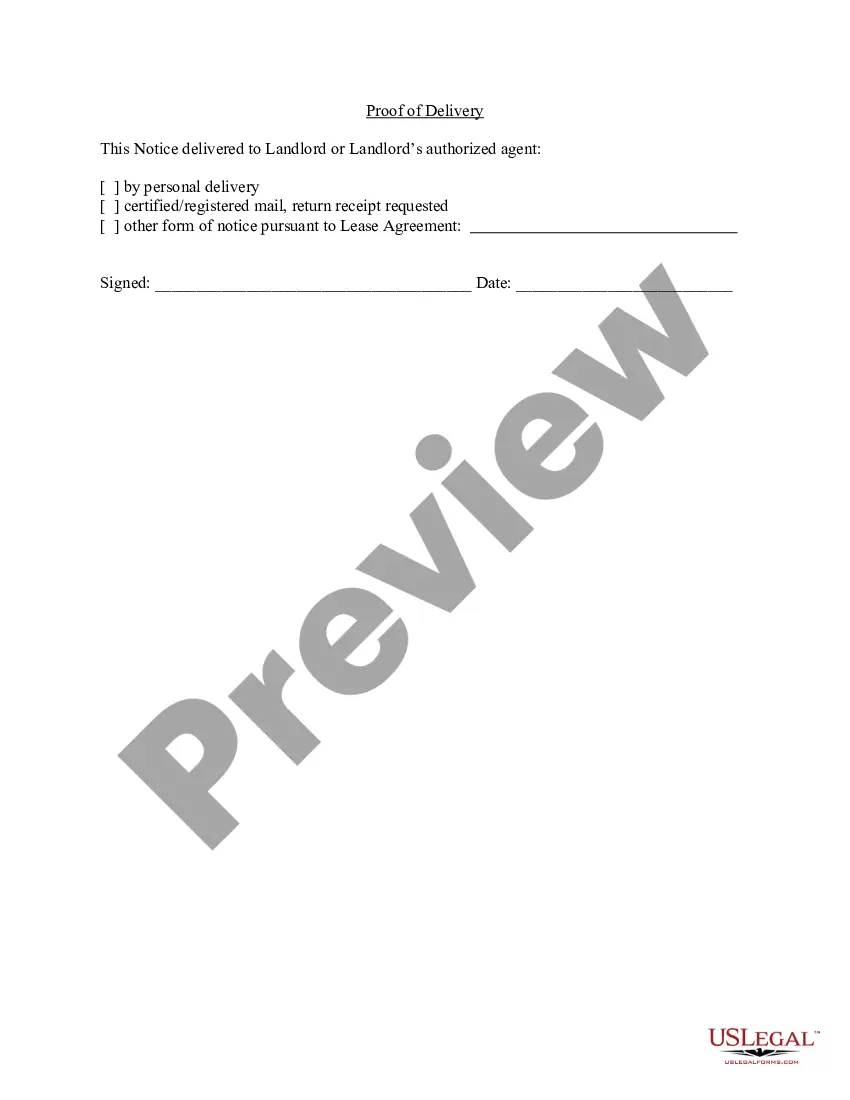
- Instructions for delivering the notice to the landlord.

When to use this form
This form should be used when a tenant experiences sexual harassment from their landlord. If the landlord makes inappropriate comments, engages in unwanted advances, or exhibits any behavior that makes the tenant uncomfortable, this letter can serve as an official warning to stop. It is an essential step before pursuing further legal action, as it documents the tenant's grievances and requests for professional conduct.
Who this form is for
- Tenants who believe they have been subjected to sexual harassment by their landlord.
- Individuals seeking to assert their legal rights in a rental situation.
- Any tenant who wishes to establish a formal record of harassing behavior.
How to complete this form
- Identify yourself as the tenant and provide your details.
- Include the landlord's name and contact information.
- Clearly describe the specific behavior that constitutes harassment.
- State your demands for the landlord to cease such conduct.
- Sign and date the letter, keeping a copy for your records.
Does this document require notarization?
This form does not typically require notarization unless specified by local law. However, keeping a notarized copy may enhance its legal standing in disputes.
Get your form ready online
Our built-in tools help you complete, sign, share, and store your documents in one place.
Make edits, fill in missing information, and update formatting in US Legal Forms—just like you would in MS Word.
Download a copy, print it, send it by email, or mail it via USPS—whatever works best for your next step.
Sign and collect signatures with our SignNow integration. Send to multiple recipients, set reminders, and more. Go Premium to unlock E-Sign.
If this form requires notarization, complete it online through a secure video call—no need to meet a notary in person or wait for an appointment.
We protect your documents and personal data by following strict security and privacy standards.

Make edits, fill in missing information, and update formatting in US Legal Forms—just like you would in MS Word.

Download a copy, print it, send it by email, or mail it via USPS—whatever works best for your next step.

Sign and collect signatures with our SignNow integration. Send to multiple recipients, set reminders, and more. Go Premium to unlock E-Sign.

If this form requires notarization, complete it online through a secure video call—no need to meet a notary in person or wait for an appointment.

We protect your documents and personal data by following strict security and privacy standards.
Common mistakes
- Failing to provide specific examples of the harassing behavior.
- Not including your full name or address in the letter.
- Overlooking the need for a copy of the signed letter for your records.
- Delivering the letter improperly (not using certified mail, if necessary).
Benefits of completing this form online
- Convenience of immediate download and use.
- Editable template that allows you to customize the letter as needed.
- Reliability of forms drafted by licensed attorneys, ensuring legal accuracy.
Legal use & context
- The letter serves as a formal notice of harassment, which may be used in legal proceedings if the situation escalates.
- Using this form can help protect the tenant's rights and provide evidence of the landlord's misconduct.
Key takeaways
- The form provides a structure for tenants to formally document and report sexual harassment by landlords.
- It is crucial for tenants to assert their rights and maintain a record of harassment.
- Delivering the letter correctly is important for it to be legally effective.
Looking for another form?





Form popularity
FAQ
Explain that you are making a complaint. Relate what the complaint is actually about and make sure to include the specific details about the complaint, especially an account of the event. Inform the management of what you wish to be done regarding the complaint that you are making. End on a positive tone.
Harassment is unwelcome conduct that is based on race, color, religion, sex (including pregnancy), national origin, age (40 or older), disability or genetic information.The victim does not have to be the person harassed, but can be anyone affected by the offensive conduct.
A landlord cannot evict a tenant without an adequately obtained eviction notice and sufficient time. A landlord cannot retaliate against a tenant for a complaint. A landlord cannot forego completing necessary repairs or force a tenant to do their own repairs.A landlord cannot remove a tenant's personal belongings.
Tenant Rights to Withhold Rent in MichiganTenants may withhold rent or exercise the right to repair and deduct if a landlord fails to take care of important repairs, such as a broken heater. For specifics, see Michigan Tenant Rights to Withhold Rent or Repair and Deduct.
Write a letter to your landlord asking for the harassment to stop. Send the letter with proof of mailing and keep a copy of the letter. Ask a witness to be there for landlord interactions. Witness accounts and video recordings of your interactions can be used in court as long as they were done legally.
Get an Injunctive Order from the Court to Stop the Behavior: A tenant can go to court to get a legal order from the court for the landlord to stop the harassing behavior. 12feff Sue the Landlord: A tenant could also sue the landlord for damages due to the harassment.
State that you will be making a complaint. Explain why you are making a complaint and make sure to add your account of the event and other supporting facts. Let the management know what steps you wish to be made to address your complaint. End on a positive tone.
If you're seeking damages for emotional distress caused by a landlord's discrimination, or punitive damages for especially blatant and intentional discrimination, a lawsuit may well be your best bet. Understand what's involved in suing your landlord. You may file a lawsuit in either federal or state court.
Respectfully state that you are making a complaint. Explain the reason behind you making the complaint, making sure to put in the various reasons why you are making the complaint. Relate to the reader what you wish to be done about your complaint. End on a positive tone.