Michigan Quitclaim Deed from Corporation to Husband and Wife
Overview of this form
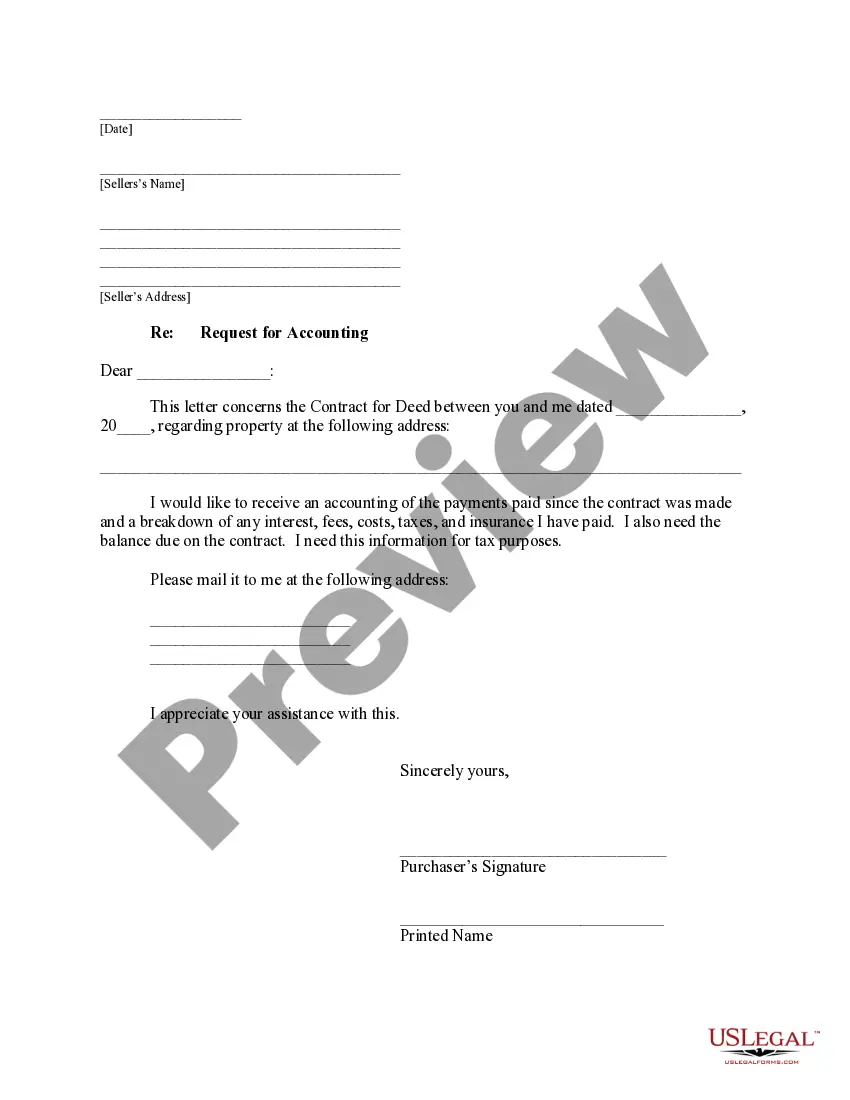
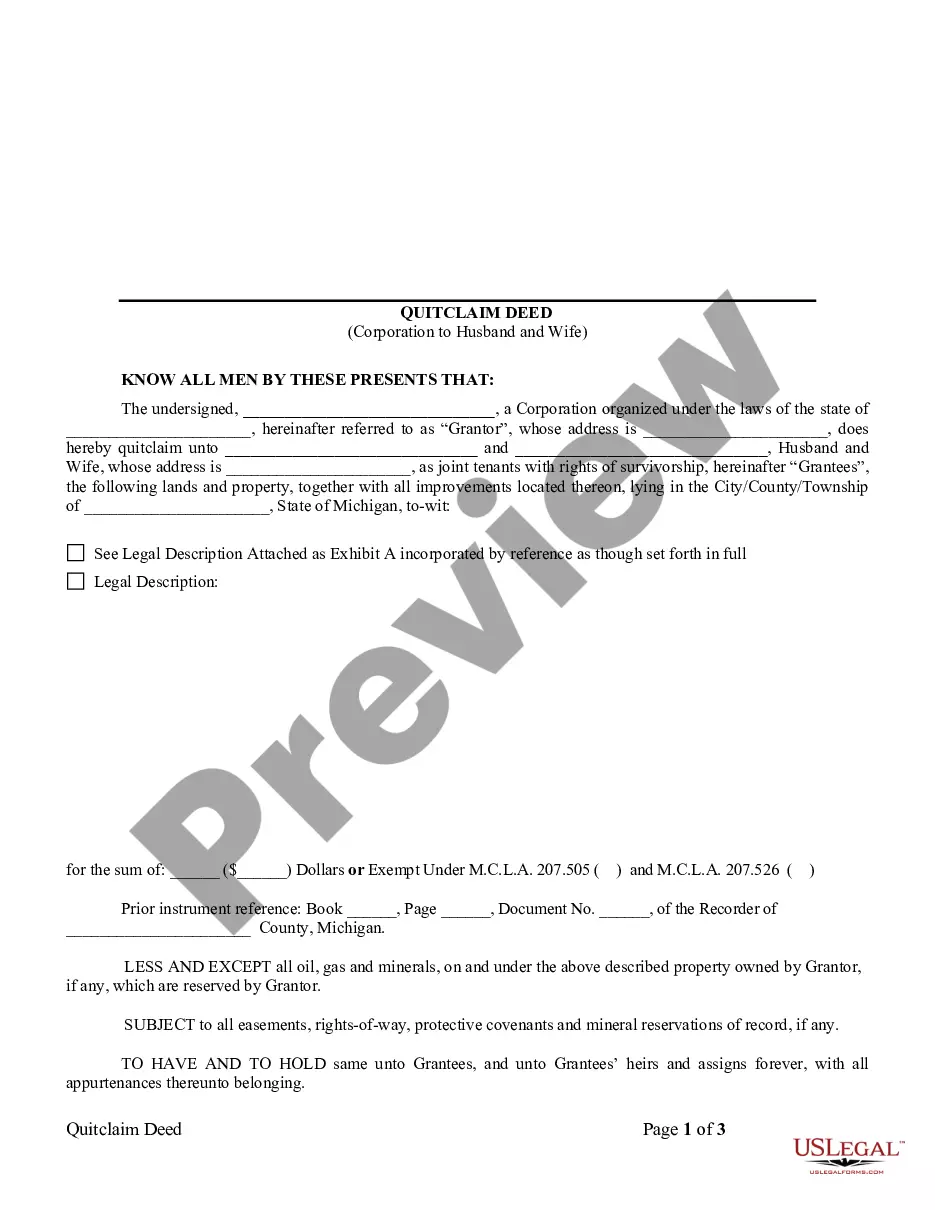
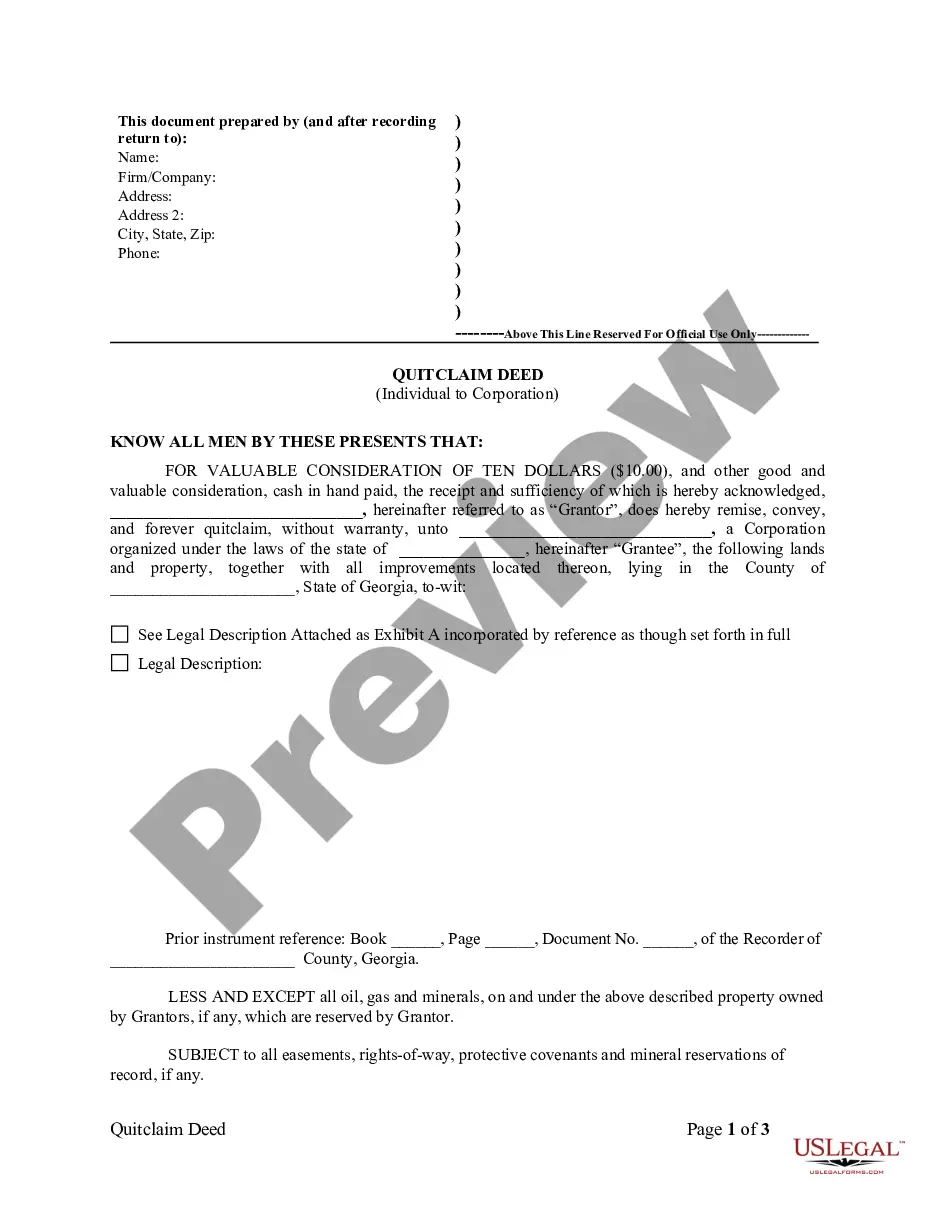
The Quitclaim Deed from Corporation to Husband and Wife is a legal document through which a corporation (the Grantor) transfers property ownership to a married couple (the Grantees). Unlike a warranty deed, this form does not guarantee that the Grantor holds clear title to the property, making it essential for transferring property between close relatives or in informal situations. This quitclaim deed ensures that the specified property is conveyed to the couple while reserving rights to any minerals beneath the property, which may still belong to the corporation.
What’s included in this form
- Identification of the Grantor (the corporation) and its registered address.
- Identification of the Grantees (husband and wife) and their joint address.
- Legal description of the property being transferred, referenced in an attached exhibit.
- Reservation of rights to oil, gas, and minerals by the Grantor.
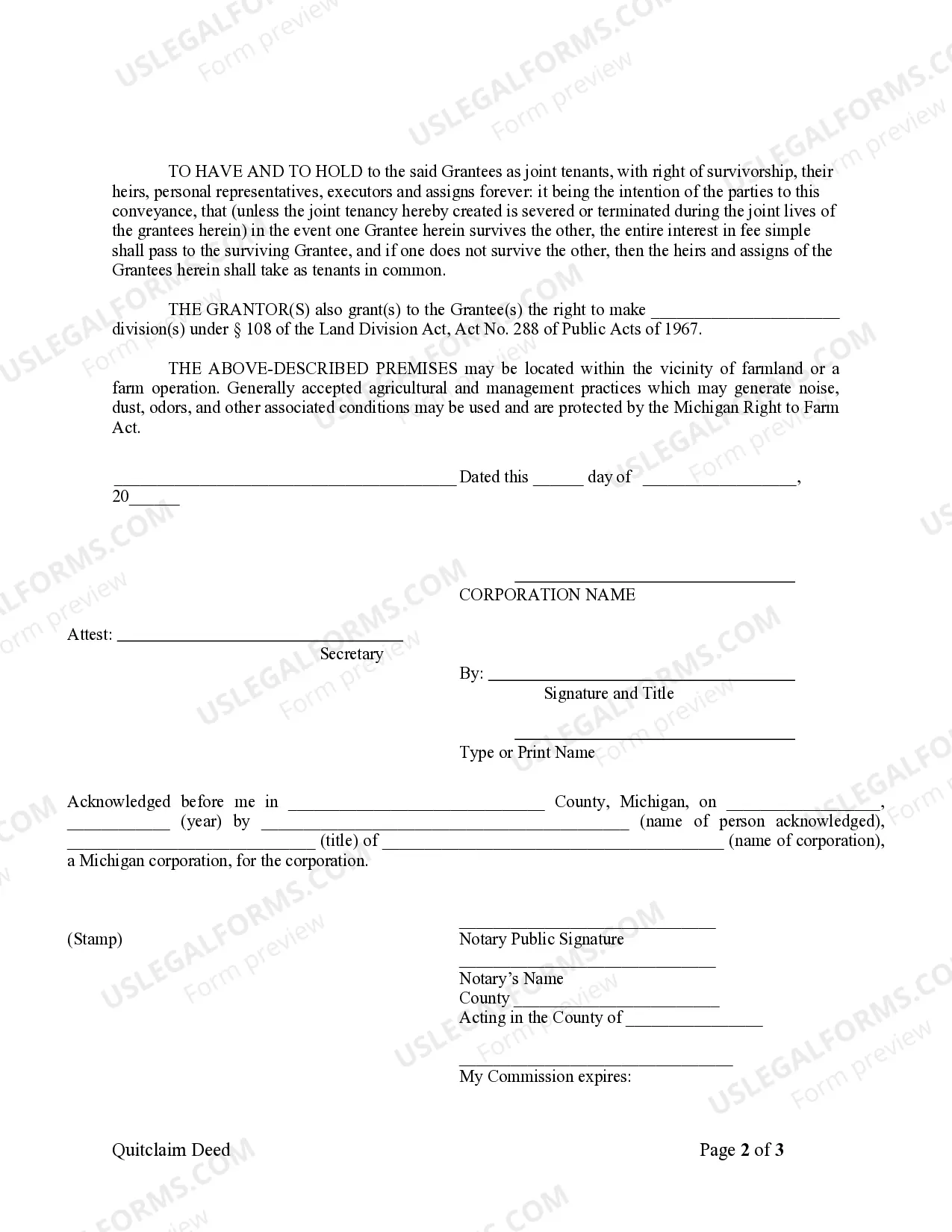
- Declaration of joint tenancy with rights of survivorship, explaining the disposition of property upon the death of one Grantee.






Common use cases
This form is useful in various scenarios, including when a corporation transfers property to a married couple, perhaps as part of a financial arrangement, estate planning, or family transactions. It is often used when the corporation is no longer in need of the property, or when it is transferring property to its shareholders or executives as part of a compensation package.
Who should use this form
- Corporations looking to transfer property to married individuals.
- Husband and wife who are receiving property from a corporation.
- Attorneys assisting clients in real estate transactions involving corporate property transfers.
Steps to complete this form
- Identify the corporation by entering its legal name and registered address as the Grantor.
- Enter the names and addresses of the husband and wife as the Grantees.
- Provide a complete legal description of the property in the designated section.
- Specify any reservations regarding oil, gas, or minerals owned by the Grantor.
- Sign and date the form as required, ensuring any necessary witnesses or notarization is completed if needed.
Notarization requirements for this form
This form must be notarized to be legally valid. US Legal Forms provides secure online notarization powered by Notarize, allowing you to complete the process through a verified video call.
Get your form ready online
Our built-in tools help you complete, sign, share, and store your documents in one place.
Make edits, fill in missing information, and update formatting in US Legal Forms—just like you would in MS Word.
Download a copy, print it, send it by email, or mail it via USPS—whatever works best for your next step.
Sign and collect signatures with our SignNow integration. Send to multiple recipients, set reminders, and more. Go Premium to unlock E-Sign.
If this form requires notarization, complete it online through a secure video call—no need to meet a notary in person or wait for an appointment.
We protect your documents and personal data by following strict security and privacy standards.

Make edits, fill in missing information, and update formatting in US Legal Forms—just like you would in MS Word.

Download a copy, print it, send it by email, or mail it via USPS—whatever works best for your next step.

Sign and collect signatures with our SignNow integration. Send to multiple recipients, set reminders, and more. Go Premium to unlock E-Sign.

If this form requires notarization, complete it online through a secure video call—no need to meet a notary in person or wait for an appointment.

We protect your documents and personal data by following strict security and privacy standards.
Mistakes to watch out for
- Failing to include the legal description of the property can void the deed.
- Not specifying the reservation of rights correctly may lead to future disputes over mineral rights.
- Improperly identifying the Grantor or Grantees can result in ownership issues.
- Neglecting to date or sign the form, which can affect its validity.
Why use this form online
- Convenience of accessing and completing the form from home without needing to visit a legal office.
- Editable templates that allow users to input specific information easily.
- Reliability of professionally drafted templates that comply with legal standards.
Main things to remember
- A Quitclaim Deed from Corporation to Husband and Wife allows a corporation to transfer property ownership to a married couple.
- The form simplifies the transfer process, emphasizing trust between parties.
- Ensure the legal description of the property is accurate and include any relevant reservations.
Looking for another form?




Form popularity
FAQ
To add a spouse to a quitclaim deed, you need to prepare a new Michigan Quitclaim Deed that includes both parties' names. Both spouses must sign the deed in front of a notary public to make it legally binding. This action will transfer the specific property interest correctly and officially grant ownership rights to both partners, ensuring clarity in ownership.
Yes, a spouse does have rights to property after signing a quitclaim deed, but it depends on the specific arrangement made. Signing a quitclaim may relinquish ownership but not necessarily the right to claim equitable interest, especially if the property is marital property. It's essential to understand the implications of a Michigan Quitclaim Deed from Corporation to Husband and Wife, which can clarify ownership rights.
A married couple might choose to execute a quitclaim deed to transfer property ownership between themselves for several reasons. This could include simplifying property title after marriage, ensuring both spouses are listed as owners, or correcting the title from a previous ownership arrangement. The Michigan Quitclaim Deed from Corporation to Husband and Wife can facilitate these changes smoothly and legally.
While quitclaim deeds offer simplicity, they do have disadvantages. The primary issue is that they do not guarantee clear title, meaning the property might have undisclosed debts or claims. It’s wise to consider potential risks, especially when dealing with a Michigan Quitclaim Deed from Corporation to Husband and Wife, and consulting with experts or using platforms like US Legal Forms can help mitigate these concerns.
But you might be wondering if an owner can transfer a deed to another person without a real estate lawyer. The answer is yes. Parties to a transaction are always free to prepare their own deeds.A quitclaim deed, for example, is far simpler than a warranty deed.
If you sign a quitclaim deed to release yourself from ownership of the property or a claim to the title, then that doesn't mean you are no longer held accountable for the mortgage payment.Otherwise, you may be held responsible for unpaid payments despite no longer having a claim to the title.
A person who signs a quitclaim deed to transfer property they do not own results in no title at all being transferred since there is no actual ownership interest. The quitclaim deed only transfers the type of title you own.
In Michigan, a quit claim deed must be signed by a witness, in addition to the notary, to make it legal.After all required signatures are collected and notarized, file the document with your local register of deeds to complete the transaction.
Signing: § 565.201 requires that the grantor sign the document in front of a notary public. Recording: All quitclaim deeds in Michigan must be filed with the Michigan Register of Deeds in the county where the property is located.
In states like California and Florida, the spouses may use a quitclaim deed to transfer the property without warranting title. Other stateslike Texasrecognize a similar type of deed called a deed without warranty.