Michigan Buyer's Notice of Intent to Vacate and Surrender Property to Seller under Contract for Deed
What is this form?
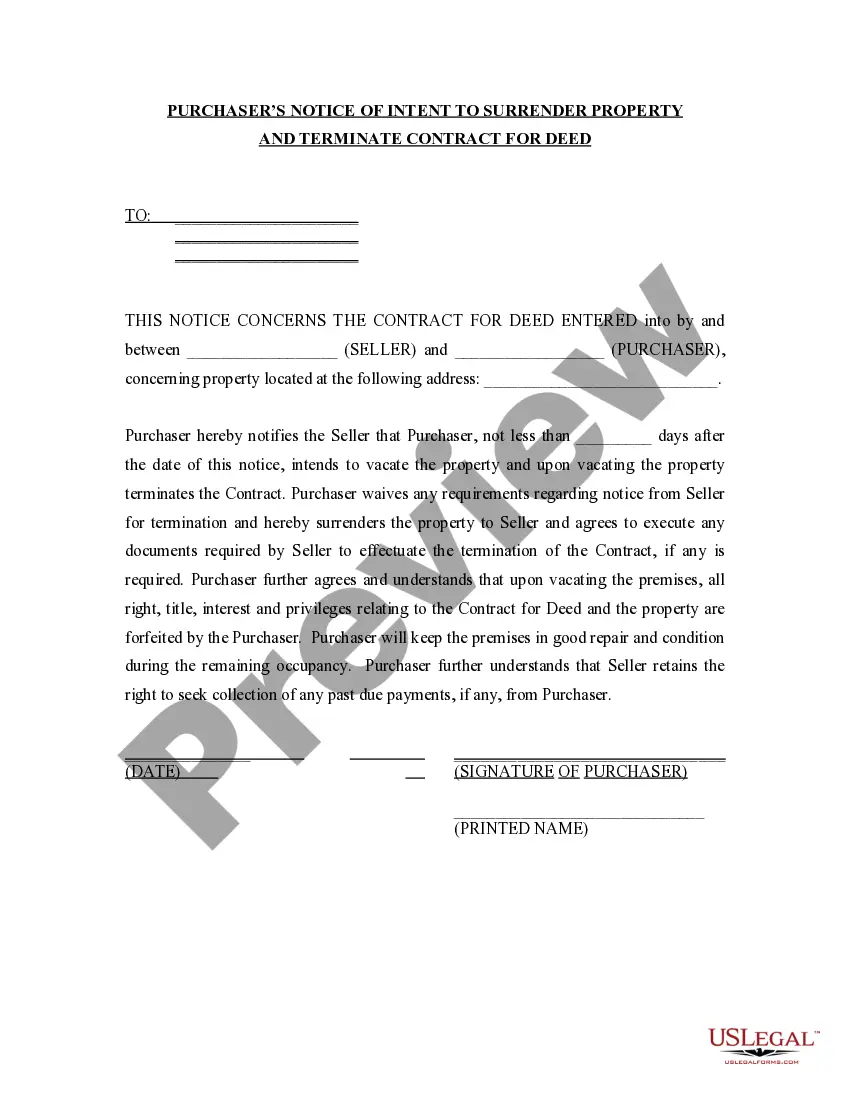
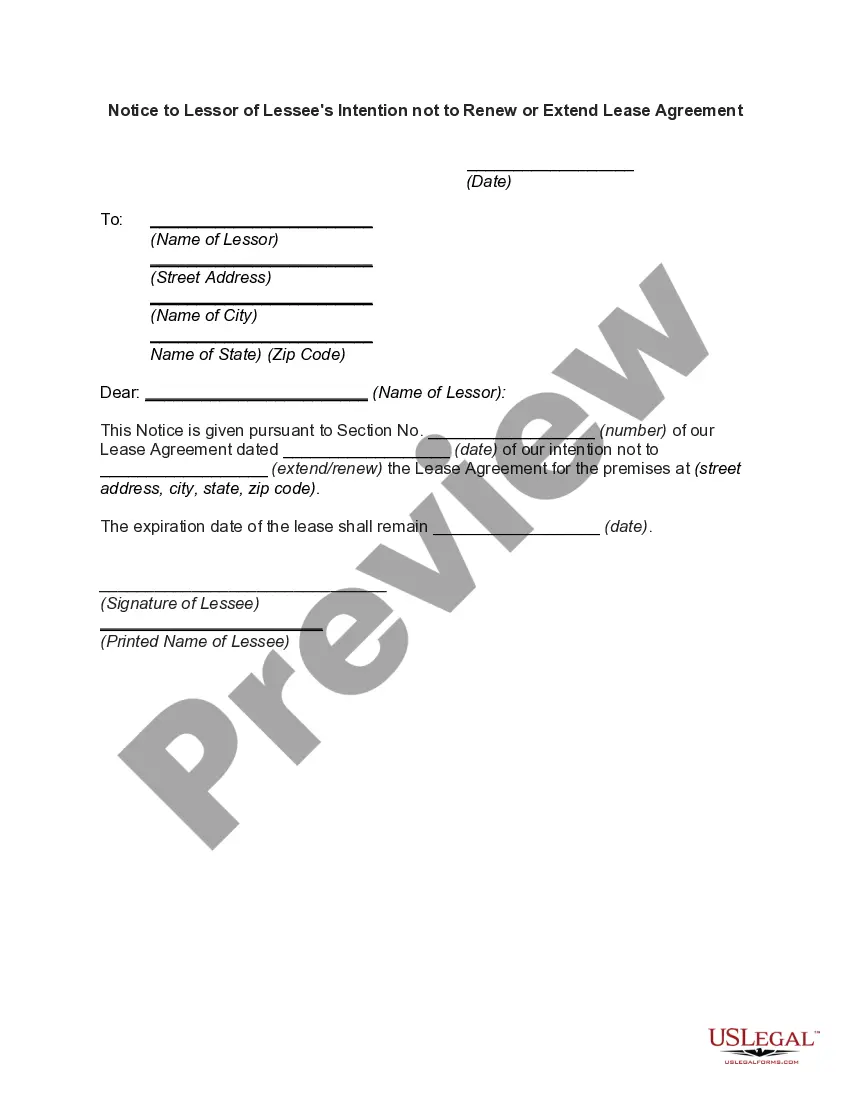
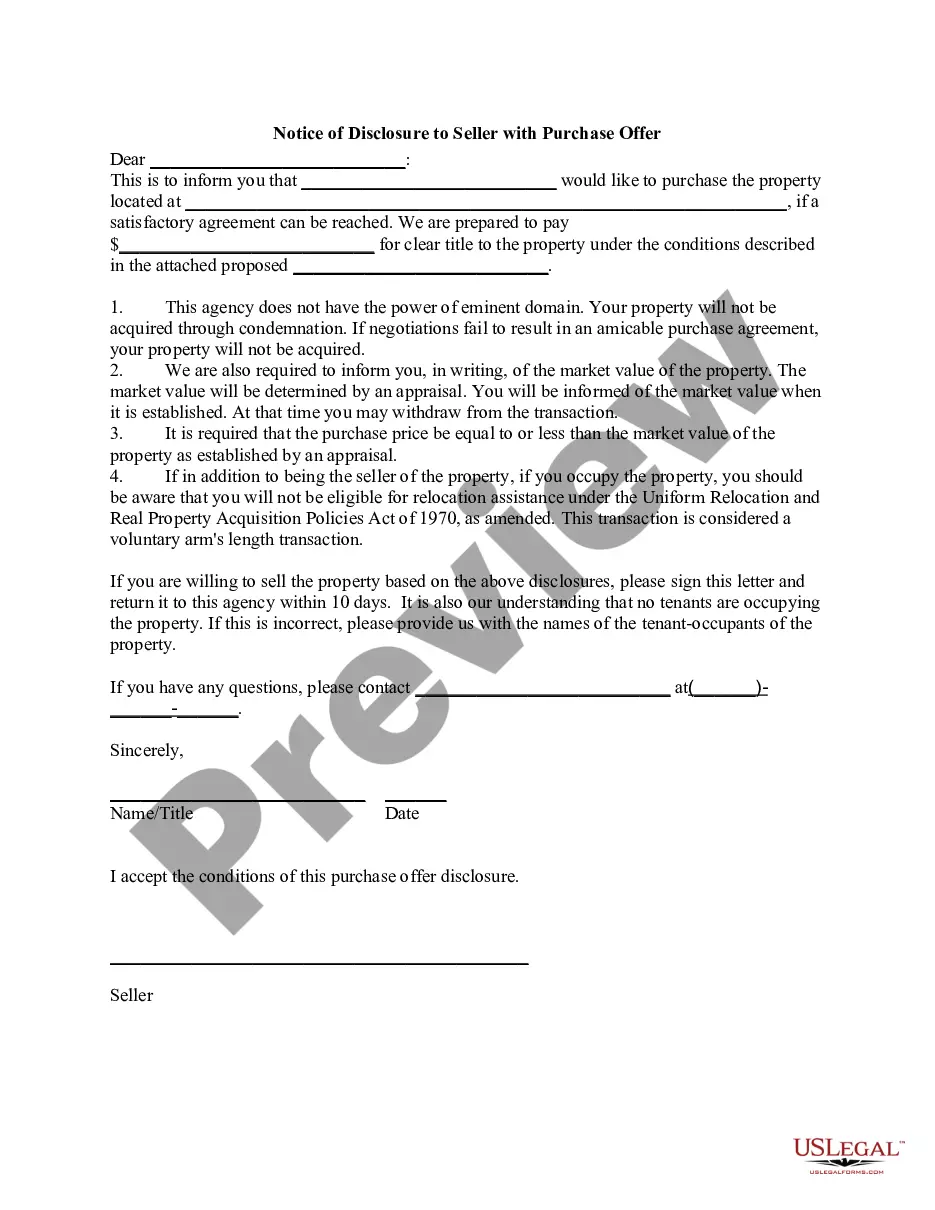
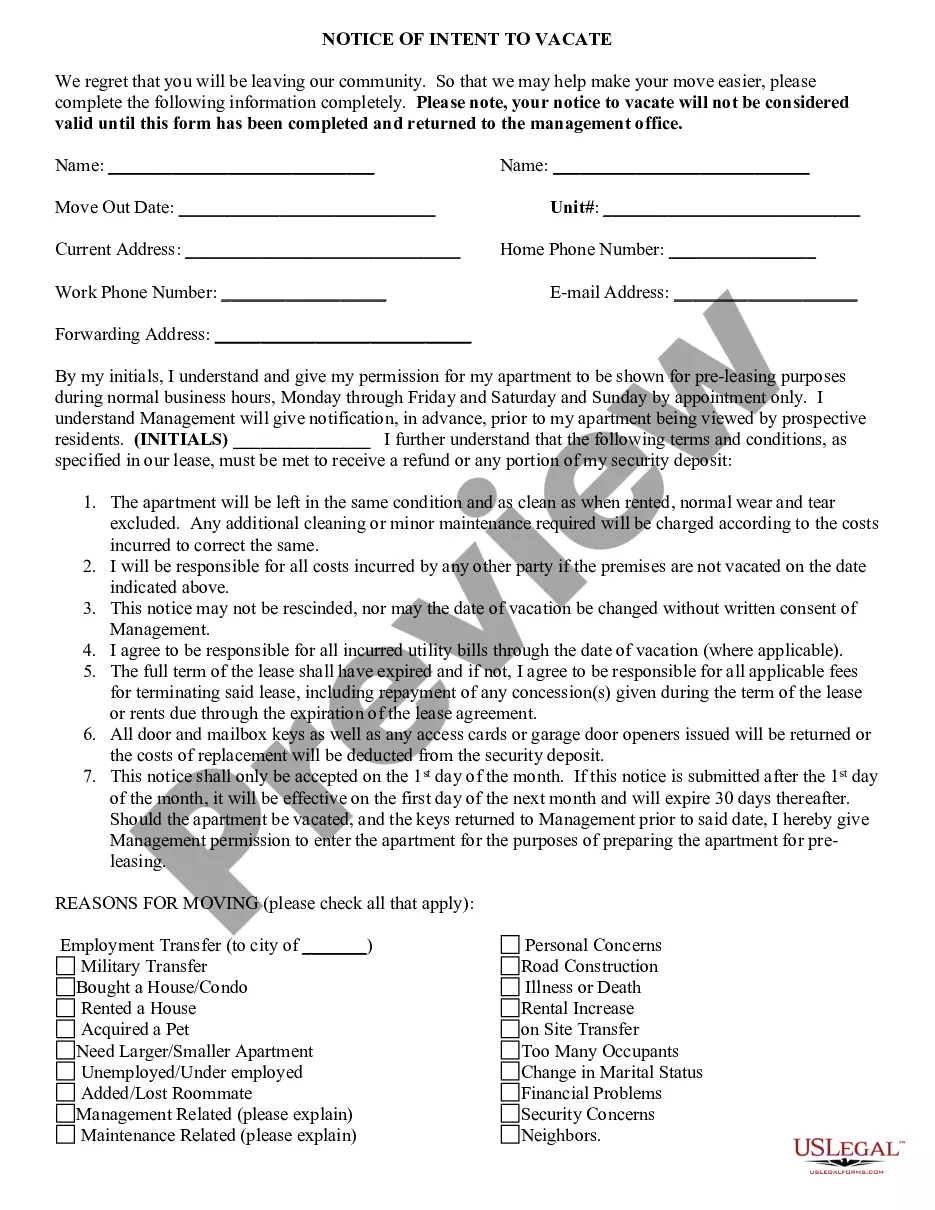
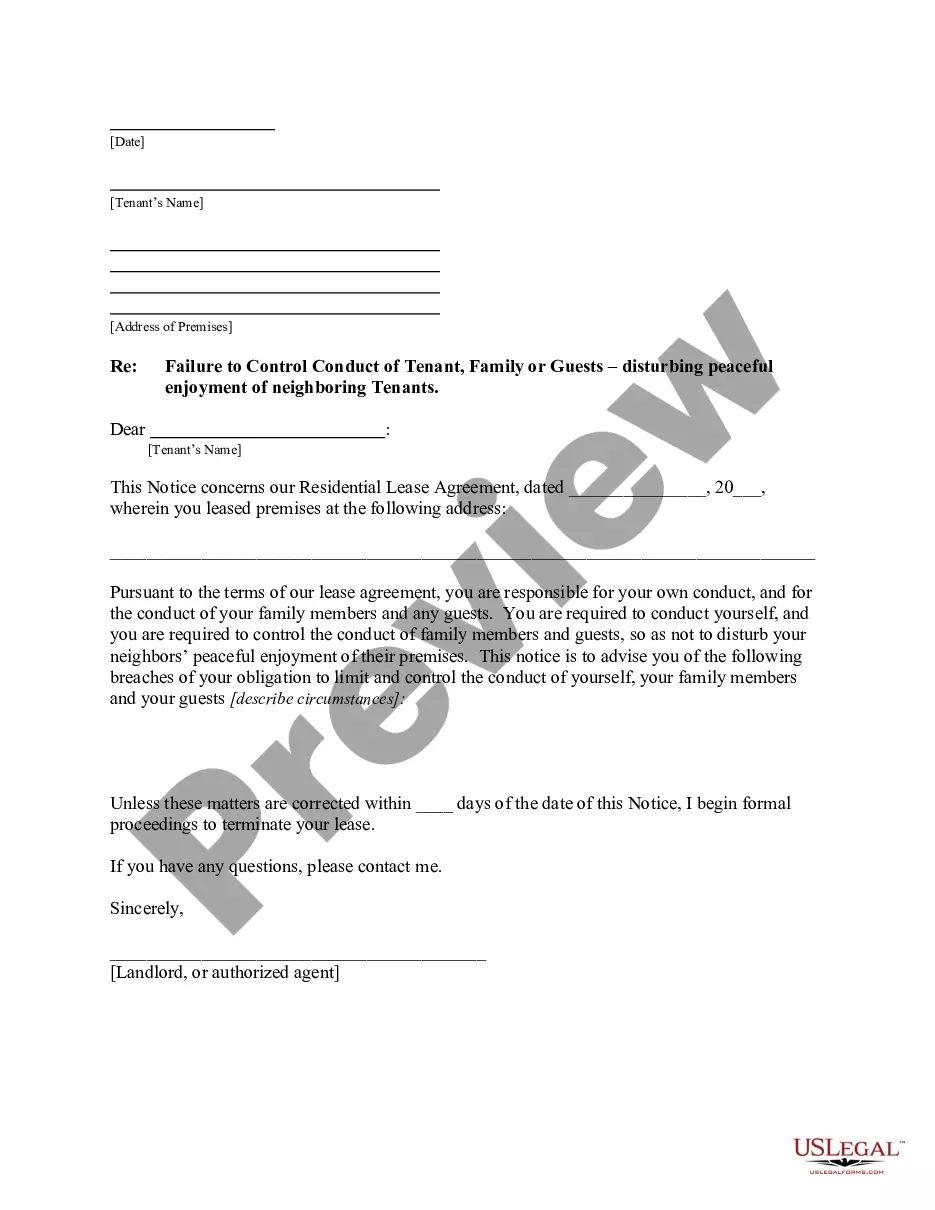
The Buyer's Notice of Intent to Vacate and Surrender Property to Seller under Contract for Deed is a legal notice that a purchaser intends to vacate a property. This form serves to inform the seller of the buyer's decision to cease occupancy under the terms of the contract for deed, thereby forfeiting all rights associated with the property. Unlike other property abandonment notices, this form specifies the legal implications of vacating the premises under a contract for deed arrangement.
Key components of this form
- Identifying information for the seller and the purchaser.
- Description of the property subject to the contract for deed.
- Clear statement of the intent to vacate the premises.
- Acknowledgment of forfeiting rights, titles, and interests in the contract for deed.
- Space for signatures and the date of notice.
When to use this form
This form should be used when a buyer, under a contract for deed, has decided to permanently move out of the property and intends to notify the seller. It may apply in situations where the buyer is unable to continue their contractual obligations, whether due to financial difficulties, relocation, or other personal circumstances.
Who should use this form
This form is intended for:
- Buyers currently occupying a property under a contract for deed.
- Sellers who require formal notification from the buyer regarding their intent to vacate.
- Individuals seeking clarity on their legal rights and responsibilities related to the contract for deed arrangement.
Completing this form step by step
- Identify the parties involved: clearly write the names and addresses of both the seller and purchaser.
- Specify the property: provide a detailed description of the property being vacated.
- State your intent: clearly express the intention to vacate and surrender the property.
- Acknowledge forfeiture: include a statement acknowledging the forfeiture of rights, titles, and interests.
- Sign and date: both parties should sign and date the notice to finalize the declaration of intent.
Notarization requirements for this form
This document requires notarization to meet legal standards. US Legal Forms provides secure online notarization powered by Notarize, allowing you to complete the process through a verified video call, available 24/7.
Get your form ready online
Our built-in tools help you complete, sign, share, and store your documents in one place.
Make edits, fill in missing information, and update formatting in US Legal Forms—just like you would in MS Word.
Download a copy, print it, send it by email, or mail it via USPS—whatever works best for your next step.
Sign and collect signatures with our SignNow integration. Send to multiple recipients, set reminders, and more. Go Premium to unlock E-Sign.
If this form requires notarization, complete it online through a secure video call—no need to meet a notary in person or wait for an appointment.
We protect your documents and personal data by following strict security and privacy standards.

Make edits, fill in missing information, and update formatting in US Legal Forms—just like you would in MS Word.

Download a copy, print it, send it by email, or mail it via USPS—whatever works best for your next step.

Sign and collect signatures with our SignNow integration. Send to multiple recipients, set reminders, and more. Go Premium to unlock E-Sign.

If this form requires notarization, complete it online through a secure video call—no need to meet a notary in person or wait for an appointment.

We protect your documents and personal data by following strict security and privacy standards.
Avoid these common issues
- Failing to include the correct property description.
- Not signing the form or missing the necessary signatures.
- Neglecting to notify the seller in a timely manner.
- Forgetting to keep a copy of the notice for personal records.
Why use this form online
- Convenient access to downloadable forms from anywhere with an internet connection.
- Editable templates that can be personalized according to individual situations.
- Quick and efficient submission process without the need for physical travel.
- Reliable forms drafted by licensed attorneys, ensuring legal accuracy and compliance.
Legal use & context
- The notice serves as a formal declaration to initiate the process of vacating the property.
- By signing the notice, the buyer acknowledges the legal consequences of ceasing occupancy.
- This form can be used in various jurisdictions, but users should confirm compliance with local laws.
Summary of main points
- The form notifies the seller of intent to vacate under a contract for deed.
- Accurate completion is crucial to avoid legal issues.
- Understand the implications of forfeiting rights before submitting the notice.
- Review local state requirements to ensure compliance.
Looking for another form?
Form popularity
FAQ
A property deed is a legal document that transfers the ownership of real estate from a seller to a buyer. For a deed to be legal it must state the name of the buyer and the seller, describe the property that is being transferred, and include the signature of the party that is transferring the property.
What is a deed or title? A title refers to the legal right to own something, especially land or property, while a deed is the document that shows you have this right.
The deeds will only be returned to the owner once the mortgage on the property has been fully paid although photocopies of the deeds can be requested at any time. If no mortgage is held on a property then the title deeds will be kept by the owner. They can either be kept in the home or they can be held by a solicitor.
The Difference Between A Title And A Deed A deed is an official written document declaring a person's legal ownership of a property, while a title refers to the concept of ownership rights.In this way, a book title and a property title are the same: neither are physical objects, but rather concepts.
When you own a home, you own both the deed and title for that property. In real estate, title means you have ownership and a right to use the property.The deed is the physical legal document that transfers ownership. It shows who you bought your house from, and when you sell it, it shows who you sold it to.
A deed is a written instrument which is executed with the necessary formality and by which an interest, right or property passes or is confirmed, or an obligation binding on some person is created or confirmed.
The purpose of a deed is to transfer a title, a legal document proving ownership of a property or asset, to another person. For the document to be binding in a court of law, it must be filed in the public record by a local government official tasked with maintaining documents.