Maine Notice to Bona Fide Purchaser - Individual
About this form
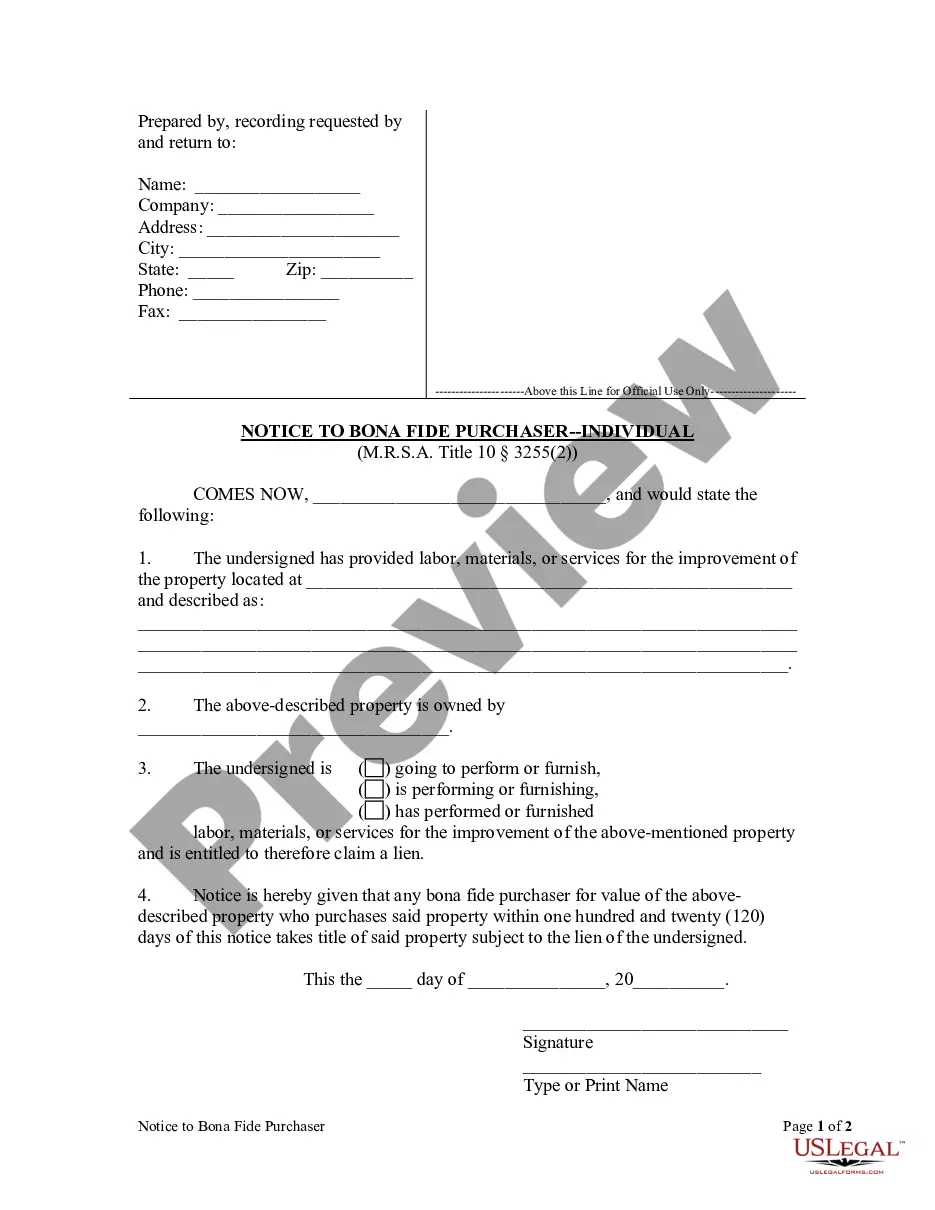
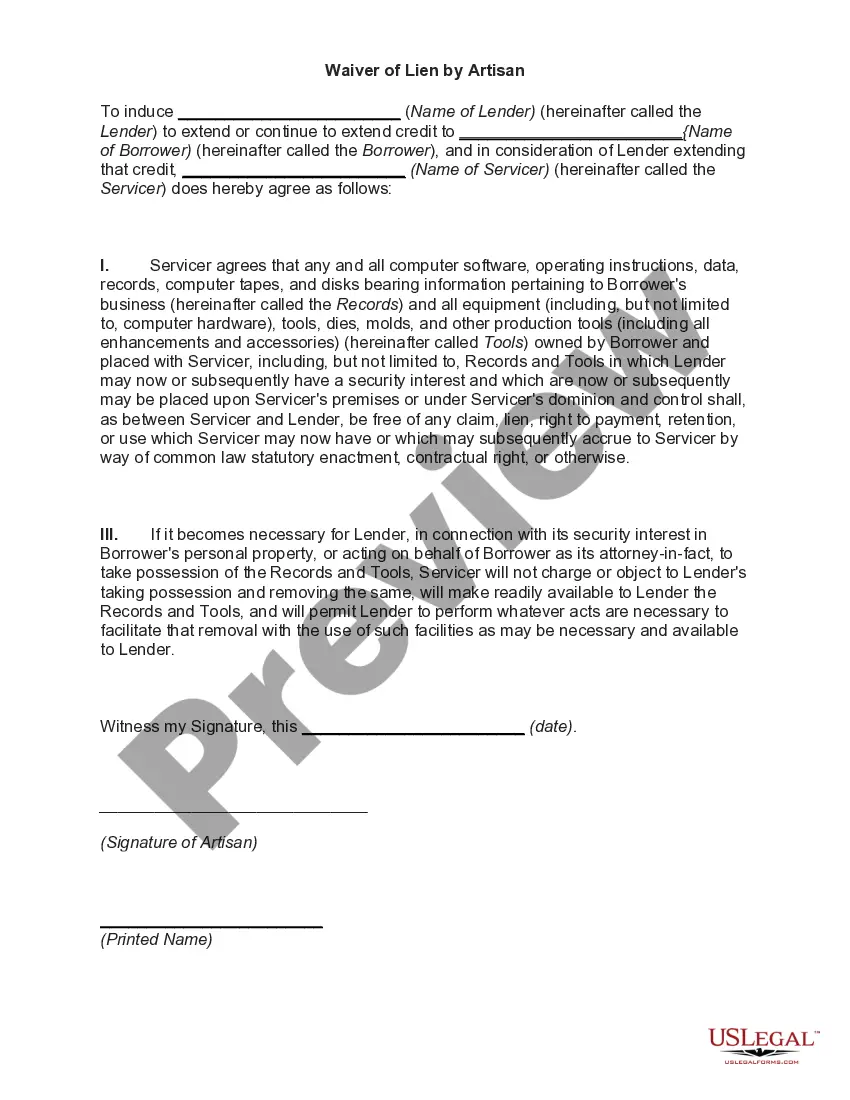
The Notice to Bona Fide Purchaser - Individual is a legal document required under Maine law. This form serves to inform potential buyers of a property that there may be existing liens against it. It is crucial for individuals purchasing property, as it protects their rights when liens have been claimed by a service provider for improvements made to the property. Unlike other notifications, this specific notice is valid for only one hundred and twenty (120) days from the date of filing with the county register of deeds.
Form components explained
- Name and contact information of the lien claimant.
- Description of the property involved.
- Statement regarding the work performed or materials supplied related to the property.
- Notice of the lien and its implications for bona fide purchasers.
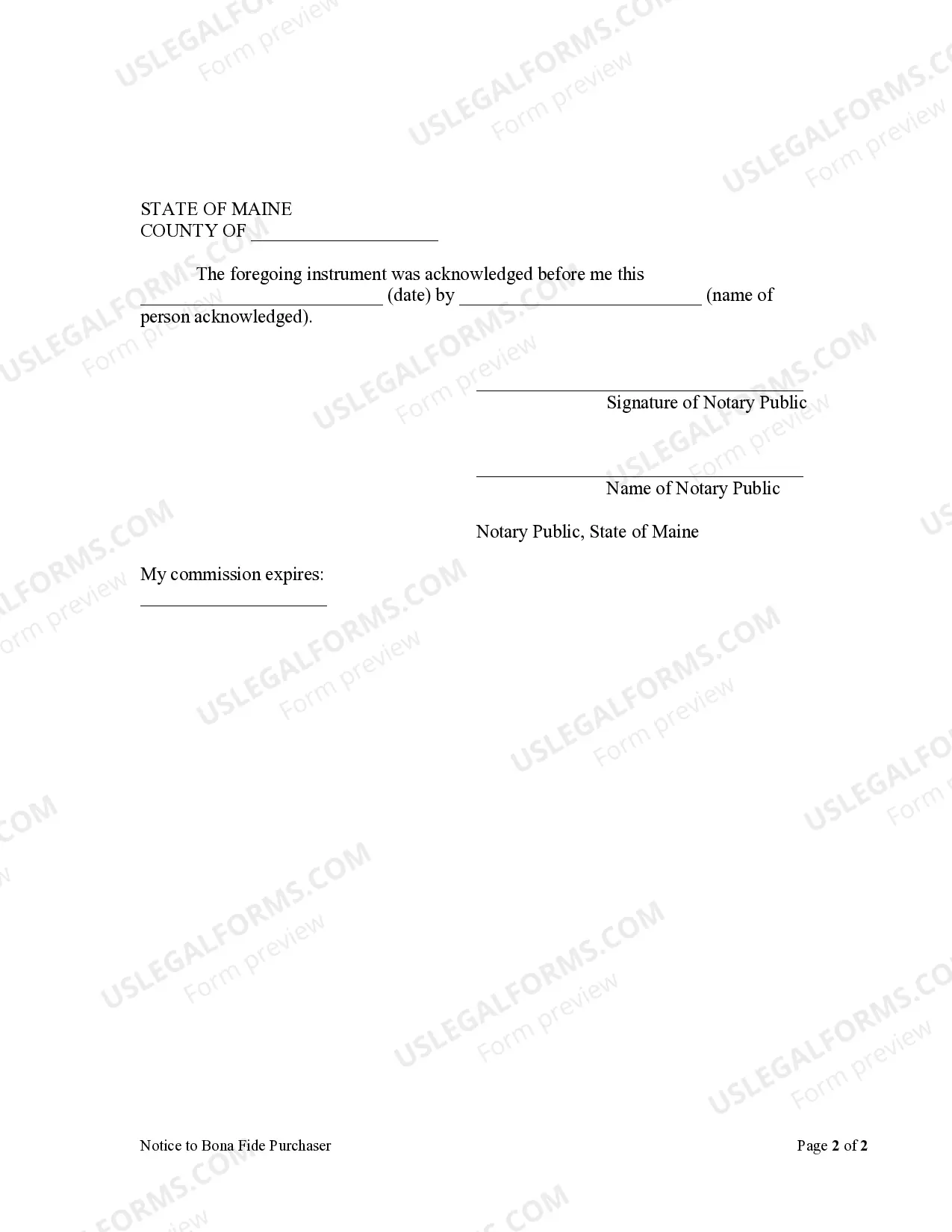
- Signature of the lien claimant along with a notary acknowledgment.

When to use this document
This form should be used when a service provider, such as a contractor or supplier, has performed work or provided materials for a property in Maine and wishes to establish a lien. It is essential to file this notice prior to the transfer of property to protect the lien from being nullified upon the sale to a bona fide purchaser.
Who can use this document
The following individuals or entities should consider using the Notice to Bona Fide Purchaser:
- Contractors who have provided labor or materials for a property.
- Suppliers who have delivered goods or services for property improvements.
- Real estate licensees involved in the improvement of the property.
- Any party holding a lien against the property that may affect potential buyers.
How to prepare this document
- Fill in your name and contact information as the lien claimant.
- Provide a detailed description of the property and the nature of the work done or materials supplied.
- Indicate your status regarding the provision of services or materials by checking the appropriate boxes.
- Sign the document to validate your claim and enter the date of signing.
- Arrange for notarization of the form to ensure legal compliance.
Does this document require notarization?
This form must be notarized to be legally valid. US Legal Forms provides secure online notarization powered by Notarize, allowing you to complete the process through a verified video call.
Get your form ready online
Our built-in tools help you complete, sign, share, and store your documents in one place.
Make edits, fill in missing information, and update formatting in US Legal Forms—just like you would in MS Word.
Download a copy, print it, send it by email, or mail it via USPS—whatever works best for your next step.
Sign and collect signatures with our SignNow integration. Send to multiple recipients, set reminders, and more. Go Premium to unlock E-Sign.
If this form requires notarization, complete it online through a secure video call—no need to meet a notary in person or wait for an appointment.
We protect your documents and personal data by following strict security and privacy standards.

Make edits, fill in missing information, and update formatting in US Legal Forms—just like you would in MS Word.

Download a copy, print it, send it by email, or mail it via USPS—whatever works best for your next step.

Sign and collect signatures with our SignNow integration. Send to multiple recipients, set reminders, and more. Go Premium to unlock E-Sign.

If this form requires notarization, complete it online through a secure video call—no need to meet a notary in person or wait for an appointment.

We protect your documents and personal data by following strict security and privacy standards.
Mistakes to watch out for
- Failing to provide complete and accurate property descriptions.
- Not filing the Notice within the specified time limit of one hundred and twenty (120) days.
- Neglecting to send a copy of the notice by certified mail if required.
- Overlooking the requirement for notarization, if applicable.
Why use this form online
- Convenient access to the form for easy downloading and printing.
- Editable fields allow for accurate and tailored information.
- Reliable templates drafted by licensed attorneys ensuring compliance with legal standards.
Looking for another form?

Form popularity
FAQ
State law regulates several rent-related issues, including late fees, the amount of notice (at least 45 days in Maine) landlords must give tenants to raise the rent, and how much time (seven days in Maine) a tenant has to pay rent or move before a landlord can file for eviction.
Renter ResponsibilitiesYou will maintain the property in a clean and habitable condition. You will inform the landlord when issues arise that could harm the value of the property. You will pay for any repairs due to your negligence or misuse of the property.
Landlords may give 60 days notice to tenants without stating a reason and 30 days notice for nonpayment of rent. If a tenant refuses to move or is unable to make a payment arrangement to catch up on rent, the landlord may begin eviction proceedings by seeking a forcible entry and detainer in the local District Court.
A landlord can only increase a unit's rent once every 12 months, beginning January 1 or the date the unit came on the market (whichever is earlier).
The Tenant Doesn't Make Enough Income. The Tenant Smokes. The Tenant Has a Pet. The Tenant's Income Isn't Verified. The Tenant Has Been Convicted of a Crime. The Tenant Does Not Have Rental History. The Tenant Has a History of Damaging Property and Not Paying Rent. The Tenant Provides False Information.
Call Pine Tree Legal Assistance if you are being evicted. There are common myths that people with disabilities or children cannot be evicted during Maine's cold months. These myths are not true. You can be evicted at any time of year even if you have a disability or children.
If the landlord prevails in the Maine eviction process, then the court will issue a Writ of Possession in 7 days. Once served, the tenant has only 48-hours to vacate the property.
A landlord cannot legally evict you without a court order, whether or not you have a lease.) How long does it take for a landlord to evict a tenant? A landlord can evict a tenant only by going through a formal eviction proceeding, which can take a few weeks from start to finish.