Maryland Residential Rental Lease Agreement

What this document covers
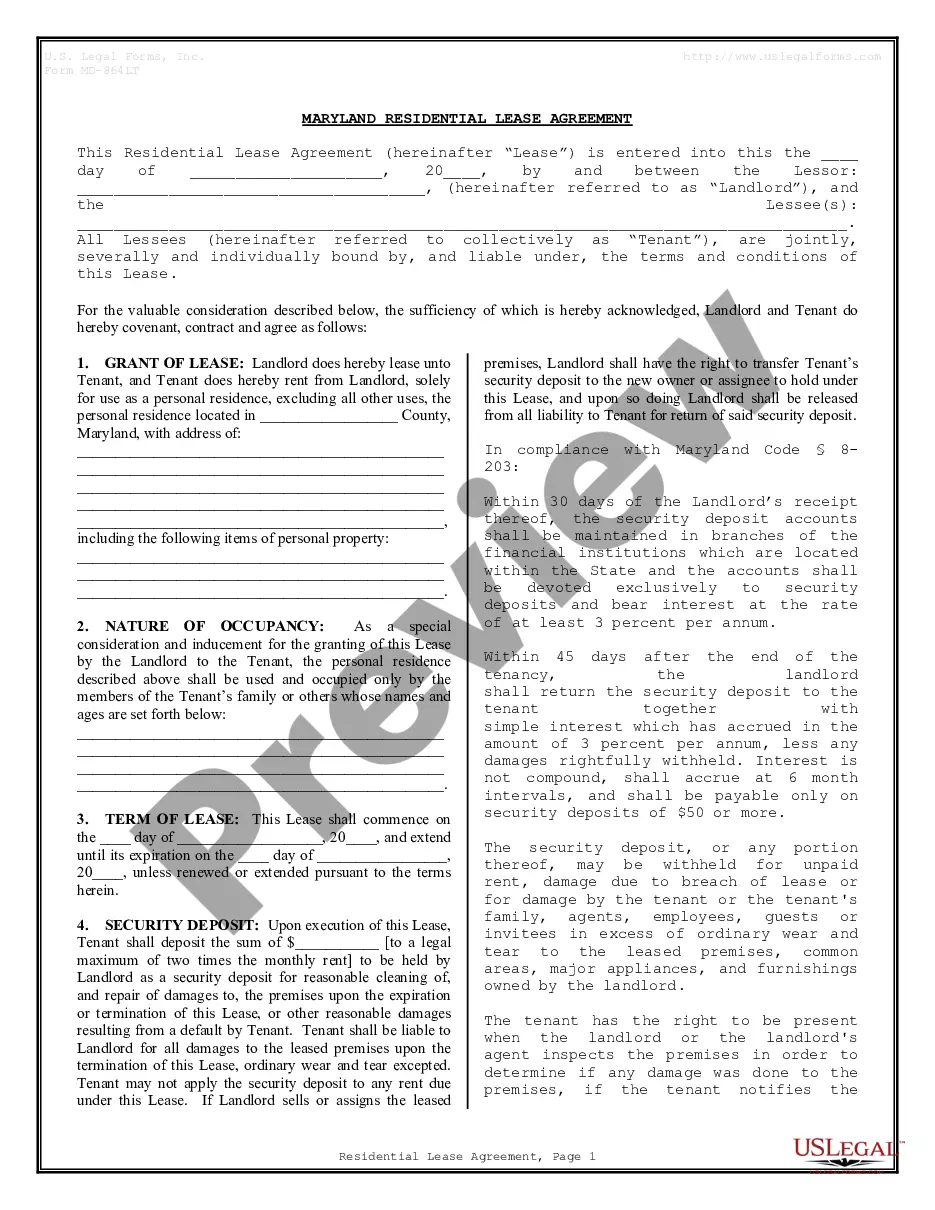
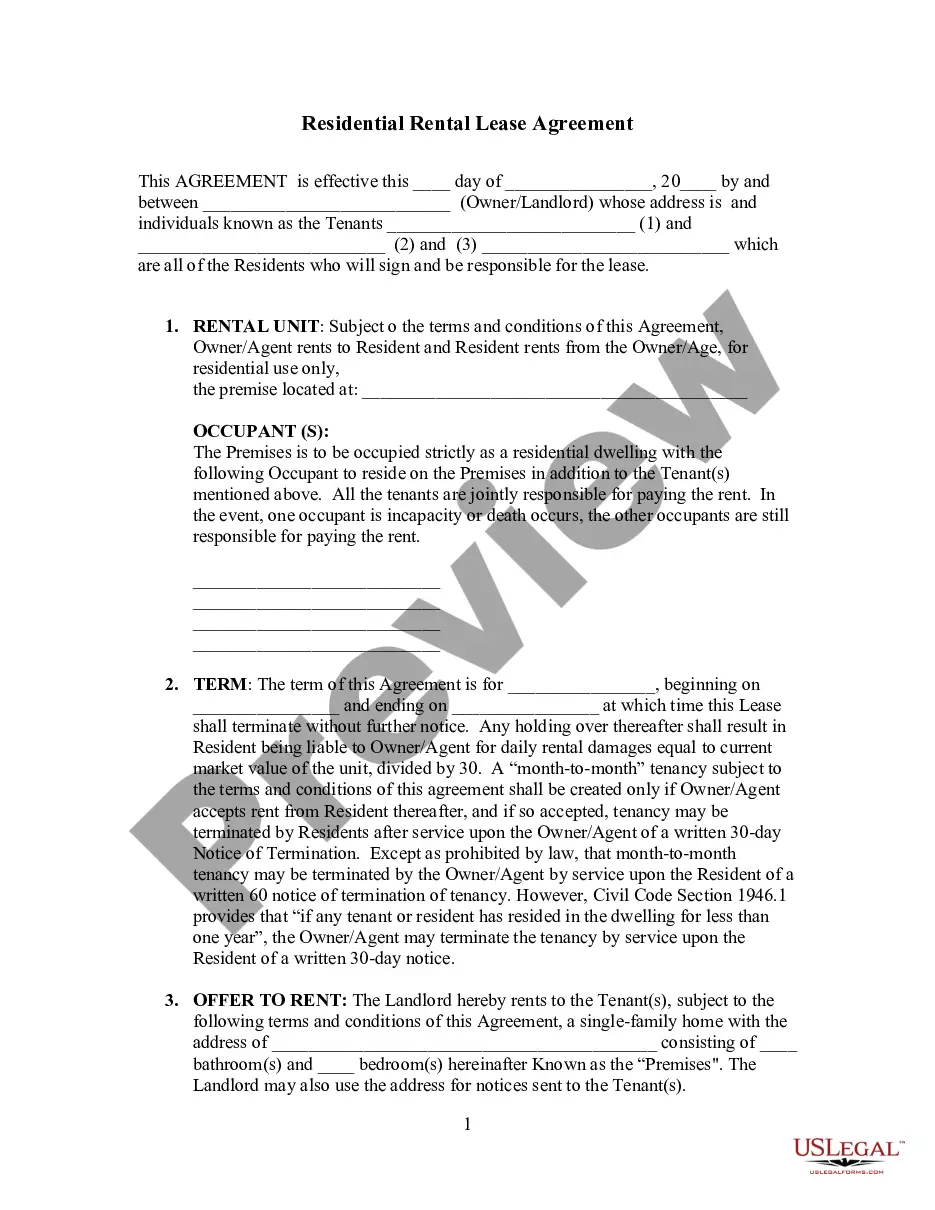
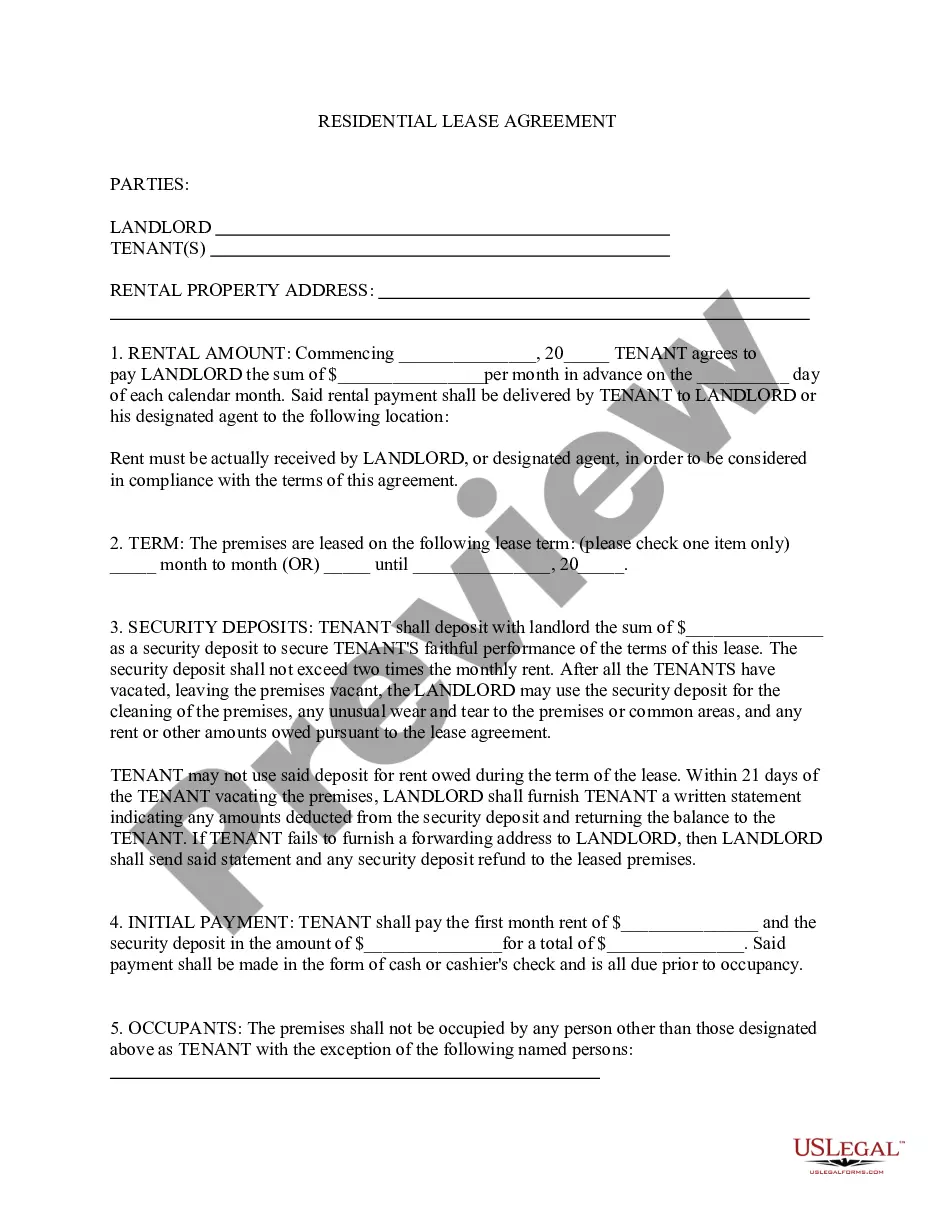
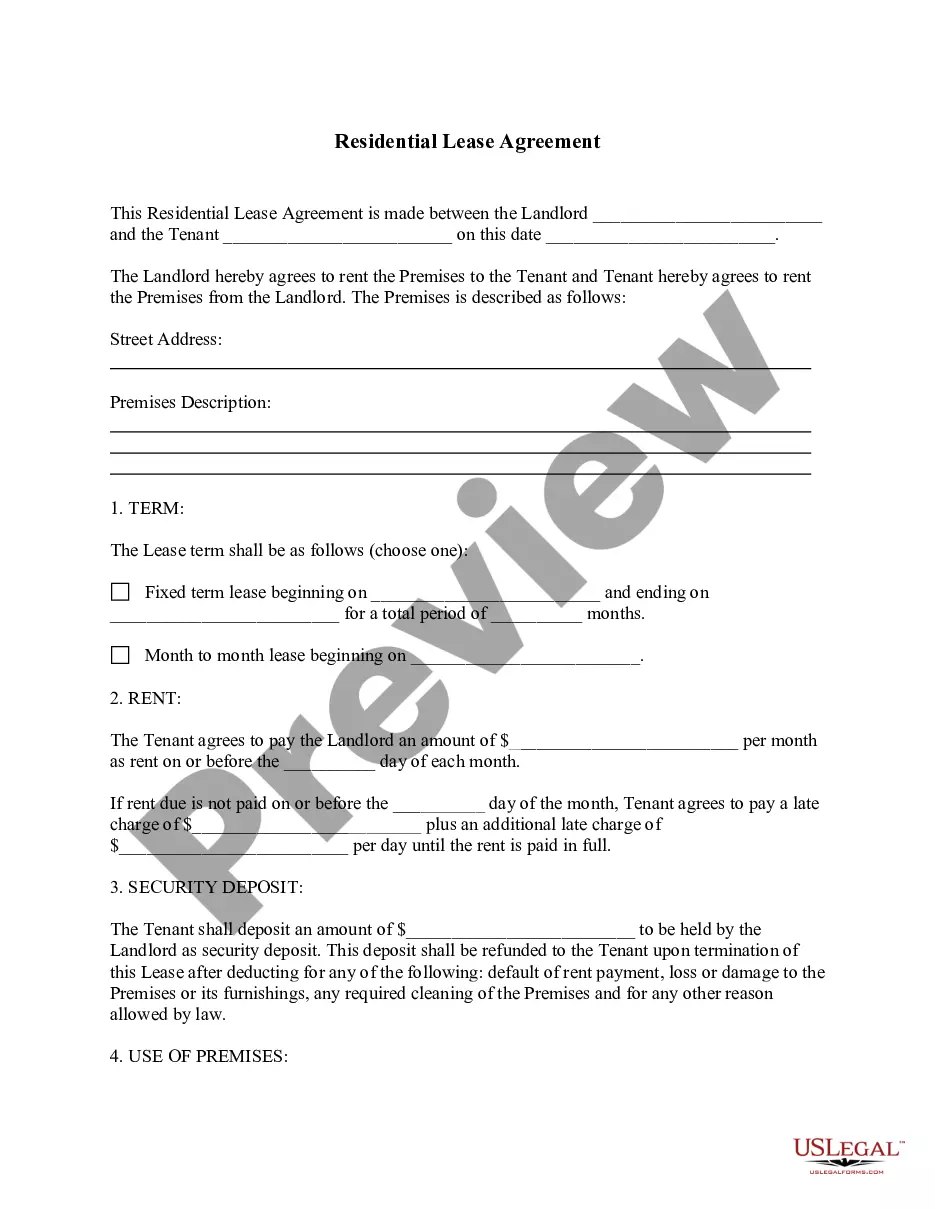
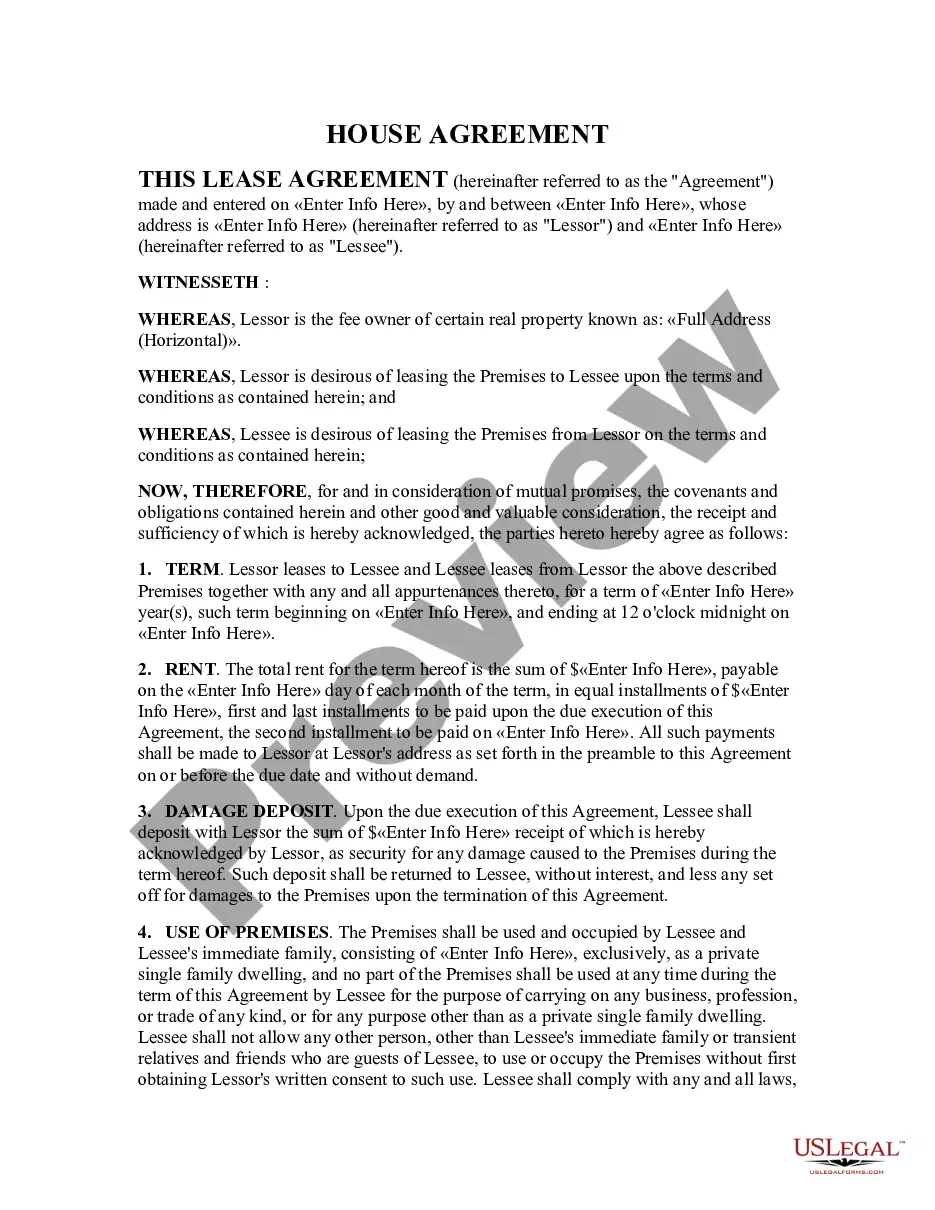
The Residential Rental Lease Agreement is a legally binding document that outlines the terms and conditions between a landlord and tenant for renting a residential property. This agreement specifies important aspects such as the duration of the lease, payment terms, and responsibilities of both parties. Unlike other rental agreements, this form is designed for a specific lease term, making it ideal for situations where a fixed rental period is required, such as one year or six months.
What’s included in this form
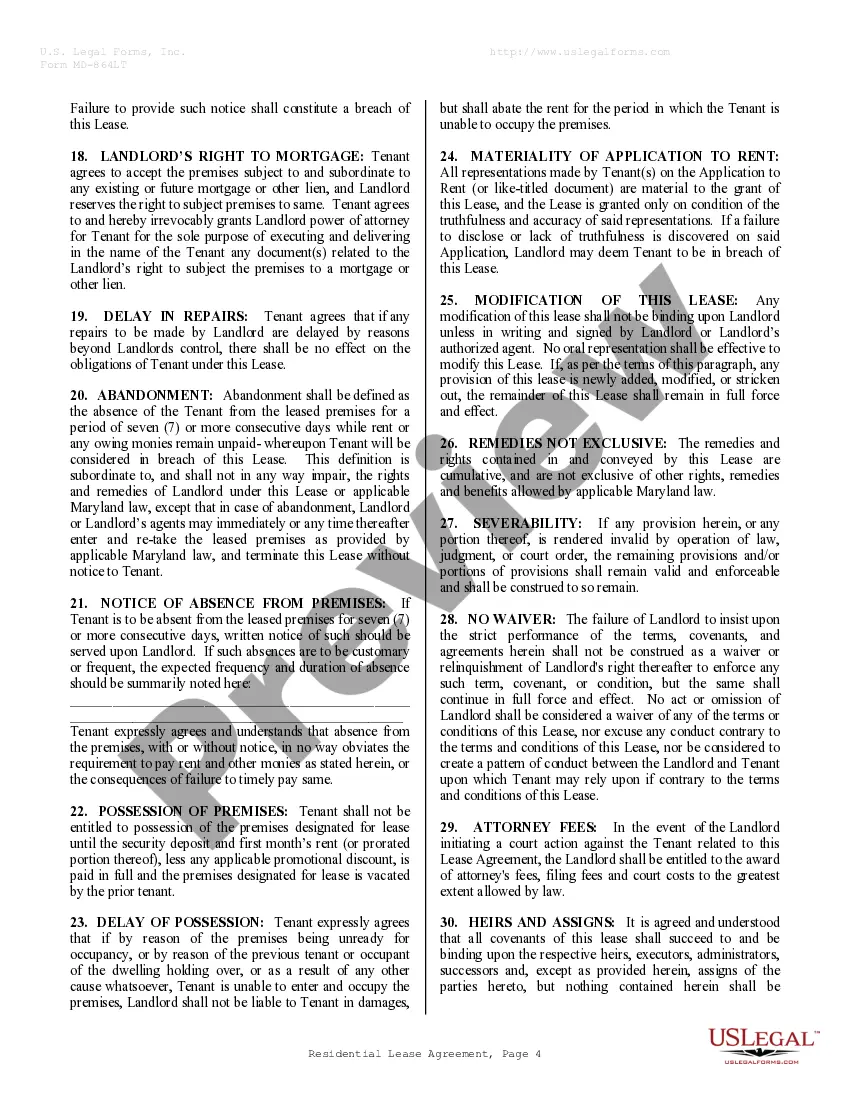
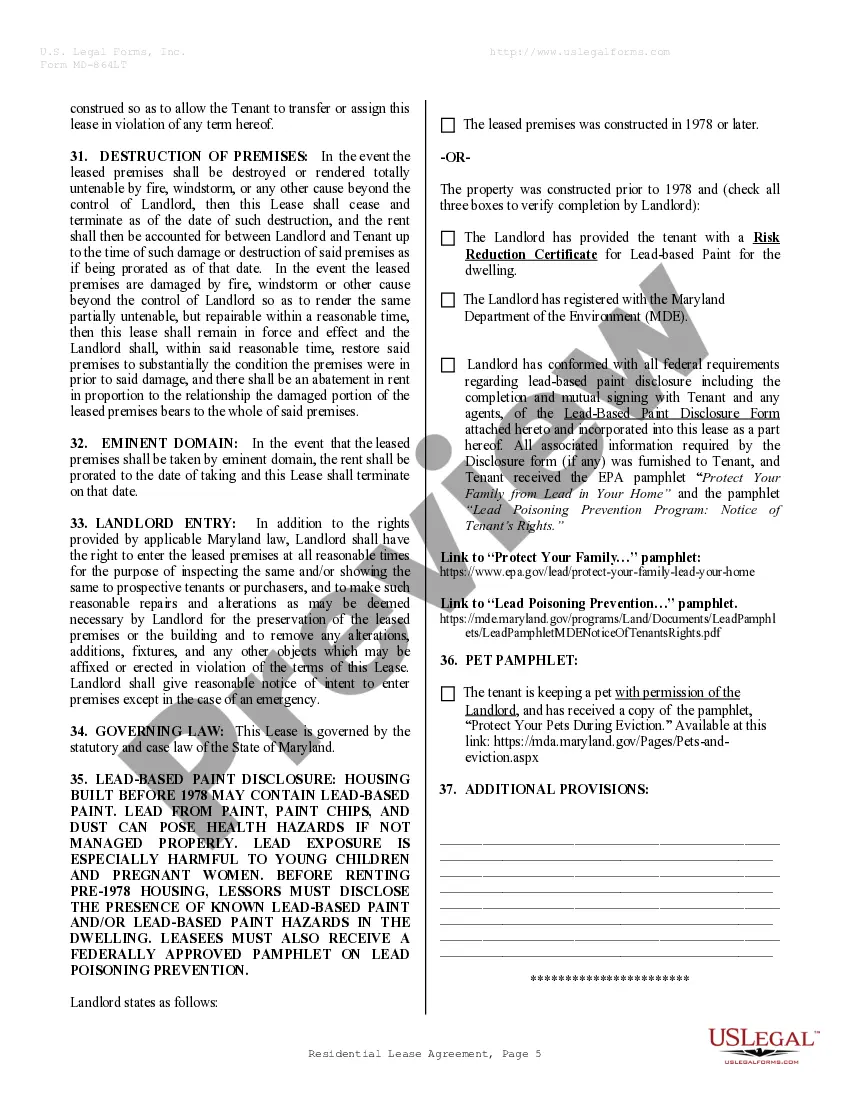
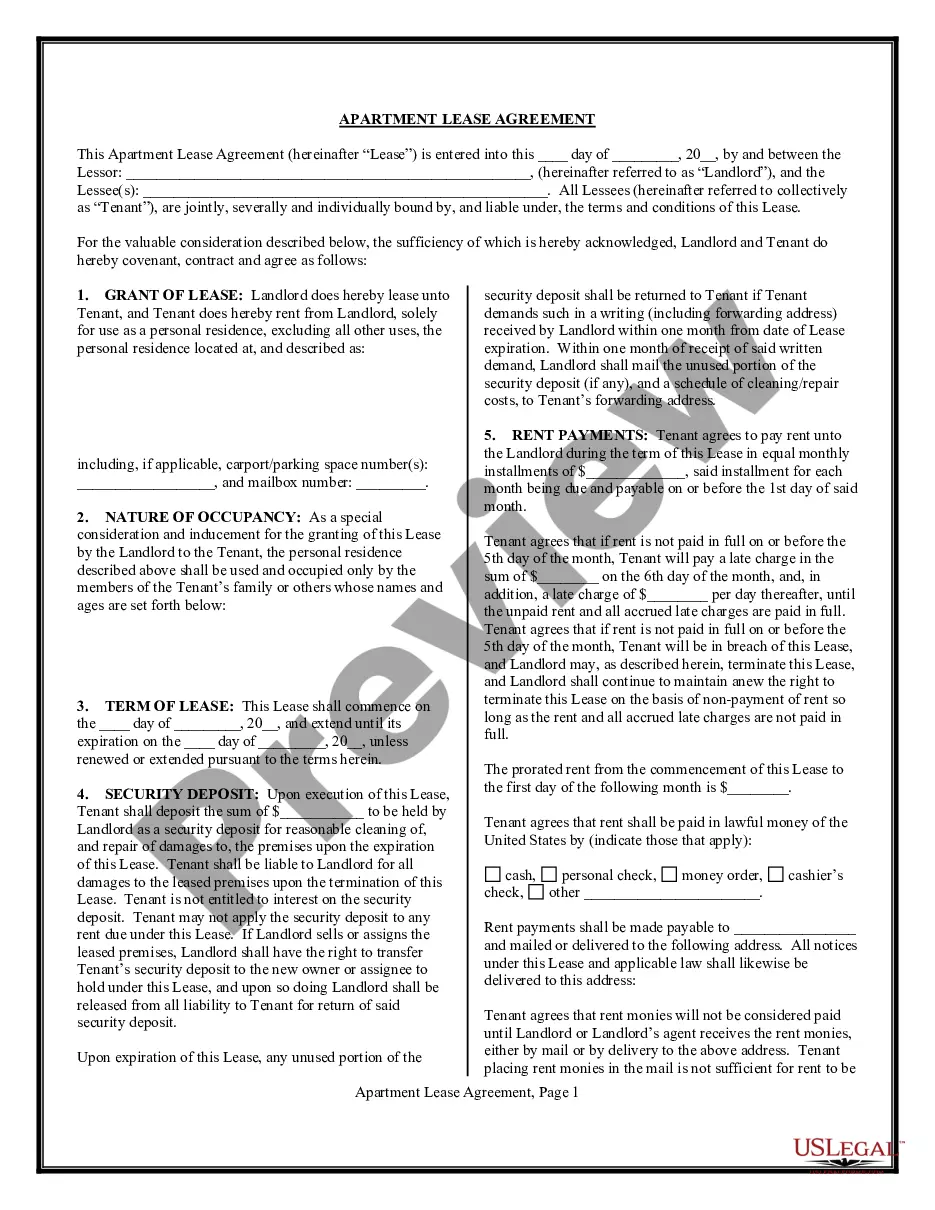
- Grant of Lease: Specifies the property being rented and its intended use as a personal residence.
- Nature of Occupancy: Outlines who may occupy the premises, including tenant family members.
- Term of Lease: Defines the start and end dates of the rental period.
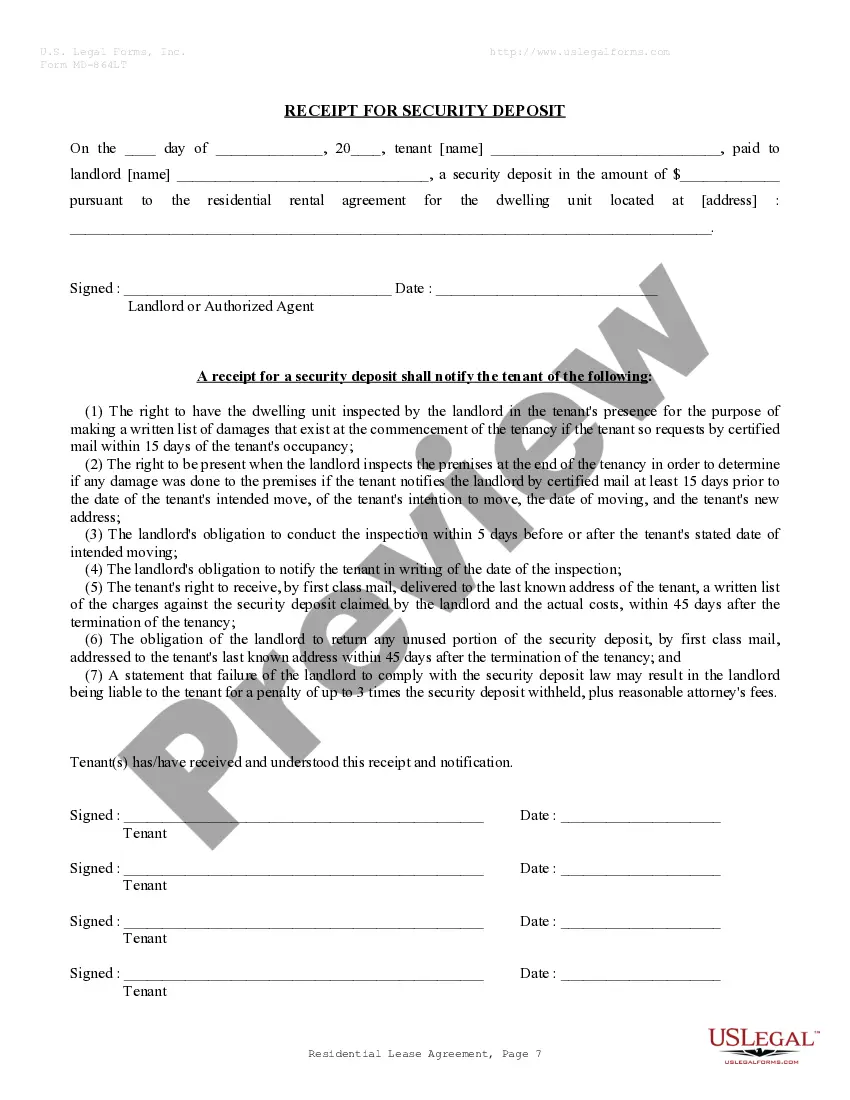
- Security Deposit: Details the amount due, conditions for its return, and legal requirements.
- Rent Payments: Sets forth the amount of rent, due dates, and penalties for late payments.
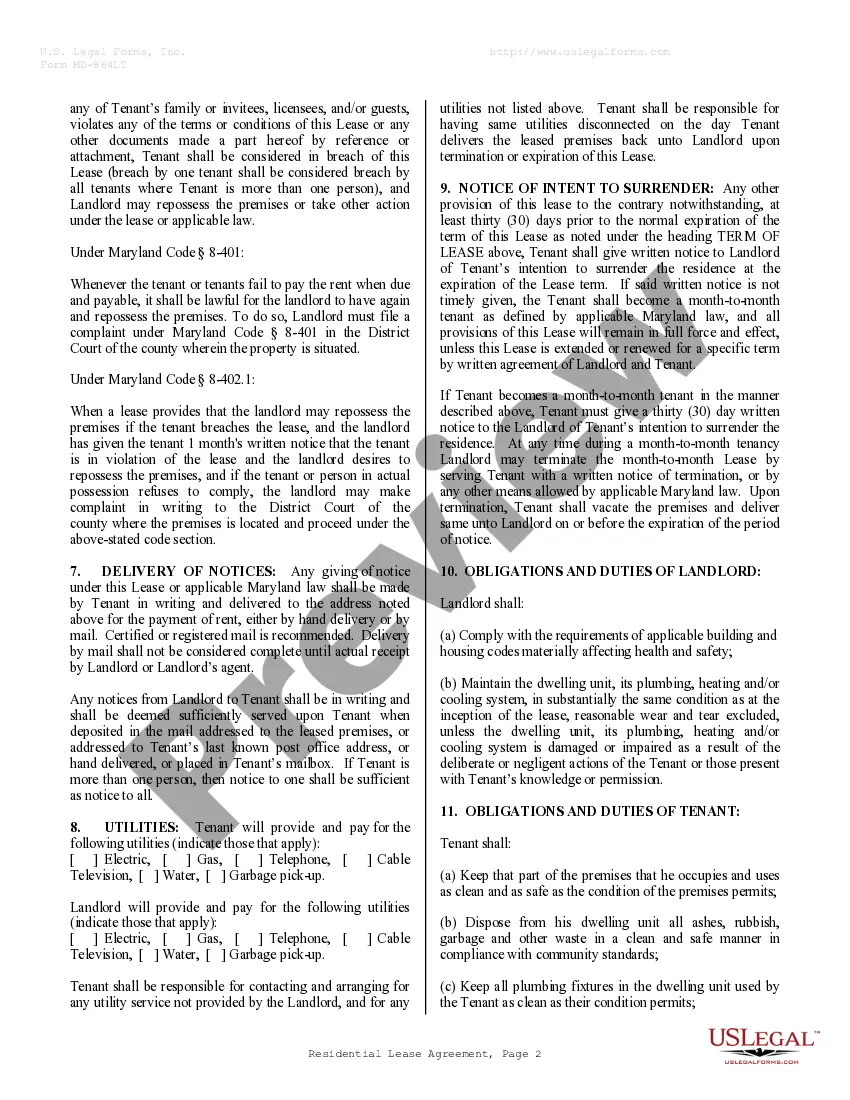
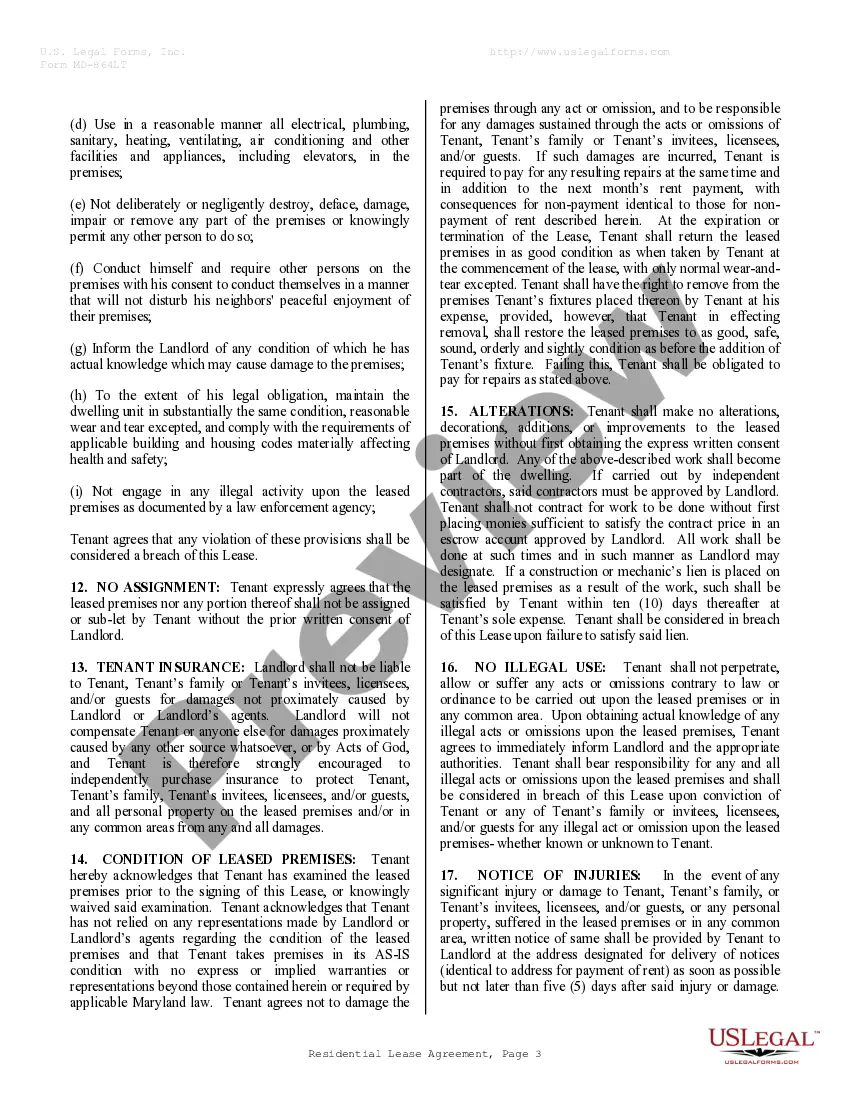
- Consequences of Breach: Explains the potential outcomes if the tenant violates lease terms.
When to use this form
This form should be used whenever a landlord wishes to lease a residential property for a fixed term. Common scenarios include renting an apartment, house, or shared living space where both landlord and tenant agree on specific lease conditions. It is particularly valuable in situations where both parties want clarity on rental obligations and rights throughout the leasing period.
Intended users of this form
This Residential Rental Lease Agreement is suitable for:
- Landlords looking to formalize a rental agreement with tenants.
- Property managers overseeing residential rental properties.
- Tenants who are entering into a rental arrangement and want a clear understanding of their rights and obligations.
How to complete this form
- Identify the parties involved by entering the names and addresses of the landlord and tenant.
- Specify the rental property's details, including full address and any included personal property.
- Enter the lease term dates, indicating the start and end dates of the rental period.
- Fill in the security deposit amount and monthly rent, including any relevant payment methods.
- Sign and date the agreement to make it legally binding for all parties involved.
Does this document require notarization?
Notarization is not commonly needed for this form. However, certain documents or local rules may make it necessary. Our notarization service, powered by Notarize, allows you to finalize it securely online anytime, day or night.
Get your form ready online
Our built-in tools help you complete, sign, share, and store your documents in one place.
Make edits, fill in missing information, and update formatting in US Legal Forms—just like you would in MS Word.
Download a copy, print it, send it by email, or mail it via USPS—whatever works best for your next step.
Sign and collect signatures with our SignNow integration. Send to multiple recipients, set reminders, and more. Go Premium to unlock E-Sign.
If this form requires notarization, complete it online through a secure video call—no need to meet a notary in person or wait for an appointment.
We protect your documents and personal data by following strict security and privacy standards.

Make edits, fill in missing information, and update formatting in US Legal Forms—just like you would in MS Word.

Download a copy, print it, send it by email, or mail it via USPS—whatever works best for your next step.

Sign and collect signatures with our SignNow integration. Send to multiple recipients, set reminders, and more. Go Premium to unlock E-Sign.

If this form requires notarization, complete it online through a secure video call—no need to meet a notary in person or wait for an appointment.

We protect your documents and personal data by following strict security and privacy standards.
Common mistakes
- Neglecting to specify the exact rental property address.
- Failing to clarify who can occupy the premises.
- Overlooking local laws regarding security deposits and rent caps.
Benefits of using this form online
- Easy to customize according to specific rental terms.
- Secure downloadable format for safe storage and record-keeping.
- Instant access allows for quick preparation when needed.
Legal use & context
- This form is legally enforceable as a contract in the state of Maryland.
- Both parties should adhere to the terms outlined to avoid potential legal disputes.
- It is essential to have all modifications in writing to ensure clarity and enforceability.
Key takeaways
- The Residential Rental Lease Agreement outlines specific rights and responsibilities for landlords and tenants.
- It is essential to complete all sections accurately to avoid disputes later on.
- This form should be adjusted as necessary to reflect specific agreements between the parties involved.
Looking for another form?
Form popularity
FAQ
Because few tenants are able to make the ending of the lease coincide with the purchase of a house, unless you reach an agreement with your landlord or there is a cancellation section in your lease, you will be responsible for the rent which is due for the remainder of the lease.
A lease is automatically void when it is against the law, such as a lease for an illegal purpose. In other circumstances, like fraud or duress, a lease can be declared void at the request of one party but not the other.
The lease is mutually beneficial. A tenant can't stop paying rent or vacate the property during the lease term this is a violation of the agreement.A rental agreement, by contrast, is a month-to-month agreement. At the end of each 30-day period, the landlord and tenant are both free to change the terms.
A lease can be written or verbal, but a verbal lease can be very difficult to enforce.Most leases are fairly standard and cover basic components such as rent amount, duration of lease term, resposiblities of each party and penalties for not following the terms.
The Lease Must be in Writing It does not matter if the lease is handwritten or typed.
A written agreement can act as a roadmap for the landlord-tenant relationship, especially if a dispute arises. Also, real estate (land) leases for more than one year must be in writing. If a lease for over one year is not in writing, it will generally not be enforceable in court.
The lease becomes legally binding when all parties have signed: the landlord and all tenants living in the unit who are 18 and older. If you're worried about situations where a lease needs to end early, learn about breaking a lease and grounds for eviction.
The difference between lease and rent is that a lease generally lasts for 12 months while a rental agreement generally lasts for 30 days.That means the landlord can't raise the rent without your written consent or evict you without cause, and you can't stop paying rent or break the lease without consequence.
Collect each party's information. Include specifics about your property. Consider all of the property's utilities and services. Know the terms of your lease. Set the monthly rent amount and due date. Calculate any additional fees. Determine a payment method. Consider your rights and obligations.