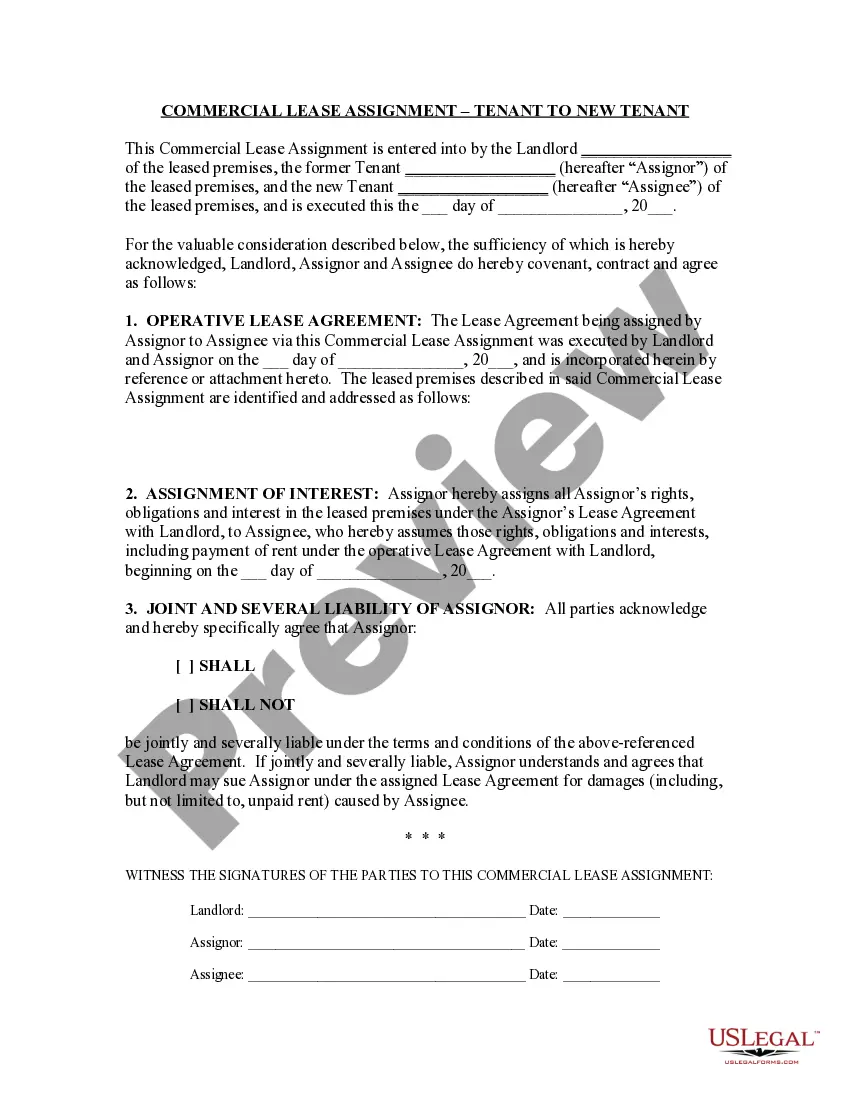
Maryland Commercial Lease Assignment from Tenant to New Tenant
Overview of this form
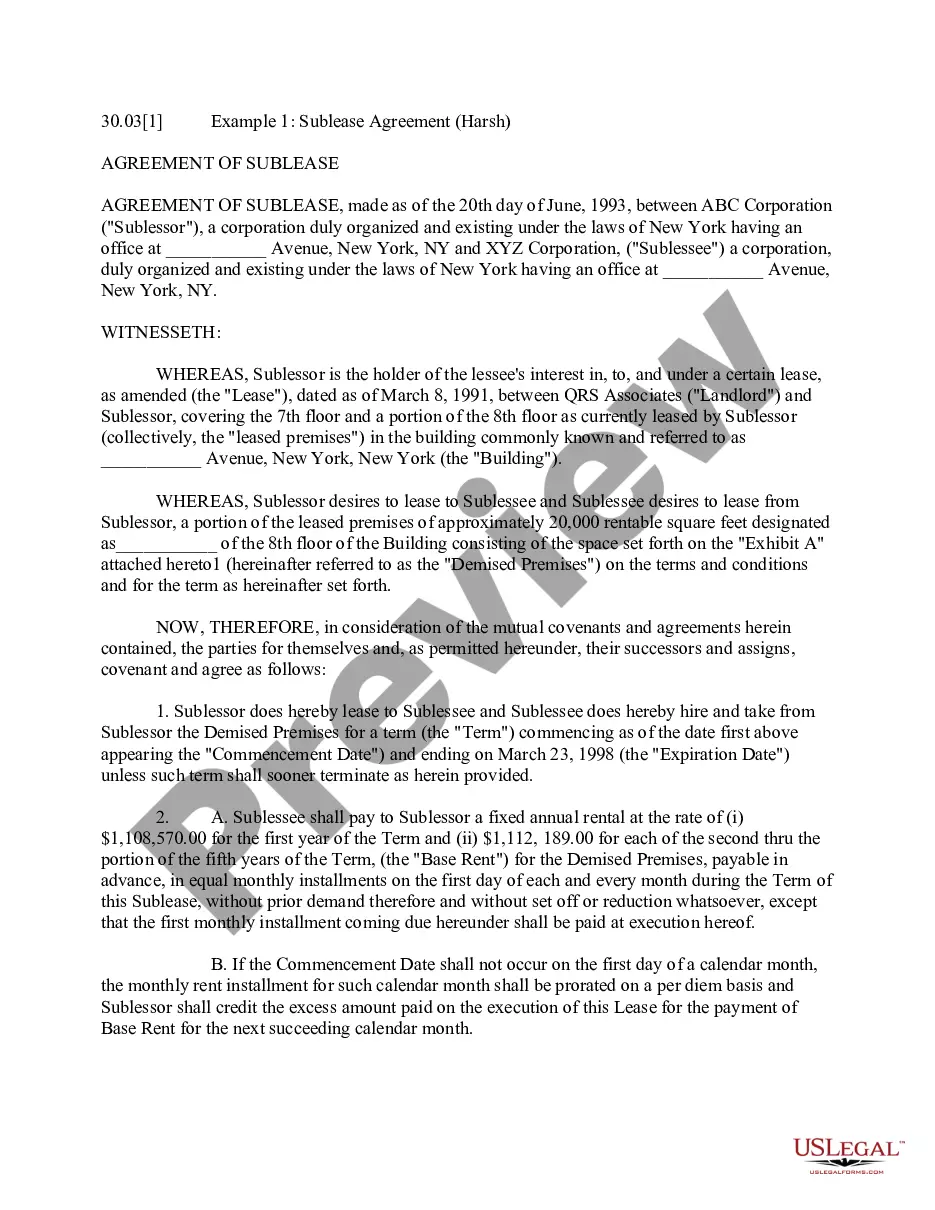
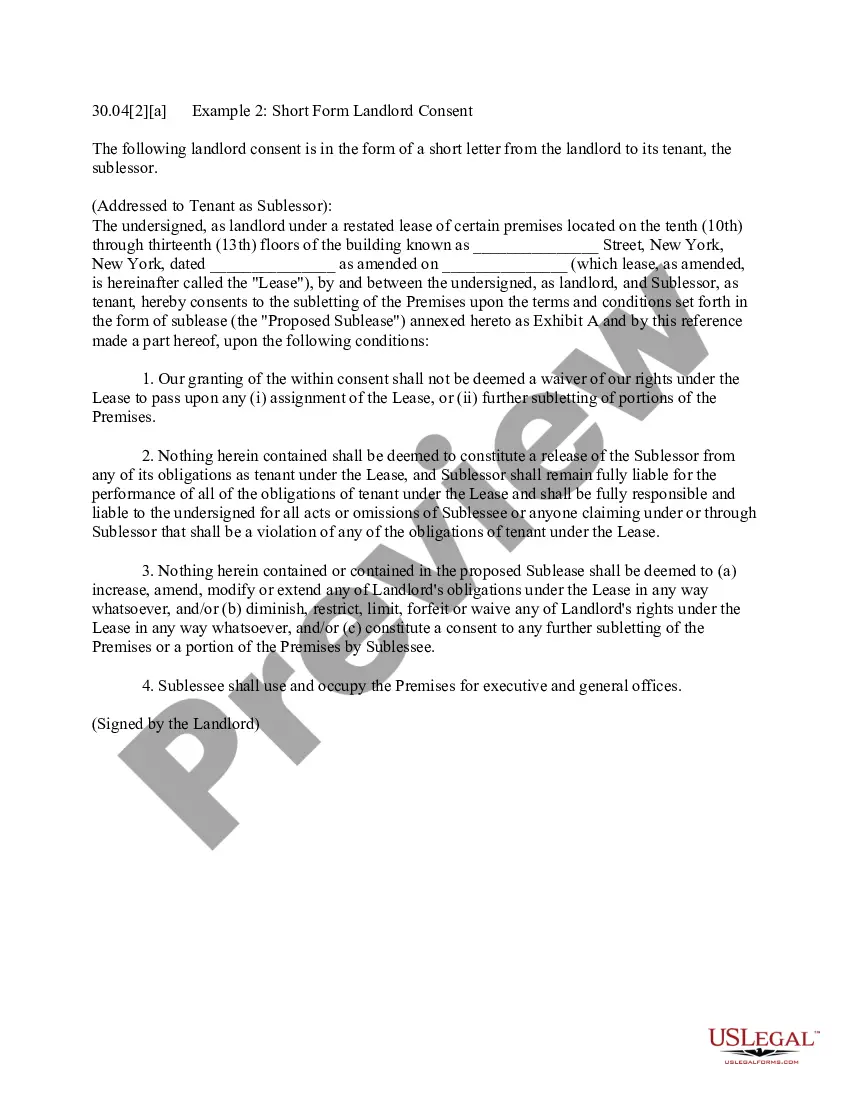
This Commercial Lease Assignment from Tenant to New Tenant is a legal document that facilitates the transfer of a commercial lease from the original tenant (Assignor) to a new tenant (Assignee), while keeping the landlord unchanged. This form outlines the responsibilities and liabilities of the parties involved and serves to formalize the agreement of lease assignment, distinguishing it from lease termination or modification. It is essential for ensuring that both the new tenant and the original tenant understand their rights and obligations under the lease.
What’s included in this form
- Parties involved: Identification of the landlord, assigning tenant (Assignor), and new tenant (Assignee).
- Date of execution: Date when the assignment agreement is signed.
- Joint and severally liable clause: Indicates whether the original tenant remains responsible alongside the new tenant.
- Signatures: Sections for all parties to sign and date the document, ensuring its validity.
Situations where this form applies
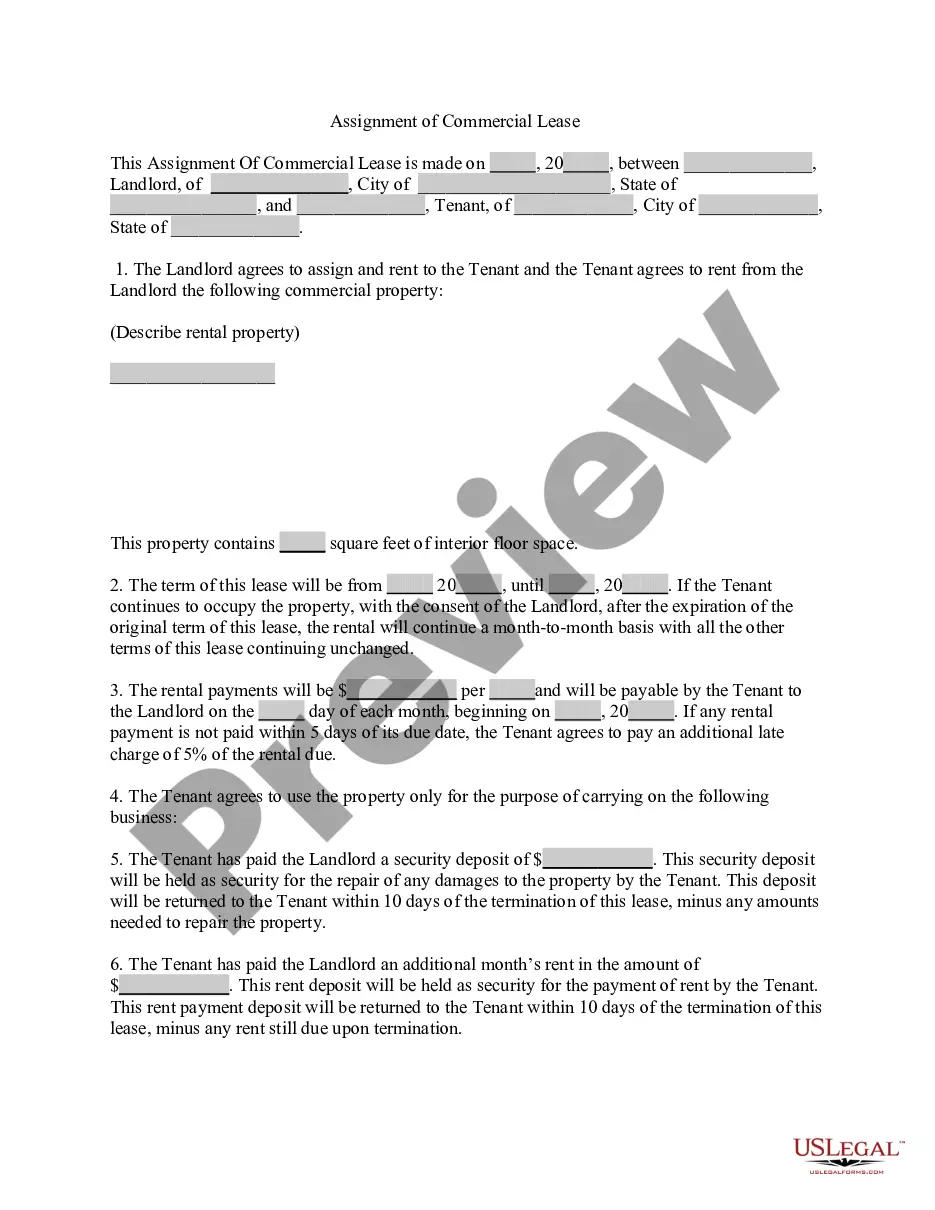
This form is used when the original tenant of a commercial lease wishes to transfer their lease obligations to a new tenant, allowing the new tenant to step into the role without needing to renegotiate the lease with the landlord. Situations such as business relocation, partnership changes, or financial distress may necessitate the use of this form to ensure a smooth transition of lease responsibilities.
Who needs this form
- Current tenants looking to transfer their commercial lease to another party.
- New tenants who intend to assume the lease rights and responsibilities.
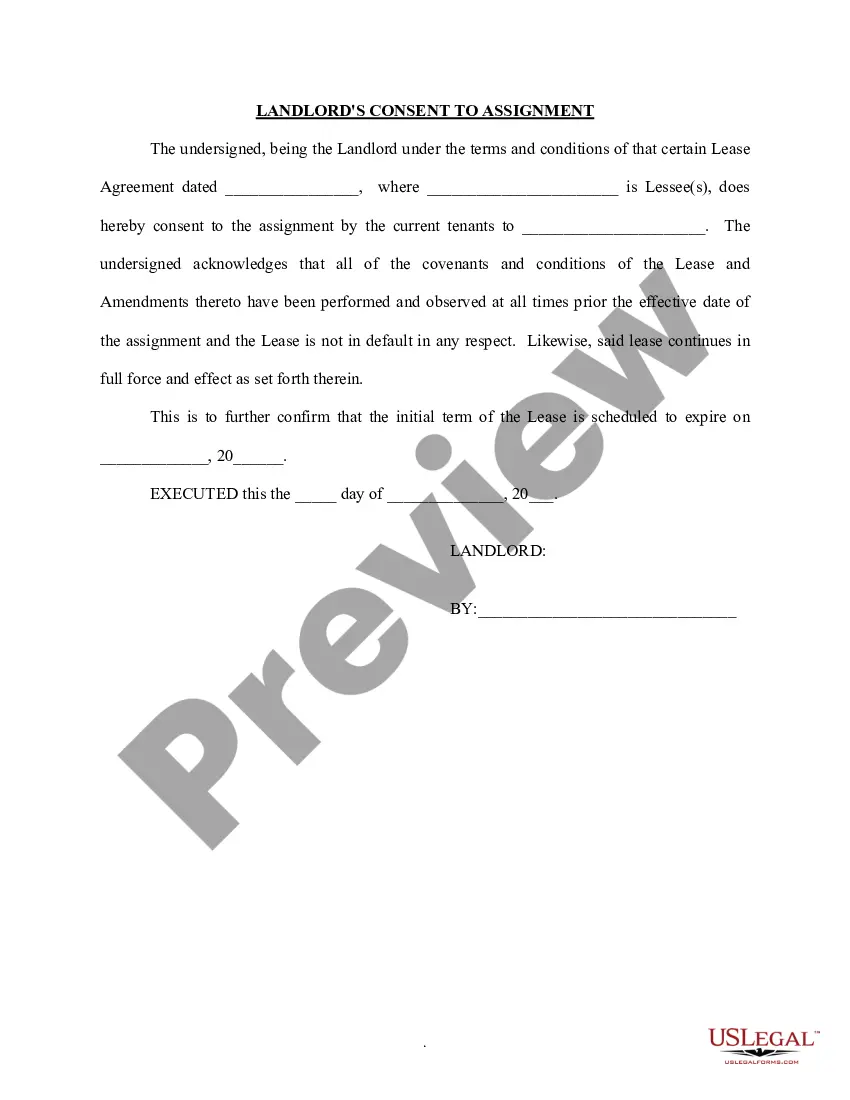
- Landlords wanting to acknowledge the change of tenancy without altering lease terms.
Steps to complete this form
- Identify the parties: Clearly state the names of the landlord, original tenant (Assignor), and new tenant (Assignee).
- Specify the property: Ensure the leased premises are correctly described within the document.
- Fill in the date: Enter the date on which the agreement is being executed.
- Assign liability: Decide whether the Assignor will remain jointly and severally liable with the Assignee, and mark the appropriate choice.
- Signatures: Have all parties sign and date the form, indicating their agreement to the terms laid out in the assignment.
Does this form need to be notarized?
Notarization is not commonly needed for this form. However, certain documents or local rules may make it necessary. Our notarization service, powered by Notarize, allows you to finalize it securely online anytime, day or night.
Get your form ready online
Our built-in tools help you complete, sign, share, and store your documents in one place.
Make edits, fill in missing information, and update formatting in US Legal Forms—just like you would in MS Word.
Download a copy, print it, send it by email, or mail it via USPS—whatever works best for your next step.
Sign and collect signatures with our SignNow integration. Send to multiple recipients, set reminders, and more. Go Premium to unlock E-Sign.
If this form requires notarization, complete it online through a secure video call—no need to meet a notary in person or wait for an appointment.
We protect your documents and personal data by following strict security and privacy standards.

Make edits, fill in missing information, and update formatting in US Legal Forms—just like you would in MS Word.

Download a copy, print it, send it by email, or mail it via USPS—whatever works best for your next step.

Sign and collect signatures with our SignNow integration. Send to multiple recipients, set reminders, and more. Go Premium to unlock E-Sign.

If this form requires notarization, complete it online through a secure video call—no need to meet a notary in person or wait for an appointment.

We protect your documents and personal data by following strict security and privacy standards.
Common mistakes to avoid
- Failing to verify if the original lease allows for assignment.
- Not clarifying liability obligations between the Assignor and Assignee.
- Missing signatures, which can render the form unenforceable.
Advantages of online completion
- Convenience of downloading and filling out the form at your own pace.
- Editability allows for customization to fit specific lease situations.
- Access to forms drafted by licensed attorneys for reliability in legal proceedings.
Legal use & context
- This form is legally recognized in commercial real estate transactions.
- It transfers lease rights and responsibilities effectively, protecting all parties involved.
- Local laws may place restrictions on lease assignments, so verify applicable statutes.
Quick recap
- The Commercial Lease Assignment form is essential for transferring lease obligations from one tenant to another.
- Proper completion and understanding of the liability clause are crucial to prevent future financial risks.
- Always check for any specific state laws or landlord agreements that may affect the assignment process.
Looking for another form?

Form popularity
FAQ
If the lease is silent on the point, an assignment of part will be permitted.
In general, it is illegal in the United States to employ someone to do work but not pay him/her. Not so with lease takeovers. When you do a lease takeover, you have to realize that what you are doing is working to find your landlord another tenant. And that is something landlords pay leasing agents to do.
An assignment of a lease is a complete transfer of the right to be the tenant under the lease. The third-party assignee becomes the "tenant" under the lease, taking over all of the leased premises, substituting for the old tenant.
The short answer is no. It must be clear from the landlord's conduct that the tenant's act of giving up the property is accepted as a surrender.The landlord should make it clear immediately that the lease is not surrendered, even though the landlord now holds the keys.
The landlord's lawyer usually prepares the agreement. However, the outgoing tenant or the incoming tenant pays these costs, not the landlord.
The difference between assignment and transfer is that assign means it's legal to transfer property or a legal right from one person to another, while transfer means it's legal to arrange for something to be controlled by or officially belong to another person.
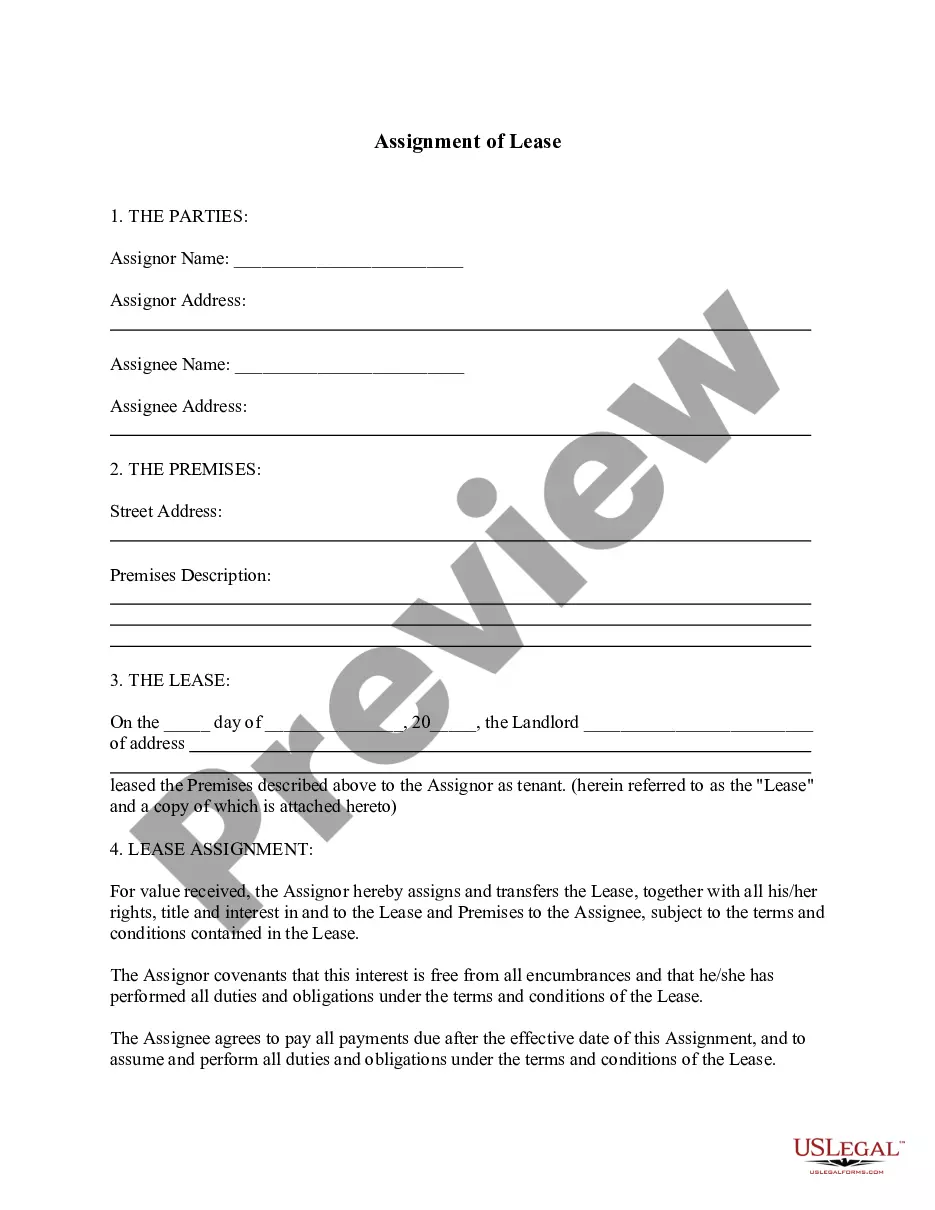
Whatever the reason, tenants can transfer their lease interests to new parties by completing an assignment of the lease. An assignment is the transfer of one party's entire interest in and obligations under a lease to another party.
Can the landlord refuse consent to an Assignment? Most leases will say that the Landlord cannot unreasonably withhold consent. According to section 19 (1A) of the Landlord and Tenant Act 1927 the landlord can insert conditions in the lease, which need to be met in the case of an assignment.
What happens if a leased property is sold to another owner during the lease term?The lease will continue to apply to the subsequent owner if so stated in the lease. Or the lease may require that upon transfer, the lease terminates and the existing owner compensates the tenant per the terms in the lease.