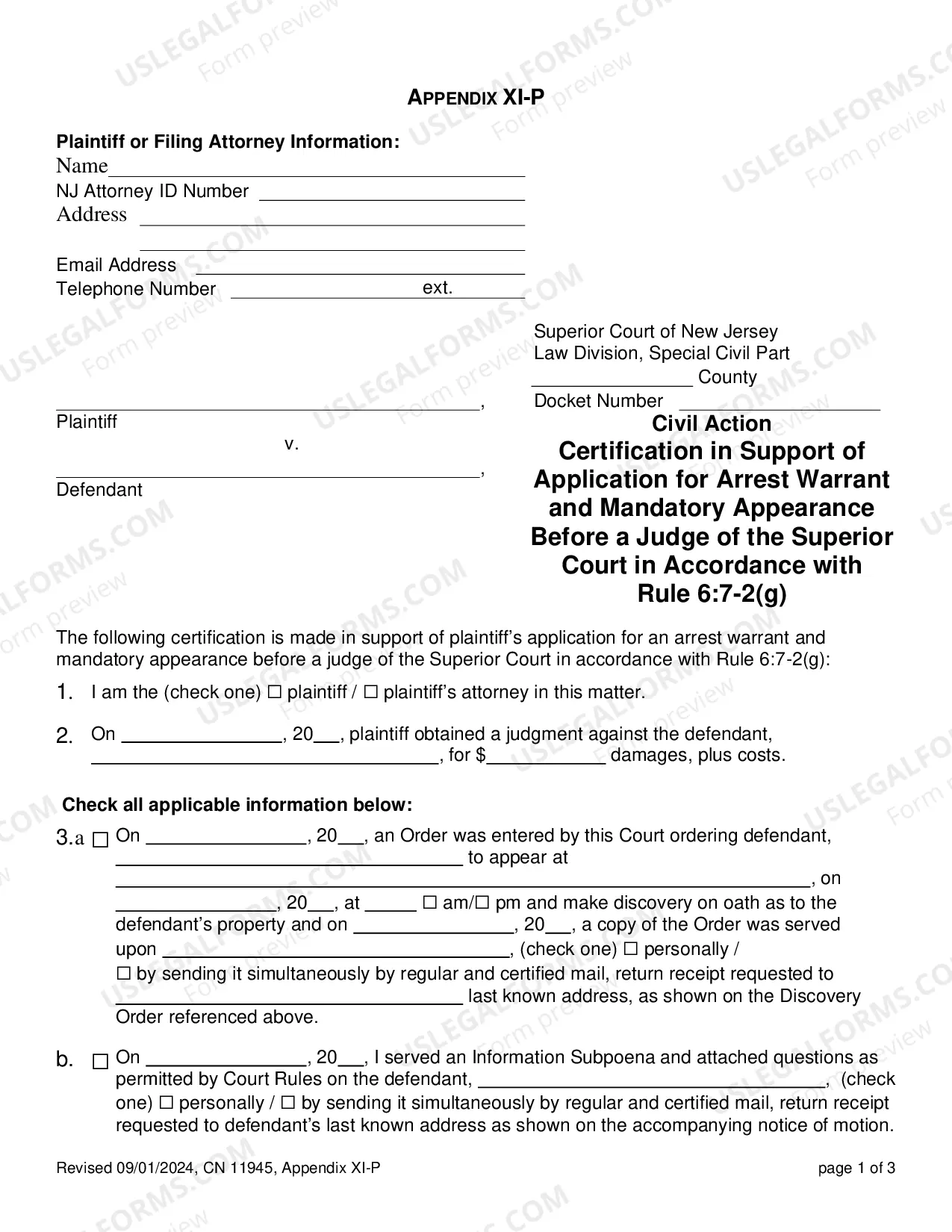
Maryland Warranty Deed from Corporation to Individual
What this document covers
The Warranty Deed from Corporation to Individual is a legal document that facilitates the transfer of property ownership from a corporation (the Grantor) to an individual (the Grantee). This form provides a guarantee that the property being conveyed is free from encumbrances, except as explicitly stated. Unlike other types of deeds, this warranty deed ensures that the Grantor defends the title against any claims, making it a secure option for transferring ownership.
Main sections of this form
- Identification of the Grantor (corporation) and Grantee (individual).
- Detailed description of the property being transferred.
- Reservations for oil, gas, and mineral rights retained by the Grantor.
- Covenants by the Grantor regarding the title of the property.
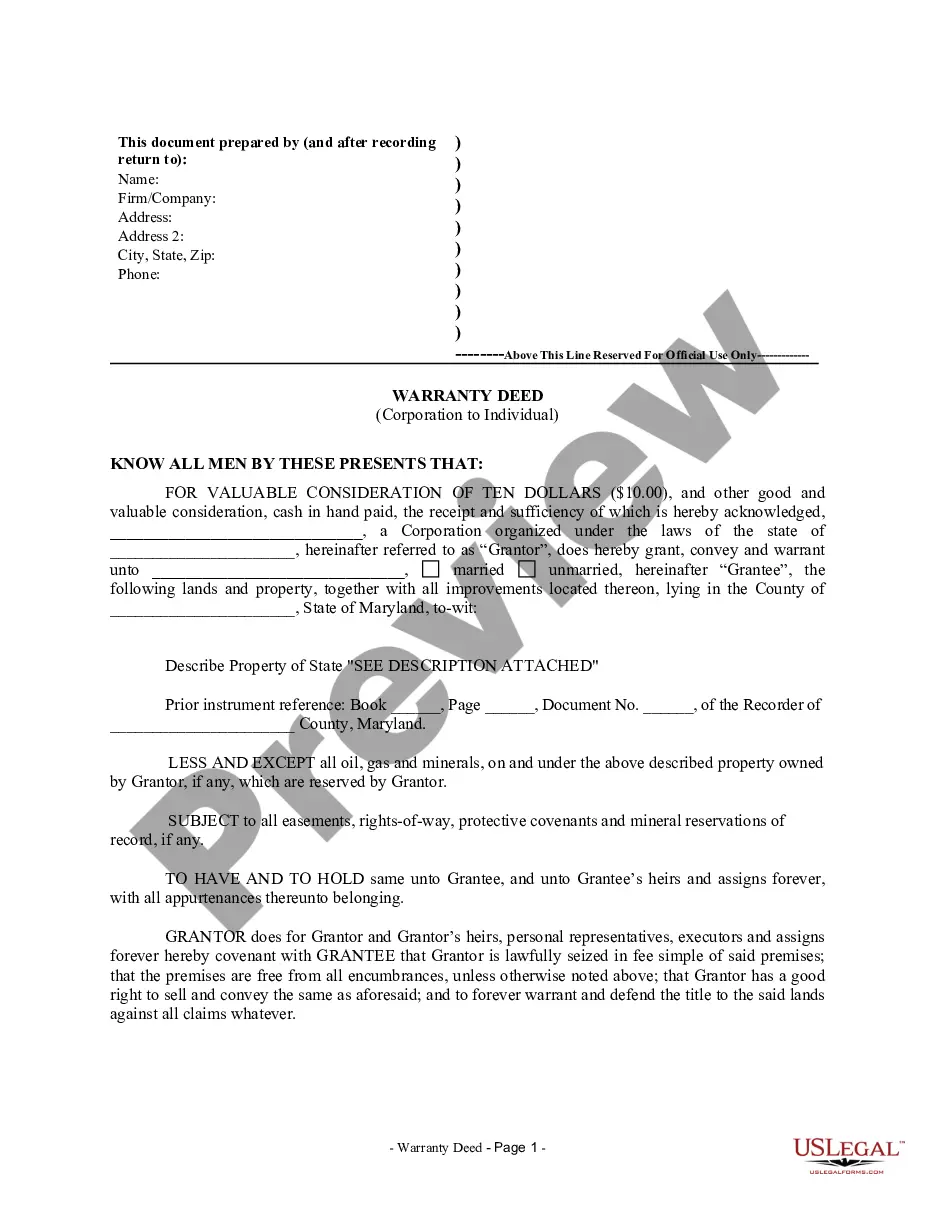
- Notary acknowledgment for the execution of the deed.




Common use cases
This form is used when a corporation wishes to transfer ownership of real estate to an individual. Common scenarios include a corporate sale of property, a donation of real estate from a corporation to a person, or a corporate restructuring that involves asset division. This deed ensures that the Grantee receives a legally recognized transfer of ownership with guarantees regarding the title.
Who this form is for
This deed is suitable for:
- Corporations looking to transfer property assets.
- Individuals acquiring real estate from a corporate entity.
- Legal representatives of corporations tasked with property sales.
How to complete this form
- Identify the Grantor and Grantee, including their names and roles.
- Specify the property being transferred, referring to any prior instrument references.
- Note any reservations for minerals or rights held by the Grantor.
- Enter the date of execution and the location in Maryland.
- Obtain signatures from authorized representatives of the corporation and have the document notarized.
Is notarization required?
Yes, this form must be notarized to be legally valid. The signatures of the parties involved need to be acknowledged by a notary public to ensure proper execution and to protect all parties' interests. US Legal Forms offers an integrated online notarization service that is available 24/7, providing a secure video call process that meets legal requirements without the need for in-person visits.
Get your form ready online
Our built-in tools help you complete, sign, share, and store your documents in one place.
Make edits, fill in missing information, and update formatting in US Legal Forms—just like you would in MS Word.
Download a copy, print it, send it by email, or mail it via USPS—whatever works best for your next step.
Sign and collect signatures with our SignNow integration. Send to multiple recipients, set reminders, and more. Go Premium to unlock E-Sign.
If this form requires notarization, complete it online through a secure video call—no need to meet a notary in person or wait for an appointment.
We protect your documents and personal data by following strict security and privacy standards.

Make edits, fill in missing information, and update formatting in US Legal Forms—just like you would in MS Word.

Download a copy, print it, send it by email, or mail it via USPS—whatever works best for your next step.

Sign and collect signatures with our SignNow integration. Send to multiple recipients, set reminders, and more. Go Premium to unlock E-Sign.

If this form requires notarization, complete it online through a secure video call—no need to meet a notary in person or wait for an appointment.

We protect your documents and personal data by following strict security and privacy standards.
Typical mistakes to avoid
- Failing to accurately describe the property, leading to potential disputes.
- Omitting necessary notary acknowledgment, rendering the deed invalid.
- Not specifying reservations for mineral rights or easements, which can impact ownership rights.
Advantages of online completion
- Convenient access to legal forms that can be downloaded and completed at your own pace.
- Editable templates that allow customization to meet specific needs.
- Reliability as the forms are drafted by licensed attorneys familiar with local laws.
Legal use & context
- A warranty deed provides greater protection than a quitclaim deed due to its guarantees on title validity.
- This form is enforceable in Maryland, provided it meets all statutory requirements.
- When properly executed, it effectively transfers property ownership and protects against future claims.
Key takeaways
- A Warranty Deed from Corporation to Individual transfers property ownership with title guarantees.
- Proper execution requires authorized corporate signatures and notary acknowledgment.
- This form helps ensure the new owner's title is defendable against claims.
Looking for another form?

Form popularity
FAQ
Special warranty deed -- warrants that the seller did nothing personally during his ownership of the property that would create a defect in the title to the property. This is the type of deed most often used in Maryland.
A warranty deed guarantees that: The grantor is the rightful owner of the property and has the legal right to transfer the title.The title would withstand third-party claims to ownership of the property. The grantor will do anything to ensure the grantee's title to the property.
It will depend what state the property is in. For example, the minimum fee payable when changing the title to have someone removed from a property title in NSW is $133.48. This fee must be paid to the NSW Government Land & Property Information Department.
It will not protect against title issues that arose prior to the time the seller took occupancy. Consequently, it offers less protection to buyers, and more protection to sellers, than a general warranty deed, which is the most common option for selling or buying a property.
A special warranty deed to real estate offers protection to the buyer through the seller's guarantee that the title has been free and clear of encumbrances during their ownership of the property. It does not guarantee clear title beyond their ownership.
For a flat fee of $240 - $250 in most cases (plus governmental recording fees) the firm can in most circumstances have an attorney prepared deed ready for signature in 2-4 business days. In most cases a true " Quit Claim Deed" is rarely the best choice.
A consenting individual may be removed from a deed by filing a quitclaim deed. Under Maryland law each county has a separate procedure and requirements for filing a quitclaim deed.
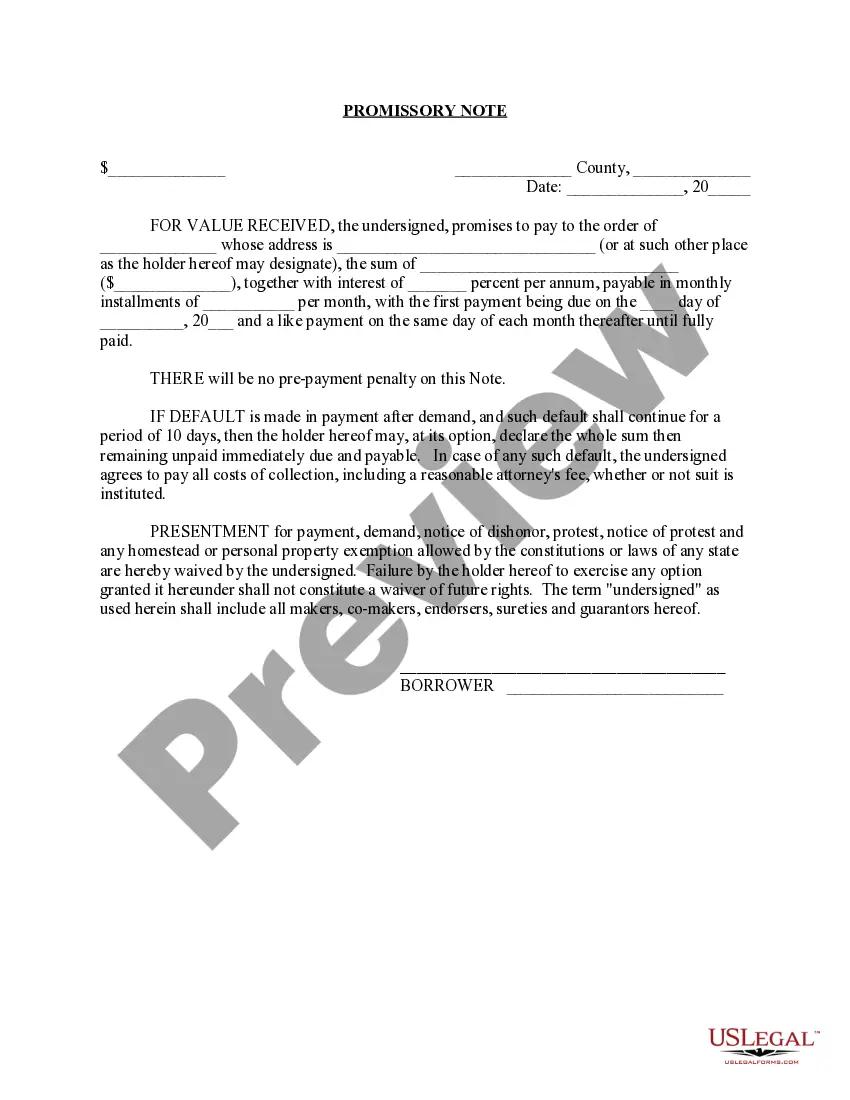
Key Takeaways. A property deed is a legal document that transfers the ownership of real estate from a seller to a buyer.General warranty deeds give the grantee the most protection, special warranty deeds give the grantee more limited protection, and a quitclaim deed gives the grantee the least protection under the law
To change the names on a real estate deed, you will need to file a new deed with the Division of Land Records in the Circuit Court for the county where the property is located. The clerk will record the new deed.