Special verdicts are often used in complex cases, such as those involving negligence or damages, where specific factual determinations are crucial to the outcome.
The detailed answers provided in a special verdict can impact the appeals process by offering a clearer basis for the decision and help identify any errors that might have occurred.
If the jury is deadlocked and can’t agree on the answers, it may result in a hung jury, which could lead to a retrial.
Generally, juries are expected to answer all questions presented to them, but if they're unsure or need clarification, they can ask the judge for guidance.
Choosing a special verdict can give more clarity on specific issues in the case, helping the judge and parties understand exactly what the jury found out.
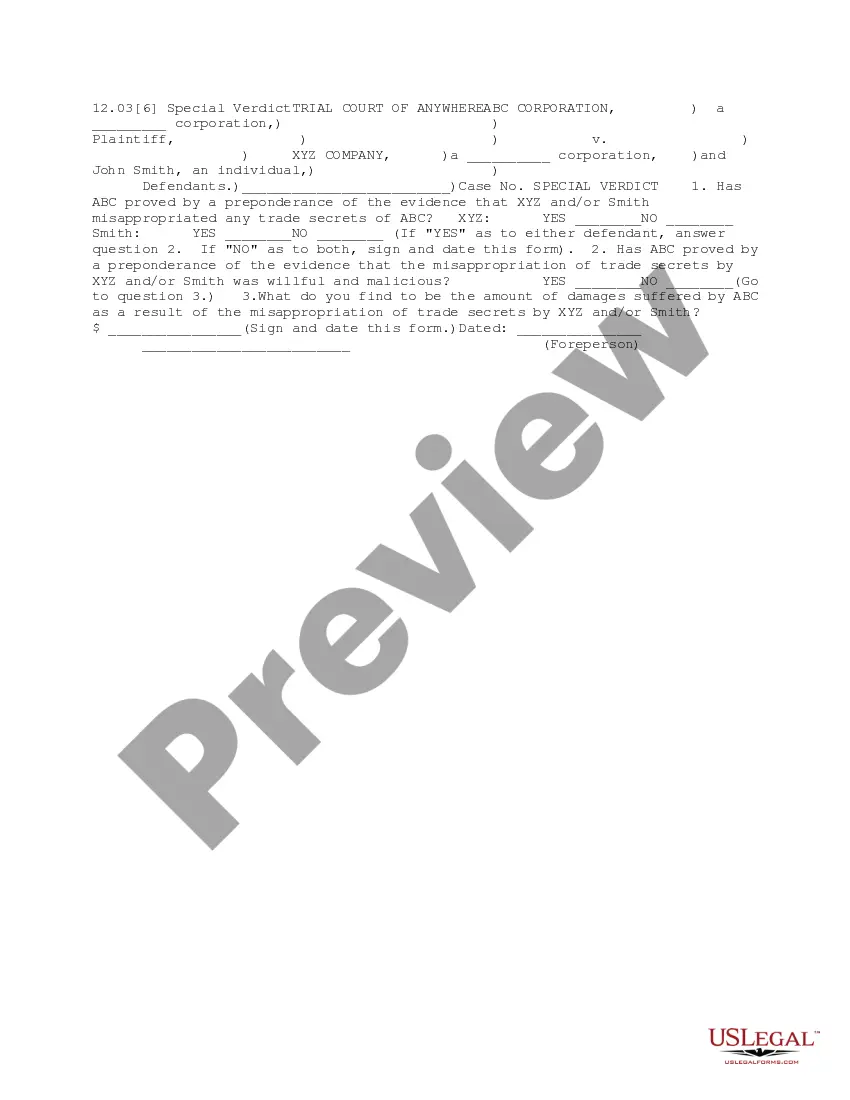
During a trial, the jury is presented with specific questions to answer. Their responses help the judge decide the outcome of the case, rather than just saying who wins and who loses.
A special verdict is a specific type of jury decision where the jury answers particular questions about the facts of a case rather than just giving a simple guilty or not guilty verdict.