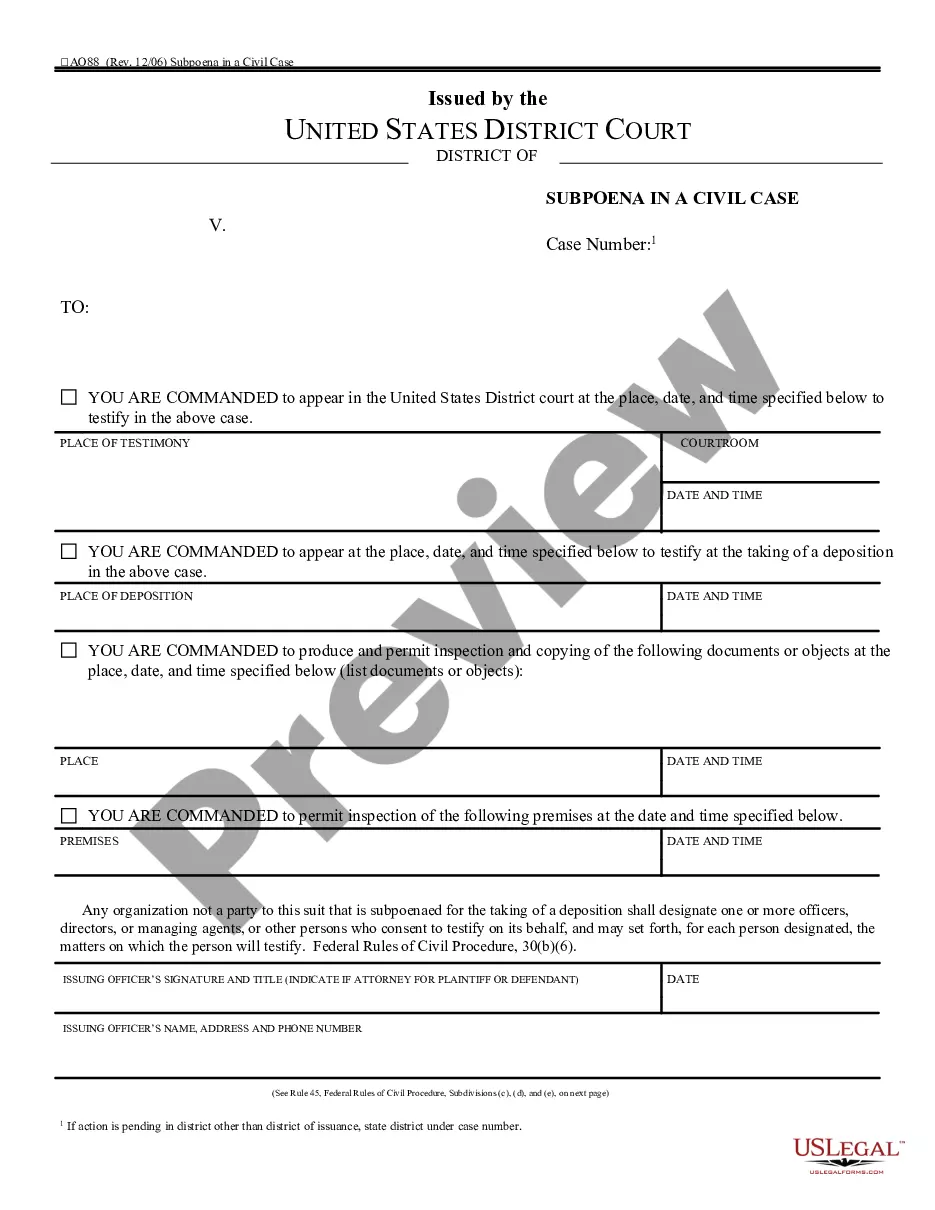
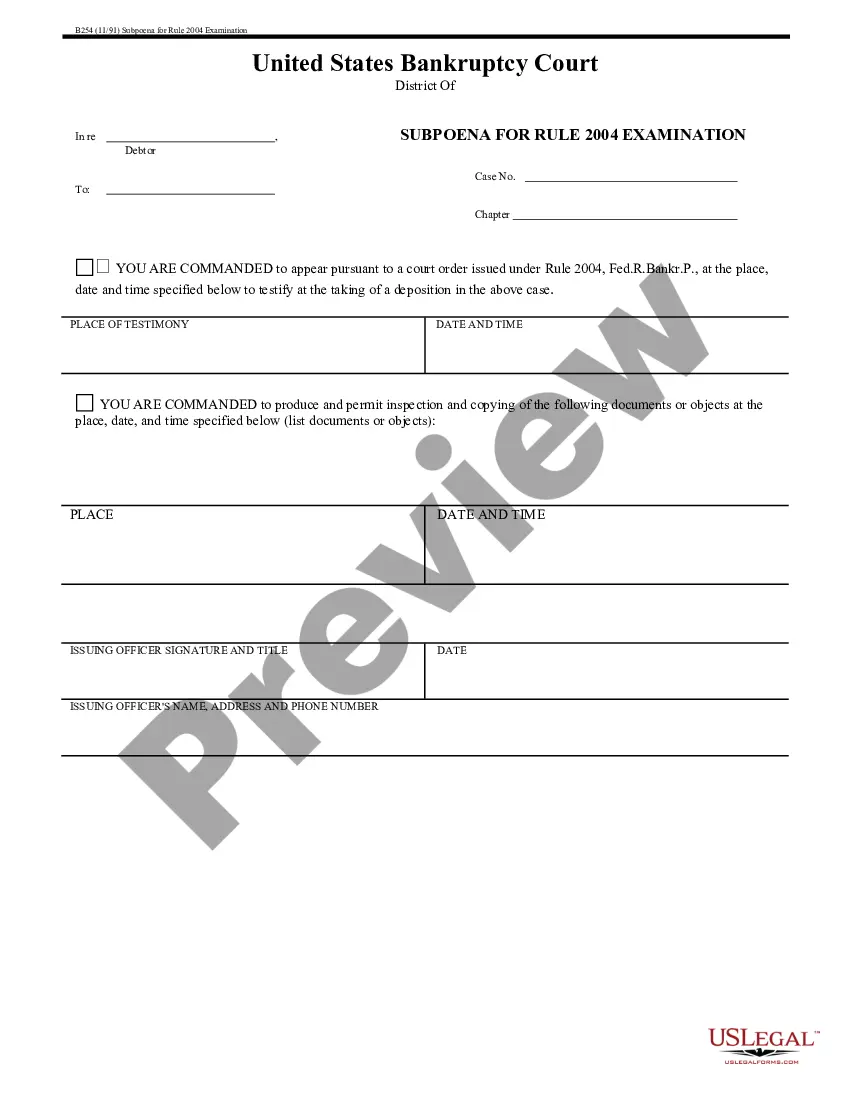
A subpoena can request documents, records, or even testimony from you. It’s like being asked to open your book and share your story with the court.
Yes, you can challenge a subpoena if you believe it’s unjust. You’d want to file a motion to quash it, which is just a fancy way of asking the court to throw it out.
If you can't comply, it’s wise to contact the person who issued it or seek legal advice. It's better to communicate than to let things simmer.
Ignoring a subpoena is not a good idea. It can lead to legal trouble, like finding yourself in hot water. Always follow up!
To respond, you usually need to show up in court or provide the requested documents. It's best to treat it seriously, like a ticket to a show you can't skip.
In Anchorage, subpoenas can be issued by a judge, an attorney, or in some cases, a court clerk. It’s like having a legal key to unlock information.
A subpoena is a legal document that orders someone to appear in court or provide evidence. Think of it as a 'call to duty' for legal matters.