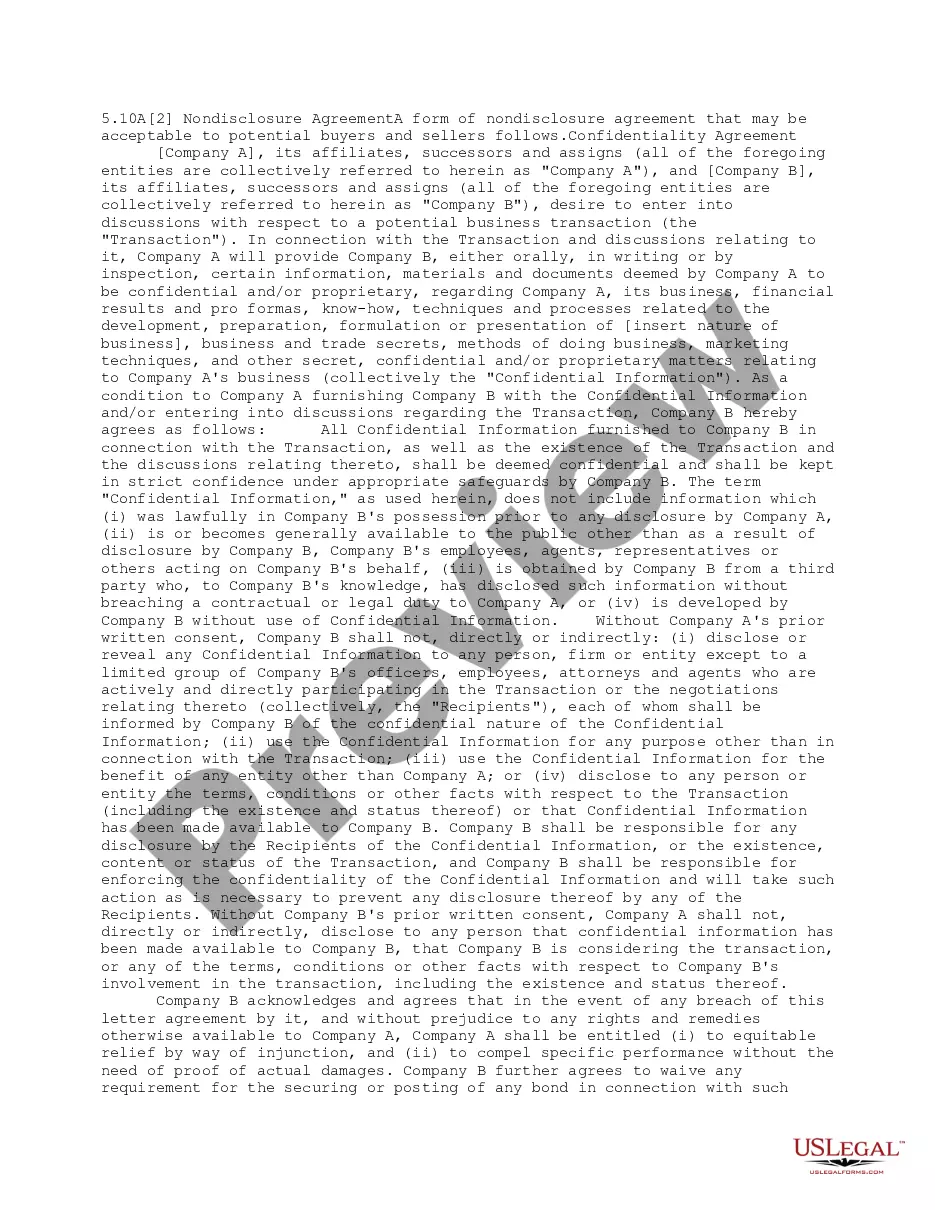
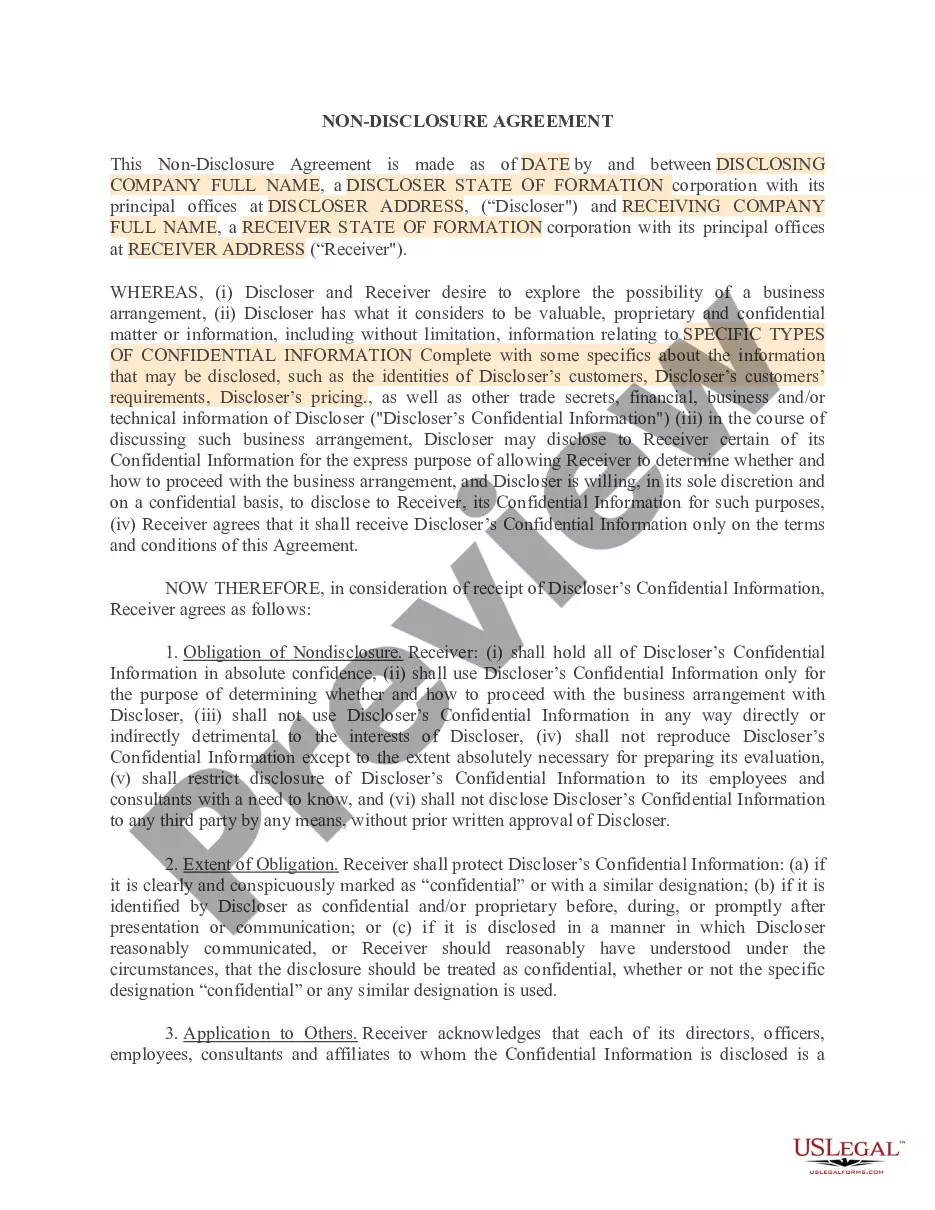
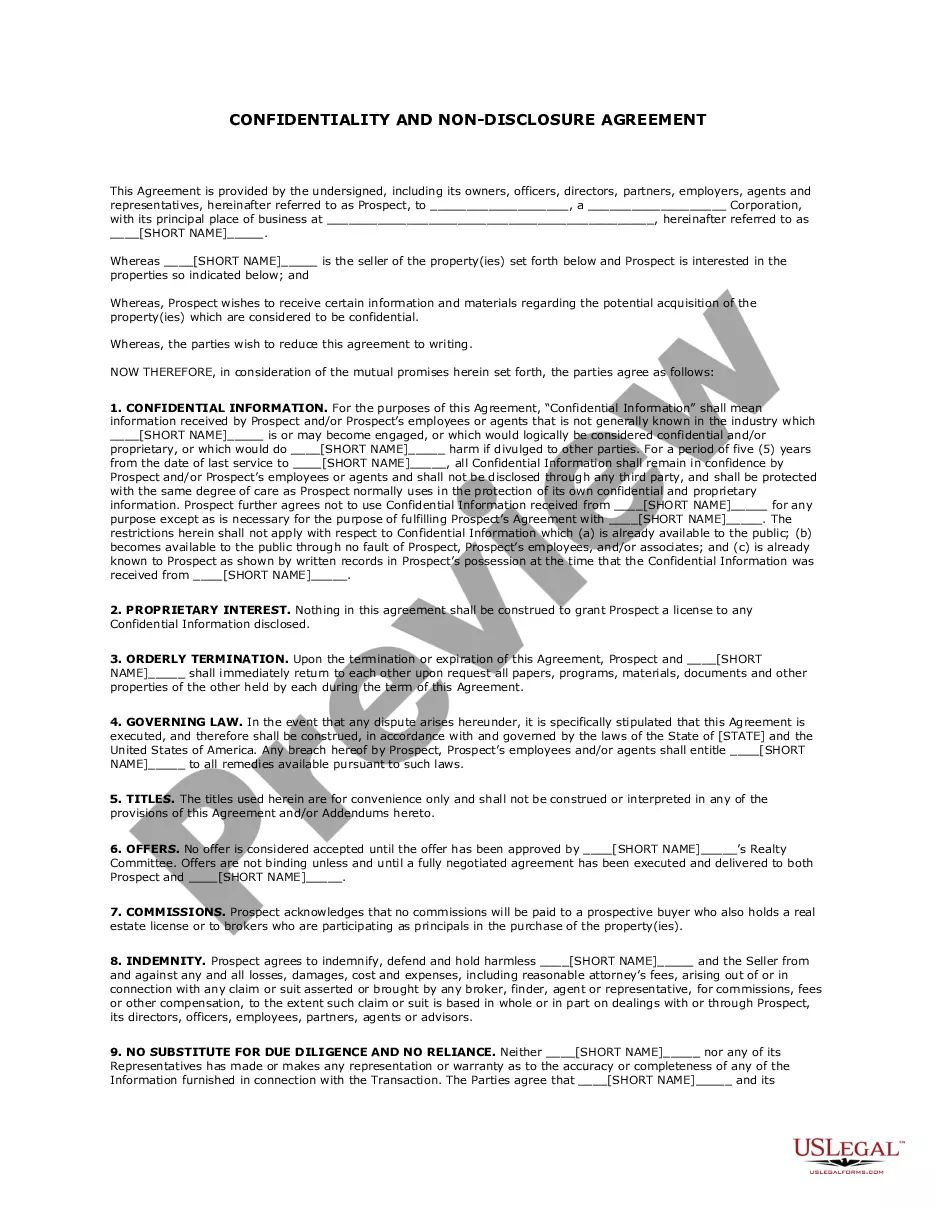
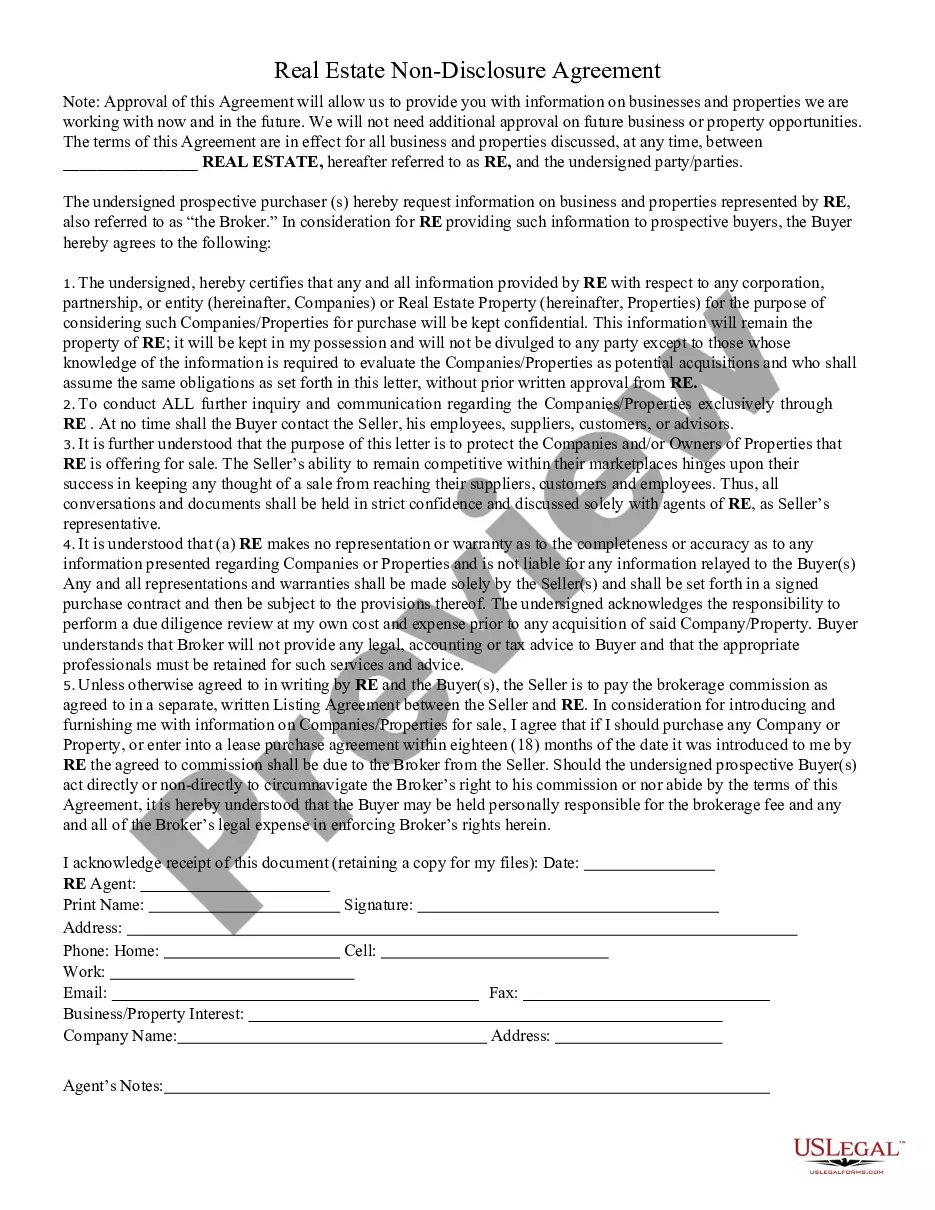
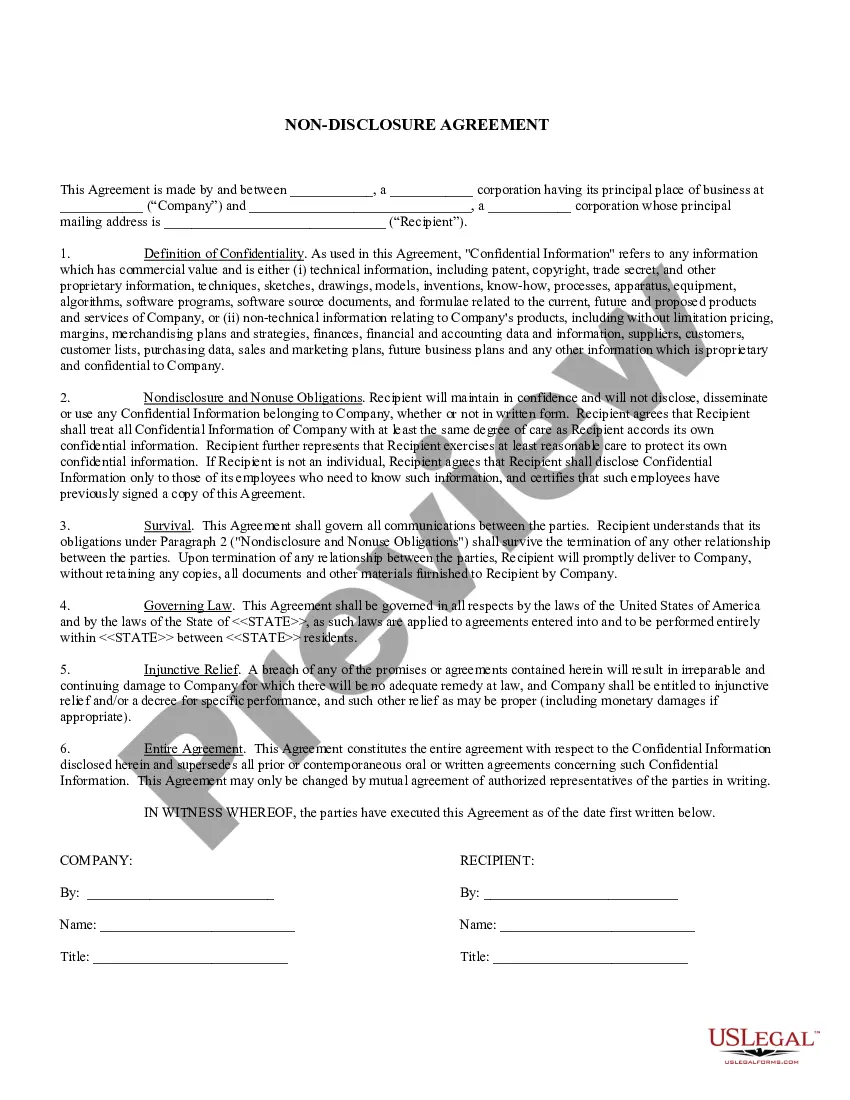
A non-disclosure agreement (NDA) is an agreement in contract law that certain information will remain confidential. As such, an NDA binds a person who has signed it and prevents them from discussing any information included in the contract with any non-authorized party.

While it’s not always required, using an NDA can be a smart move. It helps build trust and sets clear boundaries about what can or cannot be shared, keeping everyone on the same page.
If someone breaches an NDA, the injured party can seek legal action. They might be able to claim damages or enforce the agreement in court, so it's serious business!
Yes, you can draft your own NDA! Just make sure it covers all the essentials, and it’s usually a good idea to have a legal professional take a peek to ensure everything's in order.
The duration of an NDA can vary, but many agreements last from one to five years, or even longer, depending on what’s being protected. It's best to specify in the agreement itself.
An NDA can protect a variety of info—like trade secrets, business plans, customer lists, and even certain marketing strategies. It's really about keeping your valuable ideas under wraps.
NDAs are often used by businesses, startups, and freelancers who want to protect their ideas, plans, or client information. If you're sharing something important, it's wise to have one!
Disclosure Agreement is a legal contract that keeps sensitive information private. It's like a handshake in writing, ensuring secrets stay between the parties involved.