Once a summary judgment is granted, introducing new evidence can be tricky. You may need to reopen the case or file an appeal to have the new info considered. It's like trying to change the game rules after the match has ended!
Yes, you usually need to file it after the discovery process but before the trial starts. Think of it as a deadline—miss it, and you might lose your chance to ask the court for a quick decision.
Yes, if a judge grants a summary judgment, the losing party can appeal the decision. It's their way of saying, 'Hold on, I think the judge got it wrong!'
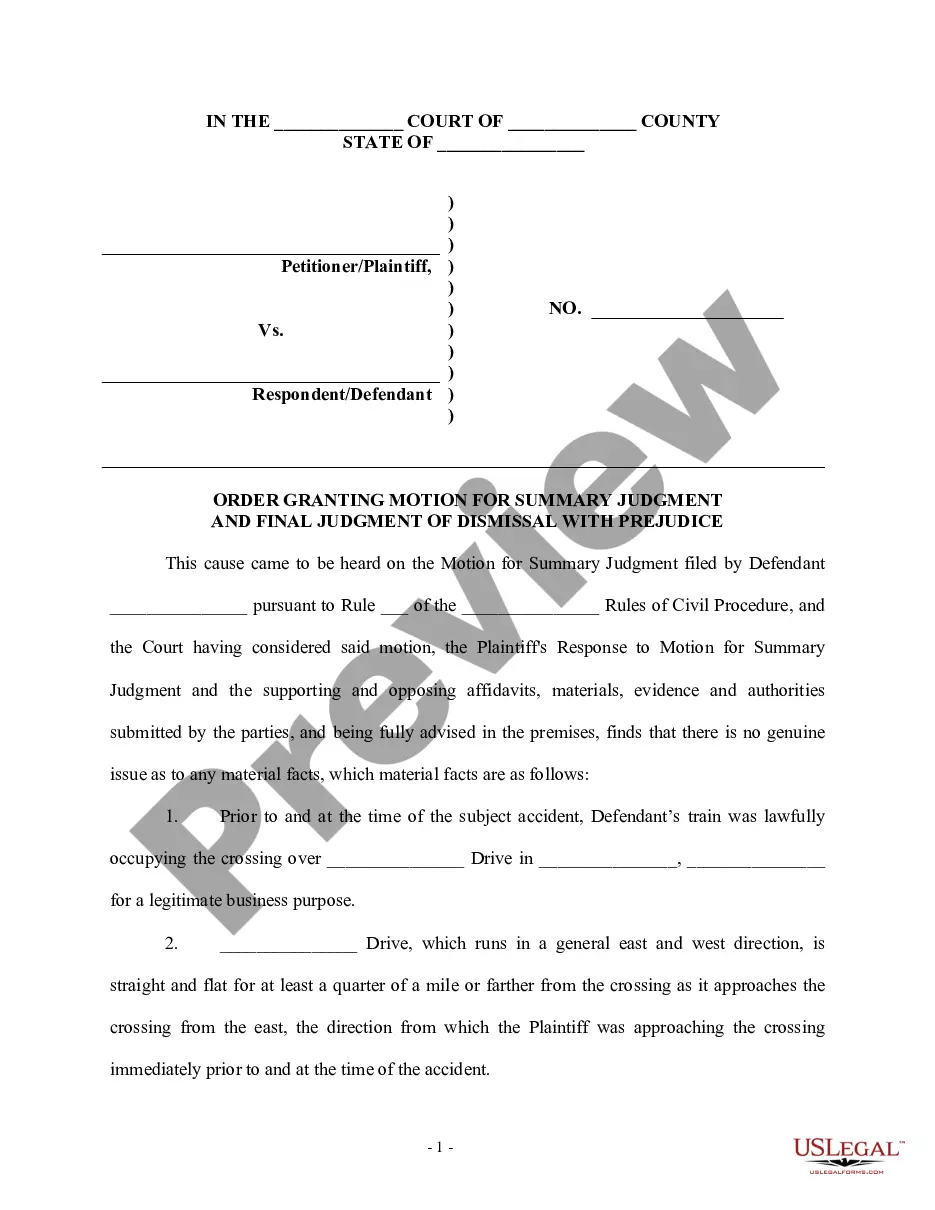
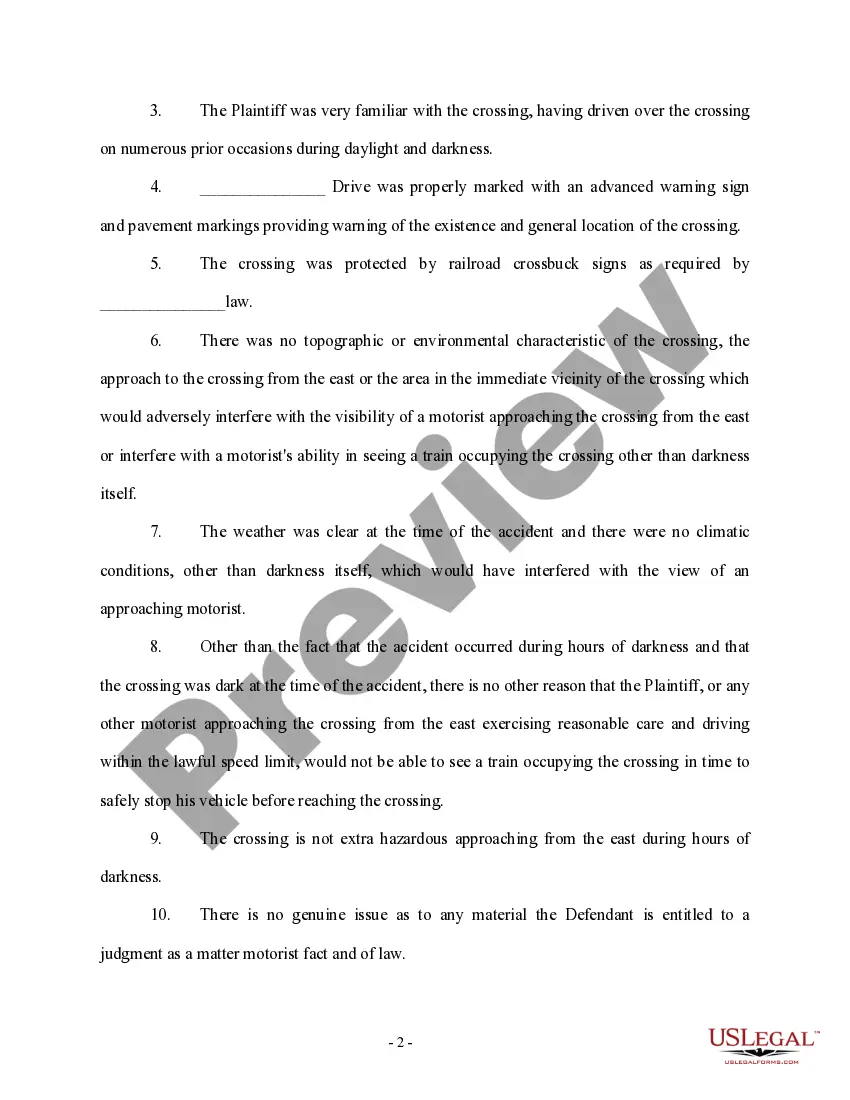
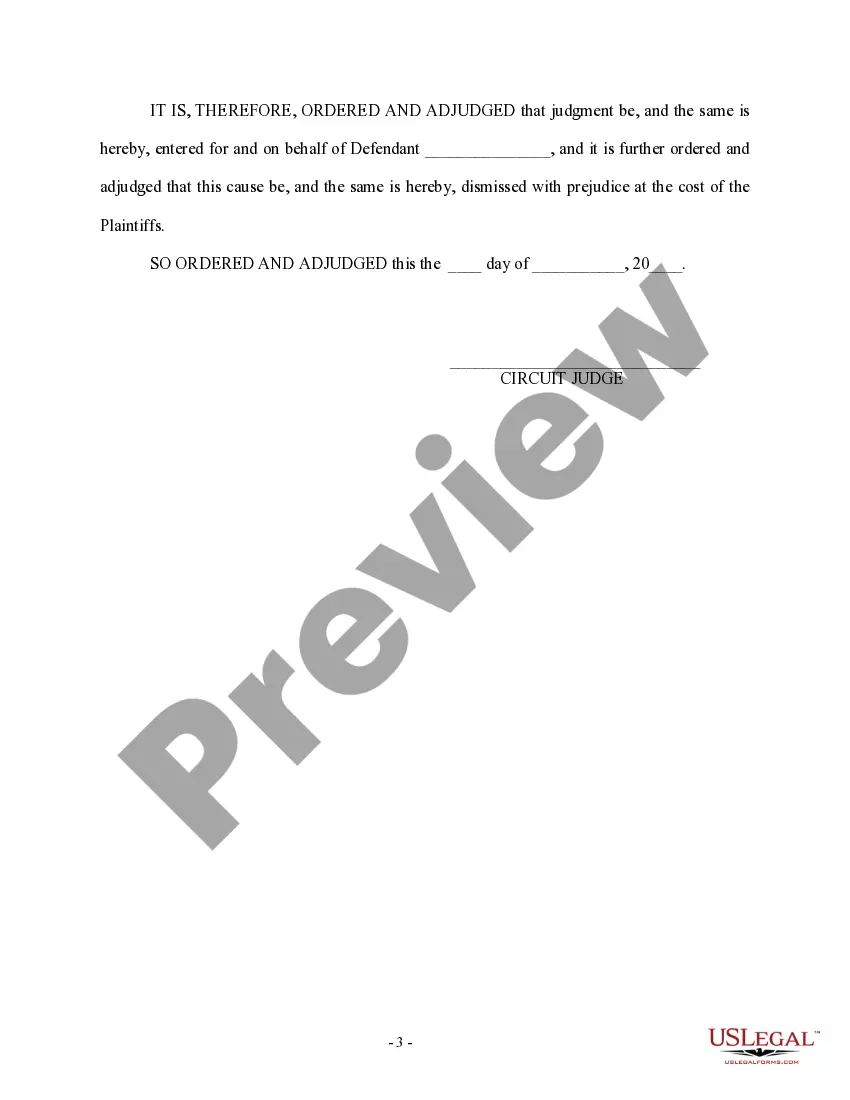
'Dismissal with prejudice' means the case is closed for good. It's like saying, 'You can't come back and try this again.' The issue is settled, and you can't reopen it later.
The court looks at all the evidence presented and asks if there's anything that could change the outcome if the case were to go to trial. If not, they might grant the motion and skip the trial.
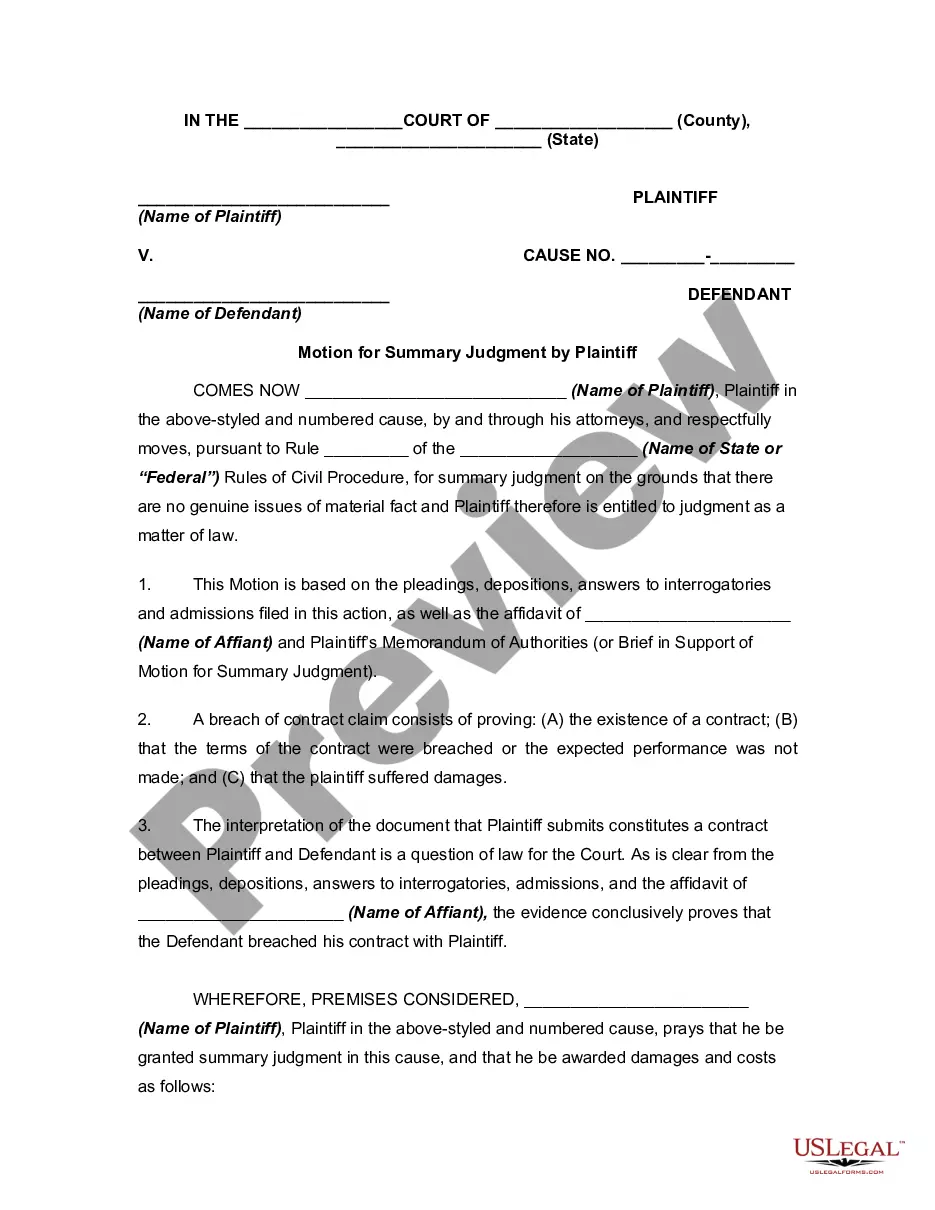
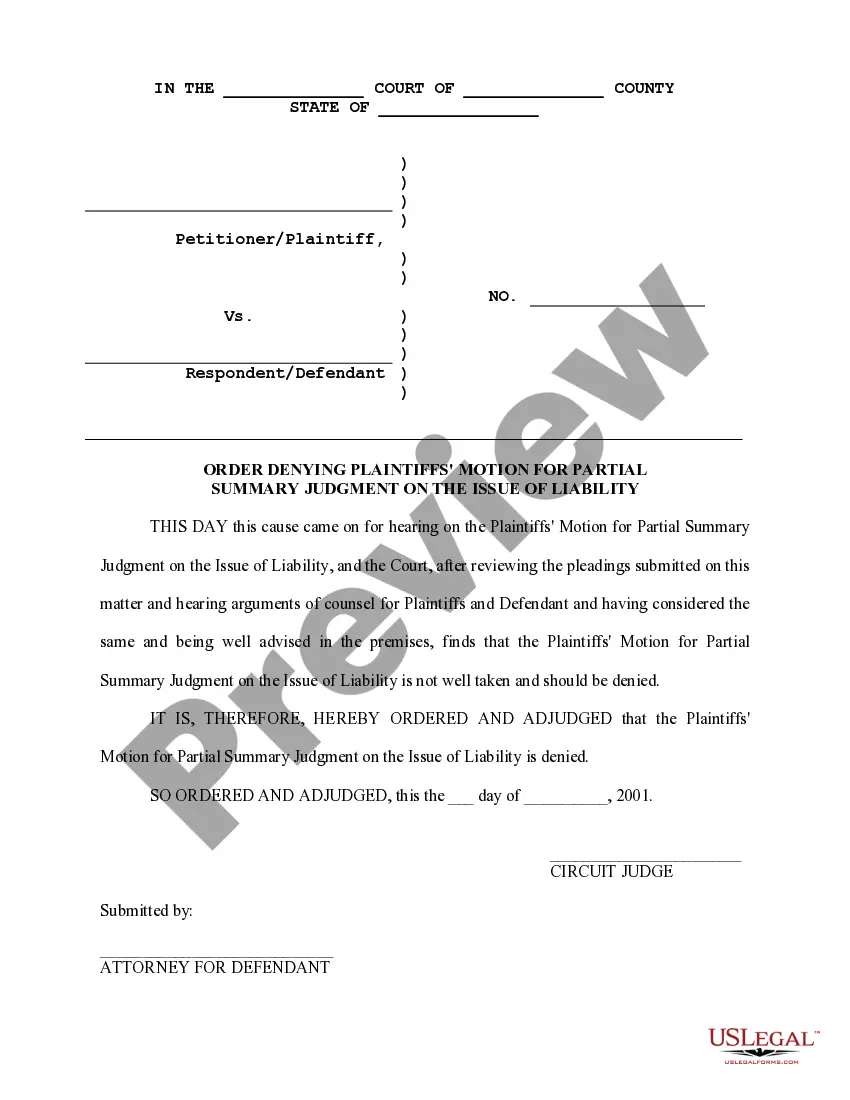
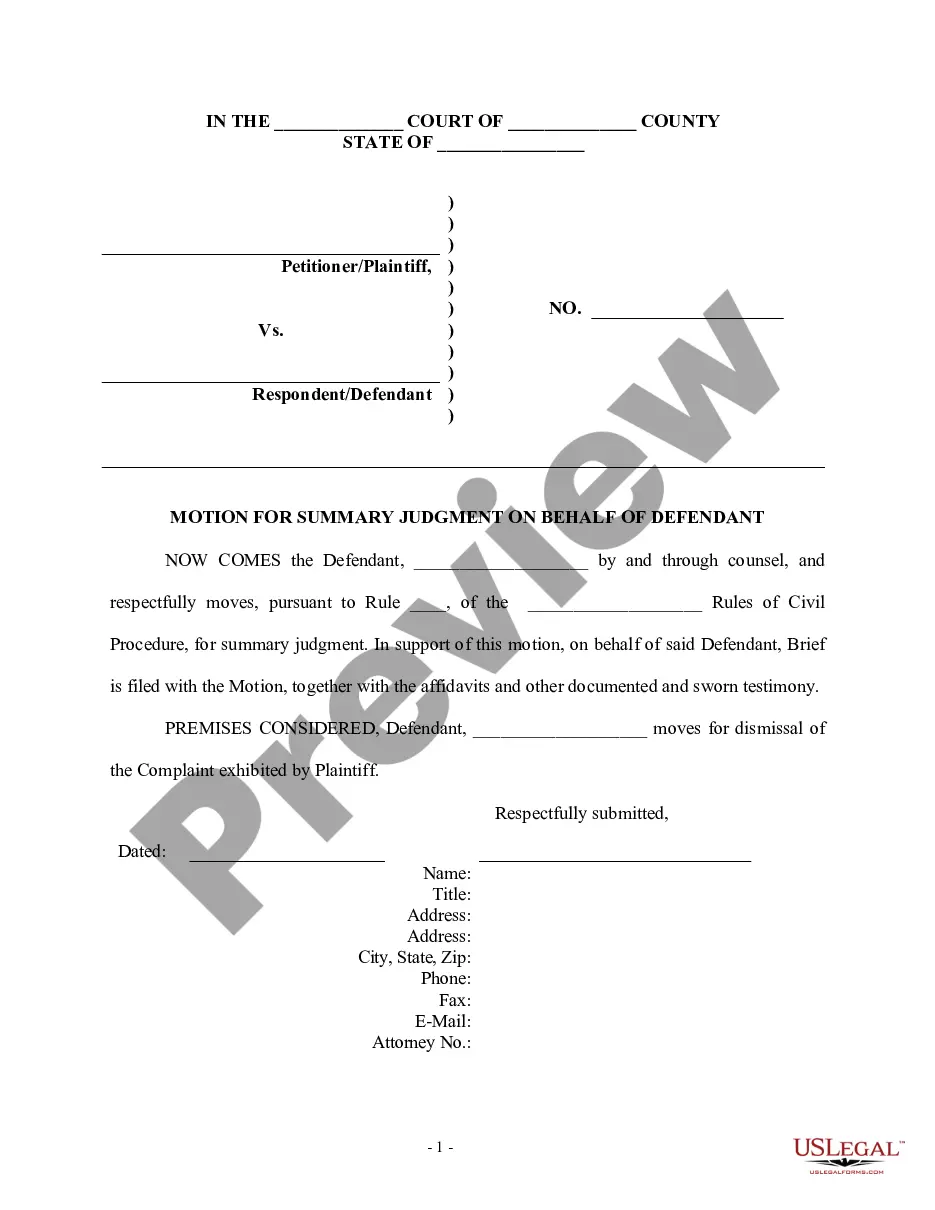
A motion for summary judgment is a request to the court to rule that the other party has no case because there are no facts at issue. Think of it as saying, 'The evidence is so clear that we don't need to go to trial!'