Yes, if you remember something important or have further evidence, you can usually provide that information to your attorney, who may help update your answers if needed.
While interrogatories are part of the legal process, they aren't completely confidential as they may be shared with the other party and could become part of the public record.
Not answering can lead to trouble in court. The other party might ask the judge to impose penalties on you for not cooperating.
Generally, you need to answer interrogatories, but if a question seems irrelevant or too personal, you can ask your lawyer for guidance on how to respond.
Take your time and answer each question honestly and clearly. If you’re unsure about something, it's wise to consult with your attorney before replying.
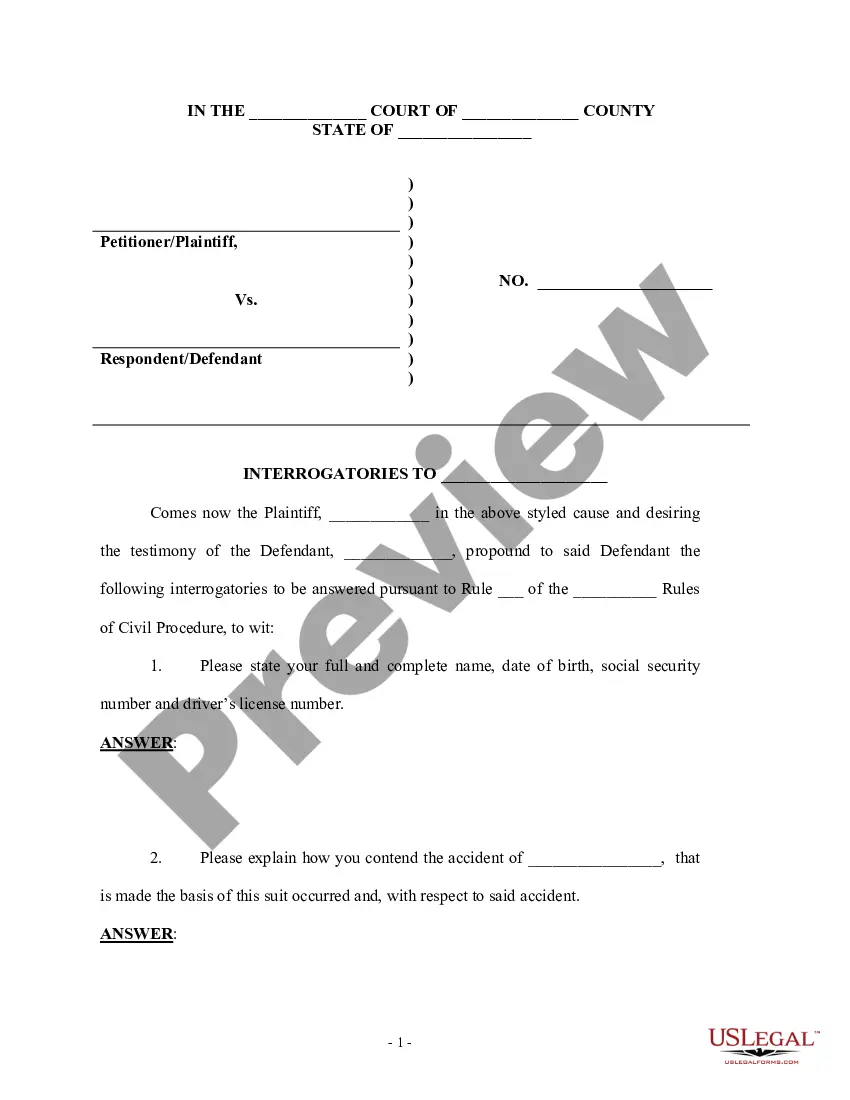
If you're facing a personal injury lawsuit, the plaintiff's attorneys might send you interrogatories to gather facts about the case and understand your side of the story.
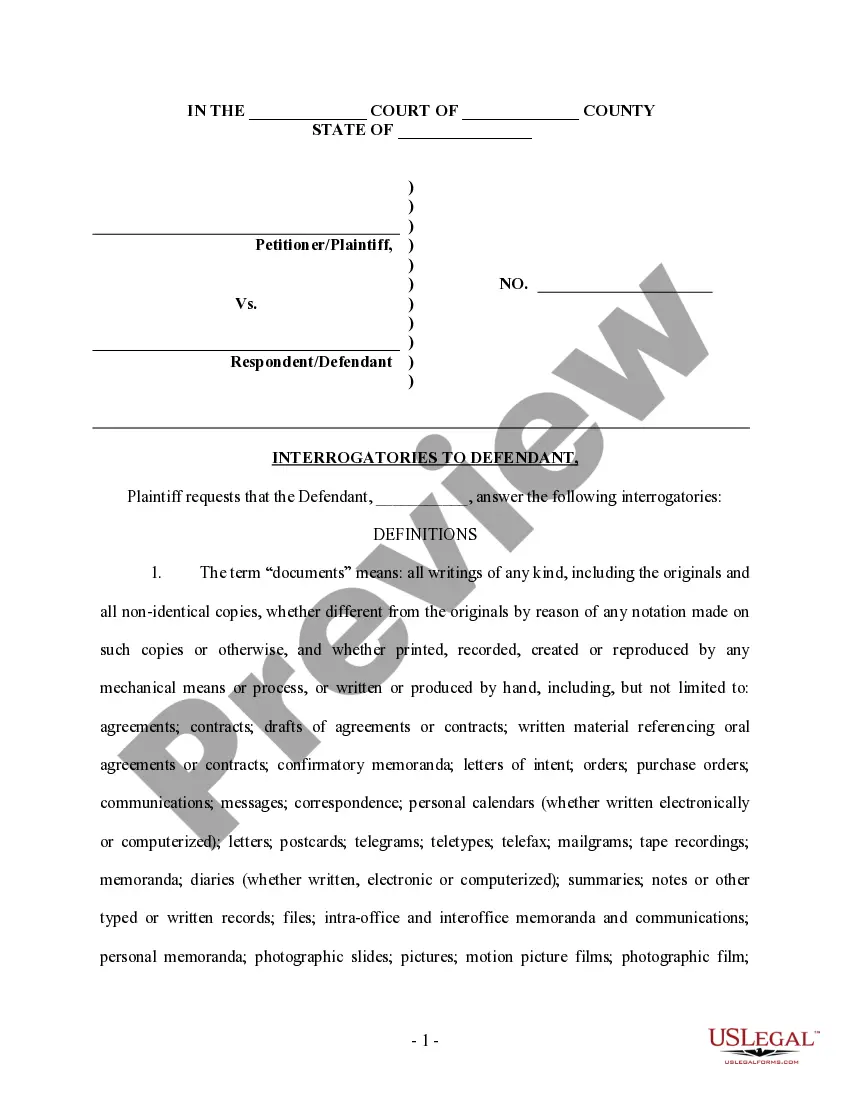
Interrogatories are written questions that one party sends to another in a legal case, asking for information that could help clear up the details of the incident.