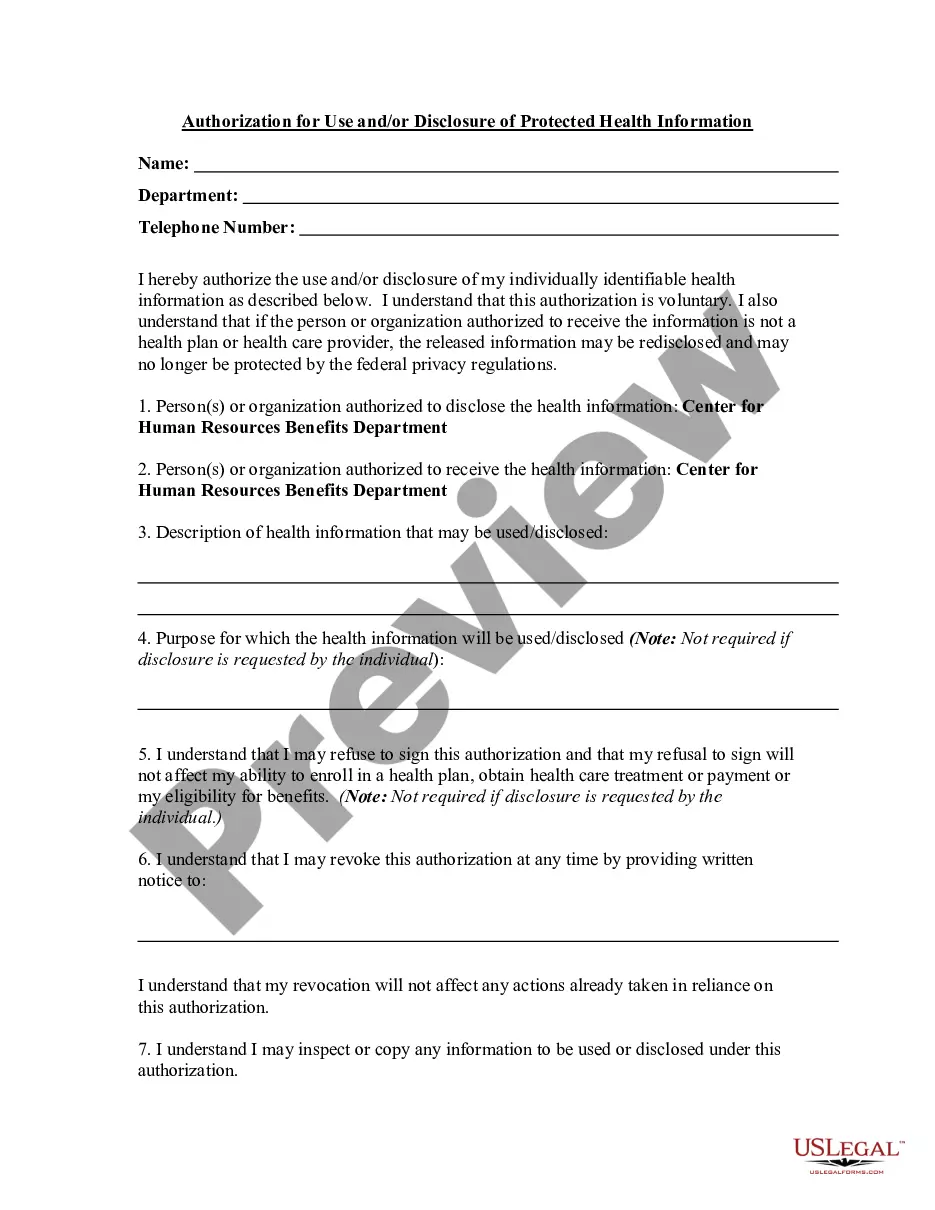
Yes, you can withdraw your HIPAA Authorization, but remember that it won’t change anything already done with your information while it was valid. It’s like closing the barn door after the horse has bolted.
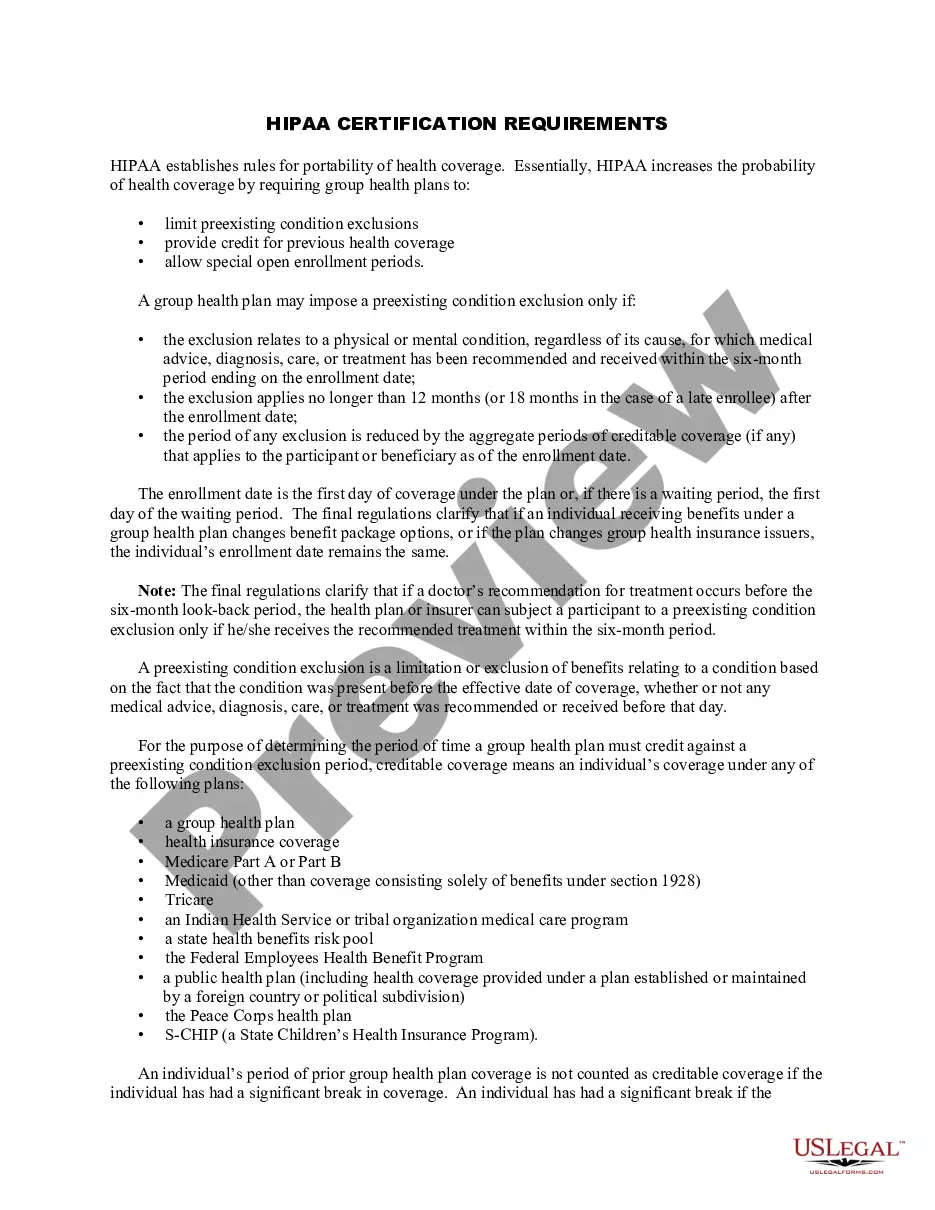
HIPAA compliance is a must for healthcare providers, health plans, and other entities that handle protected health information. Essentially, if you’re in the healthcare game, you’ve got to play by the HIPAA rules.
Typically, a HIPAA Authorization is good for a year, but you can specify a different duration if needed. So, read the fine print!
A HIPAA Authorization is a written permission allowing someone to use or share your health information. Think of it as giving a green light to release your medical records.
If you feel your privacy rights have been squashed, you can file a complaint with the Office for Civil Rights or reach out to a lawyer for advice.
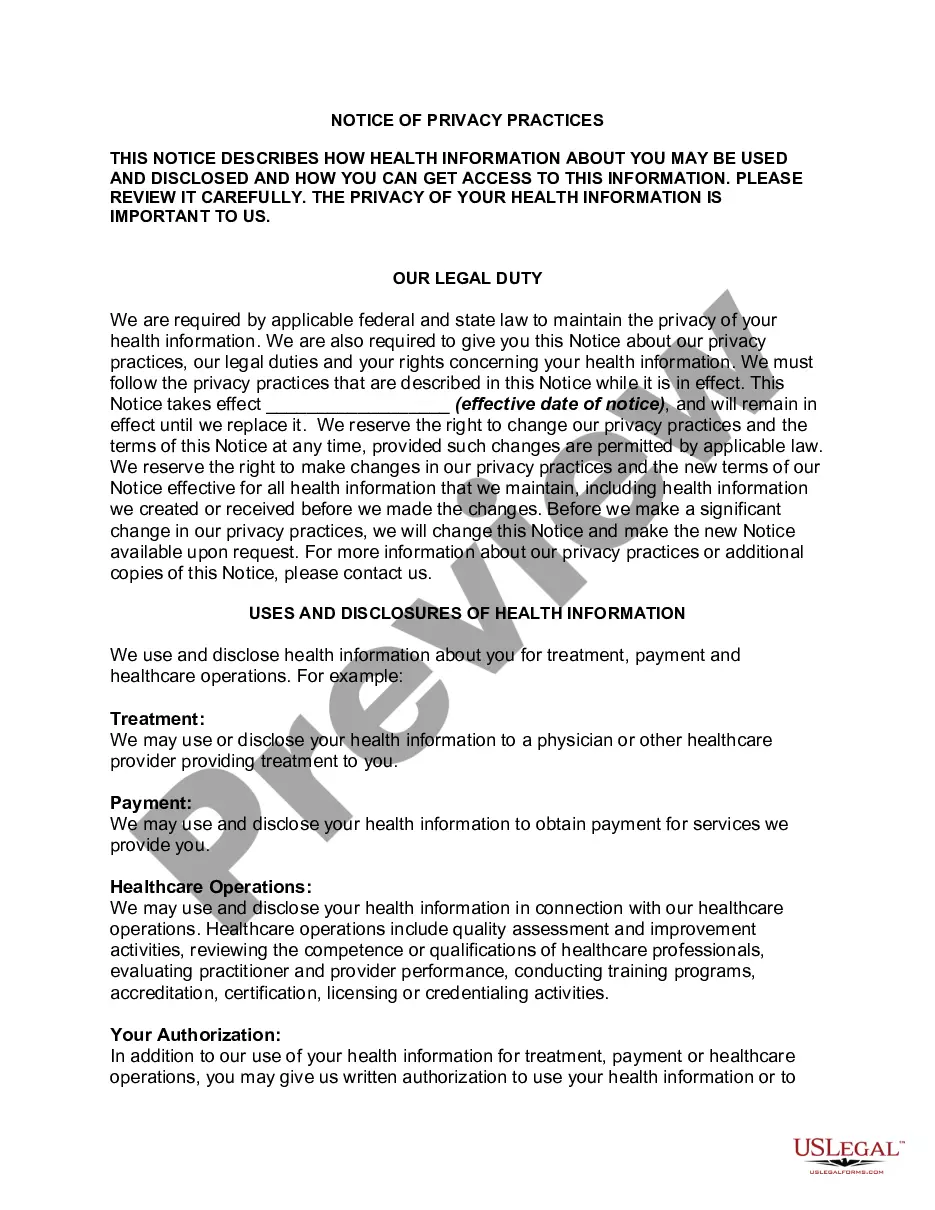
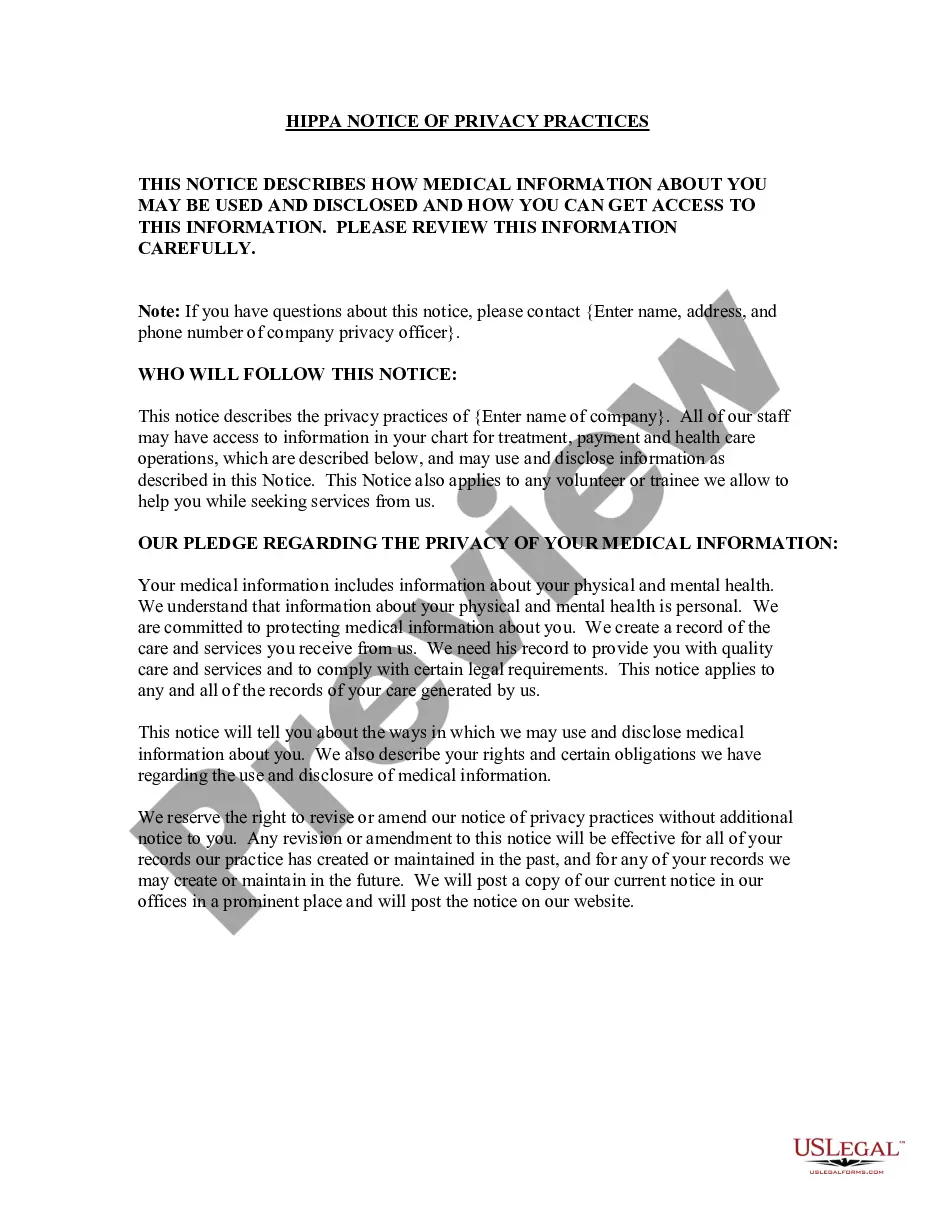
The HIPAA Privacy Rule aims to protect your personal health information from being shared without your permission. It's like a safeguard for your most sensitive data.
HIPAA stands for the Health Insurance Portability and Accountability Act. It's a federal law that helps keep your health information private and secure.