Most drainage easements are permanent, like a fence that’s stayed standing for years. They’re set in place to manage water flow long-term, so it’s important to respect their boundaries.
If your drainage easement is blocked, it's best to contact your local authorities or a professional. Just like clearing a blocked drain, it’s crucial to get it sorted quickly to avoid bigger problems.
Building on a drainage easement is a no-go in most cases. It's like trying to set up a tent in a busy street; it's better left open for water to flow.
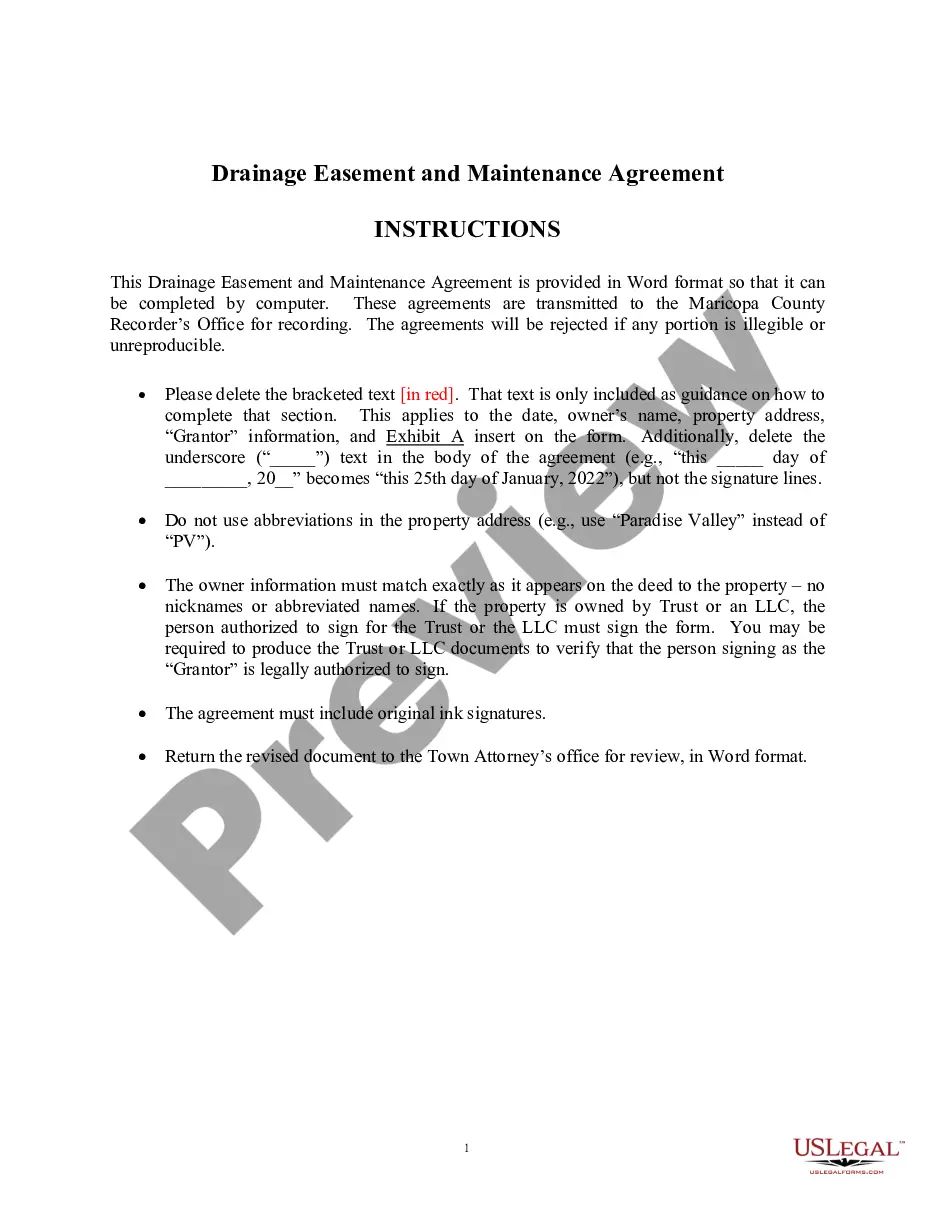
You can find out if you have a drainage easement by checking your property deed or land survey. If you’re unsure, a chat with your local planning or zoning office can clear things up.
Think of drainage easements like safety nets for properties. They prevent flooding and water-related issues, keeping both your land and your neighbor's dry and happy.
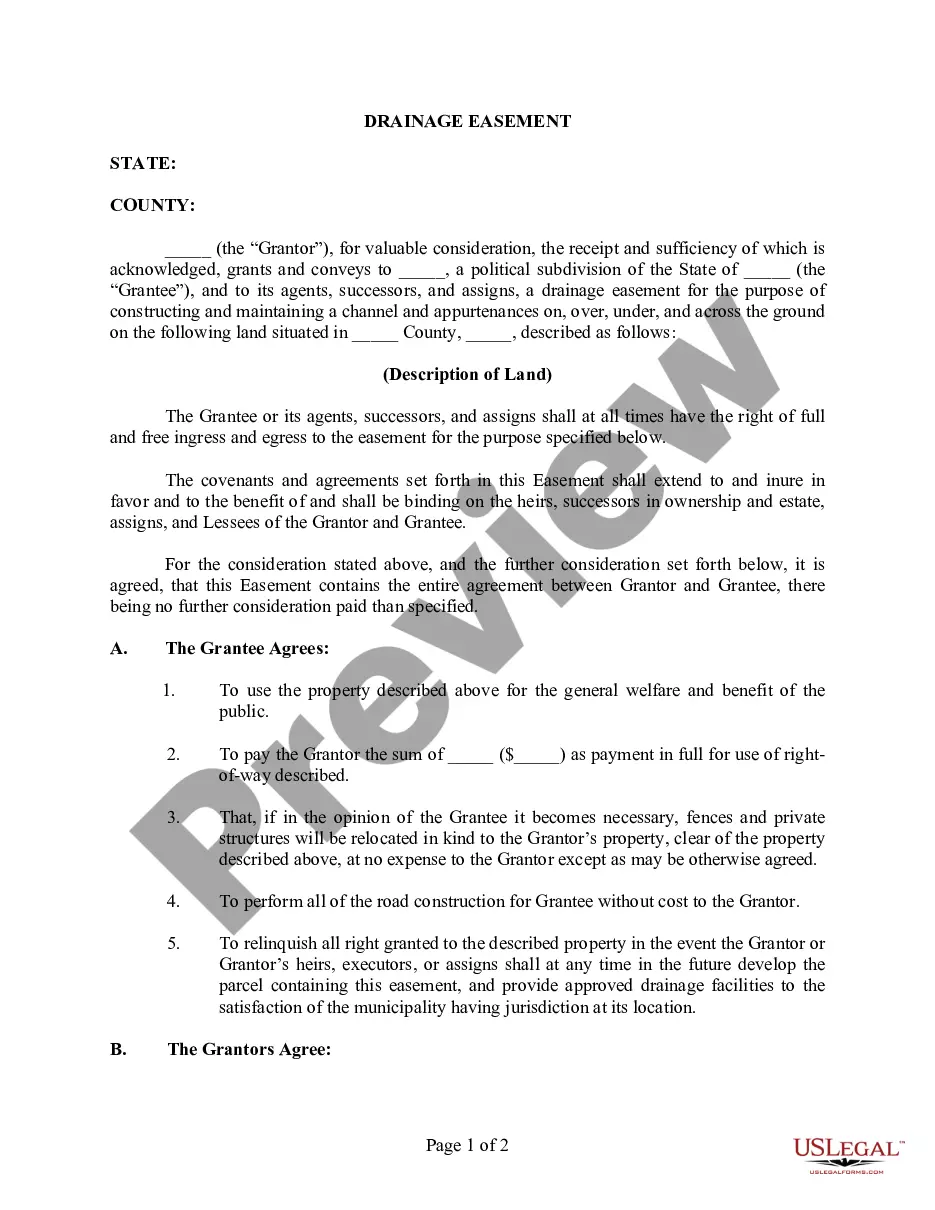
A drainage easement is like a designated path that allows water to flow safely through a property. It ensures that stormwater and runoff can move without causing trouble to neighboring lands.