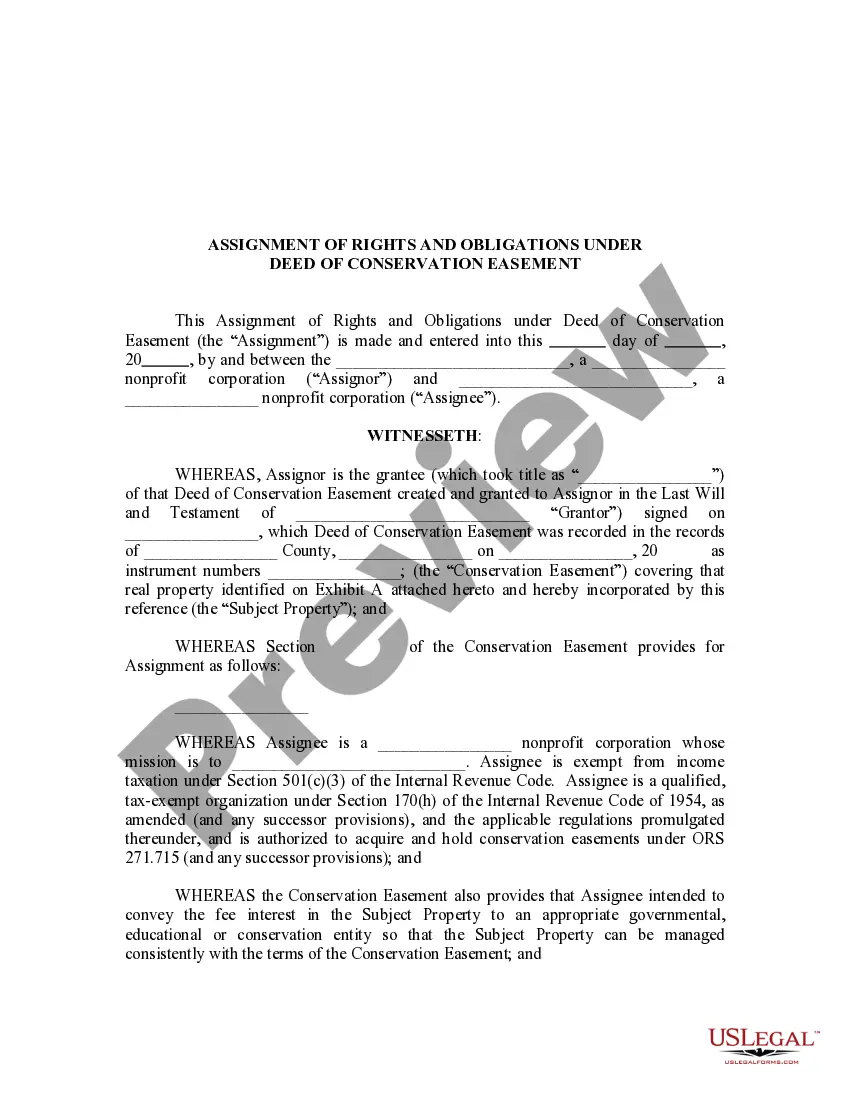
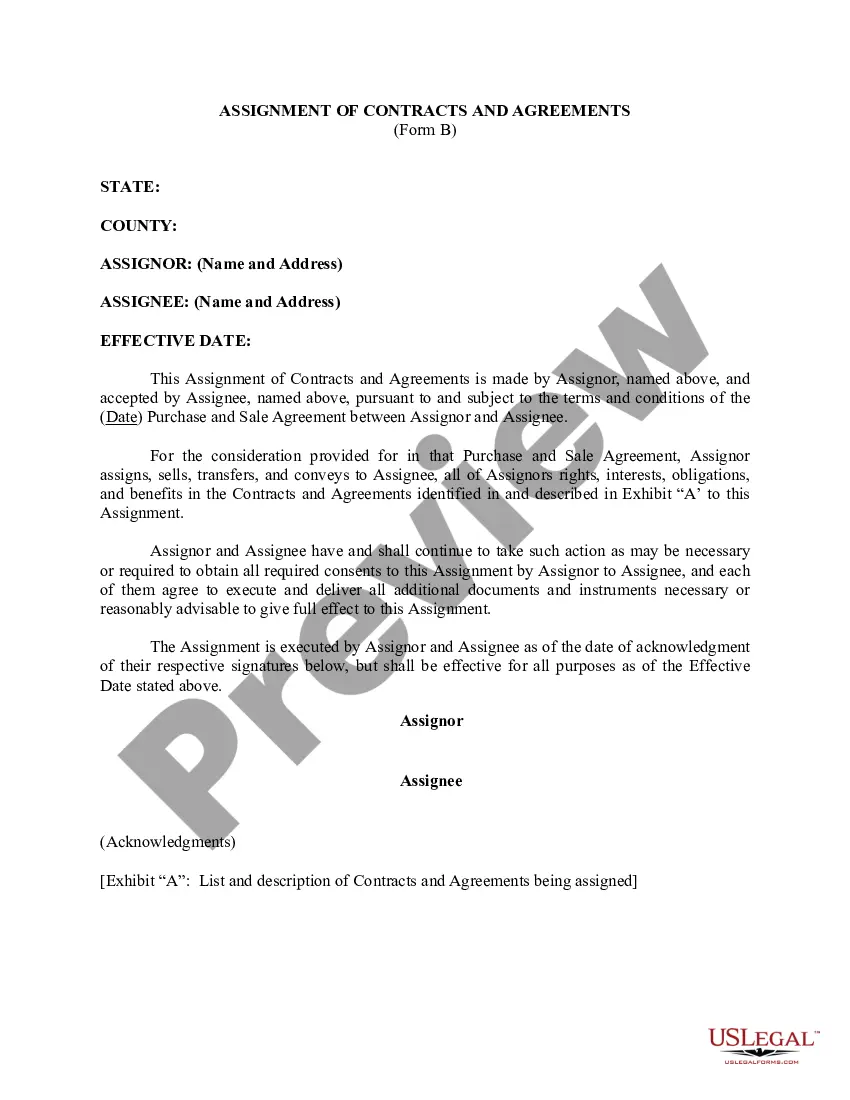
To make sure your assignment holds up in court, it's best to get it in writing, signed by both parties. Think of it as putting your signature on the dotted line—it’s a surefire way to avoid any future hiccups.
Yes, typically you'll want to use a written document outlining the assignment details. It's like filling out a recipe before you start cooking—makes sure you don't miss any ingredients!
While some agreements can be discussed verbally, it's often wise to get it in writing to avoid any misunderstandings later on. Think of it as sealing a deal with a handshake—always better to have that paper trail.
If your new party doesn't hold up their end of the deal, you might still be on the hook. It's like lending your friend a book, only to find out they never returned it—you're still responsible for it!
Often, you'll need the other party's consent before you can assign a contract, especially if it's a critical agreement. It's a good idea to ask nicely, just like you'd do when borrowing a neighbor's lawnmower.
Generally, any party involved in a contract can assign it, unless the contract itself says otherwise. It's your way of handing off your duties to someone else, like sharing the load.
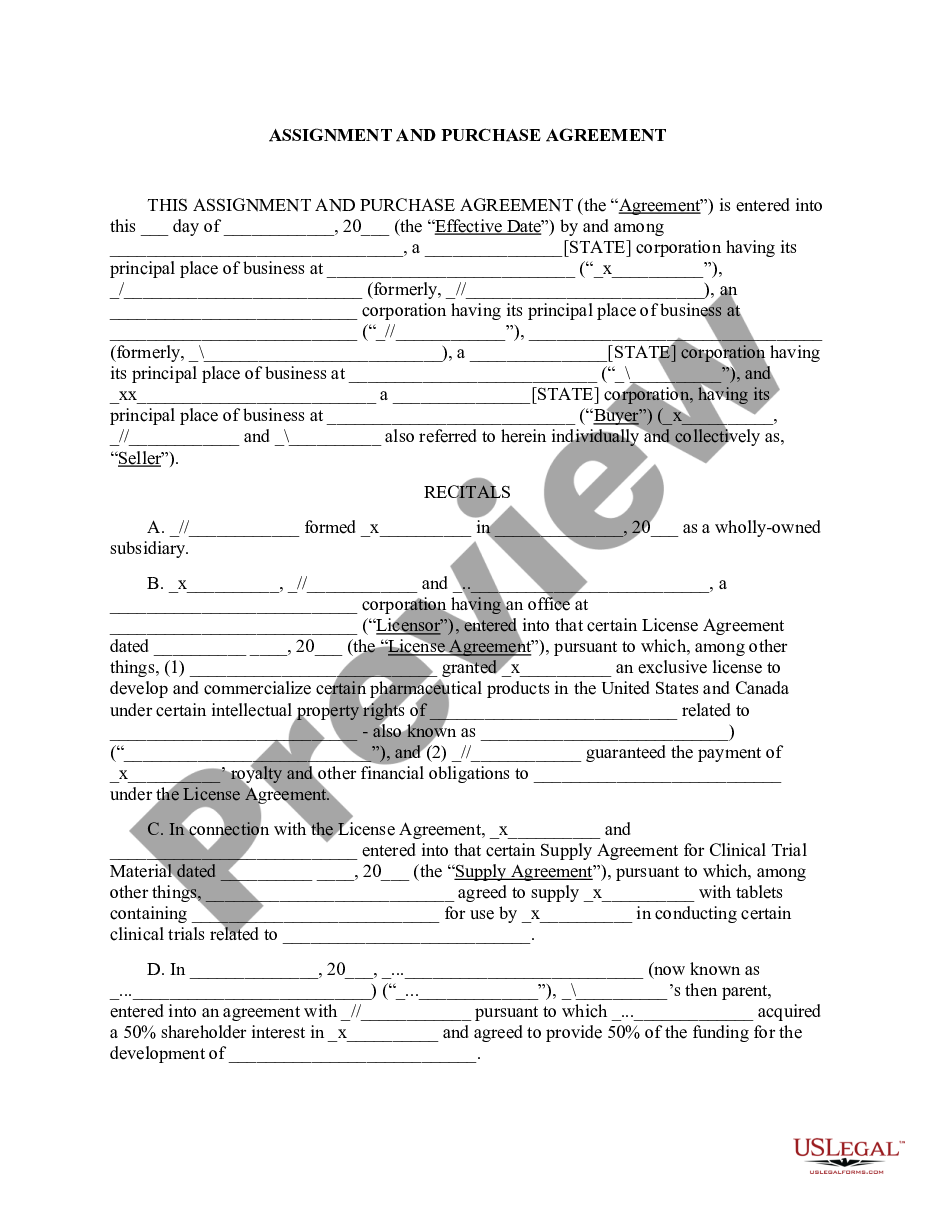
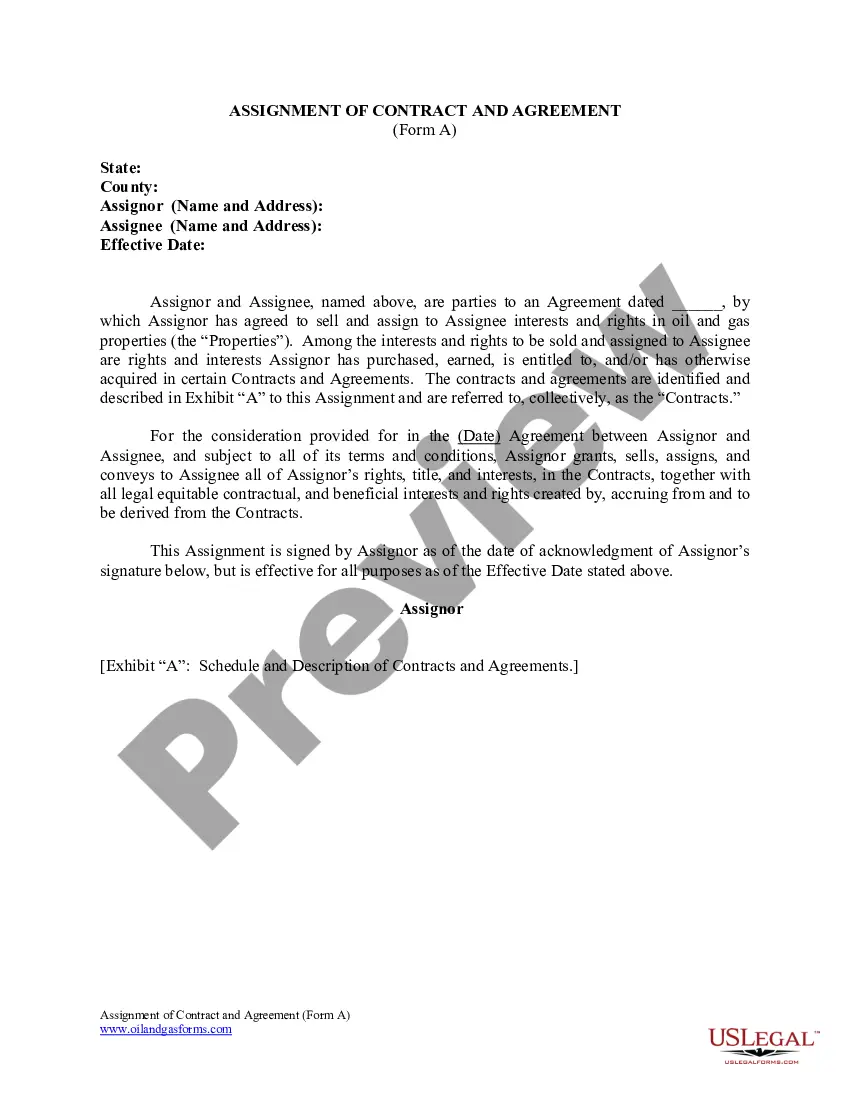
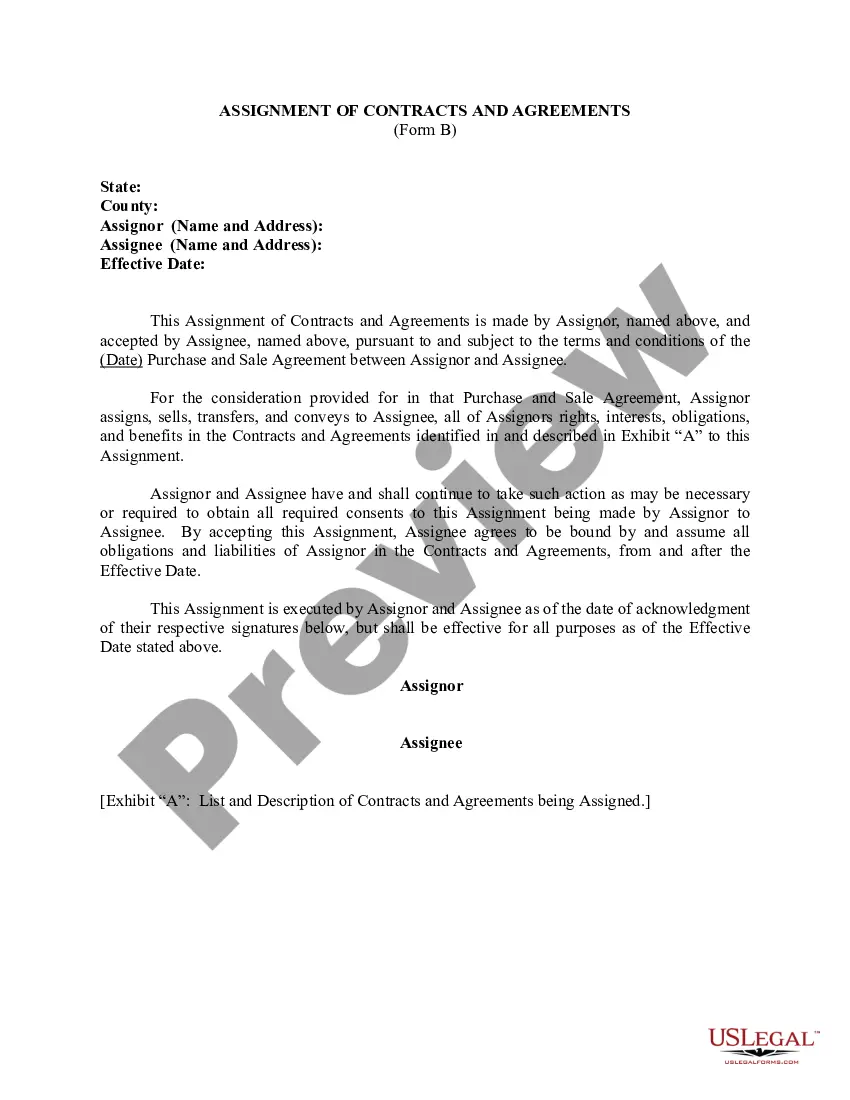
An assignment of contract in Colorado Springs is when one party transfers its rights and obligations under a contract to another party. It's like passing the baton in a relay race, where the new runner carries on from where the last one left off.