Absolutely! Always make sure everything is in line with the law, or you could end up with a legal mess. It’s best to consult with a legal pro to avoid stepping on any toes.
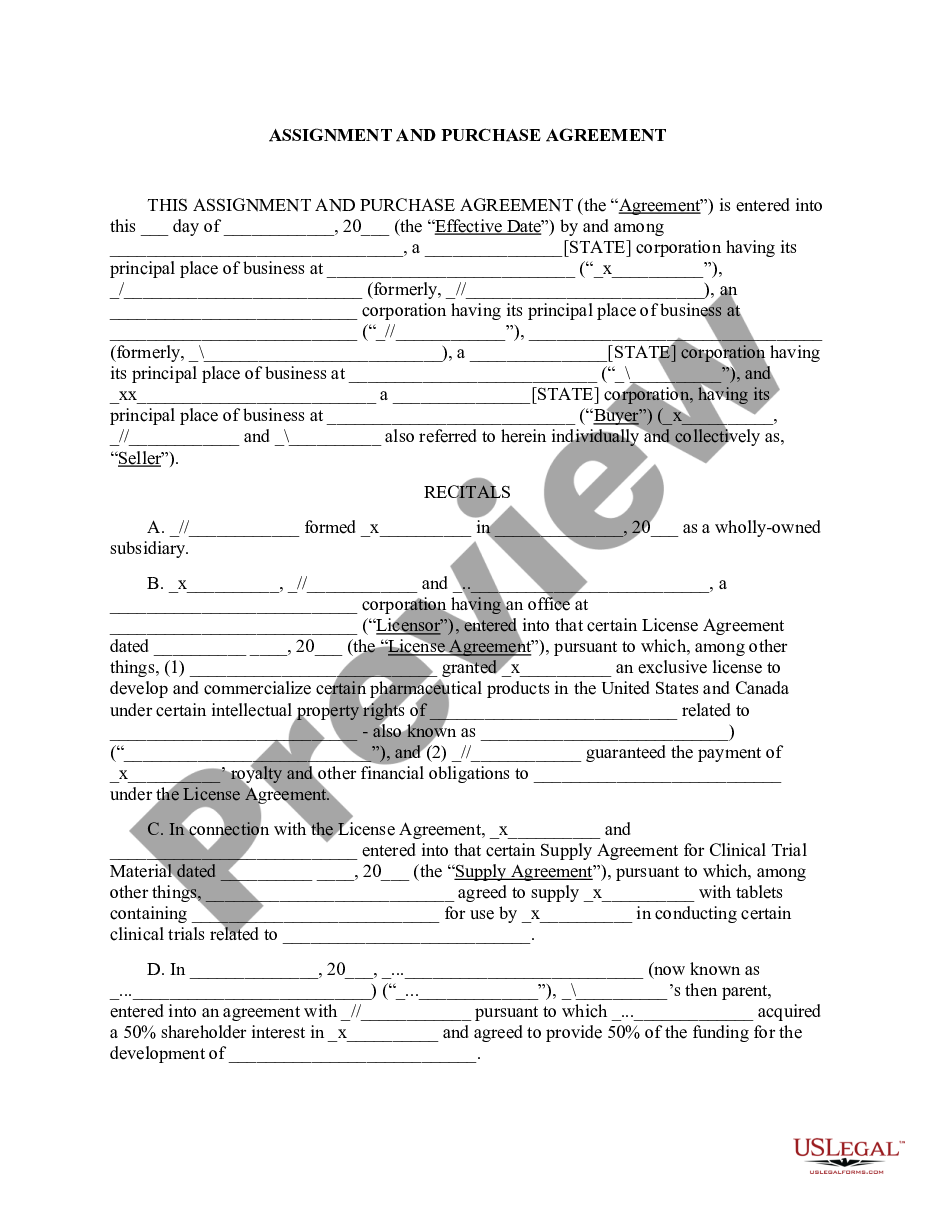
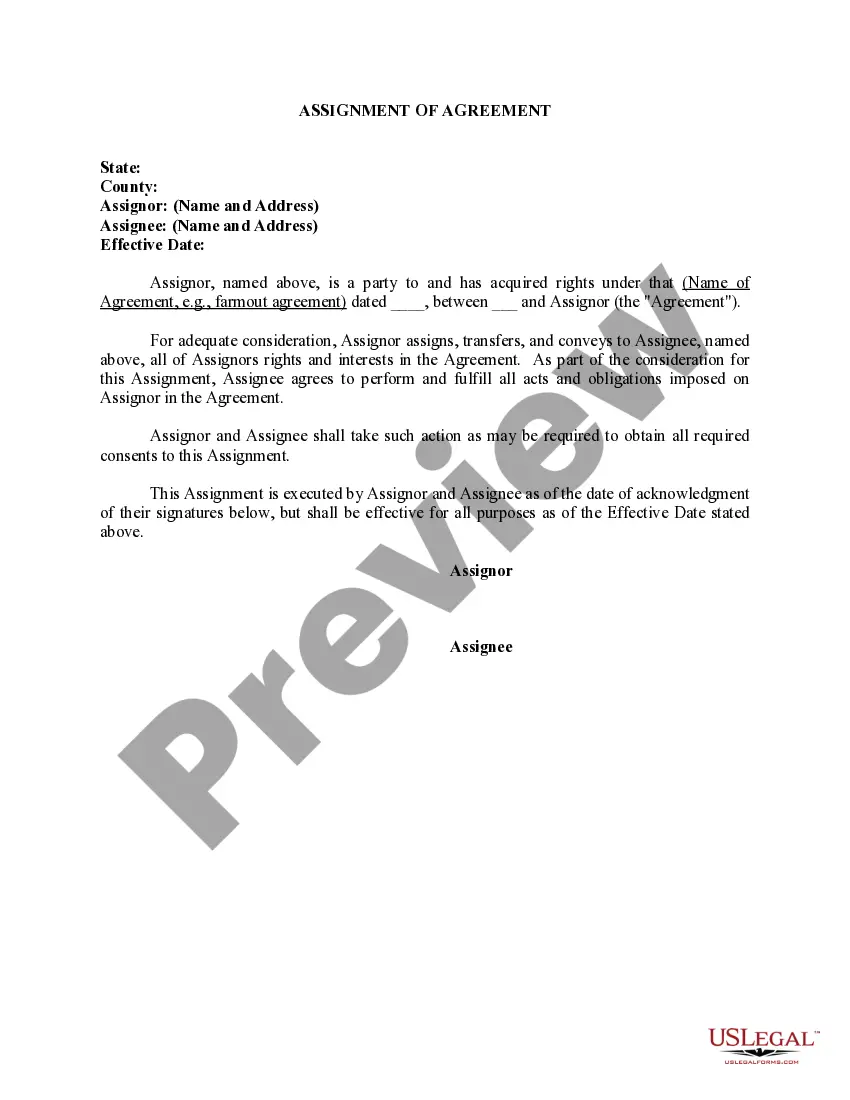
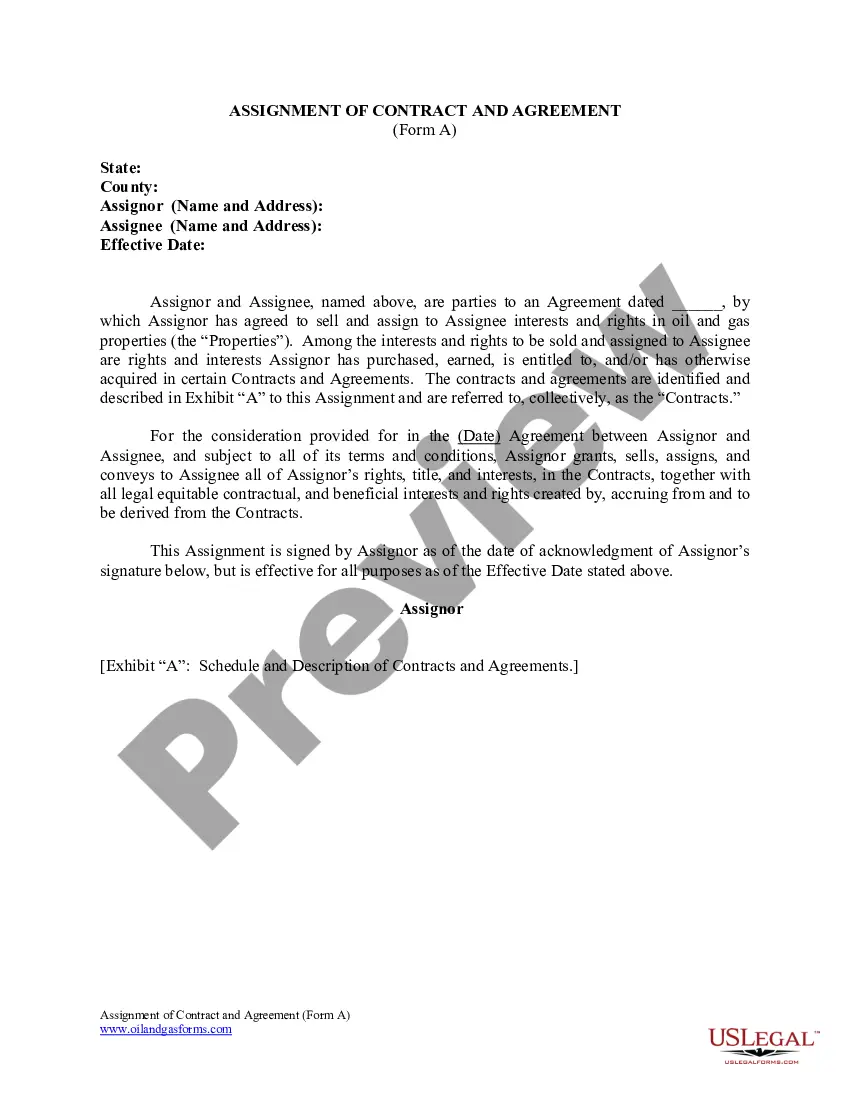
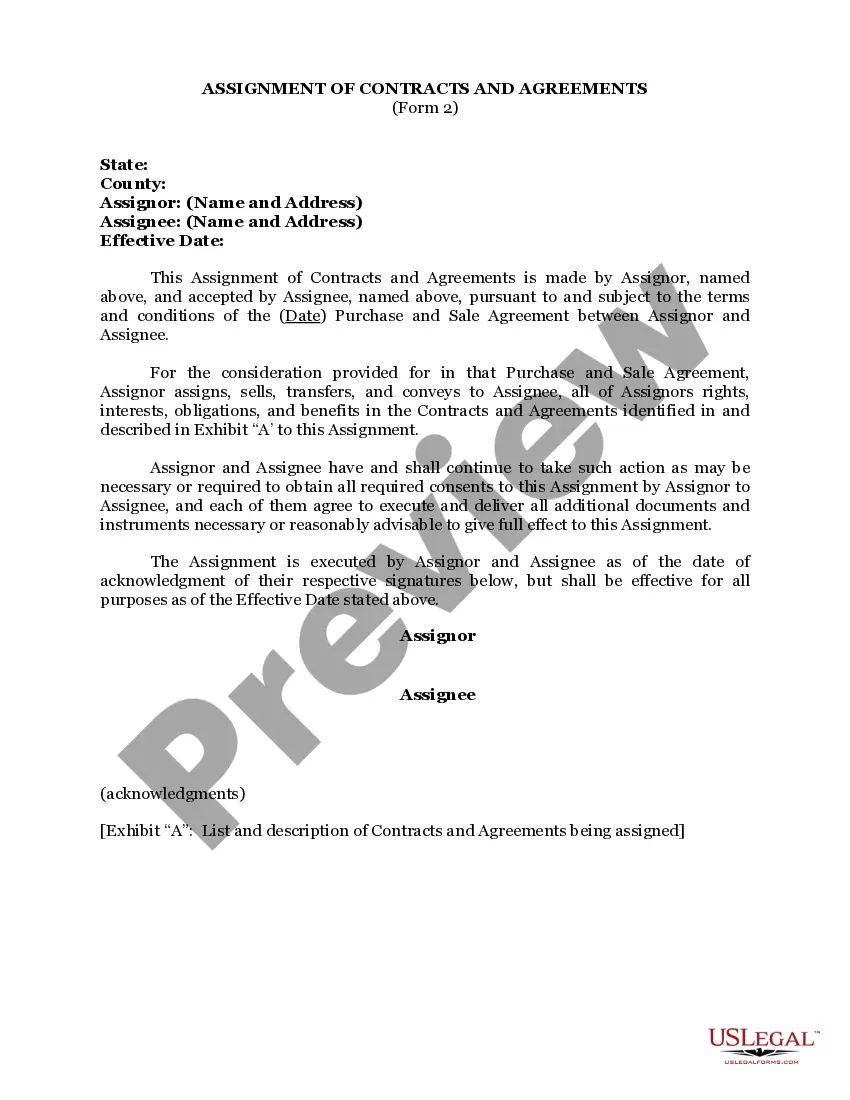
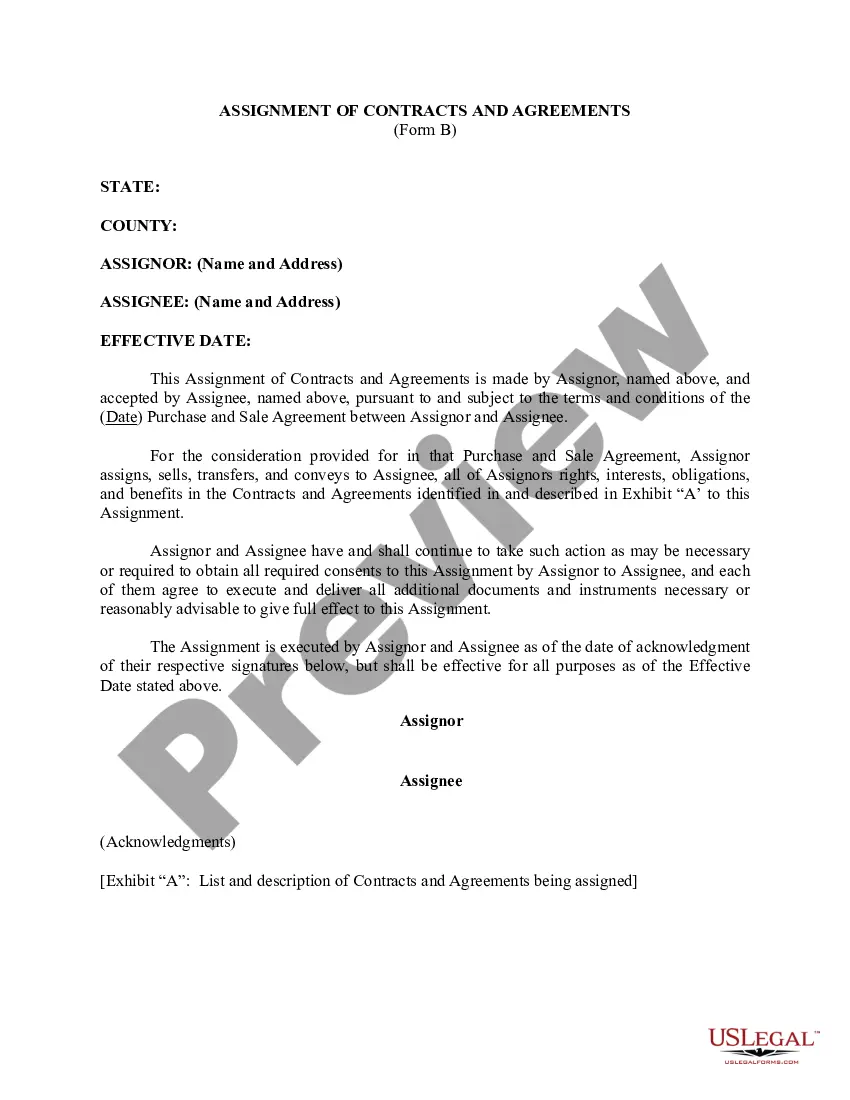
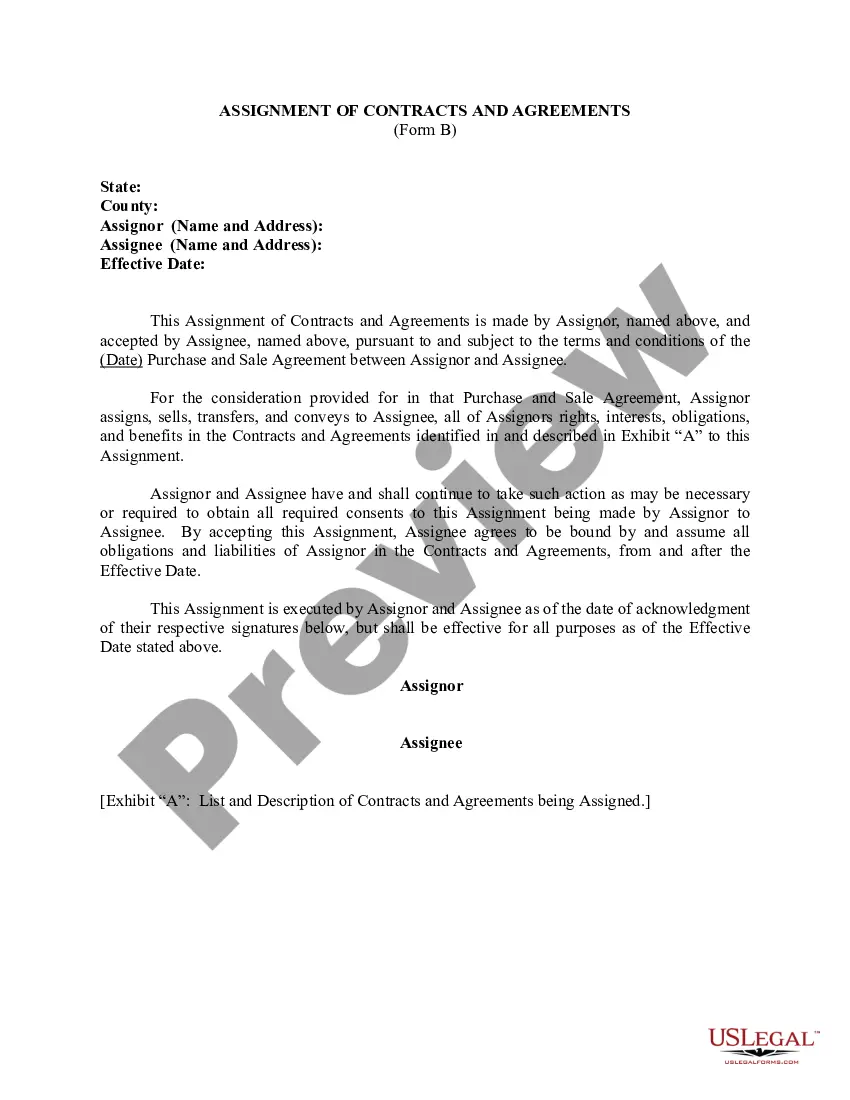
The assignment agreement should clearly outline the parties involved, the contract being assigned, and any specific terms. Think of it as writing a recipe so everyone knows how to cook up the deal!
Not always! Some contracts are personal in nature and can’t be assigned, like a service contract that requires specialized skills. It’s like trying to swap players in a sports team; not everyone fits the bill.
If things go south after the assignment, the original party might still be on the hook unless the other party agrees to release them from the obligations. It’s always good to clarify what happens if the ball gets dropped.
Sometimes you do! If the original contract requires consent, you’ll need to get the thumbs-up from the other party before making any moves.
Generally, any party involved in the contract can assign their rights or duties, unless the original contract says otherwise. Just make sure you check the fine print!
A contract assignment allows one party to hand over their rights and responsibilities in a contract to another party. It’s like passing the baton in a relay race.