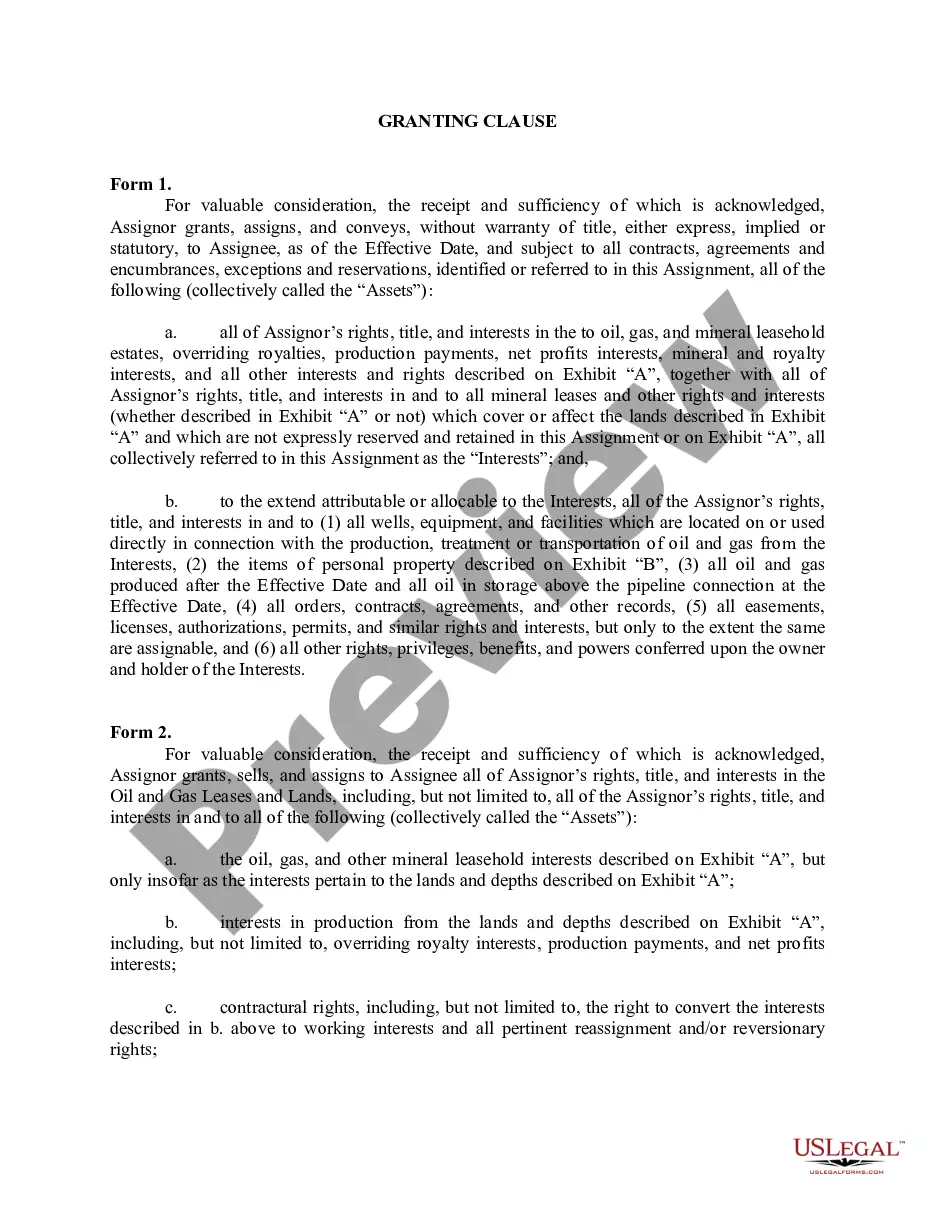
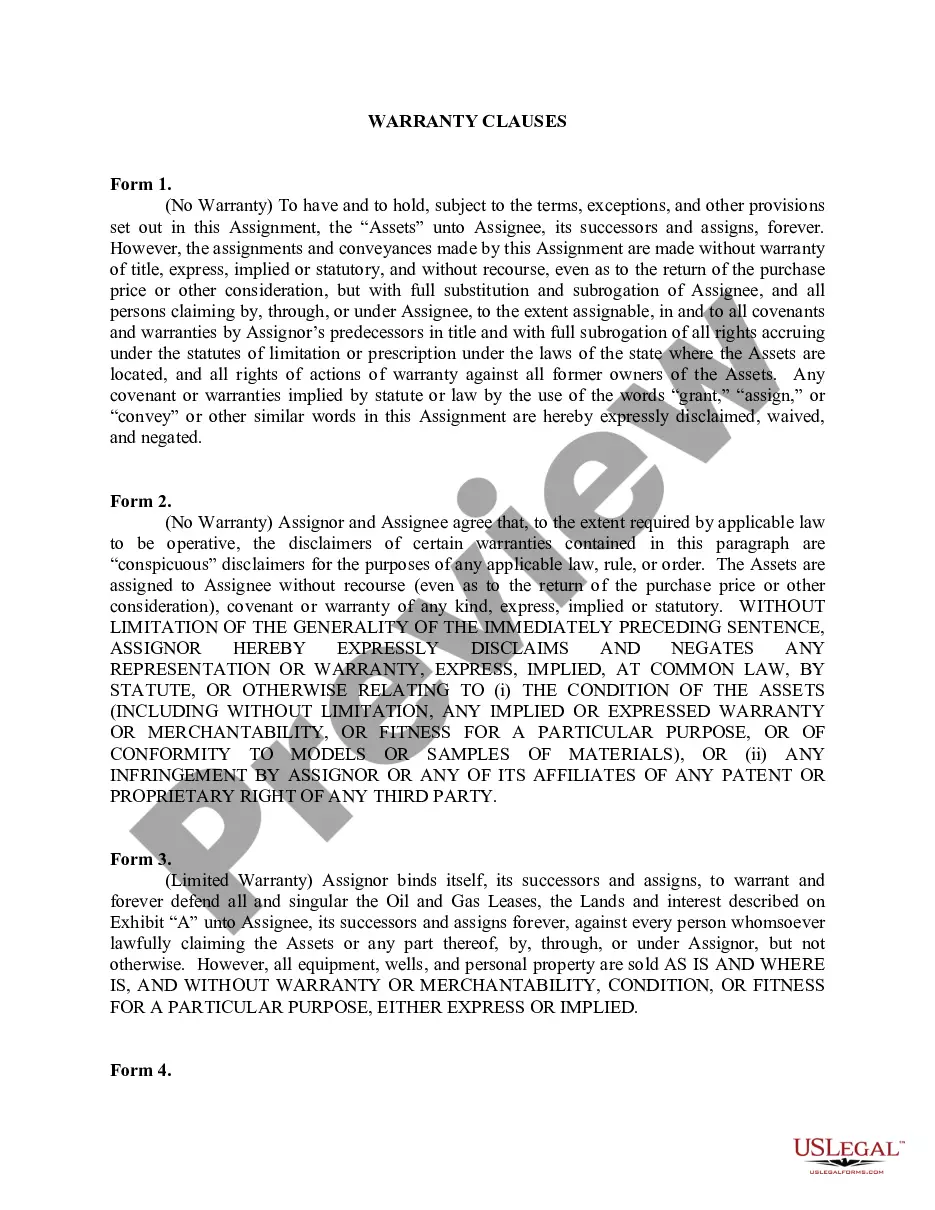
The Granting Clause form, the the receipt and sufficiency of which is acknowledged, assignor grants, assigns, and conveys, without warranty of title, either express, implied or statutory, to assignee.
Not exactly! A granting clause is part of a deed that transfers ownership, while a title is the legal document that proves you own that property. It's the difference between the key and the door.
A granting clause itself doesn’t affect property taxes directly, but it does establish who is responsible for those taxes. Think of it as setting the table; you know who’s eating what.
If there’s no granting clause, it could create a mess when it comes to ownership. Essentially, it could leave everyone scratching their heads about who owns what.
Typically, once a granting clause is signed and recorded, it can't be easily changed. It’s like setting a stone; it stays put unless you chisel it out.
Look for clear language that names the parties involved and describes the property being transferred. It should be straightforward, like following a good map.
The granting clause is crucial because it helps to establish legal ownership. Without it, the property could be in limbo, like trying to cross a bridge without knowing if it’s sturdy.
A granting clause is a part of a deed that clearly states who is giving property and to whom it's being given. It’s like saying, 'I give you my house, and here's the proof.'